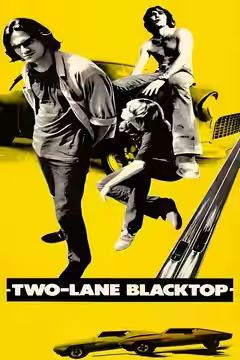
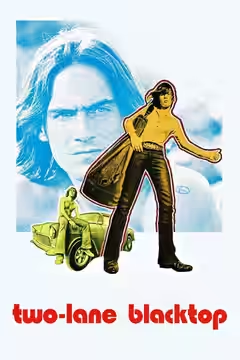
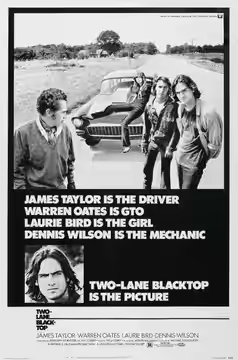
Monte Hellman’s street-racing drama is quietly absorbing, with Warren Oates giving its loners some welcome warmth. We recommend it, with fair warning that the thin story sometimes makes the silences feel long.
Two-Lane Blacktop is a road film that gradually lets its race become less important. That can sound like a warning, but we recommend it: Monte Hellman makes the driving and the company worth our attention even when the story slackens. His interest is in people who keep moving without becoming much easier to know. At 102 minutes, the film has time to test our patience, and occasionally does. Mostly, its unhurried pace lets us notice differences between people who seem to have little to offer one another.
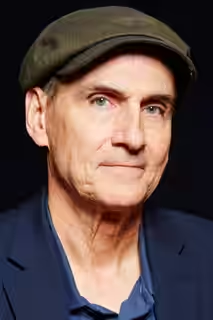
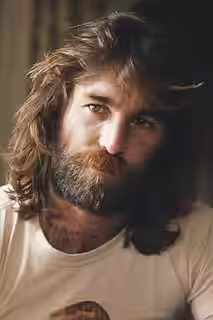
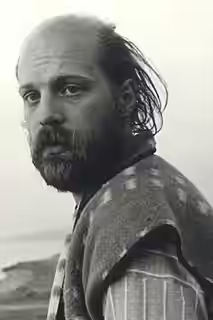
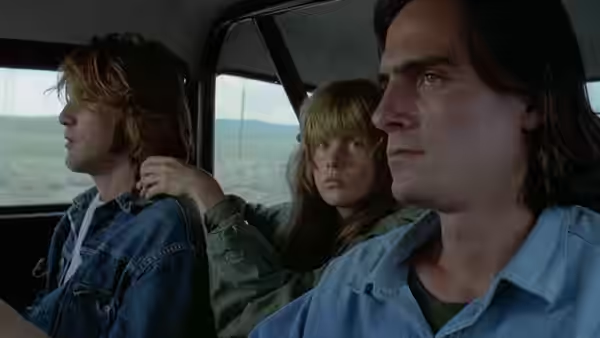
James Taylor’s The Driver and Dennis Wilson’s The Mechanic make that patience necessary. Their blankness is arresting, and both have the odd appeal of people who seem uninterested in being watched. The restraint suits a film so reluctant to explain its people, though the two performances can begin to feel too similar. We do not need a confession from everyone on screen, but we sometimes wanted another flicker of curiosity or irritation. There are quiet passages where the effort of wondering about them starts to feel like work.
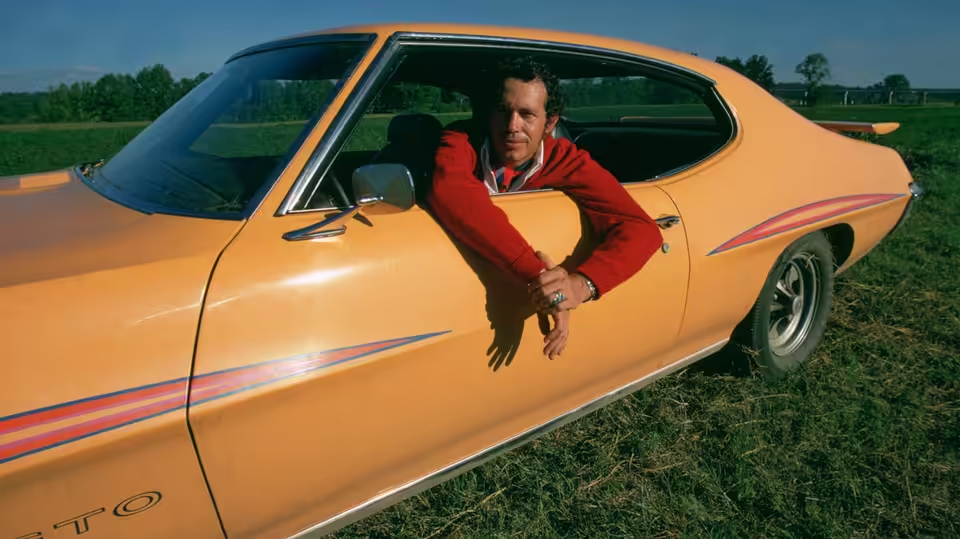
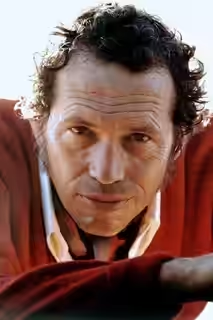
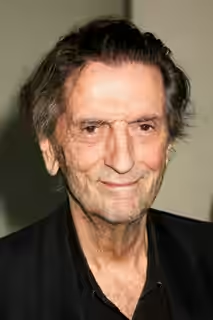
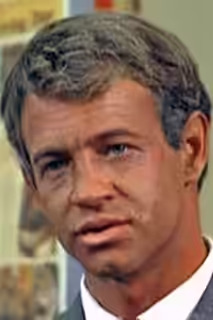
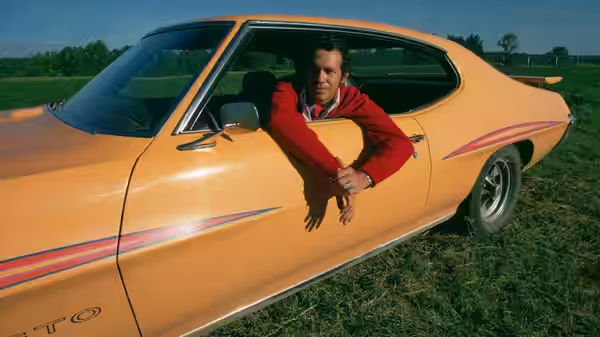
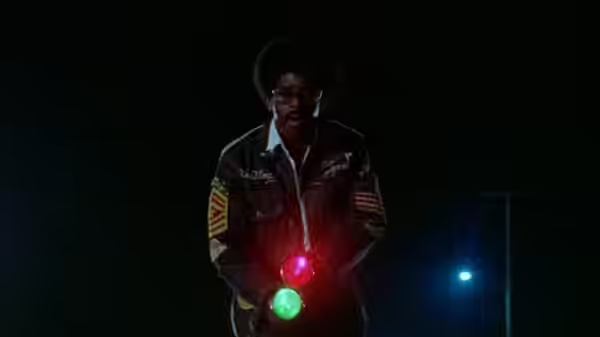
Warren Oates prevents that reserve from taking over. His G.T.O. tells stories about himself with the apparent hope that enough talk will make him interesting company. We felt unexpectedly sad watching him: the more he supplies, the more exposed his loneliness seems. Oates gives those stories enough life that we want to hear them, even while doubting that they explain him. His performance provides some welcome humour, without making G.T.O. seem any less troubled.
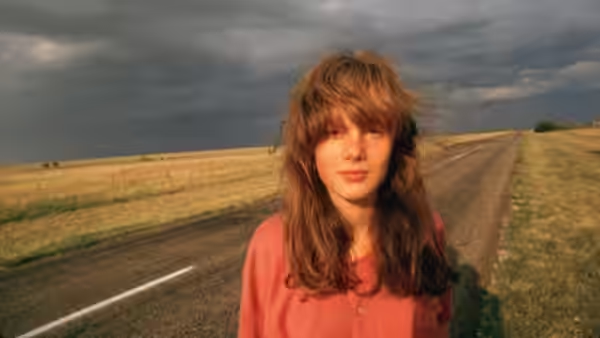
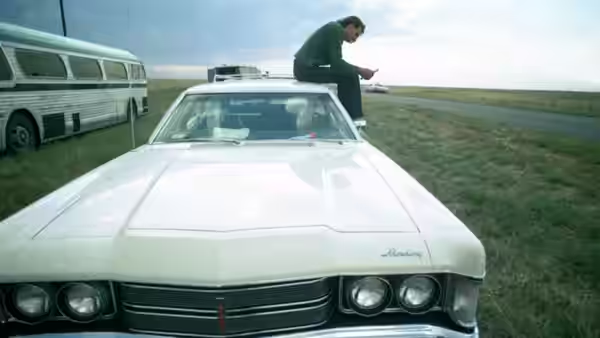
Jack Deerson and Gregory Sandor’s landscape photography is a substantial reason to stay with the journey. The outdoor colour gives the eye plenty to attend to while the central group remains so guarded. We can enjoy looking at the land without being asked to believe that these people are enjoying their freedom. As editor, Monte Hellman lets the race lose momentum instead of continually restoring a sense of urgency. It is an effective choice, though some stretches could be shorter without costing the film its peculiar calm.
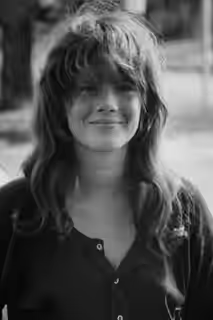
The screenplay by Floyd Mutrux, Rudy Wurlitzer and Will Corry keeps explanation sparse. That restraint leaves room for Oates, but it also places a heavy burden on the cast to make thinly drawn people interesting. Laurie Bird’s The Girl has less chance to compete with G.T.O. for our attention. A little more detail would help her feel less marginal. The long pauses are easier to accept when we have someone as expressive as Oates to watch.
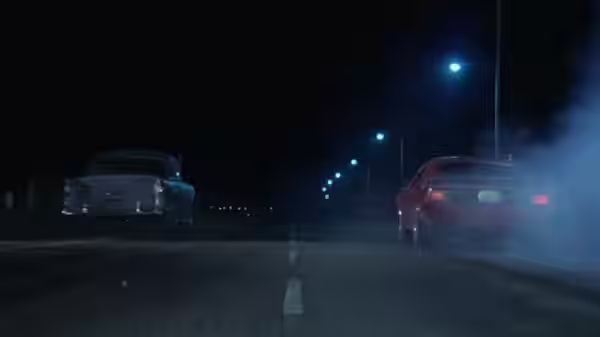
Within the road-film tradition, this is an unusually patient treatment of people whom speed does not seem to satisfy. The street racing matters, but Monte Hellman declines to make every encounter another step towards a decisive contest. That will frustrate anyone expecting the driving to supply a dependable sequence of thrills. We think the gamble pays off because Oates gives us a person to care about, and Taylor and Wilson remain strange enough to keep us looking. Choose it for the company, and allow for the silences.