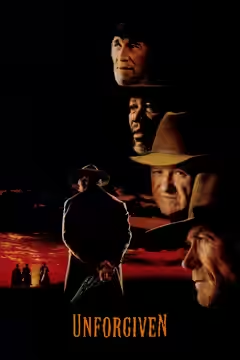
Clint Eastwood makes a grave, absorbing Western about the damage done by violent men and the stories told about them. Its attraction to gunfighter legend occasionally troubles us, but we would send a stranger to it.
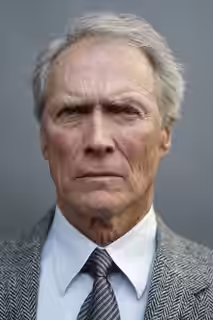
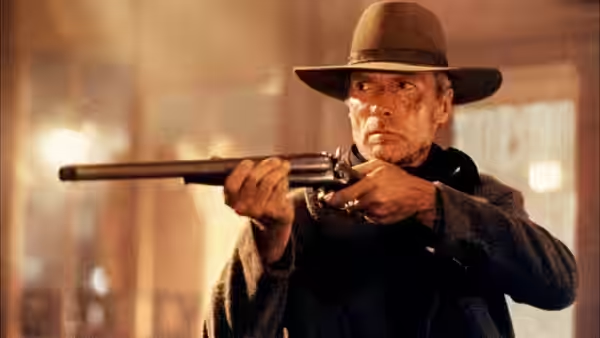
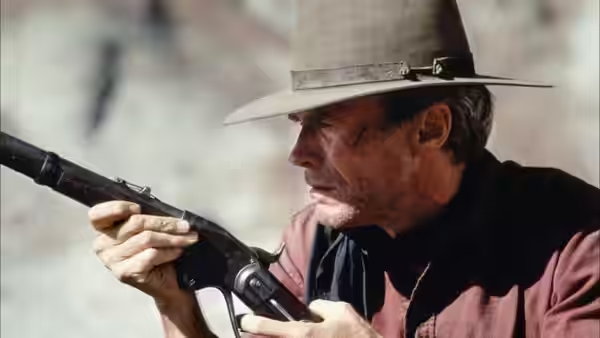
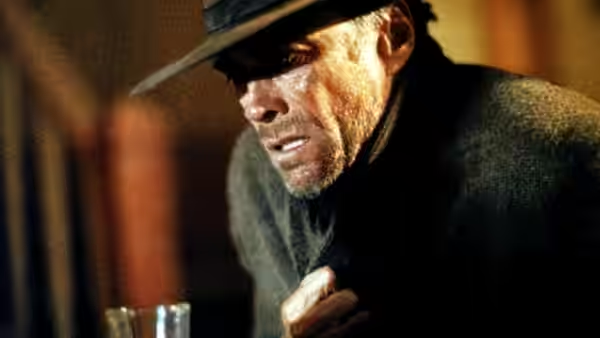
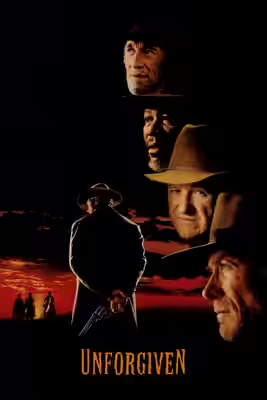
Unforgiven is a grave, absorbing Western, and we would recommend it even to someone who usually avoids the genre. Clint Eastwood directs and plays William Munny, a retired gunslinger whose history makes easy admiration uncomfortable. David Webb Peoples’s screenplay takes killing seriously enough to consider the guilt that stays with the people who do it. Eastwood gives that subject time, asking us to spend 130 minutes with men whose experience of violence has done little to make them wise.
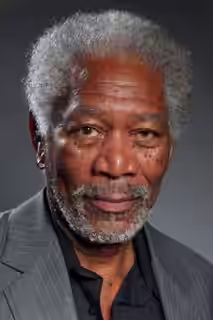
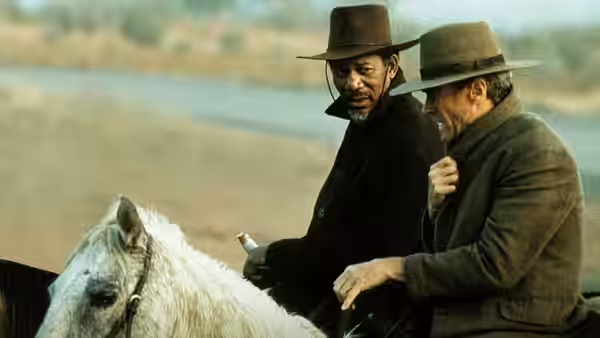
Eastwood’s weariness is essential to the performance. Munny does not seem to have acquired much comfort from surviving, and the actor makes his past feel burdensome without continually insisting on our sympathy. Morgan Freeman, as Ned Logan, brings a welcome warmth that keeps the film from becoming a procession of grim faces. Their performances give us people to care about, which matters when a film is this determined to challenge our appetite for gunmen.
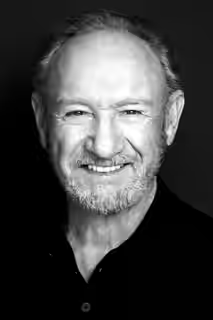
Gene Hackman’s Little Bill Daggett is the performance that unsettled us most. We were frightened by his ease with cruelty. He makes the sheriff’s sadism seem reasonable to the man practising it, as though enforcing the law settles any question about how he ought to behave. Hackman gives him enough confidence and complexity that we cannot dismiss him as a stock villain and wait comfortably for the story to deal with him.
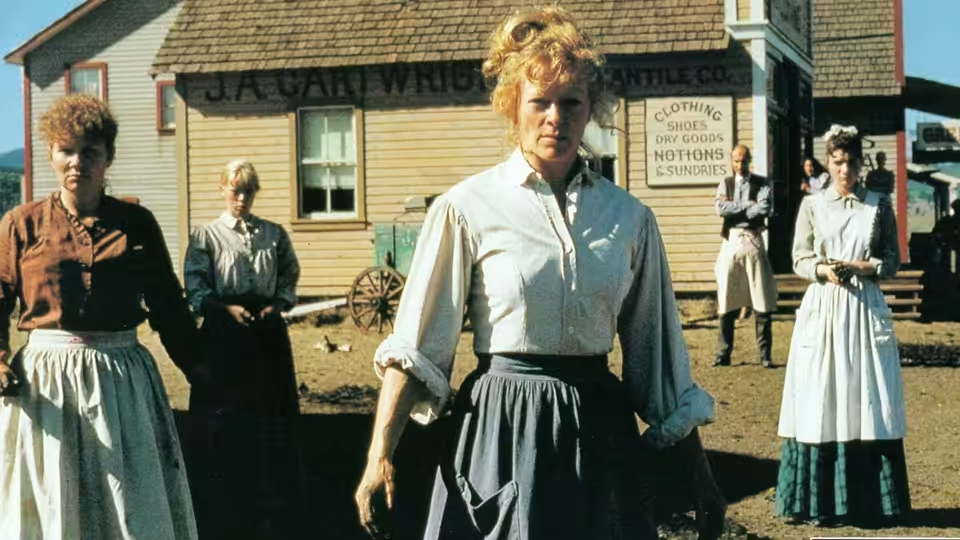
Jack N. Green’s cinematography gives the West a beauty we cannot quite relax into. The space around these men makes them seem exposed, and keeps their physical frailty in view. Henry Bumstead’s production design makes the frontier feel inhabited and uncomfortable, without the cosiness that period surroundings can acquire. We believe people have to live in these places, and the lack of comfort helps explain their impatience with each other.
Joel Cox’s editing is patient with the actors, giving their exchanges enough room for uncertainty to register. That patience can make the film feel slow, though a quicker version would risk making the business of killing look efficient again. Lennie Niehaus’s music supplies a tenderness that the men themselves struggle to express. It works because the sadness does not turn their violence into something we are asked to forgive.
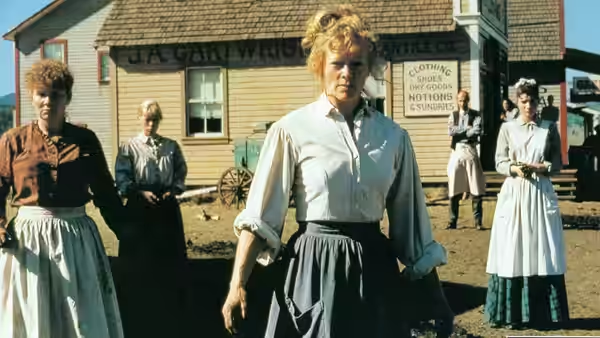
There are reservations. The women, including Frances Fisher’s Strawberry Alice and Anna Thomson’s Delilah Fitzgerald, receive less attention than the men, and Peoples leaves us wanting a fuller sense of their lives. The film also retains an attraction to gunfighter legend that sits awkwardly with its scrutiny of killing. We still get the pleasure of watching Eastwood inhabit this familiar kind of role, even while the screenplay asks us to question that pleasure. The tension is interesting, but it does not excuse every imbalance in whose experience gets examined.
Within the Western, its distinction is the seriousness it gives to consequences that can too easily become an excuse for another confrontation. It also asks something difficult of Eastwood’s own gunslinger persona, trusting that our affection for the actor will survive a close look at the men he plays. His willingness to make Munny such uncomfortable company deserves that trust, even when the film’s fascination with him narrows its attention elsewhere. Give it an evening when nobody needs cheering up.