Duncan Jones gives his orcs weight and feeling, but Warcraft buries them in a crowded, hurried story. Toby Kebbell supplies the strongest performance in a fantasy that asks for more patience than it earns.
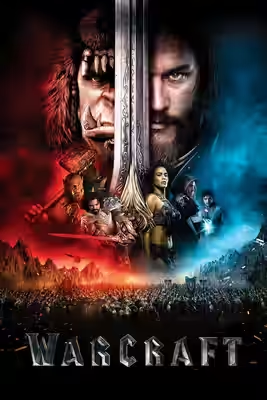
Duncan Jones approaches Warcraft as though the orcs deserve as much consideration as the people standing in their way, and that is a worthwhile place to begin. This is a poor fantasy film with an unusually persuasive group of digital characters. Jones wants us to understand the opposing sides, but the screenplay, which he shares with Charles Leavitt, gives us too many introductions and too little time with anyone. Across 123 minutes, learning who matters becomes more work than it should.
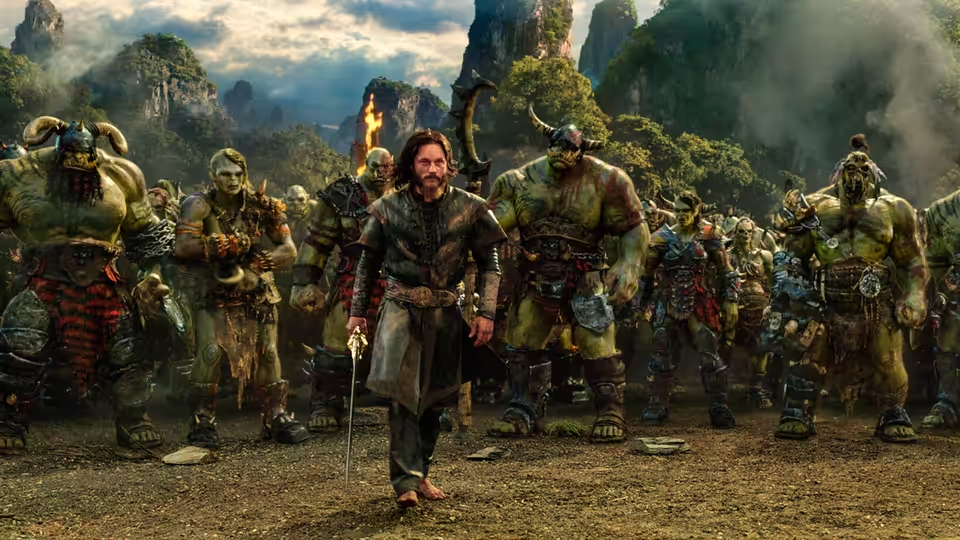
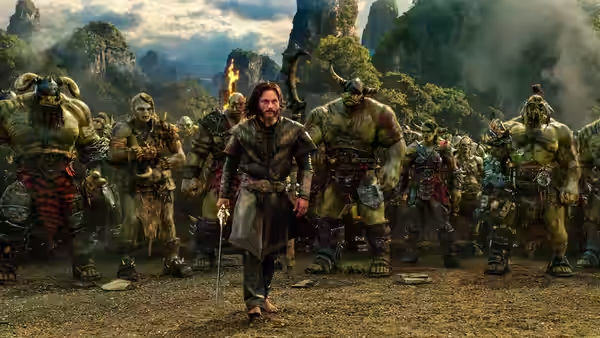
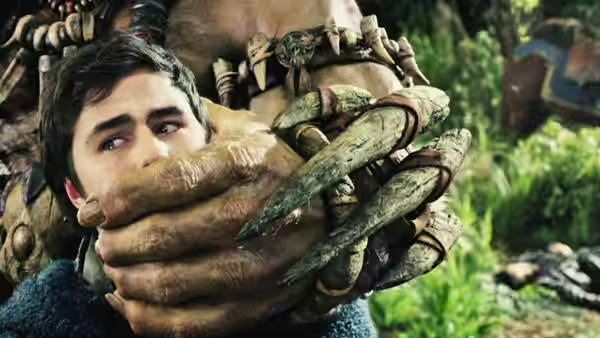
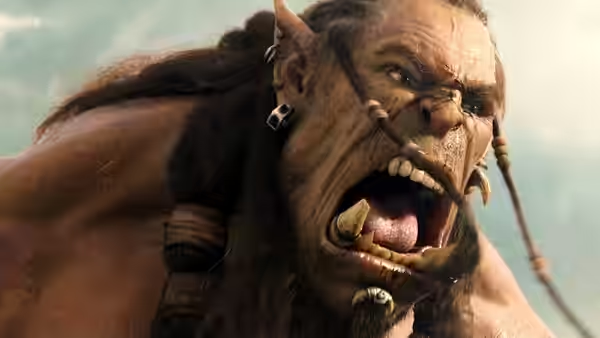
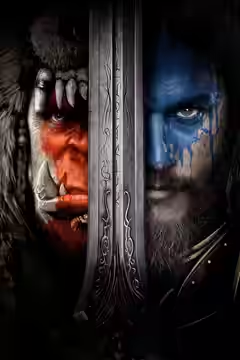
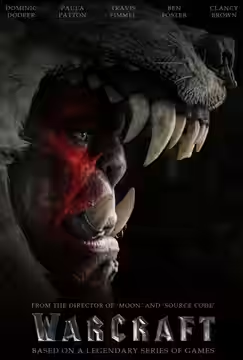
Toby Kebbell’s Durotan gives the film its clearest reason to keep watching. The bulk of the orc body never prevents a thought from registering in the face, and the effects allow Kebbell’s performance to remain readable beneath the tusks. We cared about him, because the worry in those eyes makes the conflict feel like something happening to a person. The orcs have weight, too: their size and movement suggest bodies capable of hurting each other.
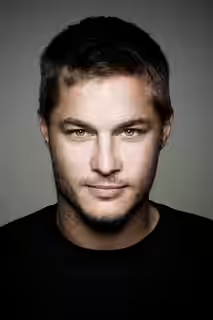
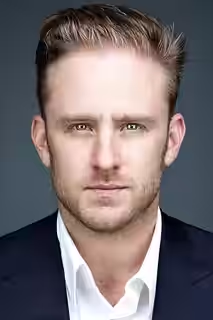
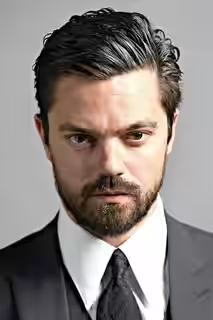
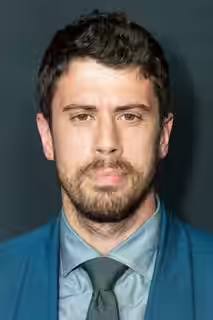
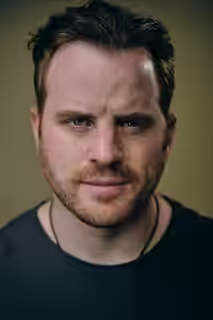
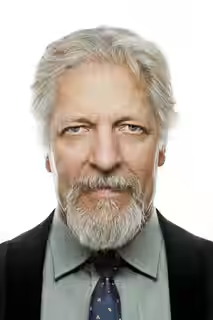
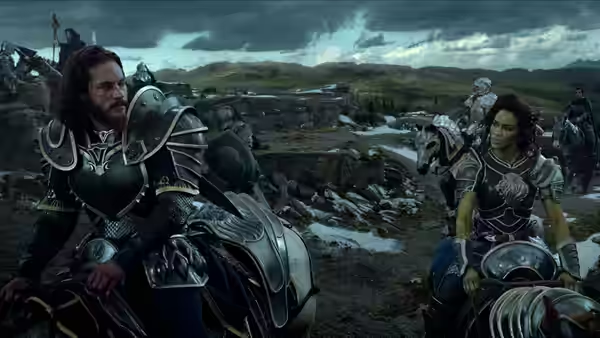
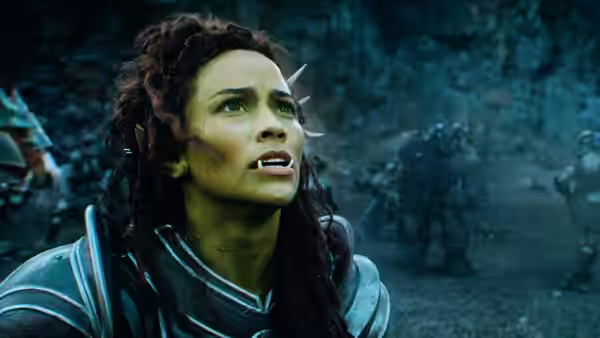
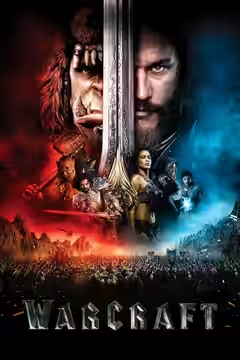
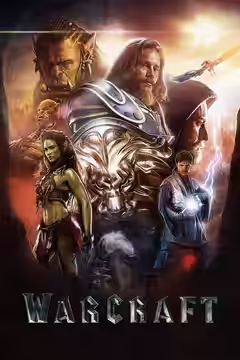
The human cast has a harder job. Travis Fimmel’s Commander Anduin Lothar is given plenty of importance without becoming a particularly engaging companion, while Dominic Cooper’s King Llane Wrynn struggles to be more than his rank. Ben Foster, as Medivh, has the burden of making the magic sound consequential, which does not leave much room for a person underneath. Paula Patton gives Garona Halforcen some welcome grit. Her presence suggests a more immediate, less crowded film, but she is repeatedly made to serve the business of moving this one along.
Paul Hirsch’s editing keeps changing our company before the relationships have had time to become interesting. The story feels hurried even when it is laborious to follow, because explanations and introductions occupy the space where a scene might have developed. There is not enough pleasure in simply being here. Jones and Leavitt appear so concerned with fitting the world into the film that they seldom let us discover it through a character doing something worth our attention.
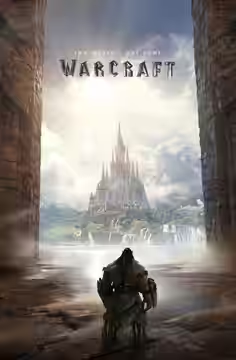
The images have a similar problem of competing demands. Cinematographers Simon Duggan and Stewart Whelan give the magic a welcome brightness, but the actors and digital surroundings do not consistently look as though they belong together. Gavin Bocquet’s production design contains plenty of detail, but the props do not always look substantial enough to belong beside those convincingly bulky orcs. There are passages where the sheer effort of filling the frame leaves us less certain what we ought to be looking at.
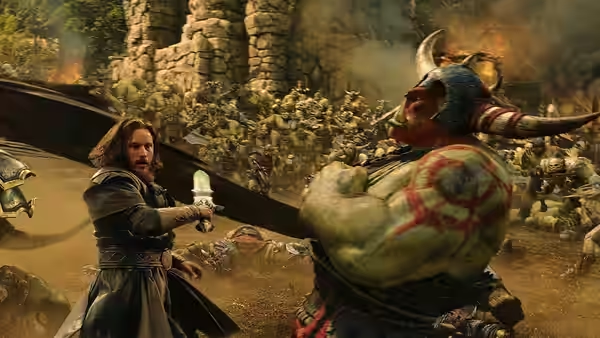
Ramin Djawadi’s score adds to the insistence that all this matters. Its force suits the combat better than the stretches in which the film is still trying to establish why we should care. The fighting at least benefits from the orcs’ physical presence, and there is a blunt pleasure in the scale of them. Yet the crowded storytelling keeps reducing the impact: we can register a blow without having much invested in who receives it.
Fantasy can accommodate complicated histories, but it needs to make a stranger want to learn them. Warcraft asks for that commitment before it has supplied enough excitement or affection to earn it. There is care here, particularly in the orc performances, and anyone already attached to this world may be more willing to do the connecting work. Try it for the orcs only if you can tolerate a good deal of hurried explanation.