Gavin O’Connor’s Warrior earns its tears through Tom Hardy, Joel Edgerton and Nick Nolte, even when the writing takes familiar shortcuts. The fighting is forceful, but the performances make this family drama worth the bruising.
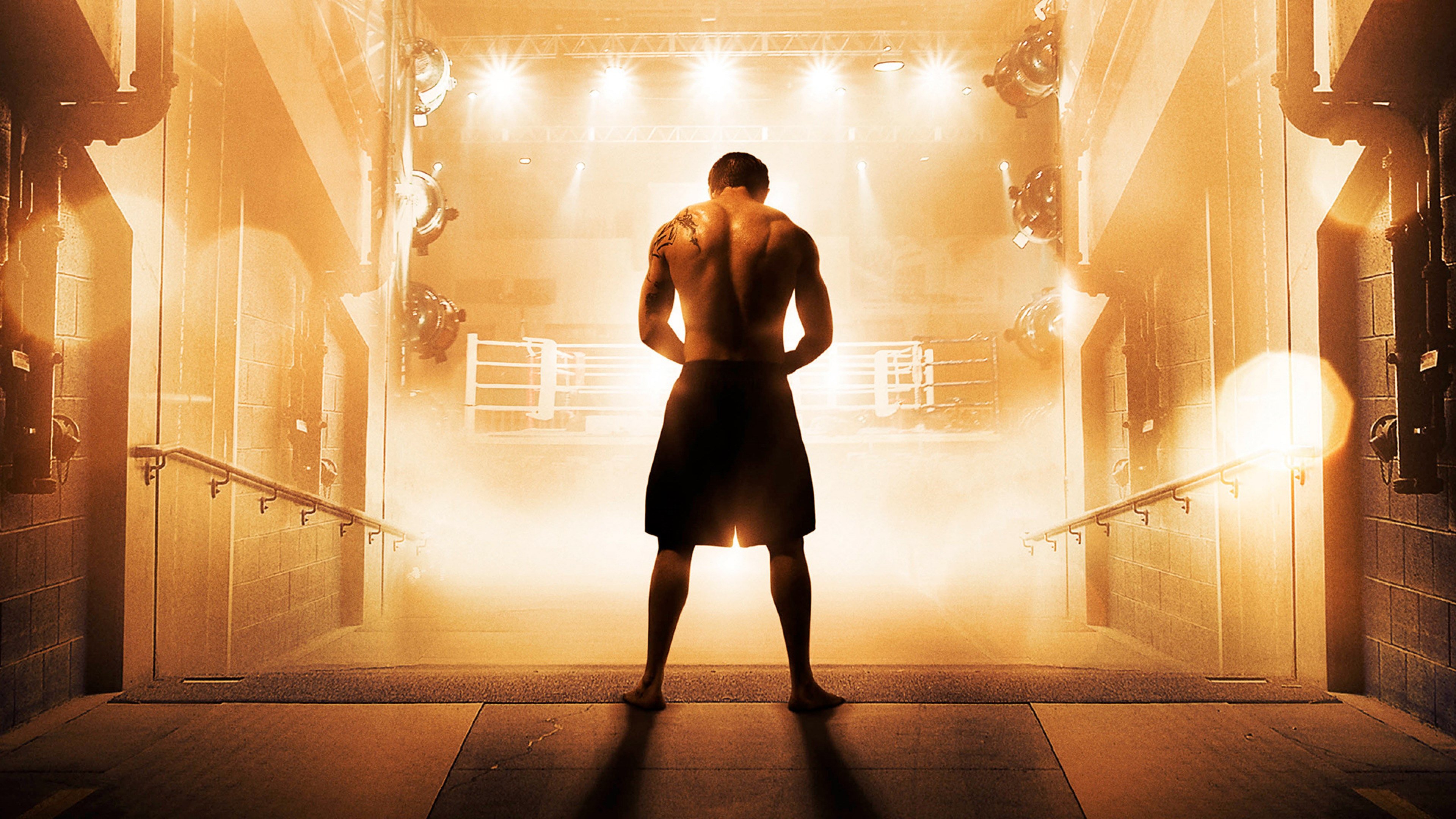
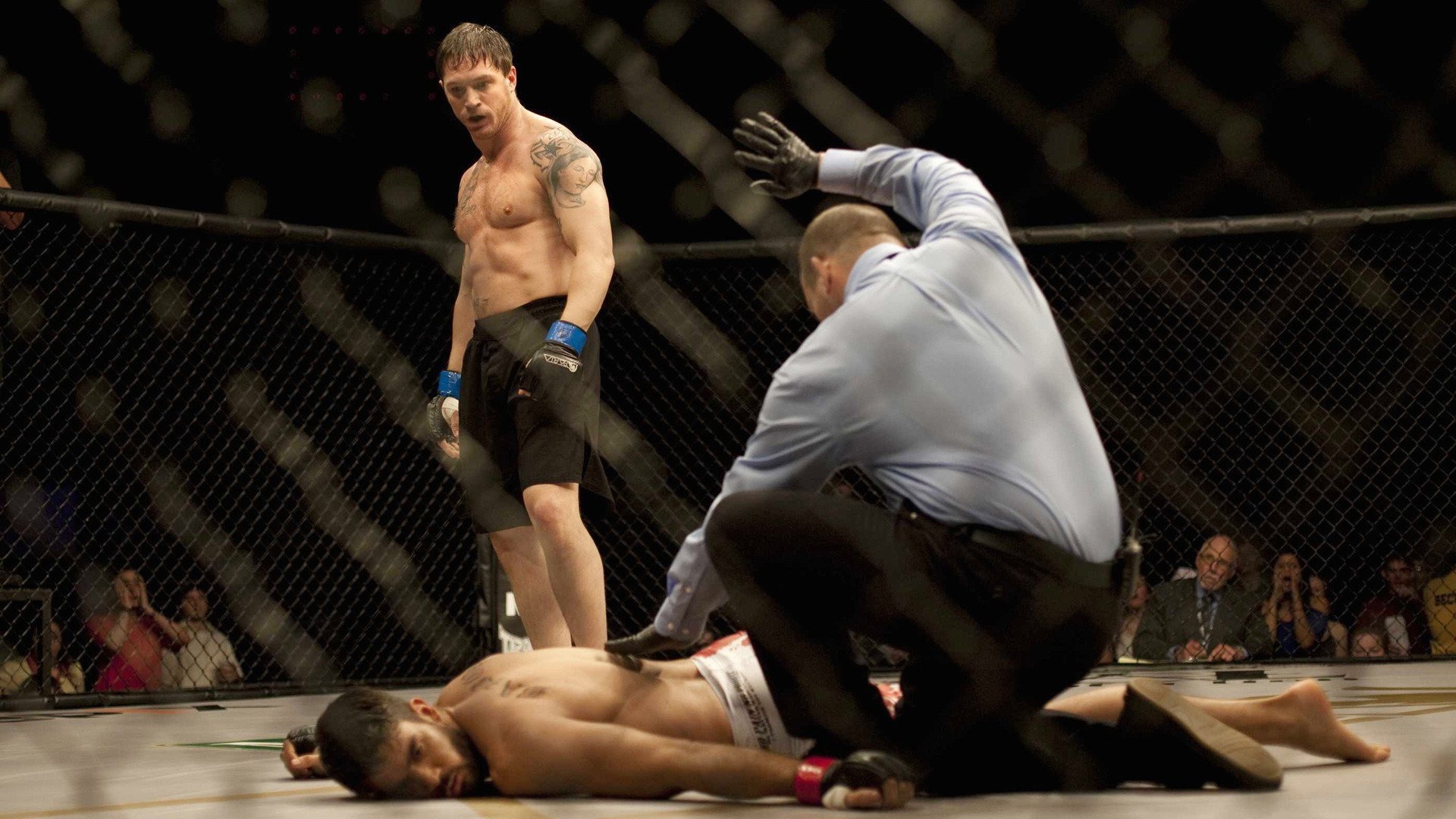
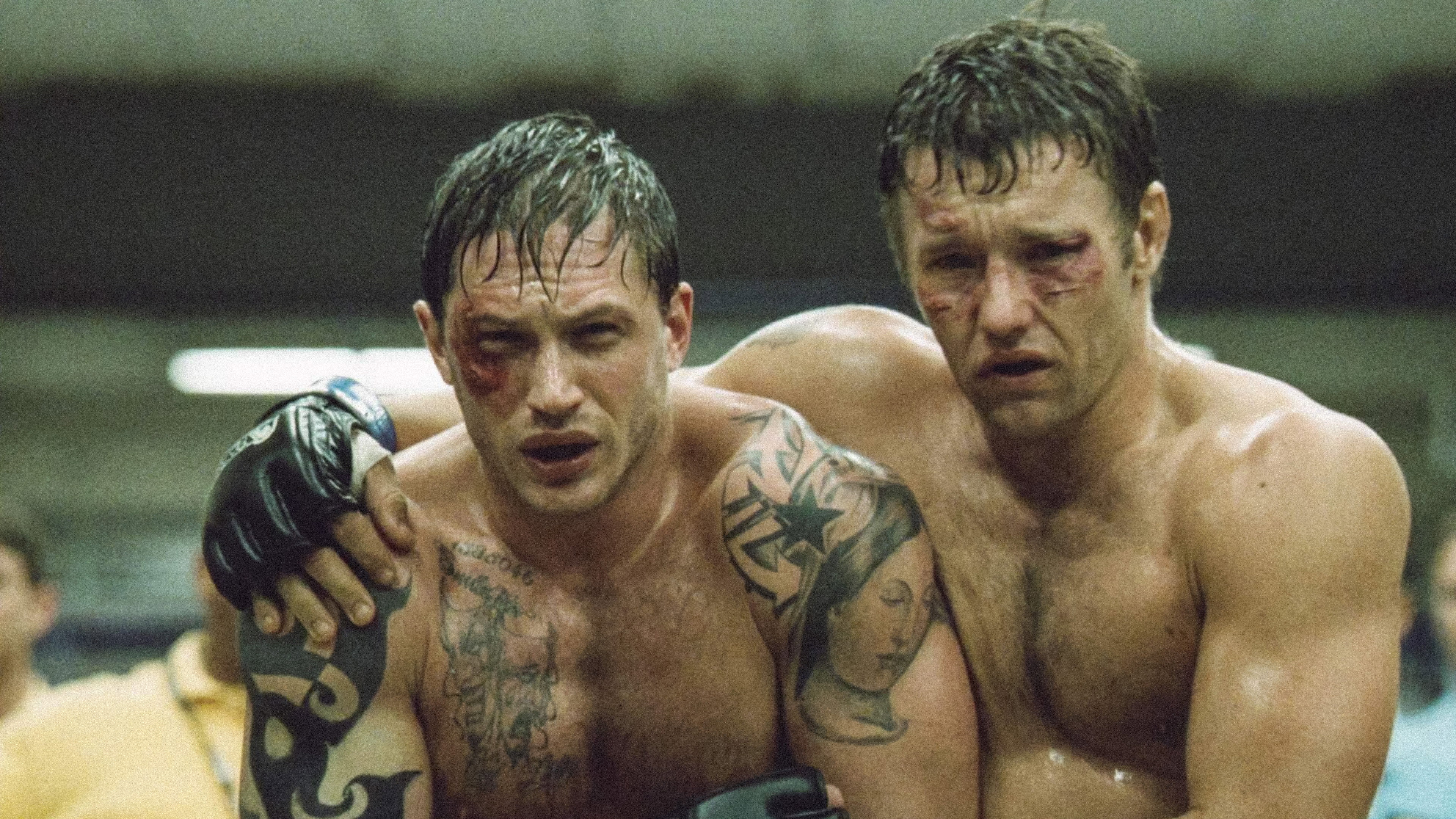
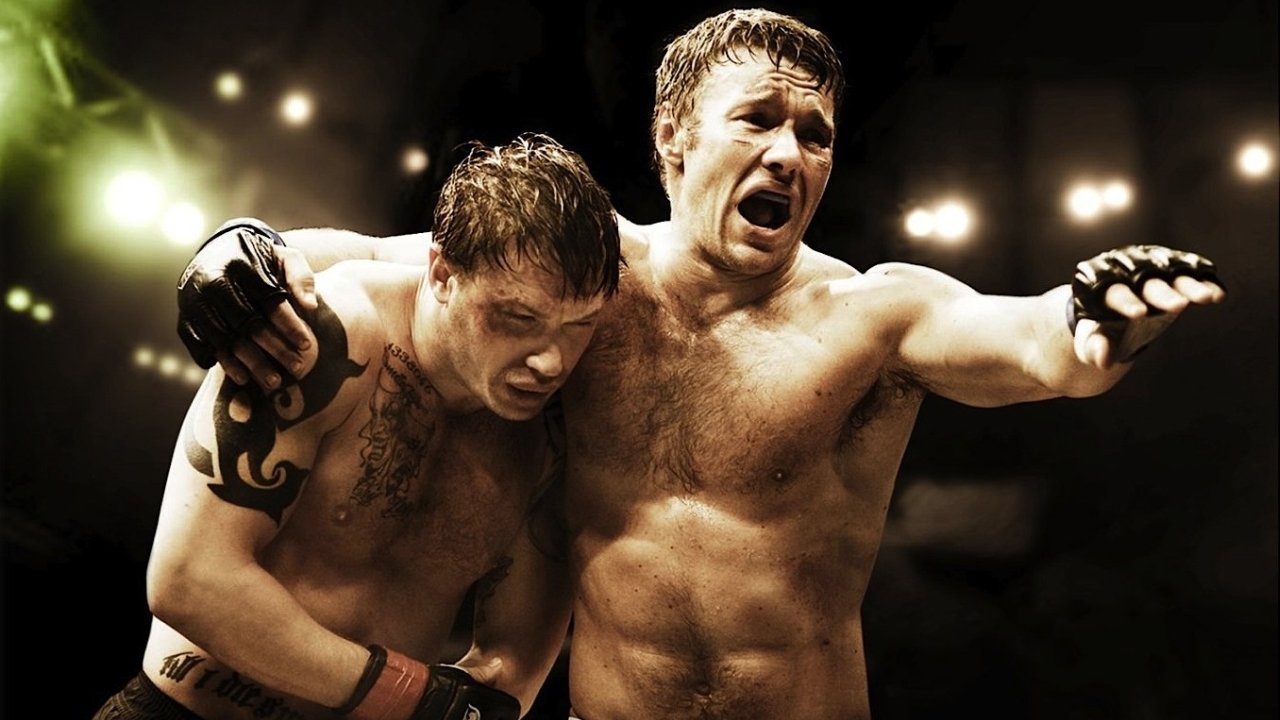
For all its familiar plotting, Warrior is a moving and forceful family drama. Gavin O’Connor puts estranged brothers Brendan and Tommy Conlon into a mixed martial arts tournament and gives us reasons to care about both. The expected sports-film business is present: hardship, determination and the promise that a contest might settle something beyond the result. O’Connor spends enough time with the men beforehand to make the violence matter, and most of the 140 minutes earn their place.
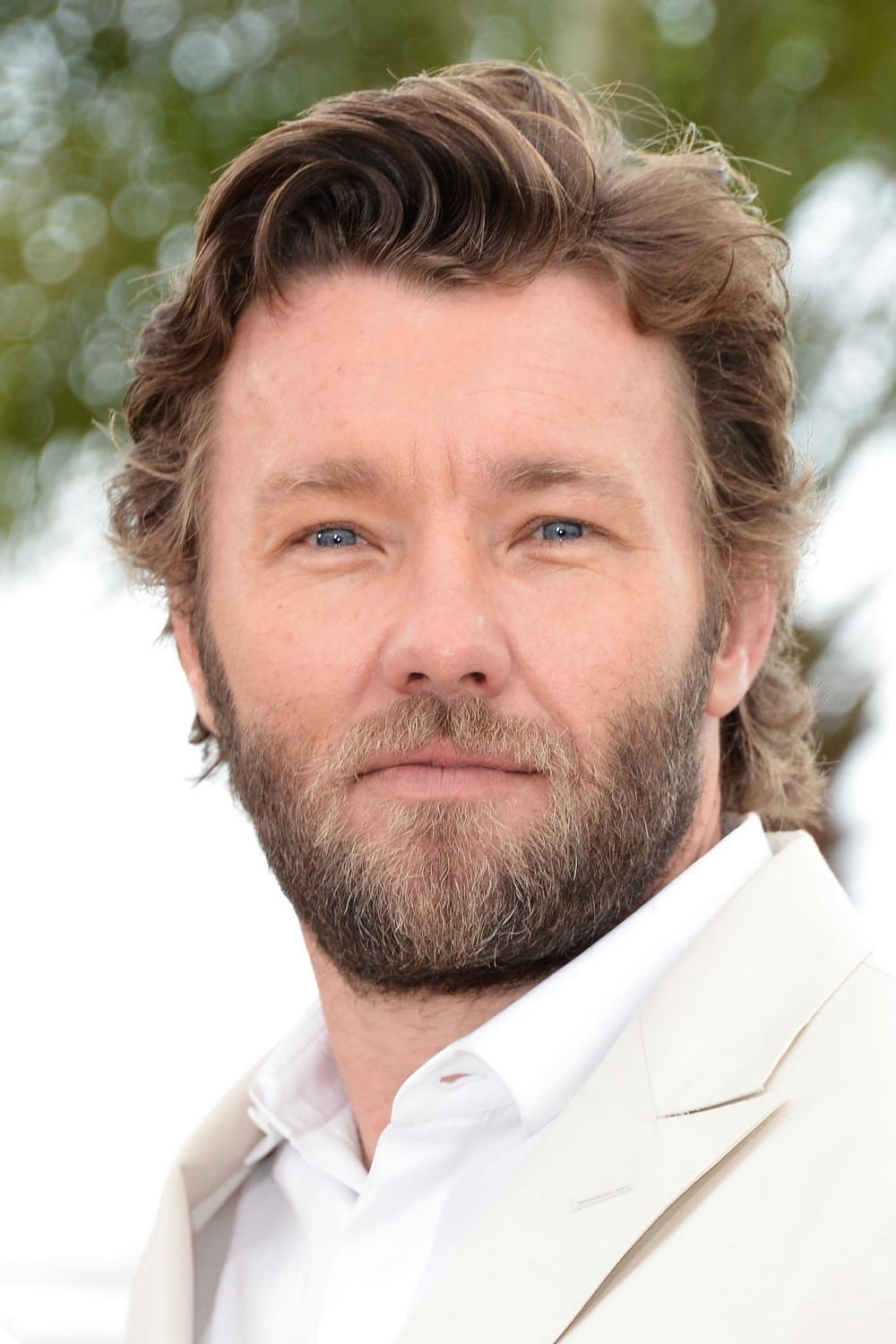
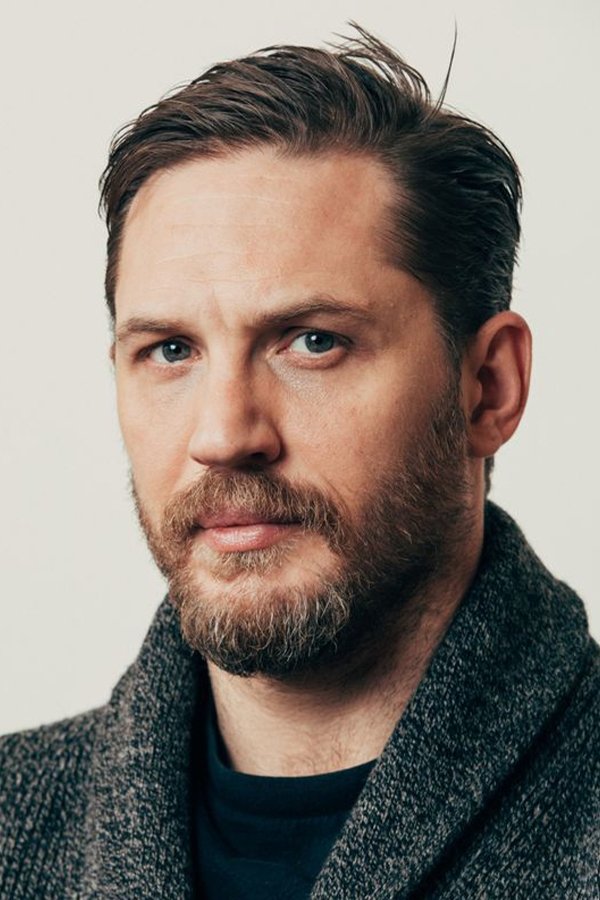
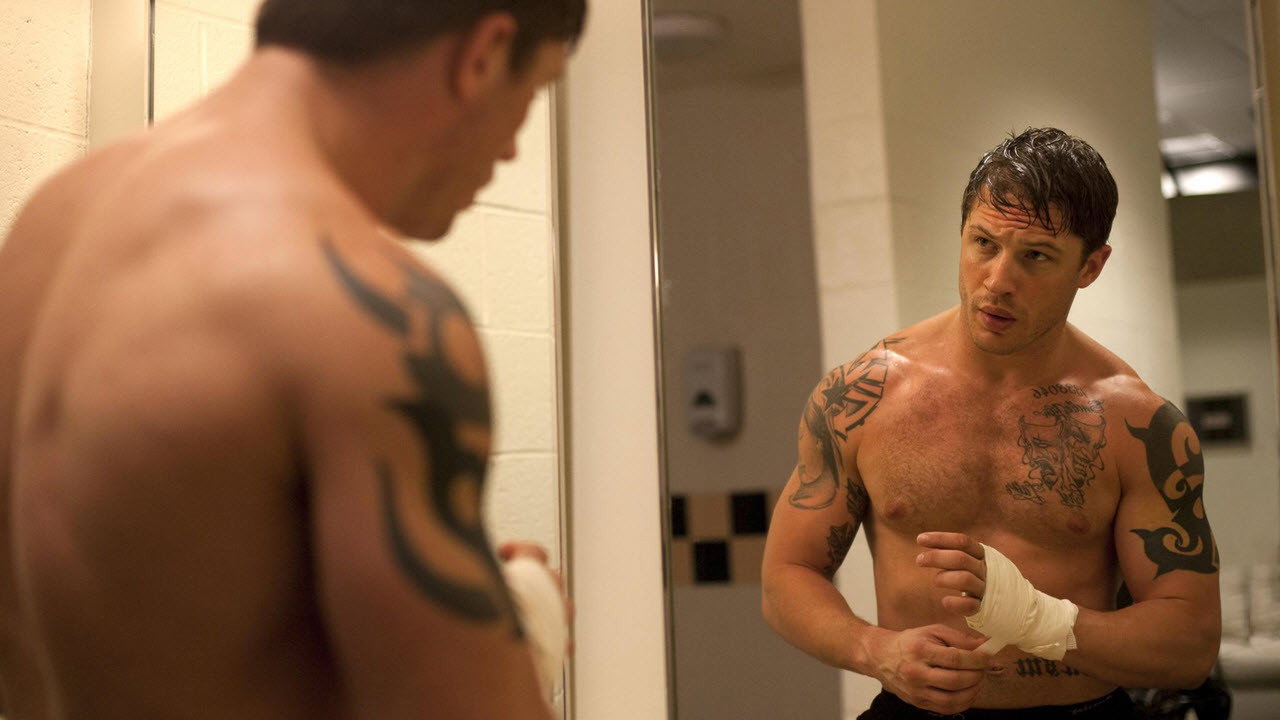
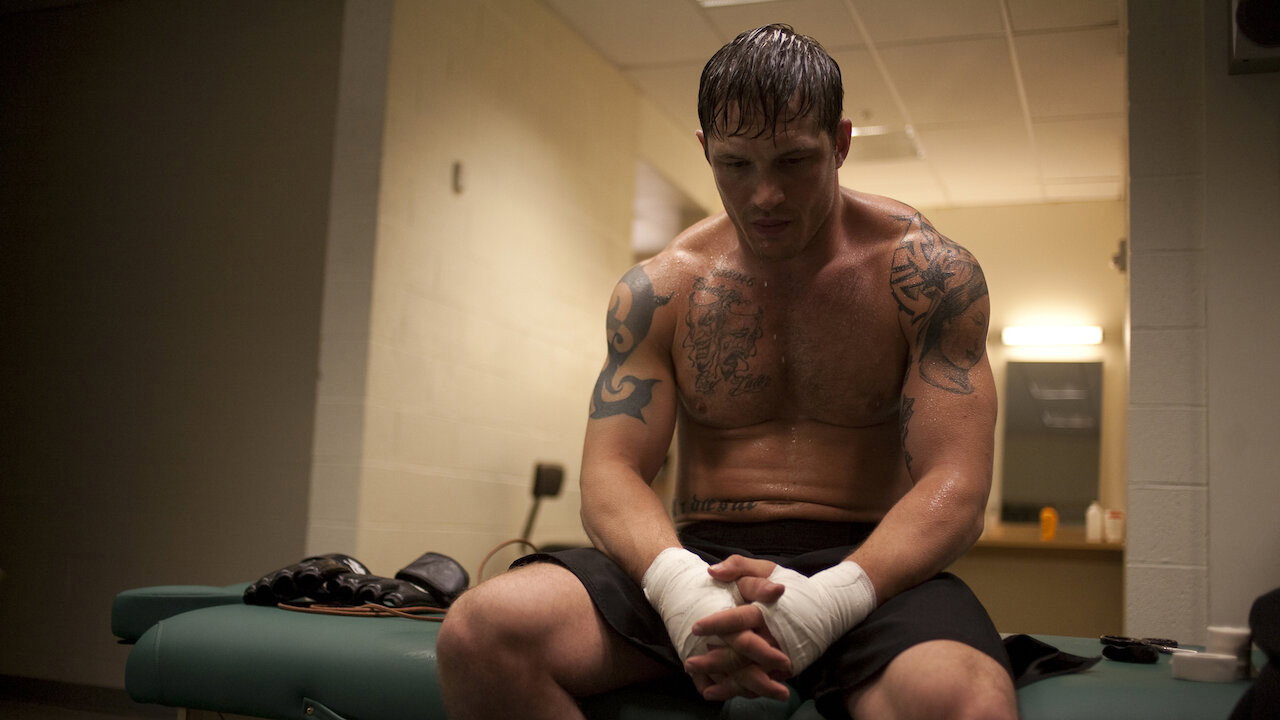
Joel Edgerton’s Brendan provides the steadier performance, and the film needs his restraint beside Tom Hardy’s Tommy. Hardy gives anger a physical weight; even away from combat, he seems prepared for someone to come at him. Edgerton gives Brendan enough stubbornness to prevent that restraint from looking like simple virtue. The balance matters because O’Connor does not let either actor become a supporting player in the other’s story.
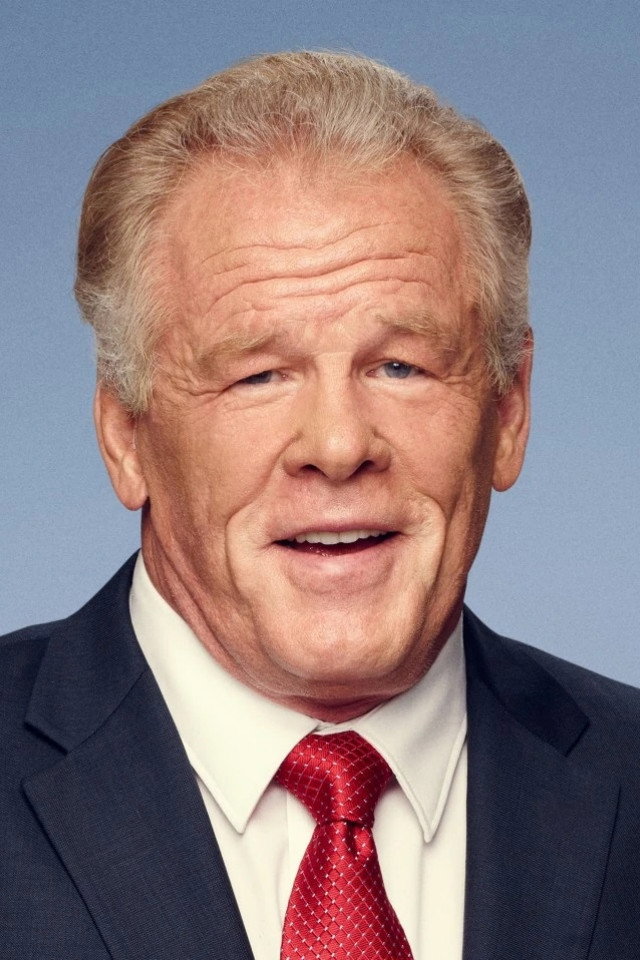
Nick Nolte, as their father Paddy, makes the family history feel present without needing to explain every injury it has caused. Nolte lets Paddy’s weakness remain uncomfortable, even when the script is plainly seeking our sympathy. We were moved by his exposed need for sympathy beside Hardy’s anger. The acting makes it possible to feel for Paddy without deciding that his children ought to make things easier for him.
Masanobu Takayanagi’s naturalistic cinematography is important here: the fighters look vulnerable enough for the blows to register as damage. The images give the action a harsh physical immediacy without making the family scenes seem to belong to another film. Dan Leigh’s production design keeps the surrounding blue-collar world ordinary and credible, so the pressure to compete has somewhere recognisable to come from. These choices give O’Connor useful support when the screenplay starts asking us to accept convenient developments.
The editing, credited to Aaron Marshall, Matt Chessé, John Gilroy and Sean Albertson, gives the fights an urgency that the familiar tournament structure cannot supply by itself. The cutting keeps the combat readable, allowing the impacts to register even when the pace accelerates. Mark Isham’s music is less restrained about the emotions, pressing them when the performances have already made them clear. That insistence is not fatal, but there are passages where less encouragement would have helped.
The weakness is the screenplay by O’Connor, Cliff Dorfman and Anthony Tambakis, which piles familiar sports-drama devices onto an already troubled family. Coincidence does too much of the organising, and the heightened emotion sometimes asks the actors to lend credibility to situations the writing has not earned. The performances carry those passages, but the effort is occasionally visible. At 140 minutes, there is also room for some of the domestic exchanges to be shorter.
As a sports drama, Warrior follows a recognisable route and makes little effort to conceal it. Its distinction is how long it sustains our concern for two people whose interests cannot comfortably fit the same competition. The physical force of the fights would be tiring without that divided sympathy, and O’Connor is right to spend time establishing it. See it for Edgerton, Hardy and Nolte, and allow the script a few conveniences.