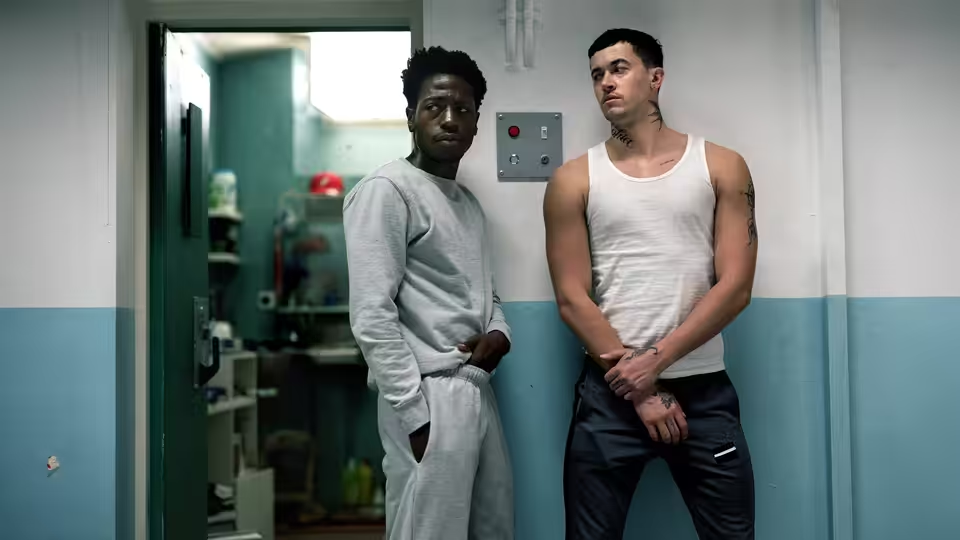
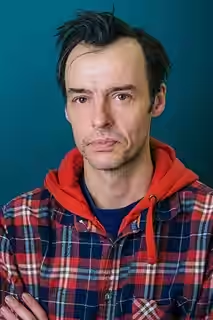
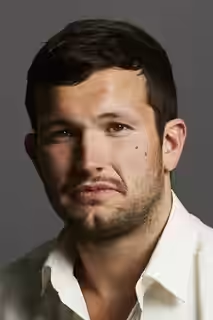
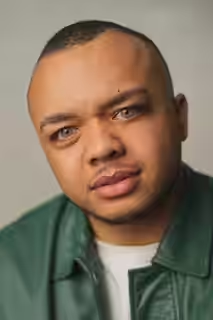
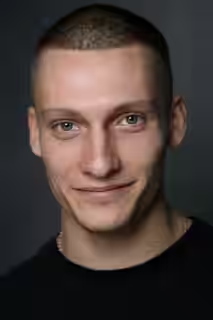
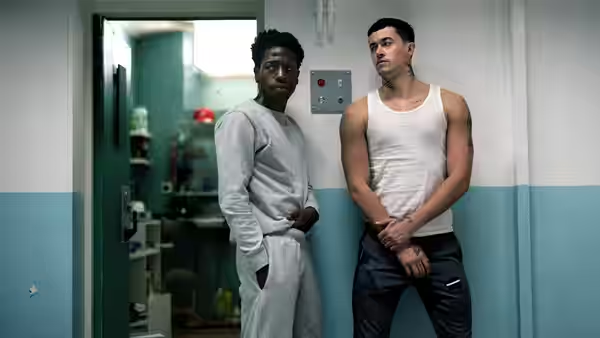
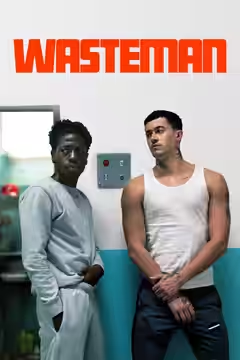
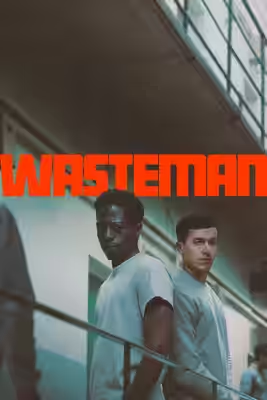
Cal McMau’s debut locks David Jonsson and Tom Blyth in a cell together, and the two of them are worth the ticket. The story around them is the one prison films always tell, and the violence makes its point early and keeps making it.
Cal McMau’s first feature is a British prison film, and it does not pretend to be anything else. Two men share a cell; one wants to get out and the other does not seem to care whether he does. The wing runs on debts and threats, and the officers are mostly somewhere else. Hunter Andrews and Eoin Doran’s script has added one thing to the formula, a smuggled phone, and the film is at its sharpest whenever the phone comes out. It is a good film rather than a remarkable one, worth your evening if this is your genre, and it is carried a long way by its two leads.
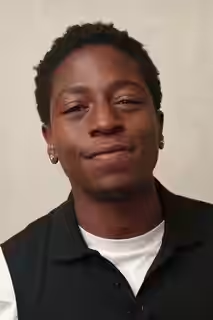
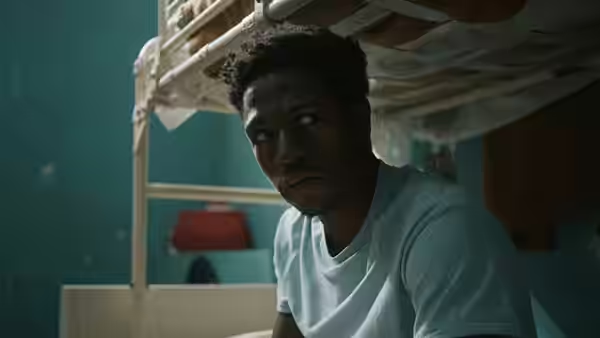
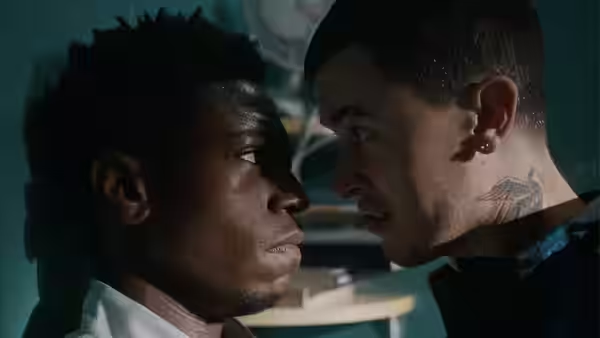
David Jonsson plays Taylor, who has served most of his time and intends to serve the rest without anyone noticing him. Jonsson makes himself small: shoulders in, eyes down, voice kept low enough that the man beside him has to lean in. It is a performance about effort. We can see how much it costs Taylor to say nothing when he is provoked, and Jonsson lets the strain show in his hands before it shows anywhere else. When he finally does speak up, in a scene we will not describe, the shock is in how quiet he still is.
Tom Blyth’s Dee is the opposite. He arrives in the cell talking and does not stop, and Blyth plays him as a man who has to be looked at or he ceases to exist. He is funny for about ten minutes. Then the jokes start landing on Taylor, and we realised we had been laughing along with someone we should have been frightened of. Blyth fills every inch of the frame he is given and Jonsson gives ground, and the tension comes from watching how much ground is left.
Lorenzo Levrini shoots the cell as what it is, a room the width of two beds, and stays in it long enough that we know where every scuff on the wall is. Phoebe Platman’s design gives the wing dirty cream paint and one high window per cell, and Lauren Miller keeps the prisoners in grey tracksuits so that in a crowd only the faces separate them. Forest Swords’ score is a low electronic drone, more felt than heard, and it has the sense to drop out when the phone footage starts.
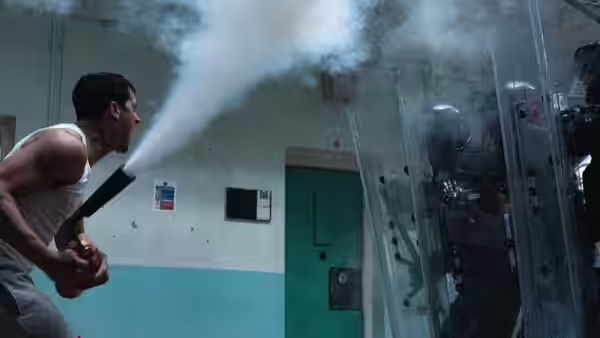
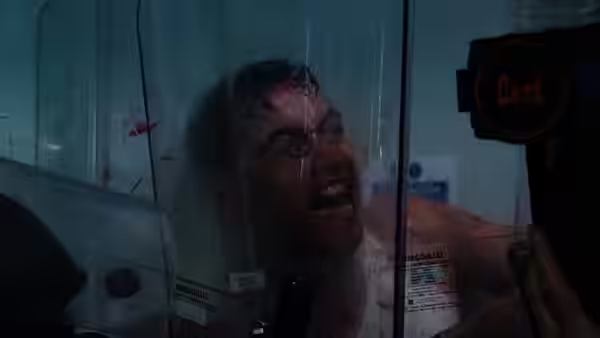
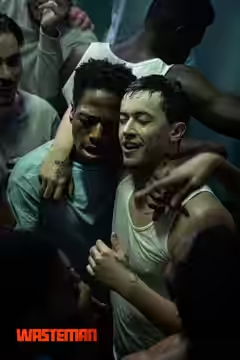
That footage is the film’s idea. Fights are filmed by whoever is standing nearest, handheld and badly lit, and Ryan Morrison and James A. Demetriou cut the clips straight into the film, so we see a beating first from the ground and then from the phone that was pointed at it. The first time this happened we flinched, and then felt sick, because the person holding the phone was laughing. By the fourth beating we had stopped flinching, and we noticed that we had stopped. McMau wants us to notice. The trouble is that he makes the point inside half an hour and then keeps making it, and the later fights showed us nothing the first one had not.
Around the two leads, Alex Hassell, Neil Linpow, Paul Hilton and Corin Silva give the wing faces that look as if they have been there a while, and Hilton in particular gets a good deal from little. The early-release scheme hanging over Taylor is the script’s one contemporary hook, and it is well used: a man with weeks left has more to lose than a man with years. What the script has not found is a shape for the middle. Between Dee’s arrival and the last act there is a stretch of confrontations that could be played in any order.
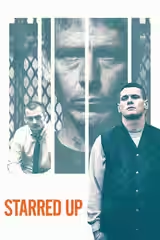
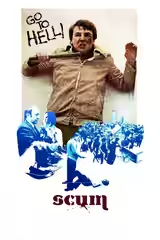
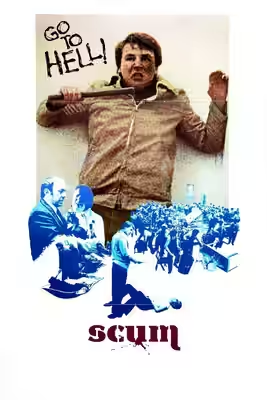
British prison films have a long memory. Scum (1979) and Starred Up (2013) are the obvious ancestors, and Wasteman has learned their lesson about keeping the camera close to the prisoners. It has not found anything they did not, apart from the phone. The reviews have been kind to it, and the two performances are the reason; they make the film look better than its script.
See it for Jonsson and Blyth, and see it knowing that the 18 certificate is earned. At 91 minutes it does not overstay. The violence is filmed by people who are enjoying it, and for a good deal of the running time we are standing where they stood.