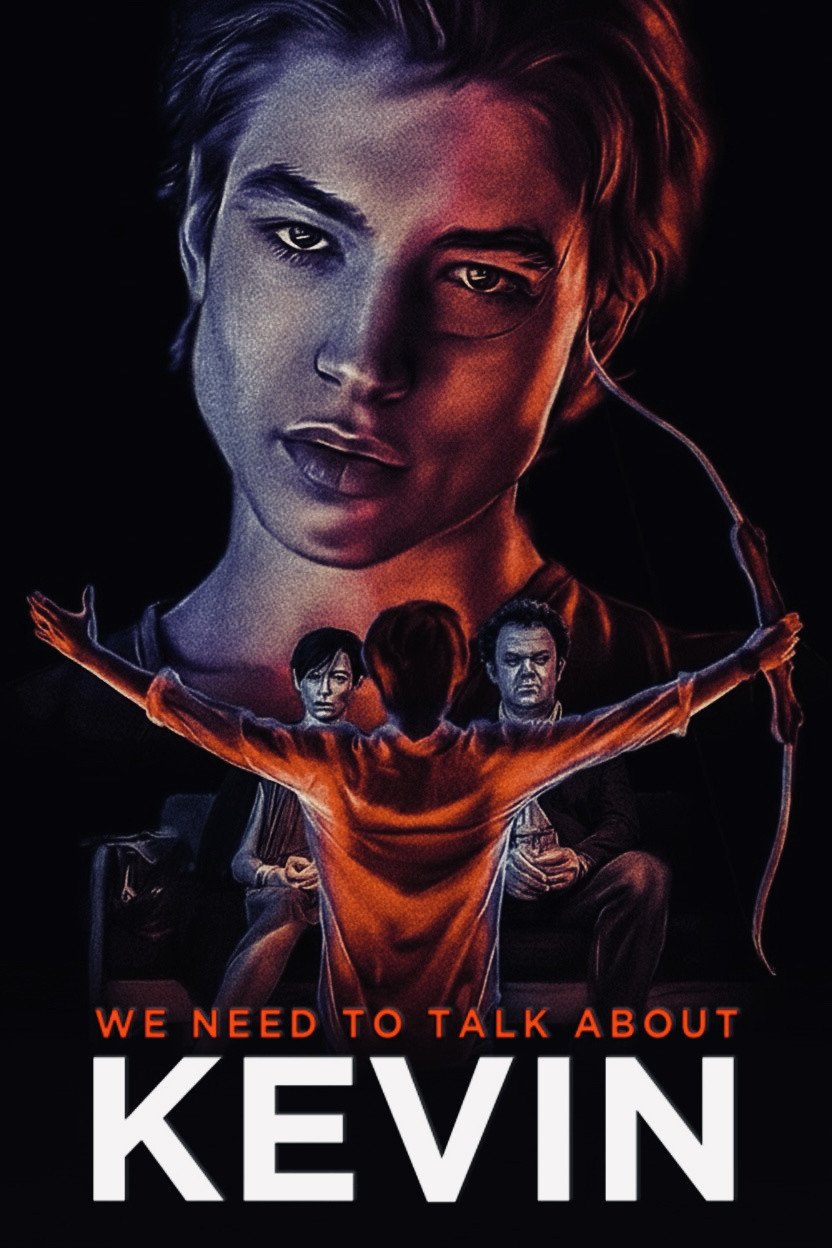
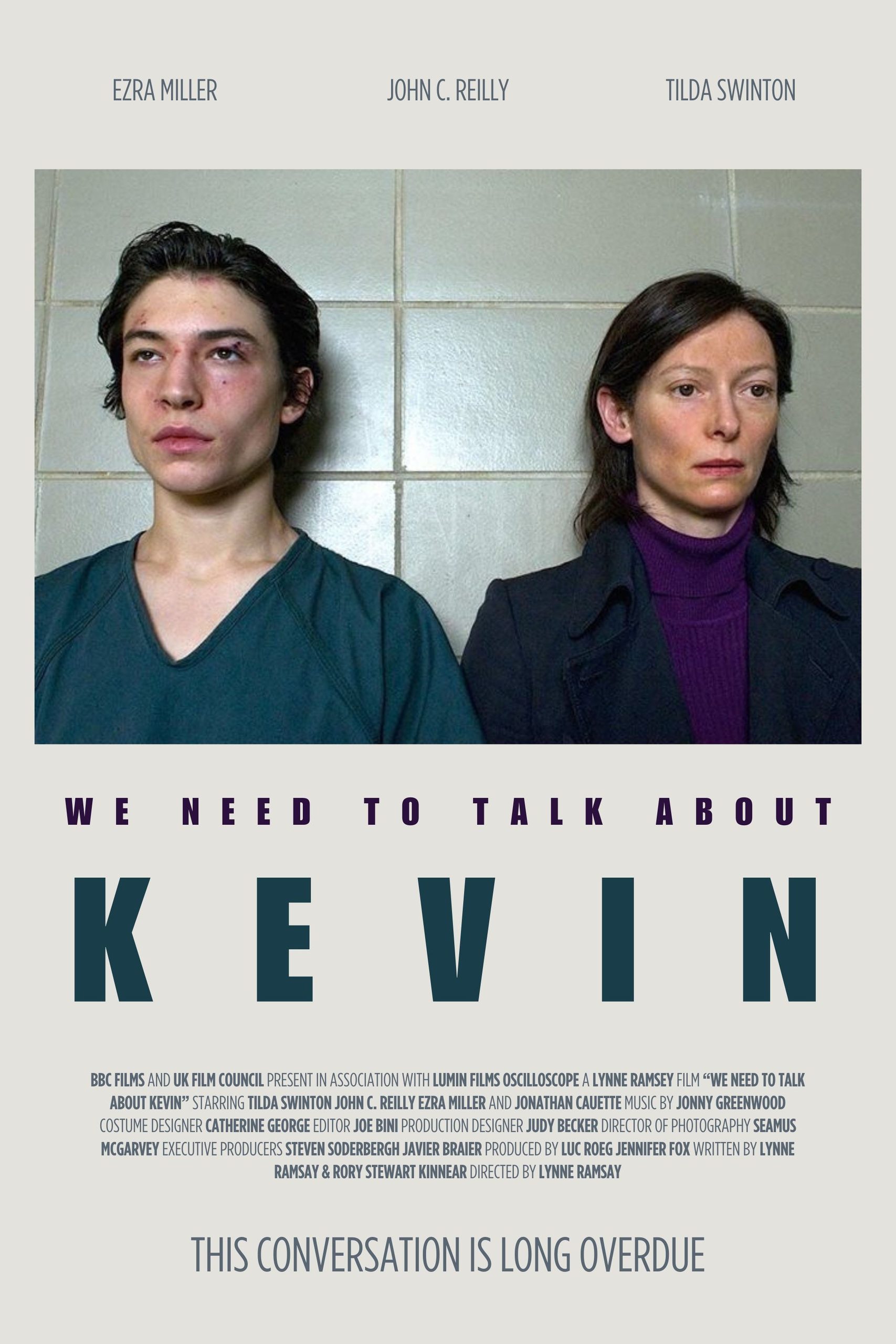
Lynne Ramsay makes maternal guilt horribly immediate, helped by Tilda Swinton’s watchful, wounded performance. It is a powerful film with one serious limitation: Kevin is too often treated as a monster to remain a convincing child.
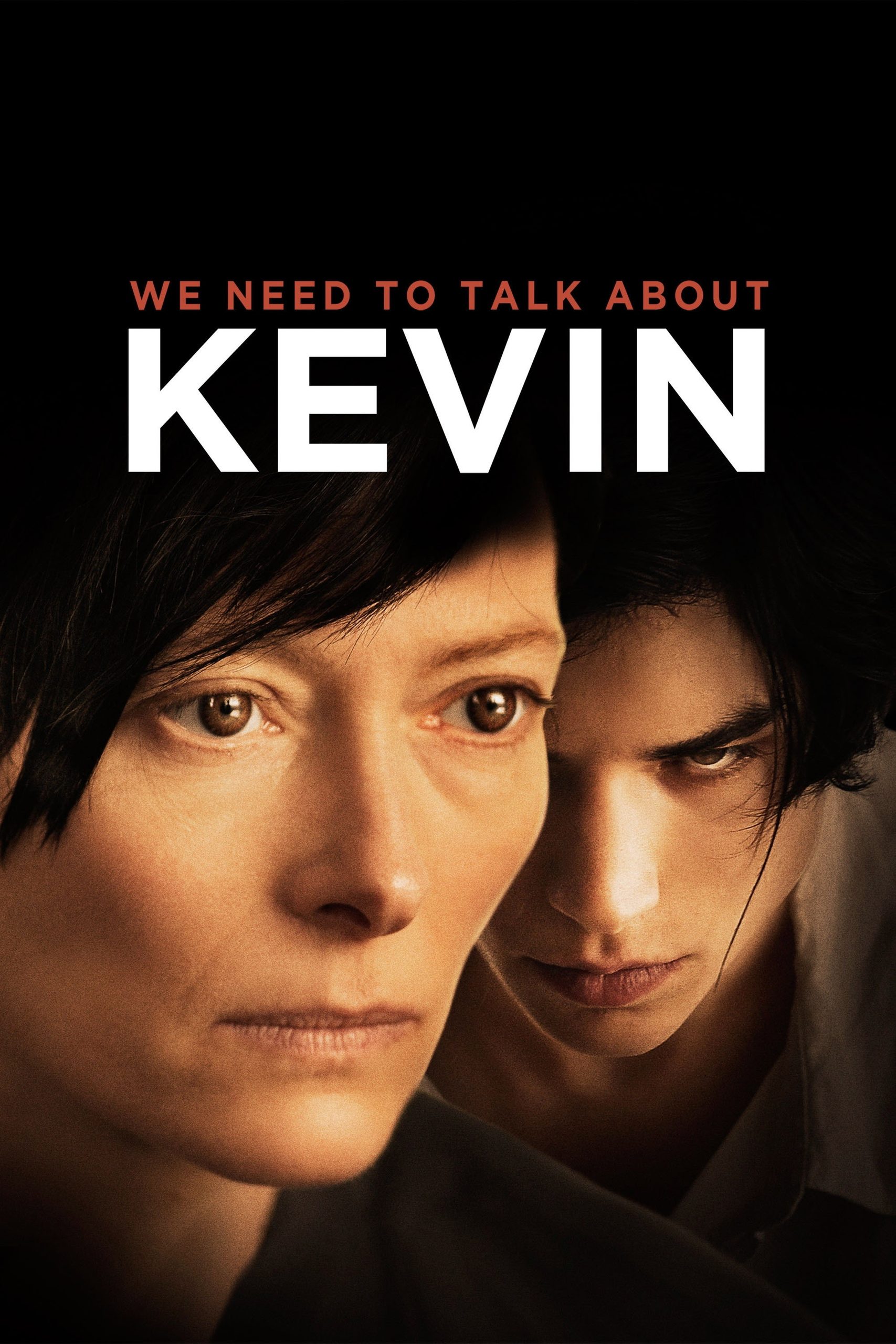
We Need to Talk About Kevin is a forceful, deeply upsetting film about a mother trying to understand her own feelings towards her son. Lynne Ramsay adapts Lionel Shriver’s novel by making memory difficult to sit through: Eva cannot revisit family life without finding something else to blame herself for. The film earns its severity through Tilda Swinton, whose performance makes maternal doubt painfully recognisable. It is less convincing when it asks us to consider Kevin himself.
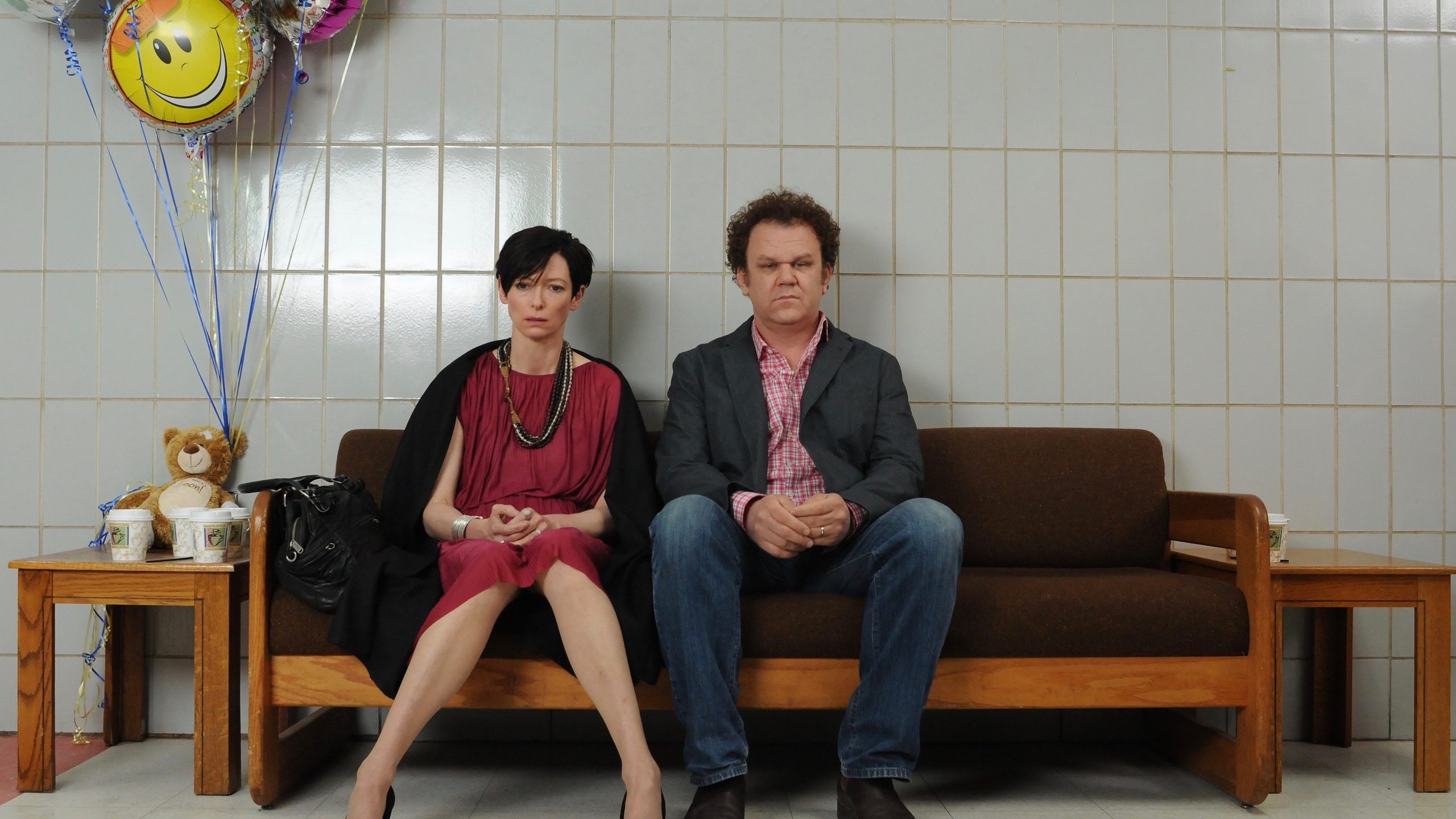
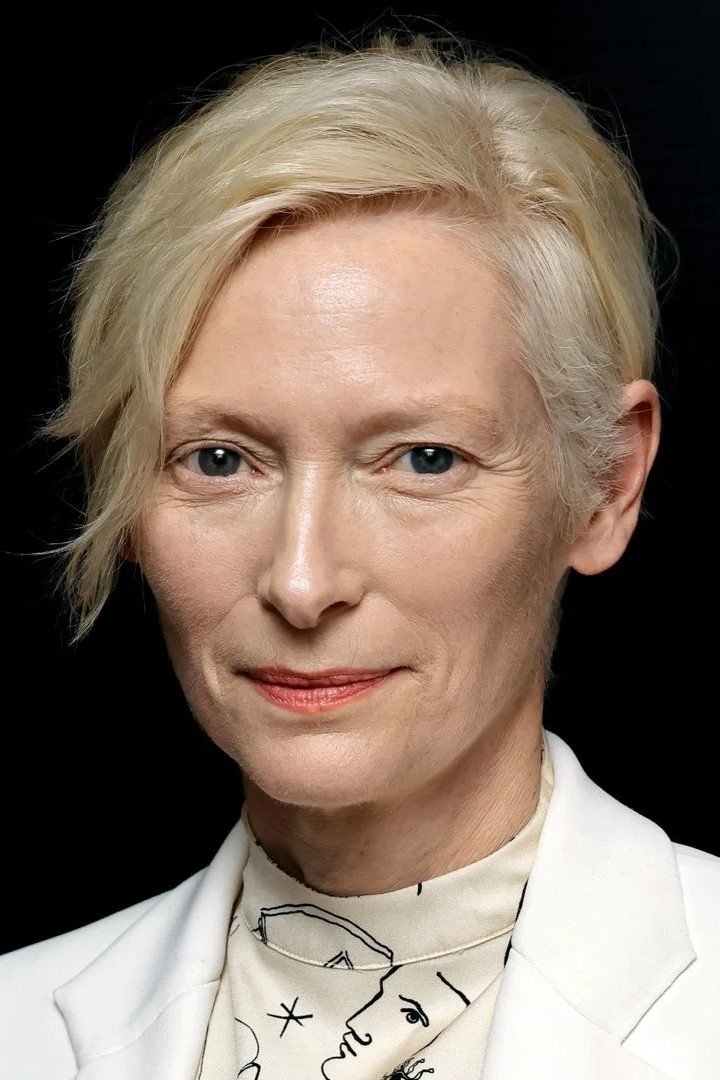
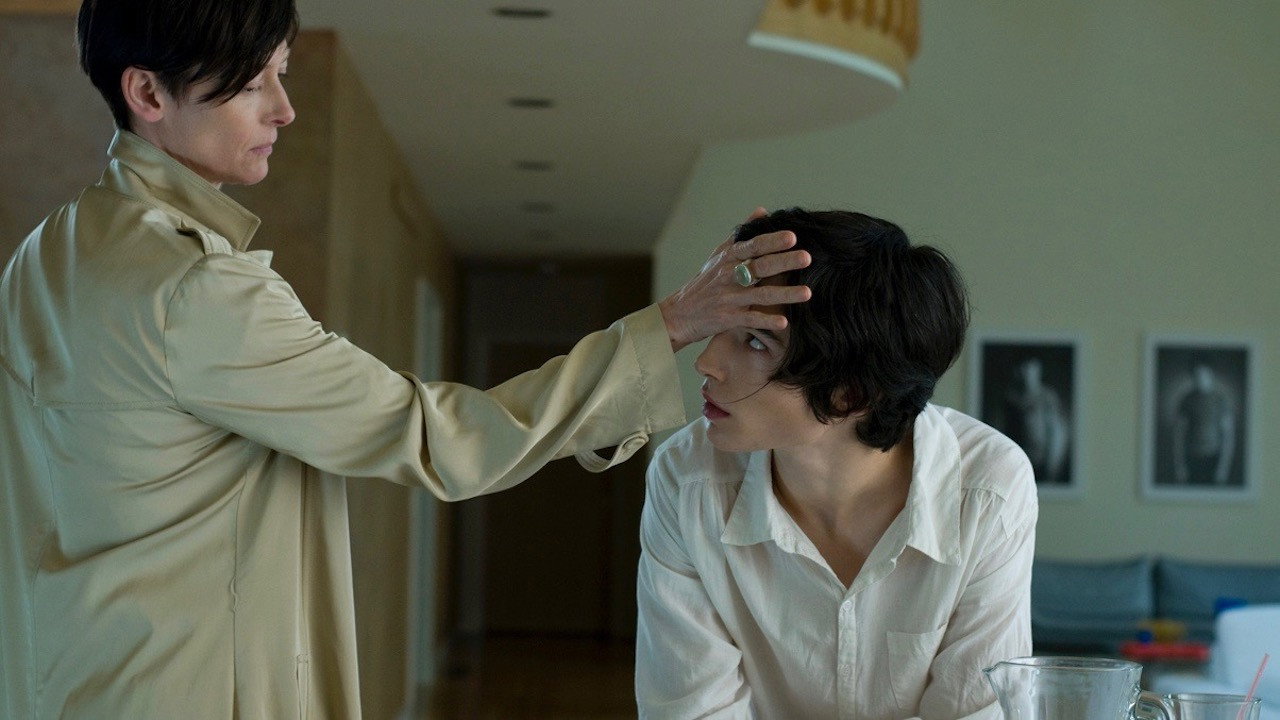
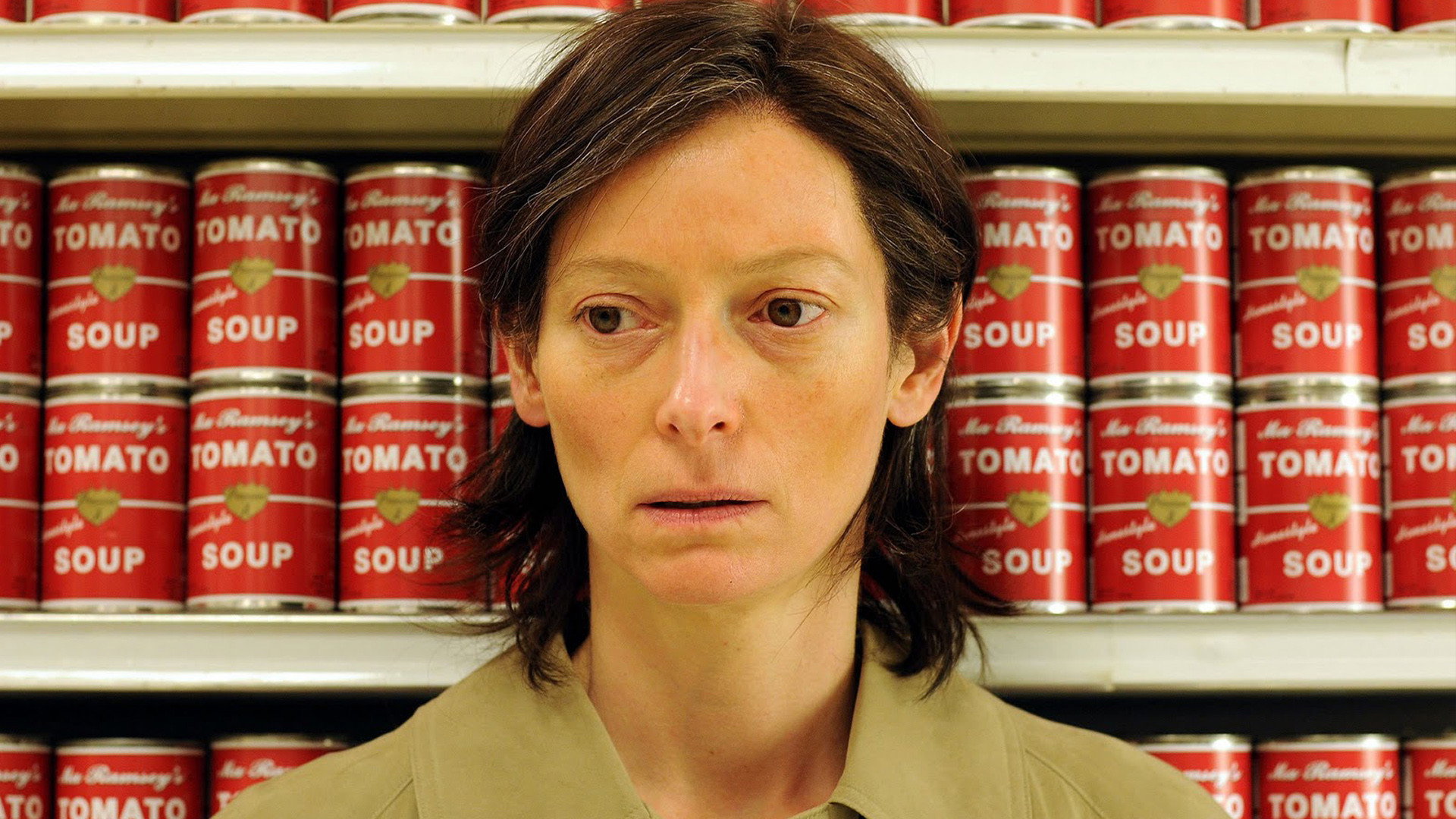
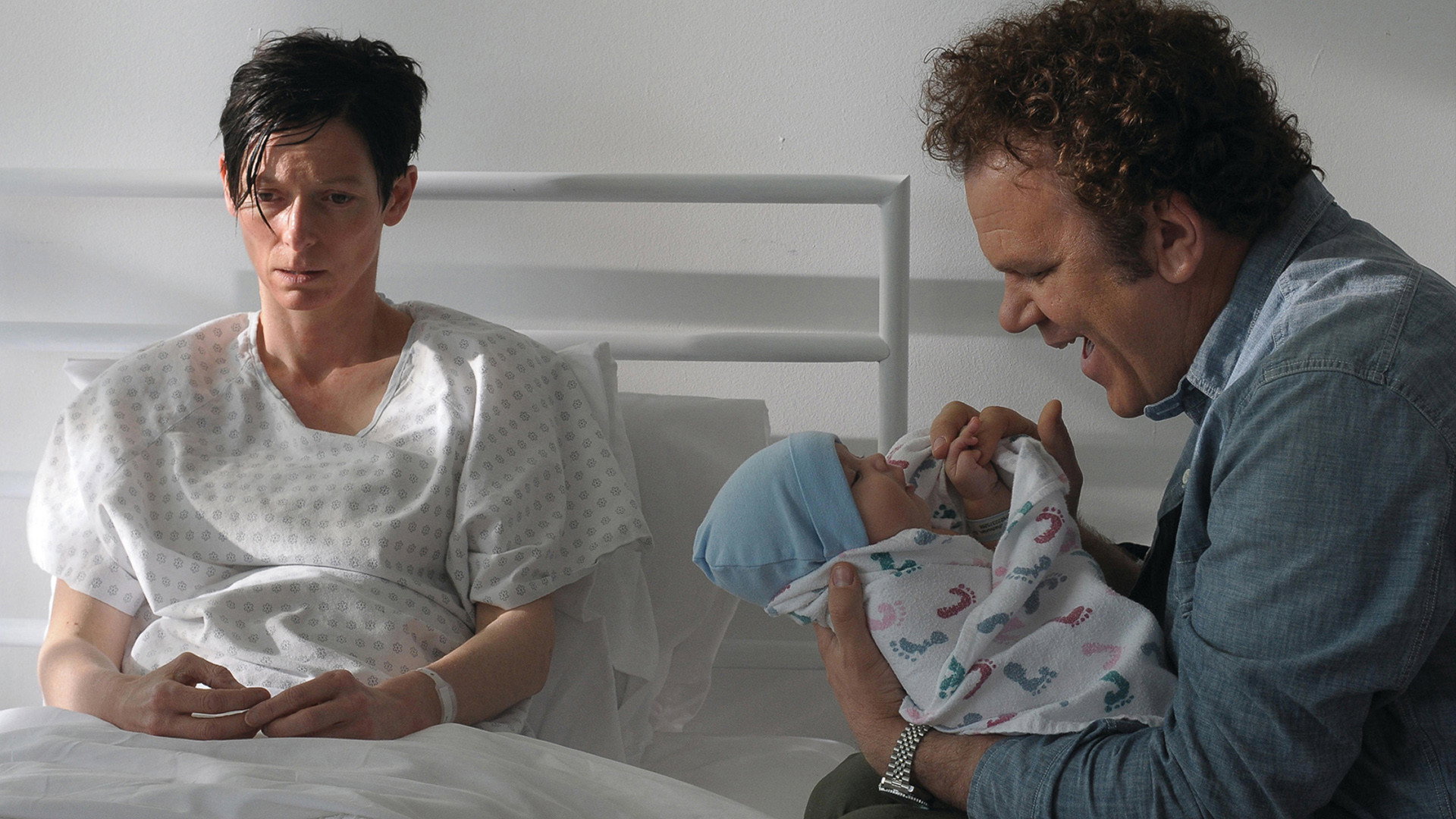
Tilda Swinton plays Eva Khatchadourian as someone worn down by the effort of examining herself. Her restraint allows shame, resentment and love to occupy the same face without each feeling being neatly announced. We were distressed by the hostility Eva meets in the present, particularly the physical assault: the film makes her punishment feel horribly casual. Those encounters give her isolation a harshness that the more elaborate passages cannot always match.
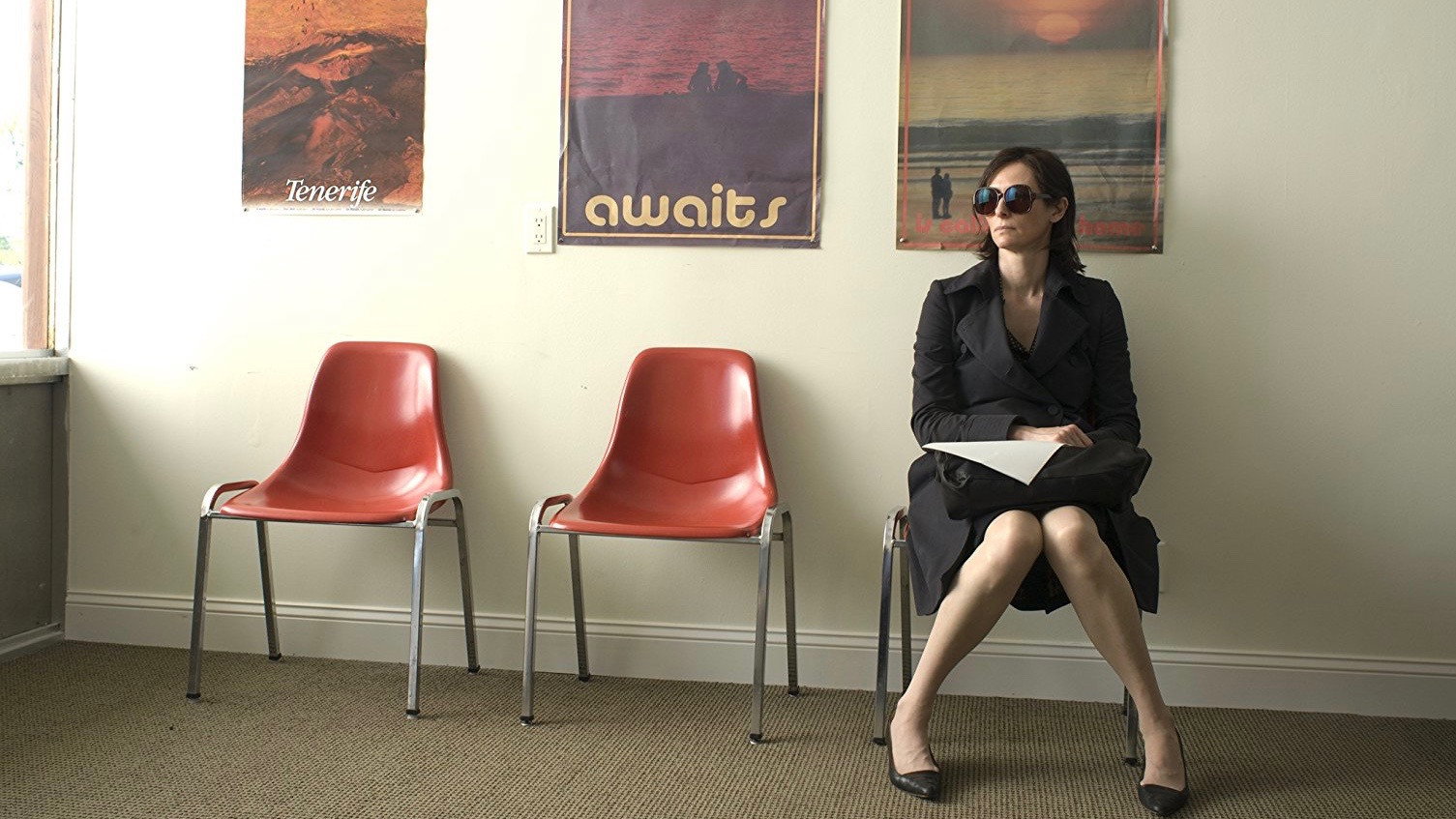
Seamus McGarvey’s cinematography keeps returning to red, giving the images a warning colour before we have finished taking them in. The effect is oppressive and often effective, although the emphasis can grow insistent. Judy Becker’s production design helps make the family setting feel inhospitable; these domestic spaces offer little sense of relief. The rooms contribute to the unease without needing much explanation. We soon begin anticipating menace in almost everything, which makes the film exhausting in ways that are not always useful.
Joe Bini’s editing moves between periods without letting the past become comfortably separate from the present. We are asked to notice how Eva remembers, and to question how much her guilt determines what we see. This is an effective way to put us close to her, though the repeated disruptions can make the film feel overworked. We sometimes want longer to consider an expression before the next cut directs our attention elsewhere.
Jonny Greenwood’s music contributes to the unease, but the wider use of music is sometimes too eager to underline it. A cue can tell us that family life is sinister when the actors have already made that clear. That insistence belongs to the film as a whole, rather than simply to the score. Lynne Ramsay and Rory Stewart Kinnear’s screenplay is strongest when it lets Eva’s feelings remain unresolved, trusting that her difficulty in understanding herself will hold our attention.
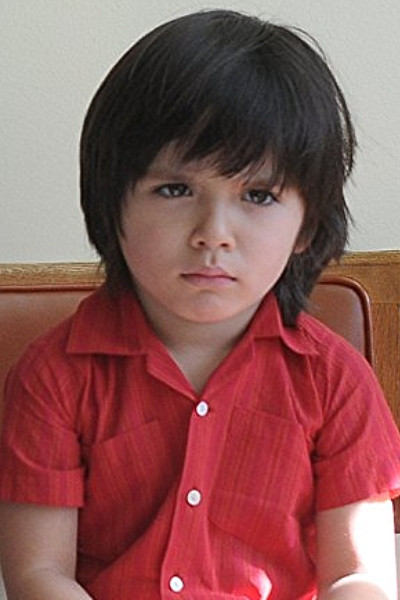
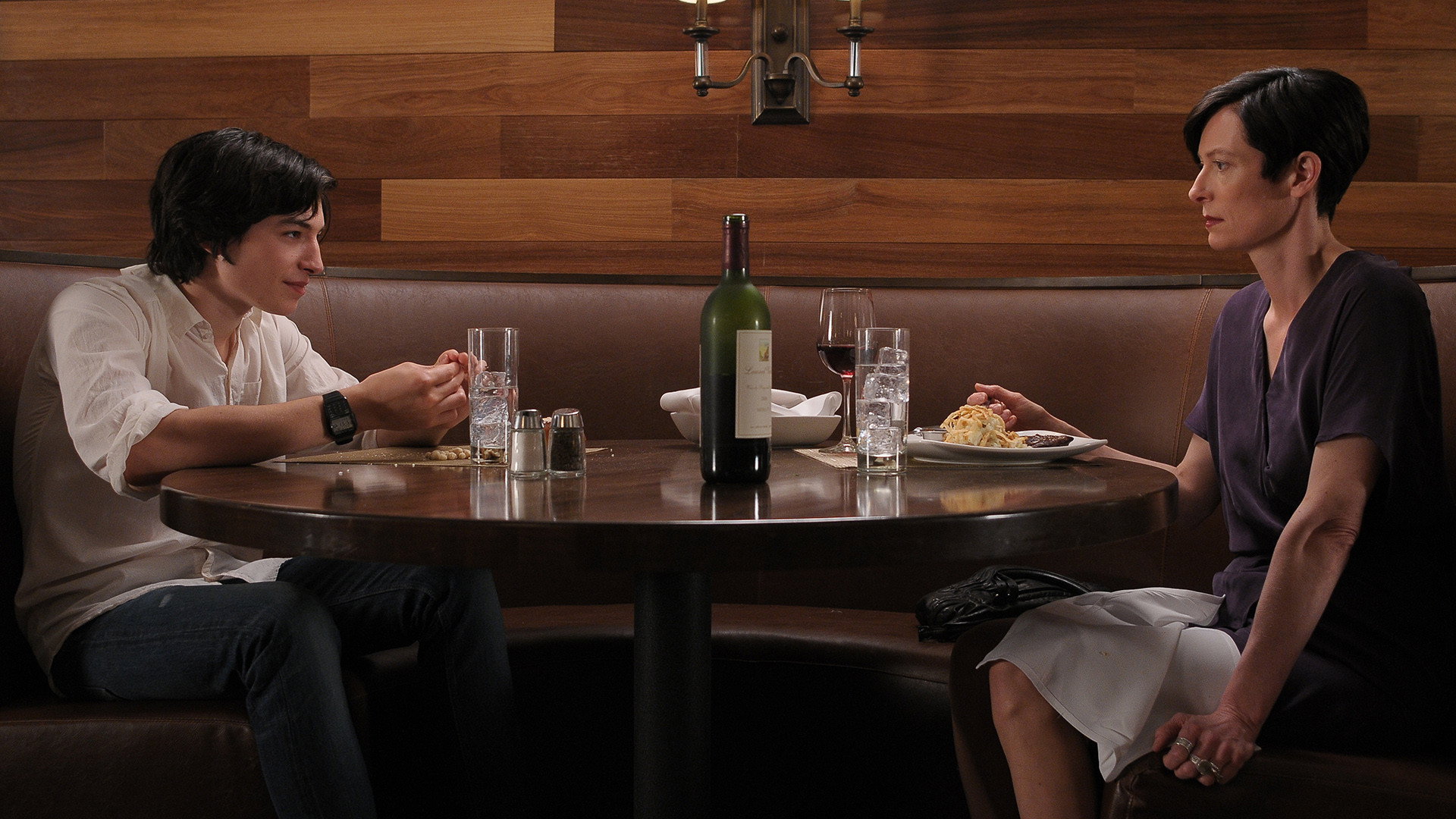
Ezra Miller is unsettling as the teenage Kevin, and the tension between mother and son holds us even when the writing narrows him. Yet the boy can seem so thoroughly unpleasant that we have little reason to wonder if Eva is judging him unfairly. We can understand that these are her troubled recollections and still wish for more evidence of a child beyond them. That limits the film’s interest as an examination of parenting, though it does not undo the distress of watching Eva struggle with it.
As domestic horror, the film finds plenty to frighten us in the possibility that a mother might not instinctively love her child. It deserves credit for staying with that discomfort rather than rushing to reassure us. The familiar debate about nature and nurture feels too tidy for the conflicting feelings Tilda Swinton makes visible. Give this an evening when discomfort is welcome, rather than one when the household needs cheering up.