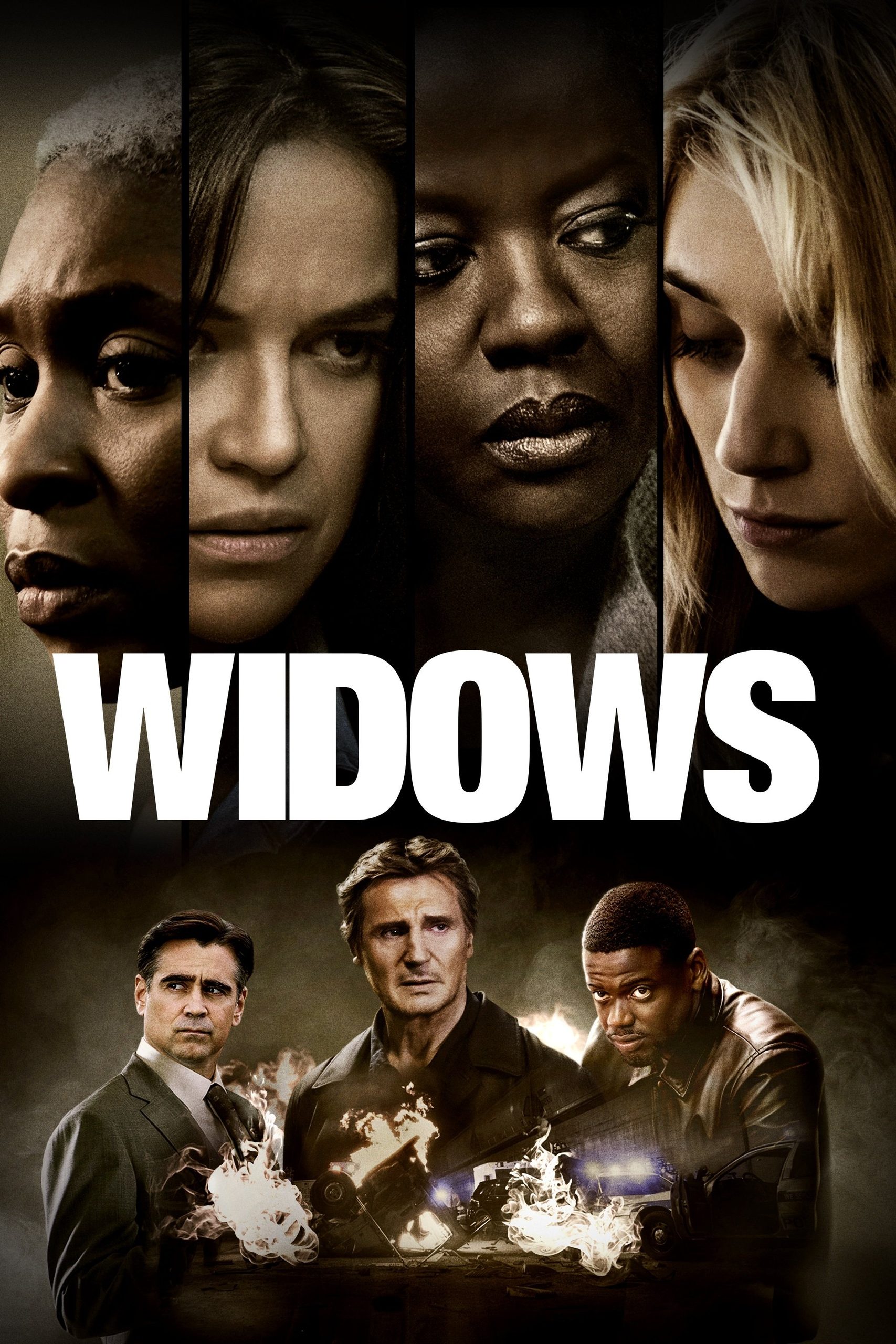
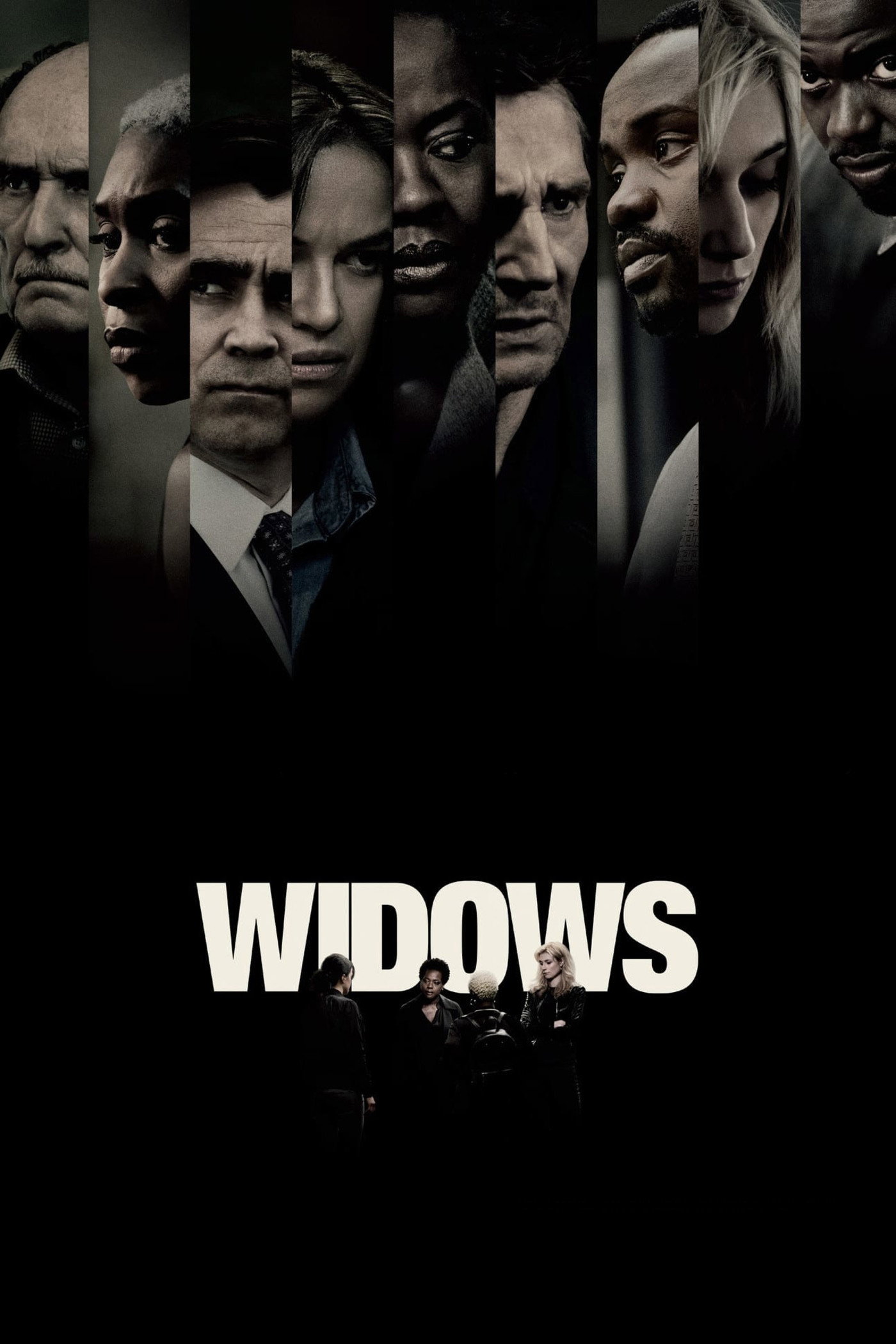
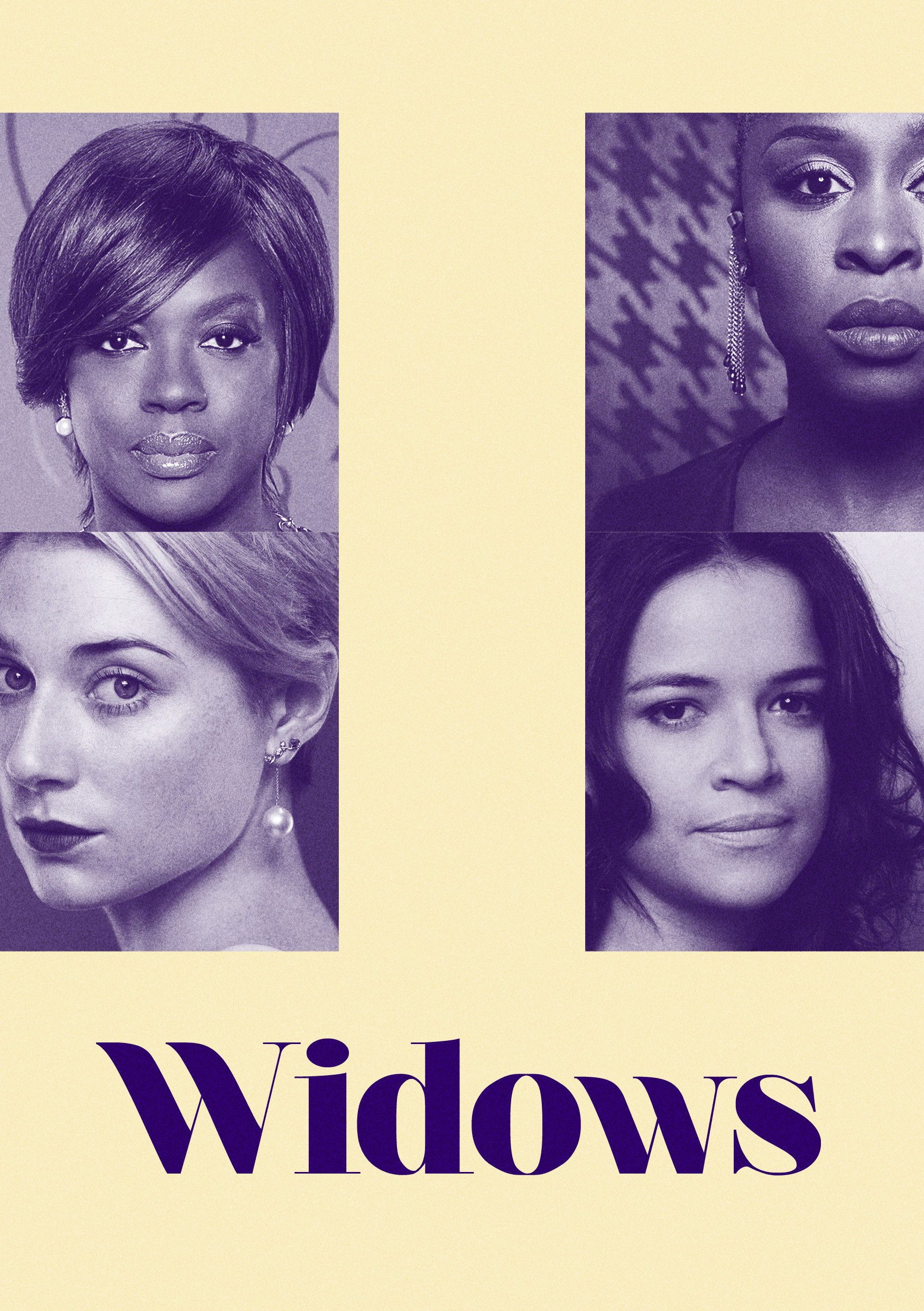
Widows is a tense, adult heist thriller carried by Viola Davis and a strong ensemble. The plotting sometimes asks for too much belief, but the grief and anger need no assistance.
Steve McQueen’s Widows is a gripping heist thriller with one substantial reservation: the plot sometimes demands a belief its careful performances have not prepared us to give. The women at its centre are driven by grief and desperation, and the proposed robbery never feels like an excuse for them to acquire glamorous new personalities. Steve McQueen takes their fear seriously. He also remembers that a crime film ought to make us want to know what happens next.
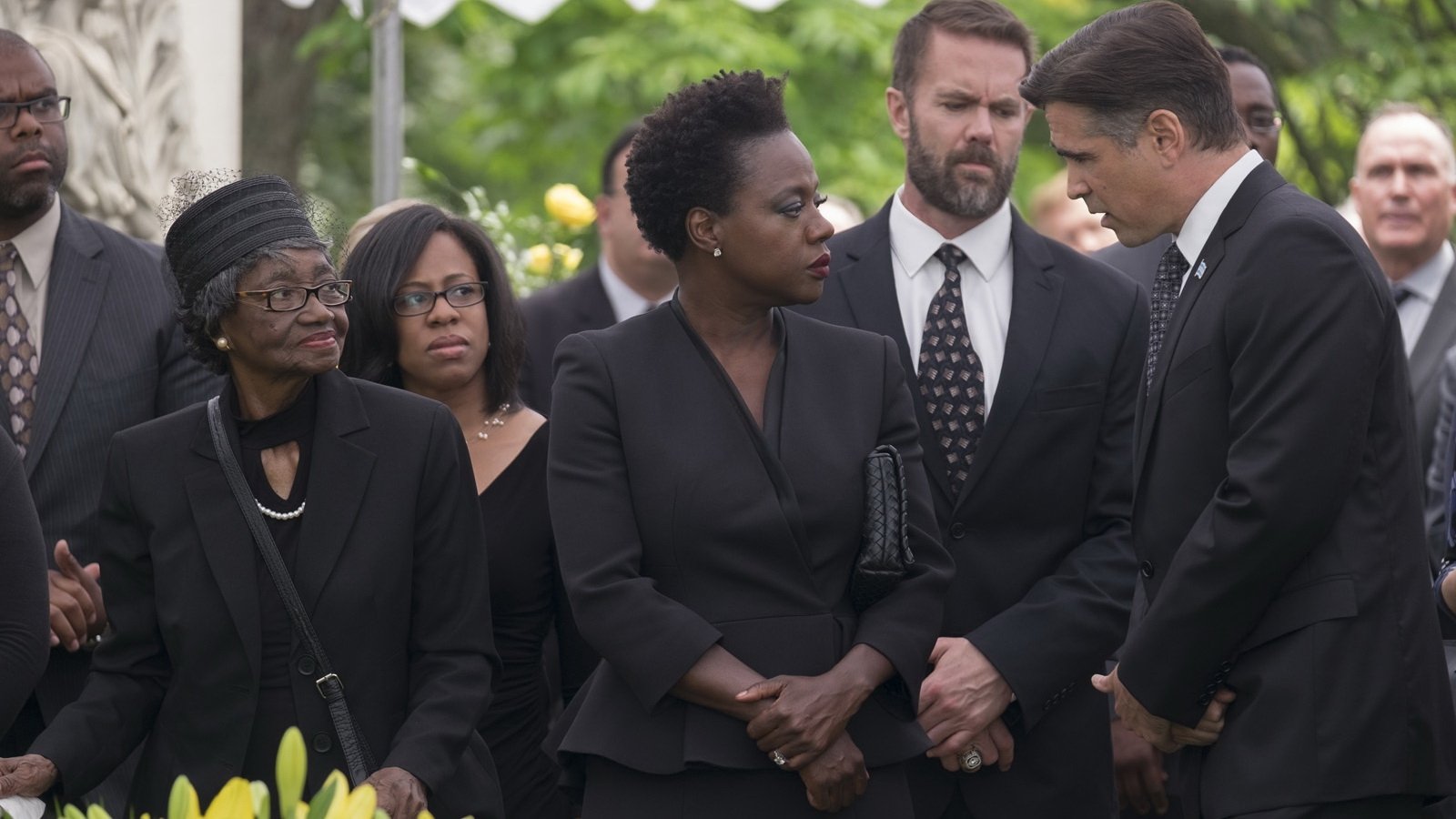
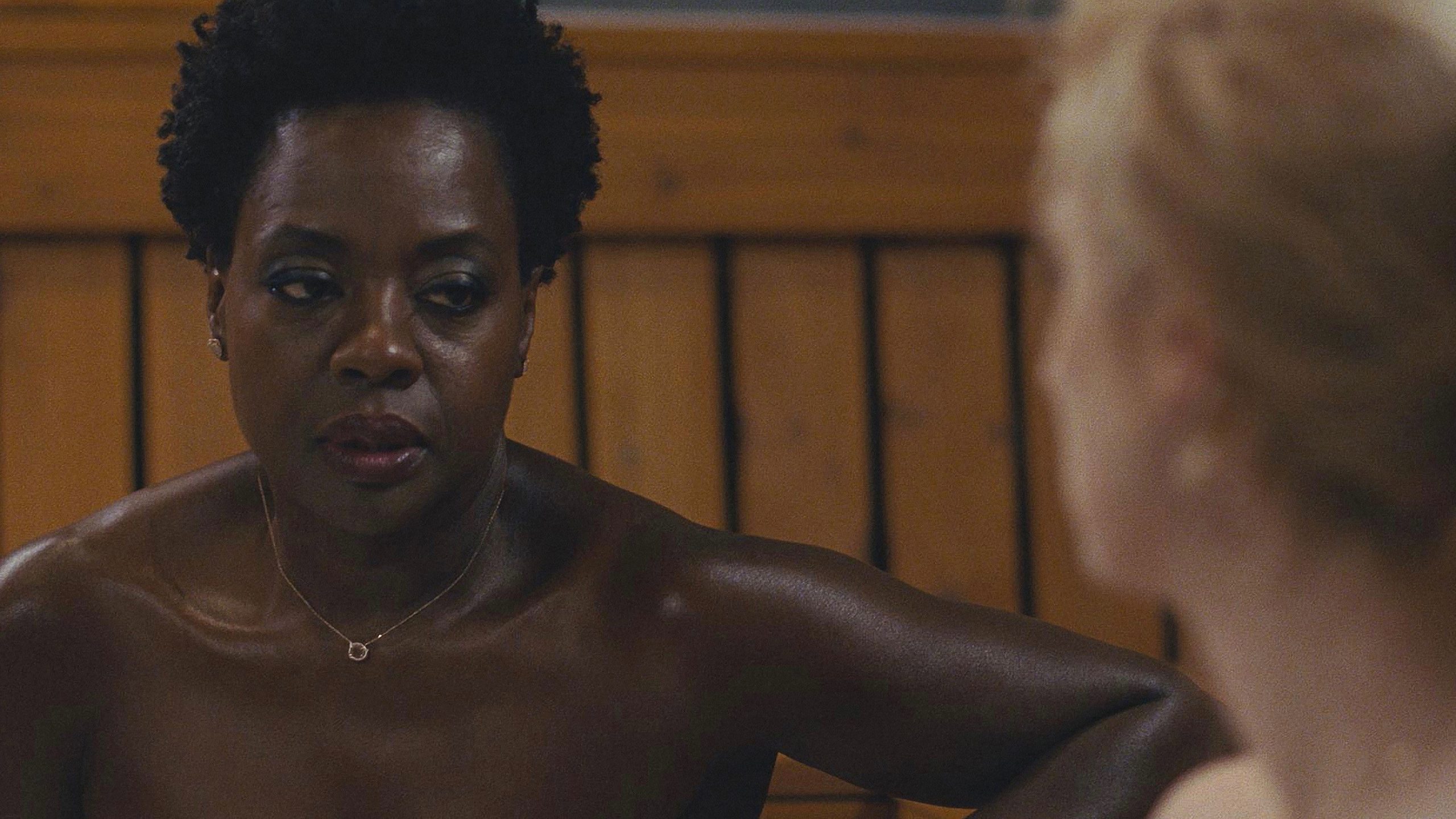
Viola Davis gives the film its authority. As Veronica Rawlings, she makes determination look difficult, something that must be maintained while grief keeps interrupting it. Sean Bobbitt’s photography is especially effective when the camera stays with her face, allowing us to register what she cannot comfortably say. We were moved by those held looks: the effort of remaining composed is visible, and the film gives it time. There is no need to hurry her towards the next piece of criminal business.
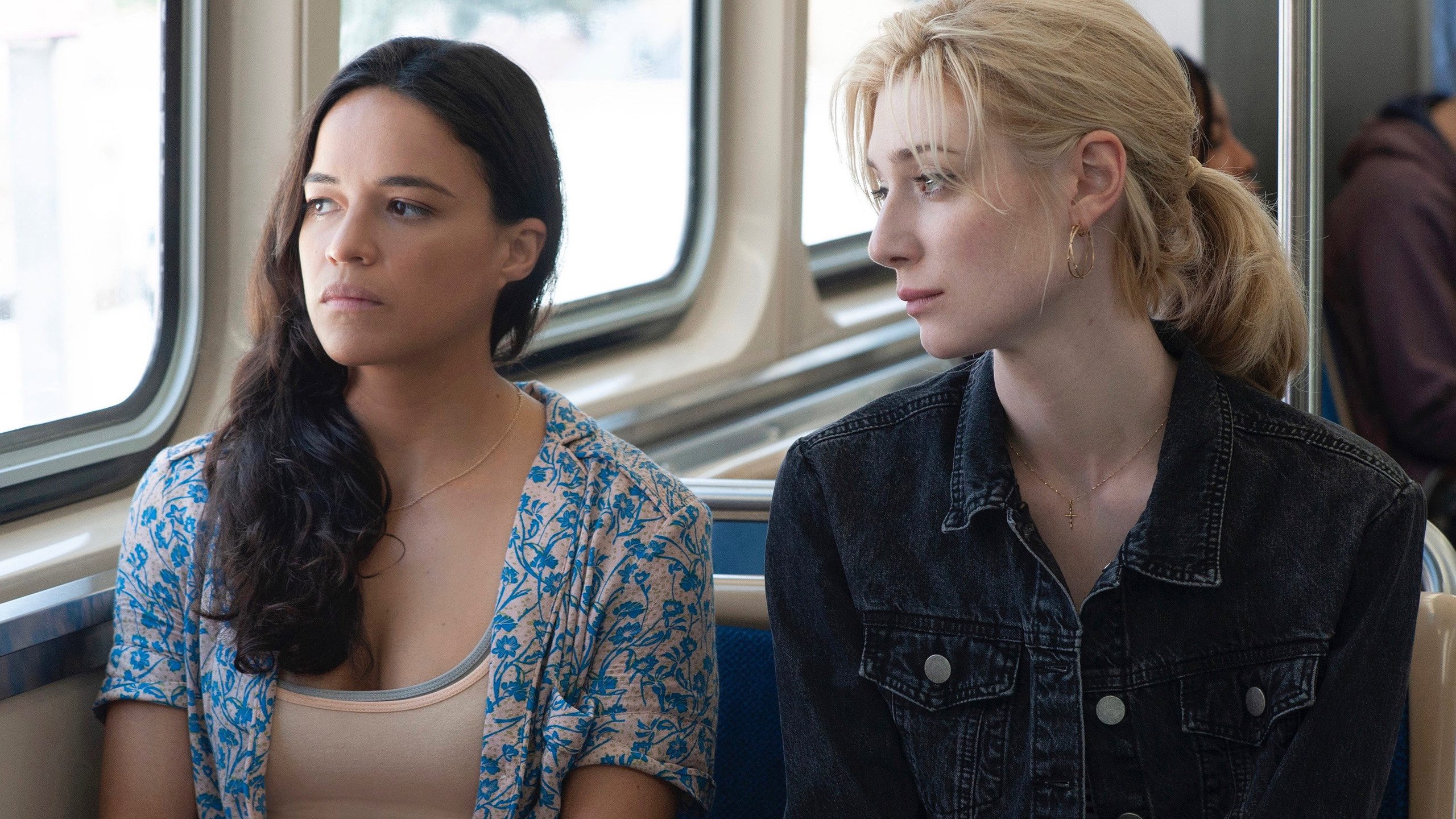
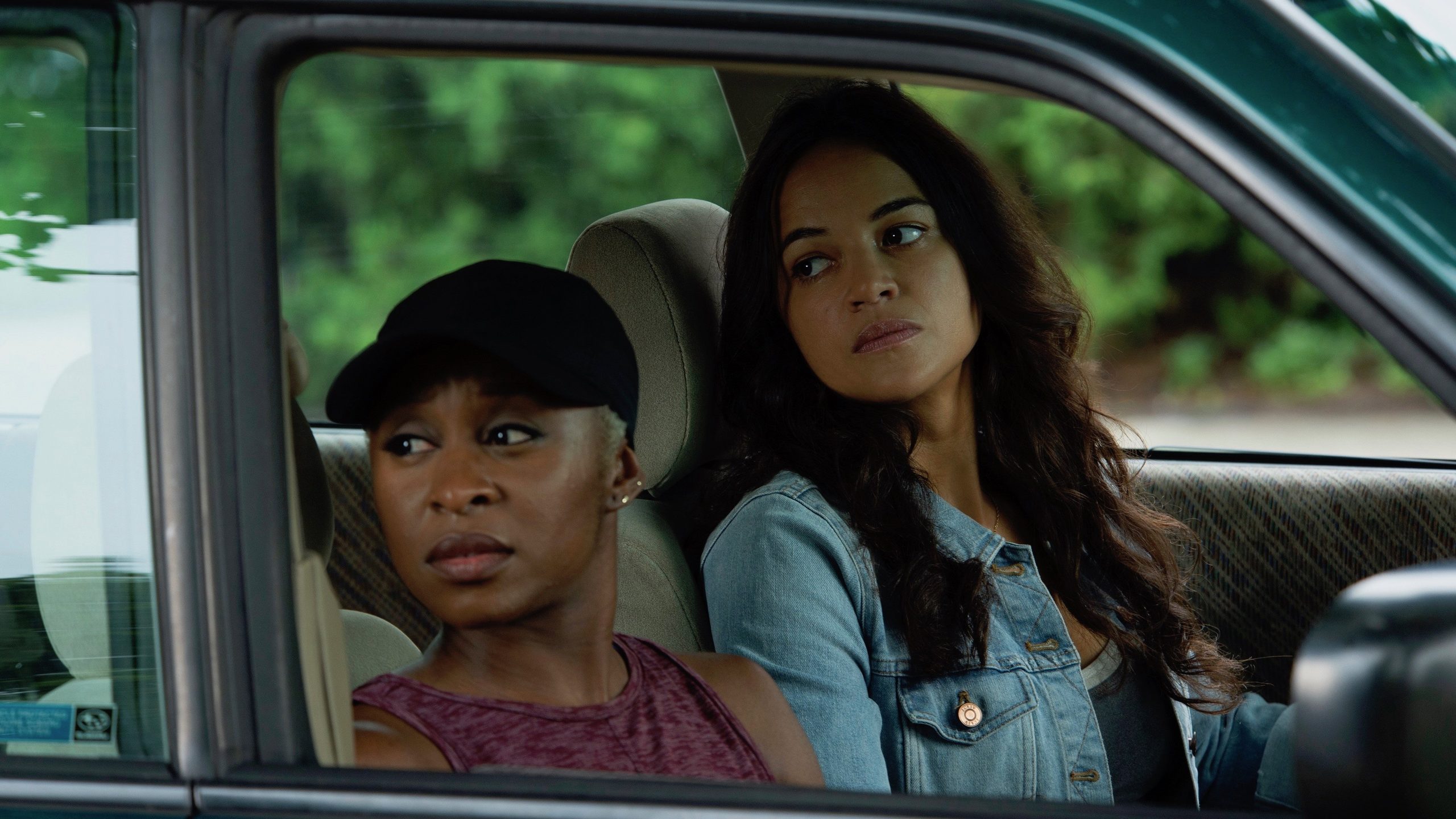
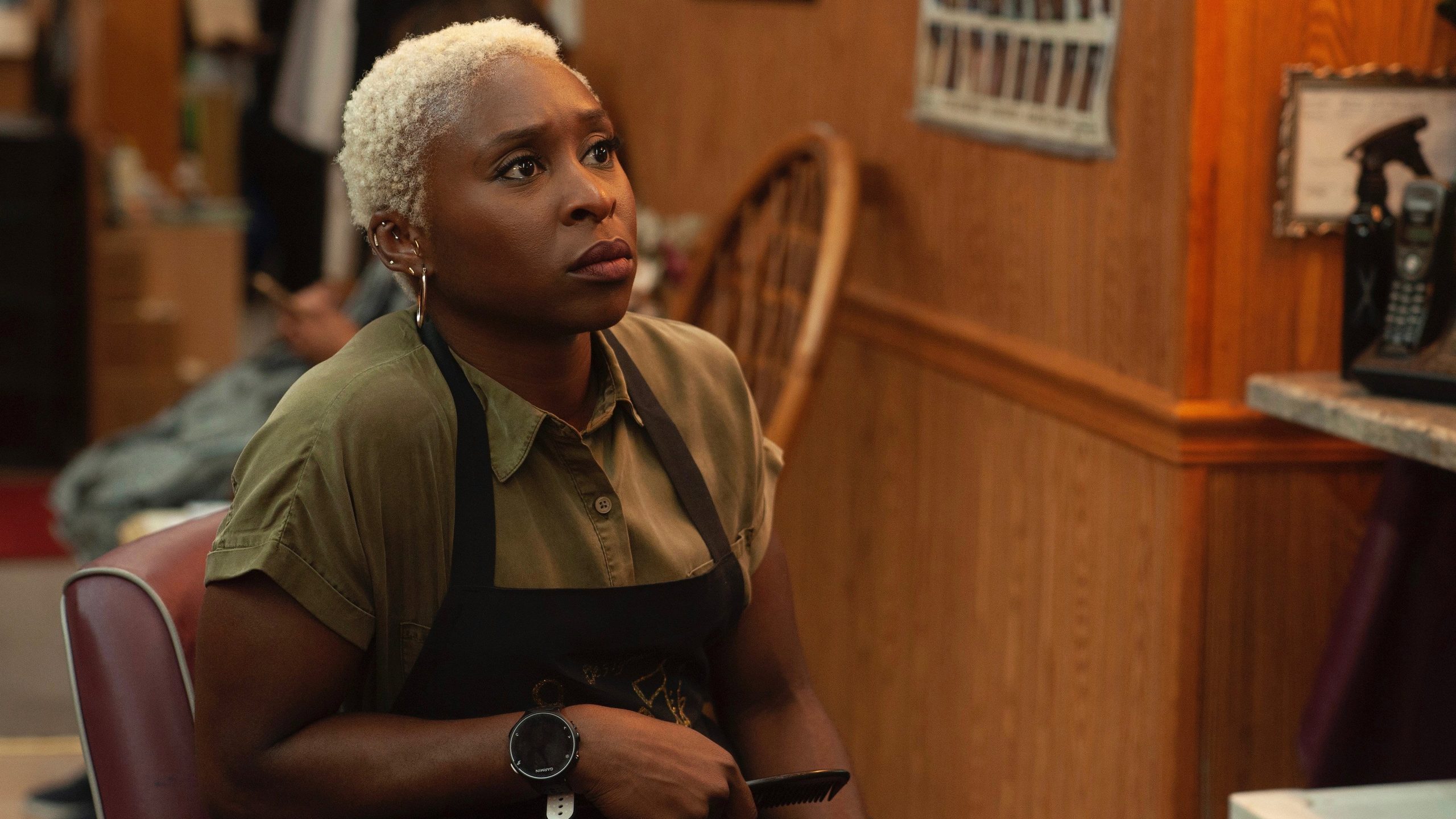
Elizabeth Debicki’s Alice is just as carefully judged, beginning from the habits of someone accustomed to giving way. The performance makes us attend to her uncertainty, so that the prospect of her taking responsibility has weight. Michelle Rodriguez helps keep the group from feeling like a collection of star entrances; we believe these women have immediate practical worries. Cynthia Erivo strengthens an ensemble whose differences in temperament make the preparations worth watching. Getting these people to work together is interesting before we reach the question of what they might steal.
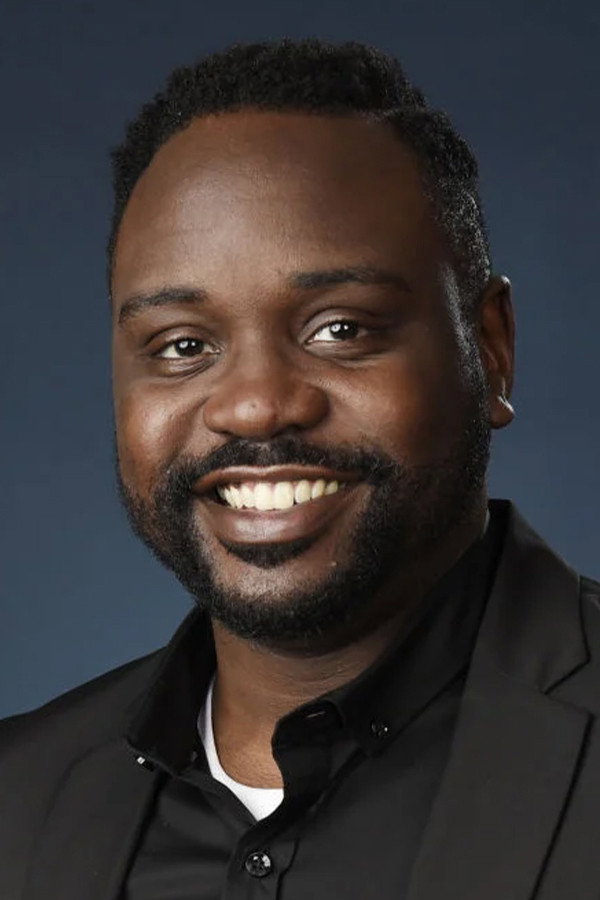
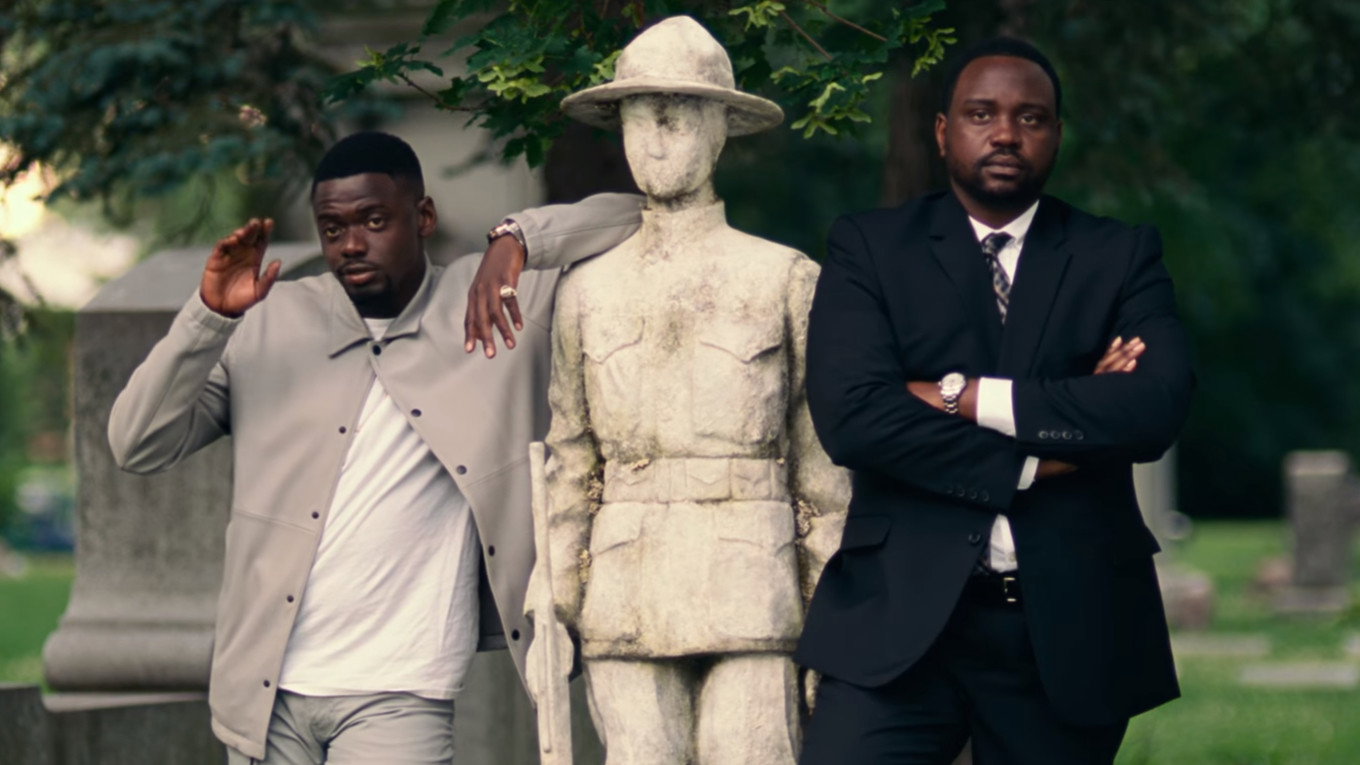
Chicago matters because the robbery sits among other, more respectable ways of getting power and money. Adam Stockhausen’s production design makes the differences in wealth easy to read, giving the political material something concrete to work with. The attention to race and corruption broadens our understanding of the pressures on the women without making their own difficulties seem small. Daniel Kaluuya adds a particular unease to the surrounding menace. His performance makes the threat feel immediate even when the plotting grows elaborate.
Joe Walker’s editing keeps a crowded story intelligible, and the robbery preparations move briskly without making the women’s uncertainty seem foolish. Hans Zimmer’s music reinforces the stern mood, giving the suspense a steadiness that suits the performances. The film does not keep congratulating its characters for attempting something difficult, and that restraint makes their competence more satisfying. We can enjoy the practical business while remaining aware of the pressure that has brought them to it.
Steve McQueen and Gillian Flynn’s screenplay occasionally lets its appetite for surprise get ahead of its care for motivation. We can accept a complicated scheme in a heist film, but we still need to believe that these particular people would make these particular decisions. There are stretches when the next surprise seems to have been secured before the motivation was checked. That matters because the performances have persuaded us to take the women’s circumstances seriously.
The film earns its seriousness through that attention to people, and it delivers enough suspense to justify the criminal machinery around them. Viola Davis remains compelling whenever the writing threatens to make a character explain too much. At 129 minutes, it asks for concentration and mostly rewards it. Give it your attention, but do not expect every turn of the plot to survive questioning.