Film review

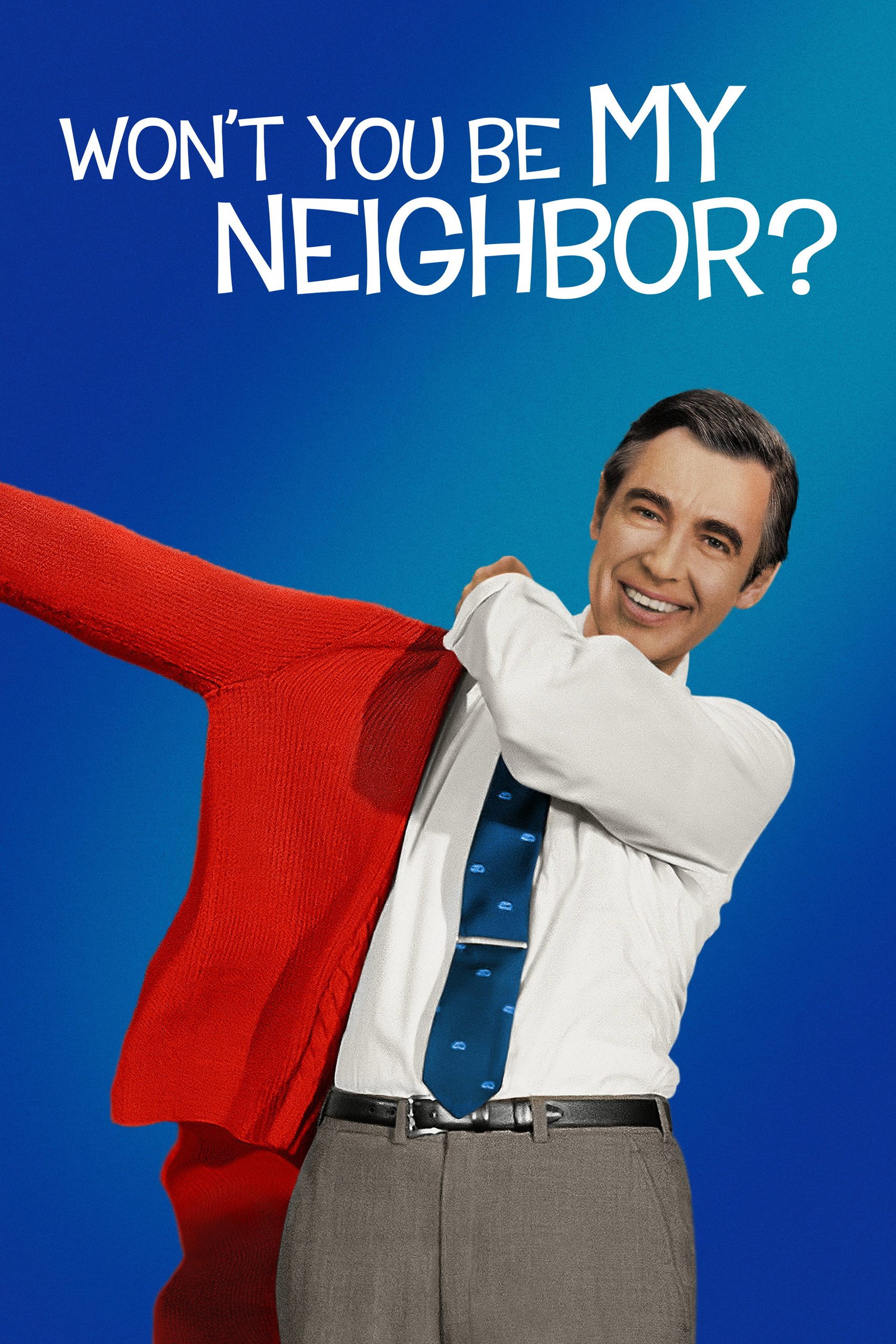
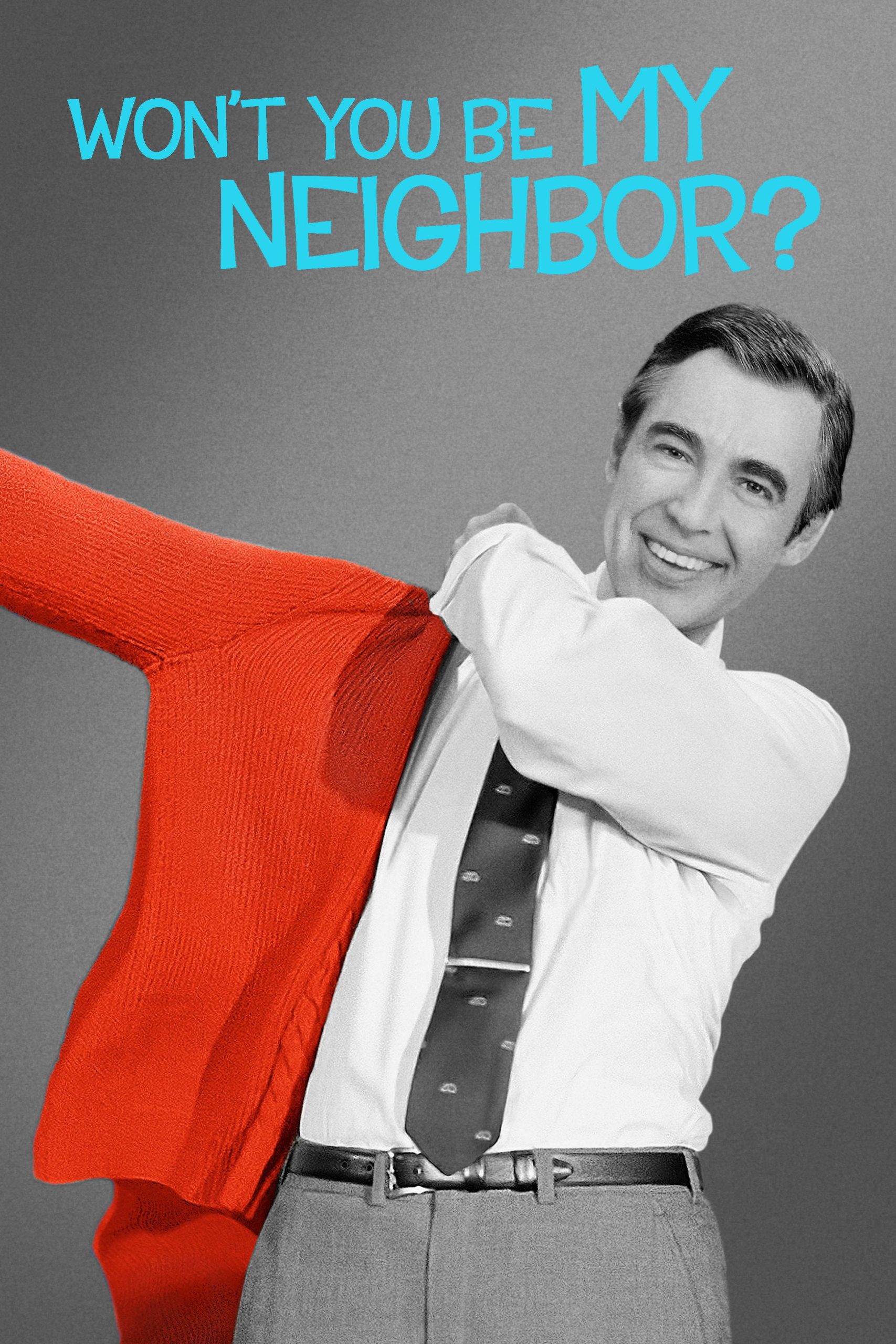
Won't You Be My Neighbor?

2018 · Directed by Morgan Neville · 1h 35m · MPA PG-13

In a sentenceA man in a cardigan explains death to five-year-olds and a Senate committee, and both of them listen

Documentary

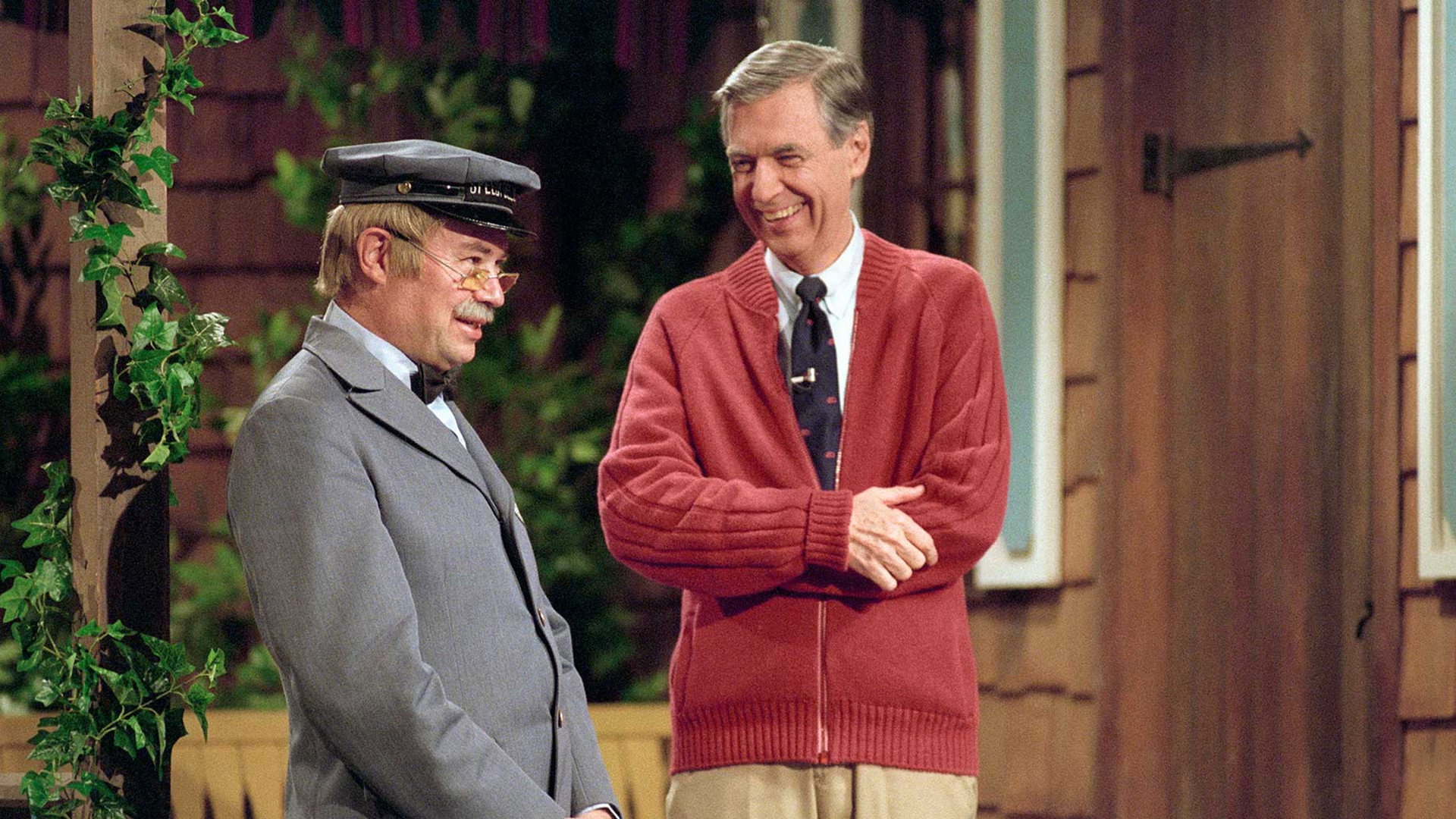
Pittsburgh, 1968. Fred Rogers, an ordained Presbyterian minister who dislikes what television does to children, begins broadcasting Mister Rogers’ Neighborhood on American public television: a cardigan, a pair of trainers, a trolley into the Neighborhood of Make-Believe and a shy hand puppet called Daniel, a striped tiger he voices himself. Within weeks he is explaining the assassination of Robert Kennedy to pre-schoolers; within a year he is in front of a Senate subcommittee defending public broadcasting’s budget. Morgan Neville tells the story through the archive and through the people who knew him: his wife Joanne Rogers, his sons Jim Rogers and John Rogers, journalist Tom Junod, producer Margaret Whitmer, and David Newell and Joe Negri, who played Mr. McFeely and Handyman Negri.

Plays from YouTube when you press play; nothing loads from them until then.

Fi1m review

Morgan Neville’s portrait of Fred Rogers is a tribute rather than an investigation, and it leans heavily on the archive. But the archive is remarkable, and we were more moved than we expected to be by a slow-talking man and a shy tiger puppet.

Fred Rogers was an ordained Presbyterian minister who went into television because he disliked it. From 1968 he made Mister Rogers’ Neighborhood for American public television, a programme in which a middle-aged man in a cardigan spoke slowly and directly to small children about feelings, and he kept making it for more than thirty years. Morgan Neville’s documentary sets out to show that the man was exactly what he appeared to be. It succeeds, and it does so mostly by playing the tapes.

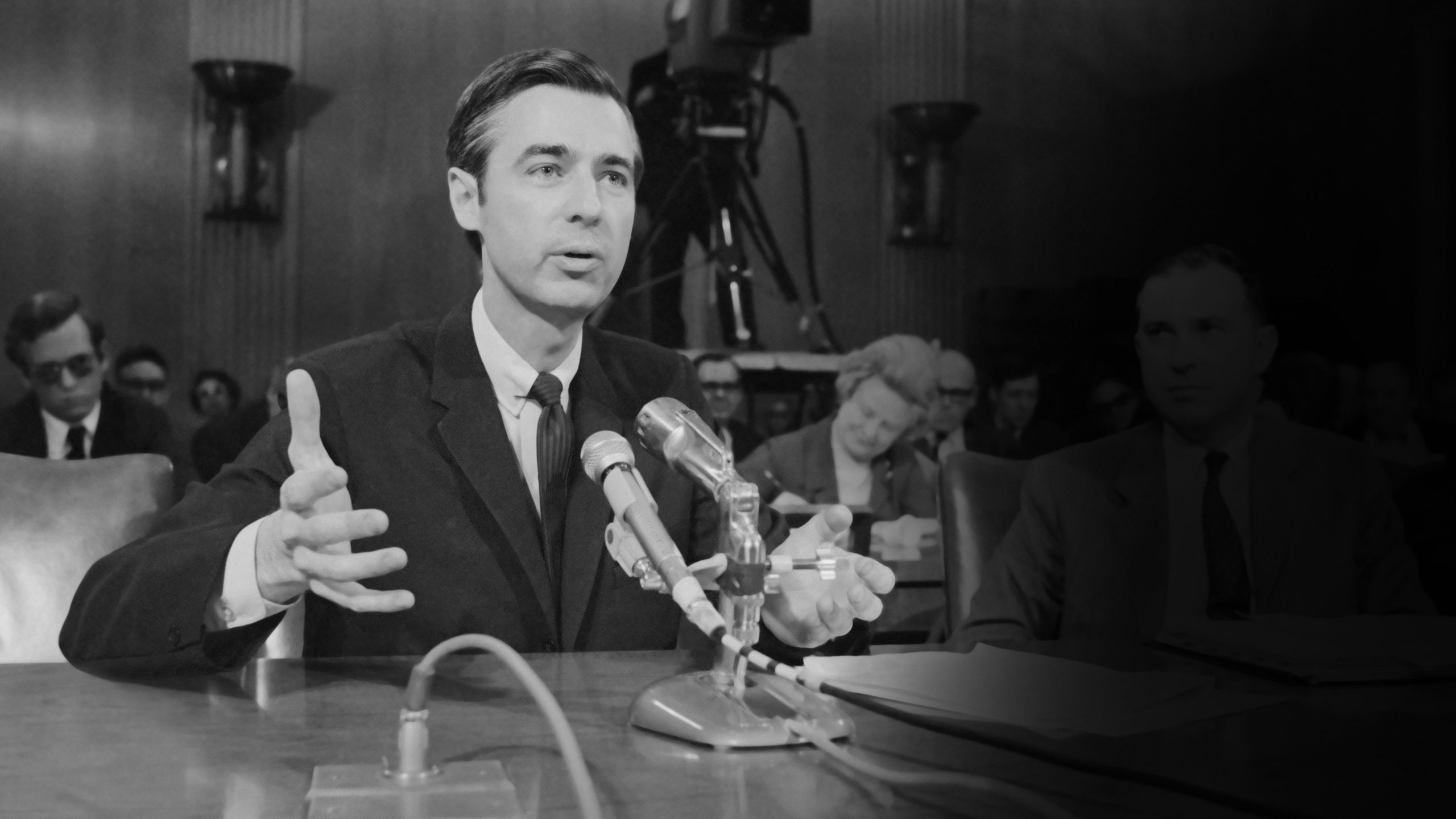
The tapes are the film. Early on we see an episode from the week Robert Kennedy was shot, in which Rogers has a puppet ask what the word assassination means, and answers. We see him in 1969 before a Senate subcommittee that intends to cut public broadcasting’s funding, reciting the words of a song about what to do with anger, and we see the senator opposite him change his mind on camera. Jeff Malmberg and Aaron Wickenden cut these long. They let Rogers take his pauses, and the pauses are where he lived.

The film’s best idea is Daniel, the striped tiger. Rogers voiced him for the whole run, and Neville argues, with help from the people who worked on the programme, that the puppet was where Rogers put the parts of himself he could not say out loud: the anxious child, the overweight boy who was teased, the man who wondered late in life whether any of it had done any good. There is a clip in which Daniel asks whether he was a mistake. We did not expect to be undone by a hand puppet with a paw over its eyes, and we were. It is the smallness of the voice that does it, and the fact that nobody on screen hurries to reassure him.

Around the archive, Neville puts the usual talking heads, and Graham Willoughby shoots them plainly, in warm light against dark rooms. Joanne Rogers is dry and funny about her husband; Jim Rogers and John Rogers talk about what it was to have Mister Rogers as an actual father, which is the closest the film gets to a complaint. Tom Junod, the journalist who went to write a magazine profile and came out a friend, is the most articulate witness. Margaret Whitmer, David Newell and Joe Negri speak for the crew. Jonathan Kirkscey’s piano score stays close to the programme’s own music and never pushes. Everyone liked him. Nobody has an unkind word.

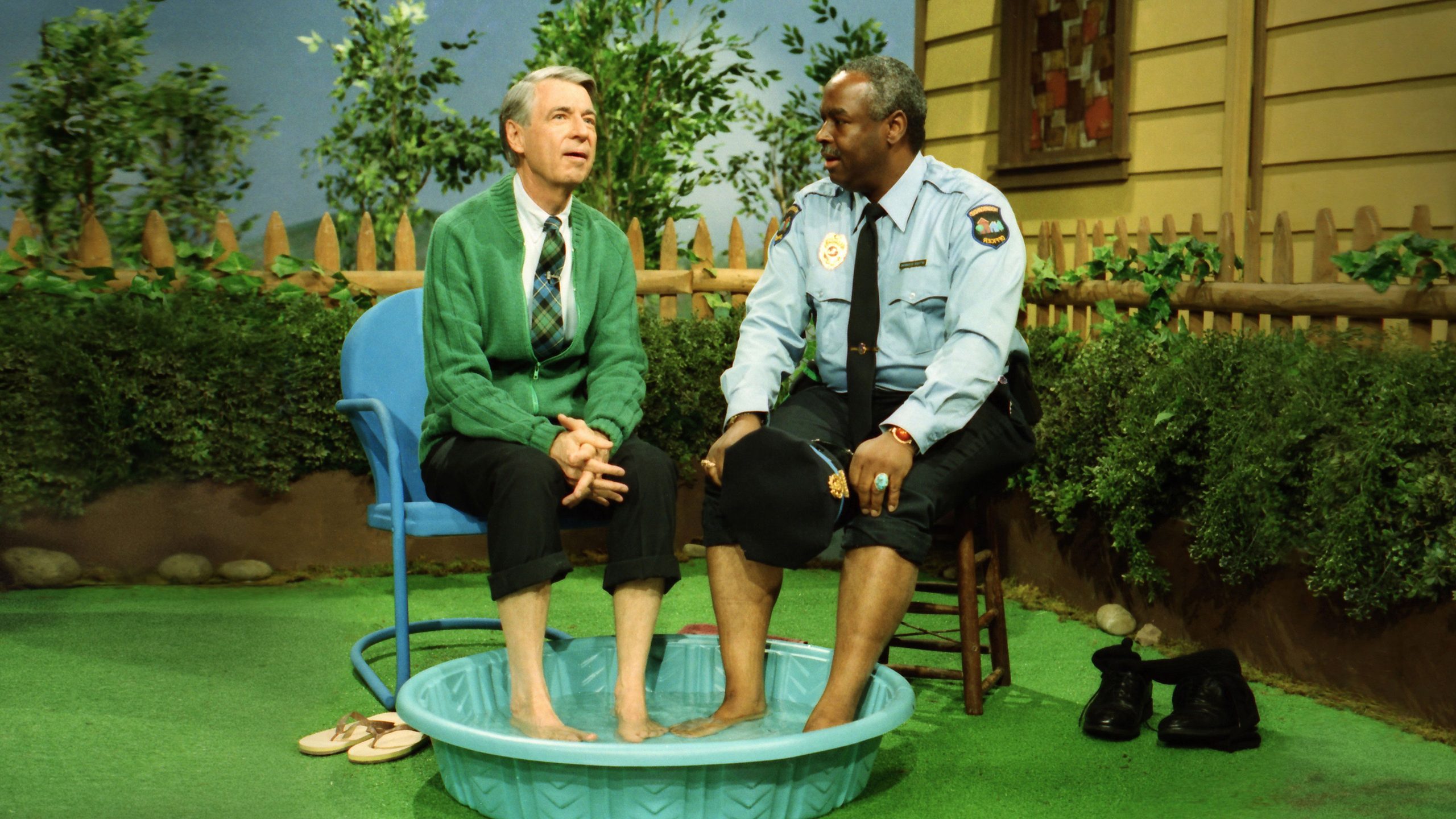
That is the point of the film and it is also the trouble with it. Neville raises the hard questions and then sets them down. The most quoted scene in the programme’s history, in which Rogers shares a paddling pool with a Black colleague on a hot day in 1969, is here, and it is as good as its reputation, but the film moves on before we learn much about how Rogers treated that colleague off camera. Late in life Rogers was blamed by some commentators for raising a generation to think itself special, and Neville dispatches them in a couple of minutes of clips and a shrug. Rogers’ own doubts, which the film clearly knows about, are stated once and not pressed. The animated interludes, in which a cartoon Daniel wanders through a grey city, are pretty and tell us nothing the puppet had not already told us.

Set against the run of recent celebrity documentaries, this is a modest, well-made one. It does not have the shape of Neville’s 20 Feet from Stardom, where the interviews carried the argument; here the interviews confirm what the clips have shown. At 95 minutes it is short, and the last decade of Rogers’ life goes by quickly, in a manner we will not describe.

The programme was never really shown here, and most British viewers will come to it knowing Rogers, if at all, as an American joke about niceness. The film does not need you to have watched a single episode. It needs you to sit still for a man who talked slowly and meant every word, which is a harder ask than it sounds. Certificate 12A, and we would let the children stay.
Critical consensus AI synthesised

84
Positive
19
Mixed
2
Negative
0

Most critics leave this documentary moved, and many say so with some surprise. The reviews cluster around the same points: Morgan Neville builds the film almost entirely from archive footage of the programme and interviews with those who knew Rogers, and the effect is a persuasive case that the man on screen was the man off it. The praise goes to his seriousness about children’s feelings, his willingness to address hard subjects, and the sense that his gentleness reads as timely rather than quaint.

The spread is narrow; no review is negative and only two are mixed. Where critics hesitate, it is over depth. Little White Lies finds the film reluctant to look at Rogers’ private life and politics, and Consequence calls it lightweight, leaning on his charm rather than analysis. Paste questions how much it has to say to viewers now. Others, Time Out and The Wrap among them, argue the film does show his doubts and contradictions, if lightly.

IndieWire
21 January 2018 · festival review · Eric Kohn
90*

The review calls the documentary moving and notes how it demystifies Rogers' legacy while showing he was too good for us. It emphasizes the film's ability to connect multiple generations with his friendly television presence.

Read the full review →
Los Angeles Times
7 June 2018 · Kenneth Turan
90*

The review highlights how the documentary reveals Rogers’ palpable goodness and caring, making a compelling case for the enduring power of his approach to children.

Read the full review →
The AV Club
4 June 2018 · A- · Noel Murray
90

The critic finds the film moving and inspiring but notes it struggles to humanize Rogers fully, though its use of emotional clips and context about skepticism toward his kindness serves a purpose in reminding viewers it's okay to feel.

Read the full review →
The Hollywood Reporter
19 January 2018 · festival review · Daniel Fienberg
90*

The critic praises the documentary as both nostalgic and timely, highlighting its use of Mr. Rogers clips and focus on his worldview as an invitation into his mind. It is described as a film one wants to hug, with emotional resonance that feels contemporary.

Read the full review →
The New York Times
6 June 2018 · NYT Critic’s Pick · A.O. Scott
90*

The critic finds the documentary moving and illuminating, praising its earnest attention to Fred Rogers’ public legacy and its balance of admiration with intellectual rigor.

Read the full review →
The New Yorker
13 June 2018 · Sarah Larson
85*

The piece celebrates the film for capturing Rogers’ radical respect for children’s feelings and his bold use of television to foster dignity and emotional understanding.

Read the full review →

Cast

Awards

Sundance Festival Favorite Runner Up, 2018

Won
Sundance Festival Favorite Runner Up

If you liked this, try…

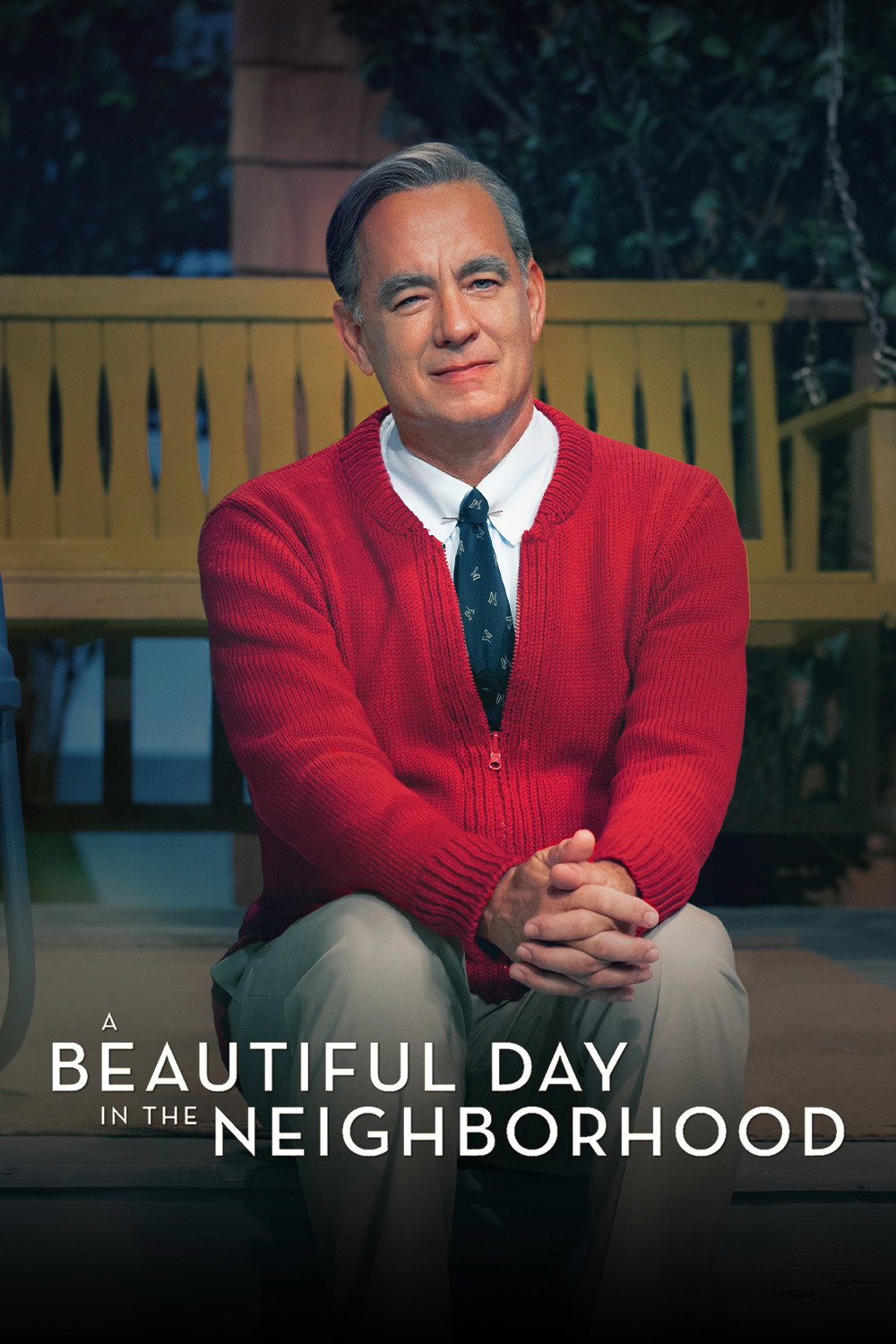
A Beautiful Day in the Neighborhood poster

A Beautiful Day in the Neighborhood

2019 · Tom Hanks plays Rogers, and the journalist’s story from this film gets its own

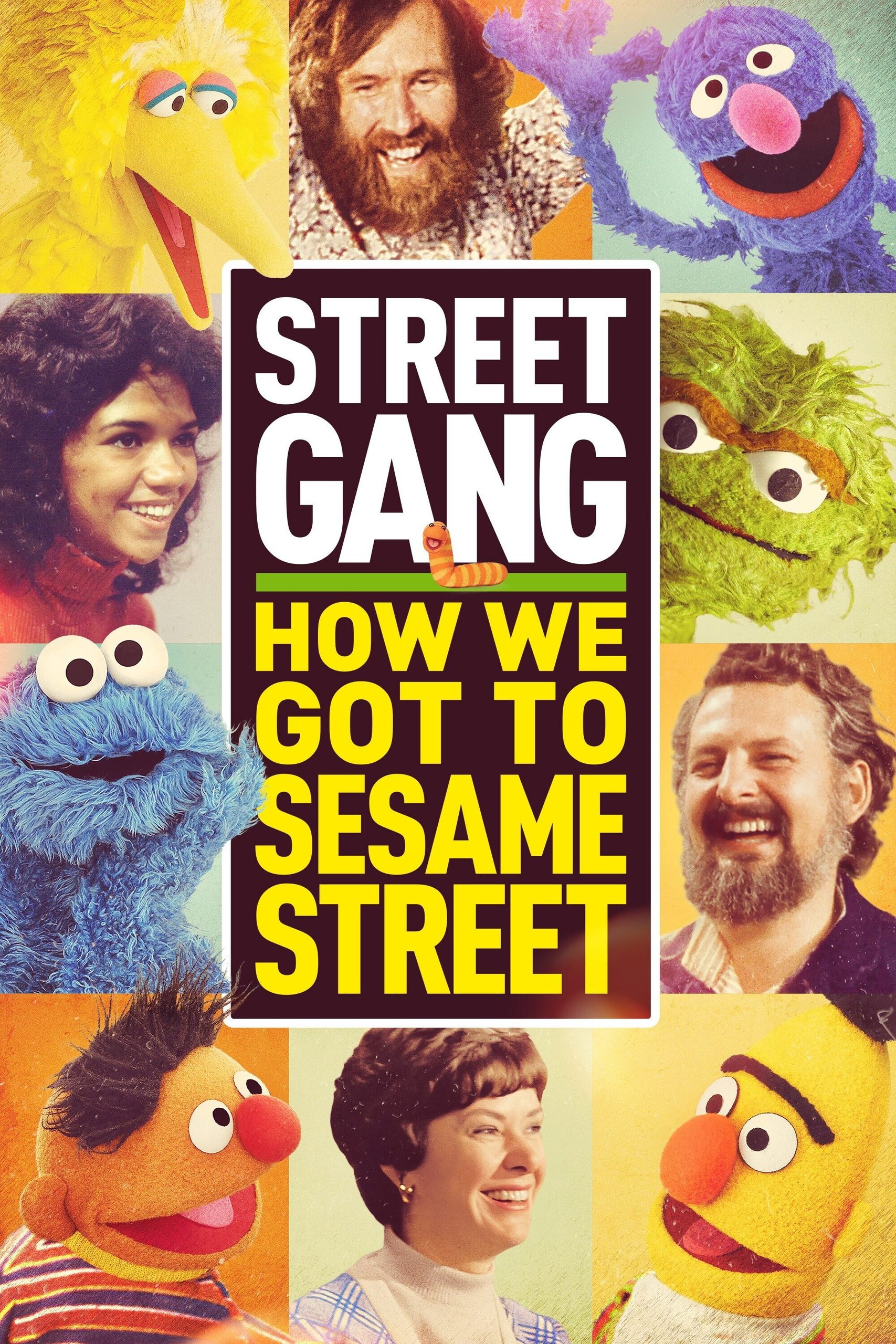
Street Gang: How We Got to Sesame Street poster

Street Gang: How We Got to Sesame Street

2021 · The other great American children’s programme of the era, and how it was built

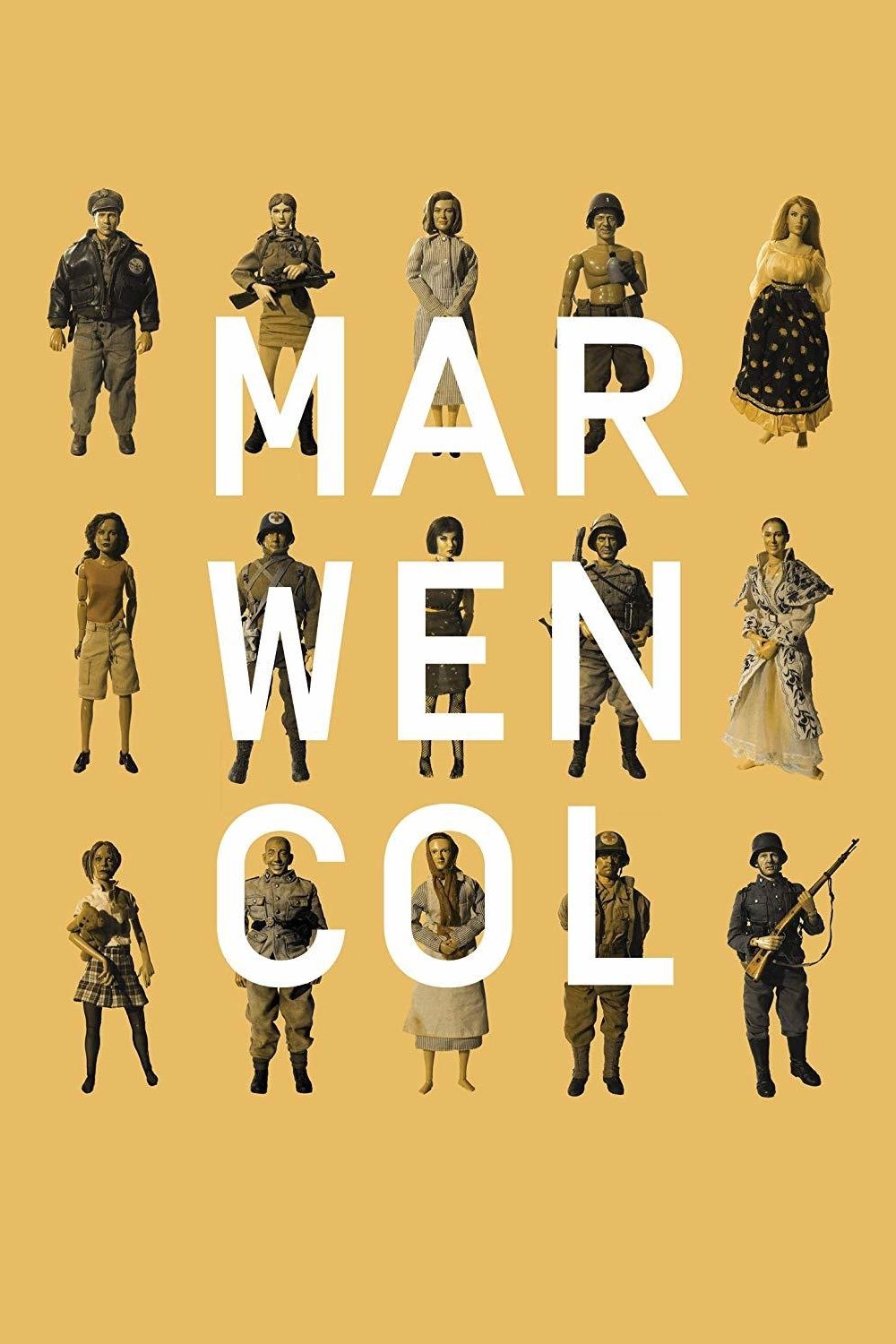
Marwencol poster

Marwencol

2010 · Editor Jeff Malmberg’s own documentary about a man who heals himself with dolls

Faces Places poster82

Faces Places

2017 · Agnès Varda and JR drive through France being kind to strangers; it is not soft

20 Feet from Stardom poster74

20 Feet from Stardom

2013 · Neville’s film about backing singers, where the interviews do the arguing