Film review

20 Feet from Stardom

2013 · Directed by Morgan Neville · 1h 29m · MPA PG-13

In a sentenceMick Jagger, Sting and Bette Midler queue up to admit they were the second-best singers on their own records

DocumentaryMusic

Morgan Neville’s documentary sits down with the women who sang behind some of the best-known records of the 1960s and 1970s and are not named on the sleeves. Darlene Love recalls singing lead vocals for Phil Spector that were released under other groups’ names. Merry Clayton, who sang on the Rolling Stones’ Gimme Shelter, and Claudia Lennear, who toured with Ike and Tina Turner, talk through the sessions, the tours and the solo records that did not sell. Lisa Fischer, still on the road with Sting and the Rolling Stones, explains why she never wanted the front of the stage. Judith Hill, a generation younger, is trying to get there. Mick Jagger, Bette Midler and Sheryl Crow give evidence.

Plays from YouTube when you press play; nothing loads from them until then.

Fi1m review

Morgan Neville’s documentary lets the women who sang behind the Rolling Stones, Sting and Phil Spector be heard on their own, and when it does that it is thrilling. The rest is warm, loosely shaped and quick to change the subject when the questions get hard.

Morgan Neville has made a film about the people who stand a little behind the star and sing the part you remember. His subjects are Darlene Love, Merry Clayton, Lisa Fischer and Claudia Lennear, all of them Black women who came up through church choirs and into the studios of Los Angeles, and Judith Hill, a generation younger, who is trying to get from the back of the stage to the front. Around them the stars queue up to give credit: Mick Jagger, Sting, Bette Midler, Sheryl Crow. It is a good idea for a documentary and a generous one, and for 89 minutes it is a pleasure to sit in front of. It is also loosely built, and it walks away from the hardest questions it raises.

The method is the interview and the clip. Graham Willoughby and Nicola Marsh film the women at home, in rehearsal rooms and, in the best sequences, in a studio with the old tapes running, so that a singer can sit and listen to herself at 22. Kevin Klauber, Jason Zeldes and Douglas Blush have a deep archive to cut against, and they cut it on the beat, which sounds easy and is not. Plenty of music documentaries treat the songs as wallpaper. This one lets them play.

The moment the film will be remembered for is Clayton and Gimme Shelter. Neville takes the Rolling Stones out of the mix and leaves her vocal by itself, a track she recorded, by her own account, in the middle of the night in 1969 after being called out of bed. Her voice cracks on the top note and carries on. We had heard the song a few hundred times. We had never heard her, and when the tape ran out we found we had gone quite still. Clayton, listening to herself, says nothing for a moment, and neither did anyone near us.

Love’s story is the film’s other spine. She sang leads for Phil Spector that were released under other groups’ names, watched other women mime them on television, and was cleaning houses in middle age before she got back on a stage. Neville tells it straight and lets her tell most of it, which is the right call; she is funny about it, and she has earned the right to be. Fischer is the quiet centre. She has the voice and not the appetite, she is still on the road behind Jagger and Sting, and she seems content. The film is briefly unsure whether to admire that or feel sorry about it, and it settles, rightly, on admiration.

What it does not settle is the argument it keeps starting. The film says plainly that the singers were mostly Black and the stars they sang behind mostly white, and that the money went one way; then it changes the subject. Nobody from a record company sits down in front of the camera. Sting offers a thought about luck and the film accepts it as a conclusion. Hill’s present-day thread is meant to hold the whole thing together, but Neville keeps checking in on her the way a television programme checks in on a contestant, and the shape feels imposed rather than found. The stories arrive in overlapping fragments, so that by the end we knew everyone’s voice and only some of their lives. It is 89 minutes long and still finds time to repeat itself.

Music documentaries of this kind usually have one of two faults: too many famous heads talking, or too much reverence. This has a little of both and gets away with it because the singing is that good. Most critics have taken it for the celebration it wants to be, and we do not think they are wrong so much as kind; we came out humming and still wanted to know where the money went.

Watch it with the volume higher than you would normally allow, and stop it when Clayton sings. Everything the film has to say is in those two minutes, and it says it there better than anywhere else.

Critical consensus AI synthesised

79
Positive
18
Mixed
1
Negative
0

Almost every critic likes this film, and most like it a great deal. The praise clusters on the singers themselves: Merry Clayton, Darlene Love and Lisa Fischer are named again and again, and the reviews describe the documentary as joyous, rousing and infectious. Clayton’s account of recording ‘Gimme Shelter’ is singled out more than once, as is Morgan Neville’s use of archive footage and the sheer quality of the music. Several critics say the women outsing the stars they stood behind.

The reservations are consistent and mild. A number of reviews, among them The AV Club and Slant, find that the film has too many stories and never quite shapes them into one. Others, including The Guardian, wish it had said more about race and gender rather than settling for a feel-good tone. The spread is narrow; the lone mixed notice, from the Evening Standard, calls it an enjoyable arts feature on a safe subject, technically unremarkable.

Empire
11 March 2014 · Angie Errigo
90*

The critic praises the documentary as joyous, spectacular, tuneful, touching and thoughtful, noting its engaging exploration of back-up singers' artistry and stories of exploitation and talent versus fame.

Read the full review →
Los Angeles Times
13 June 2013 · Kenneth Turan
90*

The critic describes the film as infectious and irresistible, a moving and joyous look at backup singers who outsing many stars. It singles out the powerful voices and personal stories of the women, especially their transformative performances and resilience.

Read the full review →
RogerEbert.com
28 June 2013 · Susan Wloszczyna
90*

The critic praises the documentary as a rousing tribute that highlights the talents of backup singers like Merry Clayton and Darlene Love. It singles out the women's personal stories and performances, especially Clayton's work on 'Gimme Shelter,' for making the film absorbing and revelatory.

Read the full review →
Variety
18 January 2013 · festival review
90*

The critic calls it a compelling crusade to recognize background singers, with a rousing group portrait that should appeal broadly. It singles out the essential role of African-American singers in shaping pop music sound and the absorbing personal accounts from figures like Darlene Love and Merry Clayton.

Read the full review →
The AV Club
13 June 2013 · B+ · Sam Adams
83

The documentary celebrates the accomplishments of mostly female backup singers through stories of heartbreak and near-misses with fame, though it struggles to fully explore racial and industry issues or weave its narratives cohesively.

Read the full review →
Screen Daily
5 March 2013 · festival review
80*

The critic describes it as a heartfelt tribute that thoughtfully examines race and gender in the music industry through the stories of African-American vocalists, with breezy execution and rewarding vocal performances, though it settles on a feel-good tone.

Read the full review →

Cast

Awards

Grammy Award for Best New New Jack Swing Artist, 2015

Won
Grammy Award for Best New New Jack Swing Artist

Academy Awards, 2014

Won
Best Documentary Feature Film

If you liked this, try…

Standing in the Shadows of Motown poster

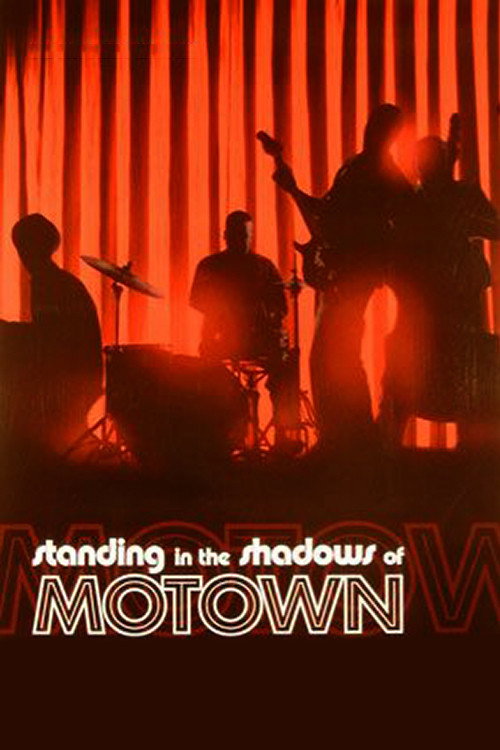
Standing in the Shadows of Motown

2002 · The Funk Brothers played on more hits than anyone; here they finally get named.

Wattstax poster

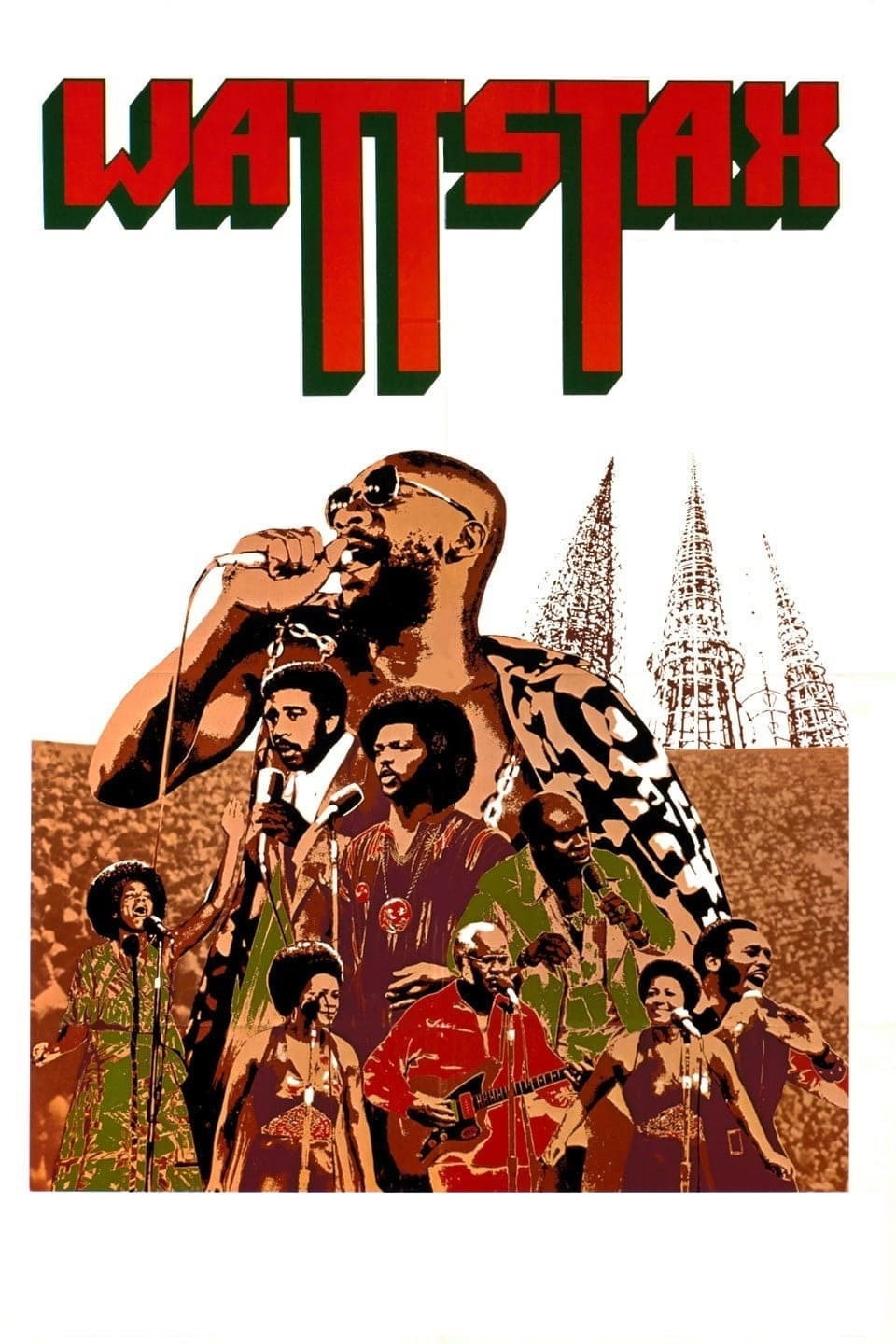
Wattstax

1973 · A Los Angeles concert film from the same decade, with the crowd as important as the stage.

Buena Vista Social Club poster76

Buena Vista Social Club

1999 · Wenders finds elderly Cuban musicians nobody had asked about and lets them play.

Searching for Sugar Man poster

Searching for Sugar Man

2012 · A singer who vanished after two records turns out to be famous somewhere else.

Summer of Soul poster

Summer of Soul

2021 · Harlem, 1969, and a festival’s footage that sat in a basement for fifty years.