Woody Allen’s mock-documentary turns the fear of standing out into a precise, quietly funny comedy. Its fabricated history is more absorbing than its love story, but the technical care and modest performances make it worth the evening.
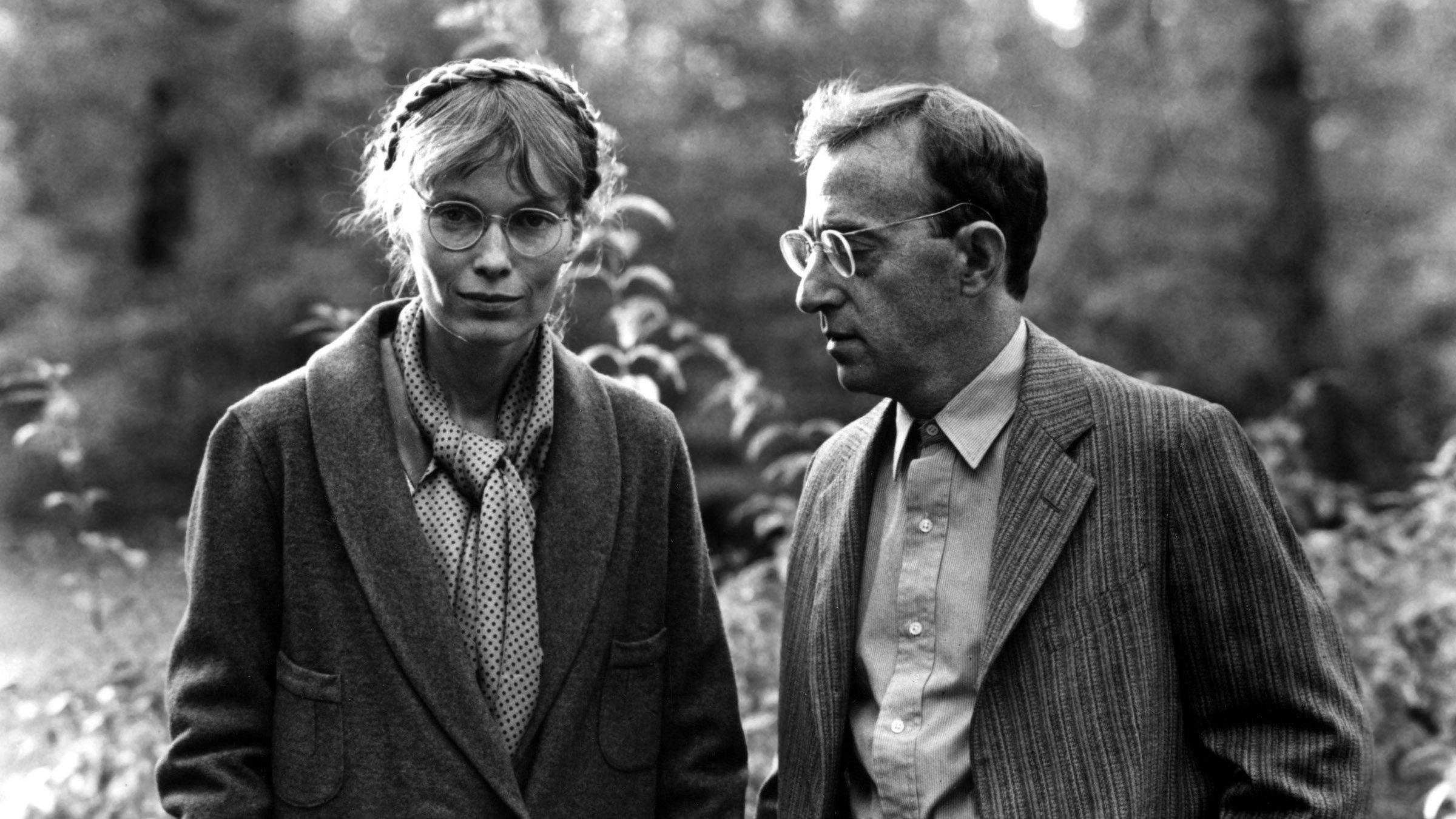
Woody Allen’s Zelig takes the wish to fit in literally: Leonard Zelig changes to resemble the people around him. It is a clever, quietly funny film, worth seeing for how carefully it makes that absurdity look plausible. Allen, who writes, directs and plays Zelig, presents him through a mock-documentary assembled around newsreels and historical footage. The form lets a ridiculous proposition receive the sort of respectful attention usually reserved for important men. The documentary format does occasionally keep him at too great a distance.
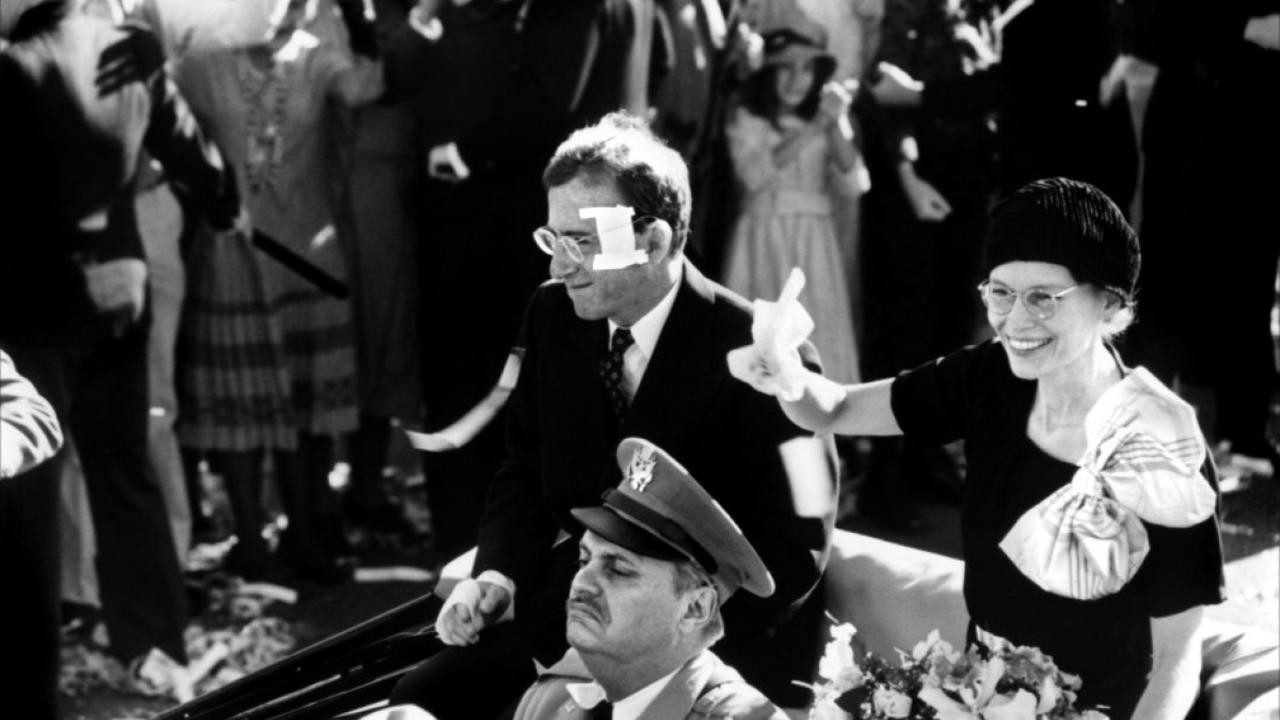
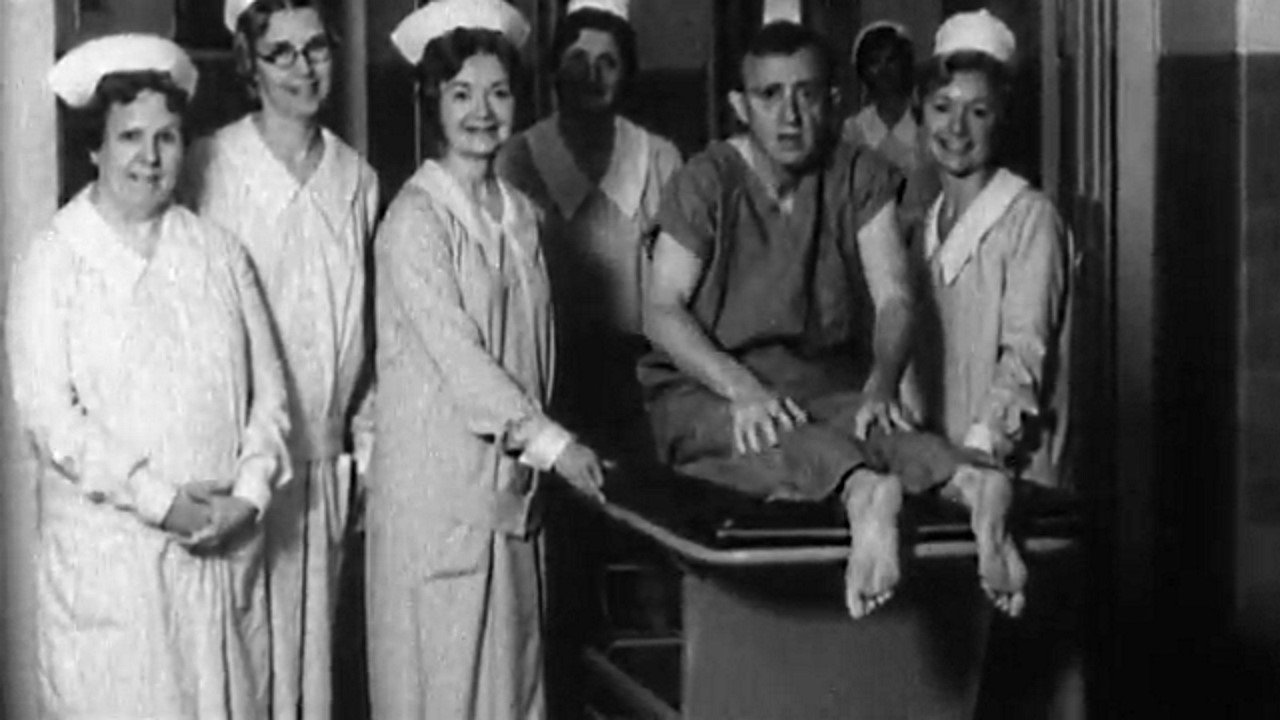
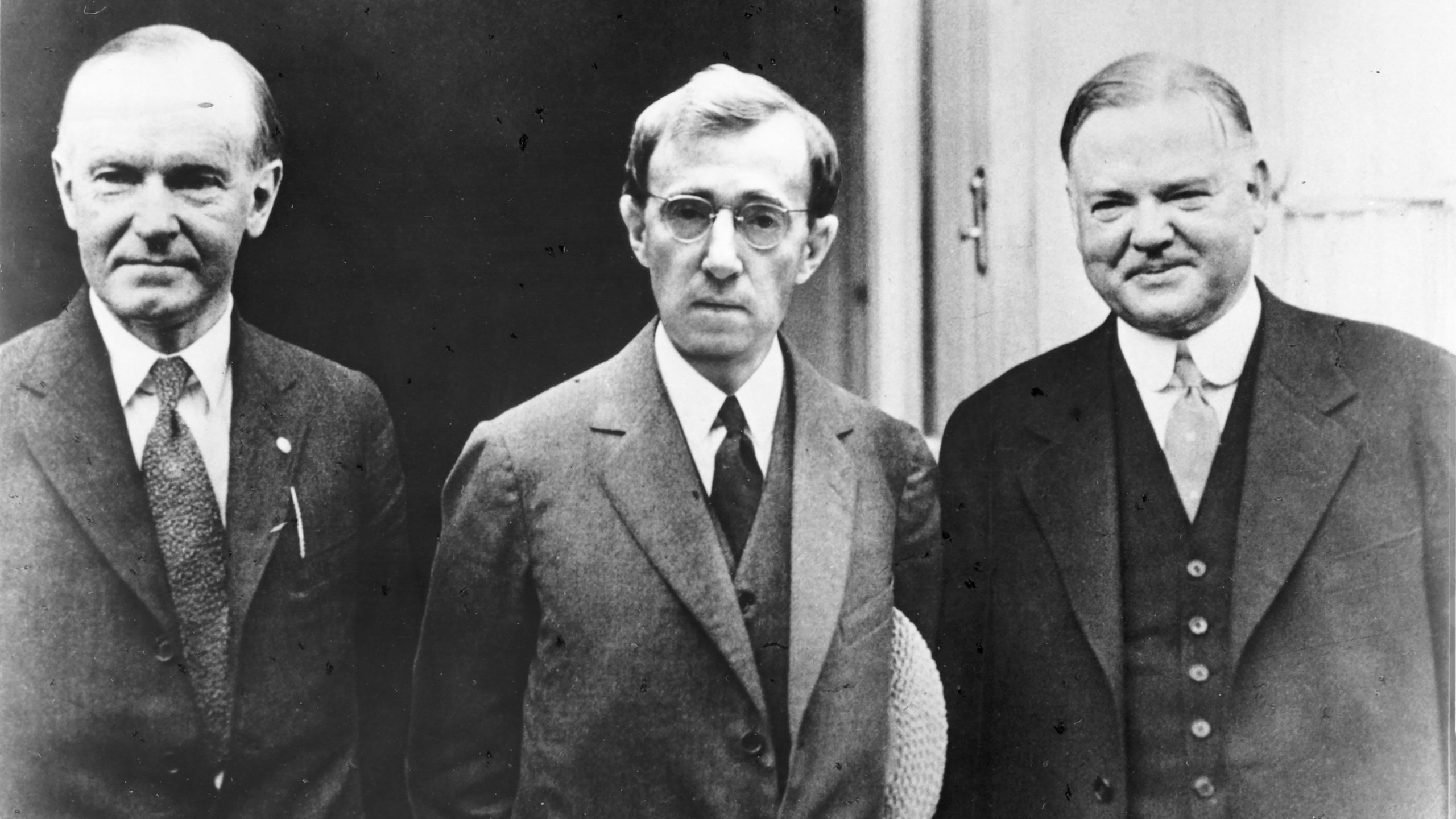
Gordon Willis’s cinematography is crucial to the joke: the recreated newsreels look convincingly ordinary. Their resemblance to the historical material lets us accept Allen’s presence before we have considered how unlikely it is. Mel Bourne’s production design keeps the recreated scenes from looking conspicuously new, helping the deception without drawing attention to the sets. Santo Loquasto’s costumes help Allen belong among the figures in the archive. The pleasure is in seeing the actor become another apparently ordinary detail in a piece of old film.
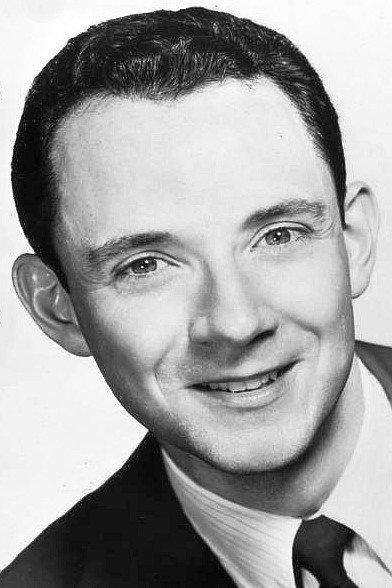
Susan E. Morse’s editing makes the shift between genuine footage and fabricated evidence feel routine, which is exactly what the comedy needs. Patrick Horgan’s narration supplies an equally useful air of authority. His delivery leaves the nonsense for us to notice, without signalling each joke. Dick Hyman’s music helps sustain the jazz-age setting rather than competing for attention. At 79 minutes, the film also has the good sense not to make its documentary impersonation an endurance test.
Allen’s performance is smaller than the premise might suggest. Zelig’s efforts to resemble the people around him have an anxious humility, and the actor does not push forward to claim every laugh. We laughed at the sight of him absorbed into historical footage, then felt sorry for him. His unobtrusiveness makes the fantasy seem like an unhappy person’s practical solution to being disliked. The film understands why someone might find agreement safer than having a personality that causes trouble.
The celebrity satire is less surprising, though still amusing: a man who wants to resemble everyone else becomes an object of fascination. Allen gets mileage out of the solemn documentary attention given to someone whose distinguishing feature is that he has so few of his own. There is a political worry here, too, about how far the habit of agreement can go. Zelig’s eagerness to adapt makes that concern understandable without a lecture on the dangers of conformity.
Mia Farrow, as Dr. Eudora Nesbitt Fletcher, gives the film some welcome warmth. She helps the gentle love story feel worth attending to even when the surrounding trickery is more immediately engaging. Yet the human story remains thin, and the second half begins to drift between variations on a joke we have already understood. Morse keeps the film quick without entirely disguising that repetition. We wanted more time in the characters’ company, particularly Farrow’s, rather than further demonstrations of the format’s possibilities.
We would take this degree of restraint over a mock-documentary that keeps telling us how outrageous it is being. There are enough small jokes in the presentation to reward anyone content with amusement rather than a succession of loud laughs. Watch it with someone who finds an authoritative narrator a reason to be suspicious.