Film review

Zero Dark Thirty

2012 · Directed by Kathryn Bigelow · 2h 37m · MPA R

In a sentenceWe would sit through another hour of CIA paperwork if Jessica Chastain were handling it

ThrillerDrama

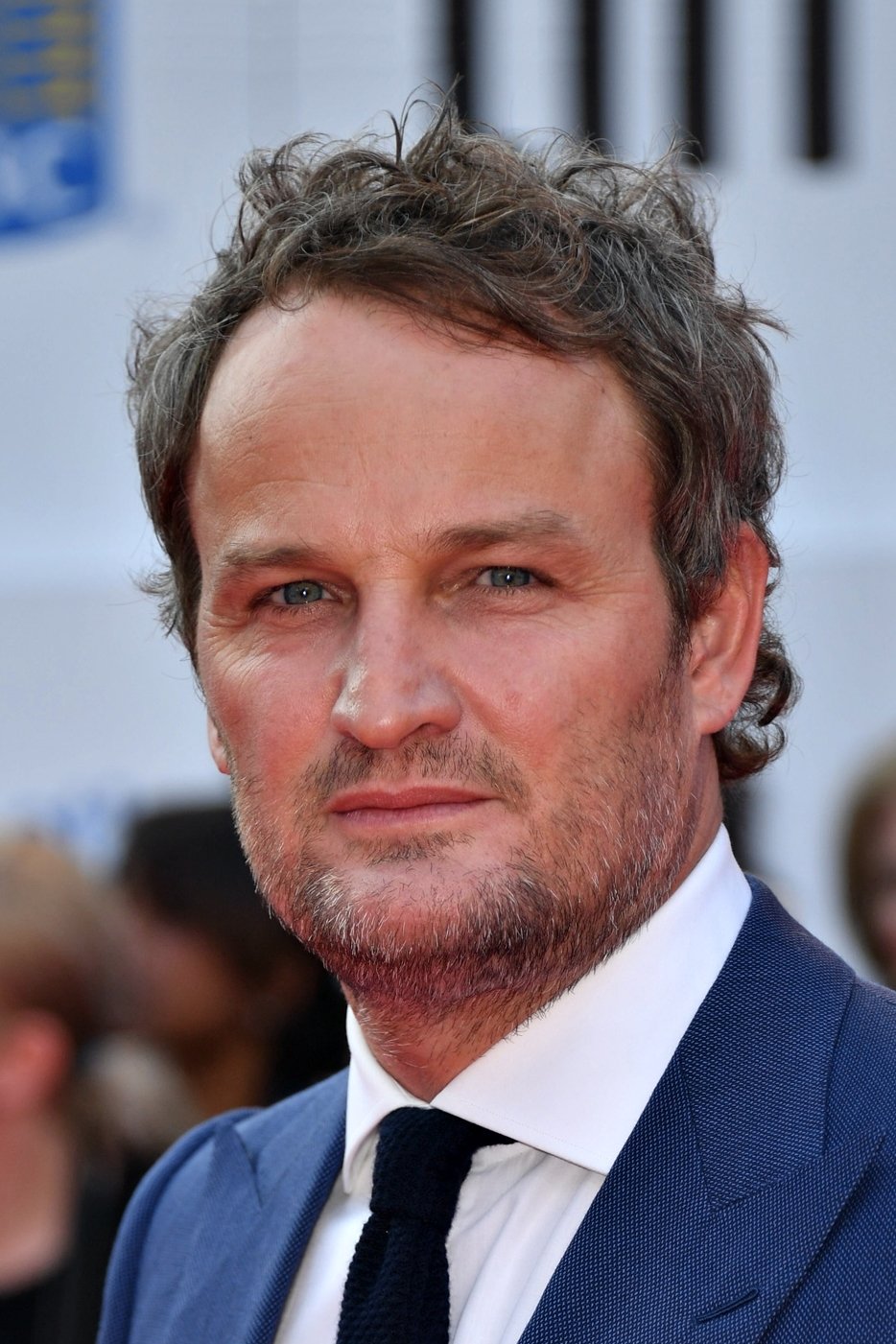
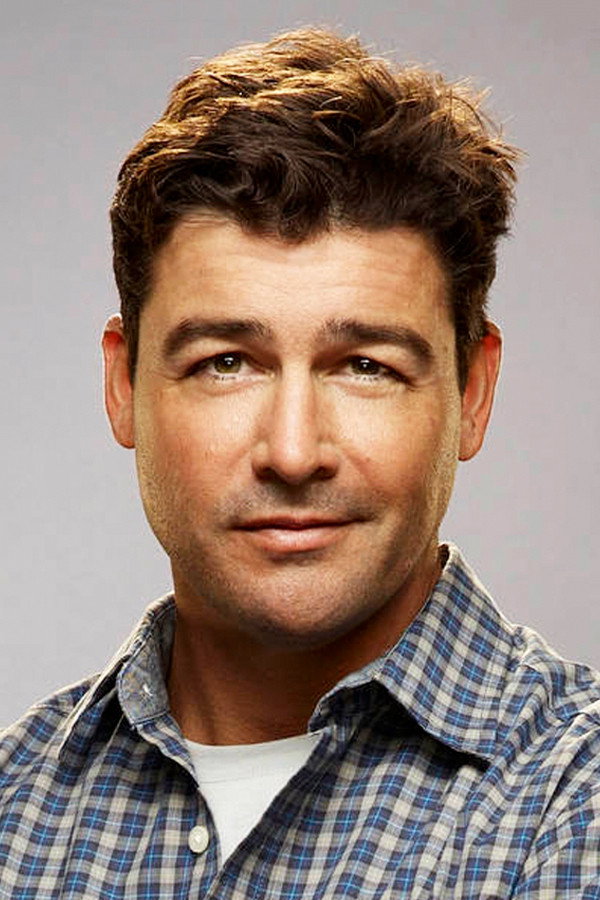
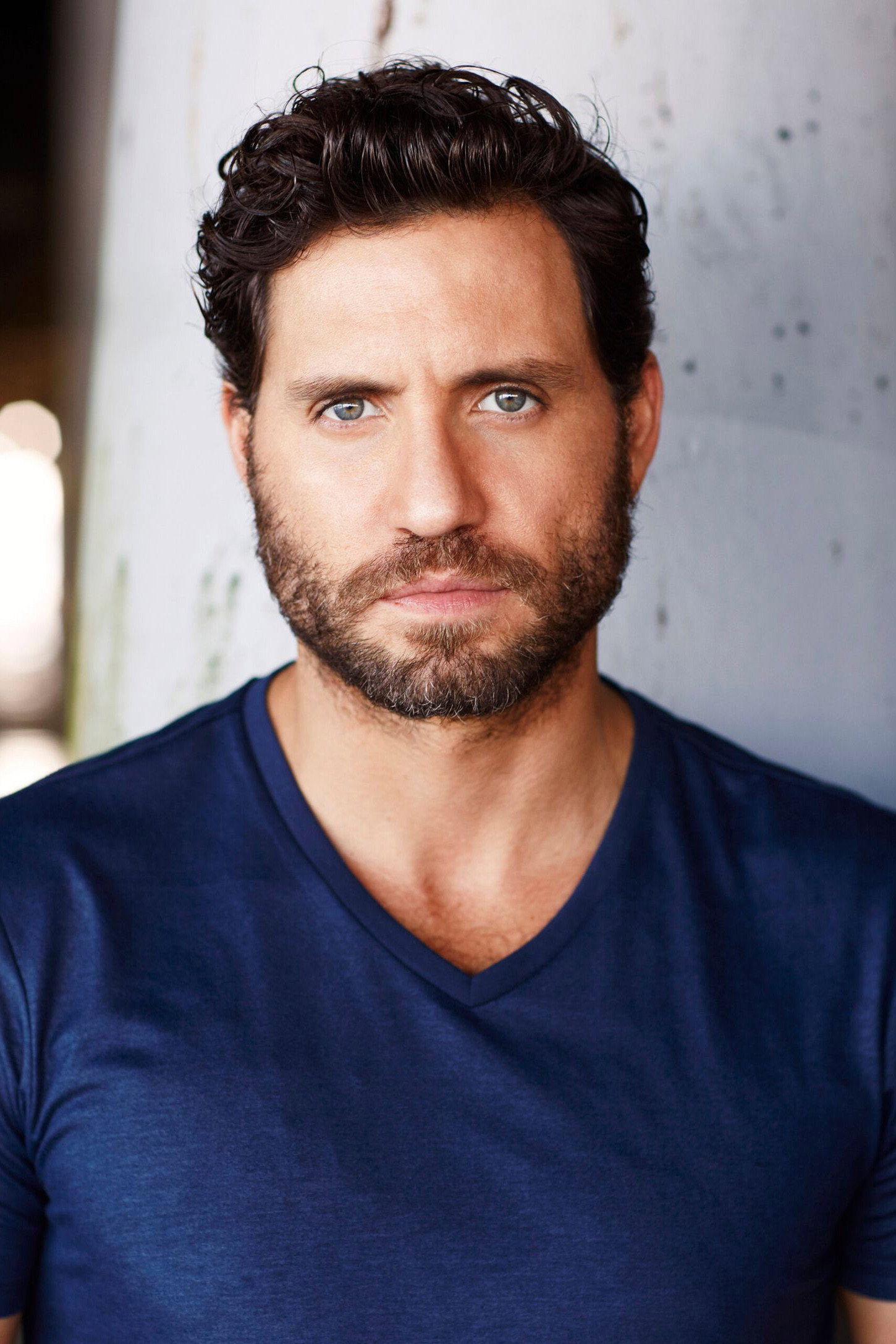
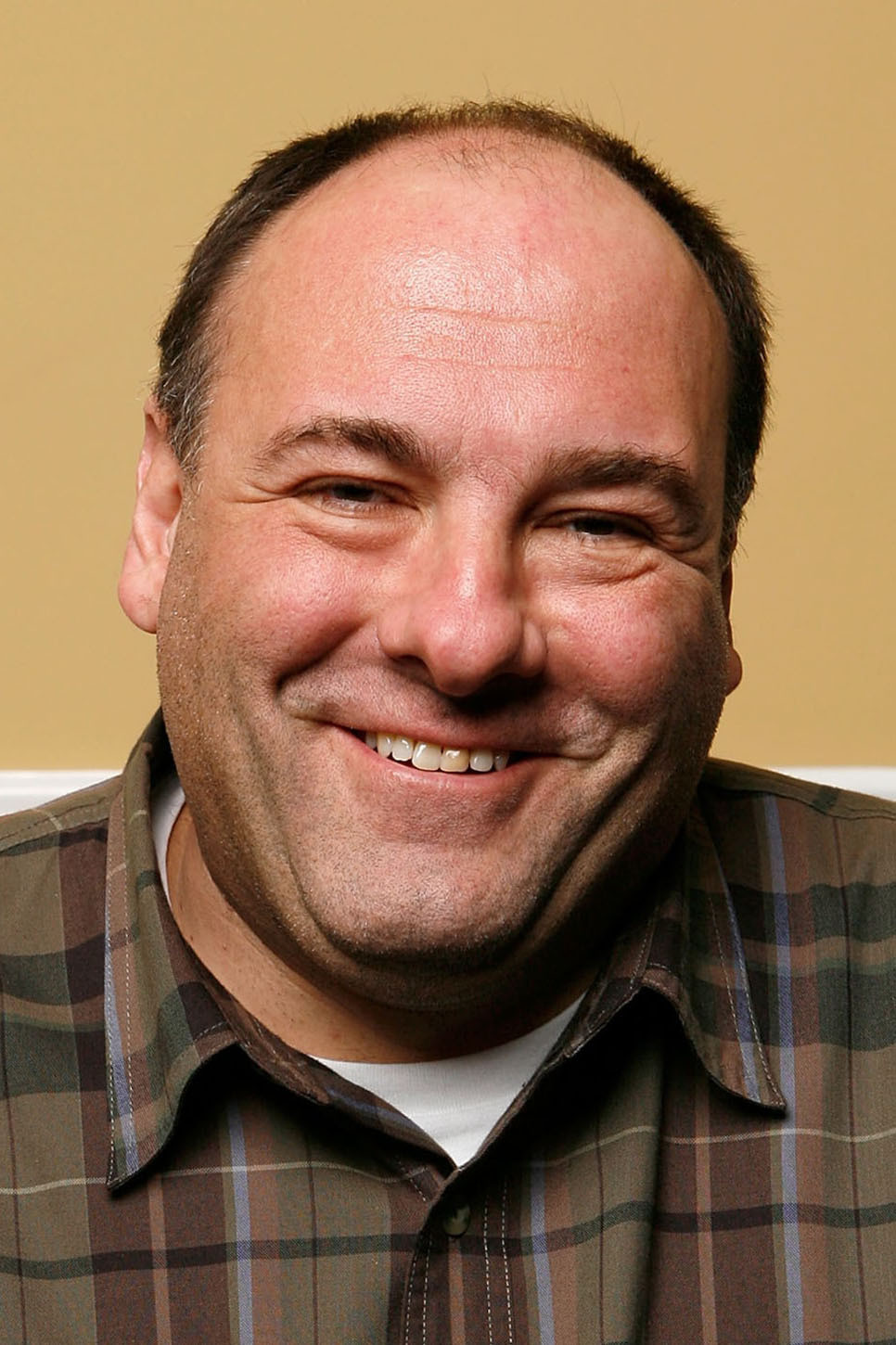
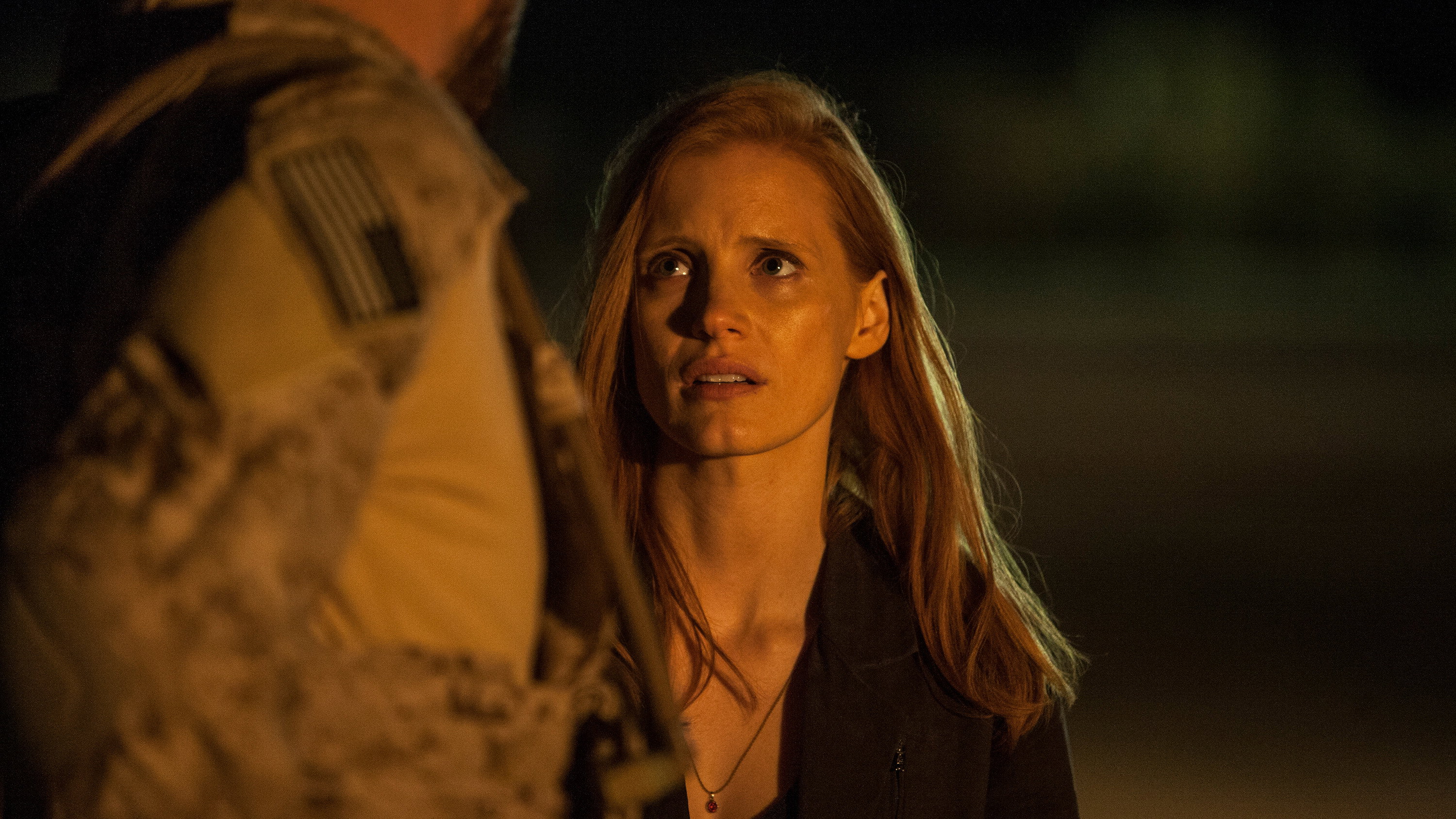
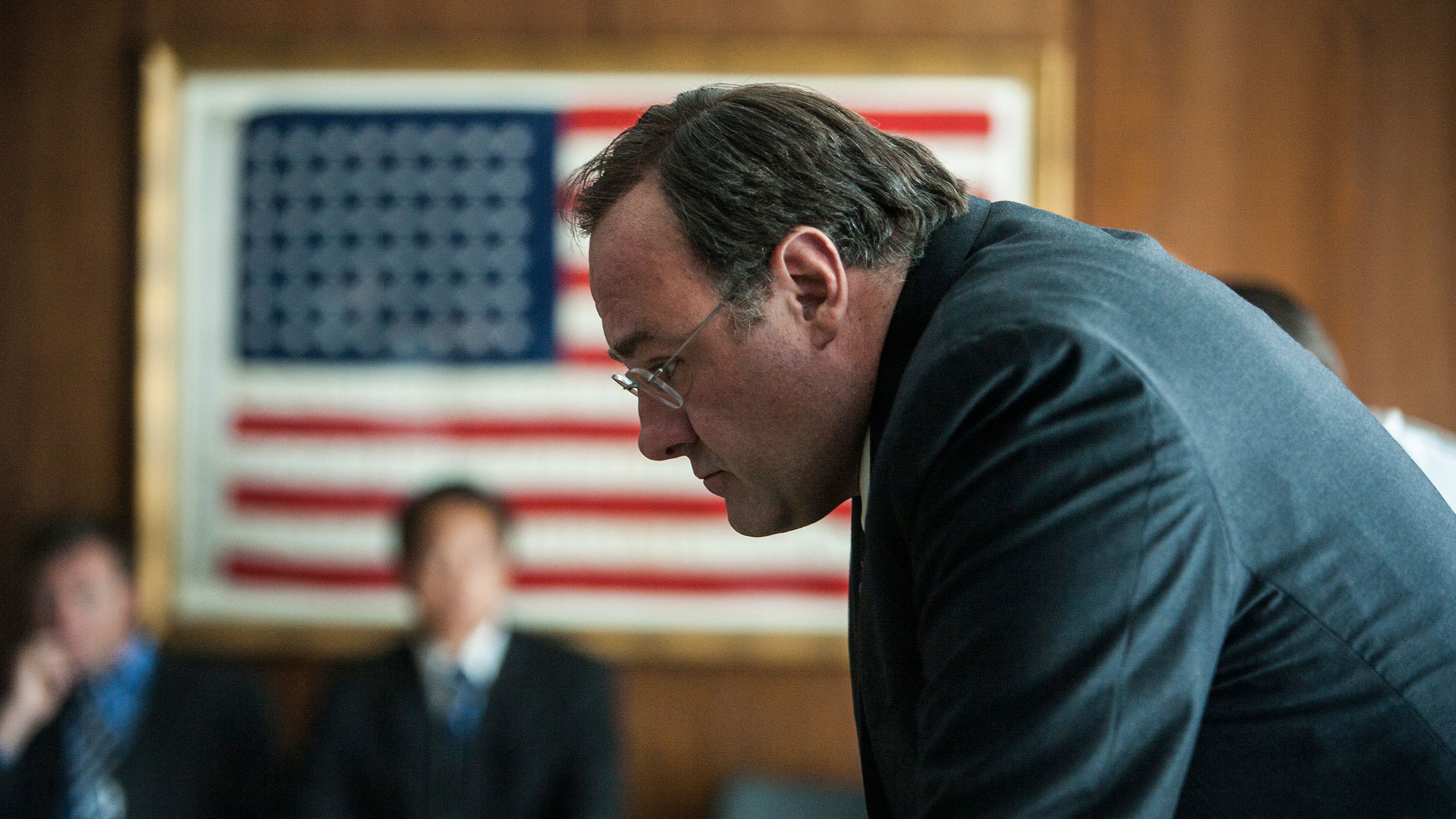
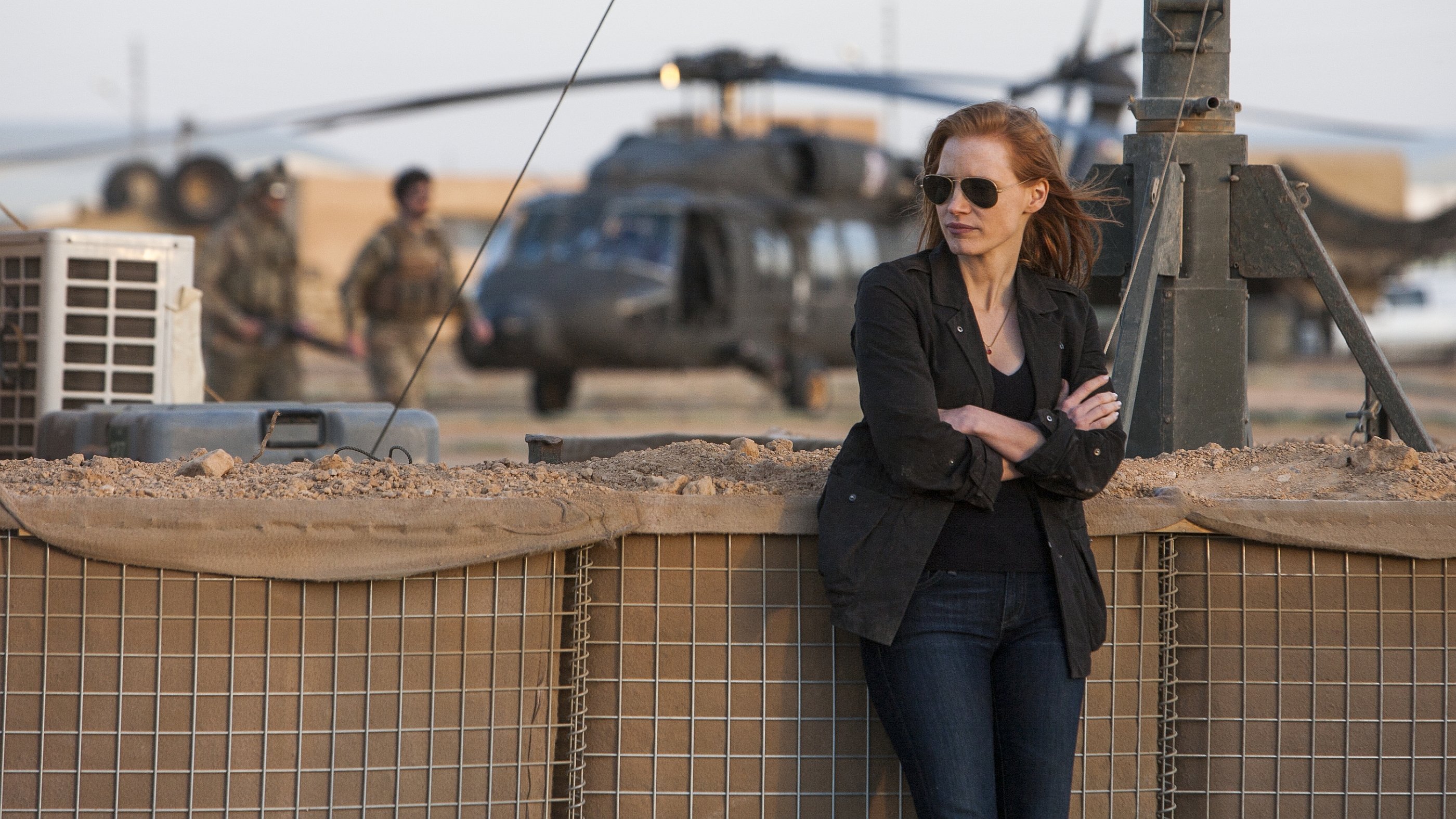
After 9/11, CIA operative Maya (Jessica Chastain) works on the hunt for Osama bin Laden. The search stretches across nearly a decade, taking in intelligence gathering and prisoner interrogation as Maya becomes increasingly consumed by the task. Jason Clarke plays Dan, Jennifer Ehle plays Jessica and Kyle Chandler plays Joseph Bradley, with James Gandolfini as the CIA director. Directed by Kathryn Bigelow and written by Mark Boal, the film follows the work of gathering and assessing information, with Maya’s determination driving a search that involves a much larger intelligence operation.

Plays from YouTube when you press play; nothing loads from them until then.

Fi1m review

Kathryn Bigelow’s intelligence thriller is tense, patient and worth the effort, with Jessica Chastain holding it together. Its handling of torture is harder to accept, particularly when the filmmaking makes everything seem so matter-of-fact.

A long intelligence investigation is an awkward subject for a thriller: repetition matters, progress is uncertain, and much of the work consists of deciding what information to believe. Kathryn Bigelow and writer Mark Boal take that difficulty seriously in Zero Dark Thirty, following the search for Osama bin Laden through the increasing fixation of CIA operative Maya. It is an engrossing film, particularly good at making concentration and persistence dramatic. Our reservation is substantial: the film does too little to question the place of torture in the investigation.

Bigelow begins with a black screen and audio from 9/11, giving us nothing to look at while establishing the reason for the pursuit. We were shaken by that opening; having no image to examine made listening feel inescapable. The scenes of prisoner abuse receive the same sober attention as the intelligence work. Jason Clarke is disturbing as Dan because his performance makes the cruelty feel routine. Bigelow keeps the discomfort in view without interrupting the film to explain it.

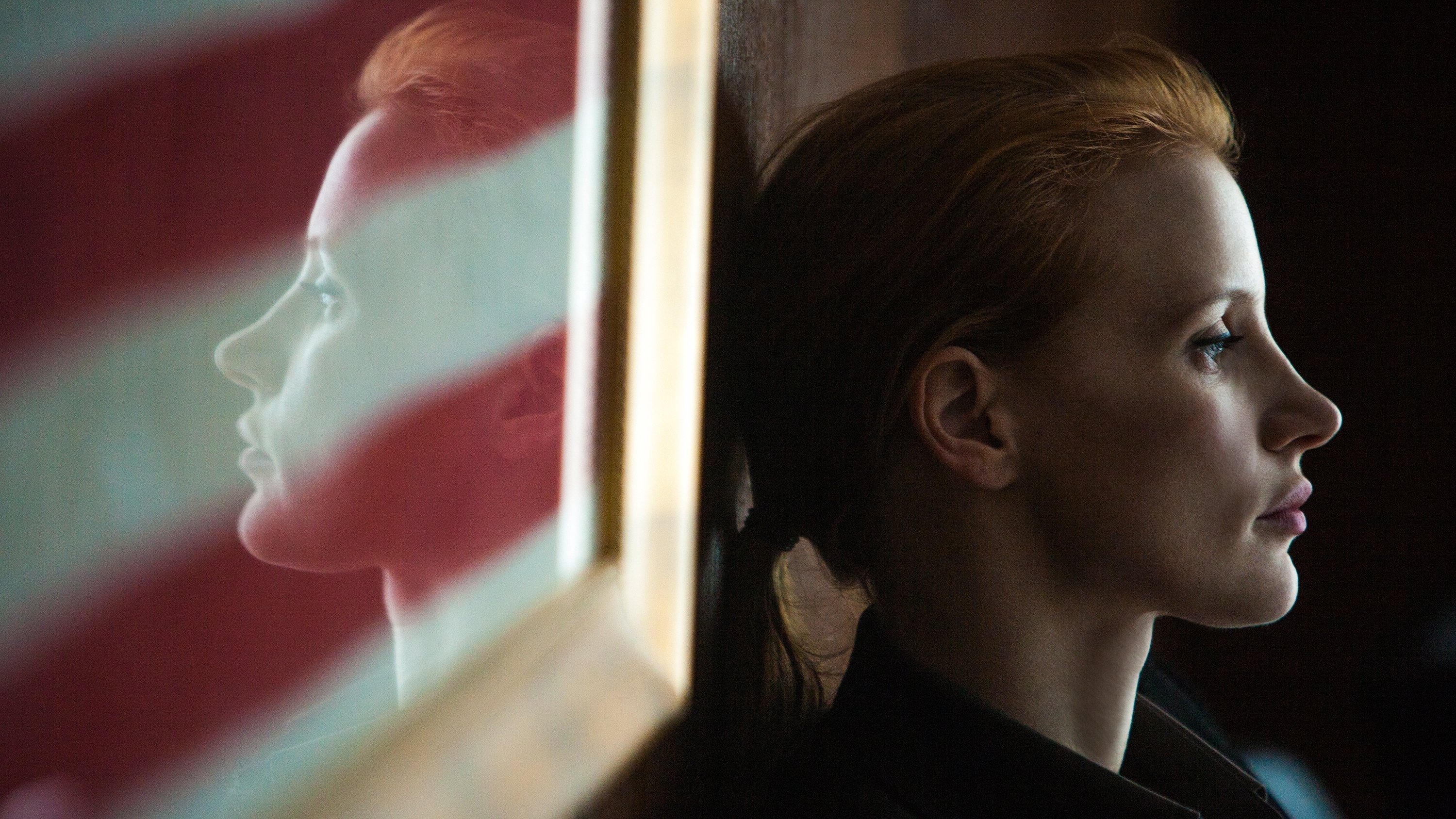
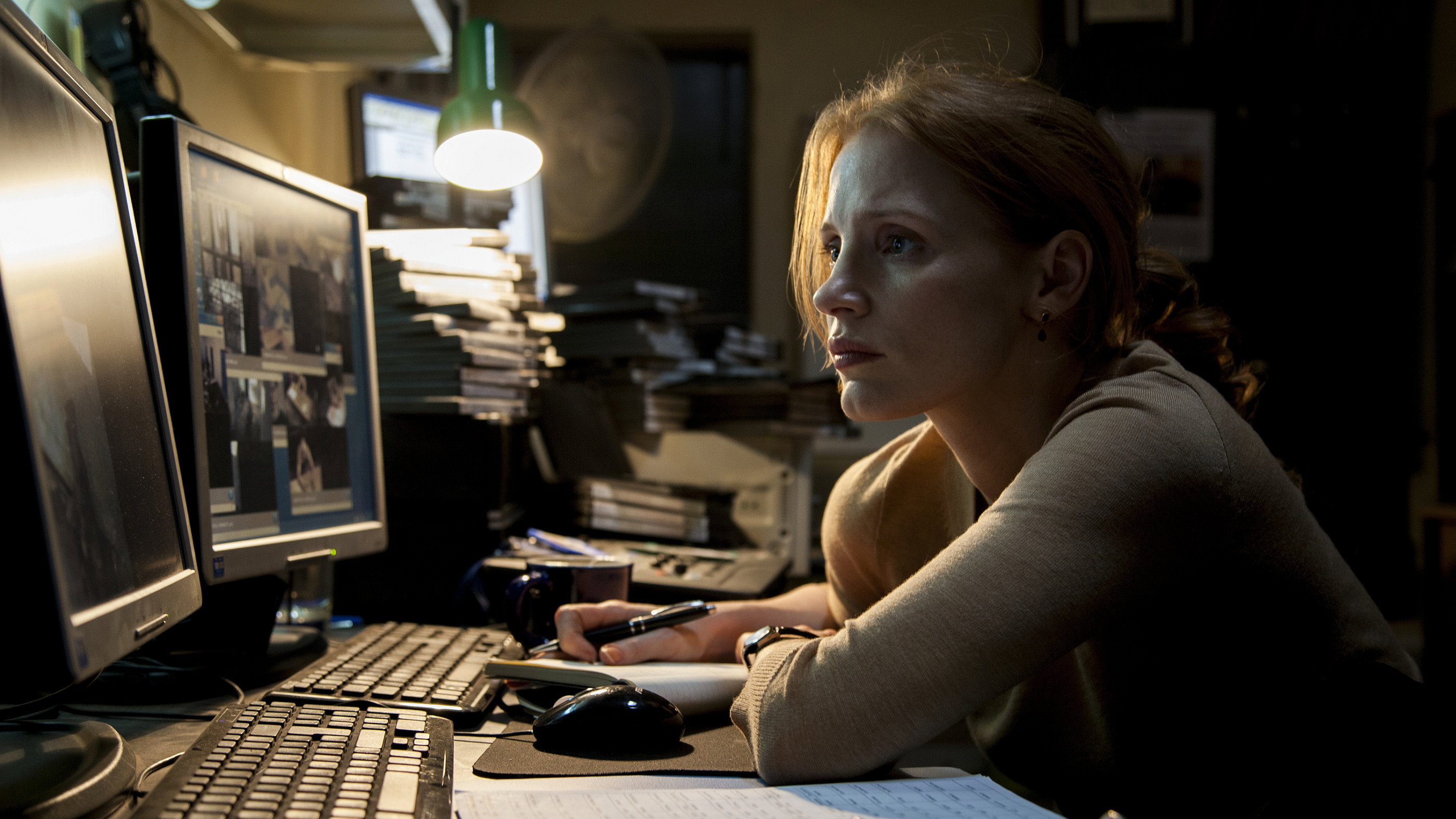
Jessica Chastain gives Maya’s single-mindedness enough force to carry a film that keeps personal history at a distance. Her concentration holds our attention, and she allows the determination to become wearing without making the character tiresome. There is no need to make Maya charming, and Chastain wisely does not try. Boal’s emphasis on one exceptional operative does, however, narrow the account of a much larger effort. The familiar thriller heroine who believes harder than everybody else threatens to take over a film otherwise so attentive to the ordinary labour of intelligence.

Greig Fraser’s photography is hardest to look at during the prisoner abuse, because its clarity leaves so little distance between us and what is happening. The images never suggest that a well-composed frame will make the material easier to bear. Jeremy Hindle’s production design makes the intelligence operation feel like somewhere people endure long working days. That is a useful contribution to a thriller so dependent on believing in the routine.

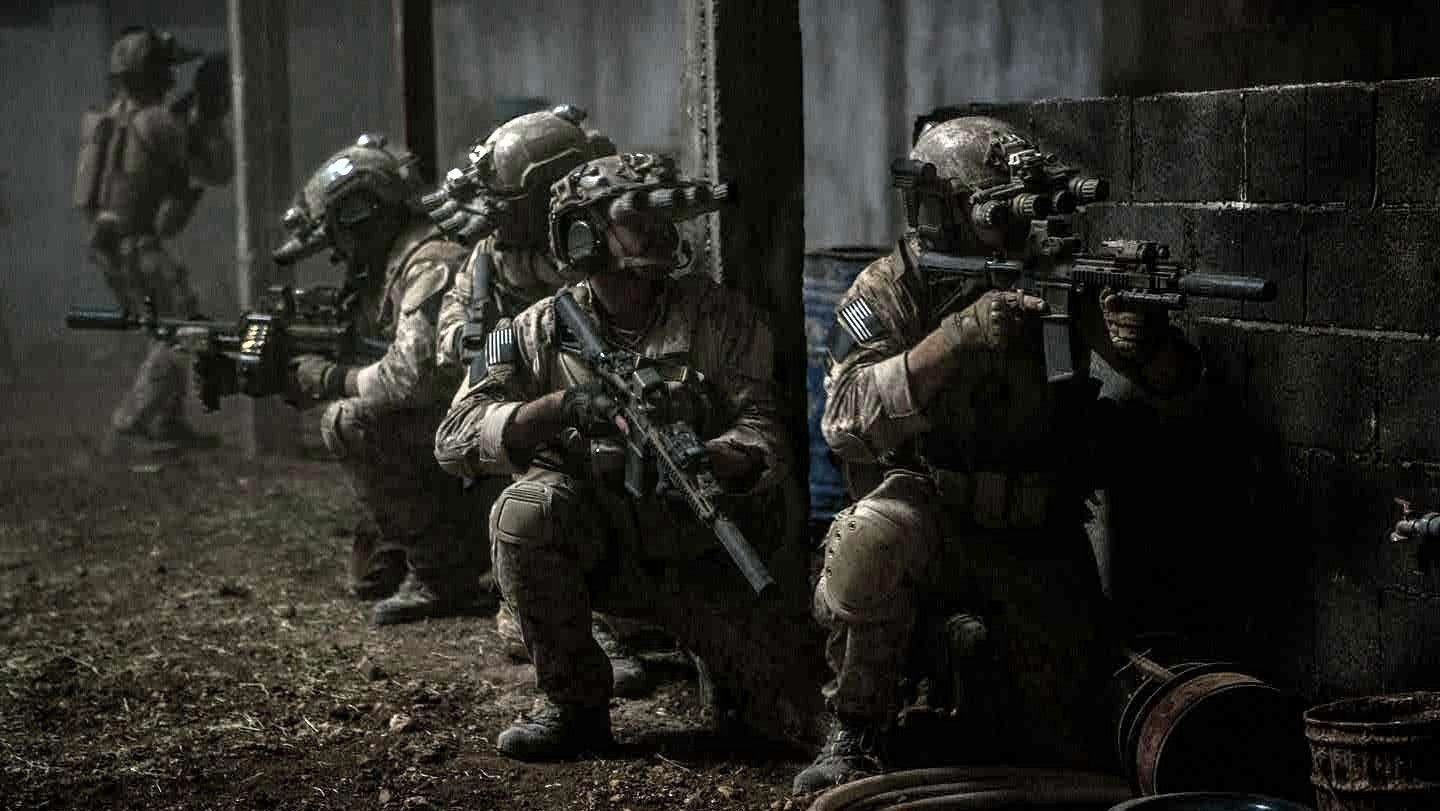
Editors Dylan Tichenor and William Goldenberg give the accumulation of information a firm forward movement, while leaving enough repetition to register the effort involved. At 157 minutes, the film earns most of its length by making the search feel protracted without letting the storytelling become shapeless. When attention shifts towards action, the pleasures become more conventional, though the staging remains clear and the cutting precise. Alexandre Desplat’s music helps sustain the unease. It is effective support, but Bigelow gets so much tension from people attending closely to their work that the score scarcely needs to persuade us.

The difficulty with Boal’s account is how readily the cruelty becomes part of the job we have been encouraged to follow so intently. A procedural asks us to connect methods with results, and we found the film too willing to let its forward movement carry us past questions about what the abuse achieves. Bigelow avoids giving us a speech that settles the matter, but that does not make the account neutral. We remain close to the people pursuing bin Laden, sharing their impatience and investing in their work, with too little encouragement to question their assumptions. Give it an uninterrupted evening, but leave time afterwards to argue about what it has asked us to accept.
Critical consensus AI synthesised

82
Positive
13
Mixed
3
Negative
1

Most critics regard Zero Dark Thirty as a gripping, meticulously detailed procedural, with praise centred on Bigelow’s control of pace and Jessica Chastain’s driven CIA analyst. The reviews repeatedly credit the film with making painstaking intelligence work tense and comprehensible. Chastain gives the methodical storytelling a human centre, while the action sequences draw praise for their precision, editing and sustained suspense. The restrained, reporter-like approach is widely admired.

The disagreements are substantial, chiefly over torture and the film’s apparent neutrality. Slant Magazine reads the prisoner-abuse scenes as questioning torture’s effectiveness; The Guardian finds the account too accepting of the CIA’s version of events. Reservations also concern emotional distance and conventional characterisation. The AV Club objects to the lone-hero narrative, while Eye for Film’s strongly negative assessment finds the storytelling predictable and the protagonist contrived. The spread is wide, though admiration for the filmmaking dominates.

Little White Lies
25 January 2013 · 4/5/5 · Simon Crook
100

Bigelow’s rapid response is a taut and morally ambiguous procedural for the ages, case-hardened and unsentimental like The Hurt Locker. The clear-eyed photography stands out as a statement of unblinking facts, though the finale shifts into more conventional action territory.

Read the full review →
Slant Magazine
12 December 2012 · ★★★★/4
100

The critic praises the film as forthright and above-board, effectively questioning the efficacy of Bush-era prisoner abuse without soapboxing. The unblinking depictions of torture and the ideological inkblot quality are singled out.

Read the full review →
Time Out
4 December 2012 · ★★★★★ · Cath Clarke
100

A gritty, unbelievably tense procedural and instant classic that puts viewers thrillingly inside history with journalistic detail and lean, mean storytelling. The realistic, white-knuckle raid sequence and detached reporter-like approach to the characters' motivations are singled out for praise.

Read the full review →
Total Film
11 January 2013 · Neil Smith
90*

Bigelow delivers a riveting dramatisation that makes the manhunt deeply personal through Chastain's driven CIA analyst. The raid sequence is a tour de force of editing and tension that grips despite the known outcome.

Read the full review →
Vulture
10 December 2012 · David Edelstein
90*

The critic calls it a phenomenally gripping unholy masterwork and borderline fascistic as a moral statement but praises its neutral-seeming style and Chastain's riveting performance. The opening black screen with 9/11 audio is singled out as a masterstroke.

Read the full review →
Empire
25 January 2013 · Kim Newman
85*

The film is gripping throughout with an impressive central performance from Jessica Chastain. It stands out for its measured, journalistic portrayal of the grinding routine of intelligence work leading to the raid.

Read the full review →

Cast

Stills

Awards

Academy Awards, 2013

Nominated
Best Actress
Nominated
Best Film Editing
Nominated
Best Picture
Nominated
Best Writing, Original Screenplay
Won
Best Sound Editing

If you liked this, try…

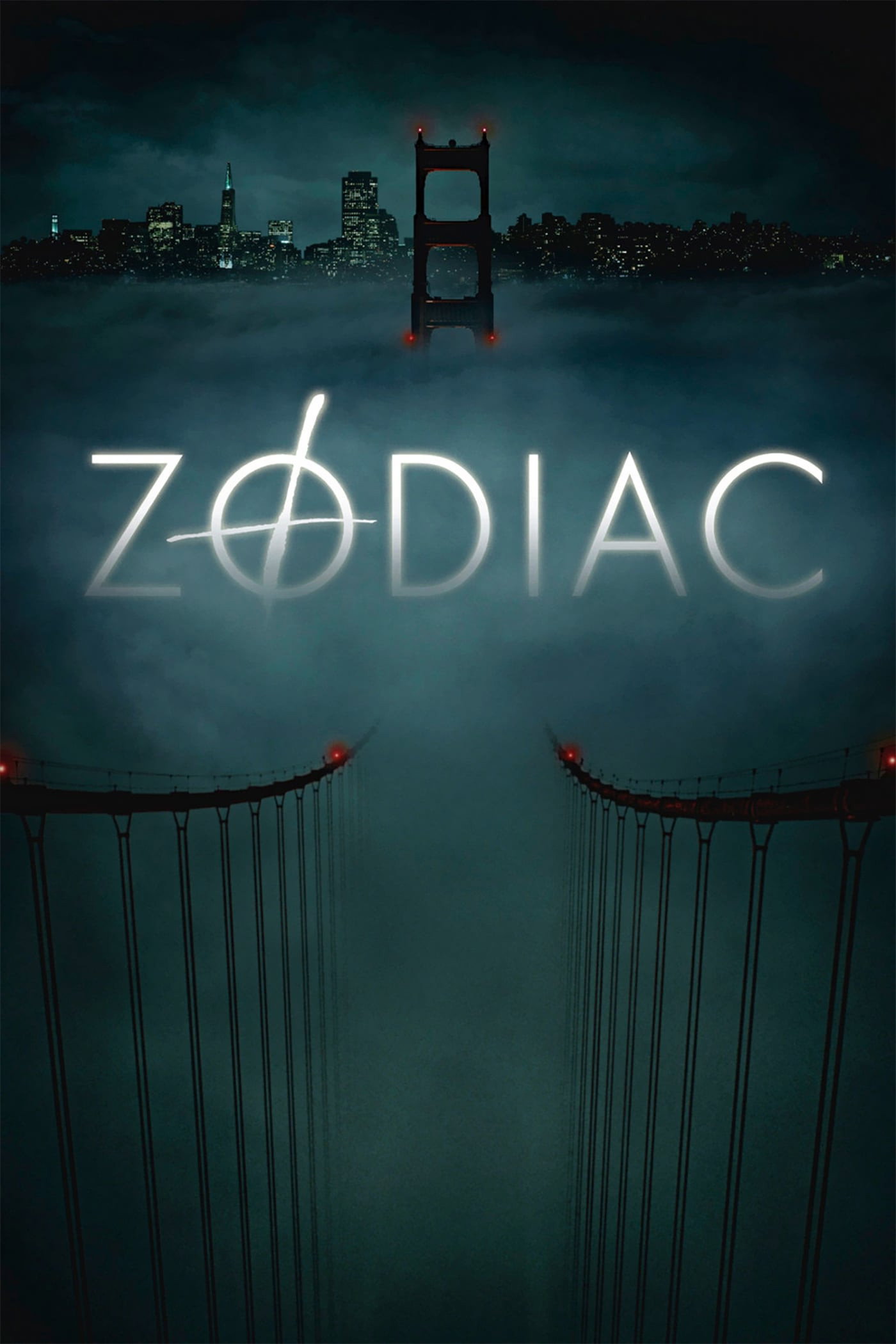
Zodiac poster91

Zodiac

2007 · The accumulation of evidence becomes absorbing, while the investigators struggle to stop looking.

The Battle of Algiers poster93

The Battle of Algiers

1966 · Political violence examined with an unflinching attention to those carrying it out.

The Lives of Others poster84

The Lives of Others

2006 · Surveillance becomes personal, with close attention to the damage done by professional duty.

The Conversation poster

The Conversation

1974 · A surveillance specialist discovers how little technical expertise can protect him from doubt.

The Bureau poster

The Bureau

2015 · Intelligence work unfolds through office routines, compromised loyalties and decisions that cannot be reversed.