Byron Howard and Rich Moore make a funny, thoughtful police comedy with a rabbit, a fox and a city worth exploring. We recommend it, with reservations about making predators and prey explain human prejudice.
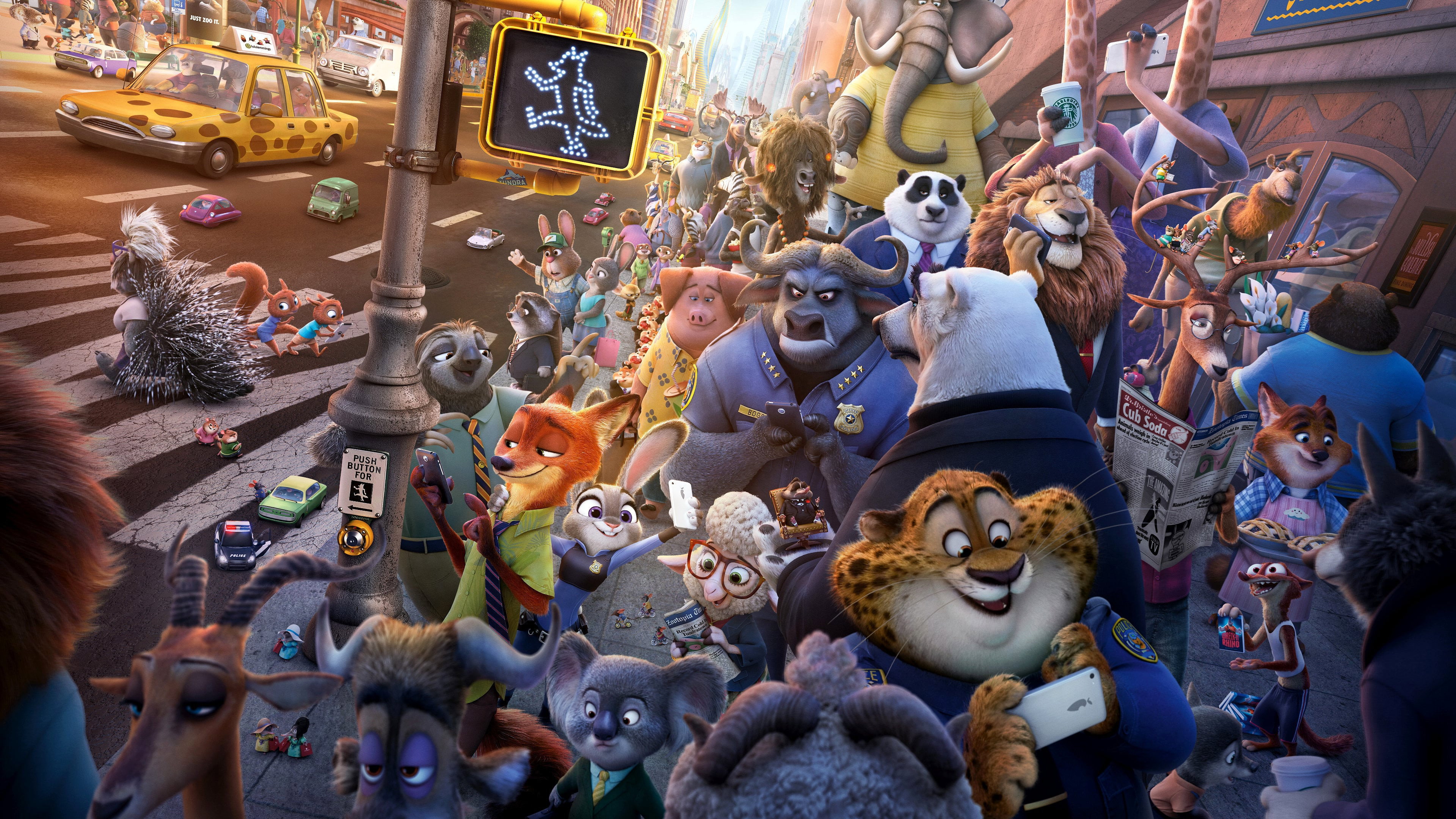
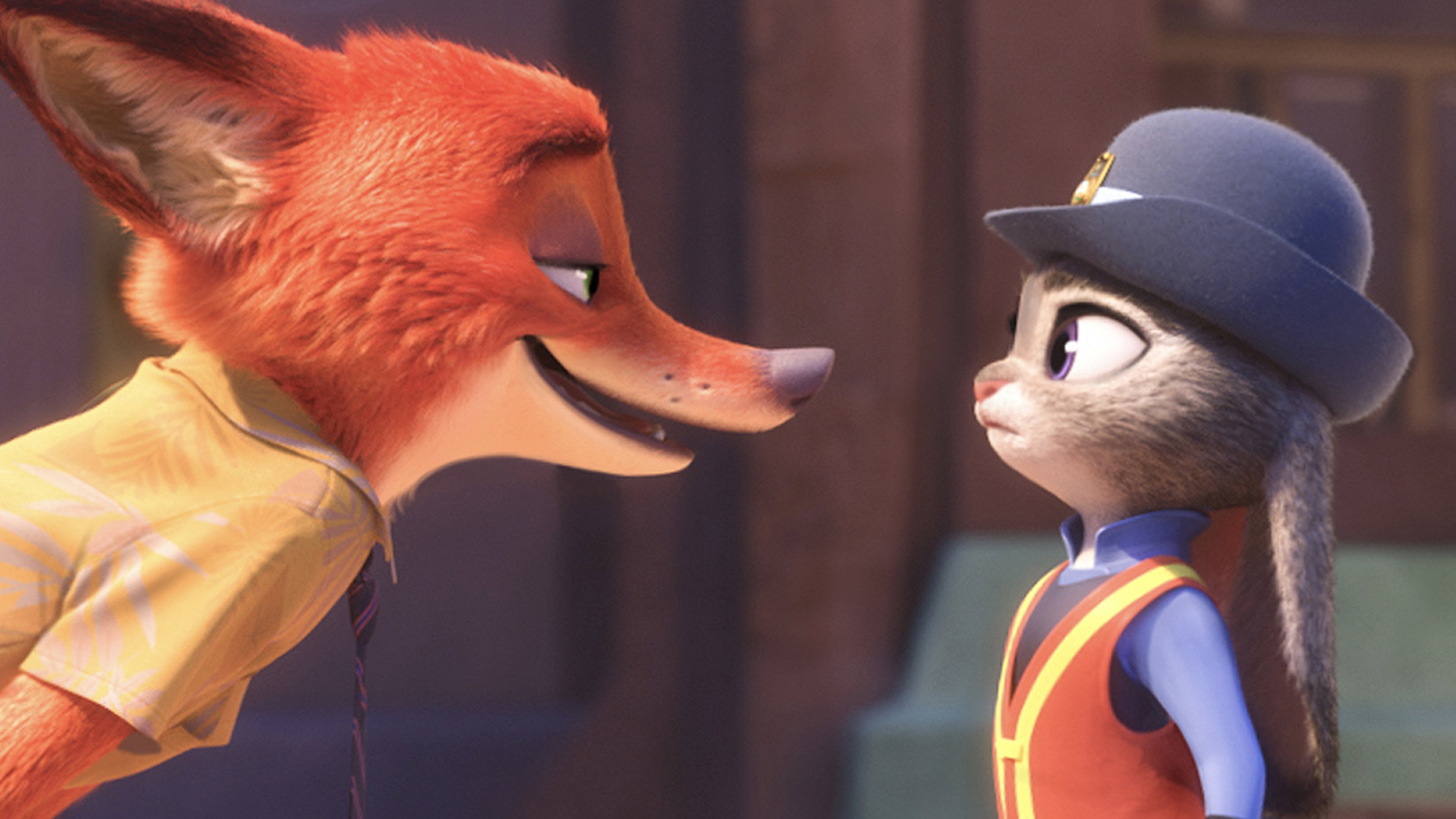
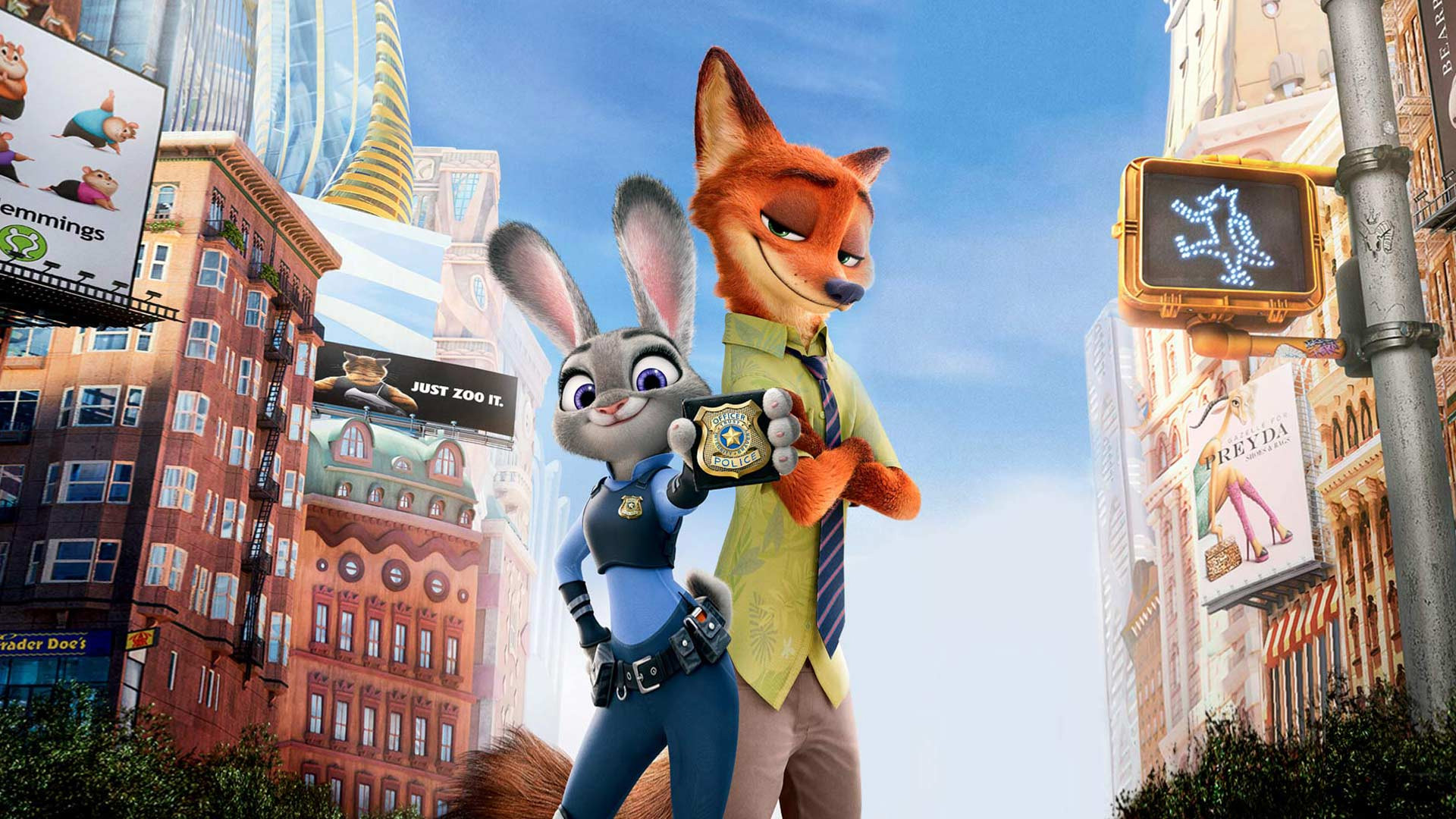
Zootopia is a sharp, funny police comedy, and we recommend it despite some difficulties with its account of prejudice. Directors Byron Howard and Rich Moore give their animal city enough jokes, social divisions and detective work to keep its lessons from swallowing the evening. What makes the film interesting is its attention to those doing the judging, including those who mean well. Judy Hopps wants to be a police officer, and a rabbit’s determination does not instantly persuade everybody else to reconsider what rabbits can do.
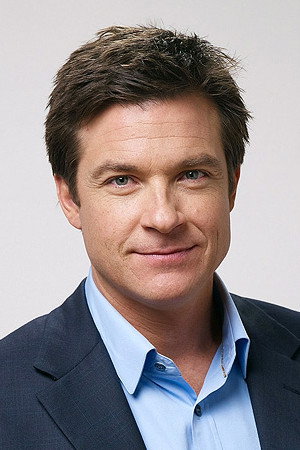
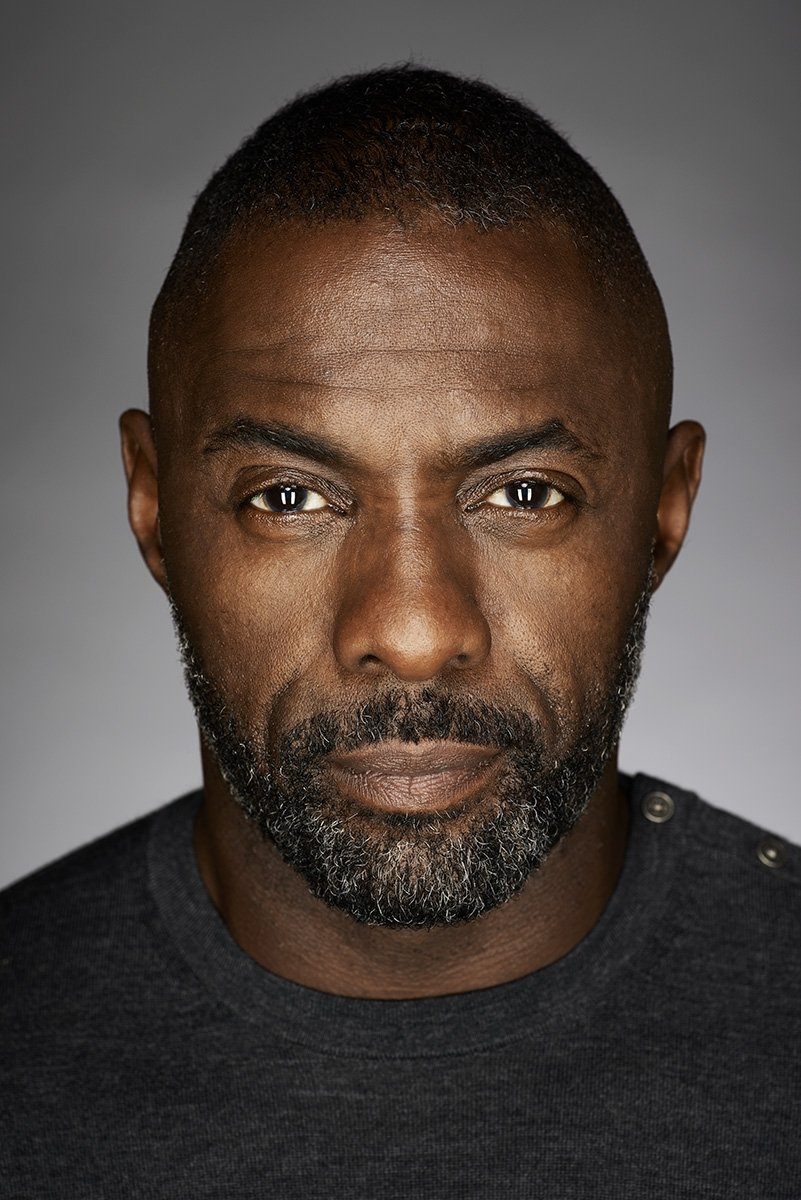
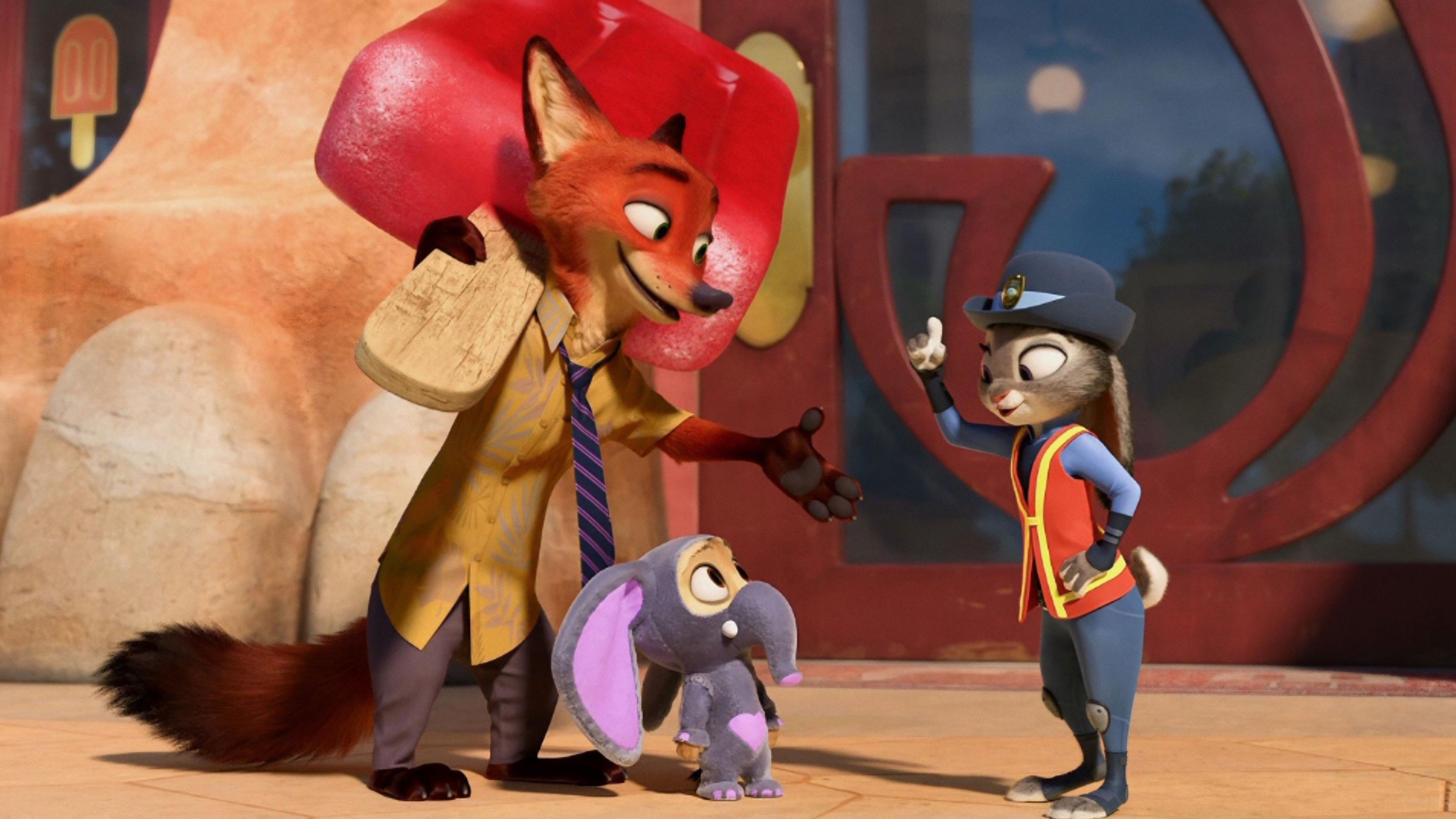
Ginnifer Goodwin gives Judy Hopps the eagerness the role needs without making her sound pleased with herself. That matters: relentless optimism can become exhausting company, especially when a film expects us to applaud it. Jason Bateman’s Nick Wilde provides a welcome change of pace, and their exchanges give the rabbit-and-fox partnership the ease of two colleagues gradually getting used to each other. Idris Elba, as Chief Bogo, adds weight to a cast that knows the jokes do not all need underlining.
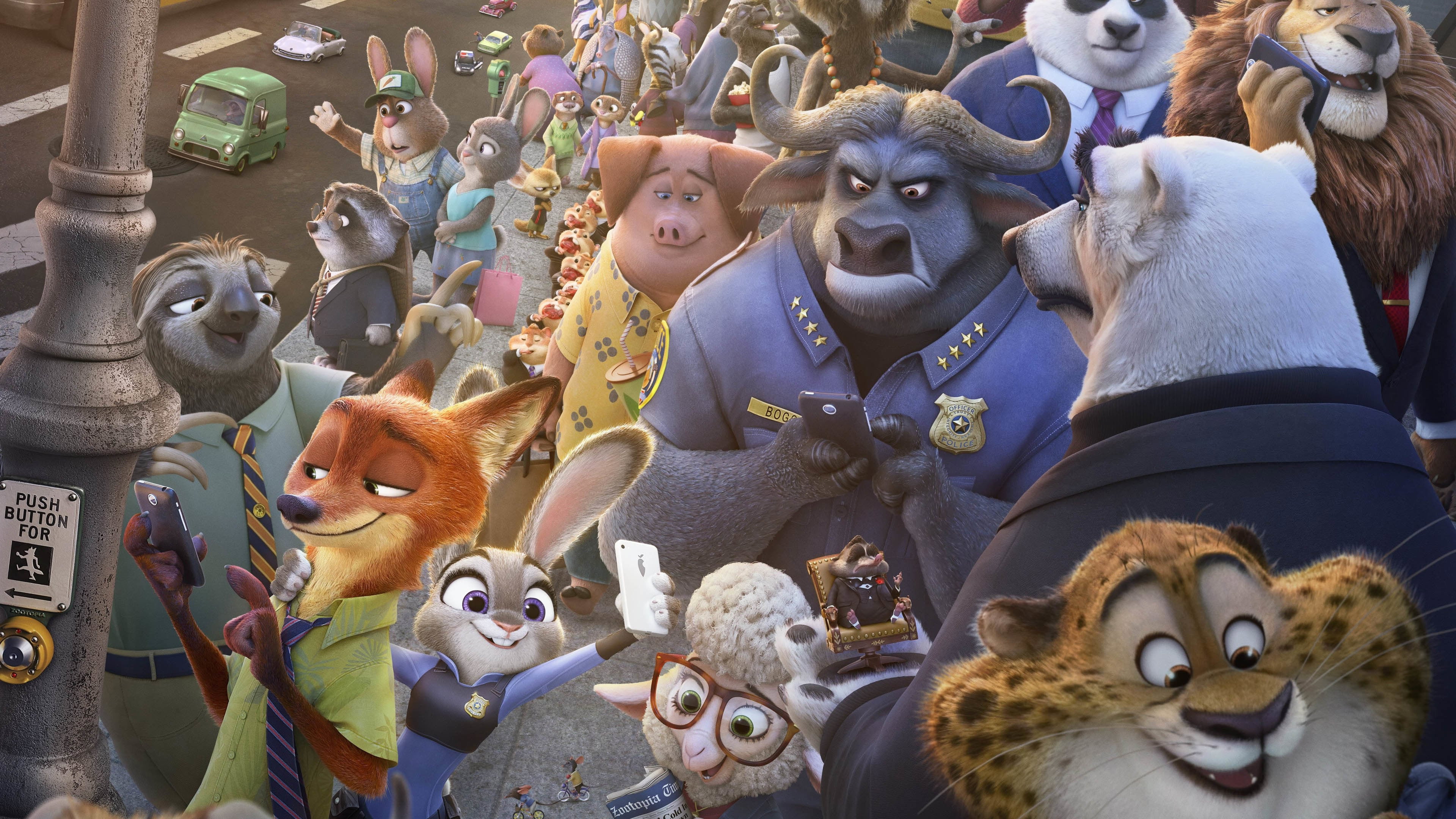
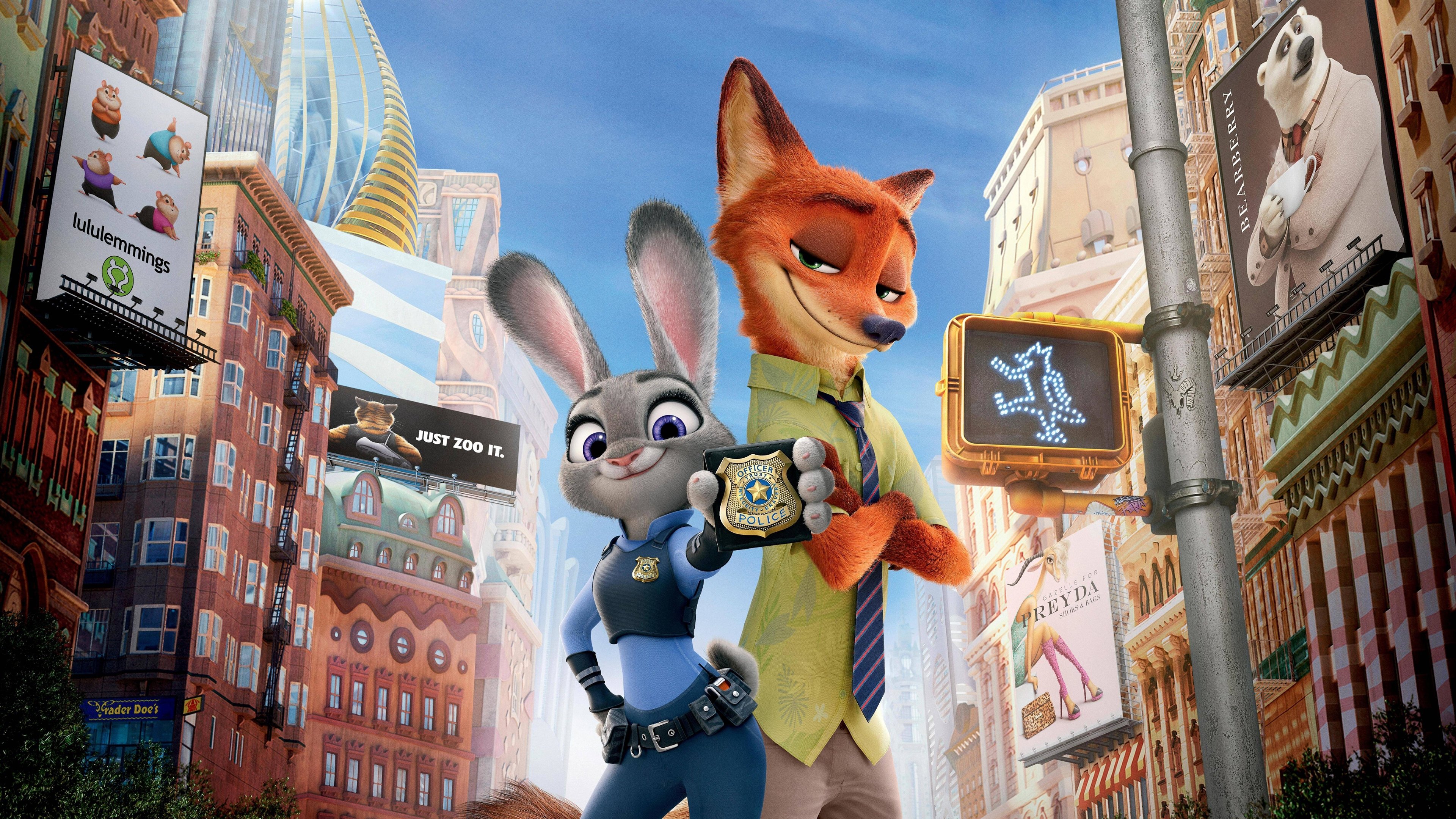
David Goetz’s production design deserves a sizeable share of the credit. The city has to accommodate different animals and different social classes, and the visual detail makes those differences interesting to look at before anybody explains them. Nathan Warner’s cinematography makes the chases easy to follow while leaving us time to notice the surroundings. There is pleasure in having somewhere worth investigating, and the setting gives the police story more to do than simply move us between jokes.
We laughed aloud at the sloths in the vehicle licensing office, because the film lets the delays become almost intolerable before letting the joke finish. Editors Jeremy Milton and Fabienne Rawley judge the pauses well, interrupting the otherwise brisk pace without making the sequence feel expendable. Nobody needs a speech to understand the frustration of waiting at a counter, and the film trusts that shared experience. Michael Giacchino’s music is less distinctive than the visual comedy, though its contribution to the momentum is useful as the investigation proceeds.
The difficulty is the choice of animals to carry the message. Phil Johnston and Jared Bush’s screenplay asks us to question assumptions made about whole groups, yet predators and prey bring actual biological differences into the comparison. That can make the metaphor distracting just when the investigation needs our attention. The film is persuasive about the everyday habit of deciding somebody’s character from their appearance; its broader explanation of racism needs more questioning than the cheerful presentation might suggest.
That reservation does not undo the care taken with the mystery. The directors use the mismatched-partner police story properly, giving Judy Hopps and Nick Wilde a reason to spend time together beyond demonstrating tolerance. The touches of noir suit a city whose apparent harmony deserves inspection, and the comedy rarely feels like a separate programme laid on for younger viewers. At 109 minutes, it has enough room for the partnership to matter, though some of the explanation could be shorter.
We would choose it for a family evening that can accommodate questions as well as laughter. The lead performances make the company appealing, and the jokes do not depend on everybody drawing the same political conclusions. There is enough detective work to satisfy viewers who came for a case rather than a lesson. Leave a little time afterwards for anyone who wants to argue with the rabbit.