Richard Gadd turns his own stalking into seven episodes that are harder on him than on his stalker, and Jessica Gunning’s Martha is the best thing in it. The narration over-explains and it runs an episode long, but it stays with you.
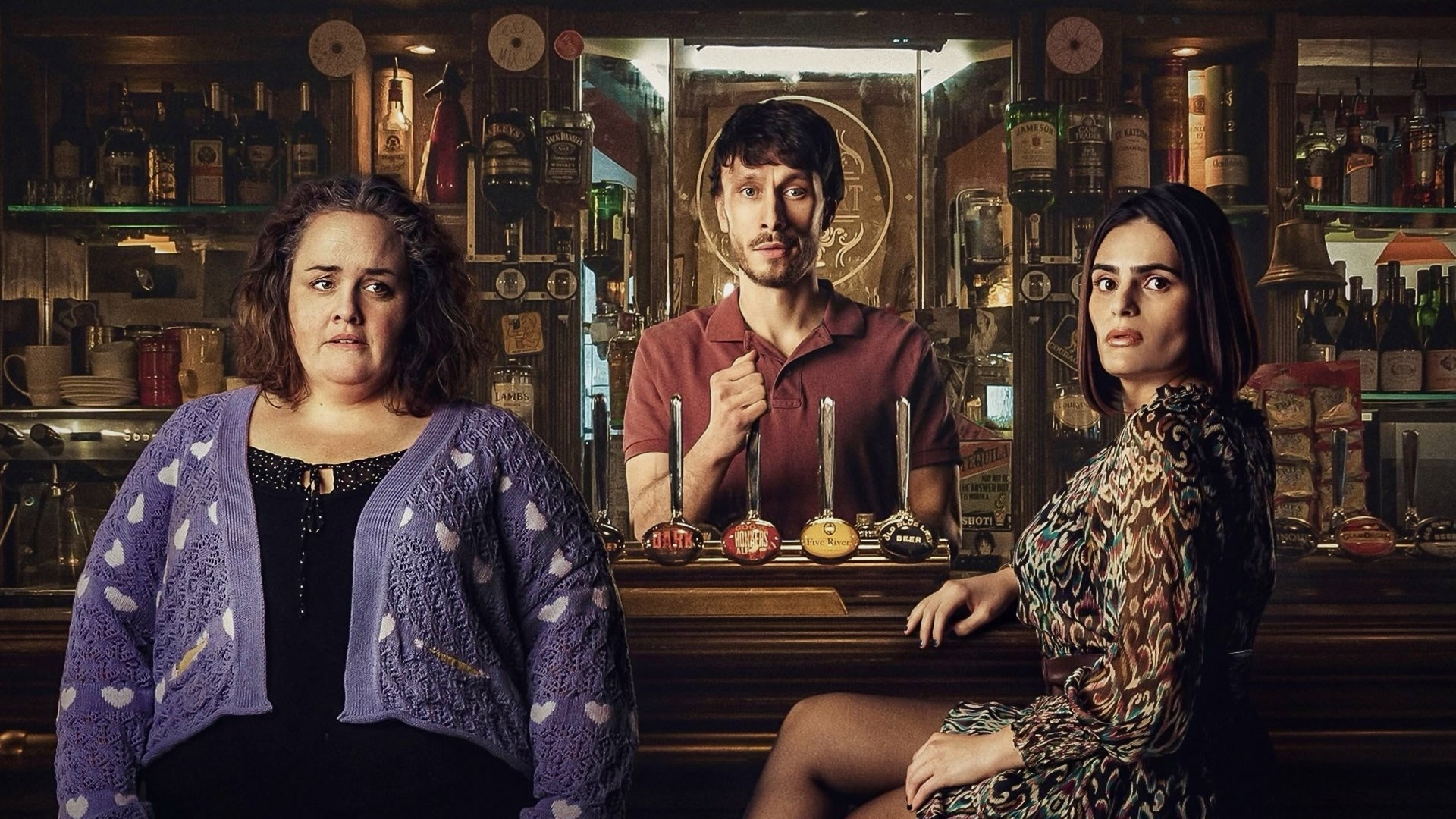
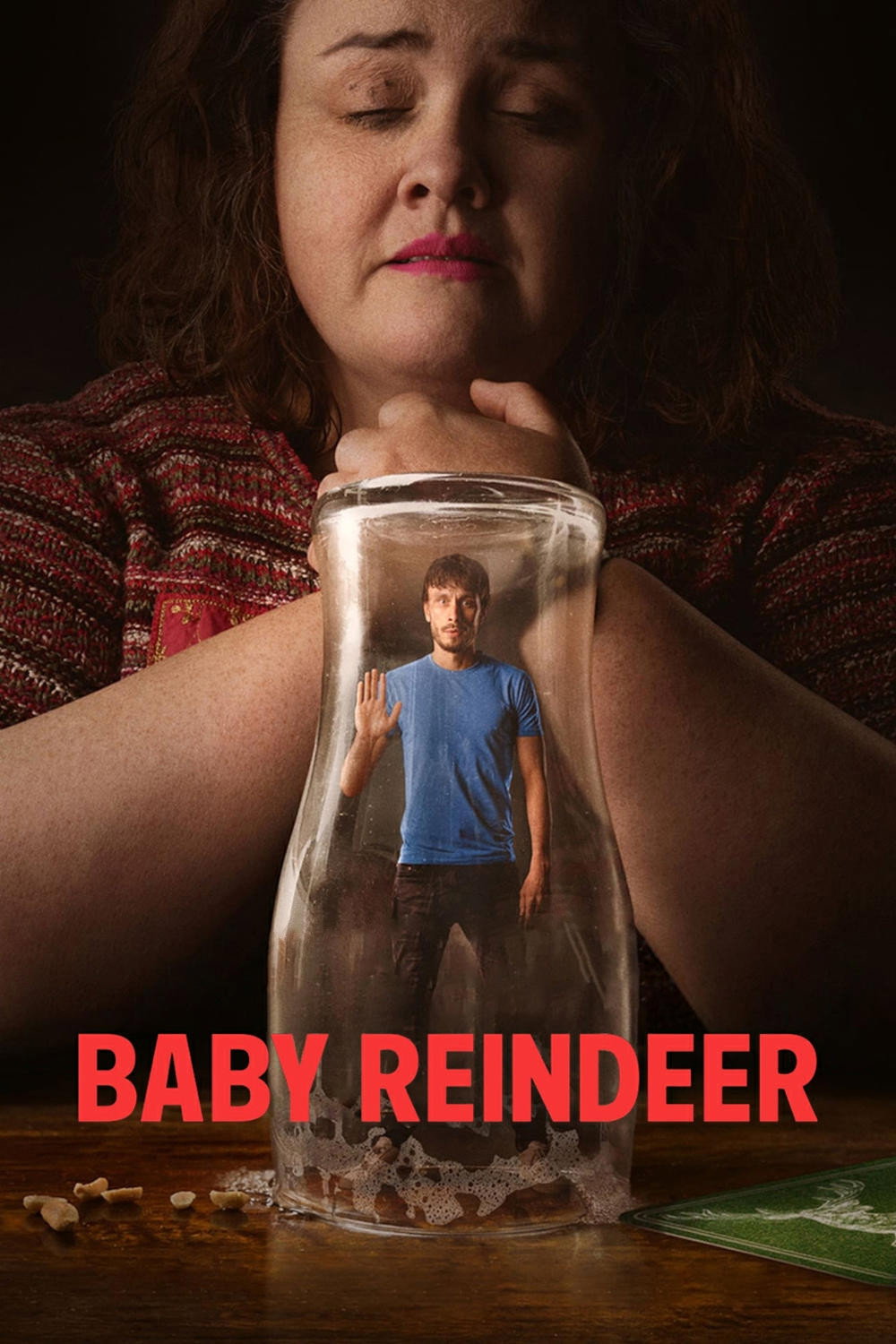
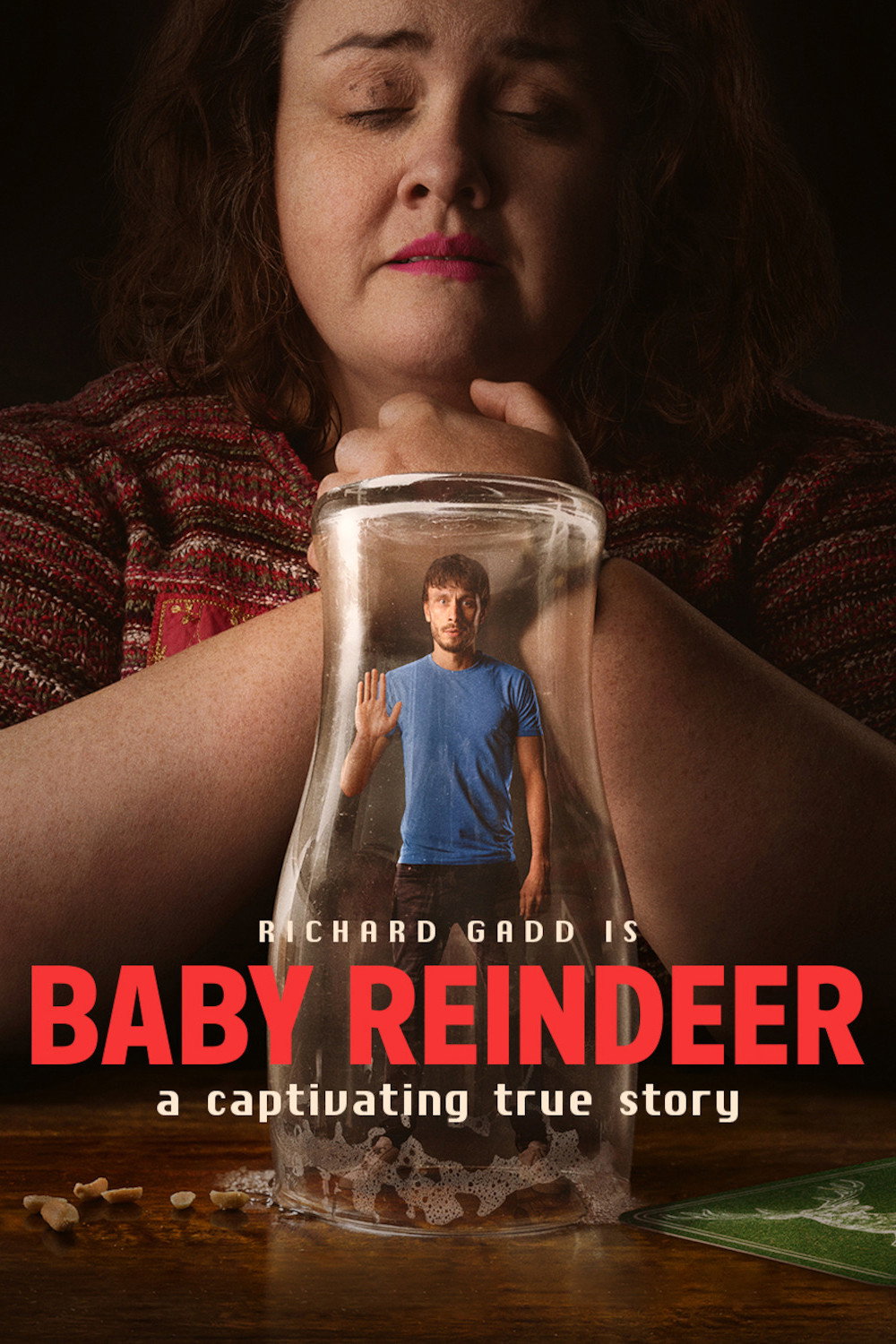
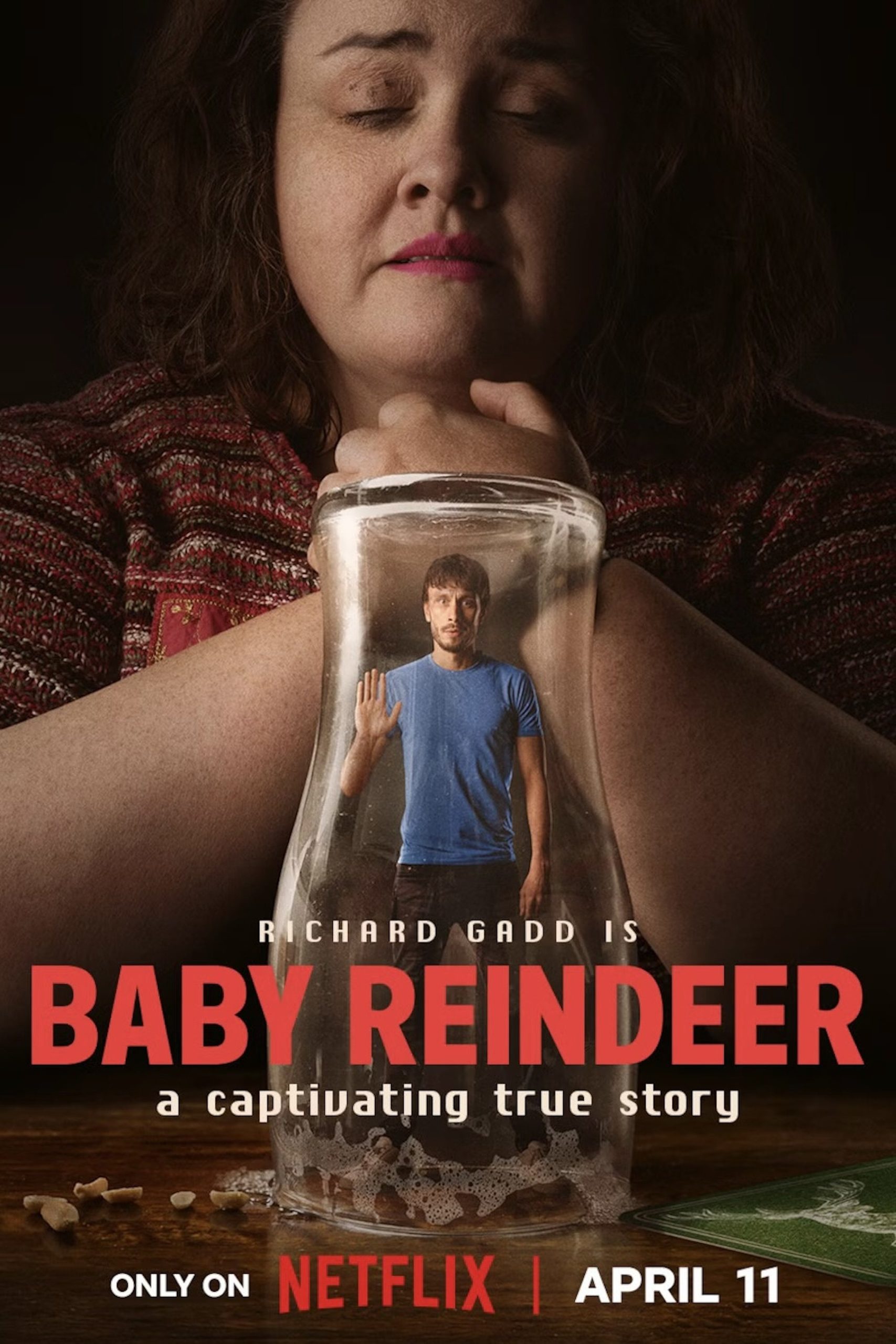
Richard Gadd wrote Baby Reindeer, plays its lead and, the series tells us, lived a version of it. Donny Dunn is a barman in a London pub and a stand-up comedian nobody has asked for. A woman called Martha Scott comes in one afternoon in tears, he gives her a cup of tea on the house, and she comes back the next day, and the day after that. The stalking story is the frame. What Gadd is after is the harder question of why a man who could have ended it in the first week did not, and across seven episodes he answers it with a candour that often made us want to switch off. It is a fine piece of television and it is about an episode too long.
Jessica Gunning is the reason to start. Her Martha talks in a rush, laughs a beat longer than the joke, and looks at Donny as if he were a meal. The emails she sends him, misspelt, unpunctuated and arriving at all hours, appear on screen as she types them, and Gunning gives each one a face: pleading, furious, giggling, hurt. She never plays Martha as a monster and never asks us to forgive her. When she is in the pub, in the corner with her tea, we found ourselves watching her rather than him, which is a problem, because the series is about him.
Gadd is a stranger performer than his co-star and a more uneven one. He plays Donny with a stoop and an apologetic grin, a man who has decided in advance that nothing he says will land, and the stand-up sets, which are meant to be dreadful, are dreadful in a way that made us wince. He also narrates, and here the stage show underneath the series shows through. The voiceover tells us what Donny is thinking at moments when Gadd’s face has already told us, and by the third episode we had started to resent it. Adapted from Gadd’s own one-man show, the series has kept the monologue and not always noticed that it now has pictures.
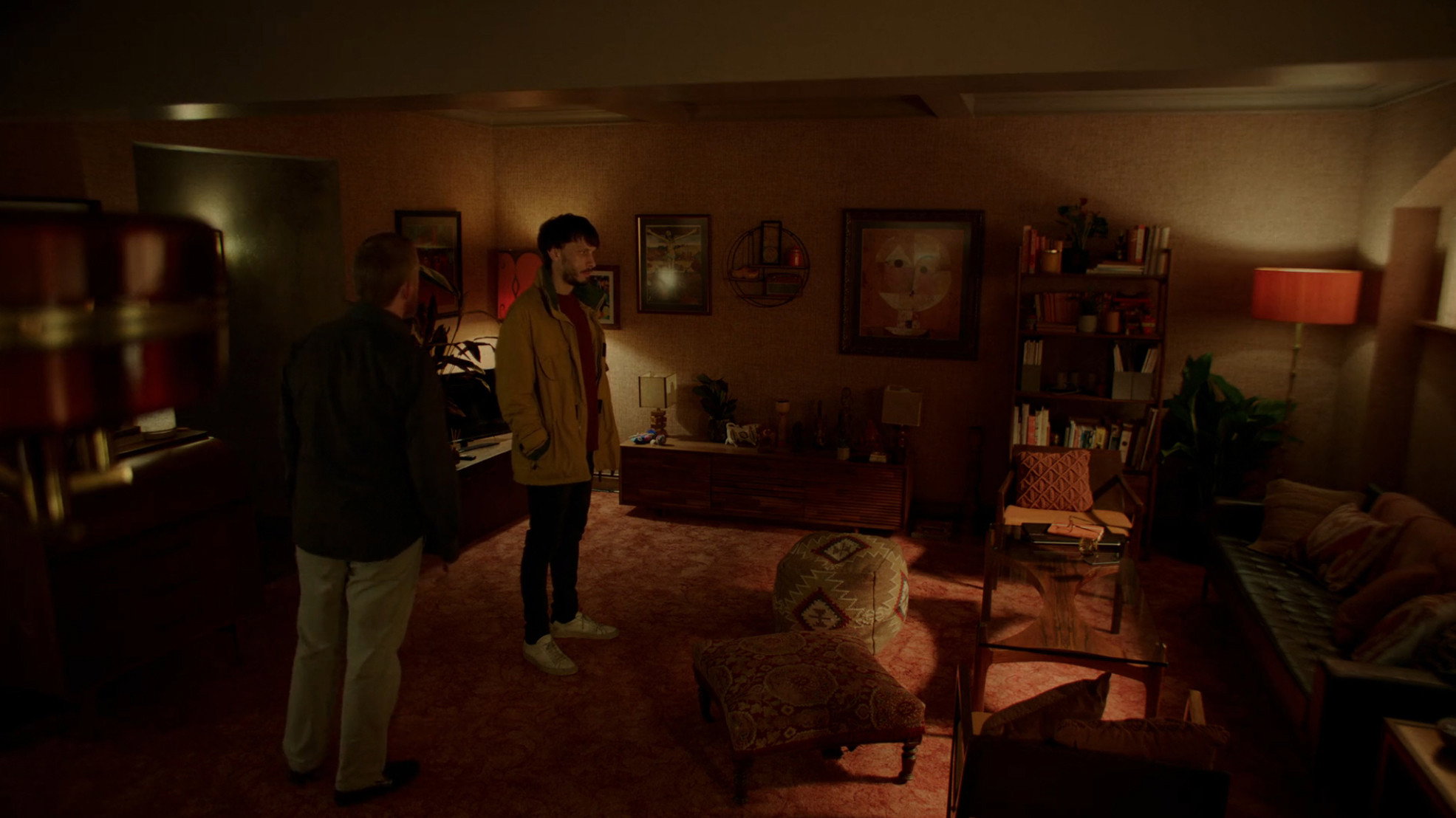
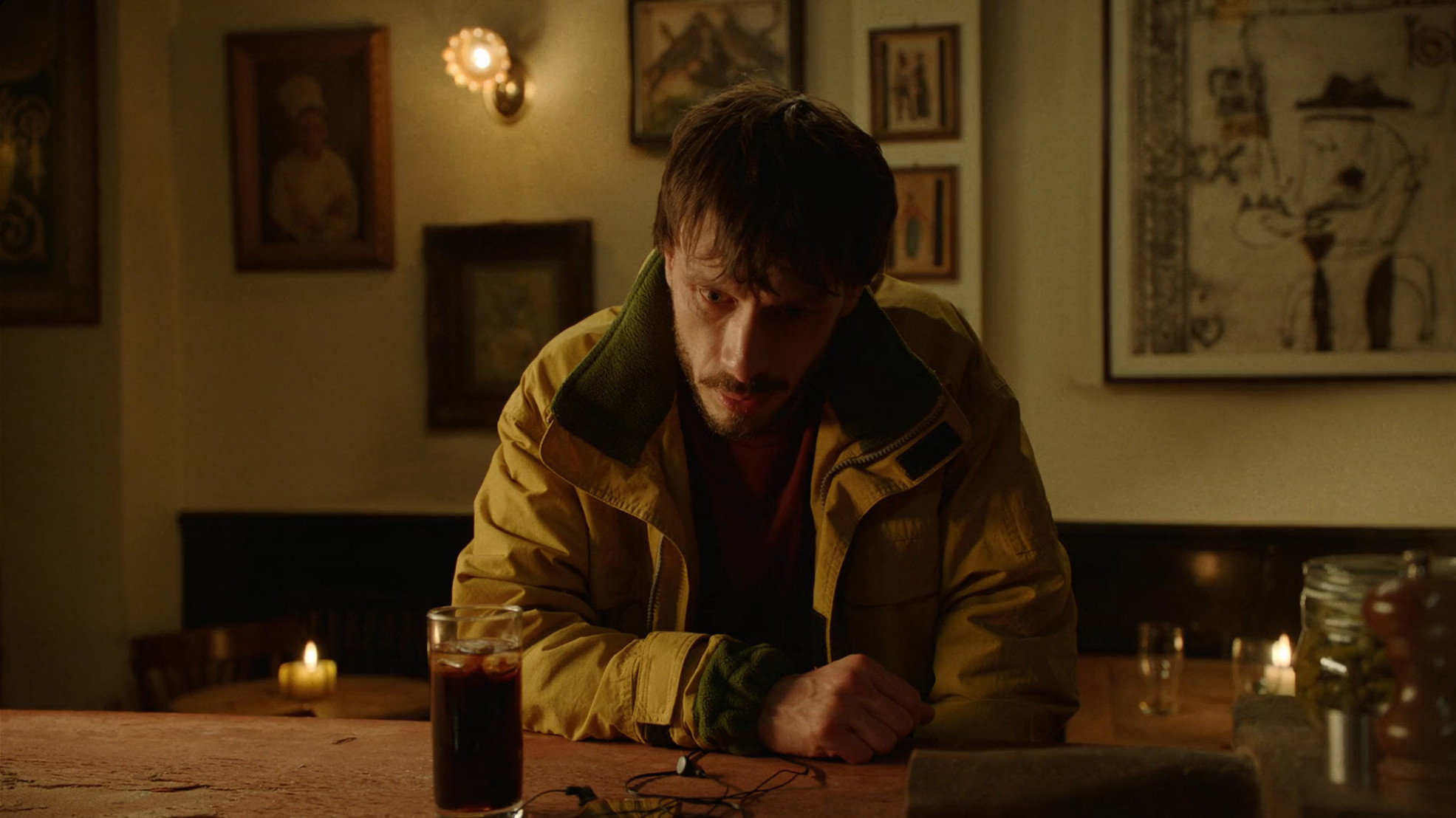
The pictures are good. Annika Summerson and Krzysztof Trojnar shoot the pub in yellow lamplight with Martha placed at the edge of the frame, so that we are aware of her before Donny is, and Donny’s rented room in a flat grey that makes his laptop screen the brightest thing in it. Debbie Burton’s pub is real down to the carpet. Weronika Tofilska and Josephine Bornebusch, who share the directing, hold on faces longer than television usually dares. Sacha and Evgueni Galperine keep the music out of the pub almost entirely and bring in low, held strings under the emails, so that a message arriving sounds like a footstep behind you.
Then there is the fourth episode. It leaves Martha behind and goes back to explain how Donny arrived at that bar, and we will say only that it is the reason for the 18 certificate and that we watched most of it rigid and slightly sick. Gadd films it without music and without any mercy towards himself. Nothing else in the series is as controlled, and nothing after it is quite as necessary.
Which is the trouble with the back half. Episodes five and six circle the same ground, Donny reads the emails again, Donny does something he knows he should not, Donny apologises to the wrong person, and Peter Oliver, Benjamin Gerstein and Mike Holliday cut each round tighter without making it new. Nava Mau’s Teri, the woman Donny is trying to have an ordinary relationship with, is the one person on screen behaving like an adult, and the script keeps sending her home so it can get back to the laptop. Nina Sosanya, as Liz, whose house Donny lodges in, is warm in a part that barely exists. The final episode ties things off more neatly than the six before it have earned.
Most critics are somewhere near us. The reviews split hard, a clutch of raves and two papers that found it a slog, and we can see both from where we sit. It is heavy, and it goes on for an episode after it has finished saying what it came to say. Watch it in two or three sittings rather than one, and do not skip the fourth episode however much the third has tempted you to.