Andrew Davies’s Bleak House is a decent Dickens adaptation with two compelling reasons to stay: Gillian Anderson and Burn Gorman. The gothic treatment supplies plenty of comedy, but the exaggerated characters too often make the serious drama difficult to believe.
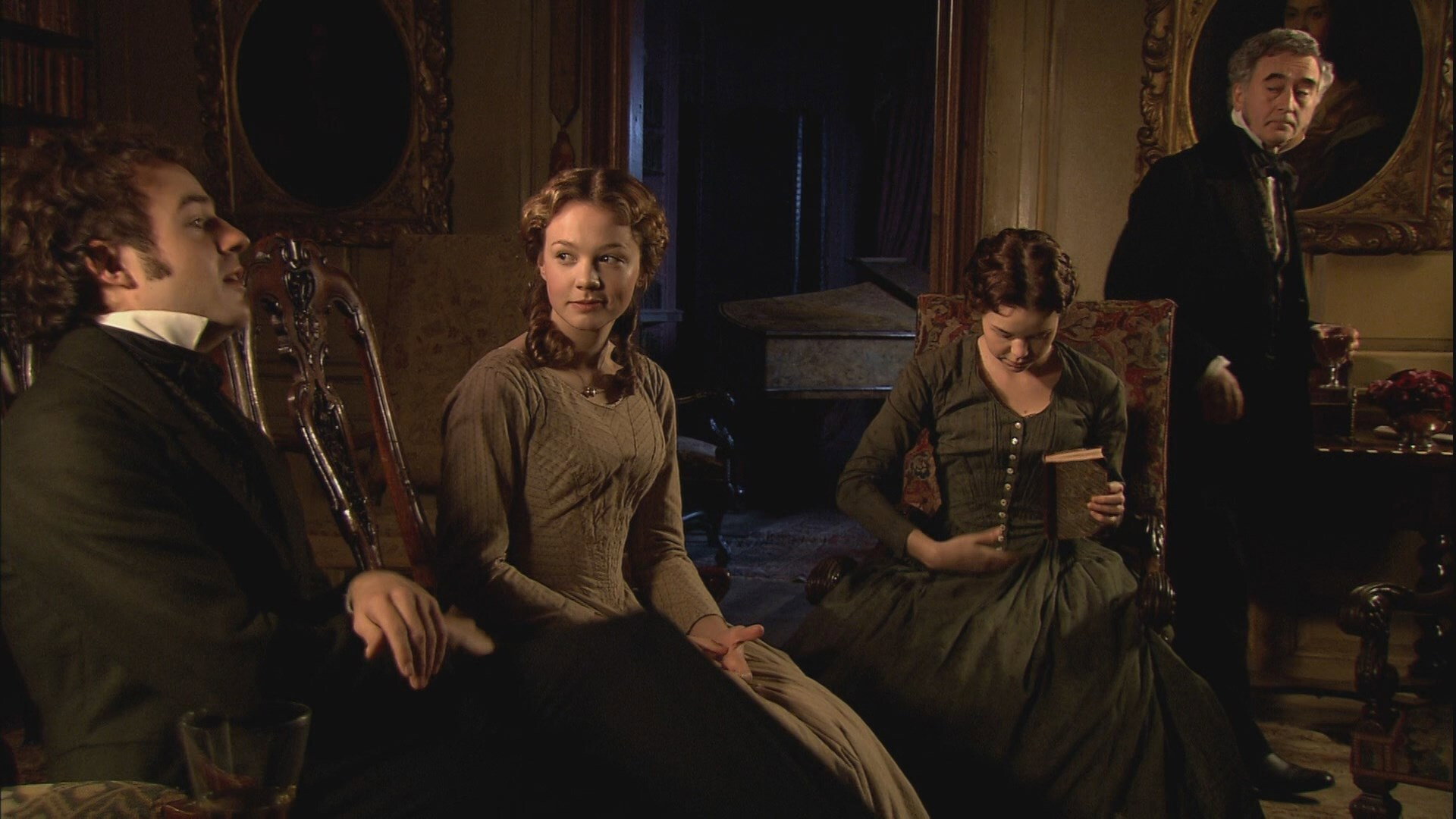
Andrew Davies’s adaptation of Charles Dickens’s Bleak House is decent ensemble television, though we would recommend it chiefly to viewers with an appetite for exaggerated character acting. Across fifteen episodes, directors Susanna White and Justin Chadwick favour pace and a crowded, gothic atmosphere. There is little danger of the production becoming timid about its source material. The difficulty is that so many characters arrive making a strong impression that we sometimes wish the direction would stop emphasising their eccentricities.
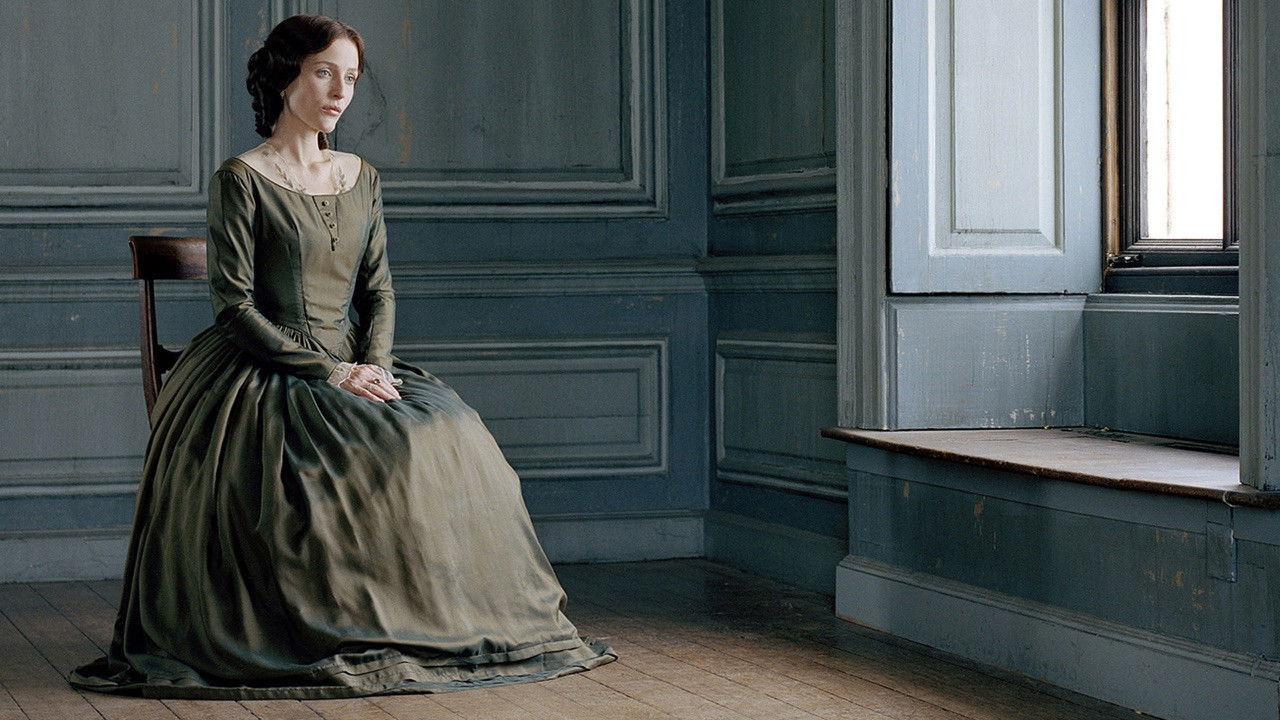
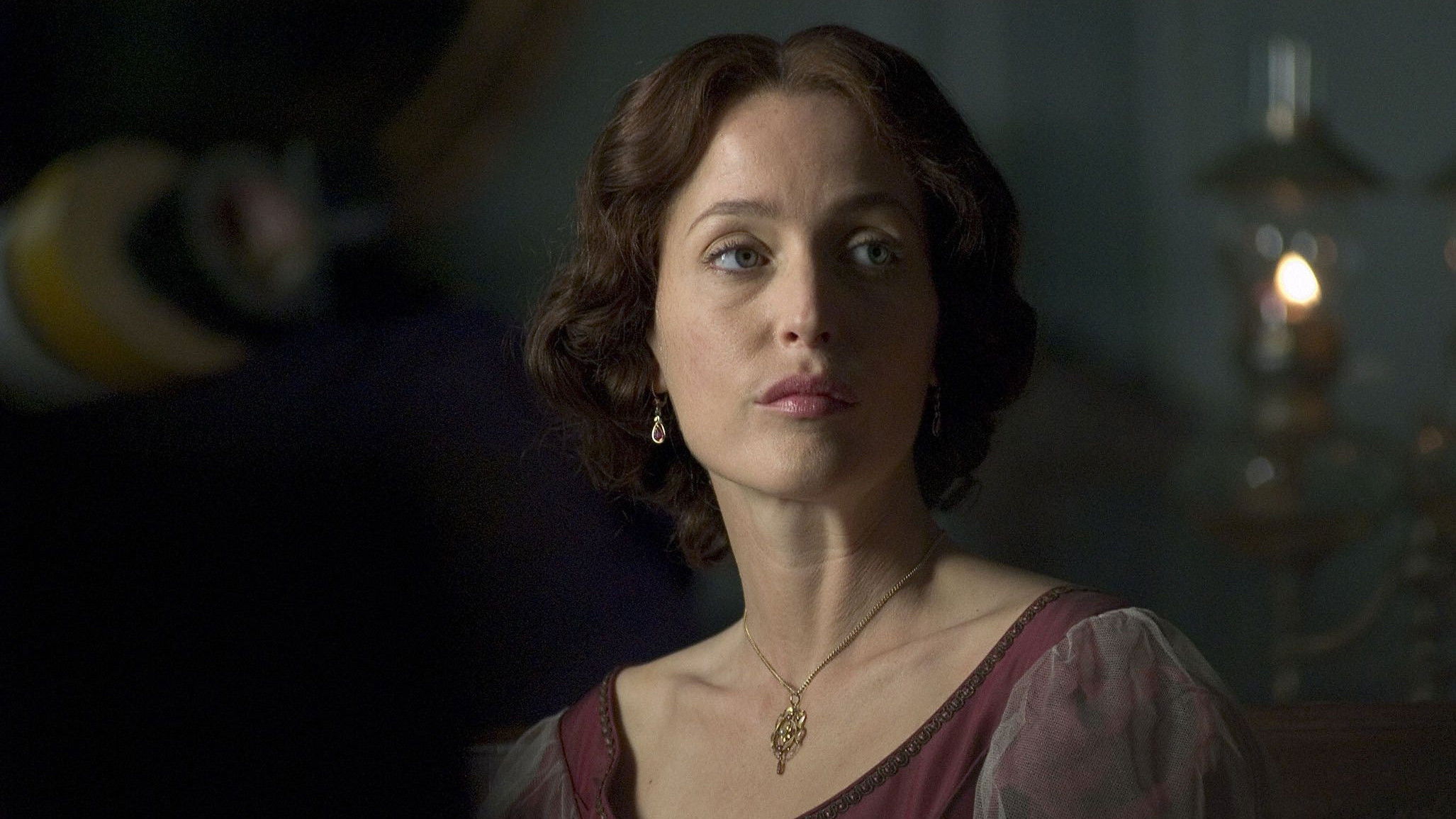
Gillian Anderson’s Lady Dedlock is the strongest reason to stay, because her haunted reserve gives the bustle something to stop for. Anderson makes the character’s unhappiness felt without pushing for our sympathy. We were unsettled by that haunted composure; the sadness seems to require an effort to contain, and Anderson makes the effort matter. Her performance gives the drama a seriousness that the more emphatic characterisations around her cannot always sustain.
Burn Gorman’s William Guppy makes a persuasive case for the exaggerated approach. His performance takes pleasure in the character’s oddness and seems entirely comfortable with the scale of the comedy. We laughed at Guppy, which complicates our objections to the surrounding grotesques: exaggeration plainly can work. Gorman makes it feel purposeful, and his assurance is a considerable pleasure in a production where the invitation to enjoy everyone’s peculiarities can become a little insistent.
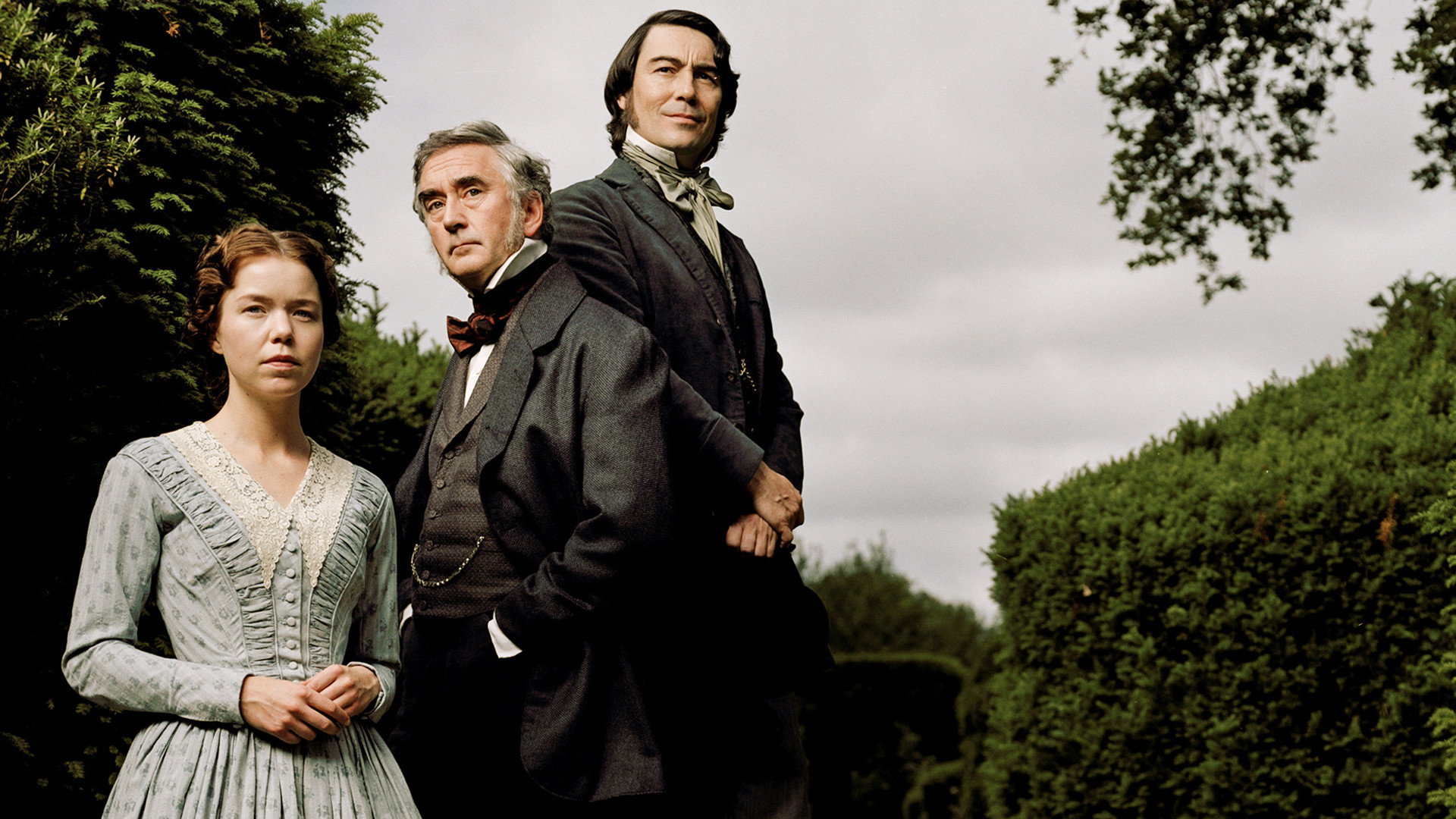
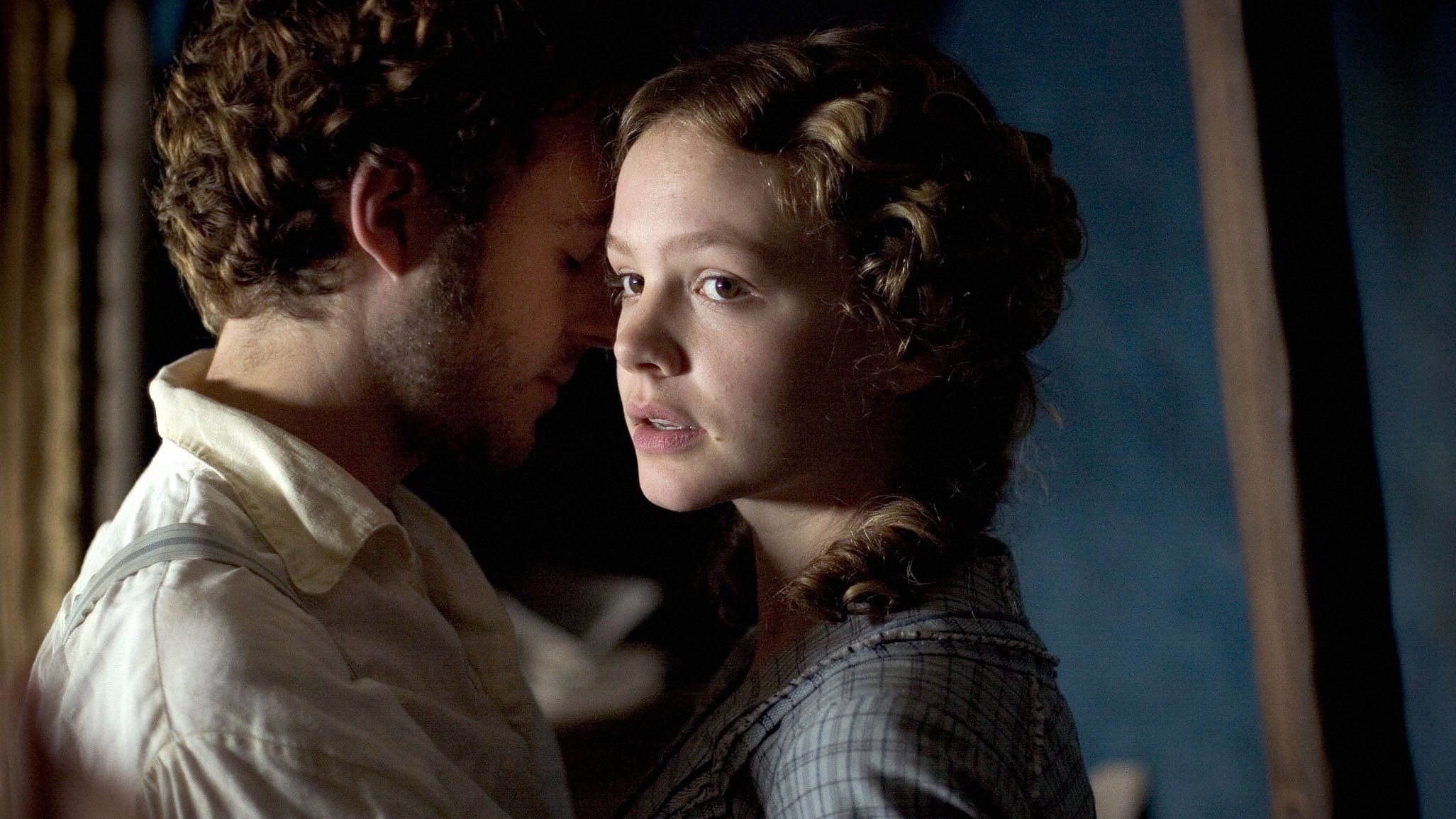
Anna Maxwell Martin plays Esther Summerson, with Denis Lawson as John Jarndyce and Carey Mulligan as Ada Clare. They give the company a steadier centre, although the direction does not always seem patient enough with quieter acting. Charles Dance’s Mr Tulkinghorn fits readily into the more forceful company. With so many recognisable characters to accommodate, the adaptation is good at securing our immediate attention, but less consistent at letting us forget that we are watching a succession of carefully prepared performances.
Davies keeps the ensemble approachable, and the lack of solemnity is welcome. The social comedy is allowed to be funny; we are not asked to admire every eccentricity merely because Dickens invented it. Yet the writing and direction can seem too eager to establish what sort of person has entered the drama. Once that first impression has registered, we need room to revise it, and the production’s briskness can make the characters feel more settled than they ought to be.
The gothic art direction contributes to that difficulty, even as it gives the series an appealingly strange appearance. White and Chadwick maintain momentum, but the heightened surroundings and performances together can make the drama feel sealed off from ordinary human behaviour. Period television can accommodate theatricality, and this production has enough comic confidence to justify much of it. What we miss is the sense that the people might surprise the adaptation, rather than always arrive exactly as it has prepared us to receive them.
For viewers drawn to Dickens’s social comedy, the acting offers enough pleasure to make the unevenness tolerable. Anyone seeking sustained emotional intimacy may find the busy treatment wearing, despite Anderson’s restraint. Try it for the company, with some tolerance for actors being encouraged to announce themselves.