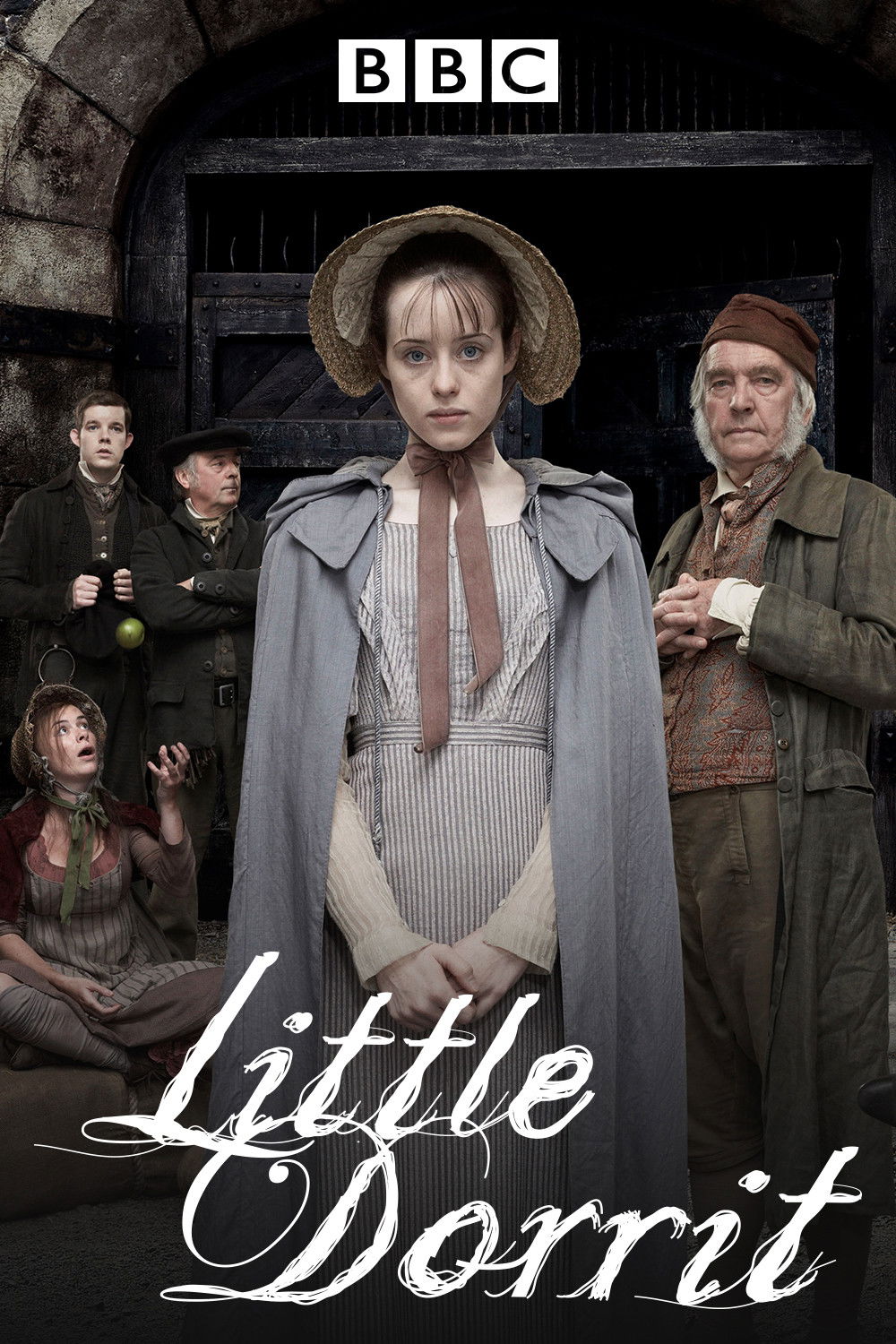
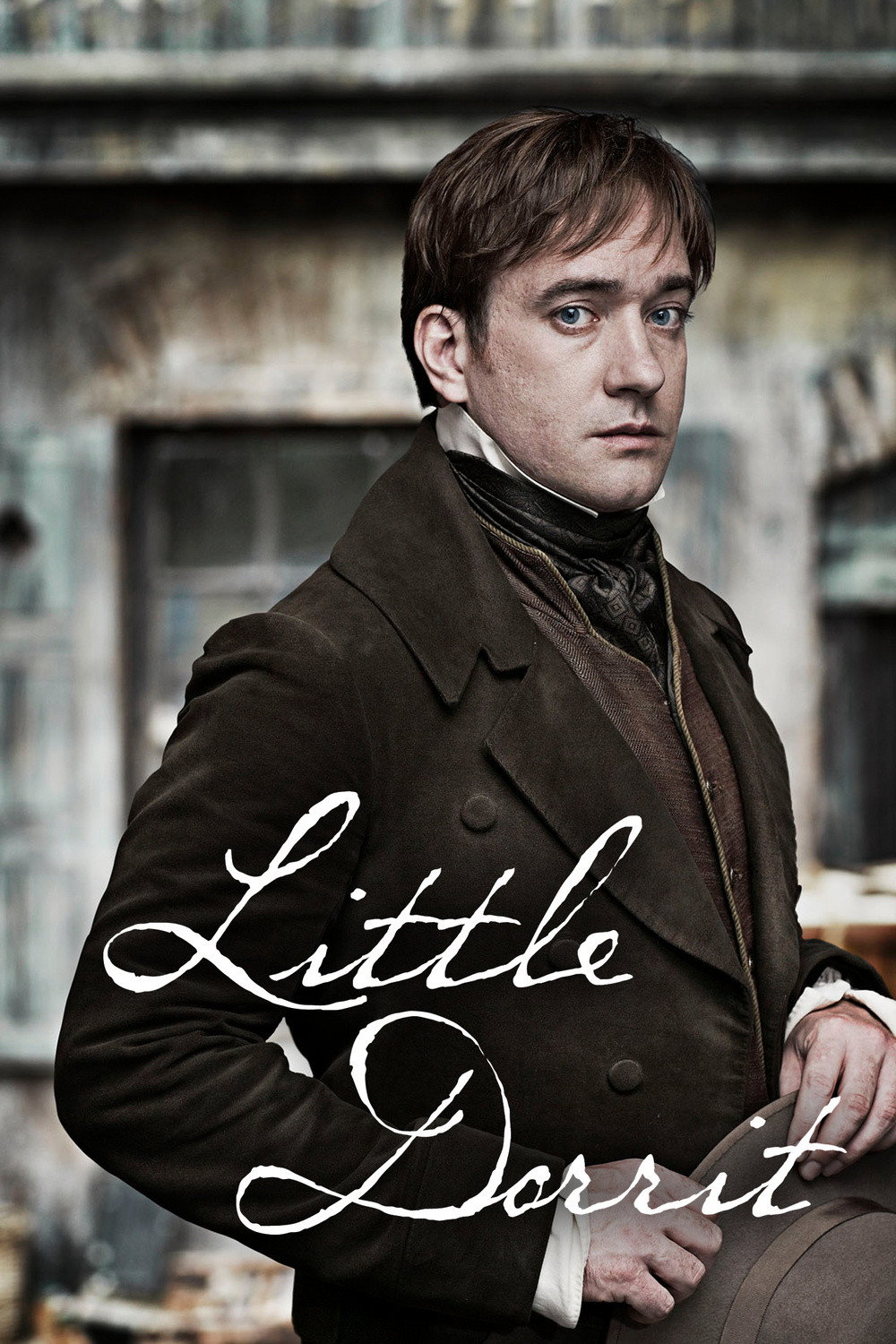
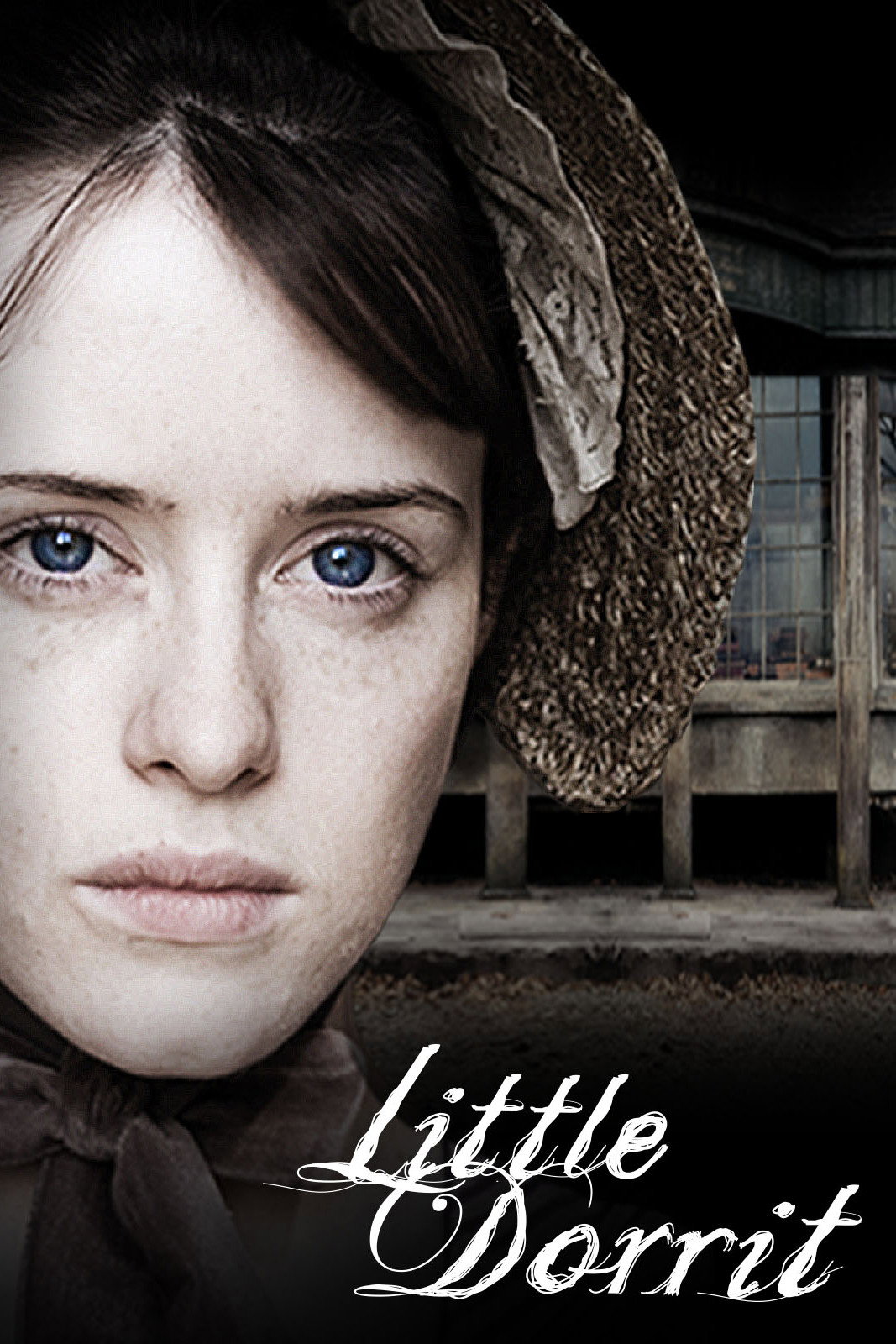
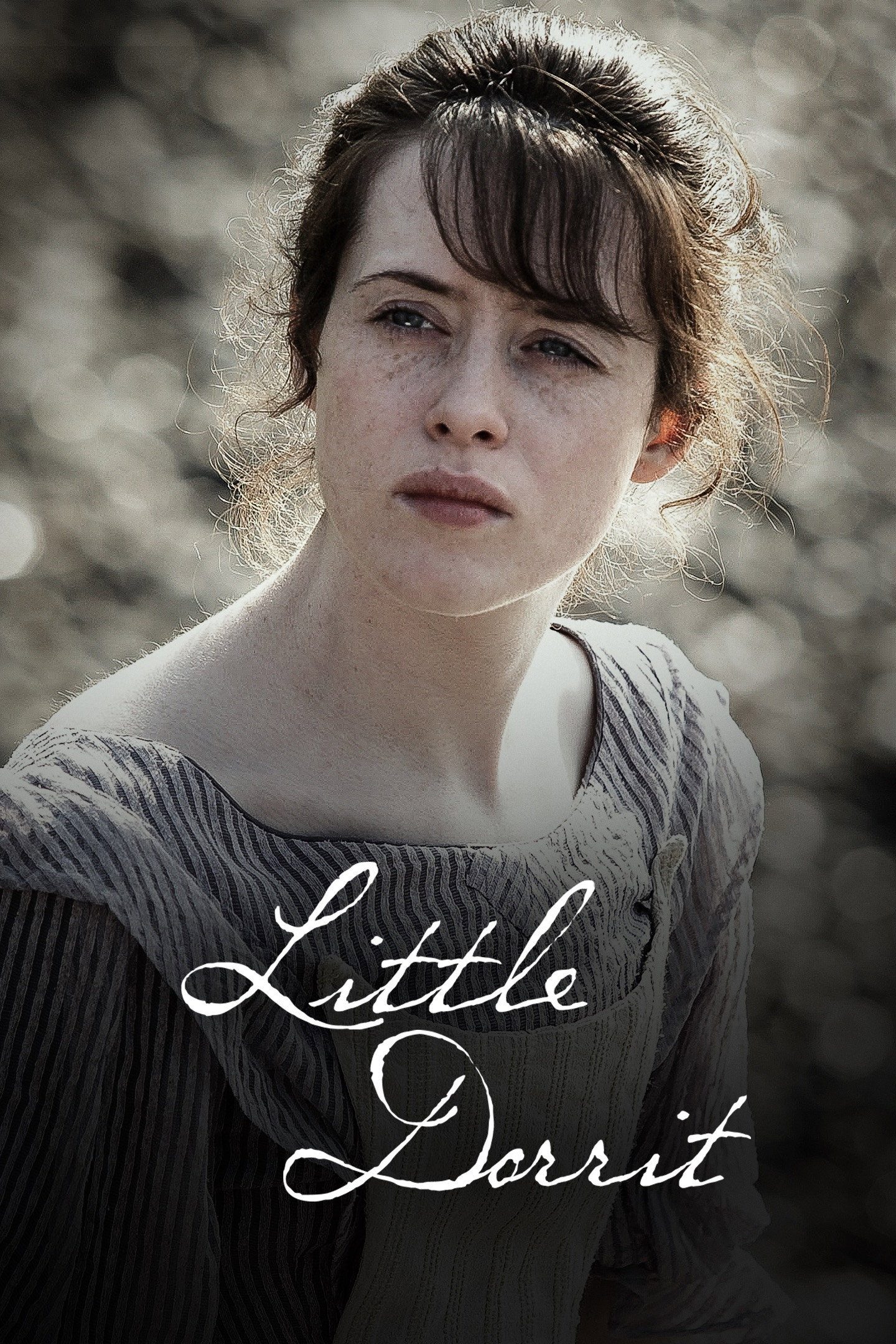
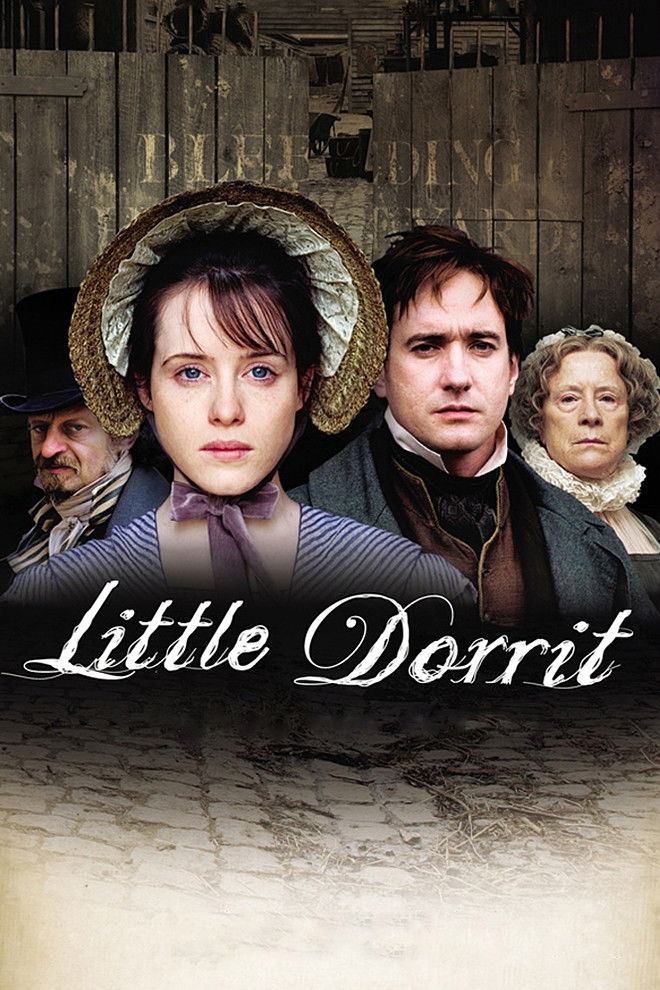
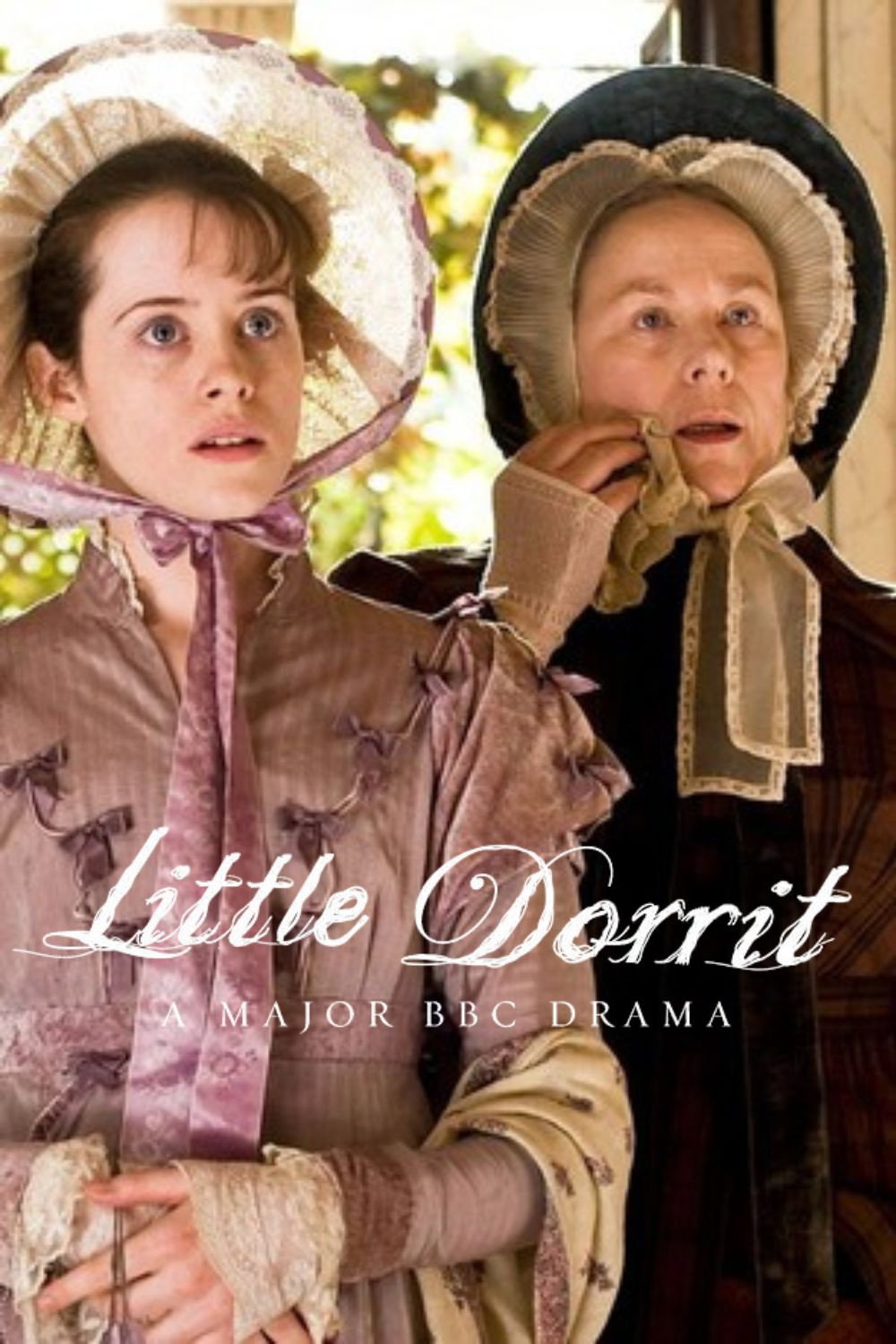
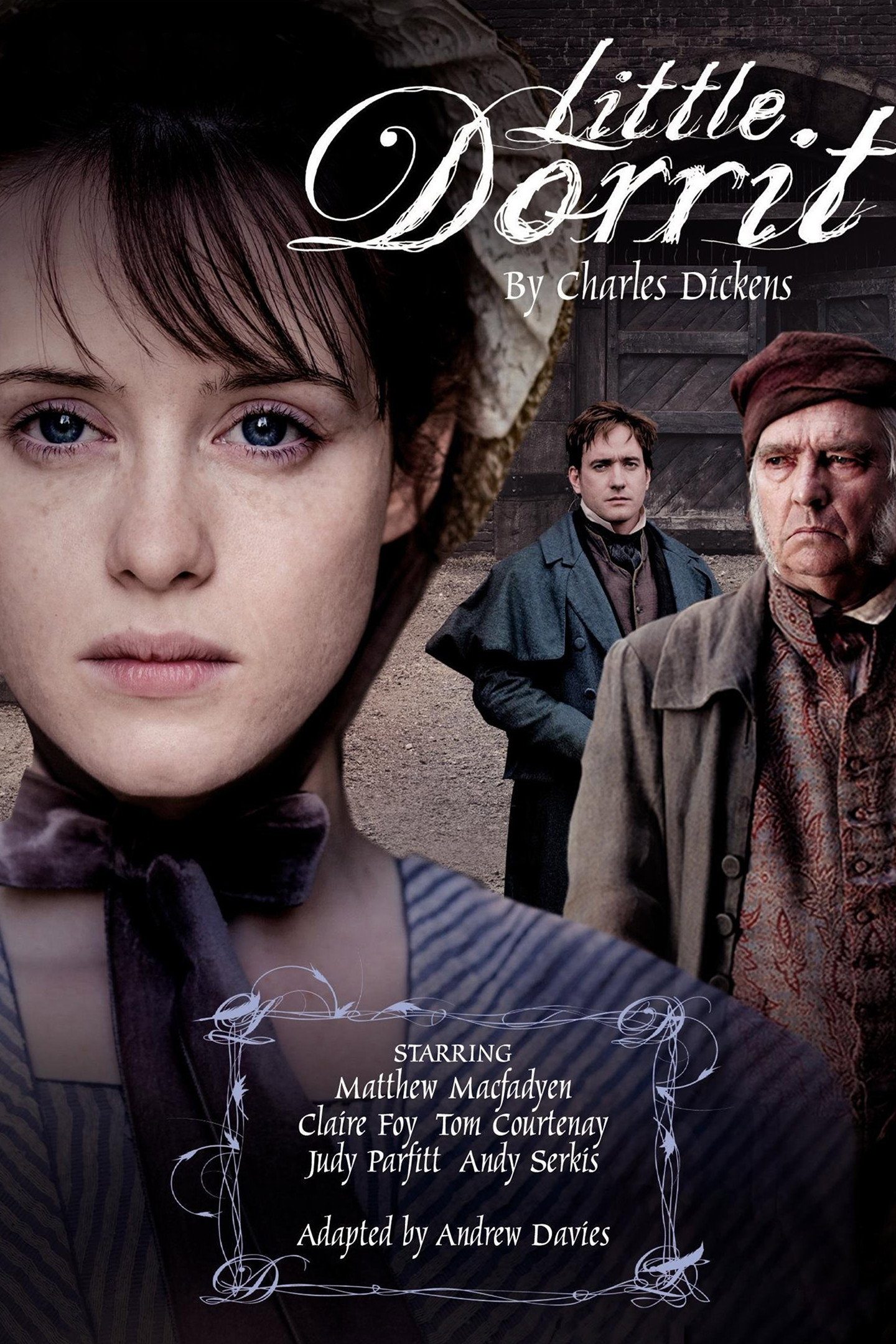
Andrew Davies’s adaptation of Charles Dickens is absorbing, uneven television, carried by Claire Foy, Matthew Macfadyen and a strong ensemble. The slow opening asks a little too much patience, and the hurried ending gives too little back.
Little Dorrit is good, uneven television, carried by actors who make a large story worth following. Andrew Davies adapts Charles Dickens, with Diarmuid Lawrence, Dearbhla Walsh and Adam Smith directing. Class, mystery and romance all compete for attention, and there is enough interest in each to justify taking our time. The trouble is how that time is distributed: a slow opening and a hurried ending give this fourteen-episode series an awkward shape.
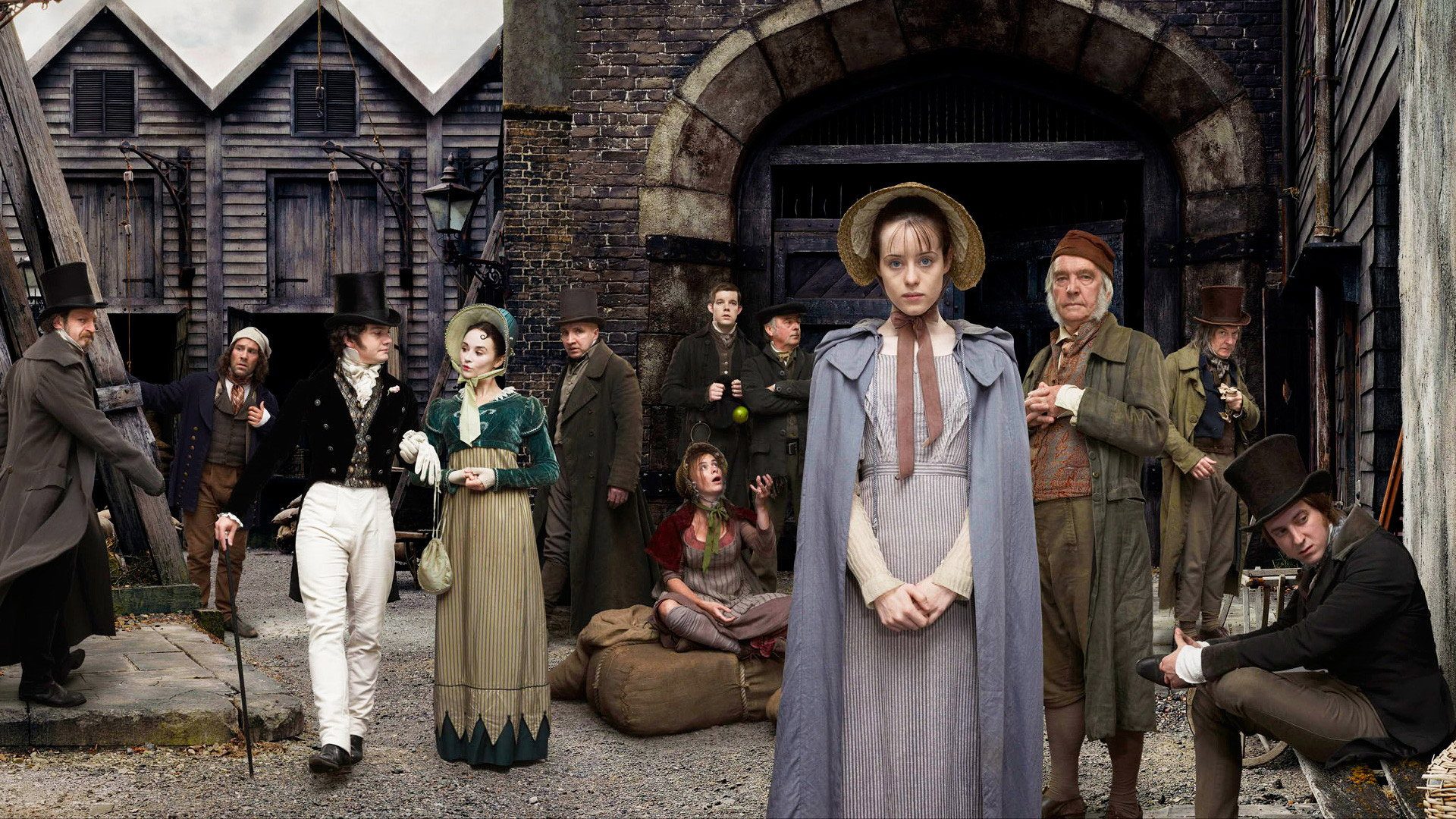
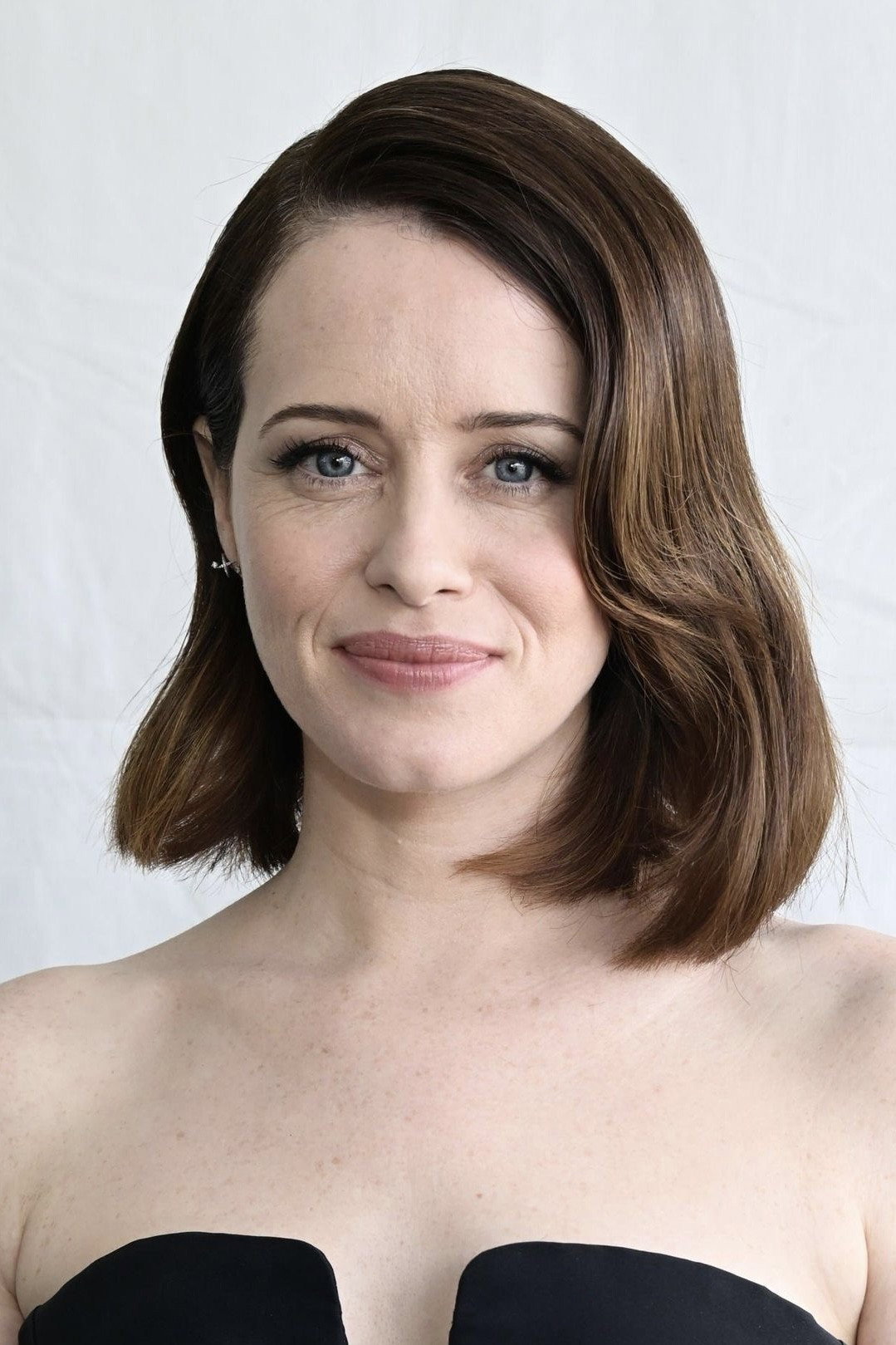
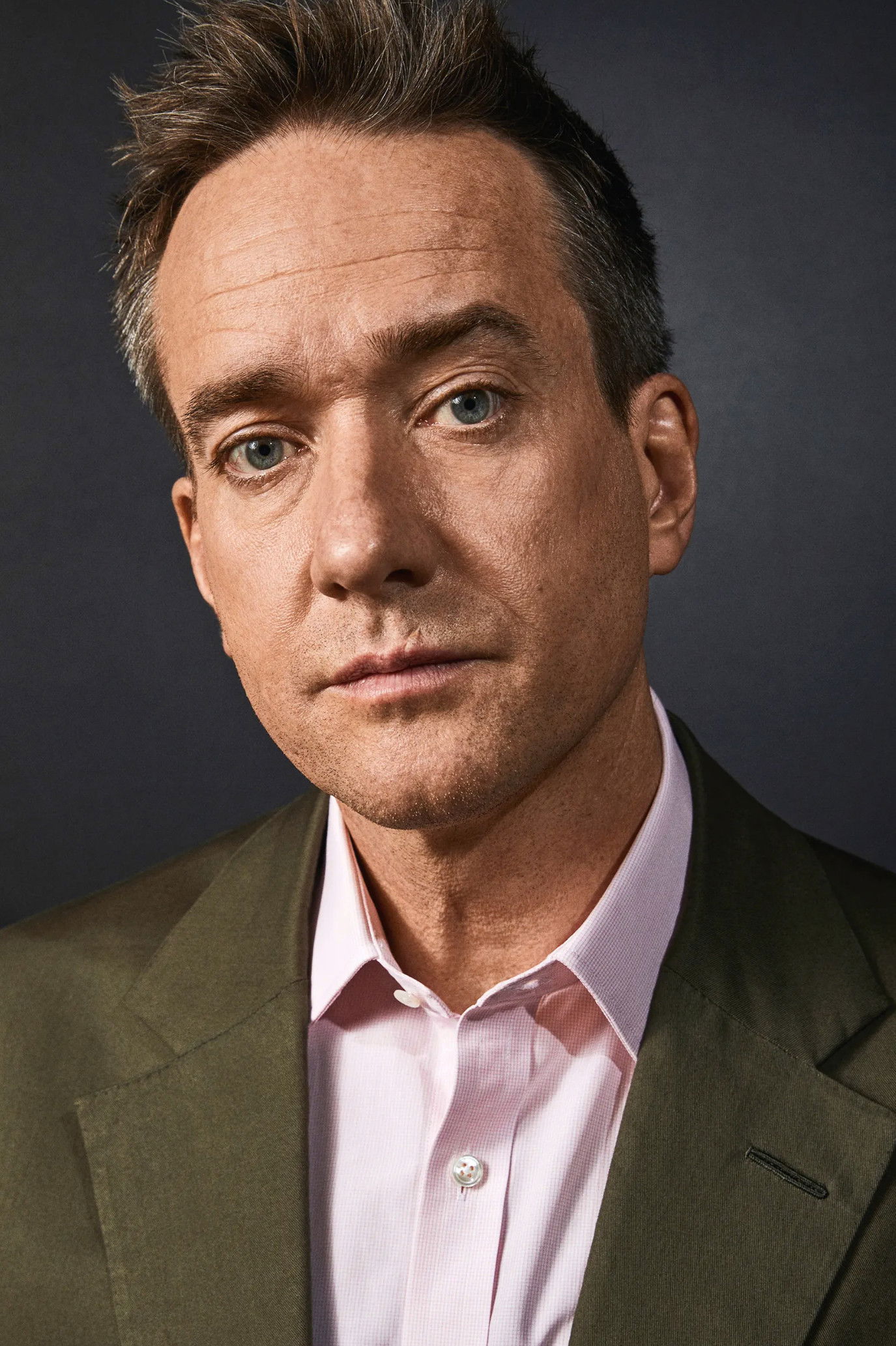
We found the opening frustrating, because an appealing cast is there before the drama gives us much momentum. Claire Foy, as Amy Dorrit, is the clearest reason to stay, with Matthew Macfadyen’s Arthur Clennam another. Their performances give us something to care about while the larger story is still getting into position. We would have liked Andrew Davies to reach that point sooner, but the growing attachment to these characters does eventually repay the patience.
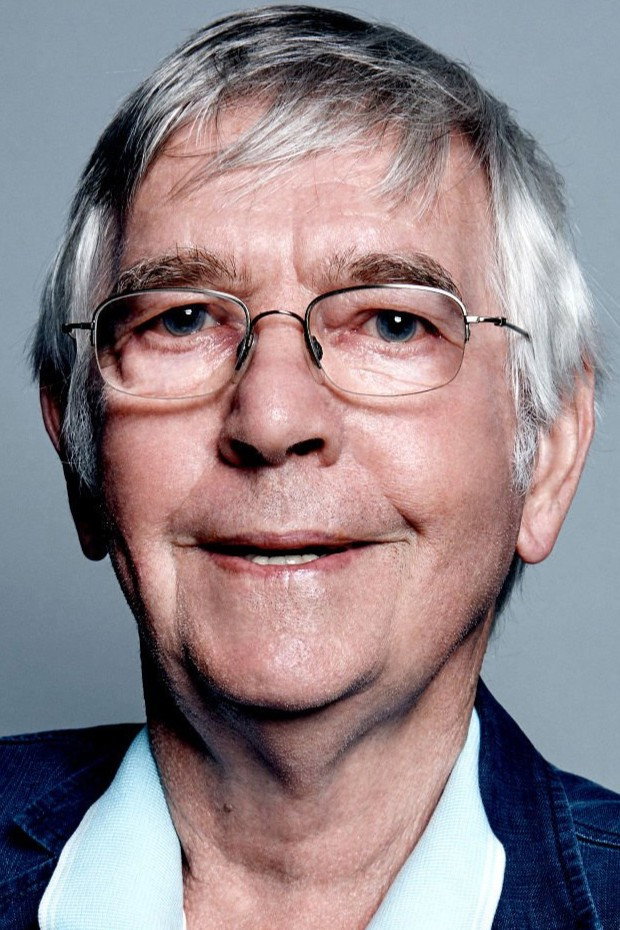
Tom Courtenay’s Mr. Dorrit and Judy Parfitt’s Mrs. Clennam make the supporting cast feel worth following in its own right. Emma Pierson, playing Fanny Dorrit, adds to the pleasure of an ensemble that does not depend entirely on its leads. There is room here for different kinds of acting, and the crowded cast mostly feels like an advantage. We keep finding another performer worth attending to, even when the story threatens to become cumbersome.
James Merifield’s production design gives the drama a reassuring solidity without becoming its chief attraction. Cinematographers Alan Almond, Lukas Strebel and Owen McPolin make the presentation feel coherent, although the performances remain more compelling than the pictures. That is a reasonable order of priorities for a series with this many people to introduce. The production is handsome, but admiring its appearance would not, by itself, be enough to keep us watching.
John Lunn’s music helps the emotional passages, though our attachment to the characters comes chiefly from the acting. Editors Nick Arthurs, David Head and Philip Kloss are less successful at giving the whole series an even rhythm, a problem that also belongs to Andrew Davies’s screenplay. The ending feels hurried, especially after so much time has been spent getting started. We wanted that stretch to have some of the earlier willingness to let things develop.
As a serial drama, it understands the wish to return to people, even before there is a pressing need to know what happens next. Its mixture of social standing, romantic interest and mystery gives that return enough variety to remain absorbing. We do not recommend an adaptation simply because it takes on a substantial novel and assembles a distinguished cast. Here the actors make the complications matter, and their work is persuasive enough to carry us through the less engaging stretches.
We would choose it for an evening when there is room to settle into a large cast, without expecting the first instalment to do all the persuading. Give it that allowance, and the performances provide good reasons to continue. Keep a little goodwill in reserve for the finish, too.