A hospital drama worth braving for Patrick Baladi’s frighteningly plausible consultant. Jed Mercurio’s writing sometimes wanders into workplace romance, but its account of medical failure earns the distress it causes.
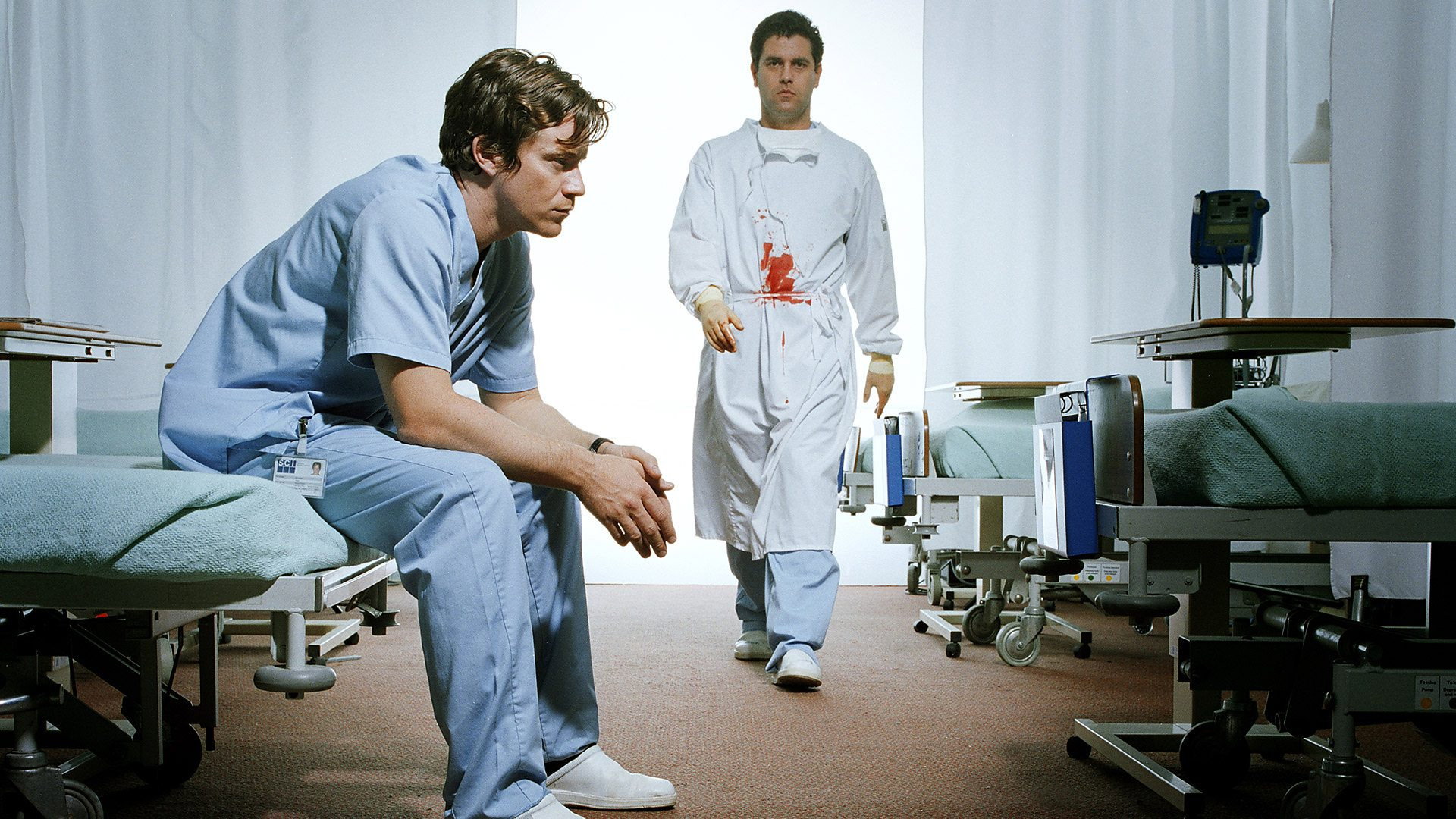
Created and written by Jed Mercurio, Bodies makes a hospital ward frightening without needing anyone to behave like a villain. This is an absorbing, often upsetting series, with performances good enough to carry its occasional lapses into soap. The obstetrics and gynaecology setting puts responsibility for other people’s bodies into unusually sharp focus. Mercurio concentrates on the dreadful possibility that the person entrusted with that responsibility may be bad at the job, and that everyone nearby still has a working day to get through.
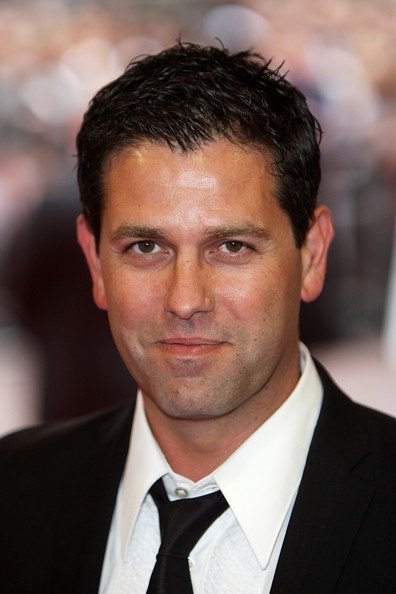
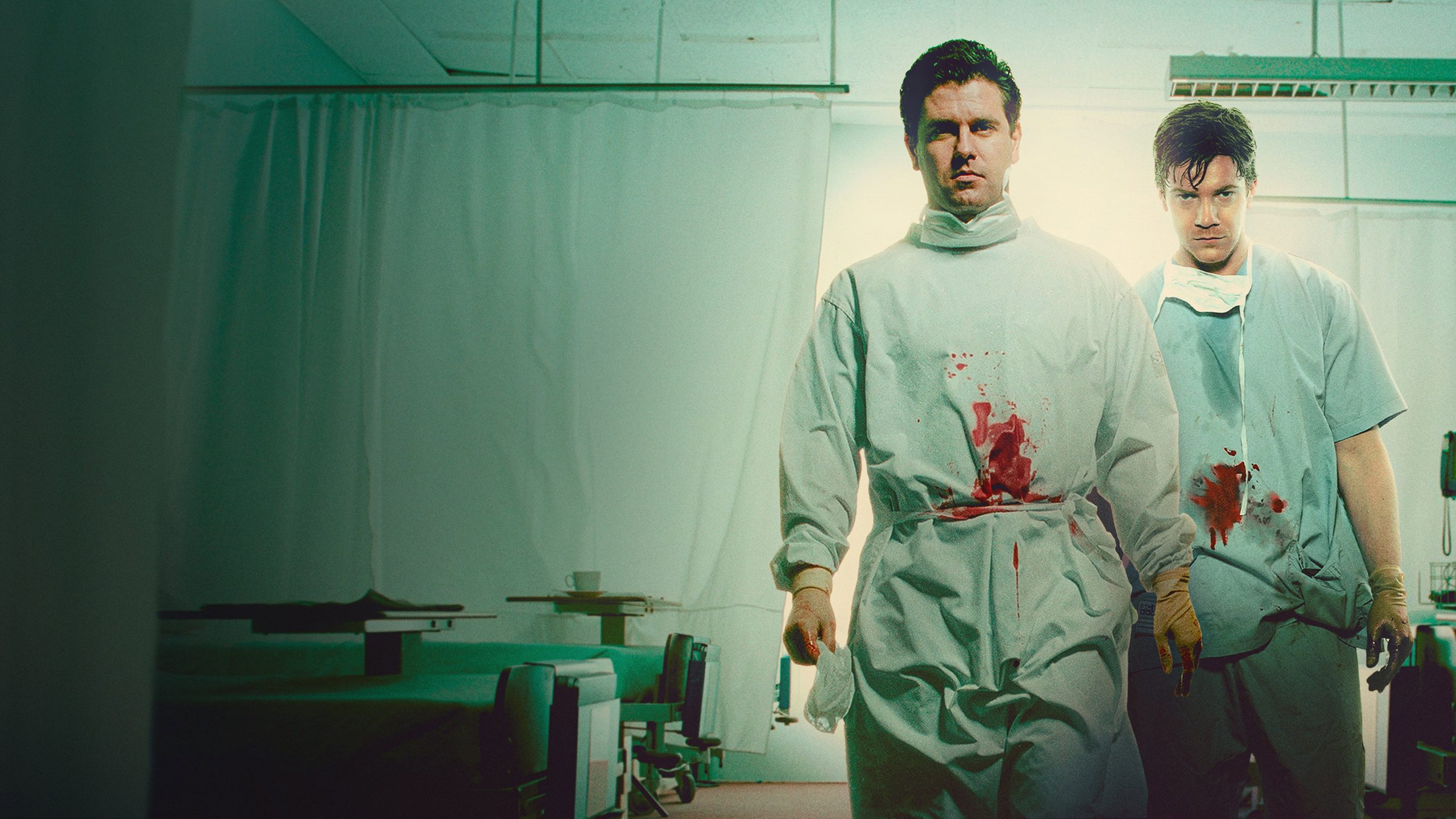
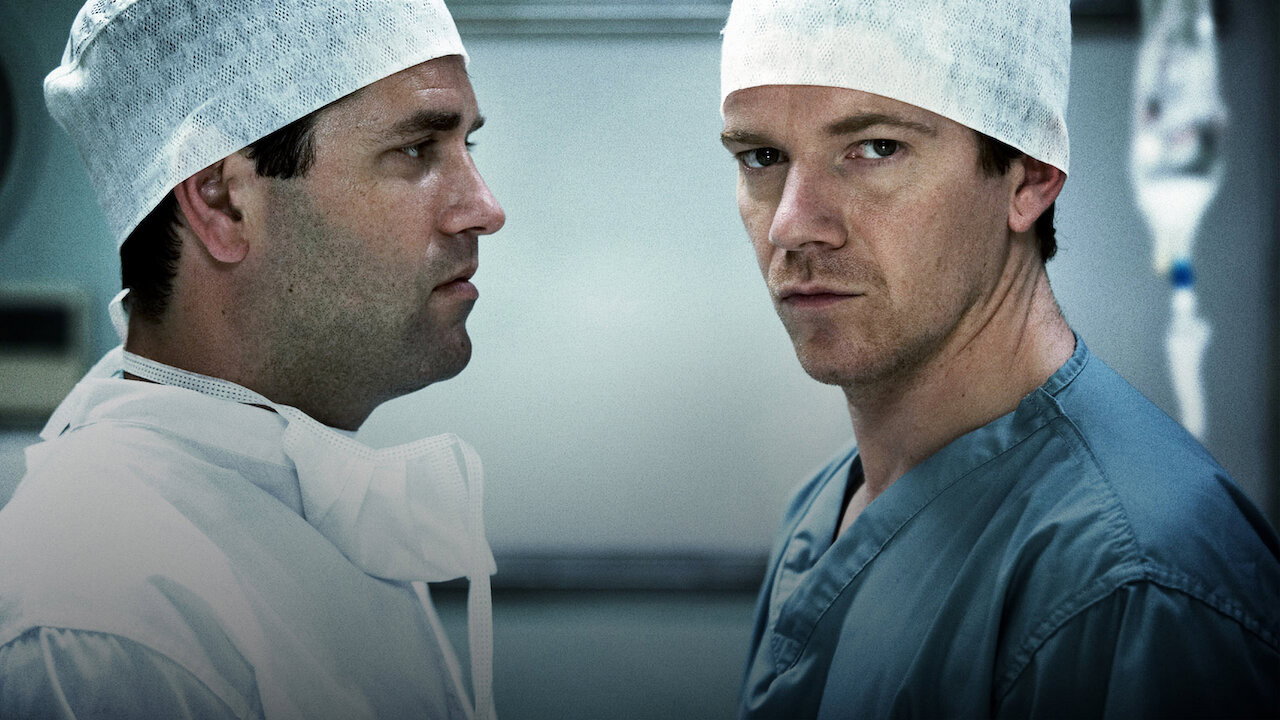
Patrick Baladi’s Roger Hurley is the crucial performance: an incompetent consultant played without a reassuring label telling us to hate him. Baladi makes us look for danger in ordinary professional behaviour, where a more emphatic performance would let us spot it at once. He avoids the familiar hospital tyrant who announces himself with every entrance, and the lack of warning is disturbing. We were horrified by the medical blunders, and Baladi’s matter-of-fact playing made them harder to bear.
Mercurio’s writing is sharpest about the difficulty of recognising a problem and then doing something useful about it. Miscommunication and friction between colleagues have consequences here; they cannot be tidied away as background business while the doctors get on with saving lives. That gives the moral dilemmas weight without requiring us to admire everyone caught in them. The series understands how readily a workplace can make a reasonable person concentrate on surviving the shift rather than questioning the way things are done.
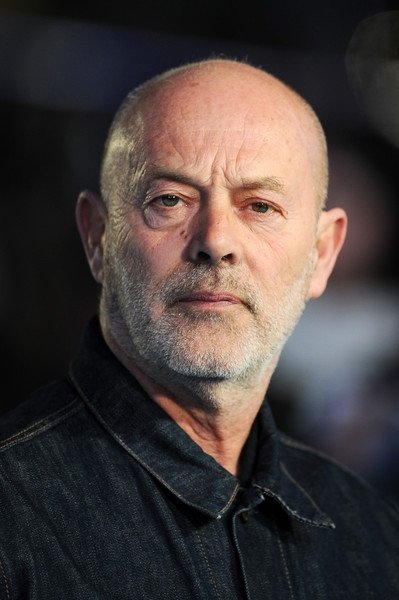
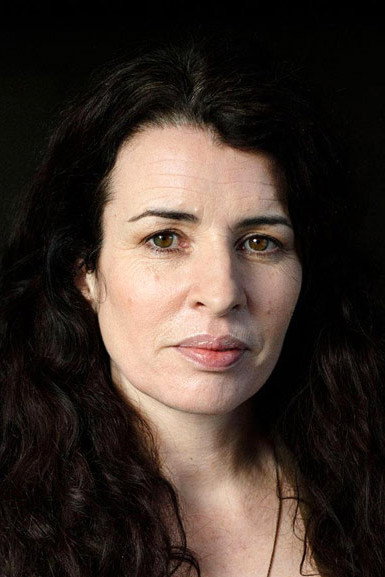
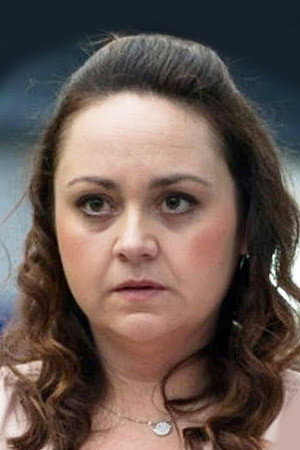
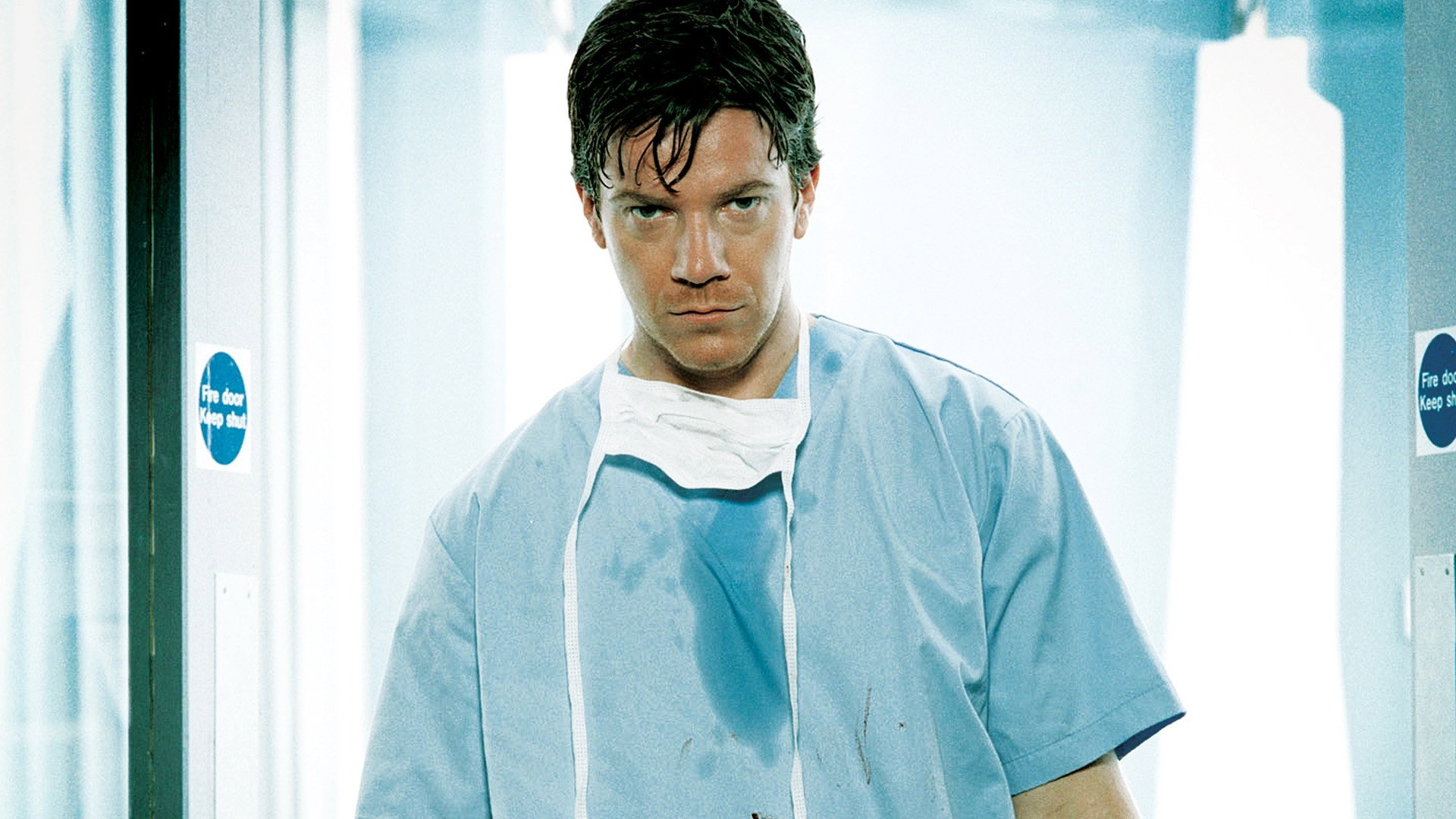
Max Beesley plays Rob Lake and Keith Allen plays Tony Whitman, in an ensemble whose naturalistic acting gives the ward a convincing sense of people obliged to keep working together. Nobody needs to be likeable for that to hold our attention. The strength of the performances is that the characters’ disagreements feel like problems they must live with, rather than opportunities to deliver a speech. Even the quieter exchanges carry the pressure of having consequences beyond the conversation.
Under directors John Strickland, Iain B. MacDonald and Douglas Mackinnon, the series is most effective when it lets unease develop slowly. The pace gives us time to consider the harm that poor communication can do, without an emergency supplying all the tension. The graphic medicine is difficult to watch, but it would be easier to shrug off without those slower stretches. The direction trusts the actors to keep us watching when there is nothing immediately shocking on screen.
The weakness is the handling of the affairs between doctors and nurses. They belong in a programme about colleagues whose private and professional lives overlap, but the changes of emphasis can make the storytelling feel untidy. At times, attending to a relationship seems to interrupt a more difficult and more interesting conversation about the work. These detours do not always repay the attention they demand, particularly when the malpractice already gives the characters so much to contend with.
Hospital dramas often offer competence as a consolation: the day may be awful, but somebody knows what to do. Bodies asks us to sit with the possibility that professional standing is no guarantee of that competence. Allow for the wandering relationship plots, and we recommend it for the performances and the seriousness with which it treats preventable harm. Perhaps not on the evening before a hospital appointment.