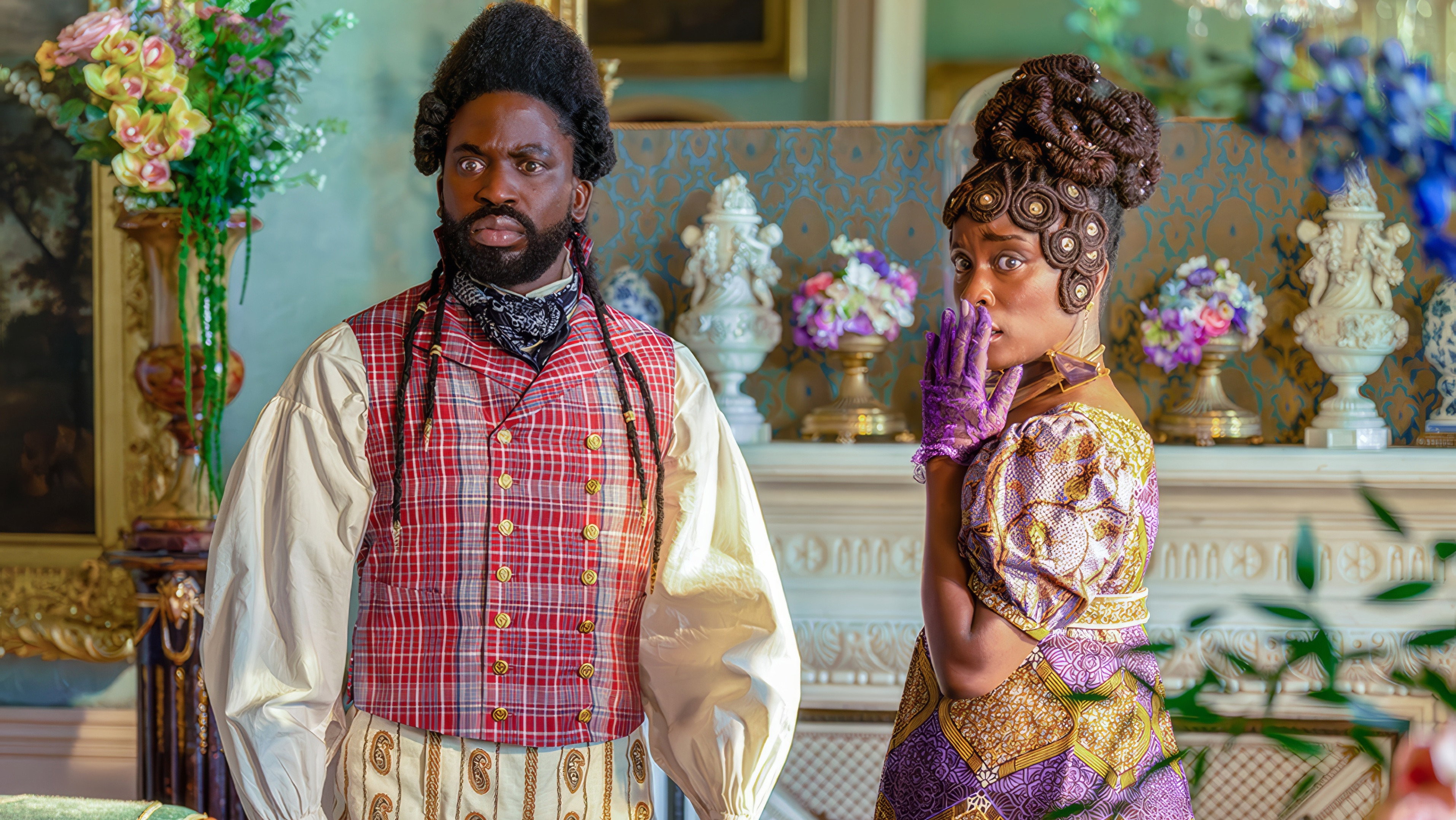
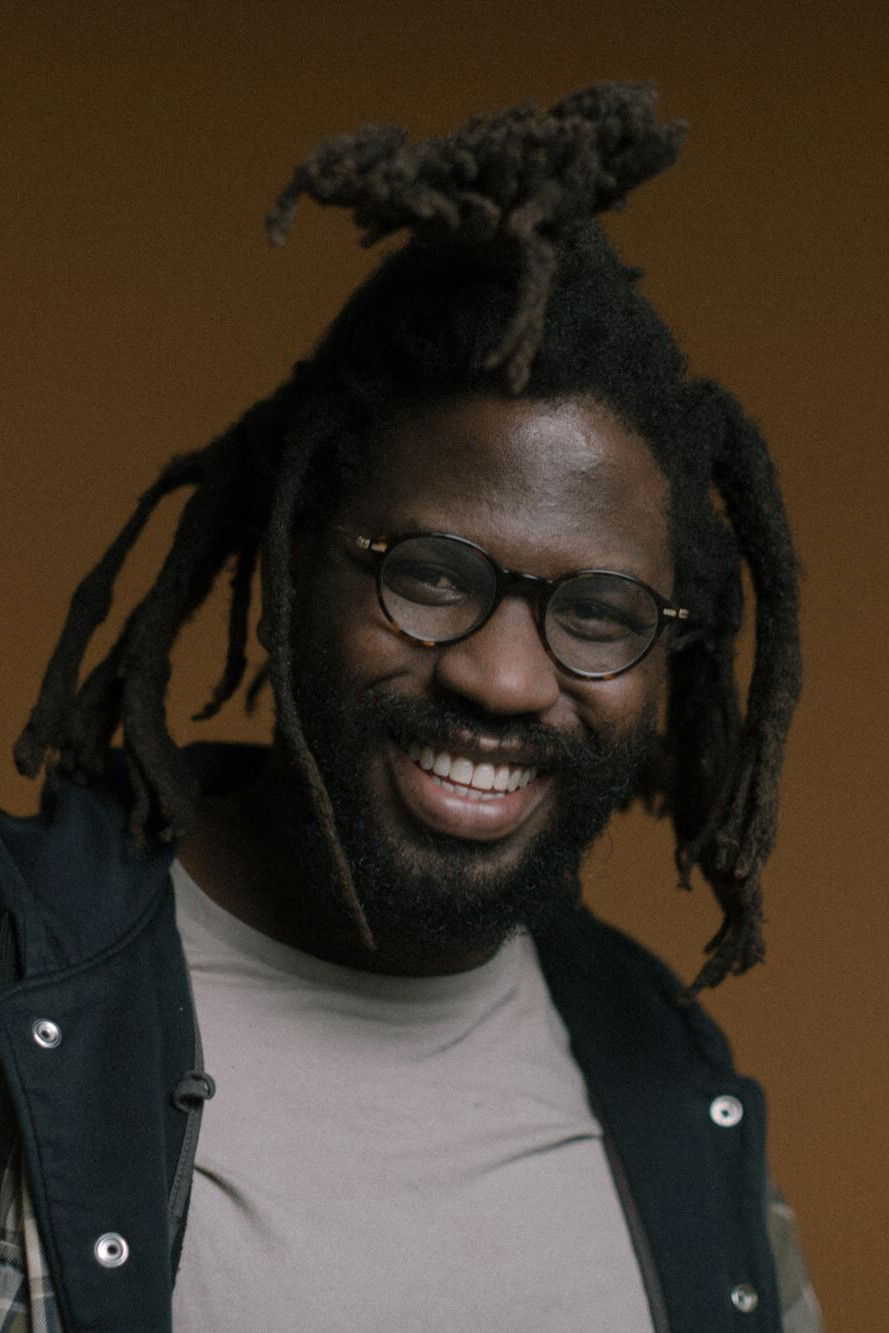
Adjani Salmon gives Dreaming Whilst Black a warmth that survives its sharpest jokes about prejudice and ambition. Some film-industry targets are familiar, but the cast and the romance make this a comedy worth spending time with.
Dreaming Whilst Black takes an aspiring filmmaker seriously without treating his ambitions as everyone else’s emergency. Kwabena, played by Adjani Salmon, wants to make films and has money worries, workplace prejudice and personal relationships to contend with along the way. The comedy is sharp and warm, and we recommend it with a reservation about some familiar industry targets. Its willingness to spend time on the people around Kwabena is a substantial part of the appeal.
Salmon shares the writing credits with Ali Hughes, Yemi Oyefuwa and Thara Popoola, and the scripts keep practical problems in view. Funding worries sit alongside workplace slights, so the difficulty of getting anything made never feels remote. The workplace microaggressions are funny because the comedy notices how much patience they demand of the person receiving them. We laughed at those small slights, then felt cross on Kwabena’s behalf. Having to deal with them while trying to earn a living makes his frustration easy to share.
Directors Joelle Mae David, Koby Adom, Sebastian Thiel and Jermain Julien have a useful comic device in the surreal daydream sequences. The switches between fantasy and everyday life let us see how Kwabena thinks, and bring some variety to the familiar business of being frustrated at work. They also let the programme interrupt the ordinary rhythm of a workplace comedy without abandoning the troubles that make it recognisable. The humour survives the return to reality, where money and other people still need dealing with.
Salmon’s charm does a good deal of work here, though it never makes the obstacles seem trivial. A struggling filmmaker is hardly a new television proposition, but he makes Kwabena someone worth spending an evening with even when his troubles are predictable. The romance helps, giving us something to care about beyond a possible professional breakthrough. These scenes could have felt like pauses between the jokes about prejudice, but the chemistry makes us happy to stay with them.
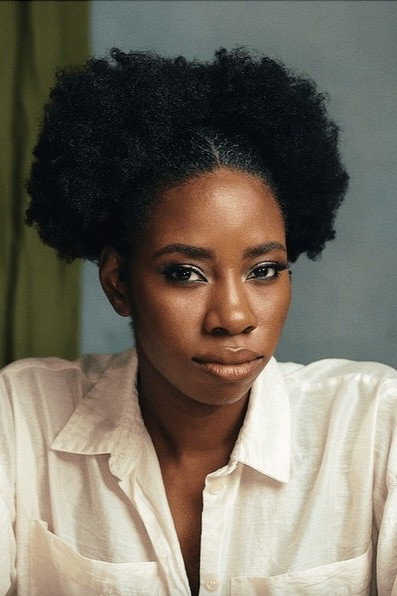
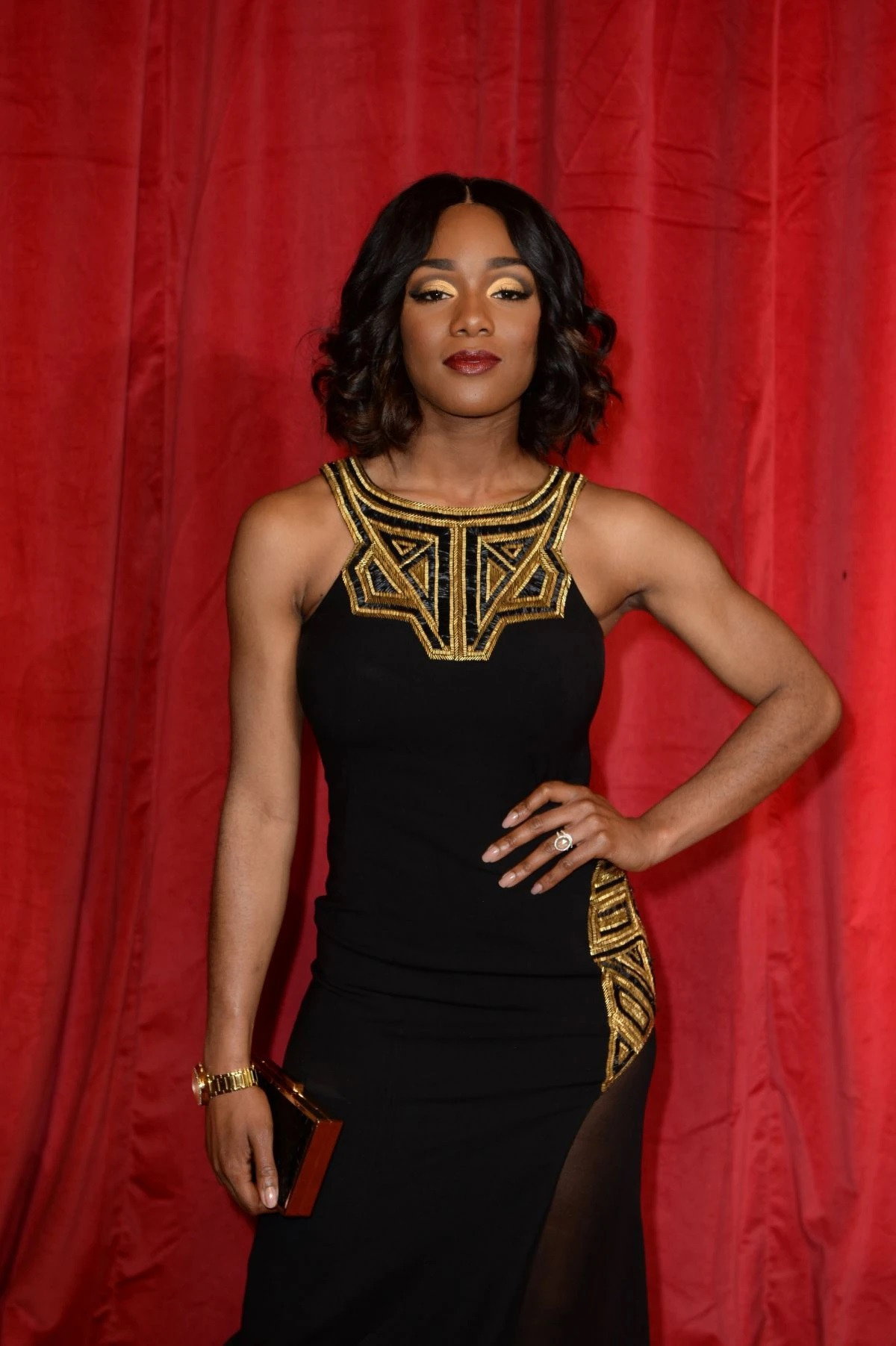
Dani Moseley’s Amy, Rachel Adedeji’s Funmi and Babirye Bukilwa’s Vanessa matter to that sense of a life beyond work. The women have stories of their own, and the series gives them attention that a comedy organised around one man’s ambitions might easily withhold. Their presence keeps the conversations from circling back endlessly to whether Kwabena will get his chance. The ease between the actors helps the cultural conversations feel at home alongside the jokes and the romance.
The film-industry satire is less consistently inventive. Prejudice and funding trouble provide worthy targets, but a few jokes settle for pointing out a problem we have already understood. Salmon and his fellow writers get more out of letting the people around Kwabena pursue their own concerns. There is enough warmth and oddness here to keep a comedy about getting a break from feeling like a long complaint. Watch it for the company, and allow the occasional obvious target.