Alan Bleasdale’s seven-part drama about a city council, its preening leader and the headmaster who says no is angry, funny and frightening, and Robert Lindsay’s Michael Murray is a performance we have not stopped thinking about since. It is also long, and its conspiracy plot is its weakest part.
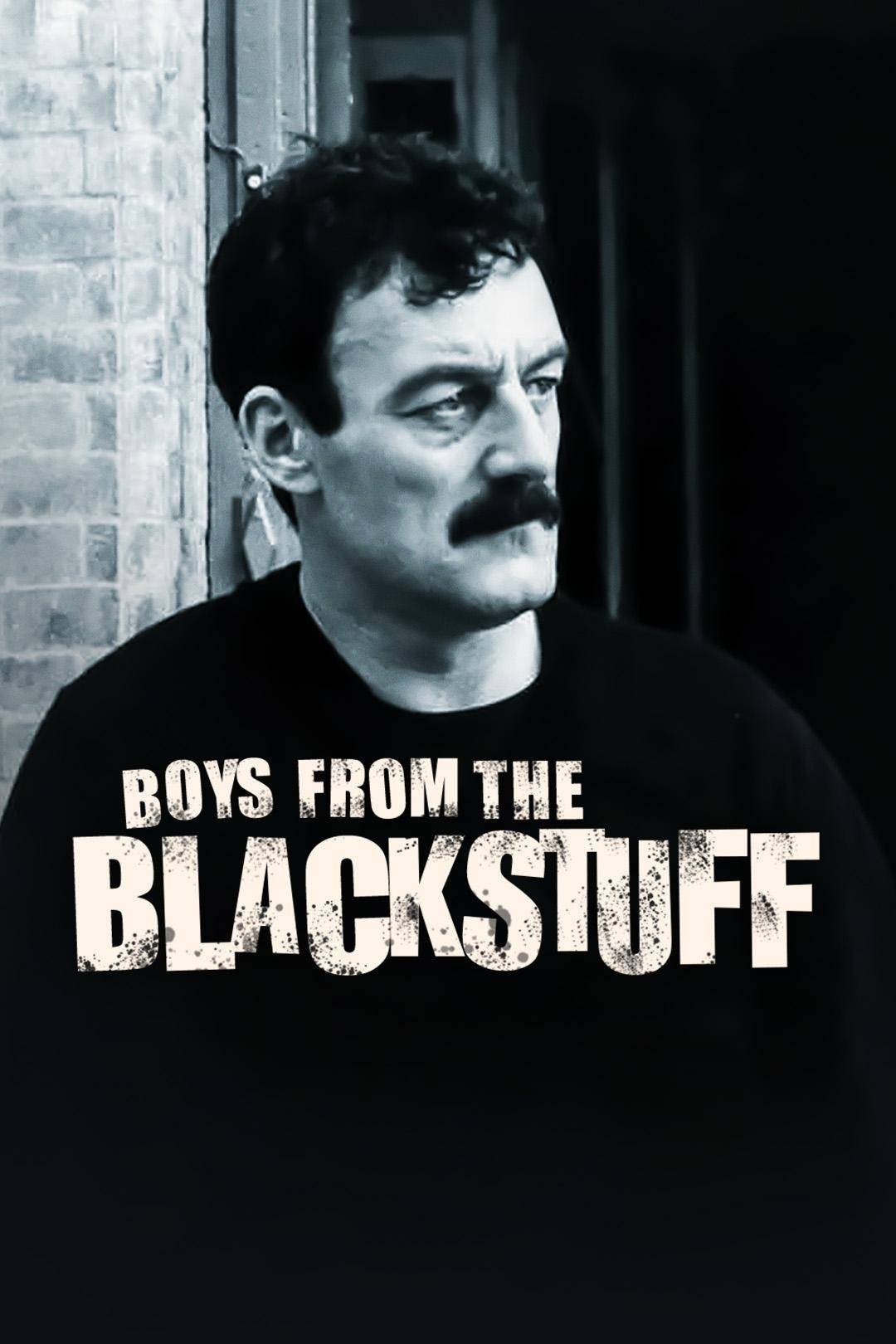
Alan Bleasdale, whose Boys from the Blackstuff (1982) told the country what unemployment looked like from the inside, here turns to what happened to the people who promised to fix it. G.B.H. is seven episodes of 81 minutes about a city council, the man who has just taken it over and the headmaster who will not do as he is told. It is angry, funny, paranoid and frightening, and at its length it sometimes wanders. We would still put it in front of anyone who thinks British television drama peaked somewhere else.
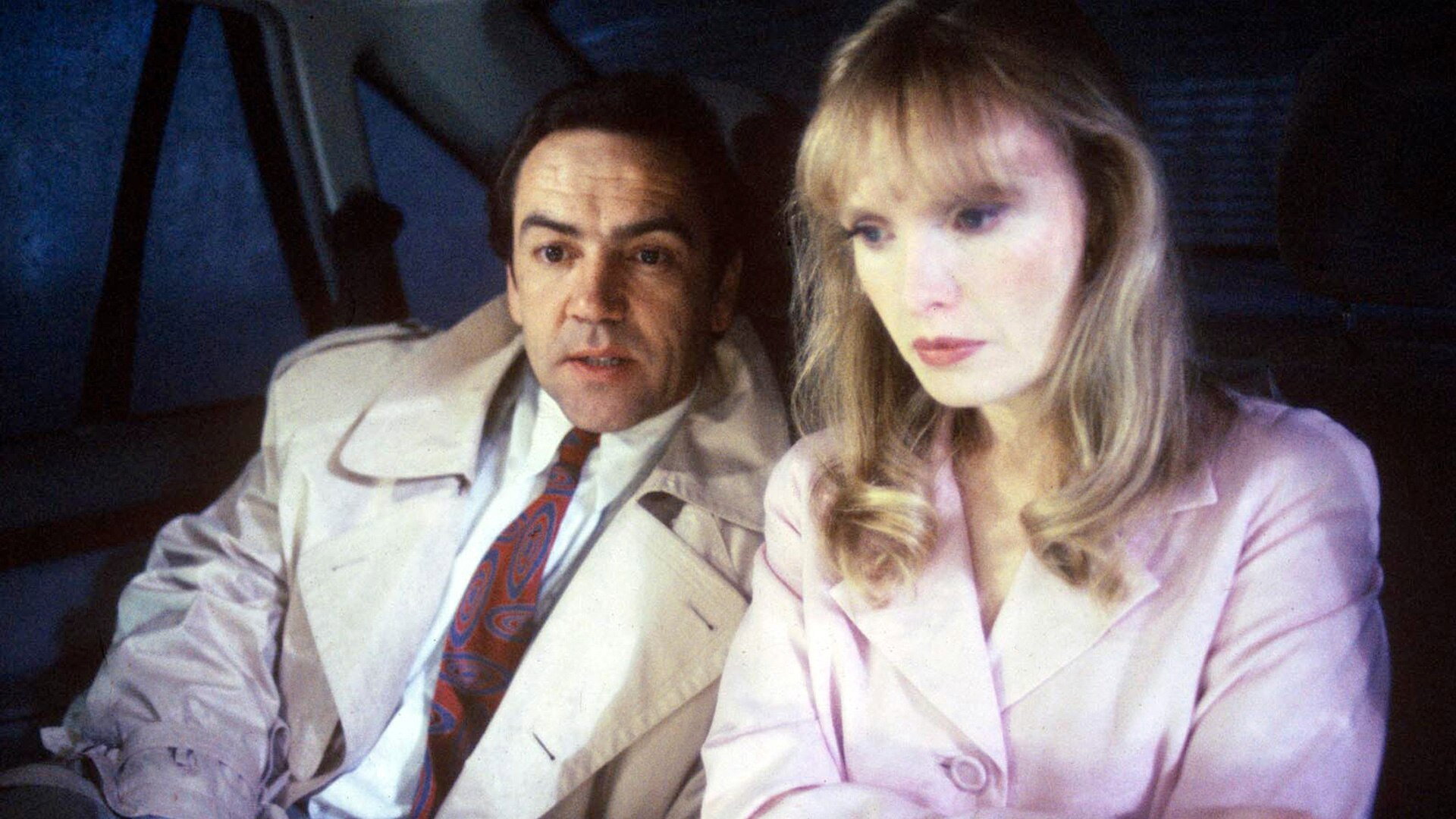
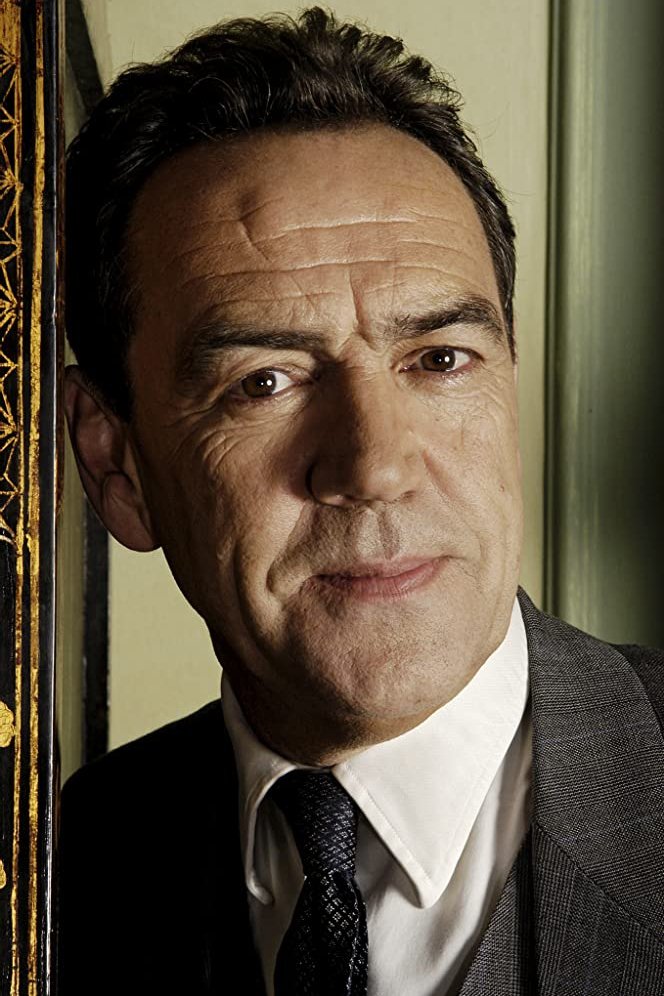
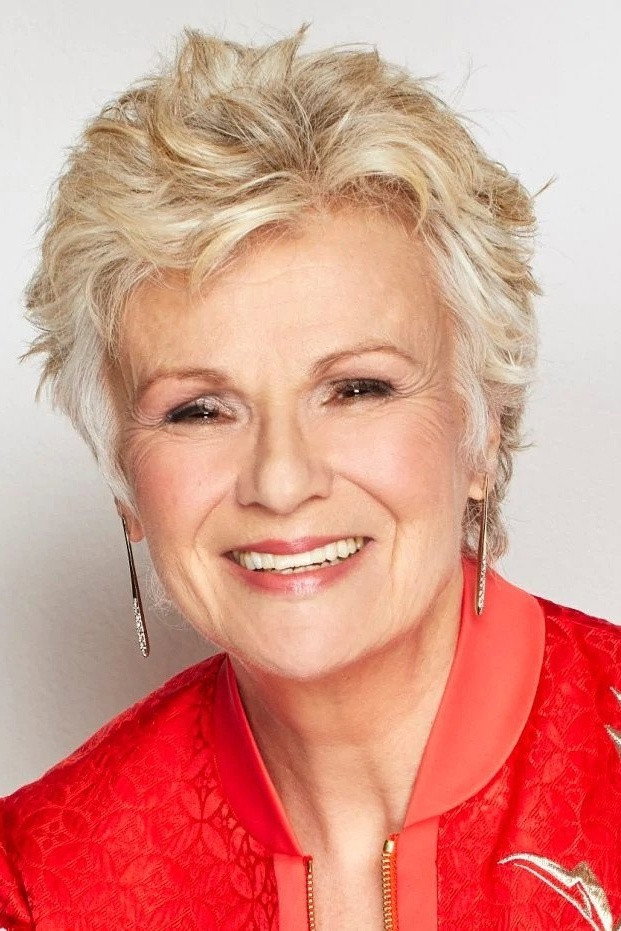
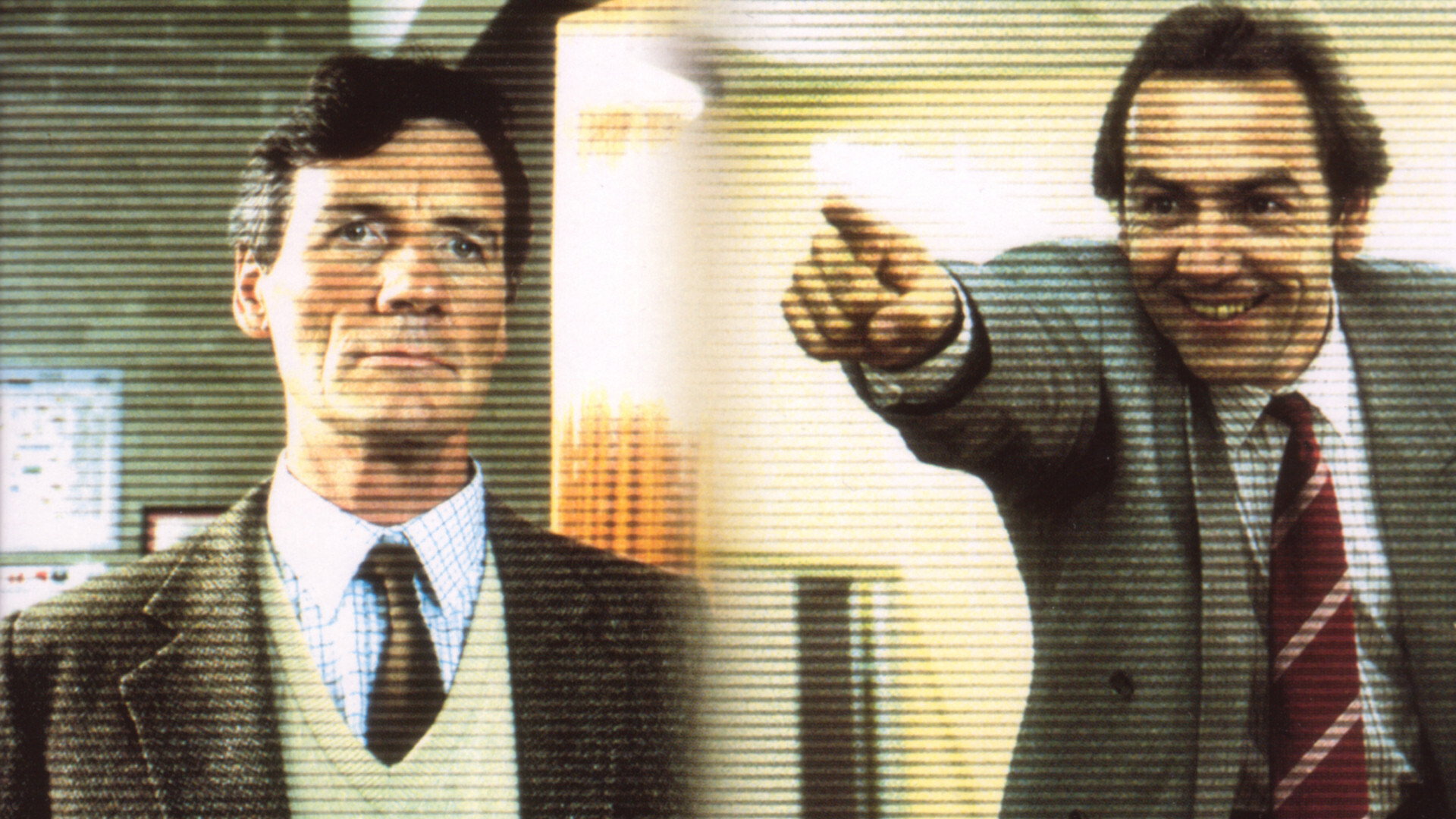
Robert Lindsay’s Michael Murray is the reason to watch. He arrives as the new leader of the council with a driver, a good coat and a speech for every occasion, and Lindsay plays him as a man who has been performing so long he has forgotten there was ever an audience to lose. Then his body starts to betray him. An arm shoots up at the wrong moment. A twitch takes his face during a speech. Lindsay lets these things happen without comment, as if Murray himself has not noticed, and the effect is horrible and funny at once. Julie Walters, as his mother, spends her scenes deflating him with a look, and the two of them together are the best double act in the series.
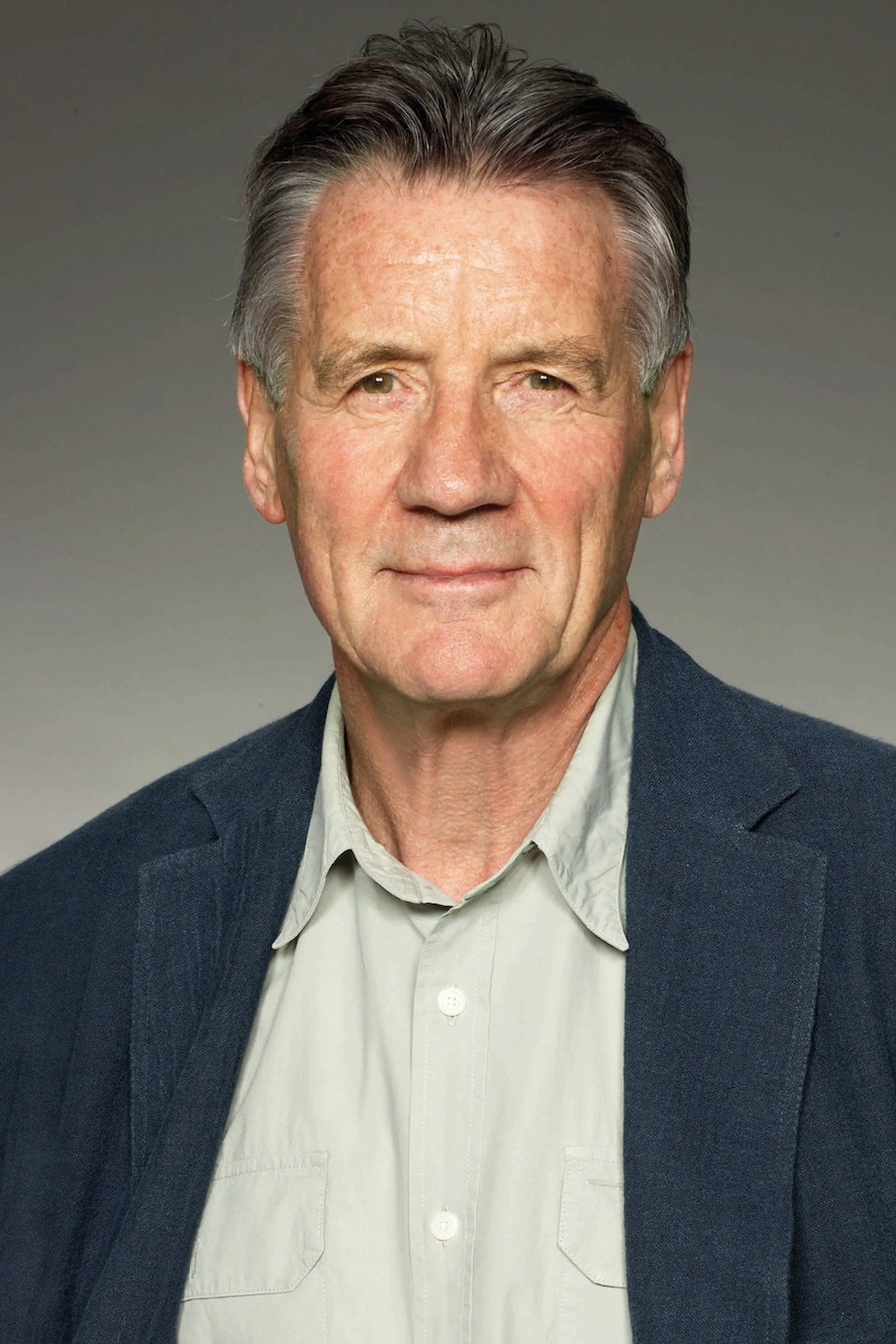
Michael Palin is cast against everything he had done before, and it works. Jim Nelson runs a school for children with learning difficulties, is convinced every headache is a tumour, and cannot bring himself to close the school for Murray’s day of action because his pupils need somewhere to go. Palin gives him a mildness that looks like weakness until it is tested, and then turns out to be the hardest thing on screen. We laughed at Jim’s night terrors, his dressing gown and his certainty that he was dying, and then in the scene where he stands alone at the school gate while the pickets arrive we stopped laughing and found our hands were cold. Dearbhla Molloy, as his wife Laura, is the person who keeps him upright, and she is given enough to play that we believe she could.
Around them Bleasdale builds a city. Tom Georgeson’s Lou Barnes is the old comrade who sees exactly what Murray is and cannot stop him. Michael Angelis, as Murray’s driver Martin Niarchos, is a study in loyalty to the wrong man. Lindsay Duncan’s Barbara Douglas glides in from nowhere, tells Murray precisely what he wants to hear and never once blinks; Duncan plays her so coolly that we spent six episodes waiting for the temperature to change. Daniel Massey’s Grosvenor belongs to a strand we will not describe, involving people far above the town hall, and it is the part of the series that has aged least well. The dialogue there goes stiff and the plotting goes vague, where the council scenes stay sharp.
Robert Young directs it plainly, which is right. The day of action, with its marches and pickets and meetings in smoke, is shot like news footage, and the violence when it comes is quick and ugly and over. Young lets Lindsay’s tics play in the middle of wide shots, so we watch the crowd notice before Murray does. Elvis Costello’s music stays low and sad and out of the way of the shouting, and it never tells us what to feel about a man the series has already made us feel too much about.
Against Bleasdale’s own standard the comparison is not flattering to length. Boys from the Blackstuff said what it had to say in five episodes and left. G.B.H. has more plot than it strictly needs, and the middle stretch, when Jim’s health and Murray’s past take turns at the wheel, slows to a walk. The conspiracy could have lost an hour. Nobody would have missed it.
Watch it one episode an evening; 81 minutes of Bleasdale is a full night’s work and the series is better sat with than raced through. It was first broadcast on 6 June 1991, and the politicians in it have changed their names and not much else.