Series review

Generation Kill

2008 · Created by David Simon · Series · MPA TV-MA

In a sentenceSeven episodes with the Marines, and we began to miss the swearing whenever they stopped

War & PoliticsDramaAction & Adventure

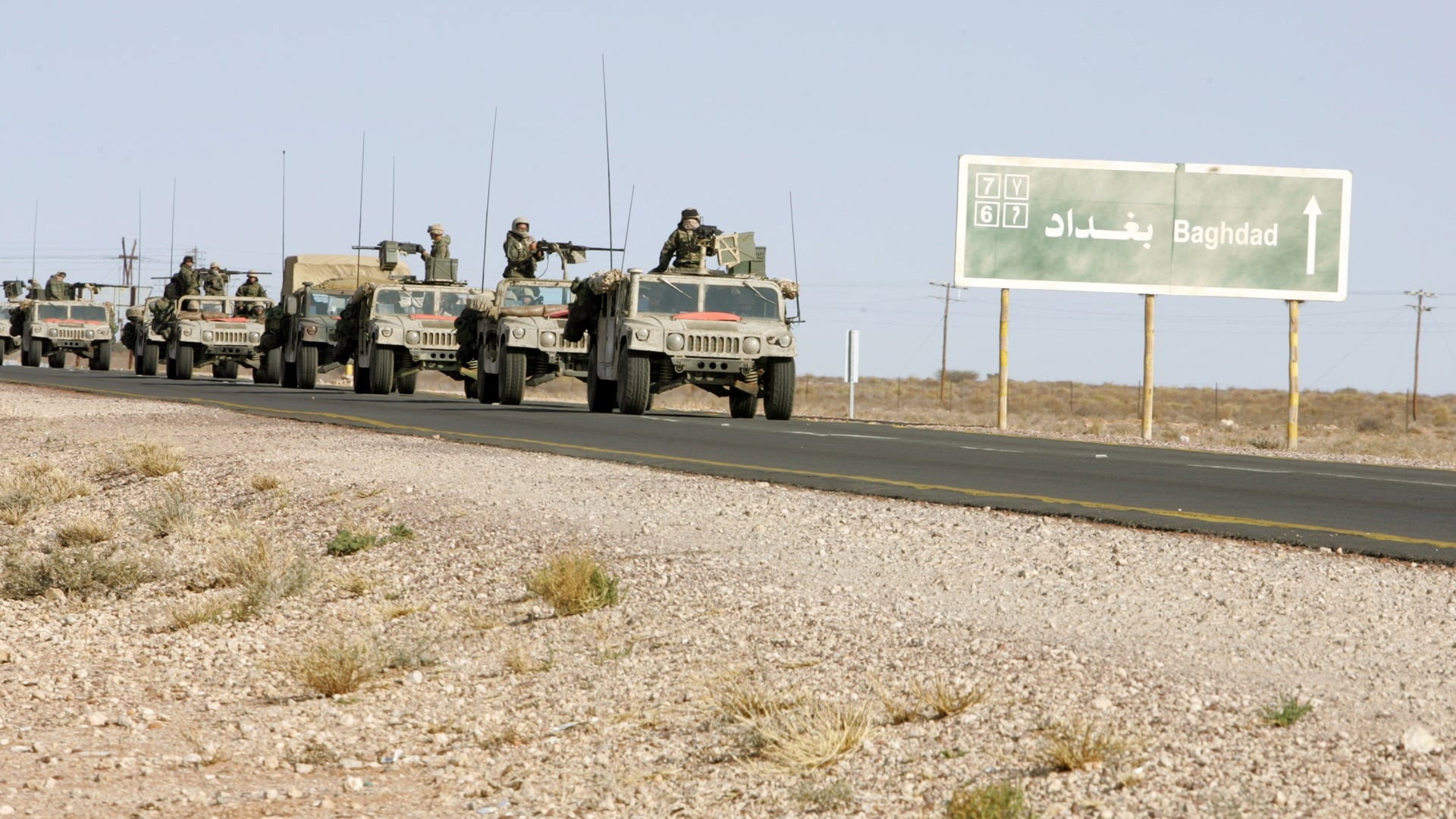
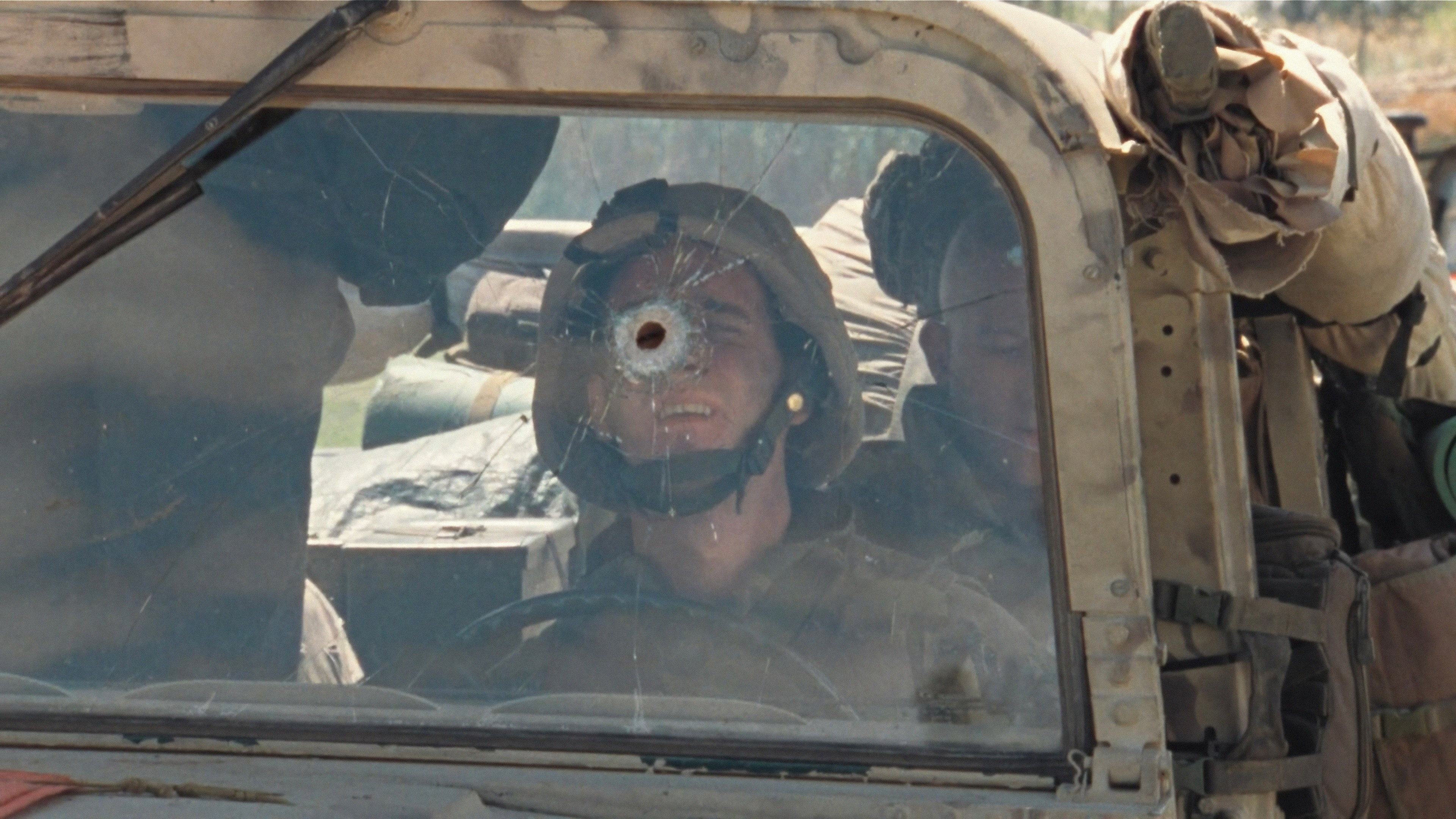
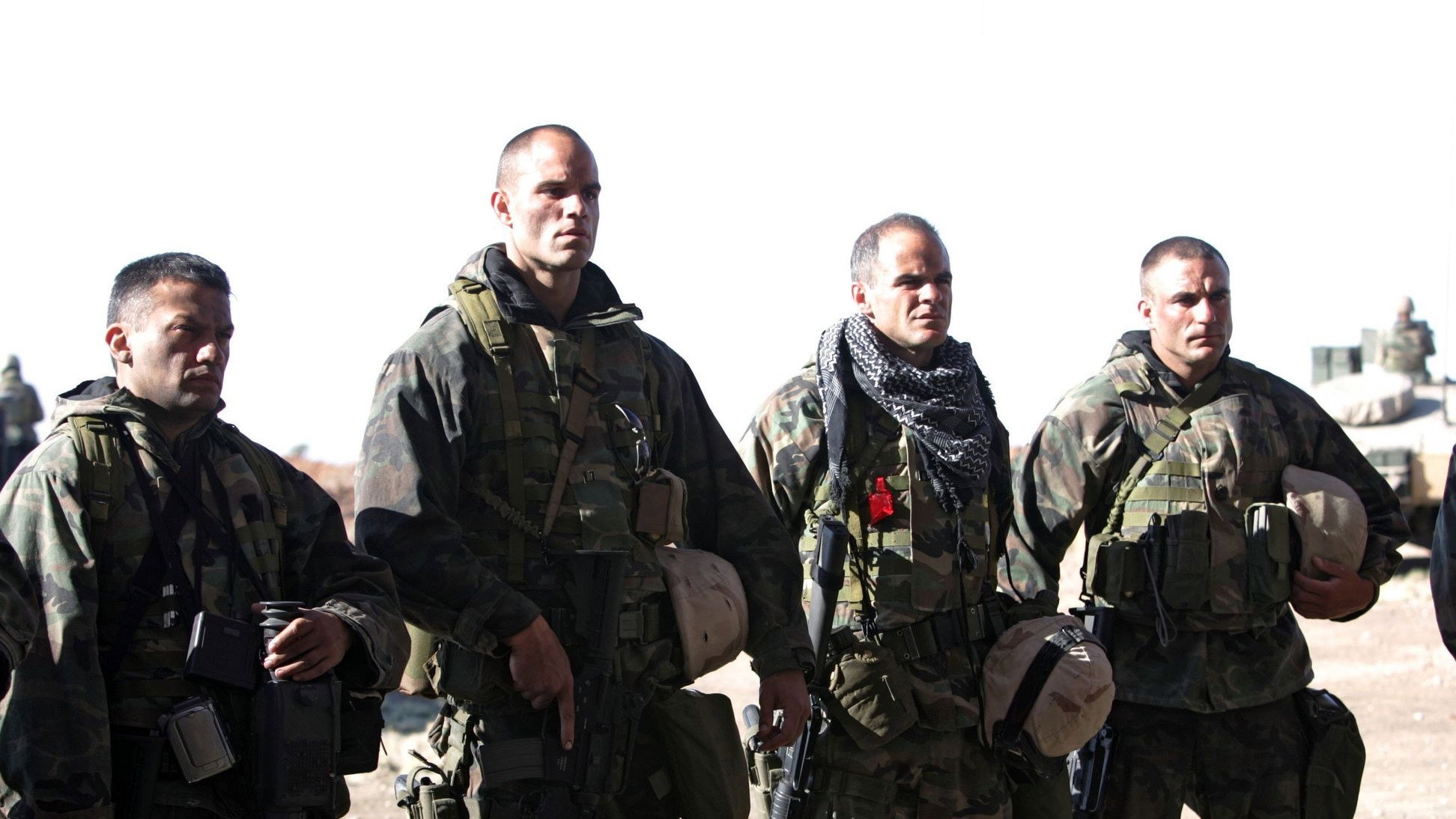
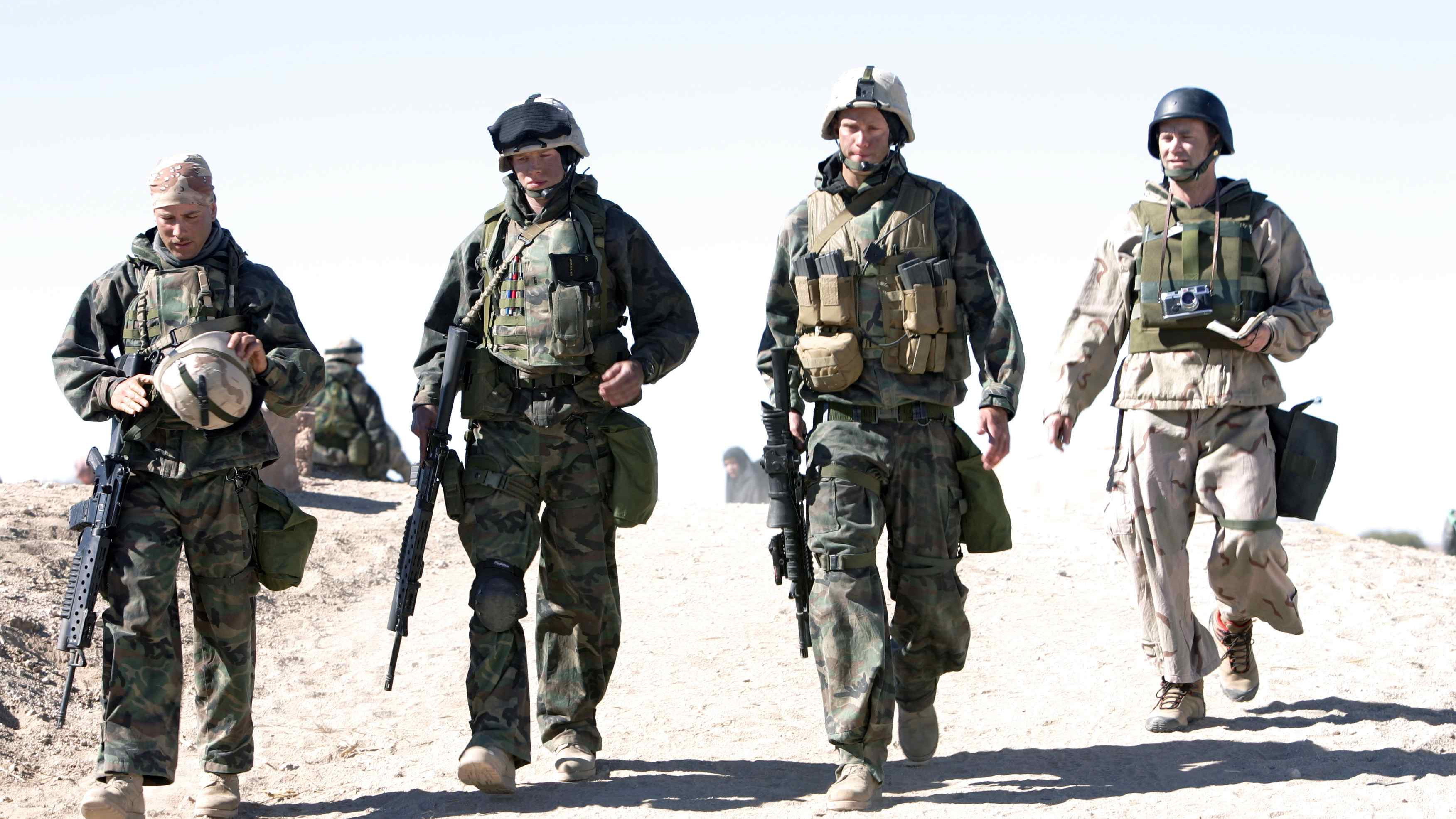
During the early invasion of Iraq, a group of US Marines moves through the confusion of a war whose daily business includes waiting, talking and trying to understand what is happening around them. Brad Colbert (Alexander Skarsgård), Josh Ray Person (James Ransone) and Nathaniel Fick (Stark Sands) are among the men whose experiences the series follows. Lee Tergesen plays Evan Wright, whose book David Simon and Ed Burns adapt across seven episodes. The series stays close to the Marines, following their camaraderie, boredom and fear alongside the practical business of launching an invasion.

Plays from YouTube when you press play; nothing loads from them until then.

Fi1m review

David Simon and Ed Burns make the Marines’ boredom, banter and confusion into absorbing television. The dense military language can be exhausting, but the performances and attention to ordinary detail reward the effort.

Generation Kill is a war drama worth the effort it asks for: funny, troubling and unusually attentive to how soldiers pass the hours. David Simon and Ed Burns adapt Evan Wright’s book by keeping close to US Marines during the early invasion of Iraq. The talk is dense, the language filthy, and the ordinary business of getting through a day occupies much of our attention. There is little interest in making these men easy to like. The series gives us time to understand why they can bear one another.

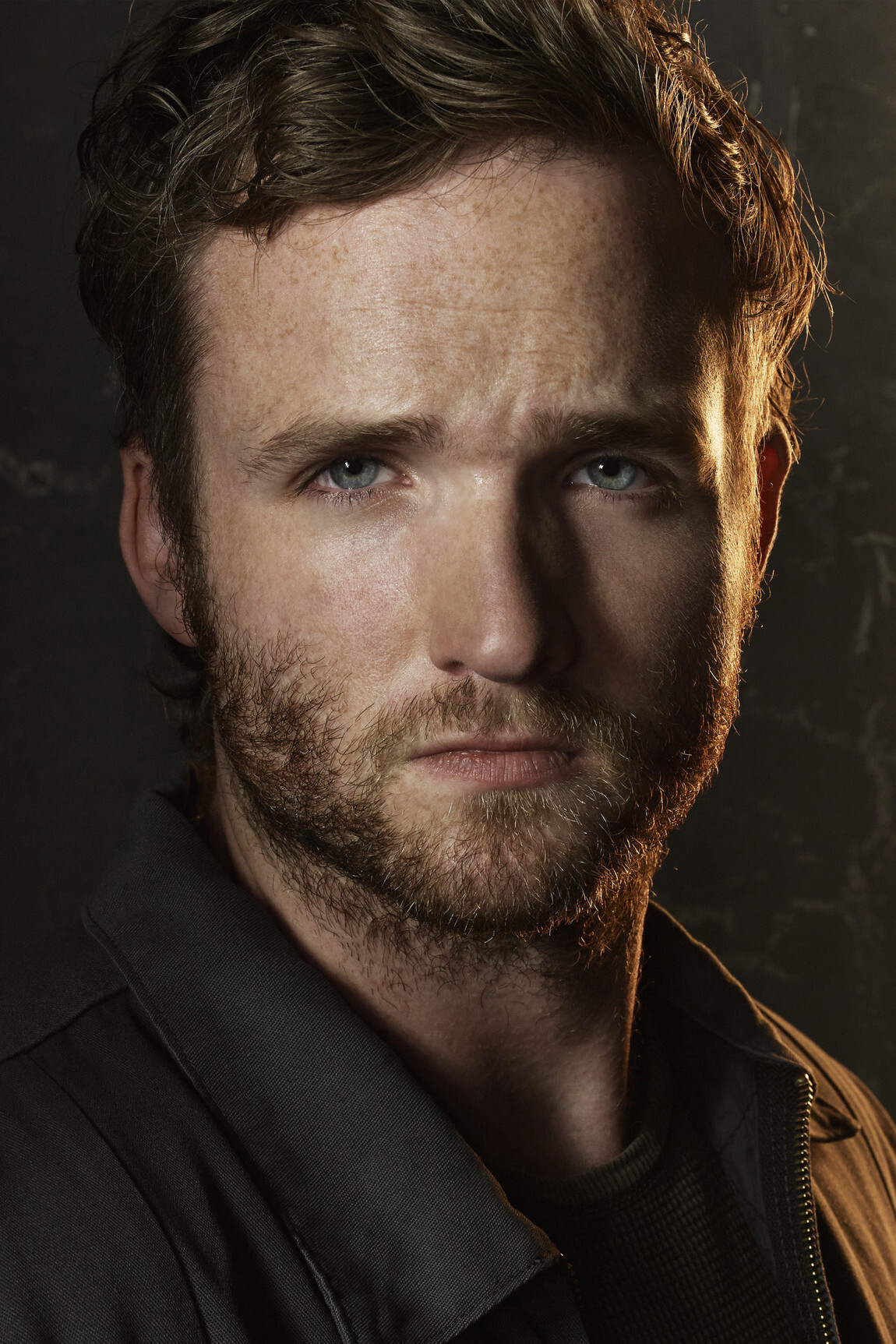
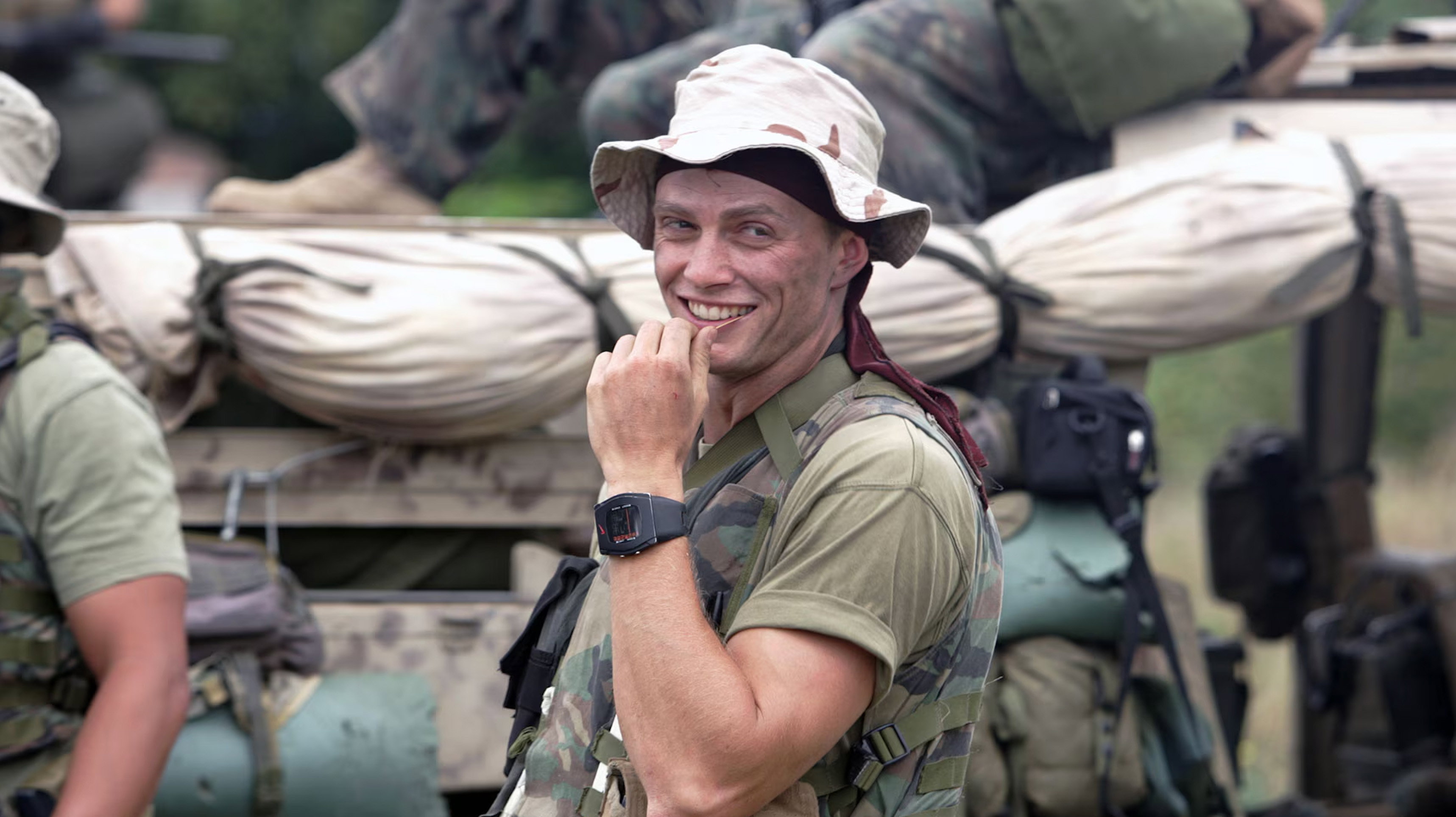
Alexander Skarsgård’s Brad Colbert is a useful centre for that crowded company. His restraint gives us someone to watch when the conversation threatens to swallow everyone in it. James Ransone, as Josh Ray Person, makes the profane talk funny without smoothing away its capacity to irritate. We laughed at the Marines’ banter, then felt uncomfortable with how quickly we had accepted its terms. Simon and Burns let the jokes establish the men’s closeness while leaving their ugliness audible.

Stark Sands gives Nathaniel Fick a seriousness that helps the quieter exchanges hold our attention. With so many voices competing, a performance that does not insist on being noticed matters. Directors Susanna White and Simon Cellan Jones allow camaraderie, boredom and fear to exist together without announcing a change of mood each time. Their handling of the ensemble makes the men feel accustomed to one another long before we are accustomed to them.

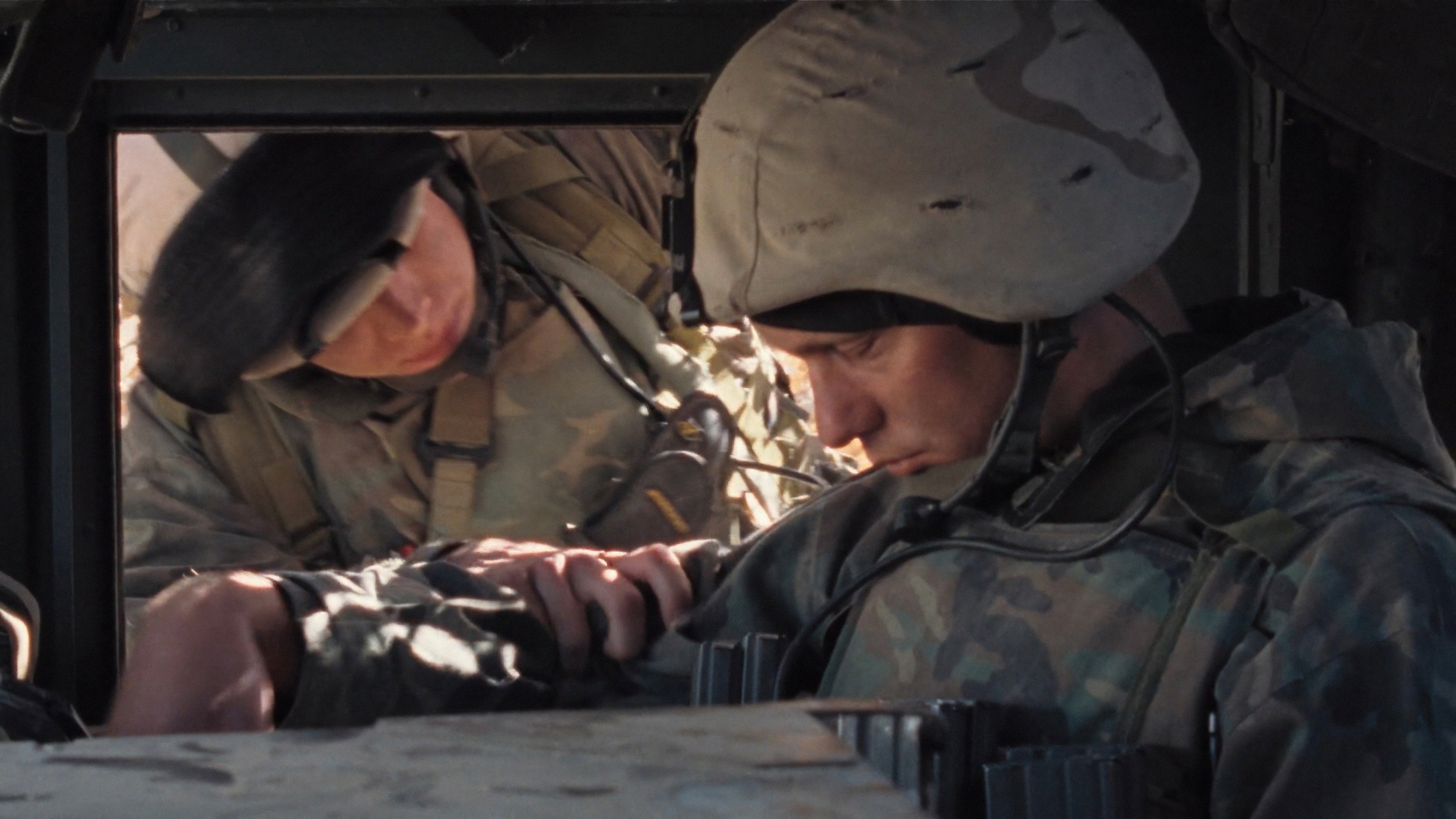
Ivan Strasburg’s cinematography maintains that closeness, giving the confusion a rough, immediate quality. It suits a story in which the men understand only part of what is happening around them. Rob Harris’s production design is persuasive in the mundane details, which have to withstand long stretches spent waiting and talking. The care here matters because the series keeps asking us to look at the ordinary business of soldiering, and makes few concessions to anyone waiting for the next burst of action.

That talk is also the chief obstacle. The military language demands concentration, and the sheer volume of it can make an exchange harder to follow than it needs to be. Editors Jason Krasucki and Oral Norrie Ottey give conversations room to develop, though some have made their point before the series is ready to leave them. Seven episodes allow us to become familiar with the men, but a few shorter exchanges would make the stretches of waiting less wearing.

As a war drama, it is strongest when the men’s dedication and their failings are equally apparent. Simon and Burns give them enough humanity for the ugly talk to remain uncomfortable, even once we understand why it binds the group together. That close attention does limit the view of the invasion, and anyone wanting a broader political account will need to look elsewhere. The confusion is hard to dismiss when we have spent so much time with the people caught in it.

This is demanding television, and we would not choose it for an evening of half-watching. Its humour depends on listening closely, and its account of fear becomes more affecting as the voices become familiar. Watch it when you can give it your attention, and keep the language out of the workplace.

Critical consensus AI synthesised

86
Positive
6
Mixed
0
Negative
0

The reviews are uniformly positive about Generation Kill, with praise centred on its close observation of Marines during the early Iraq invasion. Most critics value the attention to boredom, confusion and ordinary military routines, alongside the terror of combat; the soldiers emerge as recognisable people without being sentimentalised or glamorised. The profane dialogue and black humour draw repeated praise, while the performances, direction and realist visuals help make the chaos on the ground convincing.

The spread is narrow, with differences chiefly in enthusiasm rather than judgement. Reservations are limited: Empire acknowledges initial battle-weariness but finds that the dense dialogue and truthful portrayal reward attention, bringing laughs and sadness as well as exhilaration. The Times is also positive, though its assessment covers only the first episode, making its praise for the humour, visual realism and layered writing narrower in scope than a verdict on the whole series.

The AV Club
7 January 2009 · A · Noel Murray
95

The critic praises the miniseries as a nuanced, realistic depiction of the Iraq War that stands alongside the greatest long-form works, highlighting its intimate portrayal of the Marines and attention to mundane details amid the chaos.

Read the full review →
The Hollywood Reporter
9 July 2008
90*

The review calls the seven-part miniseries unsettling, distinctive, and riveting, capturing the surreal nuts and bolts of launching a war through strong performances and direction by Susanna White and Simon Cellan Jones. It singles out the realistic portrayal of camaraderie, confusion, boredom, and terror among the Marines, along with its political neutrality.

Read the full review →
The Times
26 January 2009 · Andrew Billen
85*

The critic finds the first episode of Generation Kill funny, vivid and multilayered compared to another drama, noting its realist visuals and poetic, Scorsese-like dialogue that captures the marines' experiences and early betrayals in the Iraq invasion.

Read the full review →
Variety
9 July 2008 · Brian Lowry
85*

The critic praises the raw, gritty HBO miniseries as a strong follow-up to The Wire, faithfully adapting Evan Wright's book with impressive craftsmanship, dense dialogue, and a realistic fly-on-the-wall view of Marines in the early Iraq invasion. It highlights the chaotic confusion on the ground, the Marines' colorful banter, and the lack of sentimentality.

Read the full review →
Empire
27 February 2009 · Nev Pierce
80*

The critic finds the dense, dialogue-heavy series essential viewing despite initial battle-weariness, delivering exhilaration, truth, laughs, and sadness through its truthful depiction of Marines' experiences. It praises the authentic military argot, black humor, and nuanced portrayal of the soldiers as dedicated yet flawed.

Read the full review →
The Guardian
24 January 2009
80*

The critic praises the series as a state-of-the-art portrait of young US Marines in the Iraq war, adapted by The Wire creators David Simon and Ed Burns from Evan Wright's book. It highlights the authentic, profane dialogue and the human portrayal of the soldiers without glamorizing them.

Read the full review →

Cast

Stills

Awards

Primetime Emmy Awards, 2009

Nominated
Outstanding Casting for a Miniseries, Movie, or a Special
Nominated
Outstanding Cinematography for a Miniseries or Movie
Nominated
Outstanding Directing for a Limited Series, Movie, or Dramatic Special
Nominated
Outstanding Limited Miniseries

TCA Award for Outstanding Achievement in Movies, Miniseries and Specials, 2009

Nominated
TCA Award for Outstanding Achievement in Movies, Miniseries and Specials

If you liked this, try…

The Wire poster

The Wire

2002 · Another patient ensemble drama about people working inside institutions that repeatedly fail them

Das Boot poster

Das Boot

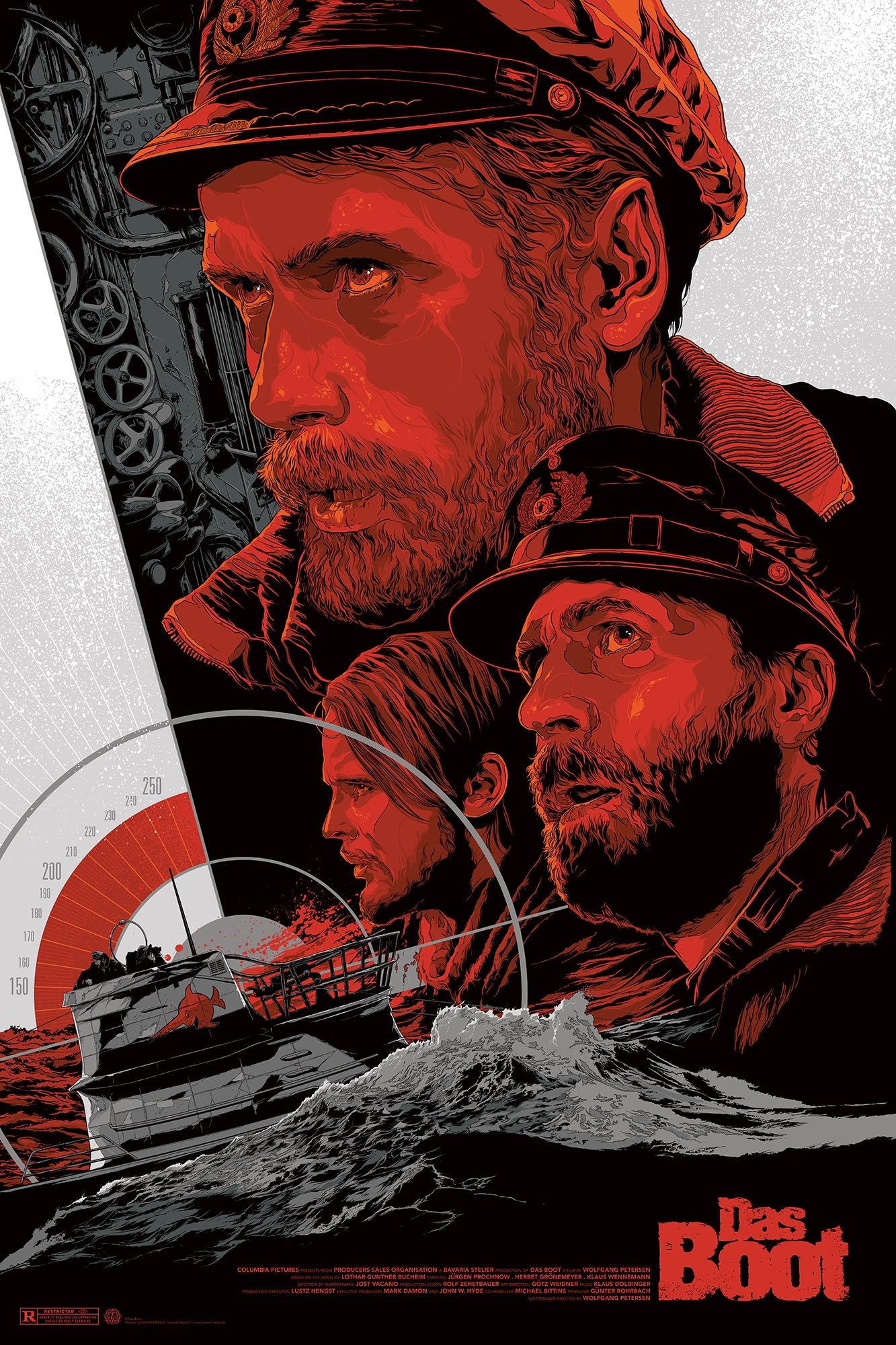
1981 · More confined military company, where boredom makes the next alarm harder to bear

The Battle of Algiers poster93

The Battle of Algiers

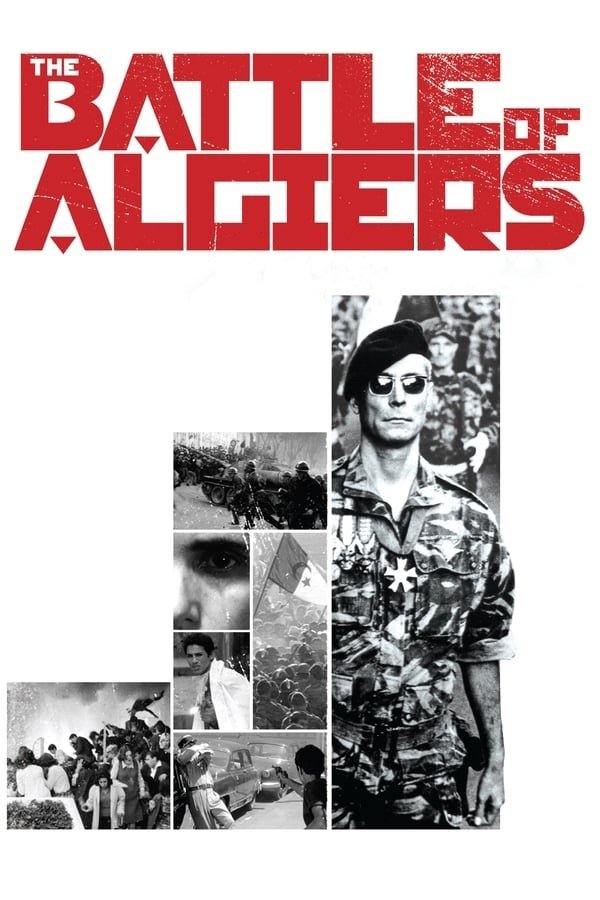
1966 · An unsentimental account of conflict that brings civilians and occupation into view

No Man's Land poster

No Man's Land

2001 · Military absurdity and bitter humour, with little room for anyone to escape

Paths of Glory poster

Paths of Glory

1957 · A harsher look at military hierarchy, with little patience for official excuses