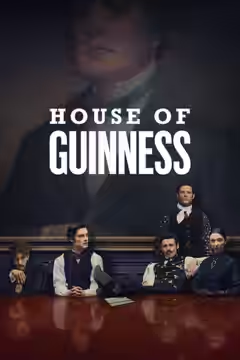
The cast makes the Guinness family’s scheming worth following, and the period spectacle has energy. We recommend it for the performances, with patience required for uneven pacing and limited interest in the politics surrounding them.
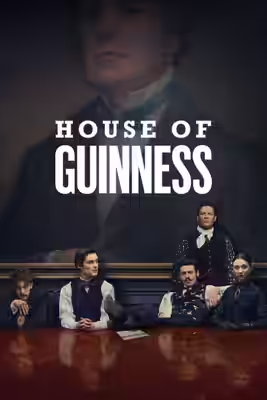
House of Guinness is an entertaining family saga with enough good acting to carry it through its less convincing stretches. Steven Knight takes a brewing dynasty, a dead patriarch and a set of unhappy adult children, then gives their quarrels the pace and swagger of a crime drama. The eight-episode first series has little interest in being decorous simply because its characters wear period clothes. That is mostly to its advantage. The trouble comes when the same hurry keeps people and politics simpler than they ought to be.
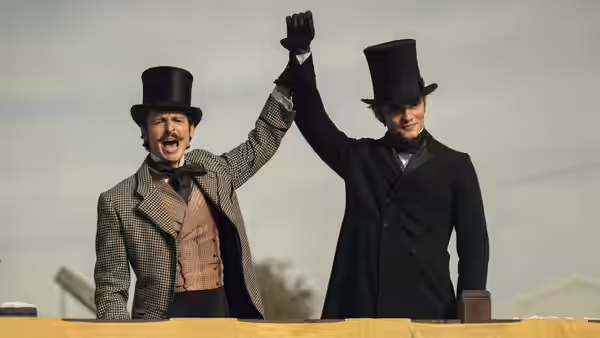
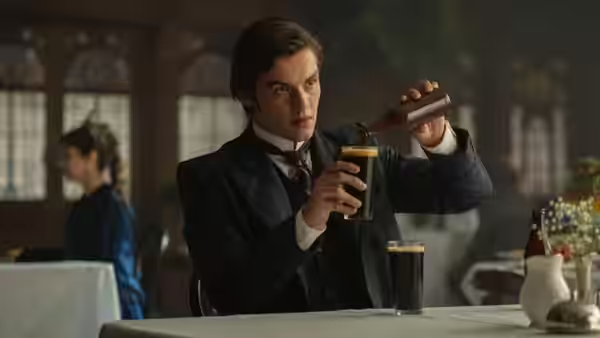
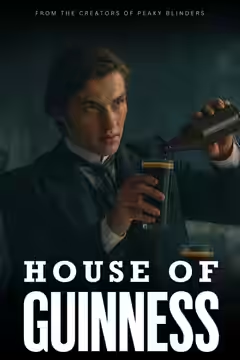
Anthony Boyle’s Arthur and Emily Fairn’s Anne provide much of the reason to stay. Both make the family’s private unhappiness matter, rather than treating it as another complication to be dealt with before the next scandal. We felt for them more than we expected, because their performances make the personal hurt behind the scheming credible. With Louis Partridge as Edward and Fionn O’Shea as Benjamin, there is enough contrast among the siblings to keep the family scenes from becoming a procession of interchangeable grievances.
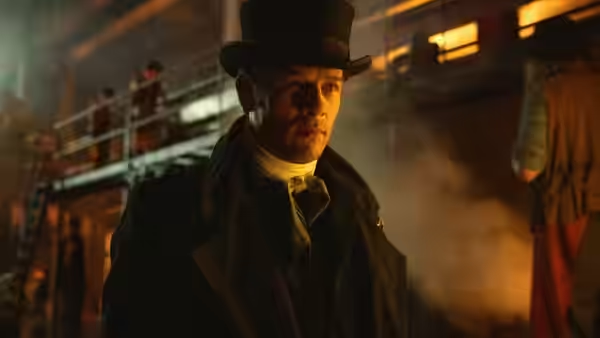
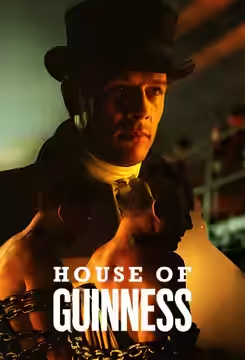
James Norton, as Sean Rafferty, supplies a more immediate pleasure. His combination of charm and threat makes familiar material feel less predictable, and he understands how much entertainment there is in leaving a character’s decency in doubt. He can also make the surrounding drama seem a little too well behaved. The cast is strong, but Knight has spread our attention widely enough that no single character quite becomes indispensable.
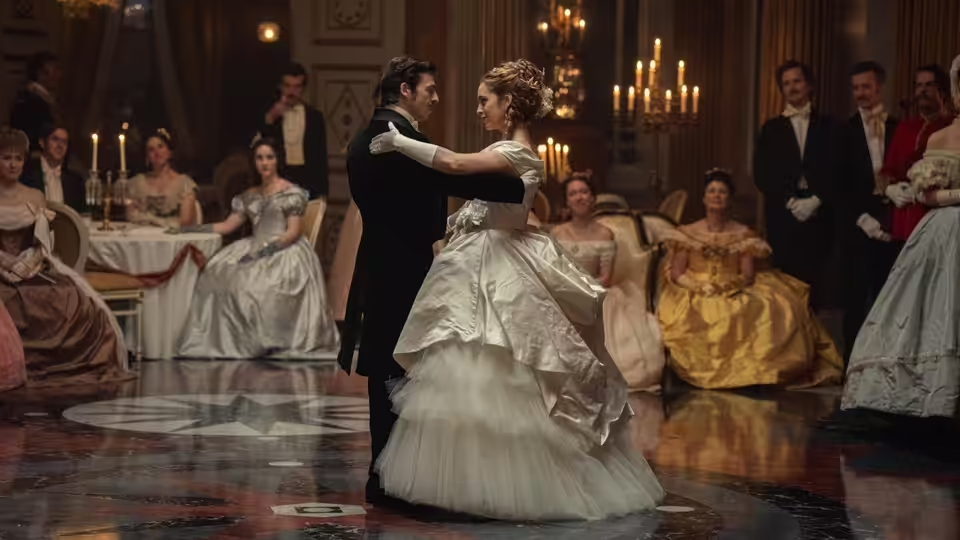
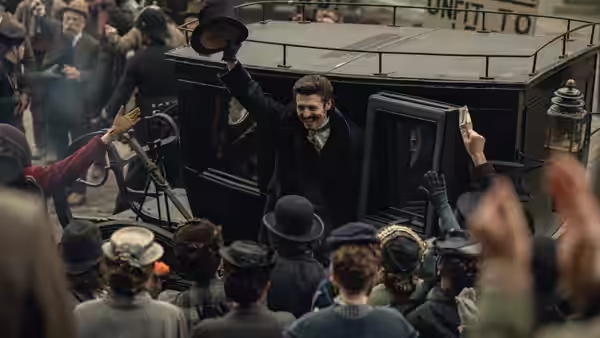
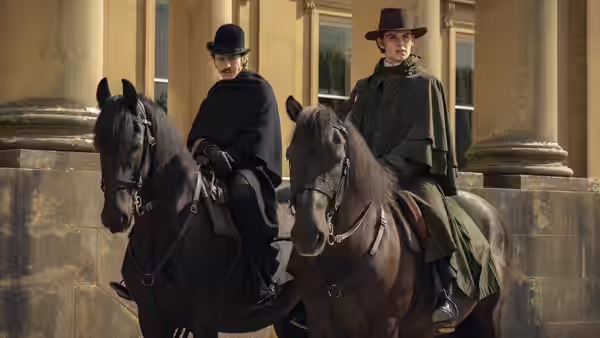
Cinematographers Nicolai Brüel and Joe Saade favour a polished, emphatic look that suits the series’ appetite for display. Richard Bullock’s production design makes wealth an immediately readable part of the story, while Edward K. Gibbon’s costumes help the family look worth watching even when they are behaving badly. The visual confidence is enjoyable in itself. It also carries a risk: these people can look more interesting than the writing makes them. The clothes and surroundings remain a pleasure during the slower stretches.
Ilan Eshkeri’s music helps keep the drama brisk, and the modern-song soundtrack makes the period setting feel deliberately unruly. That choice works; solemn music would only make these quarrels more self-important. Editors Sarah Peczek, Ben Yeates, Malcolm Crowe and Vicky Tooms generally keep the competing stories moving clearly, though the time jumps can make the development between events feel hurried. In the back half, the rhythm grows less reliable. Important shifts need more room, while other stretches take longer than their dramatic interest warrants.
The larger reservation concerns the Ireland around the family. Political tensions are present, but the series is much more interested in private scandal than in examining how this dynasty’s position affects other lives. That is a legitimate choice for a family melodrama, though the occasional reach for greater seriousness exposes how little has been explored. Knight sometimes softens the characters when a less sympathetic account might have made their behaviour more interesting to watch.
The resemblance to Peaky Blinders is clear in the swagger, the modern music and the taste for morally doubtful company. This series has less drive, but the family relationships are engaging enough to keep us watching without a single dominant lead. We recommend it to viewers who like their family sagas busy, well dressed and full of trouble. Anyone chiefly interested in Irish history will need more than the Guinness household is offering.