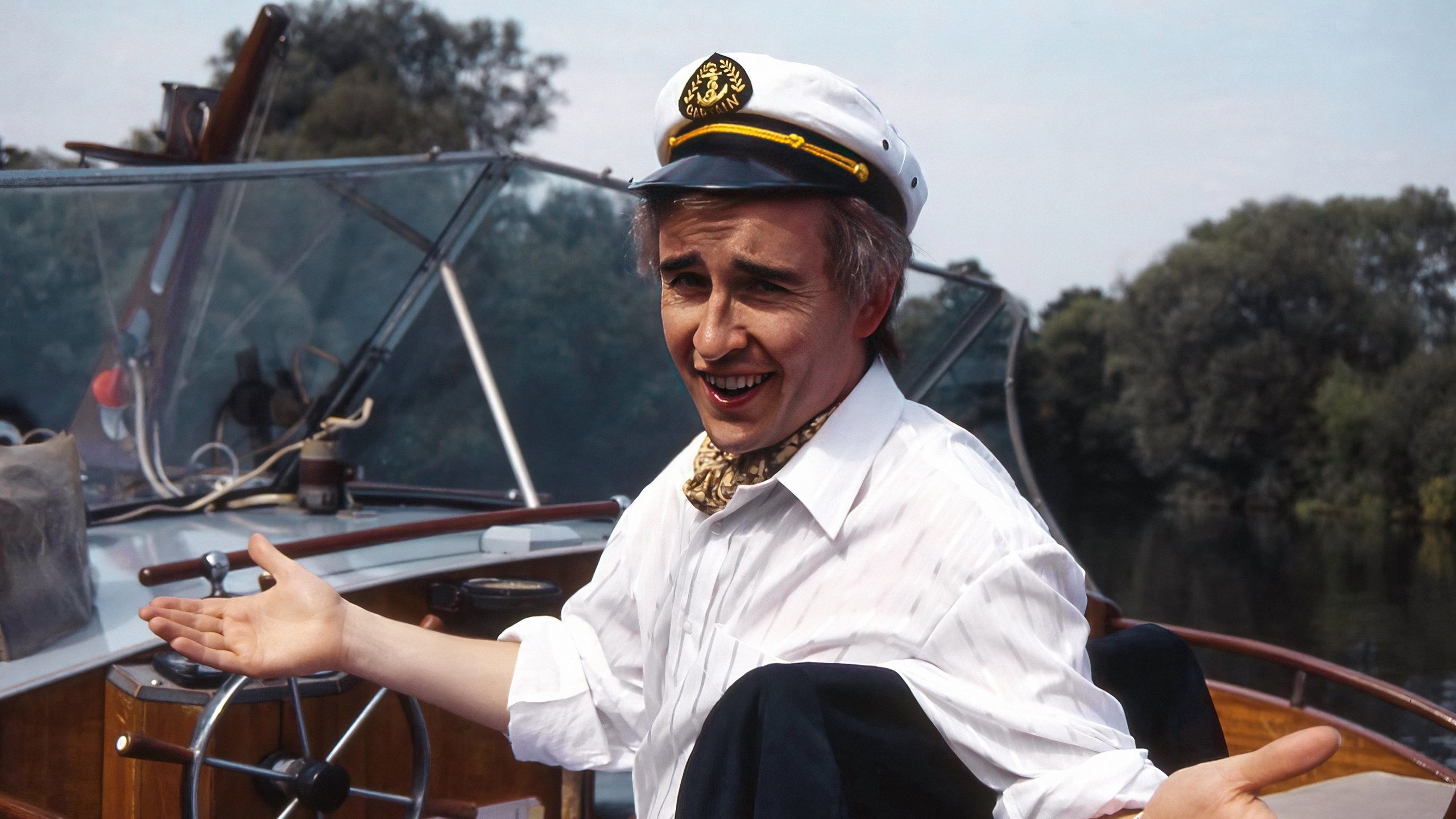
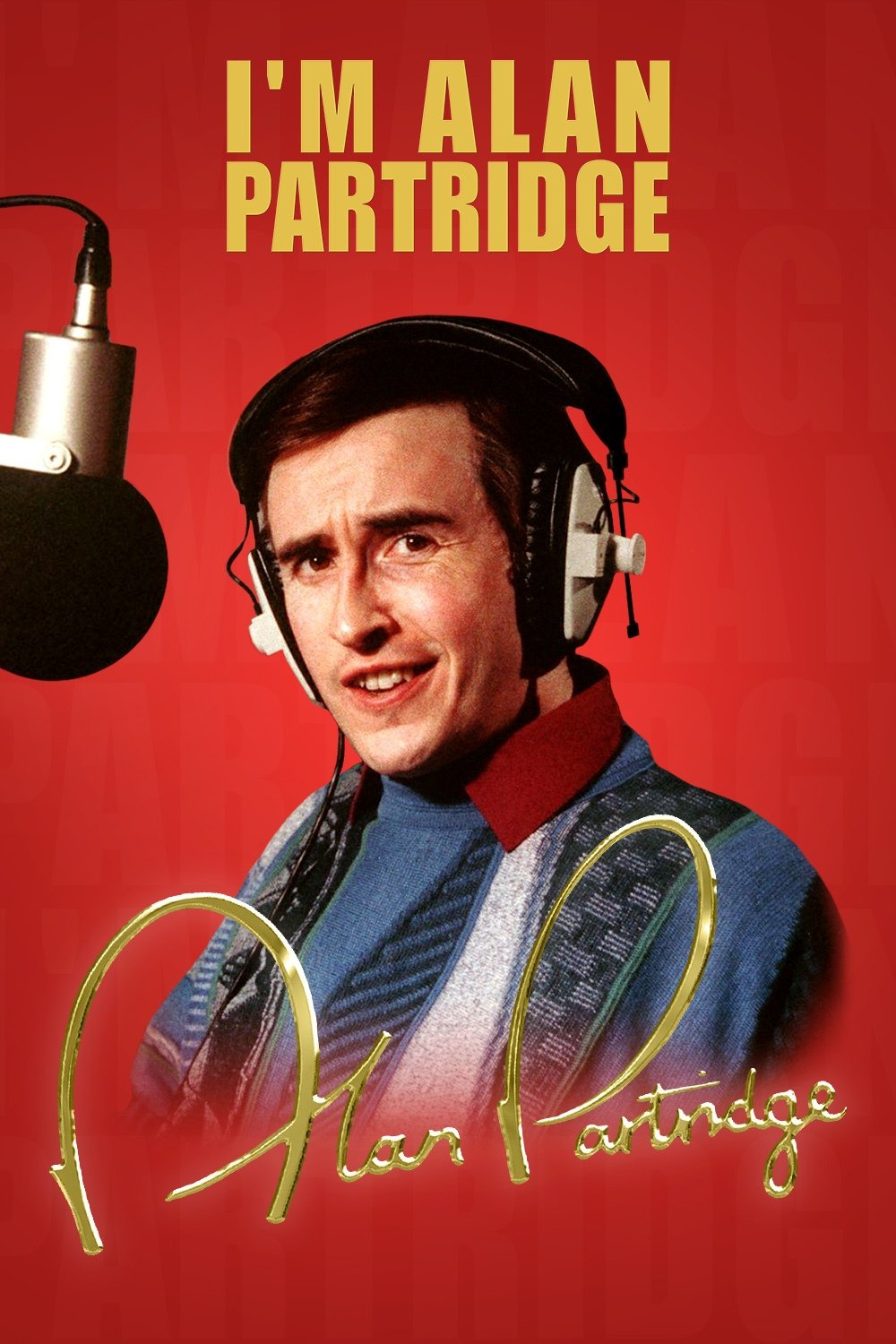
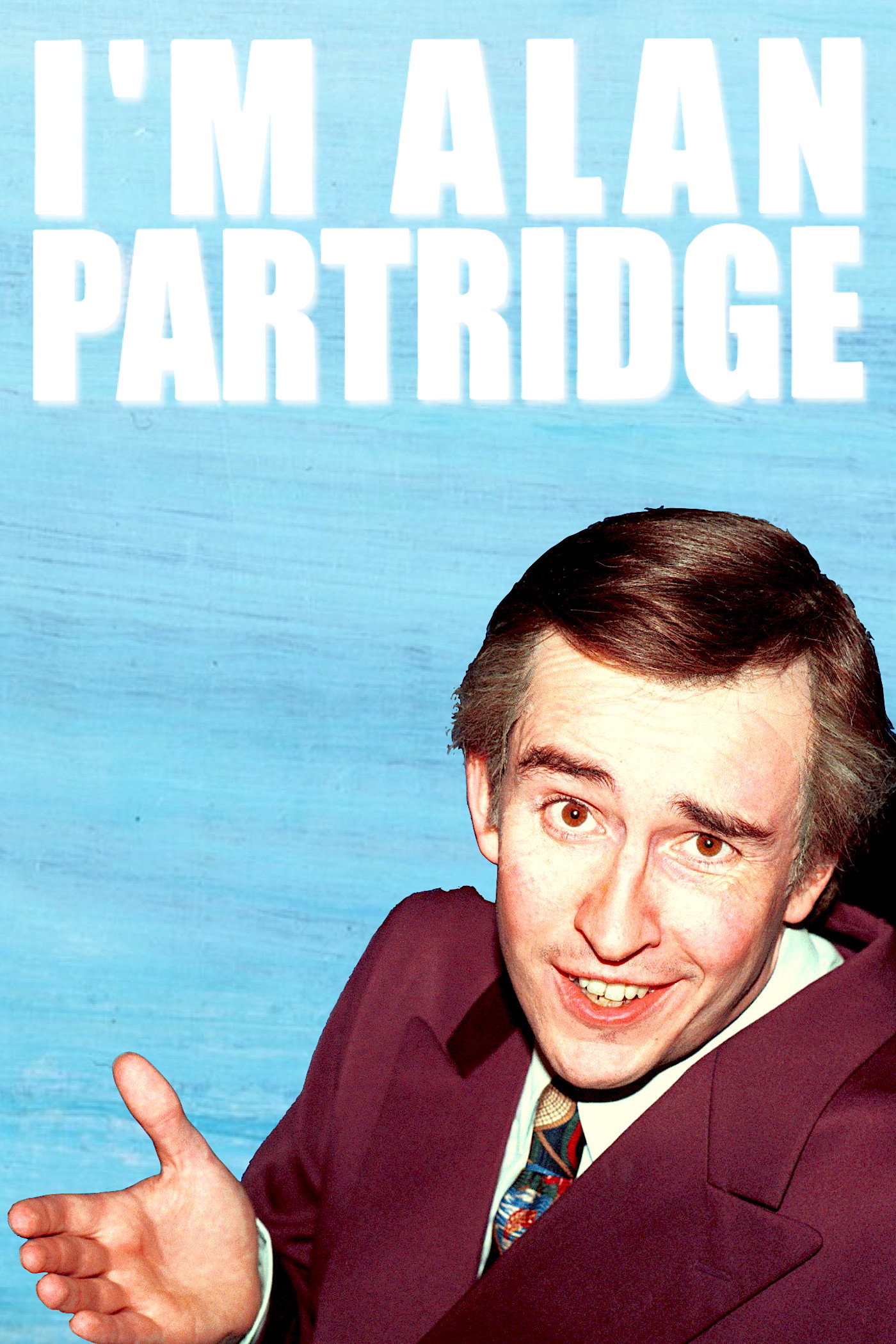
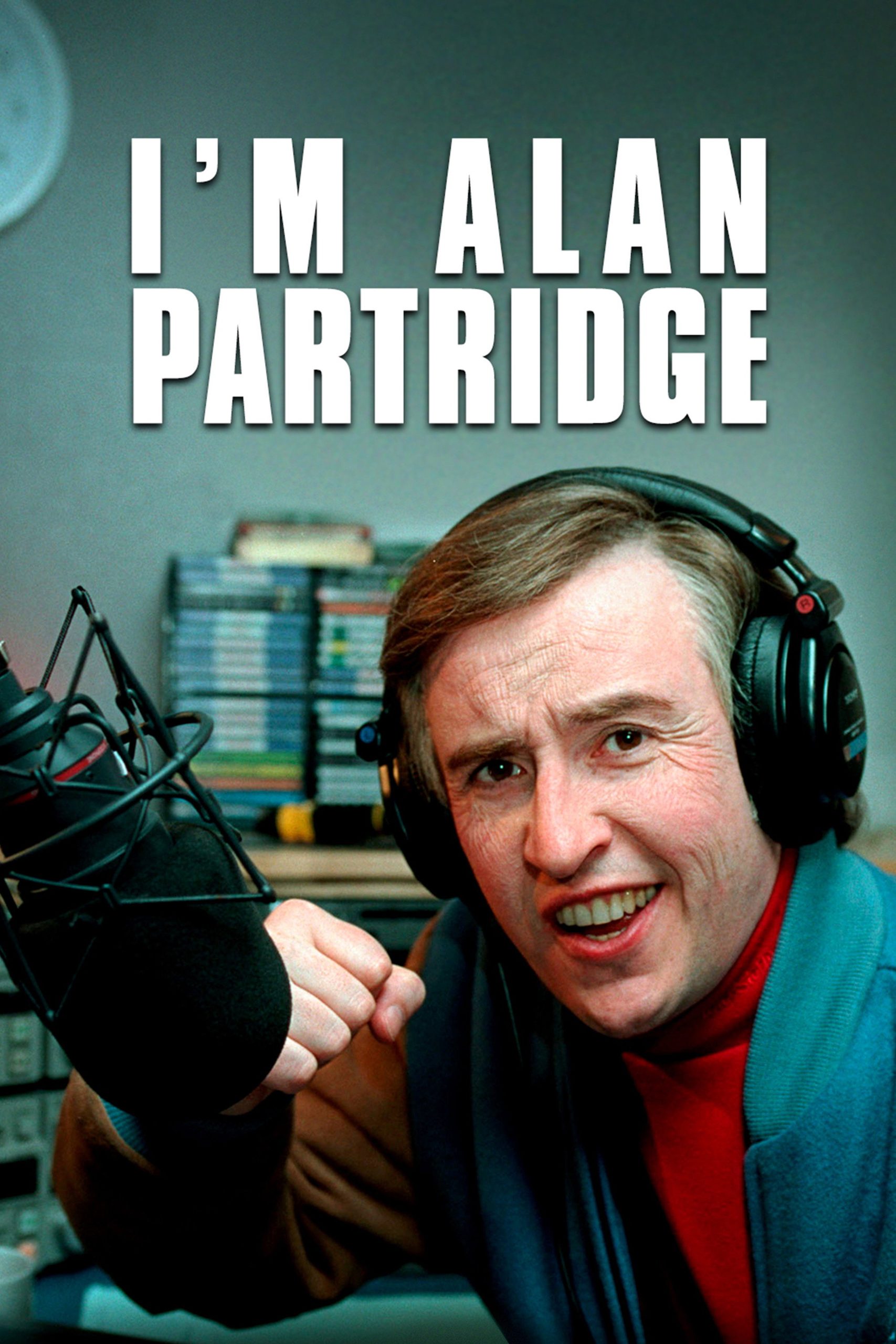
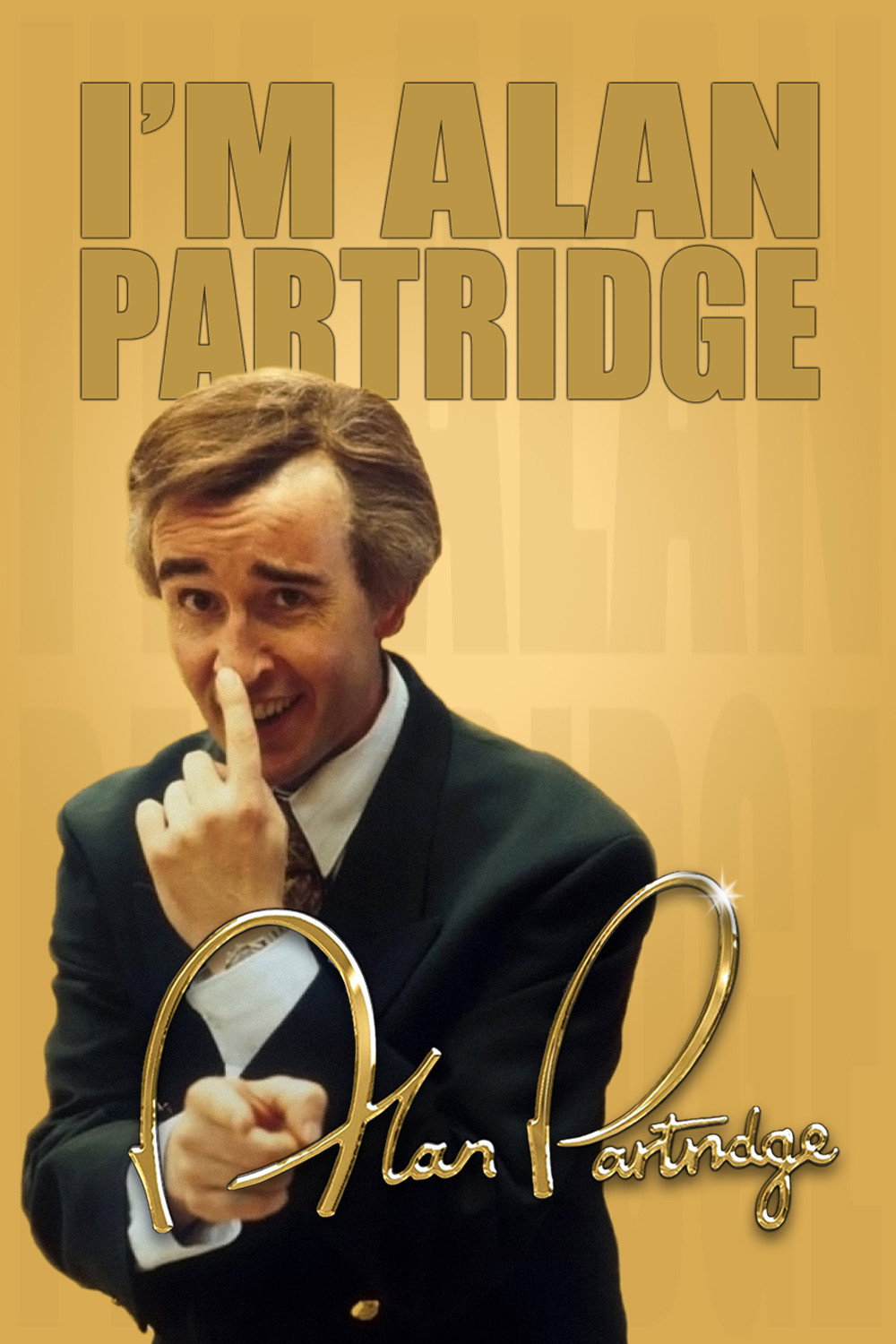
Coogan, Iannucci and Baynham take a man who has lost everything except his opinions and put him in a hotel outside Norwich. The first series is as funny as British television gets and sadder than it needs to be; the second is louder and lesser.
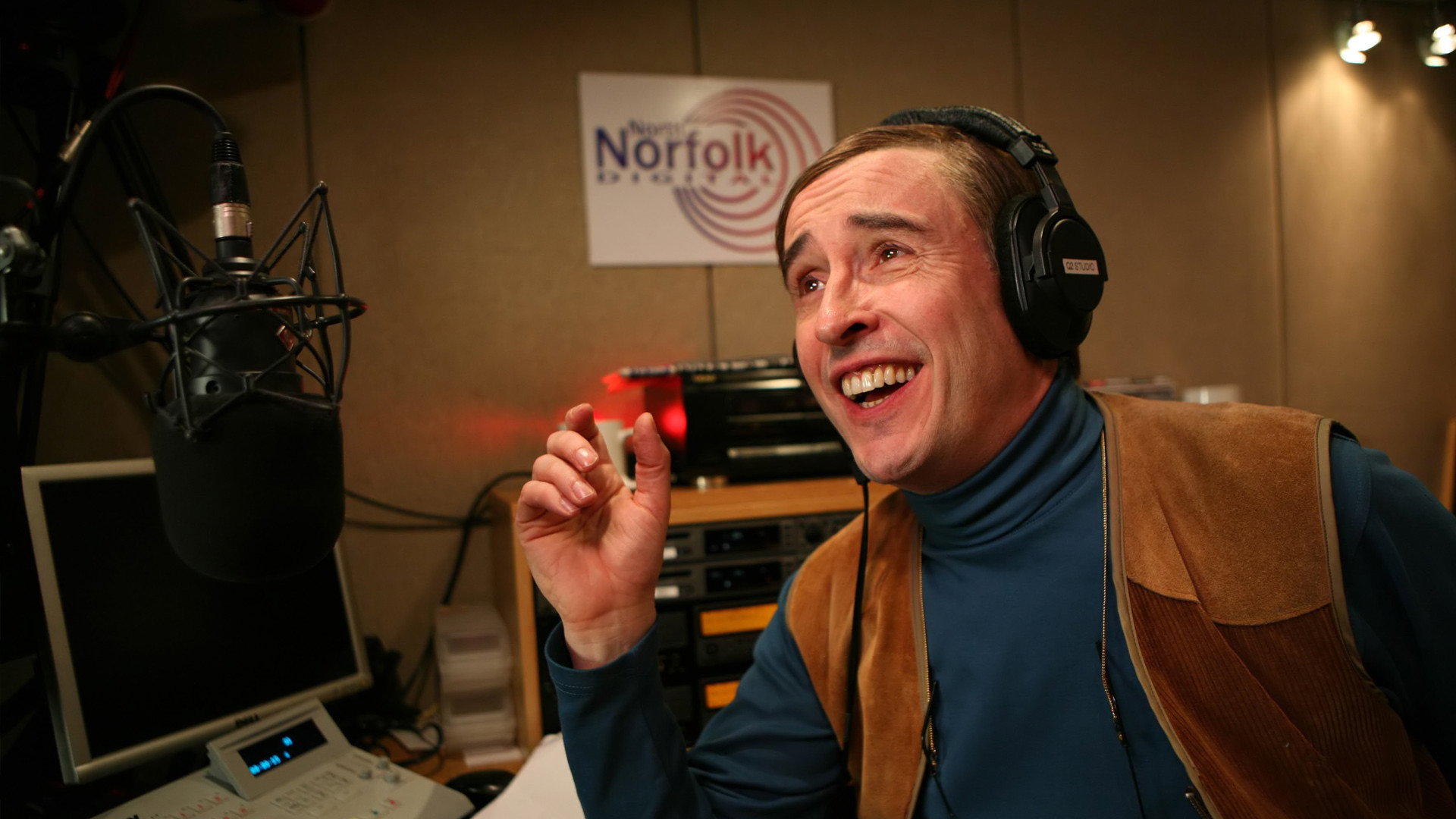
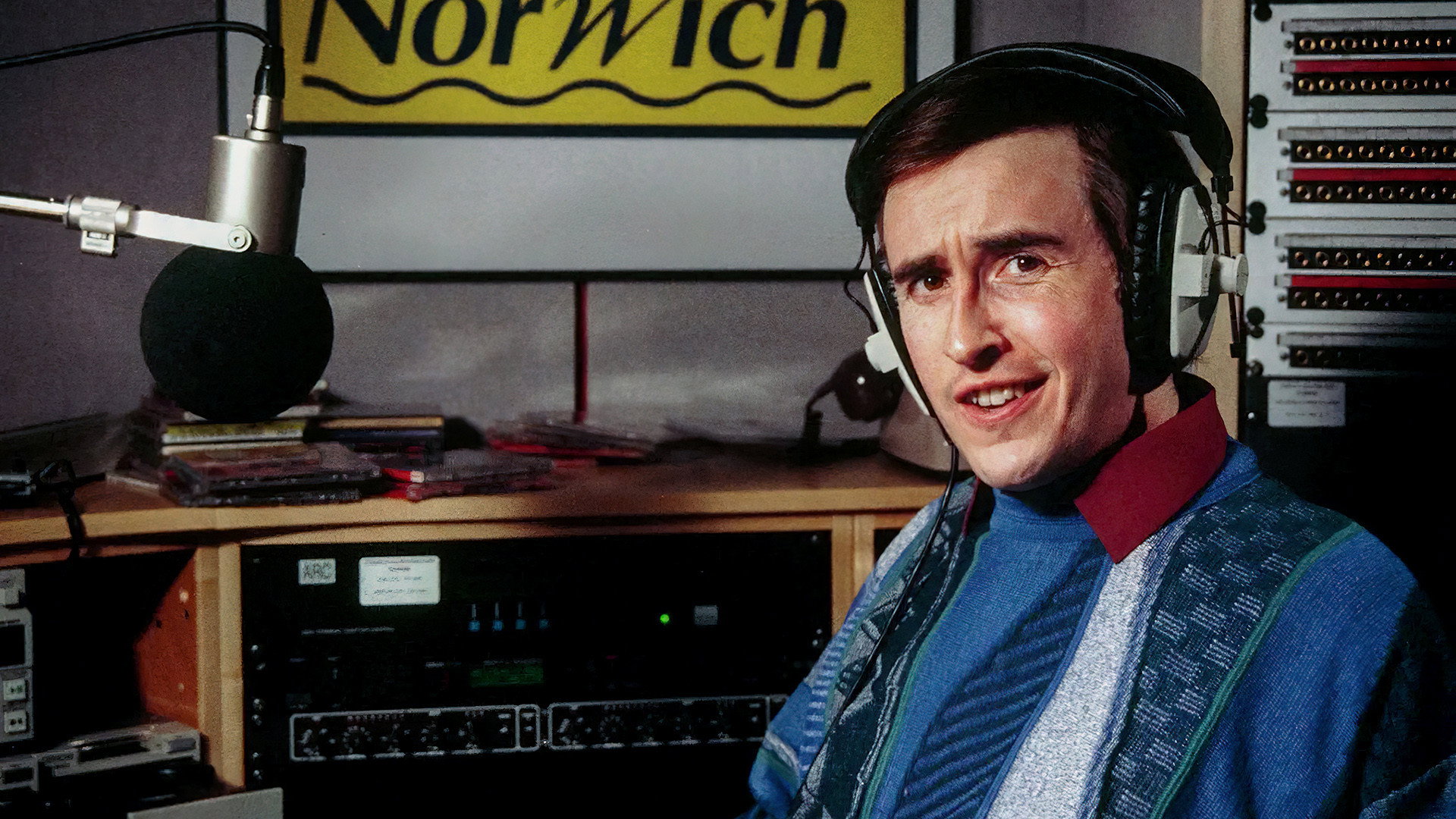
Alan Partridge had a chat show on the BBC, and by the time I’m Alan Partridge starts, first shown on 3 November 1997, he has lost the chat show, his wife and his house. Armando Iannucci, Peter Baynham and Steve Coogan put him in the Linton Travel Tavern, a roadside hotel he insists is equidistant between Norwich and London, and give him the small hours on Radio Norwich. Then they wait to see what a man like that does with a day. It is the best thing the character has been in, and one of the finest British sitcoms we know. We recommend it to anyone who can bear it, with a caveat about the second series.
Dennis De Groot’s Travel Tavern does a great deal of the work. The rooms are beige, the breakfast bar is beige, the corridors go on slightly too long, and there is nothing on any wall that anyone chose. Tristram Shapeero, Iannucci and Dominic Brigstocke shoot it flat and bright, like the hotel’s own brochure, and let Alan walk through it in a blazer as though it were a home. There is a studio audience laughing on the soundtrack, and once or twice it laughs at a moment we found too sad to laugh at. That is a note about the show, not the audience.
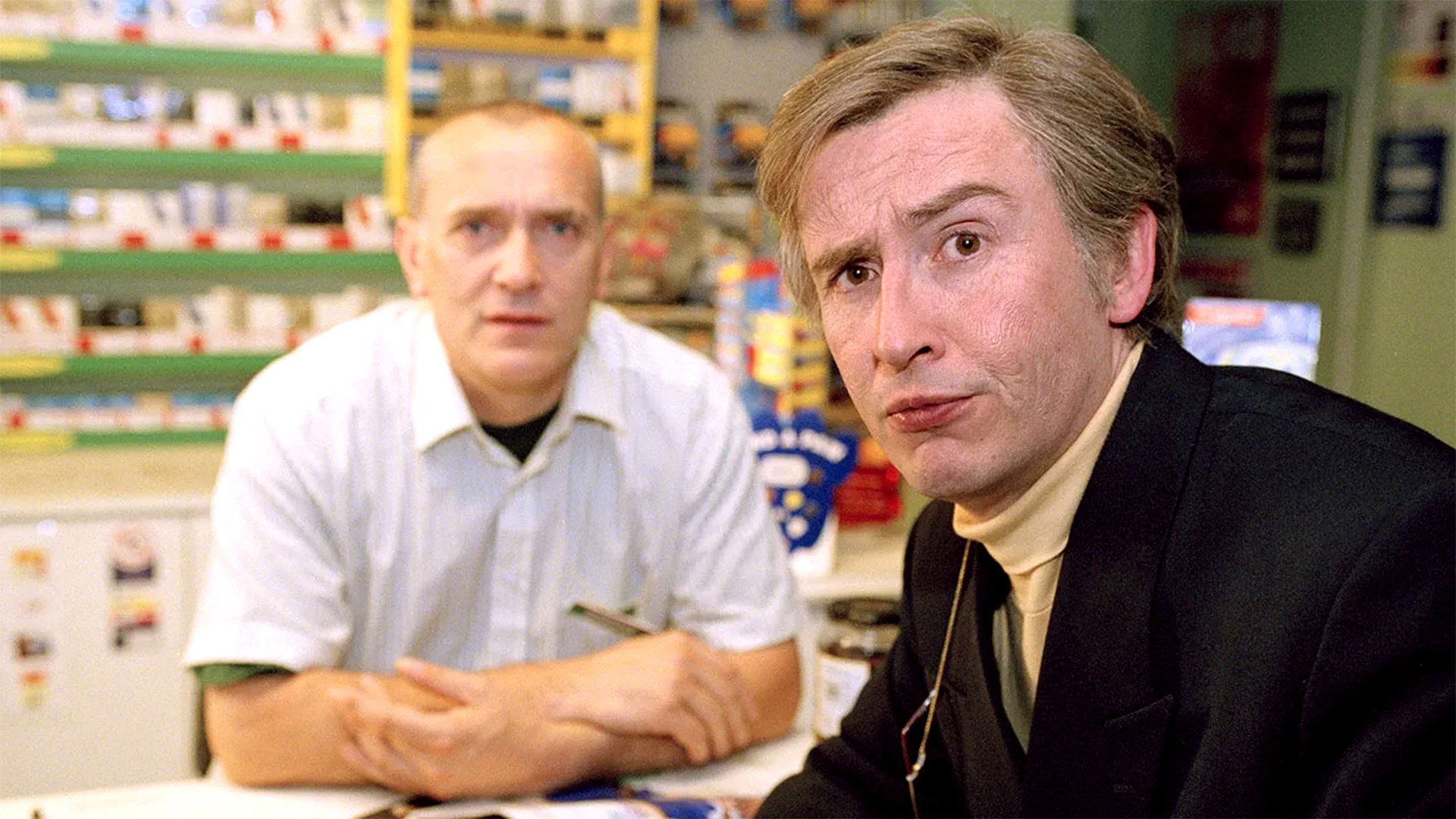
Coogan plays Alan at life size. He is not a monster; he is a man in a blazer who talks because silence would mean thinking. The lunch with Tony Hayers (David Schneider), the BBC commissioner, in the first episode is the scene everyone remembers, because Alan pitches a dozen programmes, one of them called Monkey Tennis, each worse than the last, and Coogan does it without a wink. We laughed until it hurt. Then the episode goes back to the hotel and Alan tells Lynn how it went, and we found we could not look at the screen. Coogan never asks for sympathy. He lets you watch the man decide, in real time, which version of the afternoon he is going to believe.
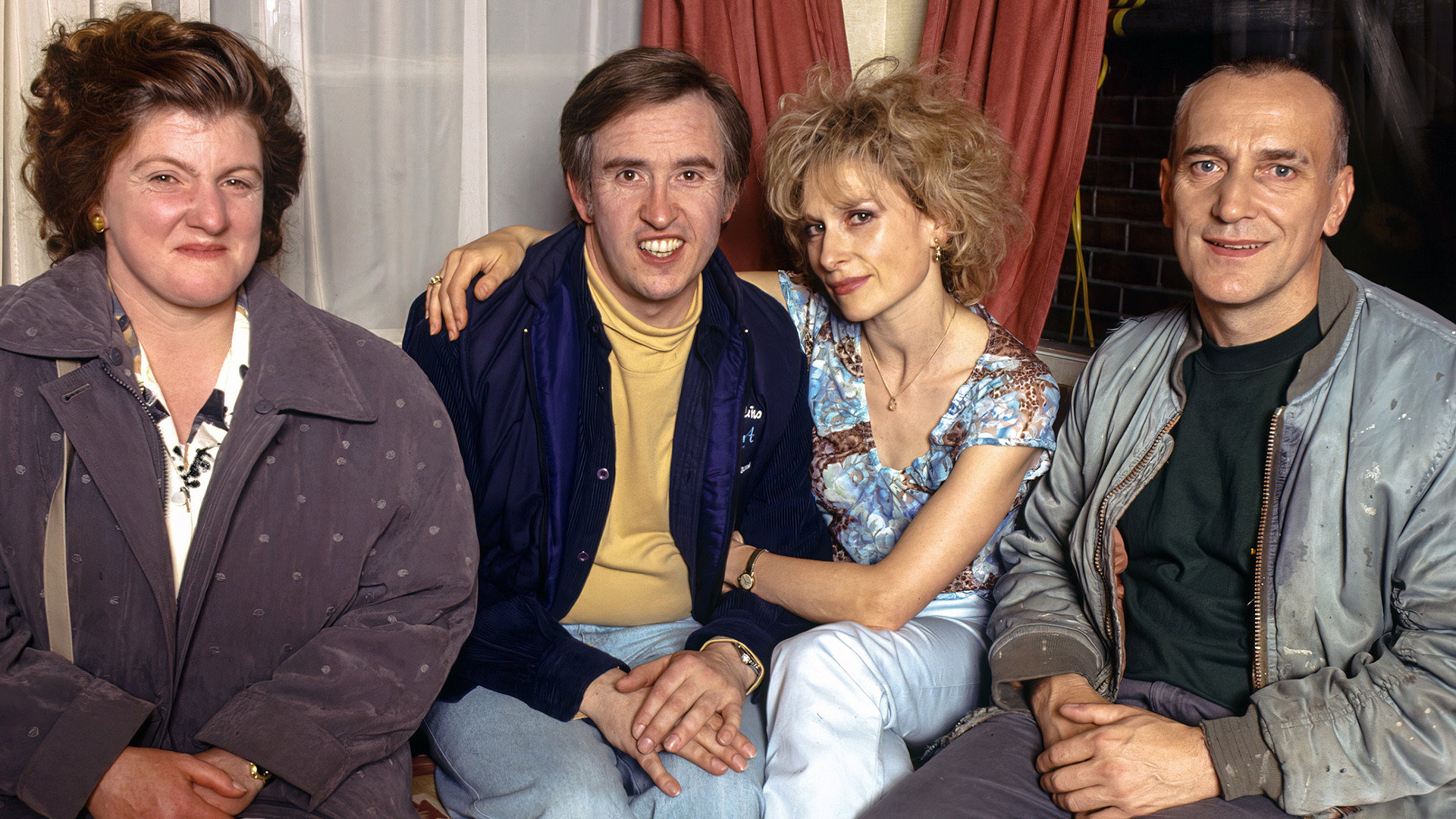
Felicity Montagu’s Lynn Benfield is the great supporting performance of the series, a woman who runs his diary, his errands and his moods, and is thanked for none of it. Montagu plays devotion as a kind of stubbornness, and she is funniest when she says nothing. Simon Greenall’s Michael, the Geordie handyman Alan cannot understand and will not admit he cannot understand, is the only person in the building who seems to like him. Sally Phillips’s Sophie laughs at him openly at reception; Barbara Durkin’s Susan, the manager, is polite in the way of someone counting the days to check-out; Phil Cornwell’s Dave Clifton takes the microphone from him each morning, and the handovers are small wars. Chris Morris turns up as a farmers’ spokesman, Peter Baxendale Thomas, and gives the series its most alarming phone call.
It is cruel, and the cruelty is the method. Each episode is built as a humiliation, and by the fourth you know the shape: Alan wants something small, overreaches, is found out. The writers are good enough that the shape does not tire across six episodes, but it is a shape, and watched in a run the episodes start to rhyme. The second series, made in 2002, moves Alan on from the hotel, gives him a girlfriend, Sonja (Amelia Bullmore), and is louder and broader. Bullmore is game, but Sonja is a joke about a person rather than a person, and Alan himself has become a man who knows he is being watched. The first series was funnier because he did not. Most critics we have read defend the second run more warmly than we do; the gap is not large.
Against Knowing Me, Knowing You, the chat-show parody that came before it, this is the leap. That was a joke about a format. This is a portrait, and the character has lived off it for decades since. The Partridge in this hotel is the version to start with.
Each episode runs 28 minutes. Watch one a night rather than six in a row. The laughter needs the gap, and so, we found, did we.