Series review

Legion

2017 · Created by Noah Hawley · Series · 50m · MPA TV-MA

In a sentenceA comic-book series in which the villain is inside the hero’s head and so, increasingly, is the plot

Action & AdventureSci-Fi & FantasyDrama

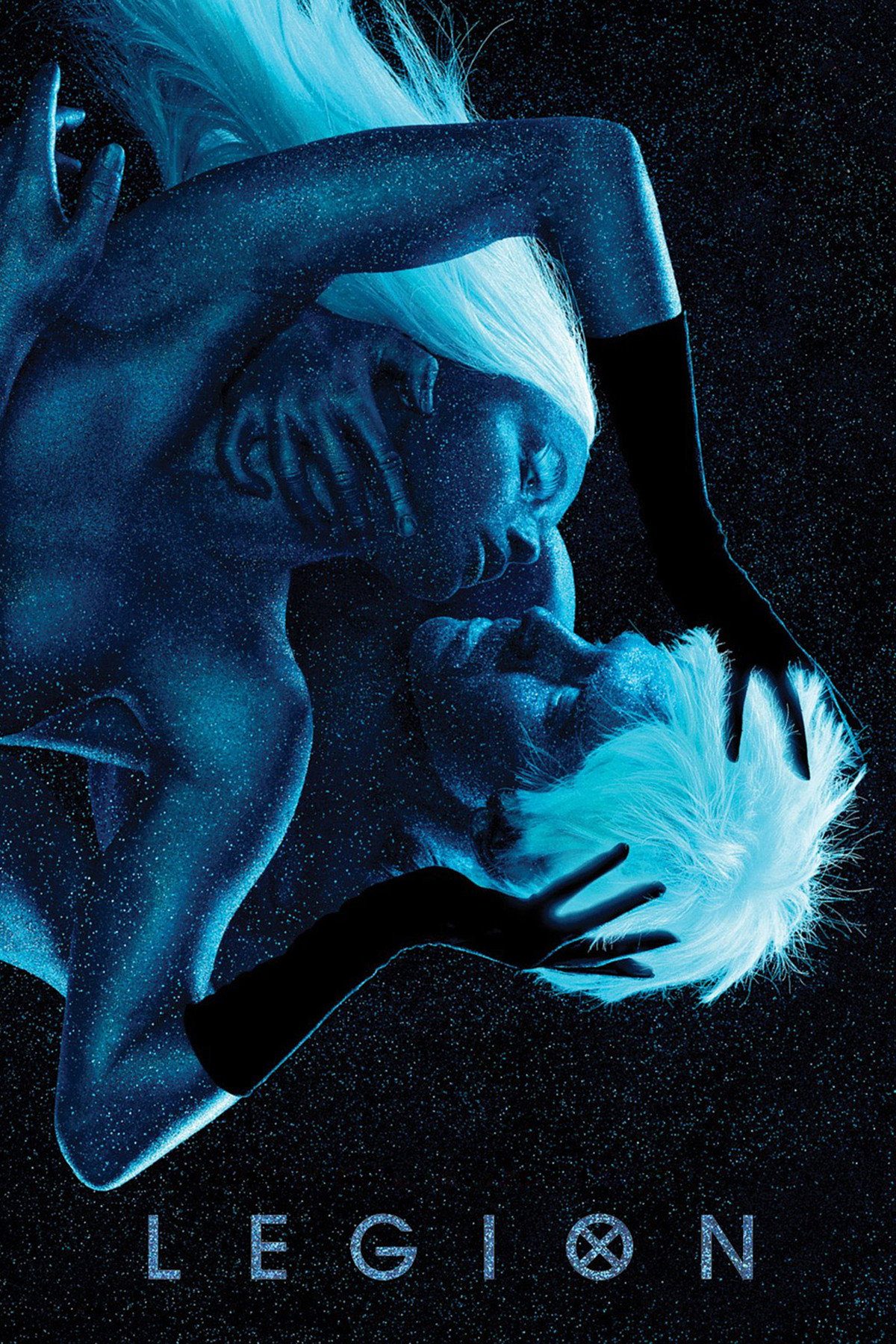
David Haller (Dan Stevens) has spent years in Clockworks, a psychiatric hospital, diagnosed schizophrenic and medicated daily, with only Lenny Busker (Aubrey Plaza) for company. A new patient arrives: Sydney ‘Syd’ Barrett (Rachel Keller), who will not let anyone touch her. David falls for her anyway, and when the two finally kiss, the hospital does not survive it. He wakes in the custody of a government agency whose interrogator, Clark Debussy (Hamish Linklater), wants to know what he is. Melanie Bird (Jean Smart), who runs a woodland retreat called Summerland for people with powers, wants him for something else. And somewhere in his head is a thing with yellow eyes, which has been there since he was a child.

Plays from YouTube when you press play; nothing loads from them until then.

Fi1m review

Noah Hawley’s X-Men series is the strangest thing anyone has made from a comic, and its first eight episodes are among the best television made from one. The nineteen that follow do not know when to stop. Watch the first run; decide for yourself after that.

David Haller (Dan Stevens) has spent years in a psychiatric hospital, told he is schizophrenic. The voices, the series says, are not only voices. Noah Hawley, who had already turned Fargo into a television series in 2014, takes a comic-book character almost nobody had heard of and builds three seasons around a man who cannot tell which of his memories happened. The first eight episodes are among the best television made from a comic. The nineteen that follow are longer, odder and less disciplined, and we would tell you to watch the first run and make up your own mind about the rest.

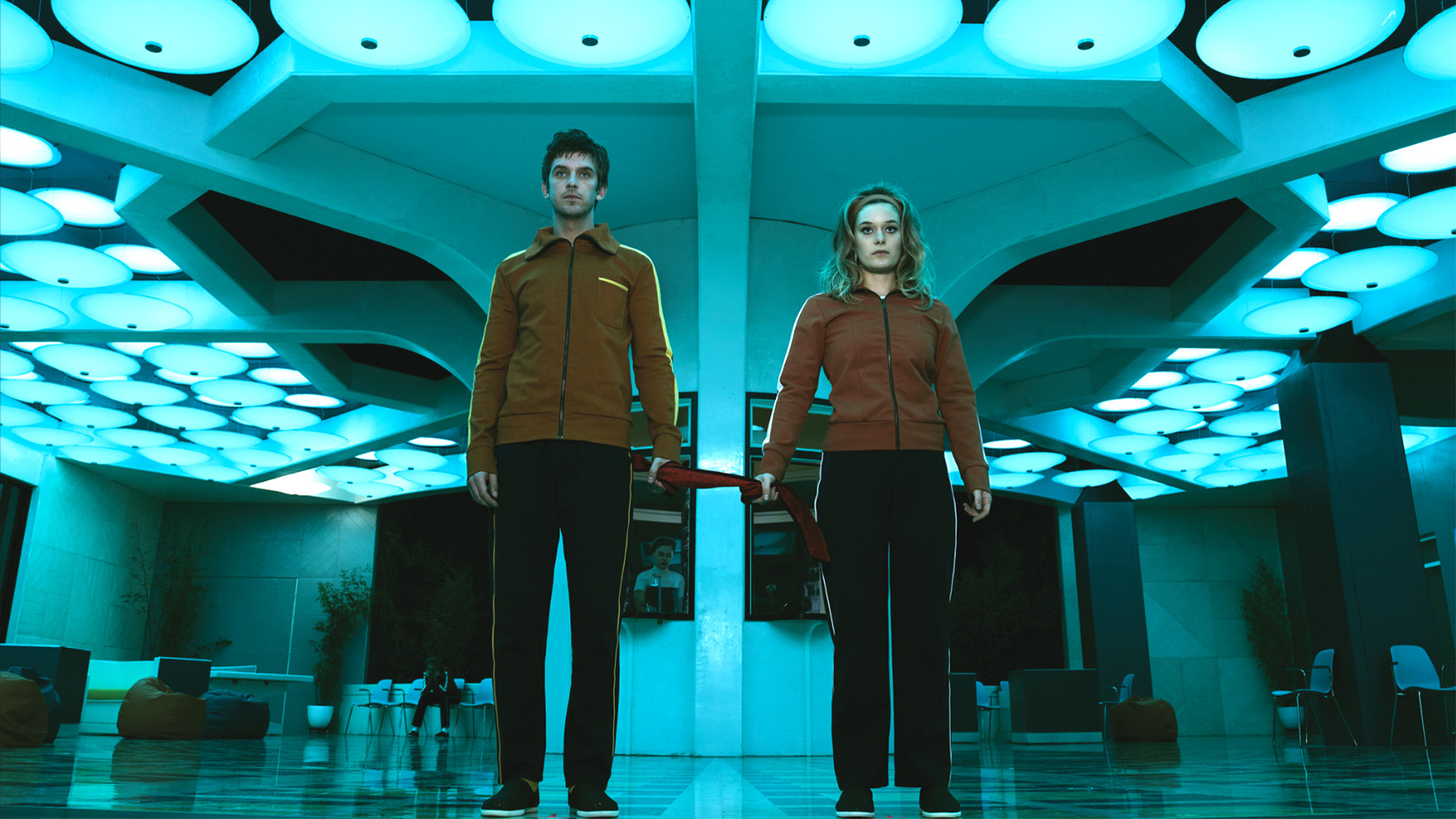
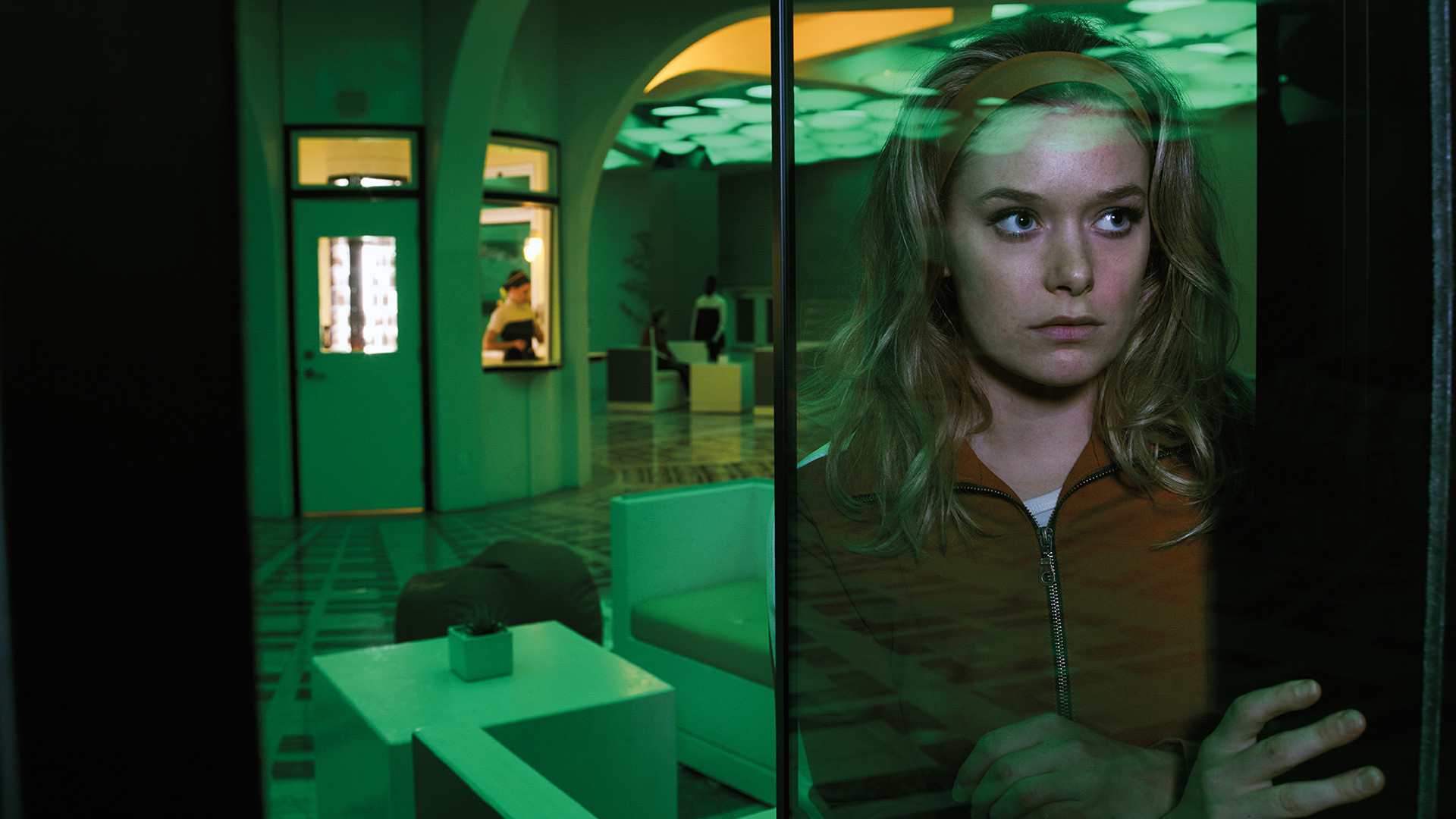
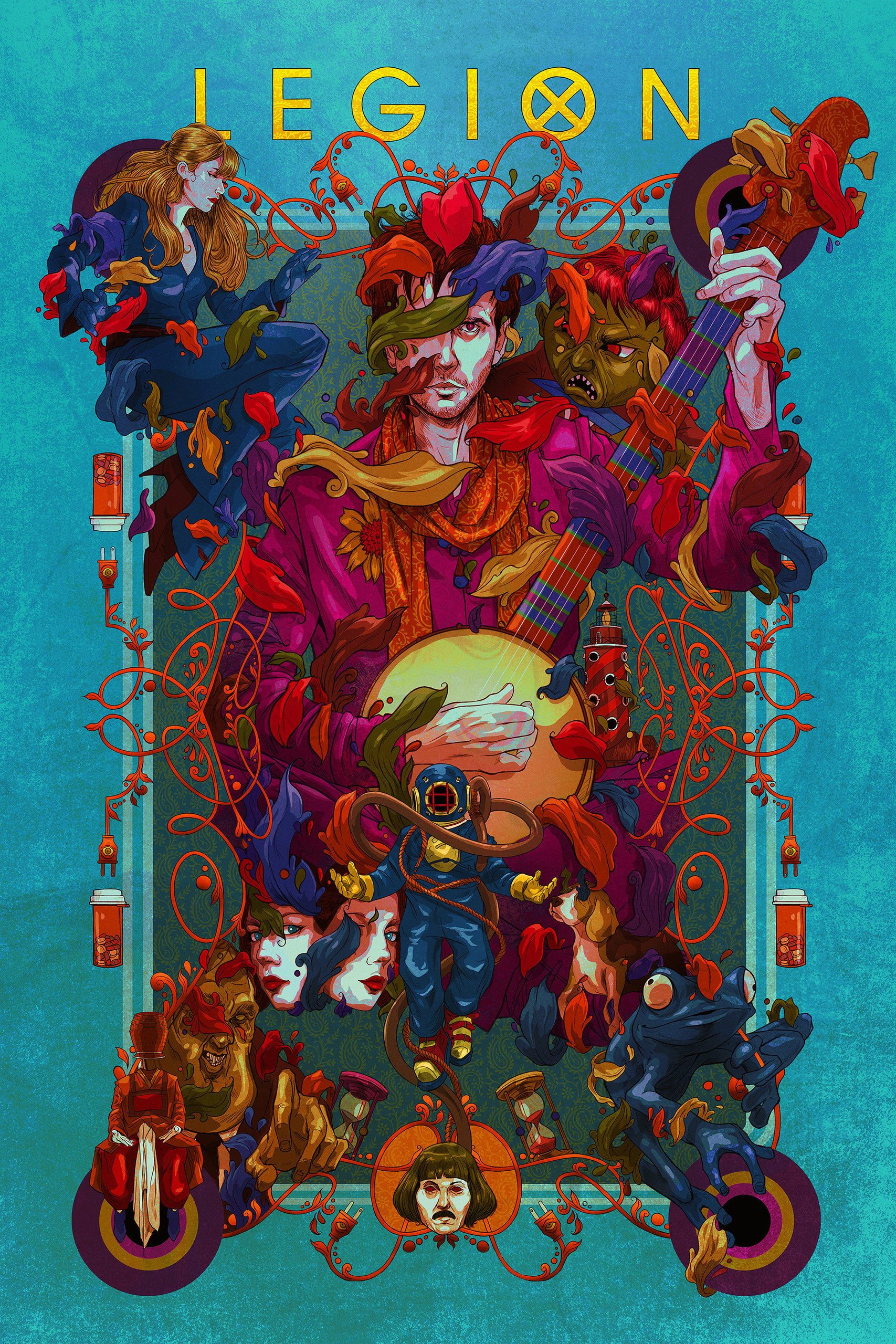
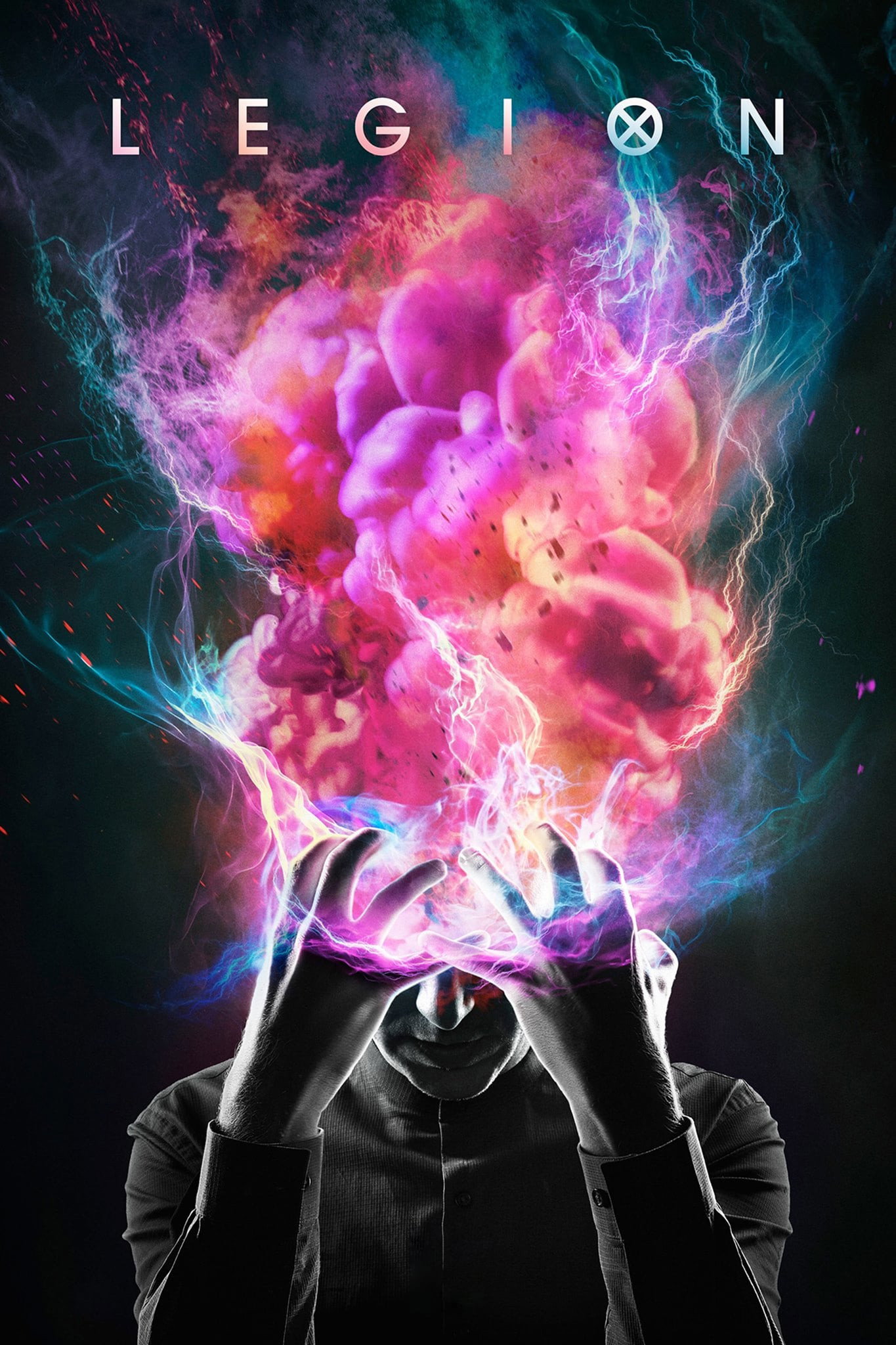
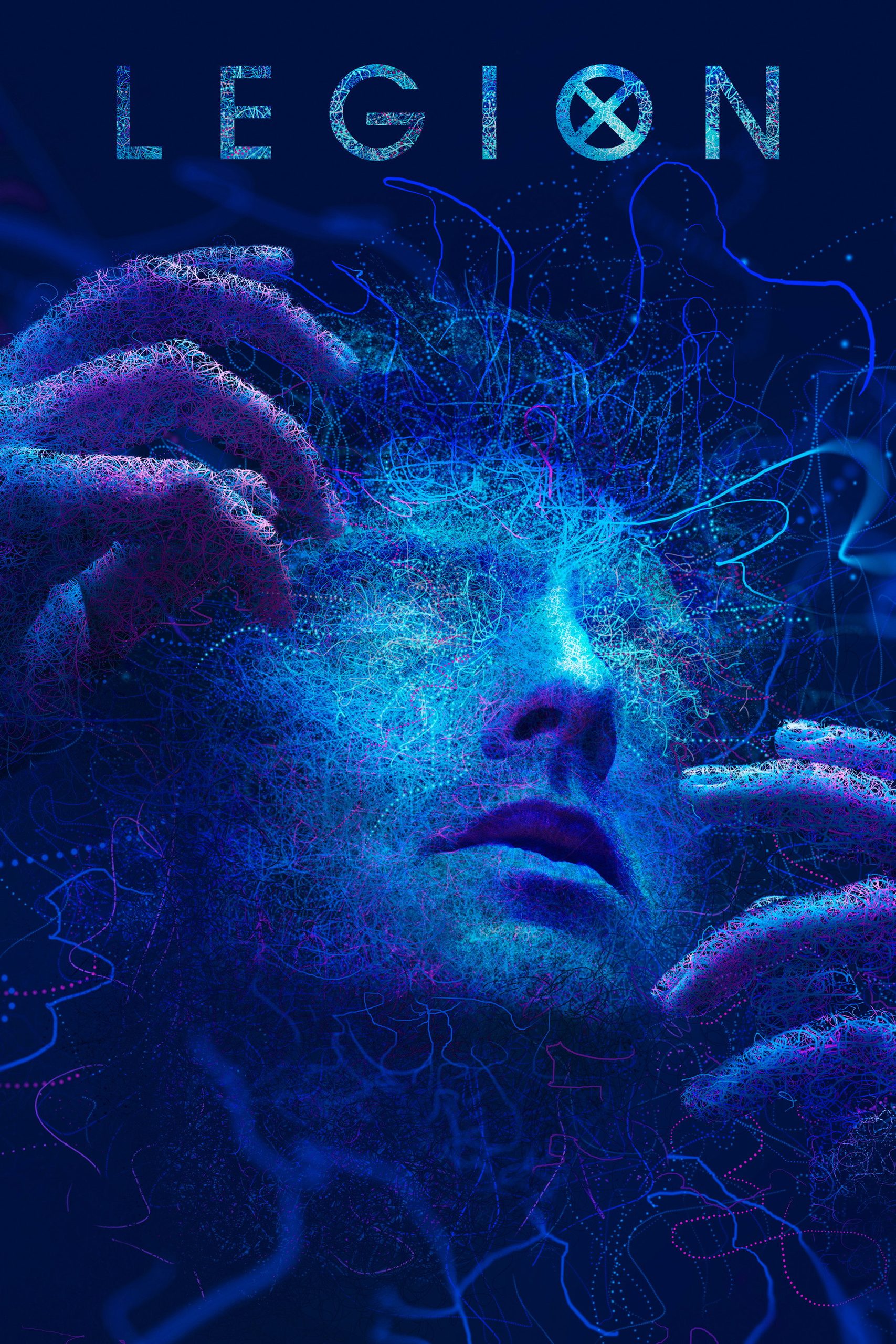
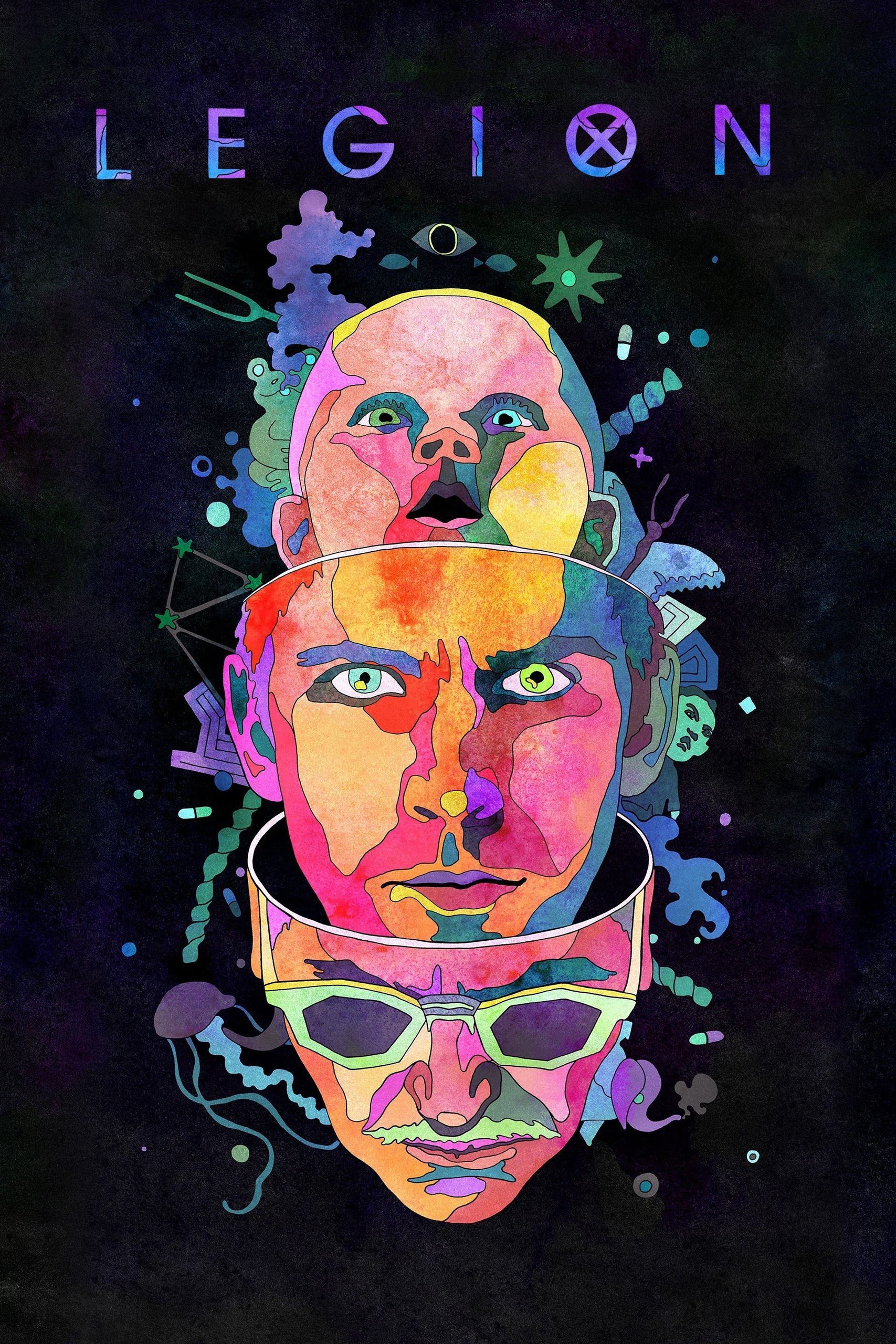
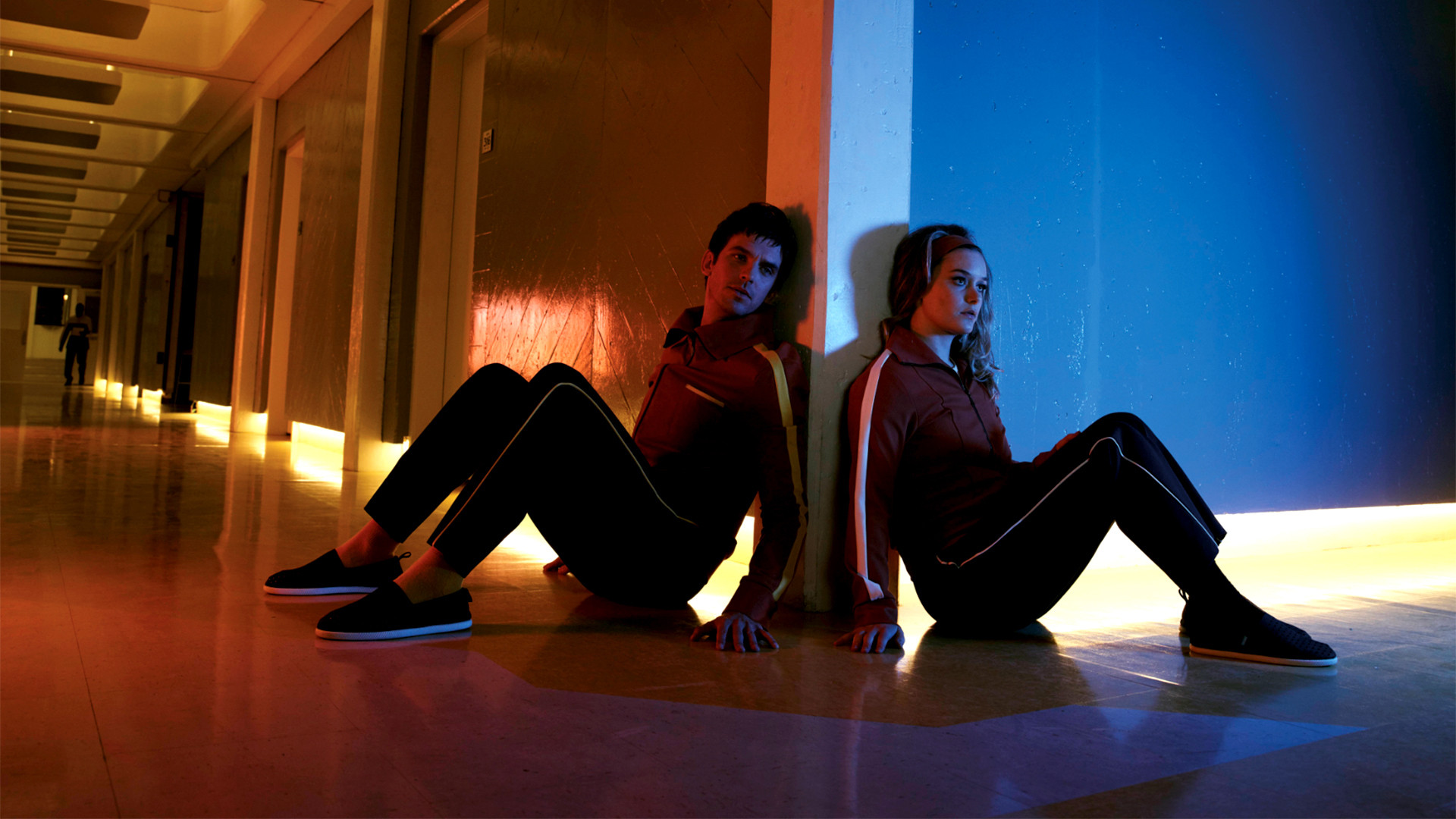
The hospital is done in a 1960s that never quite existed: mustard walls, teal tracksuits, orange plastic chairs, a canteen the size of a gymnasium. Nothing tells you the year and nothing tells you the country. The frame changes shape in the middle of a scene. A conversation plays once from the front, then again from behind with different words in it. Old pop songs run against a score that mostly hums. The point is that David cannot trust what he sees, and neither can we.

Stevens plays David as a polite, frightened man who apologises for things that were not his fault and lets the panic show only in his hands. Rachel Keller, as Sydney Barrett, a fellow patient who will not let anyone touch her, gives him someone to be careful around. The pilot’s set piece is a kiss in a hospital corridor; the corridor comes apart around them, and we sat forward, because the series had spent forty minutes teaching us to believe nothing and then made something we badly wanted to be real. Aubrey Plaza’s Lenny Busker, David’s friend on the ward, starts as comic relief, all filthy jokes and dead eyes, and becomes something else we will not describe.

The people who take David in are good company. Jean Smart’s Melanie Bird runs Summerland, a retreat for others like him, with the calm of a woman who has stopped explaining. Jeremie Harris’s Ptonomy Wallace can walk into your memories, which the series stages as rooms you can enter. Bill Irwin and Amber Midthunder play Cary and Kerry Loudermilk, a scientist and a fighter who share one body and argue about whose turn it is, and Irwin gets more comedy out of stepping through a door than most actors get from a script. Hamish Linklater’s Clark Debussy, the government man, is given the opening of the first season’s finale to himself, at home, bandaged, and it is the closest the series comes to an ordinary scene. It is one of its best.

Then comes the second season: eleven episodes where eight would do. The set pieces are still striking one at a time, a plague that leaves people frozen with their teeth chattering, a fight settled by a dance number, a disembodied narrator giving short lectures on delusion. They do not add up. Somewhere in the fifth or sixth hour we were bored, and then we were cross about it, because a series that had earned our trust was spending it on a spectacle a week and a plot that moved in circles. Navid Negahban’s Amahl Farouk, the villain the first season only glimpsed, is the best thing in it: a courteous, well-dressed man who never raises his voice. The third season, back at eight episodes, brings in Lauren Tsai as Switch, a girl who can move through time, and tightens up. By then the series is mostly talking to itself.

Eighteen directors are credited across the twenty-seven episodes, among them Hiro Murai, Ana Lily Amirpour, Andrew Stanton and Dan Kwan, and the look holds from first to last, which is the harder achievement. Hawley heads a writing staff that includes Nathaniel Halpern, Jennifer Yale and Charles Yu, and the tone is his: people explaining their childhoods to each other in full sentences, then being interrupted by something impossible. Set against the X-Men films it is nominally related to, it barely qualifies. There is hardly a costume in it and nobody saves a city.

Most critics wrote about the first eight episodes, and about those we agree. Watch them at night with the sound up and nobody talking. If you carry on, know that the series will never explain itself, and that after a while it stops trying.
Critical consensus AI synthesised

87
Positive
10
Mixed
0
Negative
0

The reviews are unanimous in their approval. Most critics credit Noah Hawley with taking a known comic-book concept and making something they have not seen before, and the praise clusters on his direction: fractured camerawork, non-linear editing and a surreal, psychedelic look meant to put the viewer inside David’s unreliable mind. The handling of mental illness alongside mutant powers is repeatedly singled out as the show’s real subject. Dan Stevens’ performance and the wider cast draw steady approval, with several critics noting a humane core beneath the flash.

There is little dissent. The spread is narrow, from the Guardian and Telegraph at the lower end to Collider awarding full marks, and even the coolest notices call it ambitious and fascinatingly unconventional. The one caution worth noting is that most of these reviews judge the pilot and early episodes, so the consensus rests on the show’s opening rather than a full run.

IndieWire
6 February 2017 · Ben Travers
90*

Noah Hawley has expertly adapted another known property and turned it into a story we've never seen before, crafting the most intricate and intimate superhero story to date.

Read the full review →
The Hollywood Reporter
26 January 2017 · Tim Goodman
90*

The critic praises Hawley's innovative, visually trippy approach to the story of mental illness and mutant powers, calling it a visual masterpiece that reimagines the X-Men concept in a riveting way. They single out the bold, disorienting narrative style from the protagonist's mental perspective for praise.

Read the full review →
Vulture
7 February 2017 · Matt Zoller Seitz
90*

Legion is a decadently inventive aesthetic dream with a superb pilot; it packs a season’s worth of cinematic technique into the early episodes and feels purposeful and exact.

Read the full review →
Variety
1 February 2017 · Maureen Ryan
85*

The review highlights the show's bold, jittery, surreal style and visual flair, noting it as an exhilarating trip that embraces weirdness and misfits. The critic praises Dan Stevens' performance and the humane core amid the flashy elements.

Read the full review →
The Guardian
8 February 2017
80*

The critic finds Legion a fascinatingly unconventional and ambitious drama even for those with superhero fatigue. Hawley's approach to portraying David's fragmented mind through fractured camerawork, editing and non-linear storytelling is singled out for praise.

Read the full review →
The Telegraph
9 February 2017 · ★★★★
80

The critic praises Legion as a stylish, psychedelic X-Men spin-off that sets a new standard for comic-book TV thanks to Hawley's distinctive vision. The visually arresting direction and inventive storytelling are highlighted as strengths.

Read the full review →

Cast

If you liked this, try…

Fargo poster91

Fargo

2014 · Hawley’s other series: the same wit, much tighter plots and a great deal of snow.

Twin Peaks: The Return poster

Twin Peaks: The Return

2017 · The other series of that year that refused to explain itself and got away with it.

The Prisoner poster

The Prisoner

1967 · A man held somewhere pleasant by people who will not say why; the original.

Maniac poster

Maniac

2018 · Two patients, one drug trial, and a shared delusion in period wallpaper.

Paprika poster80

Paprika

2006 · Satoshi Kon’s dream-thief animation, where the parade in your head spills into the street.