Howard Overman’s superhero comedy is sharp, dark and carried by performances that make unlikely material believable. The characters can become wearing, but the writing usually makes their unpleasantness funny enough to justify the company.
Howard Overman’s Misfits is a funny, unsettling superhero comedy that puts considerable faith in its performers and is rewarded for it. The premise asks for indulgence, but the cast make accepting it surprisingly easy. Overman does not spend much effort making the characters admirable, and that gives the comedy a welcome freedom. We recommend it with one reservation: their unpleasantness occasionally outlasts the joke, and confidence alone cannot make those stretches entertaining.
The useful starting point is that being a superhero might not be much fun. Superhero stories can accommodate personal difficulties without allowing their central characters to become difficult company; Overman is willing to risk that irritation. He gives the performers unlikely material and lets them make it sound convincing. That matters here, because any embarrassment about the silliness would make the whole thing harder to believe, and the ensemble show little sign of it.
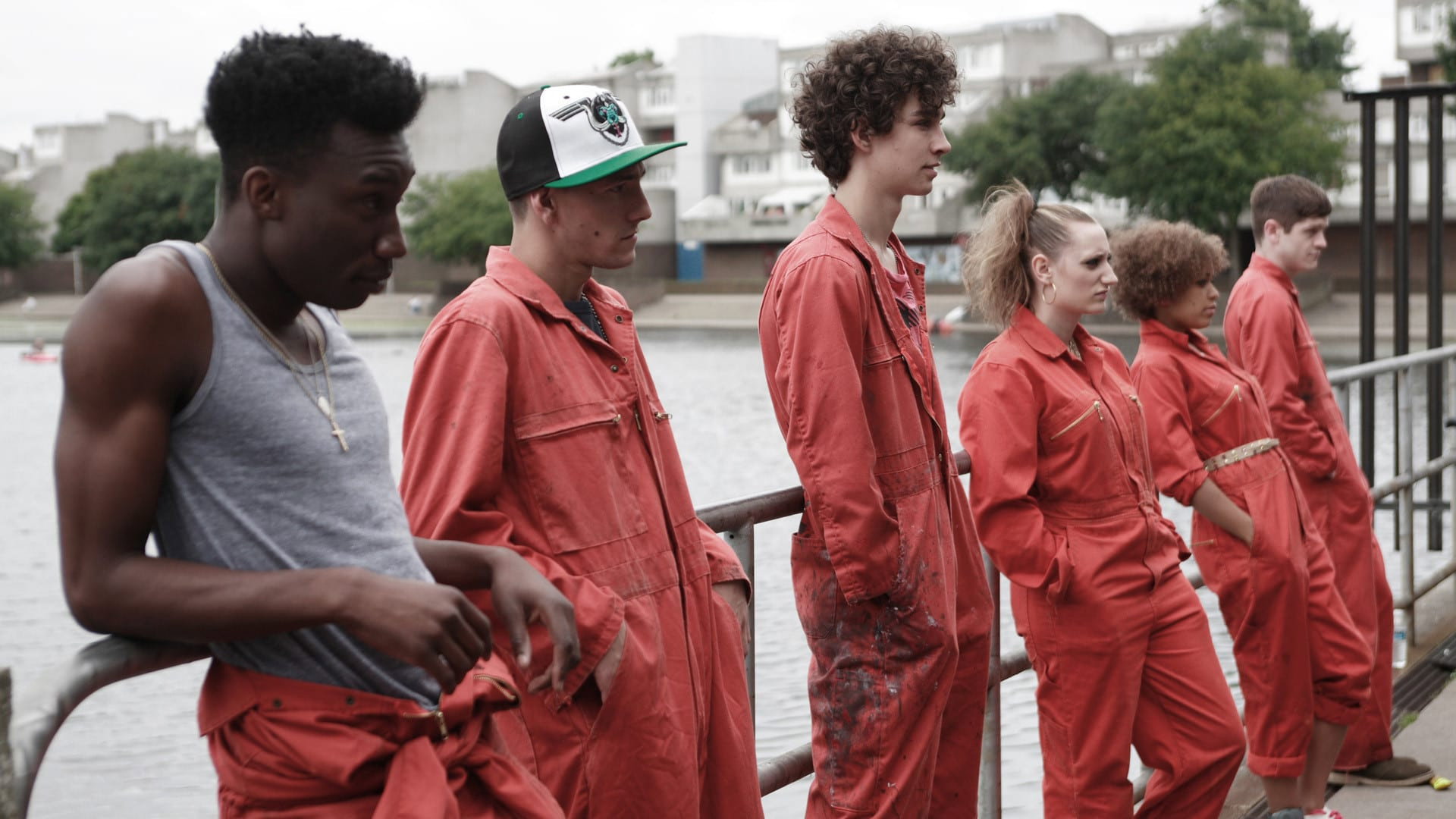
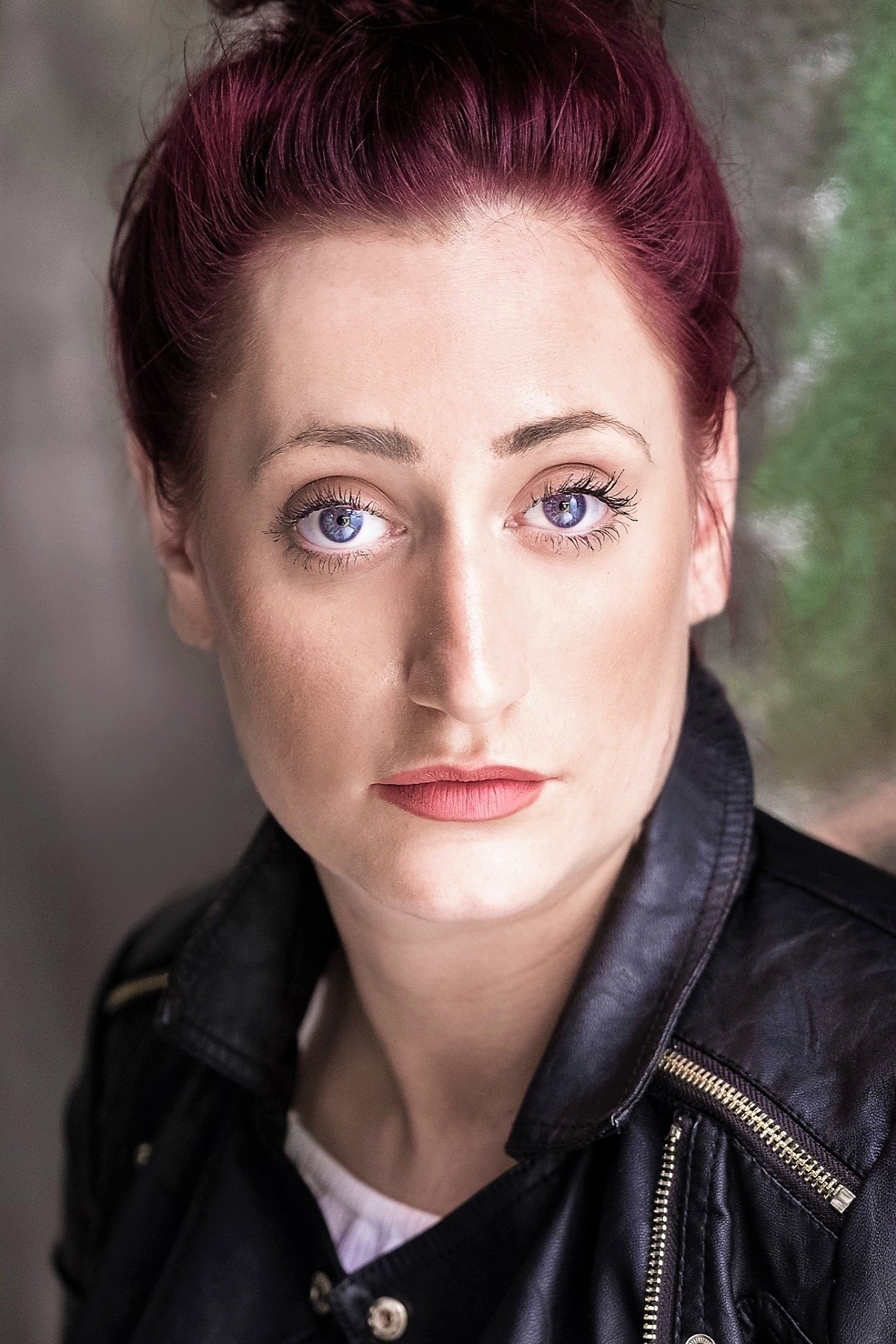
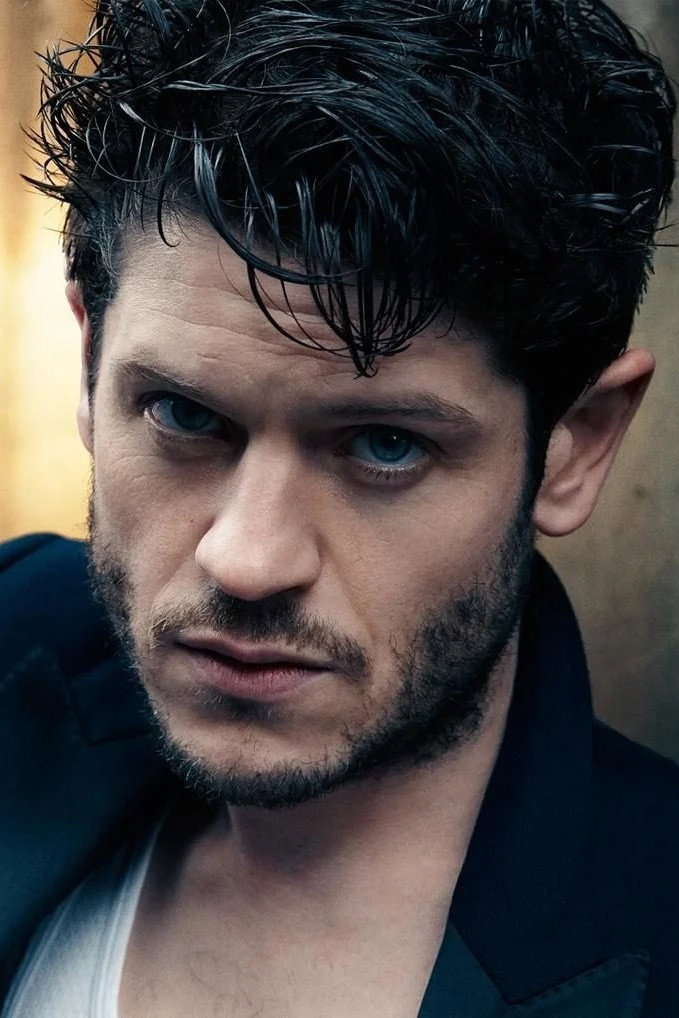
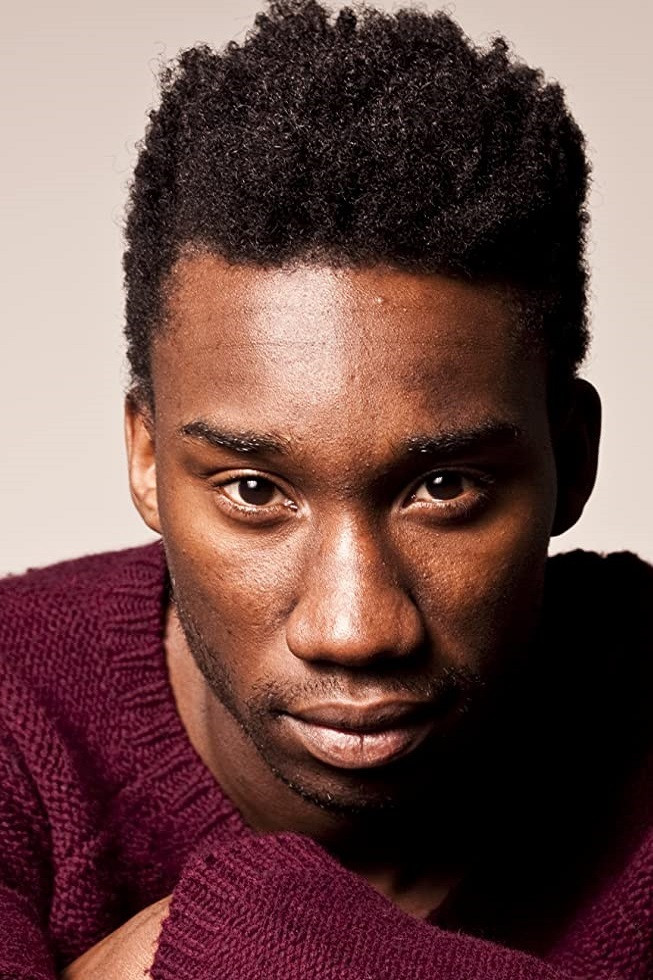
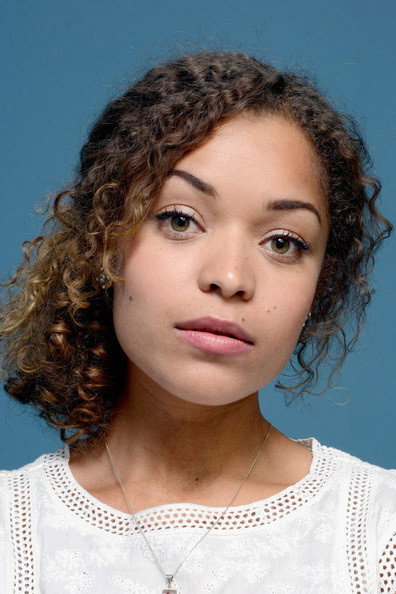
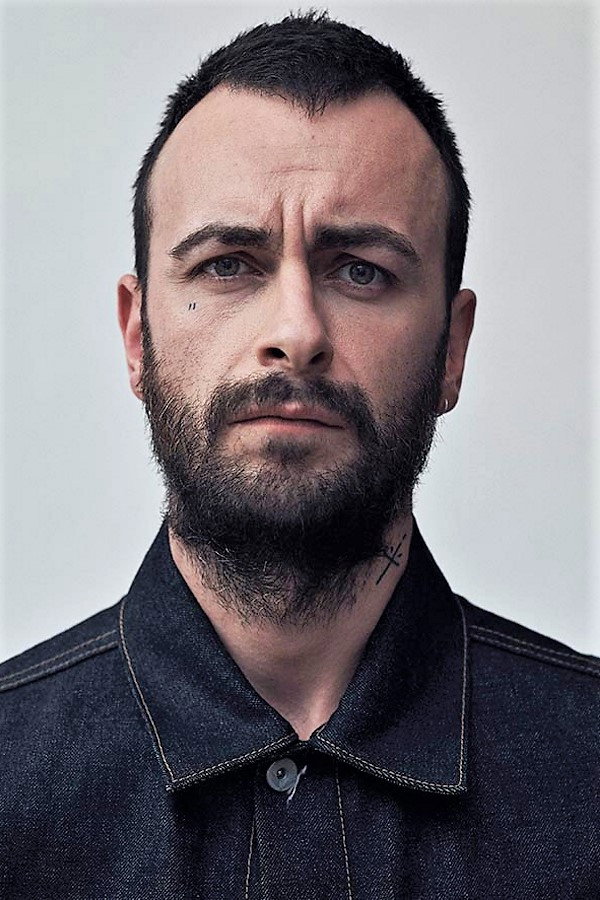
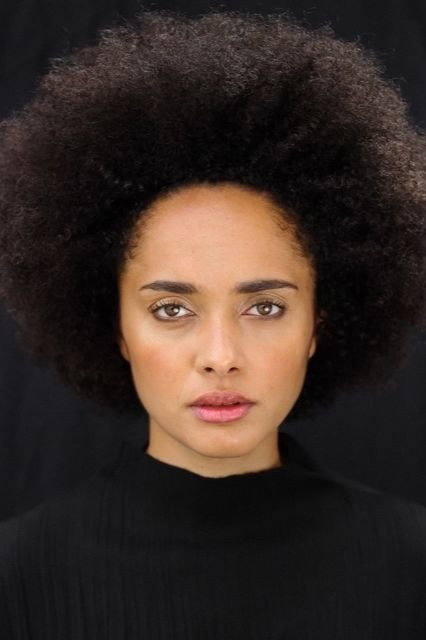
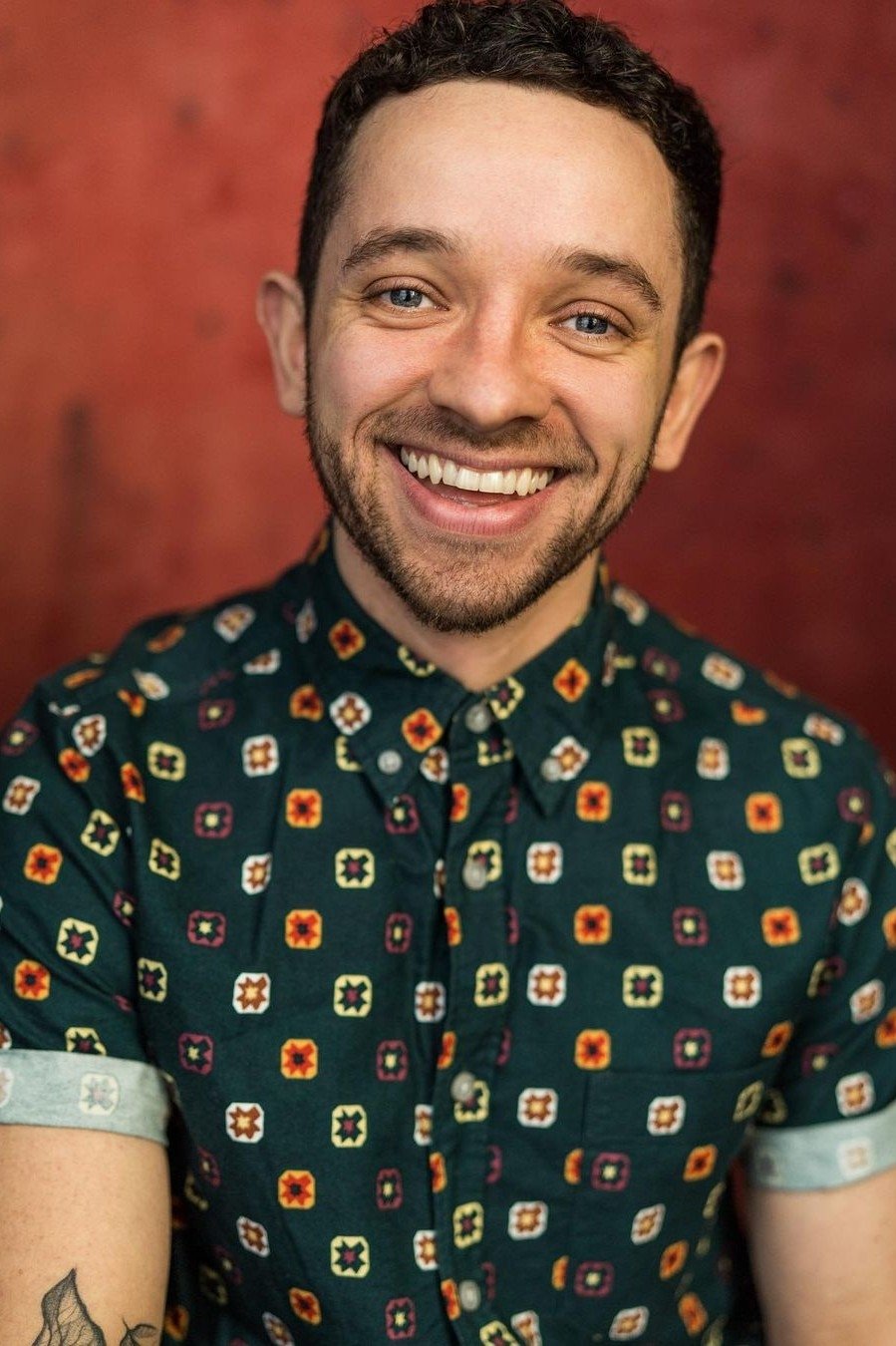
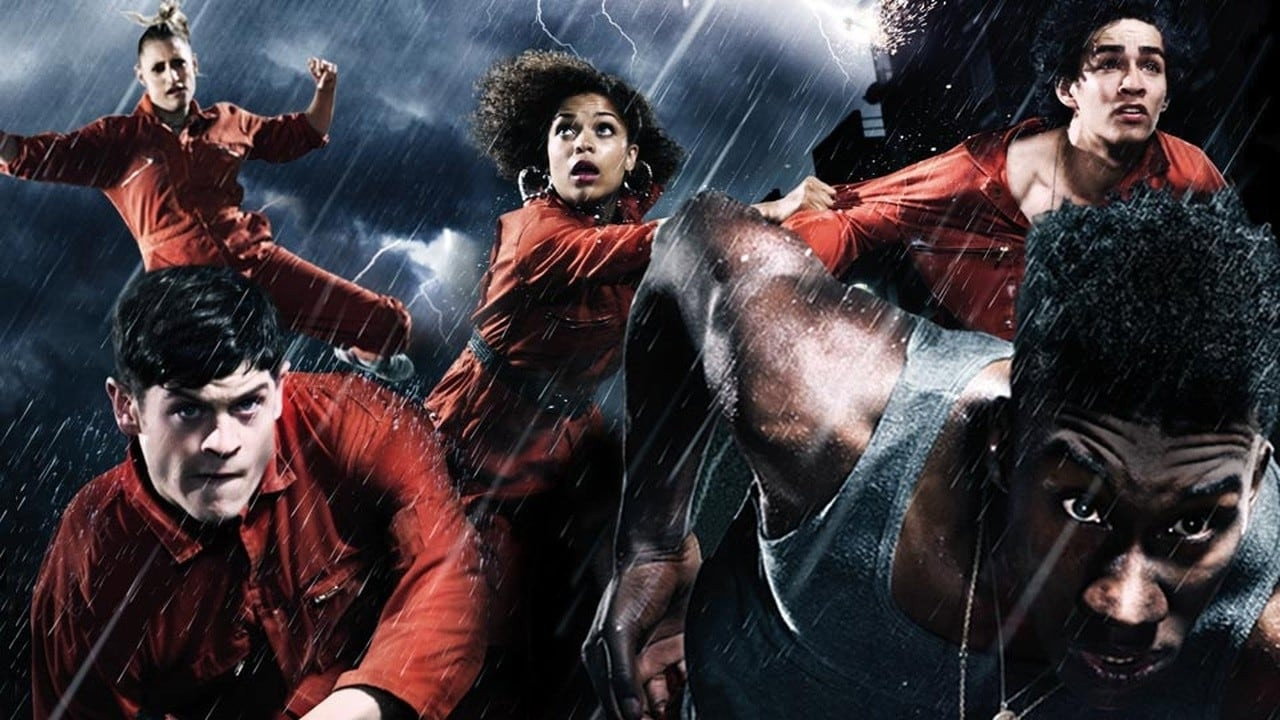
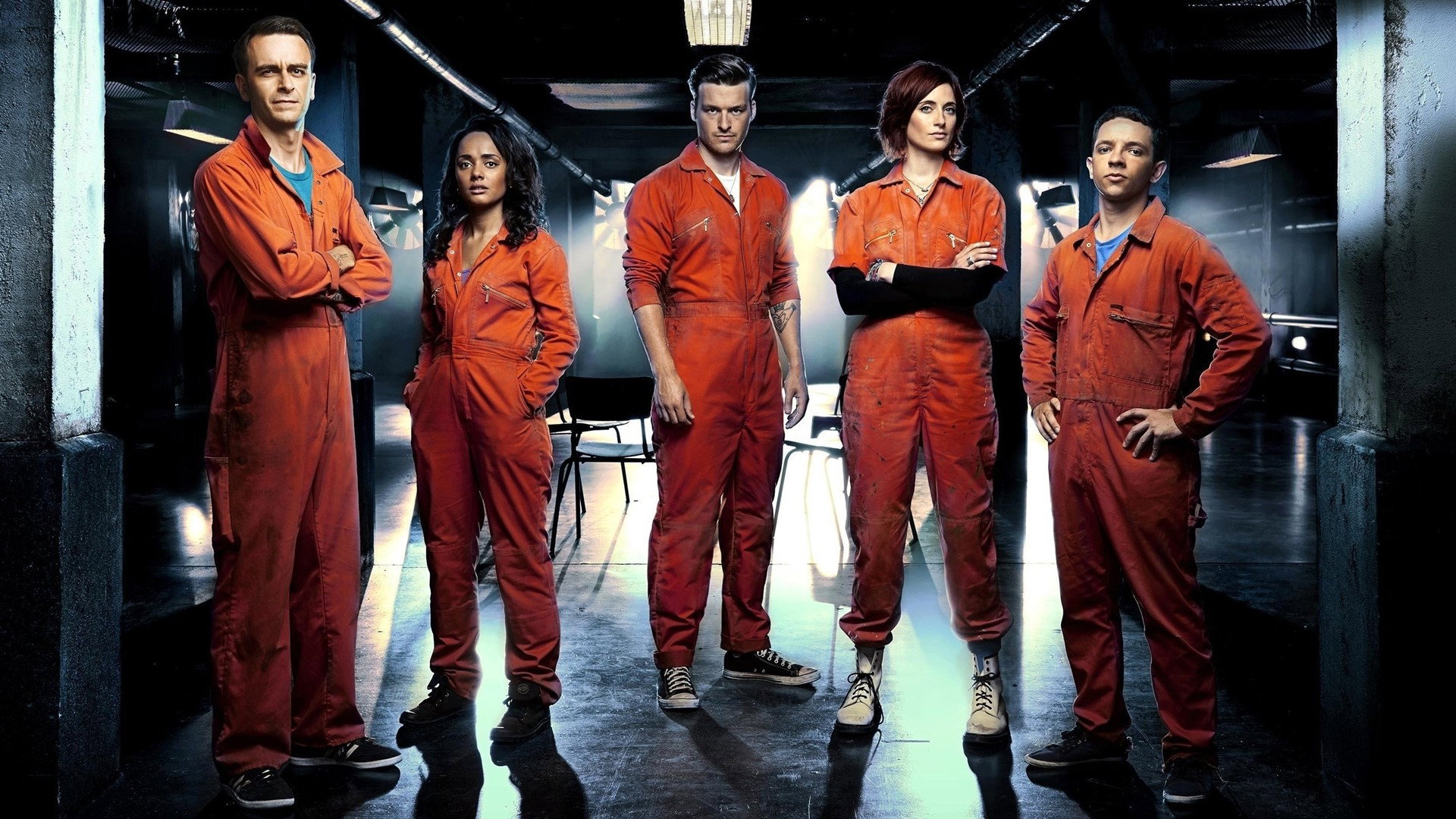
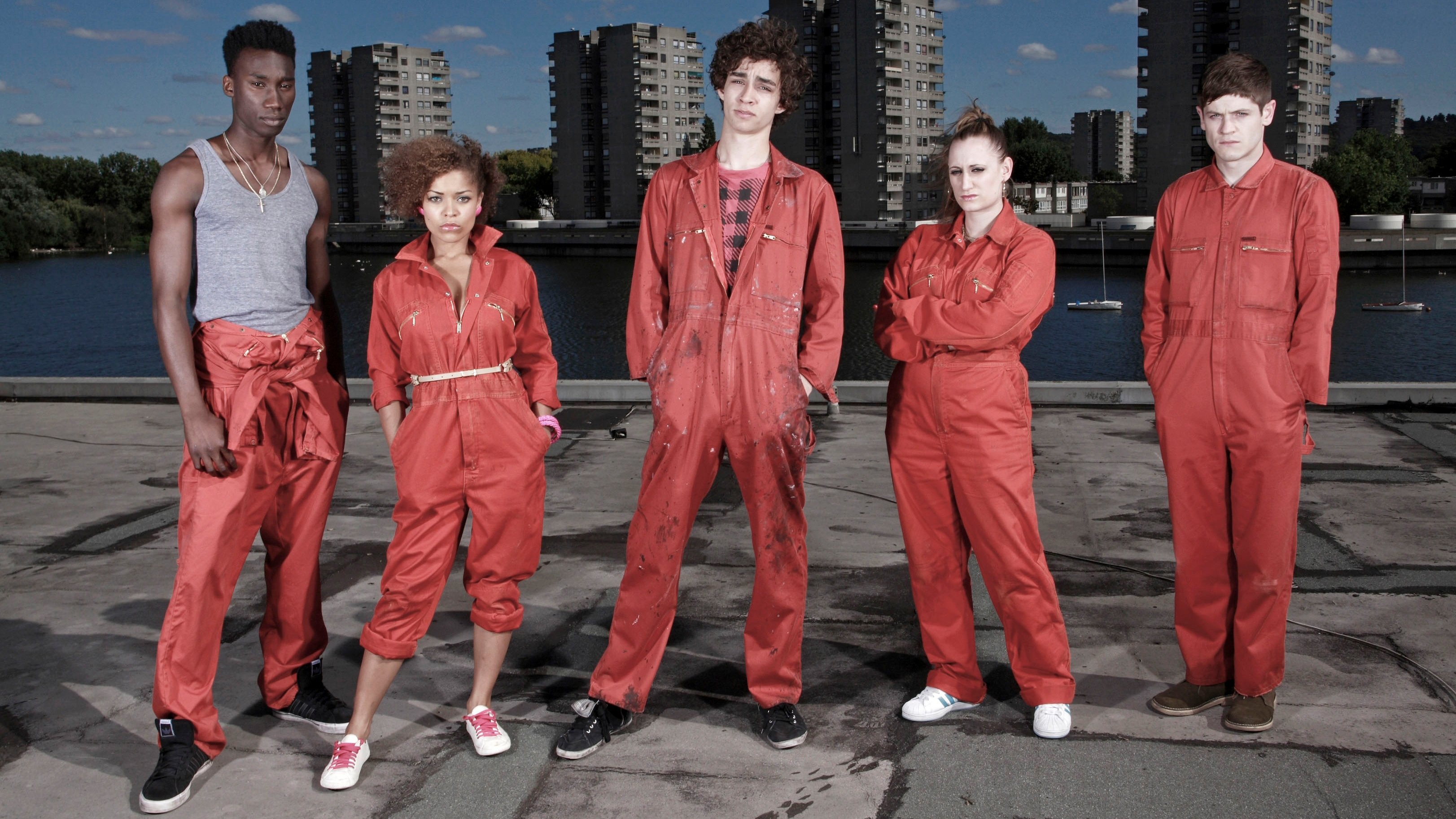
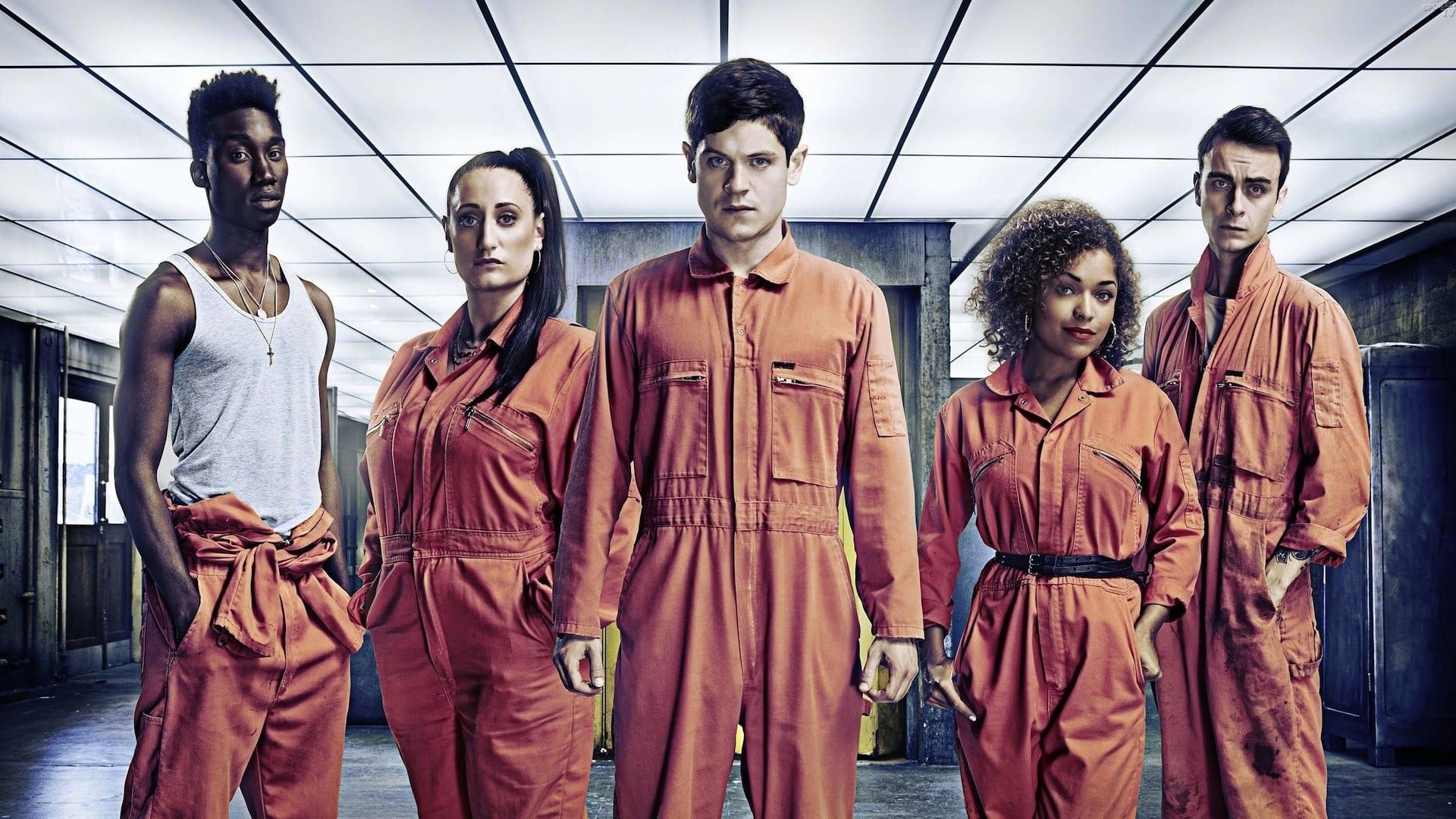
Lauren Socha’s Kelly Bailey, Iwan Rheon’s Simon Bellamy, Nathan Stewart-Jarrett’s Curtis Donovan, Antonia Thomas’s Alisha Daniels and Robert Sheehan’s Nathan Young give the comedy its persuasive ensemble. Their performances make the characters worth attending to without requiring us to approve of them. We laughed at people we had no wish to defend. The cast’s conviction explains that response: they make the characters’ disagreeable qualities entertaining while leaving enough discomfort for the darker material to work.
Christopher Ross and Sam Care receive cinematography credits, and the photography supports the performances without becoming the principal attraction. Its contribution is to make the unlikely material feel sufficiently credible for the humour to survive. That is useful work in a programme which also wants to be disturbing. The visual confidence helps those ambitions sit together, although the writing and acting are what give the comedy its particular character.
Barney Jordan, Crispin Green, David Head and Andrew MacRitchie are among the credited editors, and the pace contributes to the appeal. Mixing humour with menace can become laborious when every change of mood demands an announcement. Here, the cutting supports the cast’s confidence and keeps the silliness from exhausting its welcome too quickly. The programme can become disquieting without making the preceding laughter feel like a mistake, which is harder to manage than its apparent ease suggests.
The weakness is the expectation that disagreeable behaviour will remain entertaining through persistence. Overman’s writing is sharp, but there are points when another helping of unpleasantness gives us little more to enjoy or understand. Those moments make the characters tiring, despite the conviction of the performances. The comedy works better when the writing finds something funny in their shortcomings than when it relies on our willingness to keep putting up with them.
Even with that reservation, Misfits gives us good reasons to stay beyond curiosity about its superhero premise. The ensemble make the material believable, and the darker humour keeps the silliness from becoming comfortable. It suits an evening when easy charm would feel a little insufficient. Try it for the jokes, and allow yourself to dislike the people telling them.