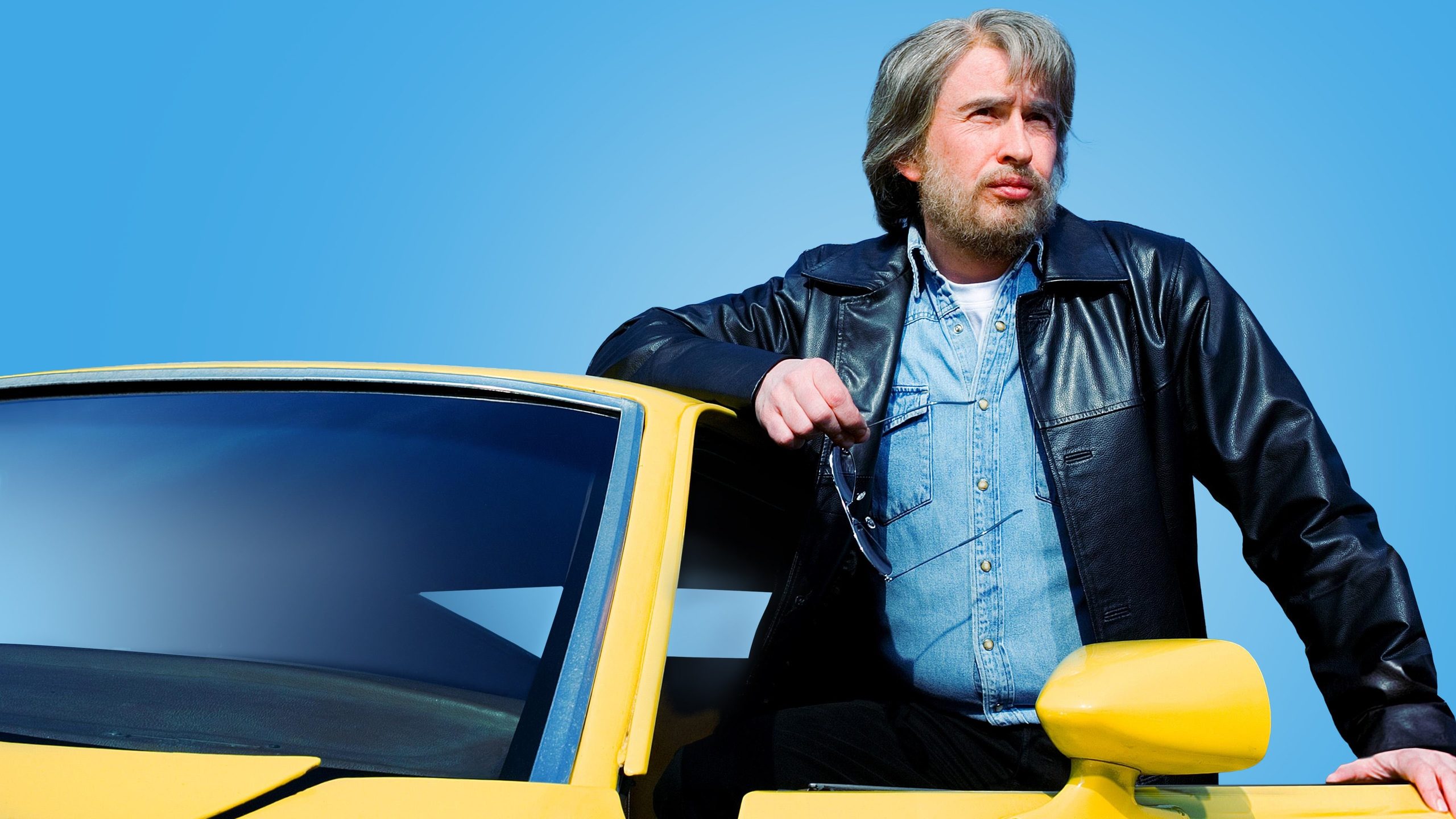
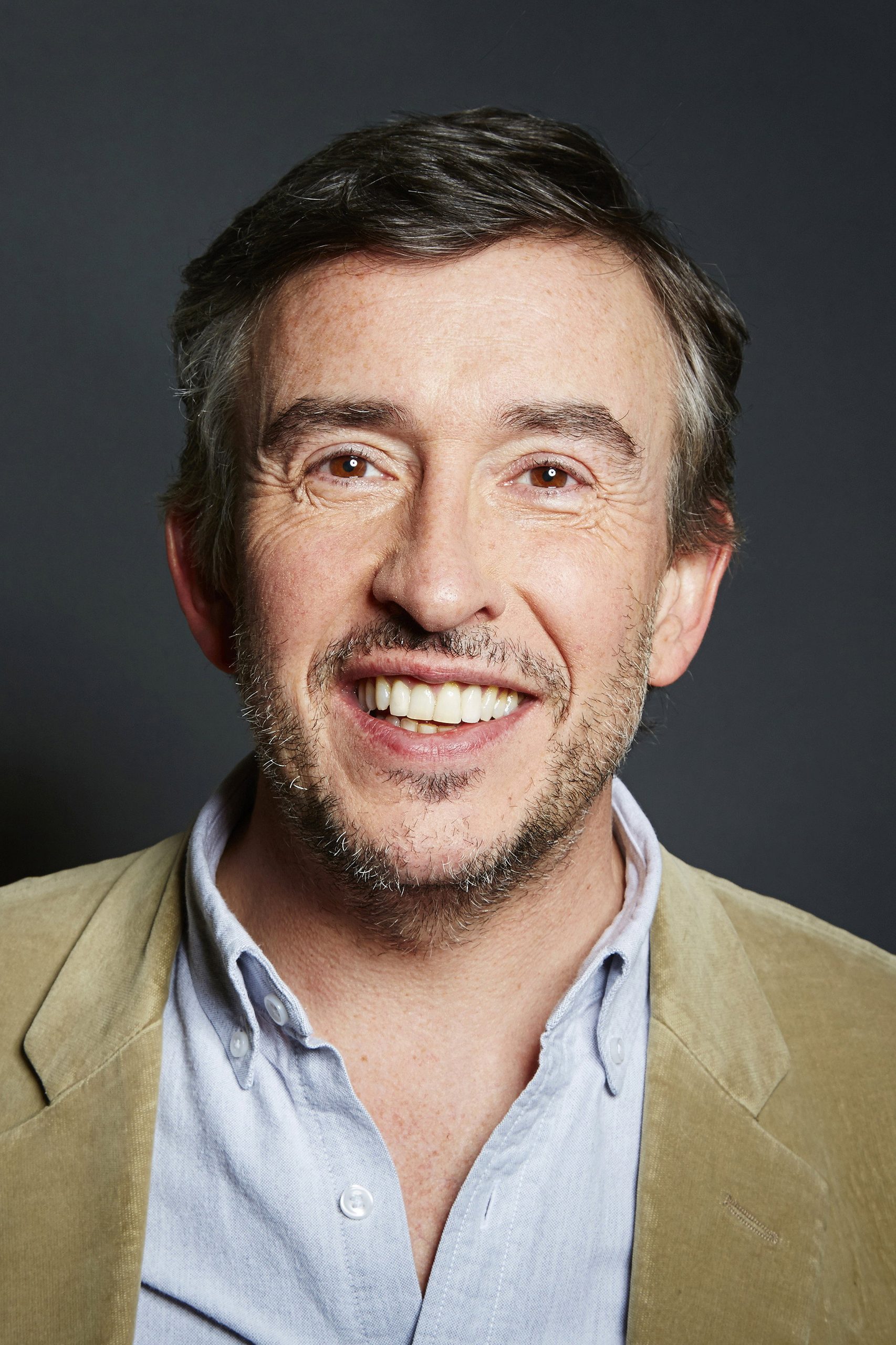
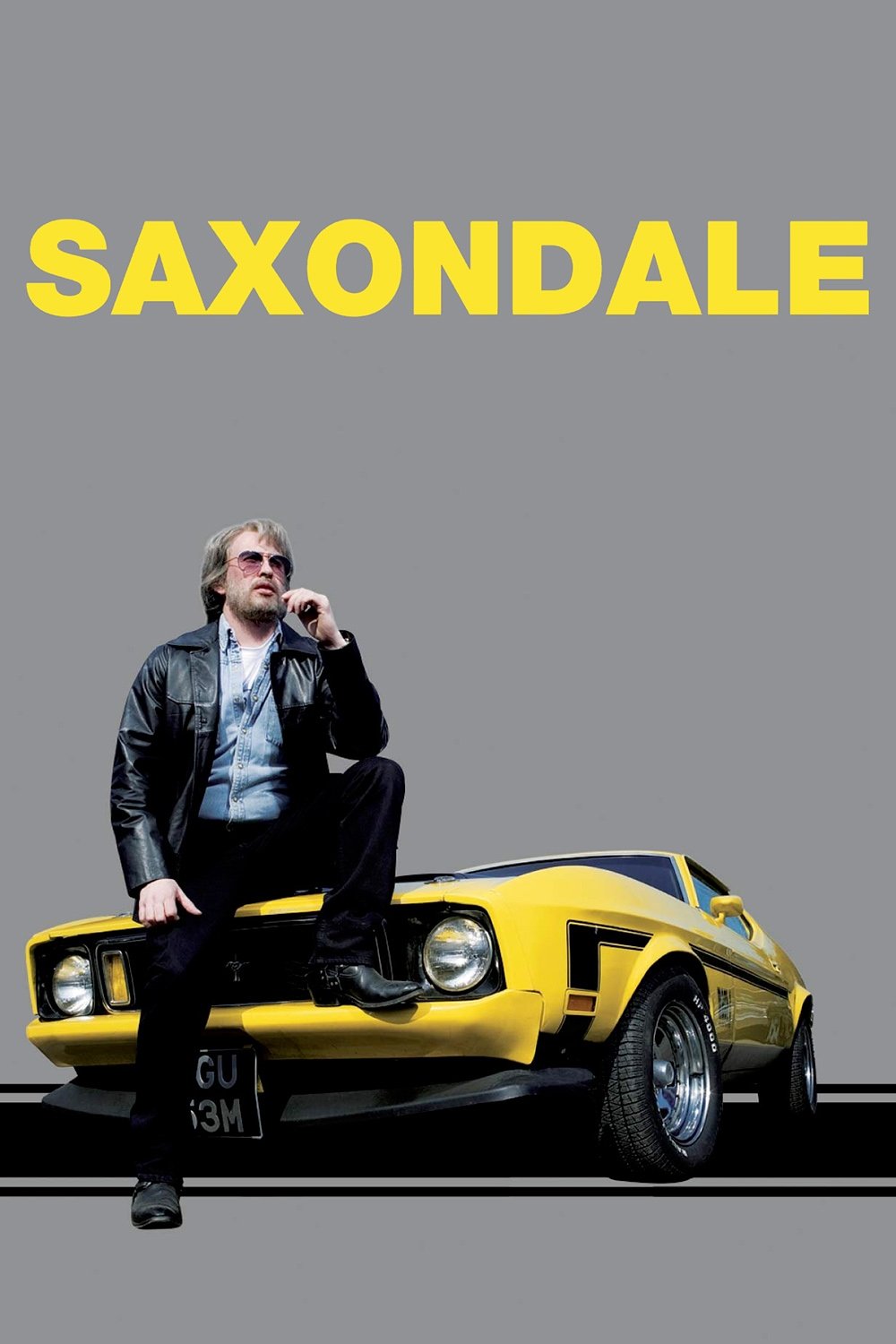
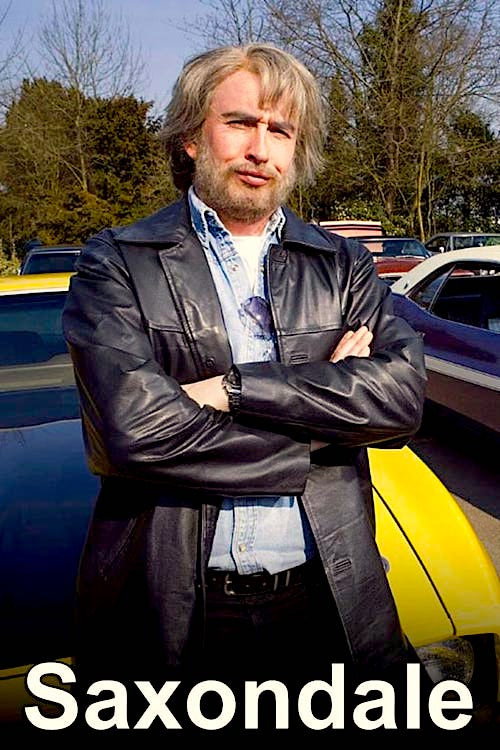
Steve Coogan’s roadie-turned-pest-controller is his most likeable creation, a clever man whose cleverness has got him nowhere, and the show around him is quieter and sadder than the sitcom it looks like. The plots are thin; the character is not.
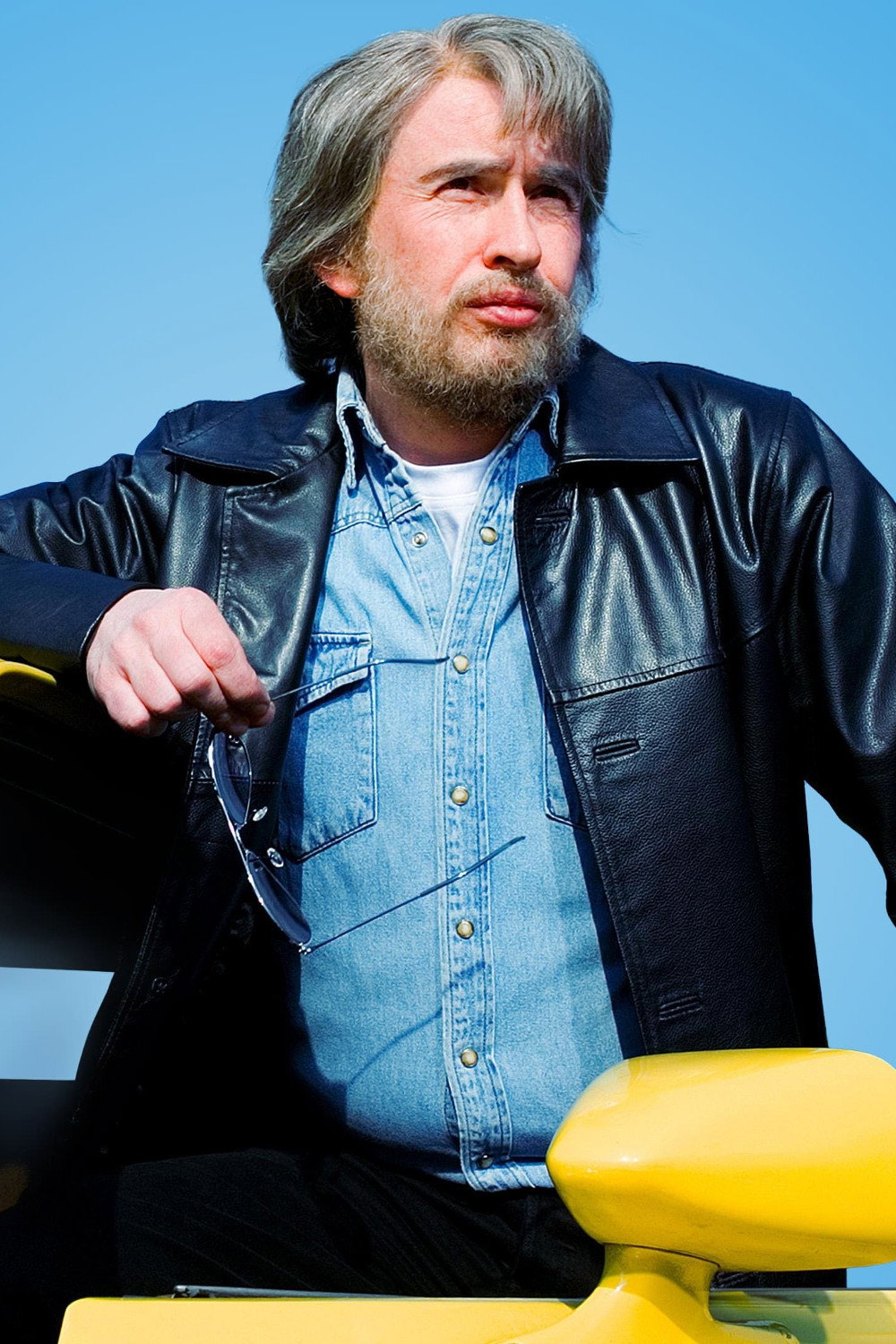
Steve Coogan made his name with a man who thought he was clever and was not. Tommy Saxondale is the opposite case. He was a roadie, he has read some books, he can hold a thought, and none of it has done him any good. He runs a pest control firm in the suburbs, he lives with a woman who likes him, and he attends an anger-management group he is convinced he does not need. Saxondale is a good, slow, humane sitcom about a man who peaked at a soundcheck a long time ago, and it is better company than most of the shows that made more noise.
Coogan and Neil MacLennan write it, and the writing is at its best when Tommy is talking. He talks a lot. He gives Raymond the history of rock music whether Raymond wants it or not, he argues with the receptionist who hands him his jobs, and he lectures his anger-management group on the causes of anger, at length and with rising volume. What is unusual is that the speeches are often right. Tommy’s contempt for the modern world is not the contempt of an idiot; it is the contempt of a man who was somewhere better once and knows it has gone. The joke is that being right has never got him anywhere.
Matt Lipsey and John Henderson direct, and they have the sense to shoot it plainly, so the silences after Tommy has said something are left where they fall. The show lives in vans, kitchens and offices, and the camera sits and watches a man fail to get out of a conversation. Half an hour is the right length; there is not a great deal of plot in any episode, and there does not need to be.
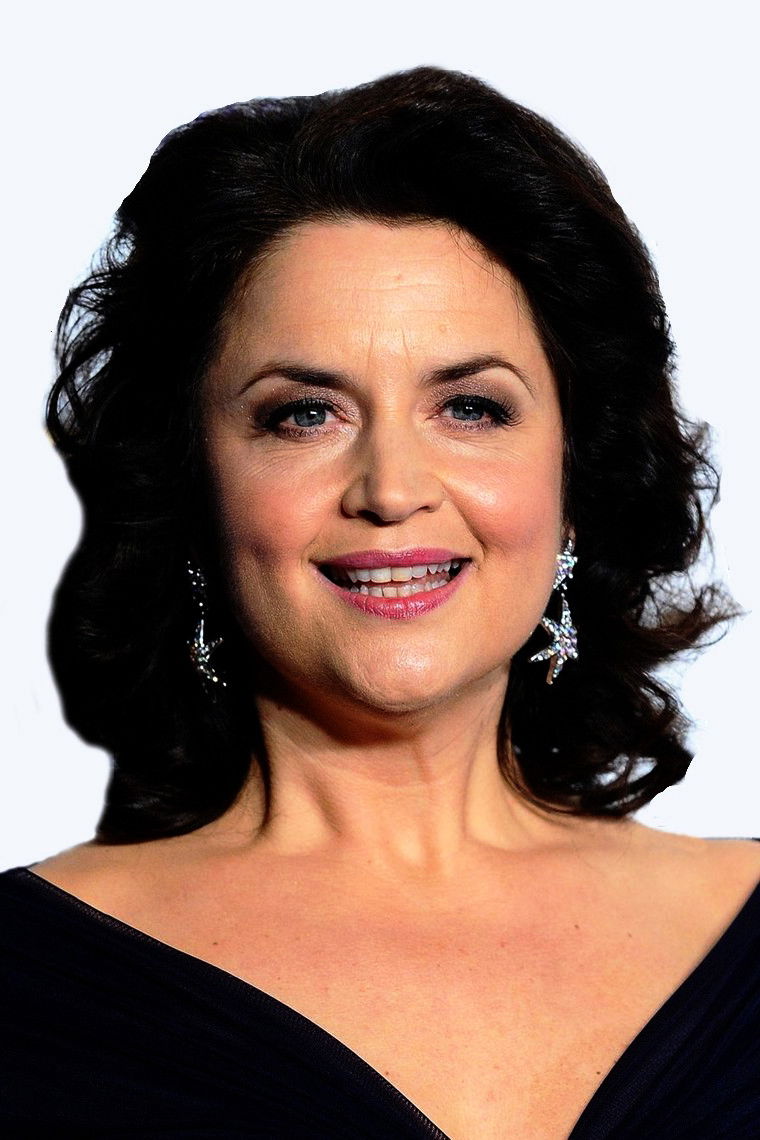
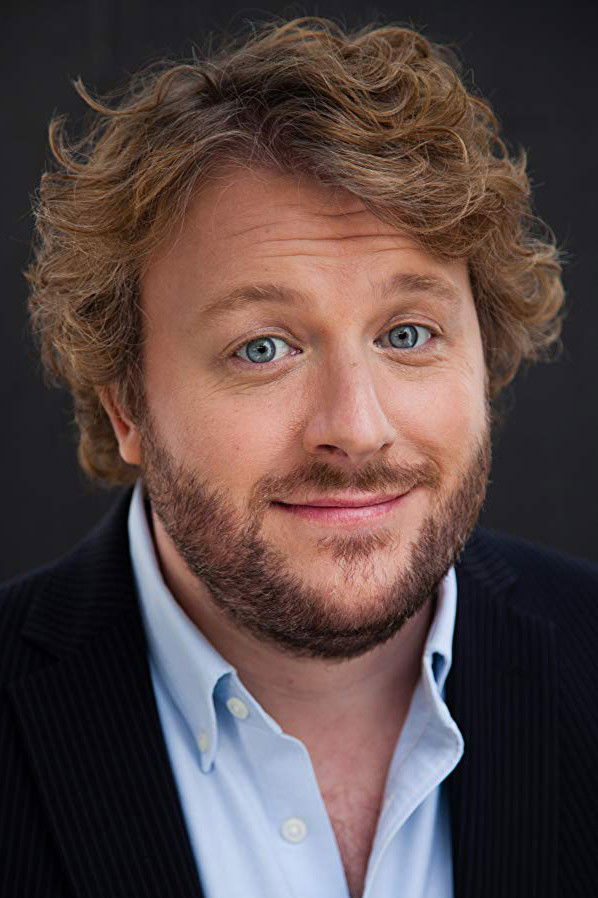
Ruth Jones’s Magz is the best thing in it after Coogan, and she is the reason Tommy is bearable. She likes him. That is rare in a sitcom girlfriend, who is usually there to roll her eyes, and Jones plays a woman who finds his speeches funny and his temper tiresome and has decided to stay anyway. Rasmus Hardiker’s Raymond says almost nothing and is funny doing it; his face when Tommy is midway through a story is the face of every young person who has ever been told about the old days. Morwenna Banks’s Vicky is a study in cheerful malice, and every scene between the two of them is a fight Tommy has already lost. James Bachman, as Alistair, keeps the anger-management group going with the calm of a man who has met a great many Tommys.
The weaknesses are real. The plots are thin, and in the first series they sometimes stop and restart around a gag that does not deserve the space. Some of the humour is broader than the character: Tommy falls over, Tommy says something crude, and the show is coarser for a moment than the man it has drawn. The second series, which arrived in August 2007 with six episodes, tightens the stories and gives the supporting cast more to do, though one or two of them look as if they would rather be elsewhere. And there is a limit to how often you can watch a man start a speech and be interrupted before you can see the shape of the episode coming.
We laughed a great deal, and more than once we stopped laughing halfway through a scene because Coogan had let something else show. There is a look Tommy gives when a younger person fails to recognise a name he has just dropped, a flicker of a man checking whether the thing he was proud of still exists. It caught us off guard every time. Coogan has always been good at self-regard; here he is good at the fear underneath it, and he plays it without asking us to notice.
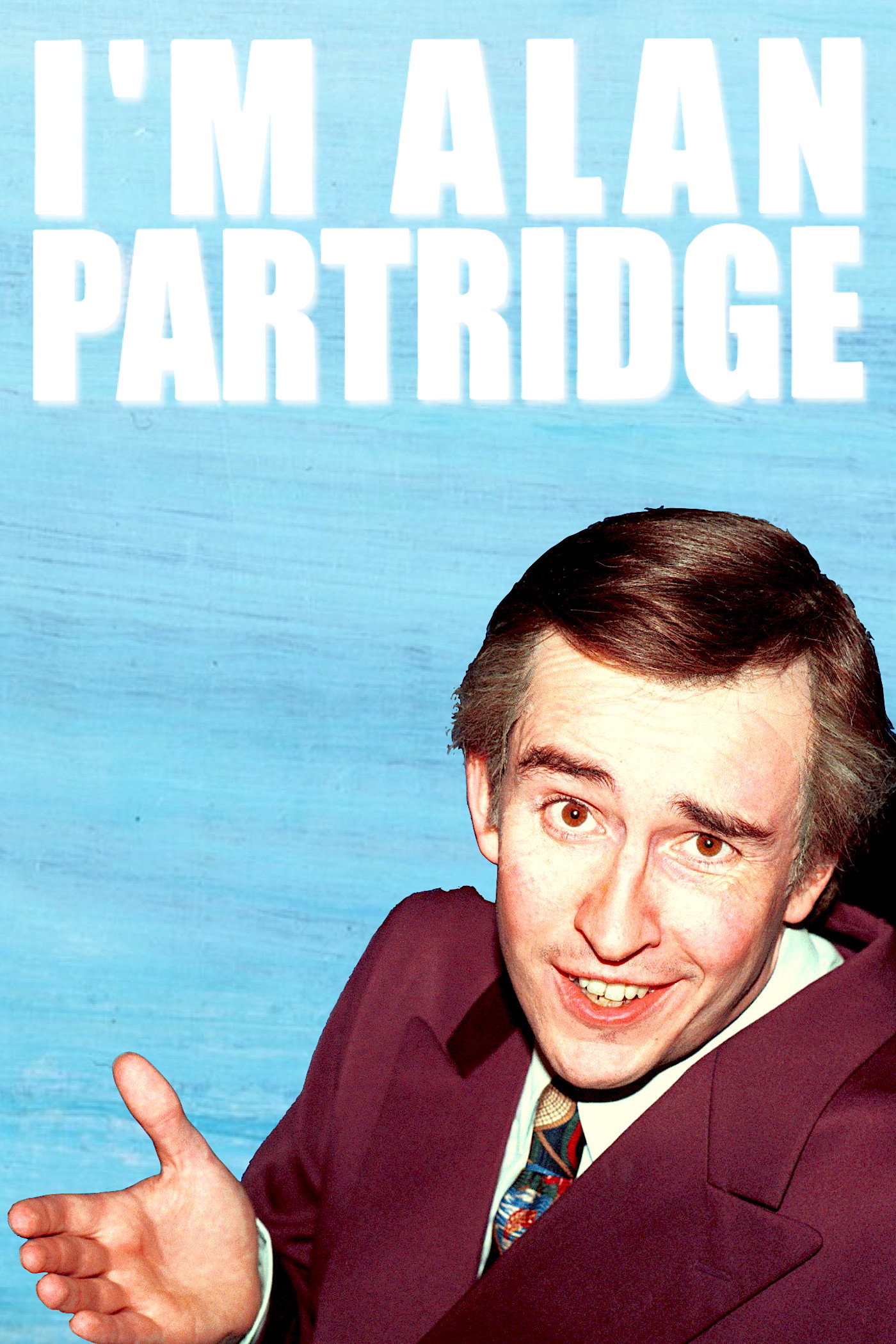
Set against I’m Alan Partridge, this is the quieter and kinder show, and it has fewer lines you will be quoting at breakfast. It is the one we would rather spend an evening with. Thirteen half-hours in all, and they are best taken two at a time, on a weeknight, with nobody beside you who will ask why you are smiling at a man arguing with a receptionist.