Alexander Payne’s wine-country comedy is funny, patient and unusually tender towards its difficult men. Paul Giamatti and Thomas Haden Church make the friendship convincing, though a slack middle and occasional cheap jokes need forgiving.
Alexander Payne’s Sideways is an excellent comedy about the effort involved in spending time with a disappointed friend. It takes the familiar road-trip pairing of two mismatched men and lets their conversation become more revealing than either would wish. The wine matters because it gives them something to do, and Miles something he can talk about with confidence. Payne and his co-writer Jim Taylor, adapting Rex Pickett’s novel, understand how a subject someone knows well can become an excuse to avoid everything else.
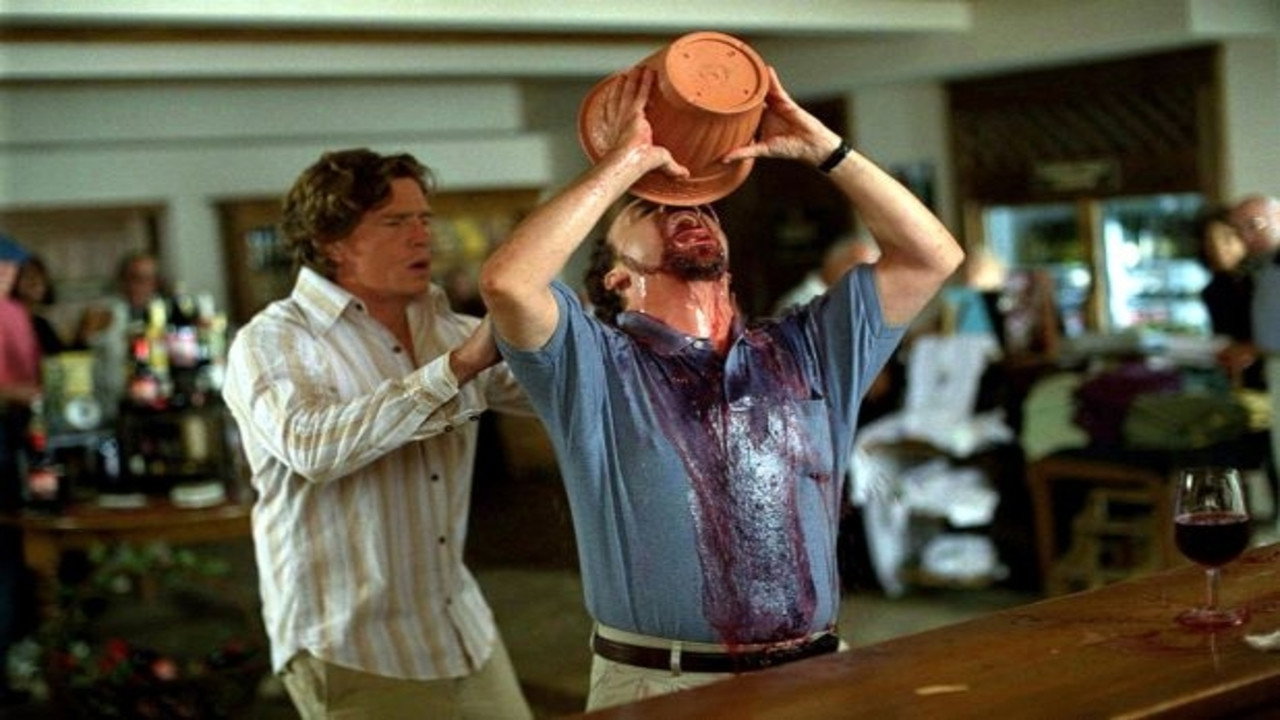
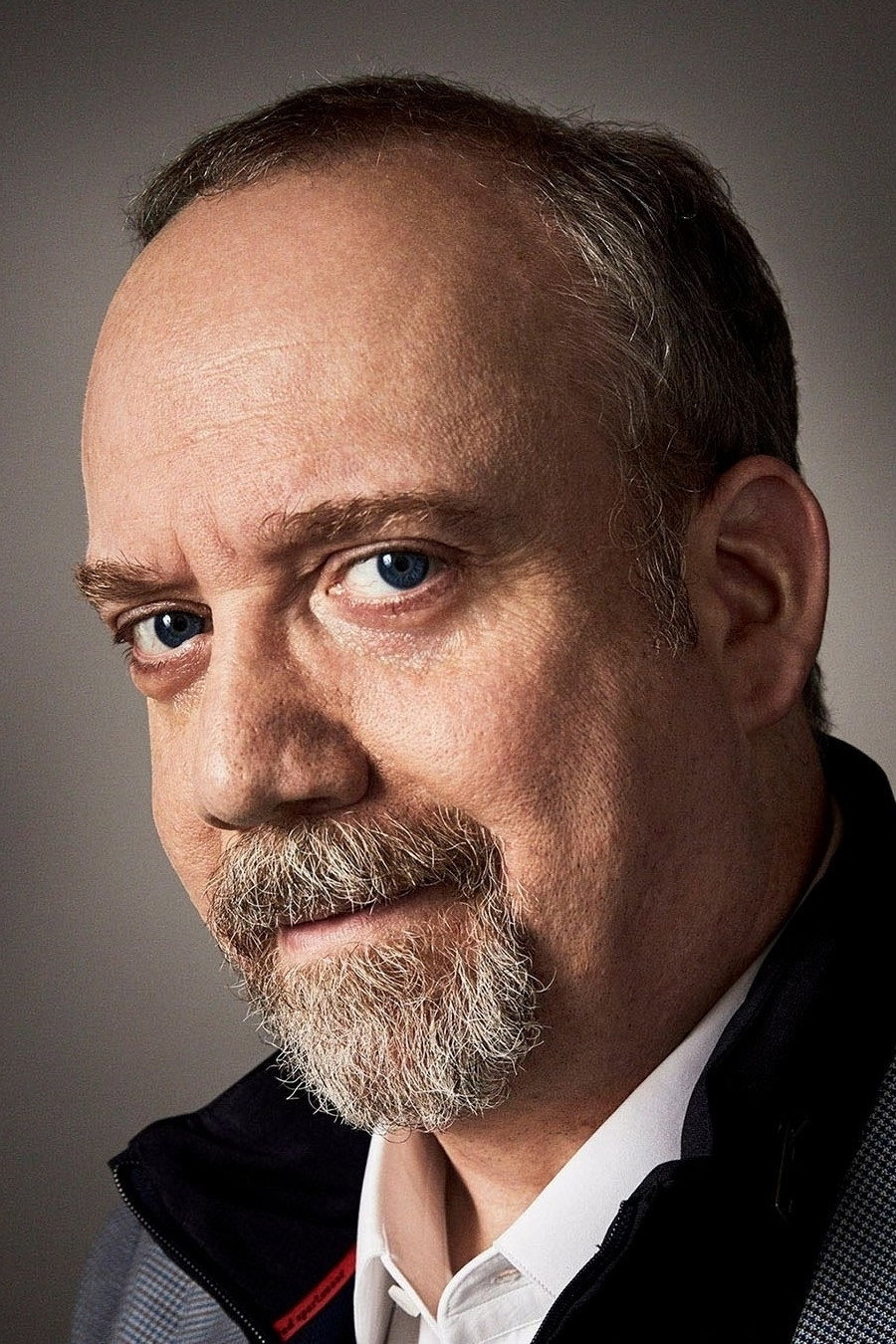
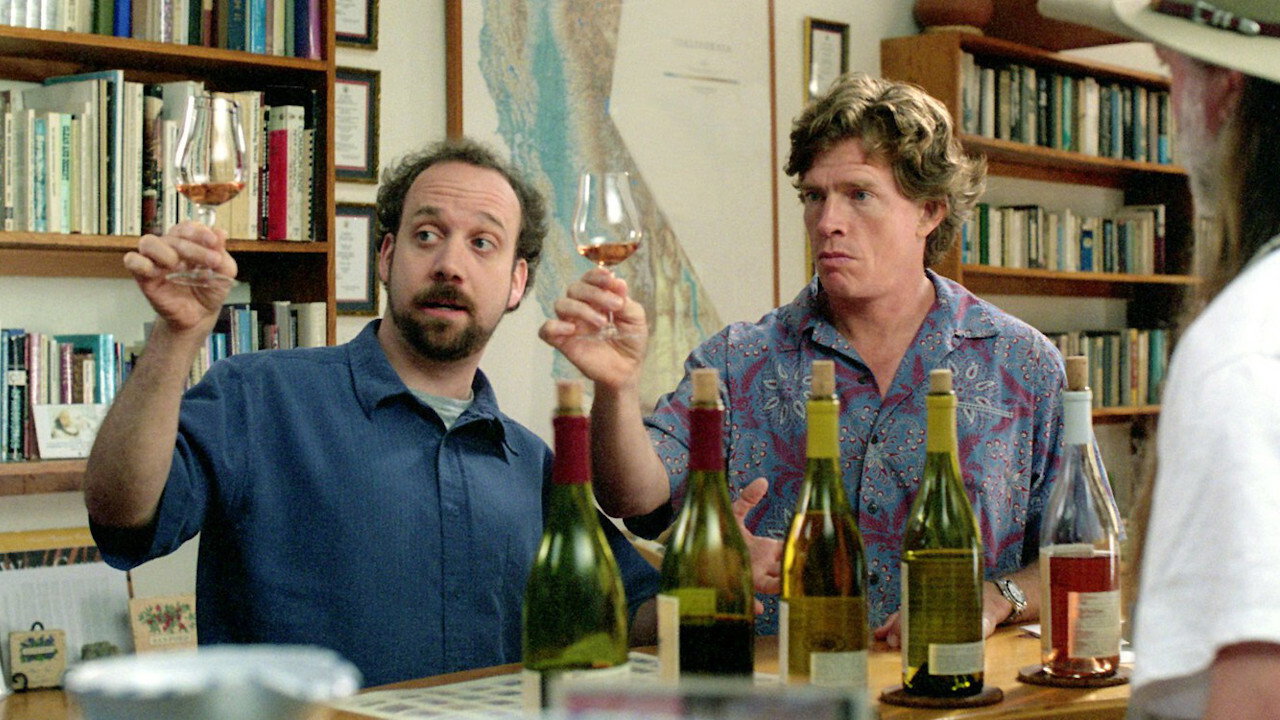
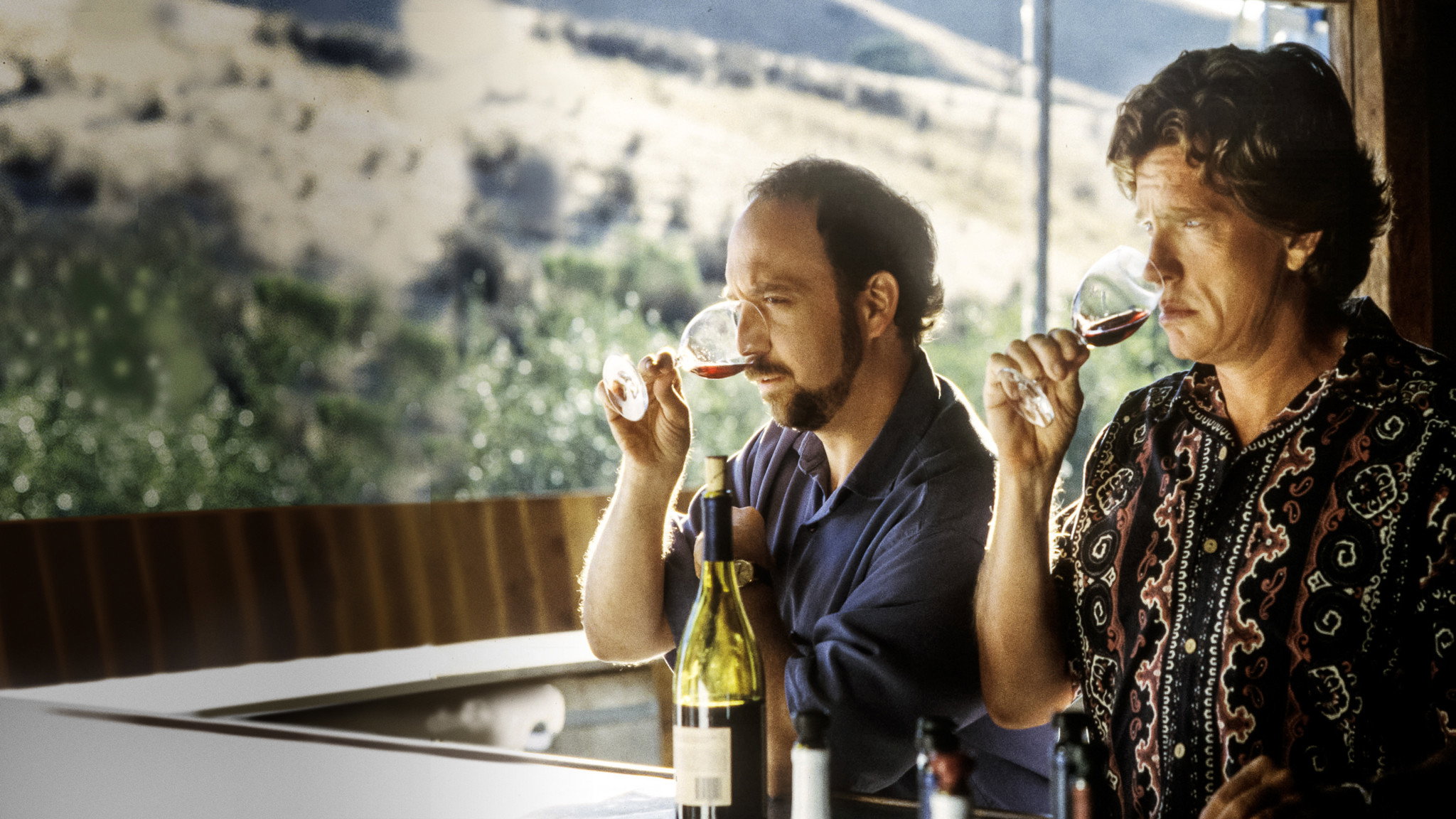
Paul Giamatti gives Miles’s wine talk the painstaking seriousness of a man who expects to be challenged. The precision is funny, especially when set beside his less successful dealings with people. We laughed, then felt rather sad for him. It was the care he gave those judgements that did it: Giamatti makes an opinion about wine sound like something Miles badly needs to get right. He lets the self-pity become tiresome, too, and trusts us to remain interested.
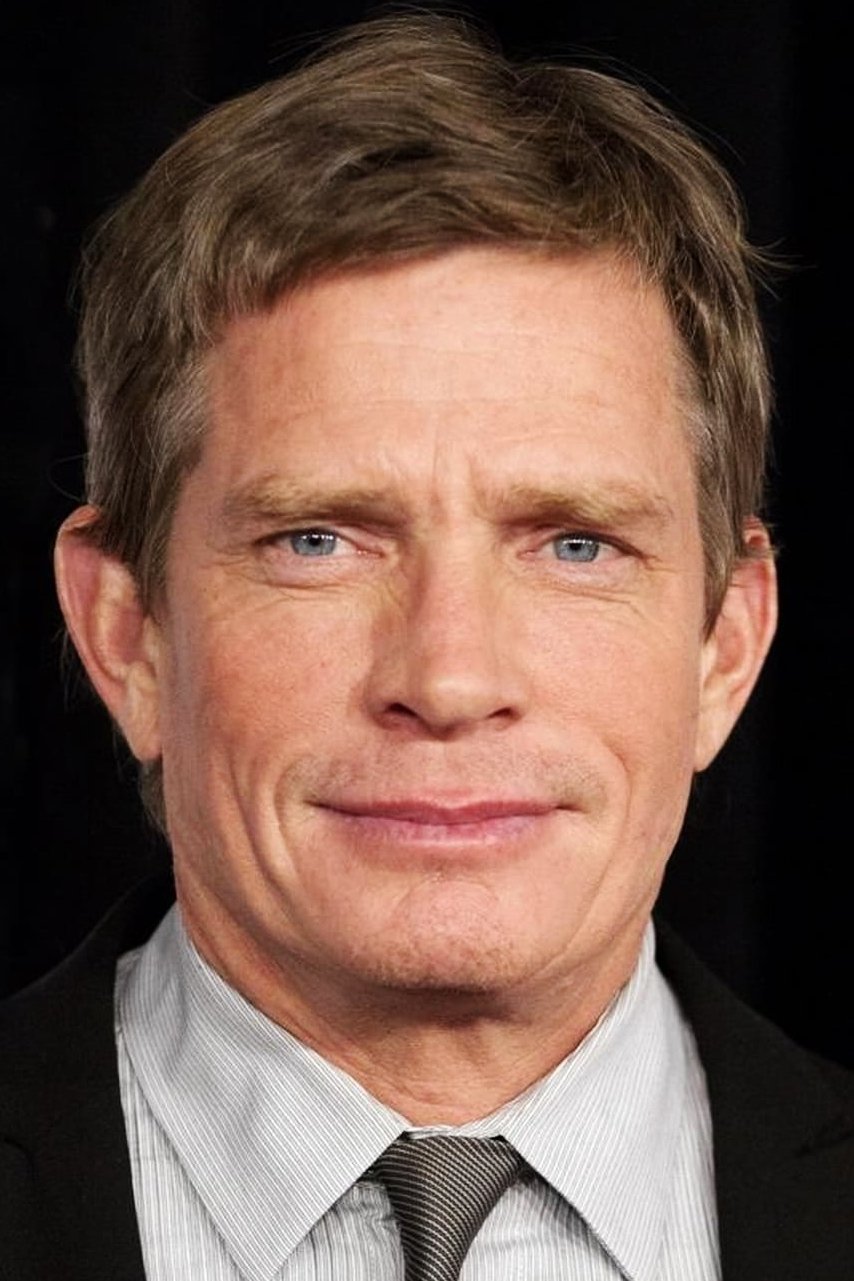
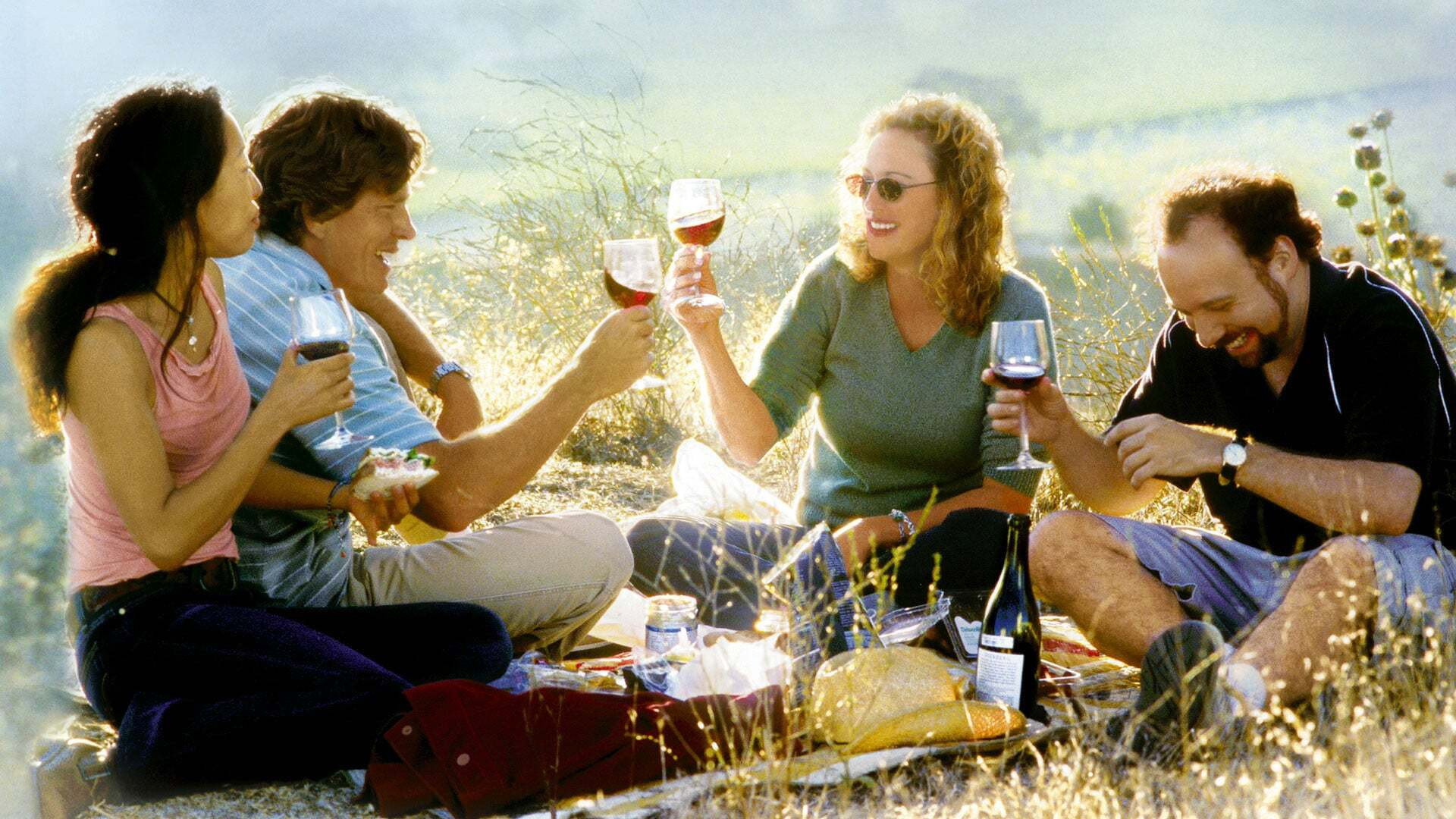
Thomas Haden Church’s Jack gives Giamatti someone who will not join him in examining every discomfort. Church’s ease is funny in itself, and he makes Jack’s lack of reflection feel like a habit Miles both resents and needs. The friendship is convincing because neither actor makes being together look consistently enjoyable. Virginia Madsen, as Maya, and Sandra Oh, as Stephanie, are equally persuasive, especially when the men stop being charming. We wanted more of the film’s attention to stay with them, rather than returning so reliably to the men’s troubles.
Phedon Papamichael’s cinematography lets us enjoy the wine country without suggesting that the view ought to cure anyone. The pleasure of looking around helps when the men become less pleasurable company. Jane Ann Stewart’s production design makes the places where they taste wine feel comfortable enough for Miles to settle into his subject. That relaxed setting gives Giamatti room to make wine tasting seem like serious work.
Kevin Tent’s editing generally gives the conversations enough time to become uncomfortable before moving on. We can register an embarrassment without having every joke pointed out. The middle does drift, though, and at 127 minutes the film gives some exchanges longer than they need. Rolfe Kent’s music lends those passages some lift, but cannot quite supply the missing momentum. His score is otherwise a good companion, light enough to let the sadness arrive without a musical warning.
Payne is less assured when he reaches for broader humiliation. A few jokes ask us to enjoy the men’s embarrassment in a simpler way than the performances have prepared us for, and the change feels cheap. The sharper comedy comes when these friends fail to listen to each other. For a buddy film, it is unusually willing to let companionship feel like work.
We would give it an unhurried evening, with one reservation. Anyone hoping for amiable holiday company may tire of Miles before Payne does. Stay for Giamatti, especially if someone else’s expertise has ever made a dinner feel longer than planned.