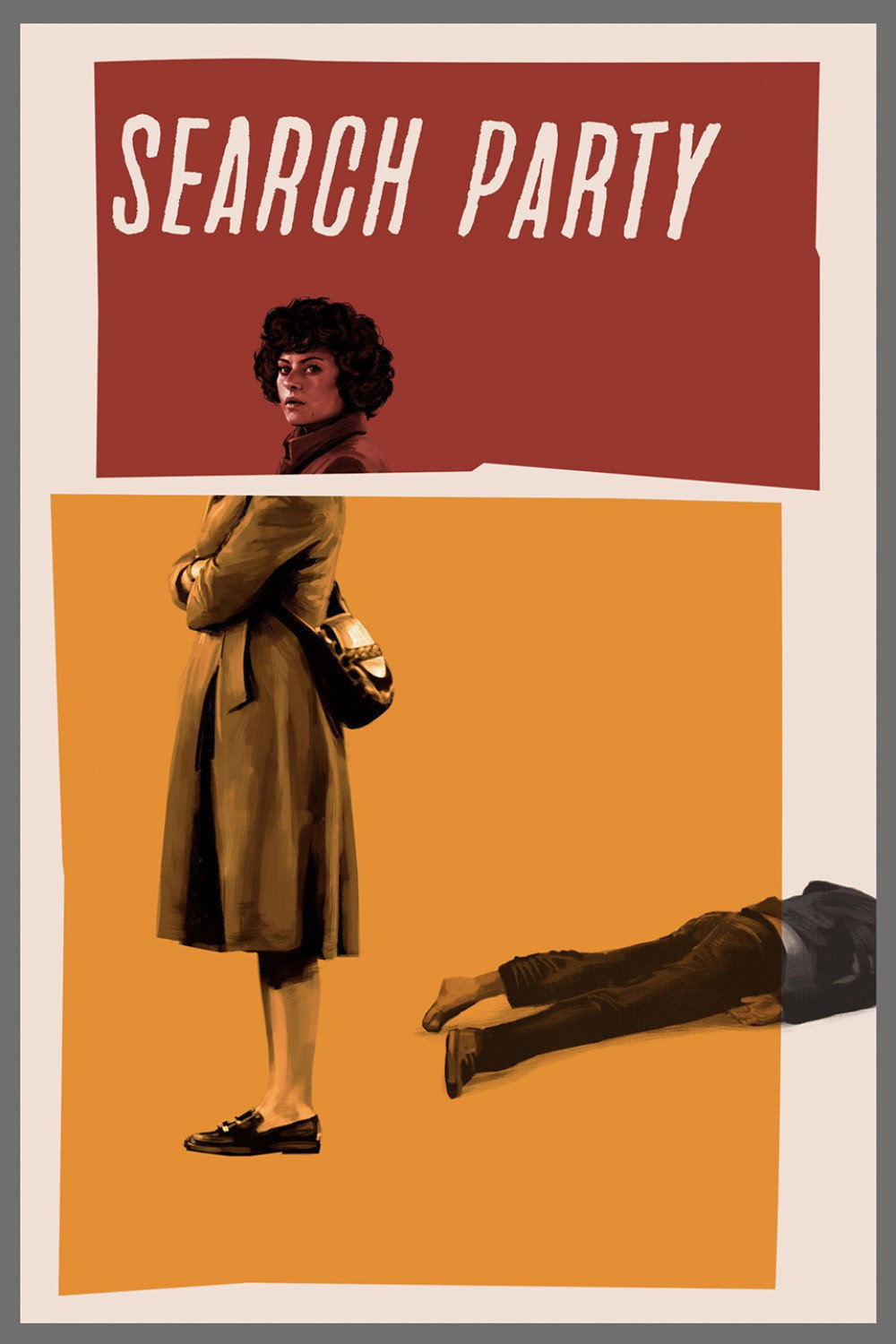
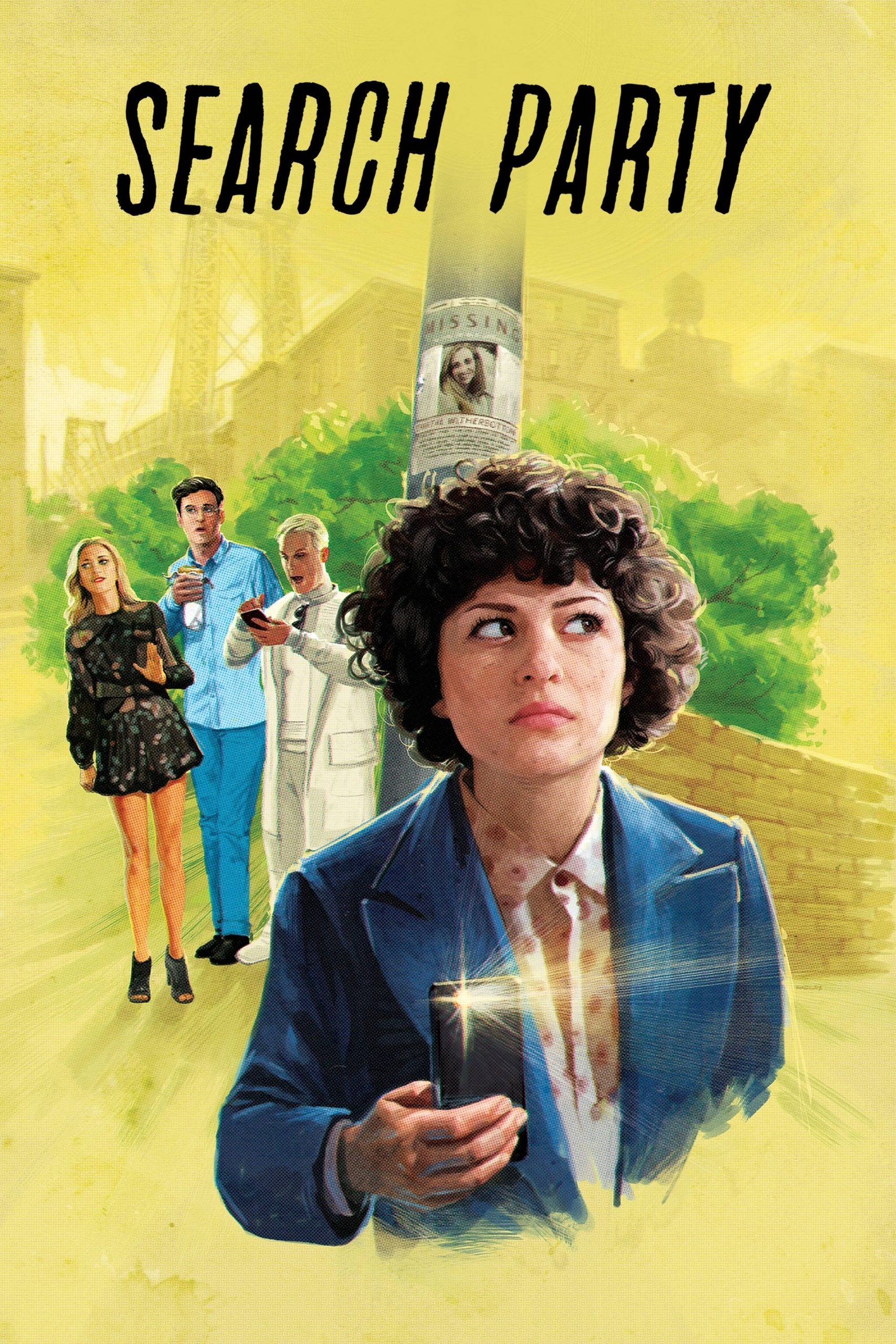
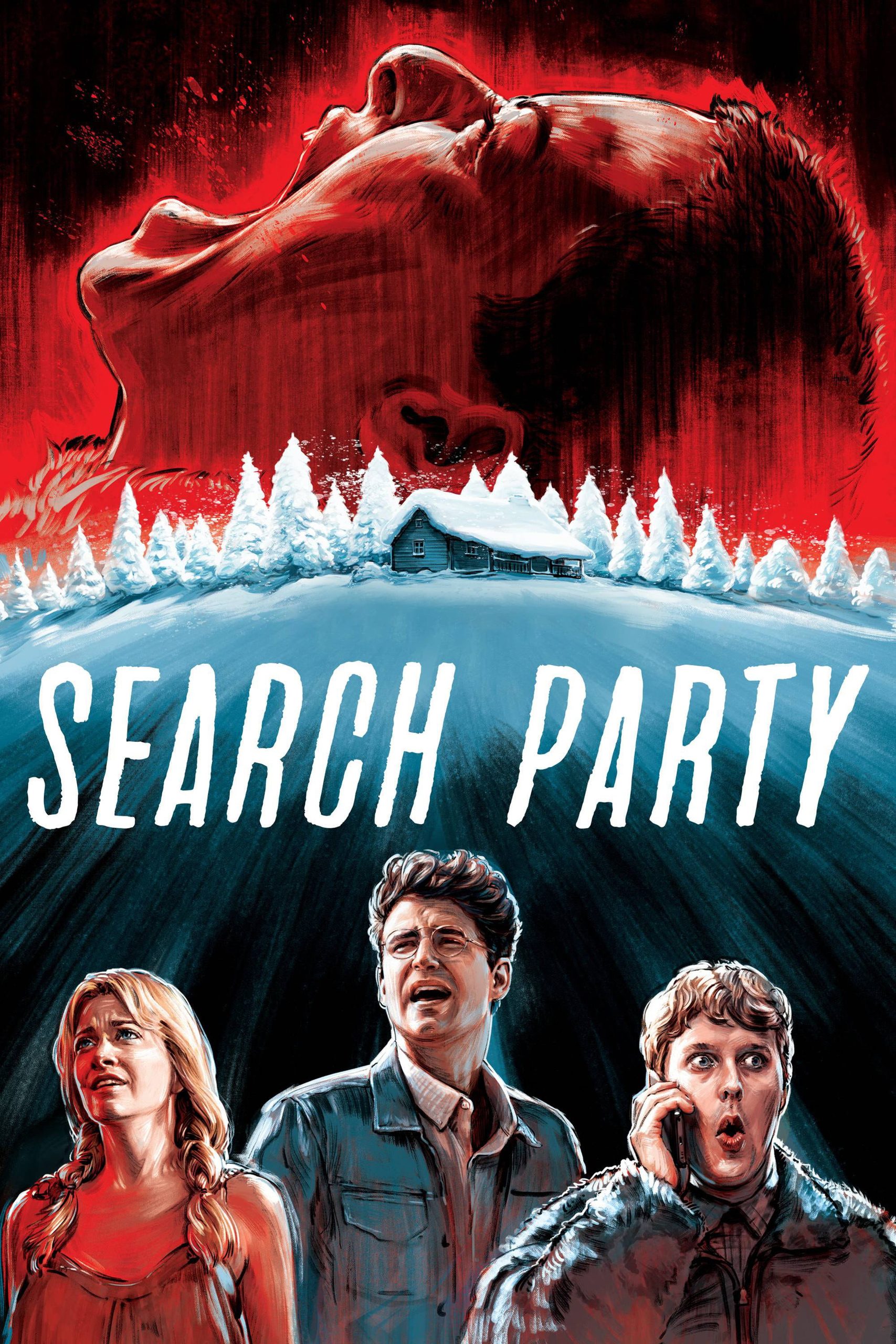
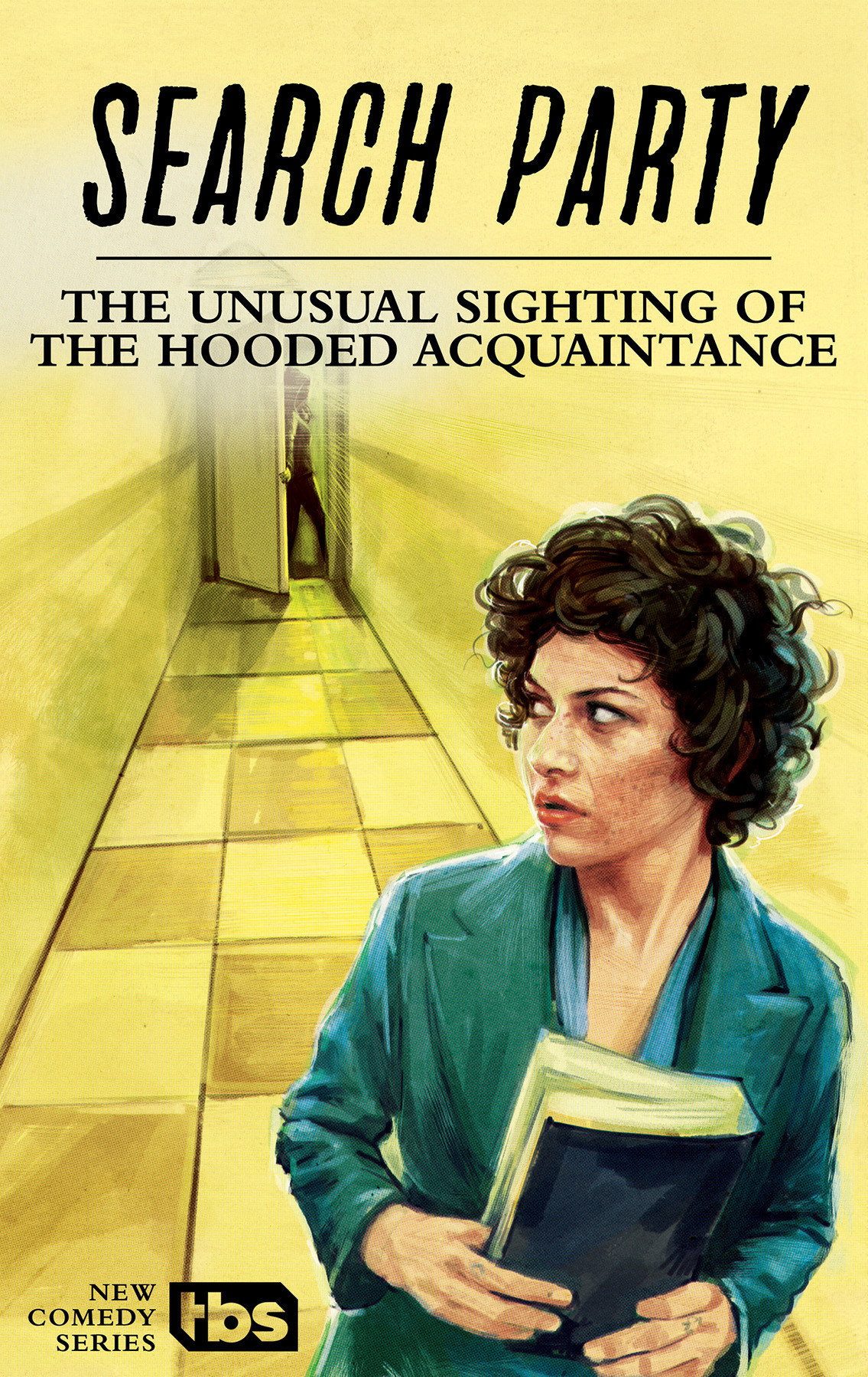
Sarah-Violet Bliss and Charles Rogers hand a missing-person mystery to four Brooklyn twentysomethings who have never seen anything through, and get a comedy that is sharp, unkind and hard to stop watching. Its targets are easy, and the later seasons grow broader.
Sarah-Violet Bliss and Charles Rogers have bolted together two genres that have no business sharing a half-hour: the Brooklyn comedy about people who talk about themselves at brunch, and the missing-person thriller. Dory Sief (Alia Shawkat) sees a poster for a woman she barely knew at college and decides to find her, mainly because nothing else in her life has asked anything of her. Her friends come along because it is more interesting than their jobs. The result is excellent: funny, unkind, tightly built, and one of the few comedies of its kind whose plot we could not see coming. The caveat is that it knows its targets a little too well, and the later seasons, which change shape each time, get broader as they go.
It is shot like a thriller rather than a sitcom. Danica Pantic and Olga Miasnikova’s production design gives Dory a Brooklyn of cramped kitchens and other people’s nicer living rooms, and the flat she is paid to tidy is glass and pale wood, empty in the middle of the day. Daniel Wohl and Brian H. Kim score it with strings that tighten while the characters are ordering drinks, so a conversation about a bad date carries the tension of a stakeout. Matthew Simonelli keeps Dory in the same few jumpers for days and puts Elliott in clothes that fit too well to be comfortable. Michael Showalter, who directs several episodes and has a hand in the writing, sets the rule early: nobody is playing for the joke; the joke is what these people say.
Shawkat is the reason it holds. Dory is not likeable and the series never pretends she is; she wants Chantal to be in danger because it would mean something is happening to her. Shawkat plays her with a stare that never settles into plain concern, and when she finds a clue her face does something small and greedy. We caught ourselves rooting for her, then wondering what we were rooting for.
The friends are broader, and they are where the laughs are. John Early’s Elliott lies for attention and is furious when it is not paid; Early gets more out of a pause before a correction than most comedians get out of a set piece. Meredith Hagner’s Portia is an actress on a television crime series, and Hagner plays her stupidity as a kind of good manners. John Paul Reynolds has the hardest job as Drew, the boyfriend who is kind and therefore dull, and he makes kindness look like a decision. Brandon Micheal Hall’s Julian is the one person who tells Dory she is being ridiculous, and the series does not know what to do with him once he has said it.
We laughed a great deal, and at the end of the first season we stopped laughing altogether. There is a vigil for Chantal, early on, where her acquaintances take turns performing grief for a woman they hardly knew. We found it funnier than we were comfortable with, and then, a beat later, not funny at all, because Dory is watching them and learning how it is done. The last episode of the first season takes a turn we will not describe. We watched it with a hand over our mouth, and nothing in it is a cheat; every piece has been on the table since the first brunch.
The satire is not always as sharp as it thinks. People who confuse posting about a thing with doing it were a well-worn target by 2016, and there are episodes in the middle of the first season that make the point, then make it again with a minor character who exists only to be laughed at. Later seasons change genre each time, and we will not say into what. The second is the best of them; the third and fourth turn the friends into cartoons; by the fifth the programme is doing an impression of itself. Fifty episodes of 22 minutes is a lot of Dory, and we did not always want that much.
Against the comedies about aimless New Yorkers it is usually filed with, it is meaner and better made than most. Watch the first season in two or three sittings rather than ten; it is built as a single story and the strings only work if you let them wind. Then decide whether you like these people enough to follow them into worse trouble. We did, mostly.