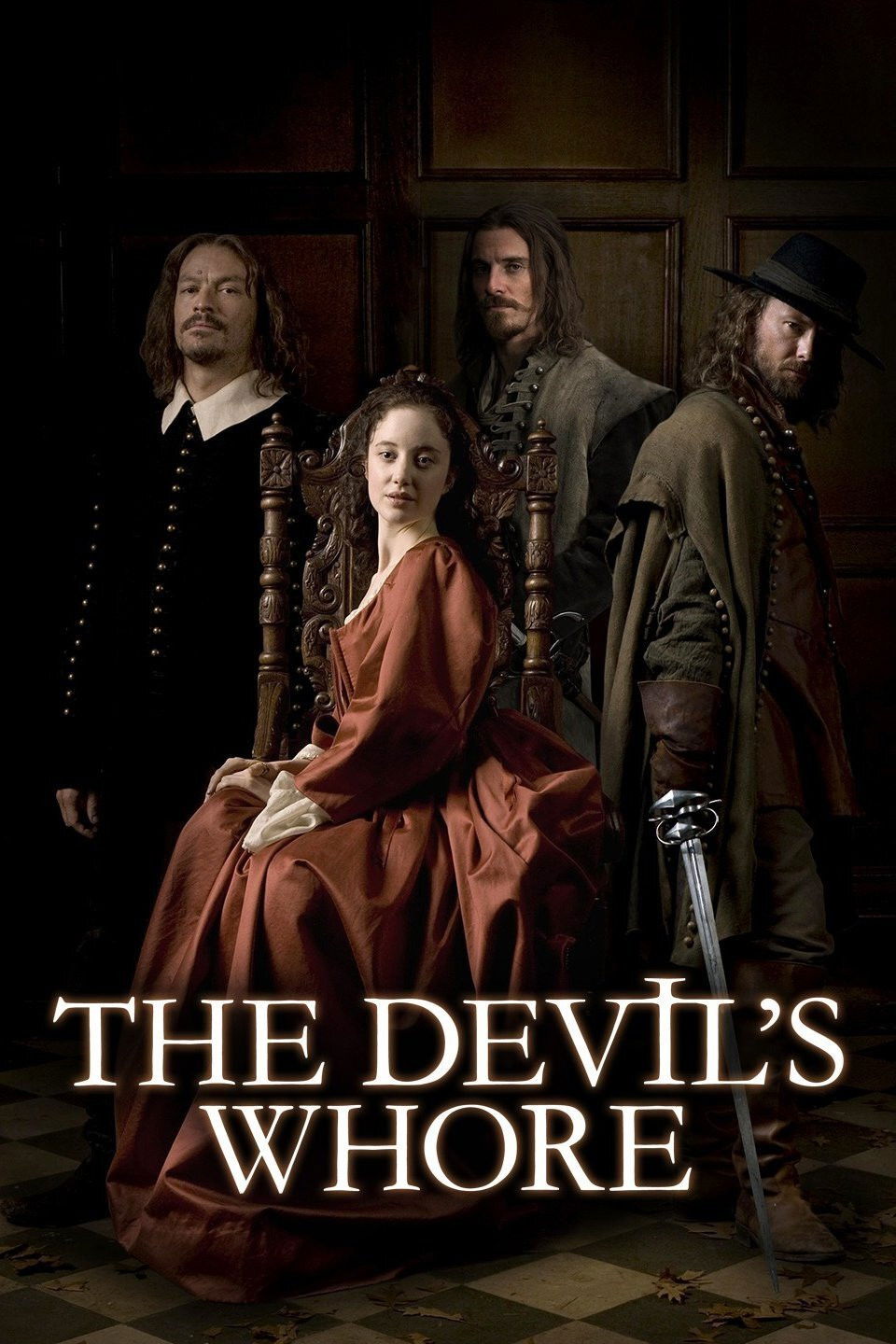
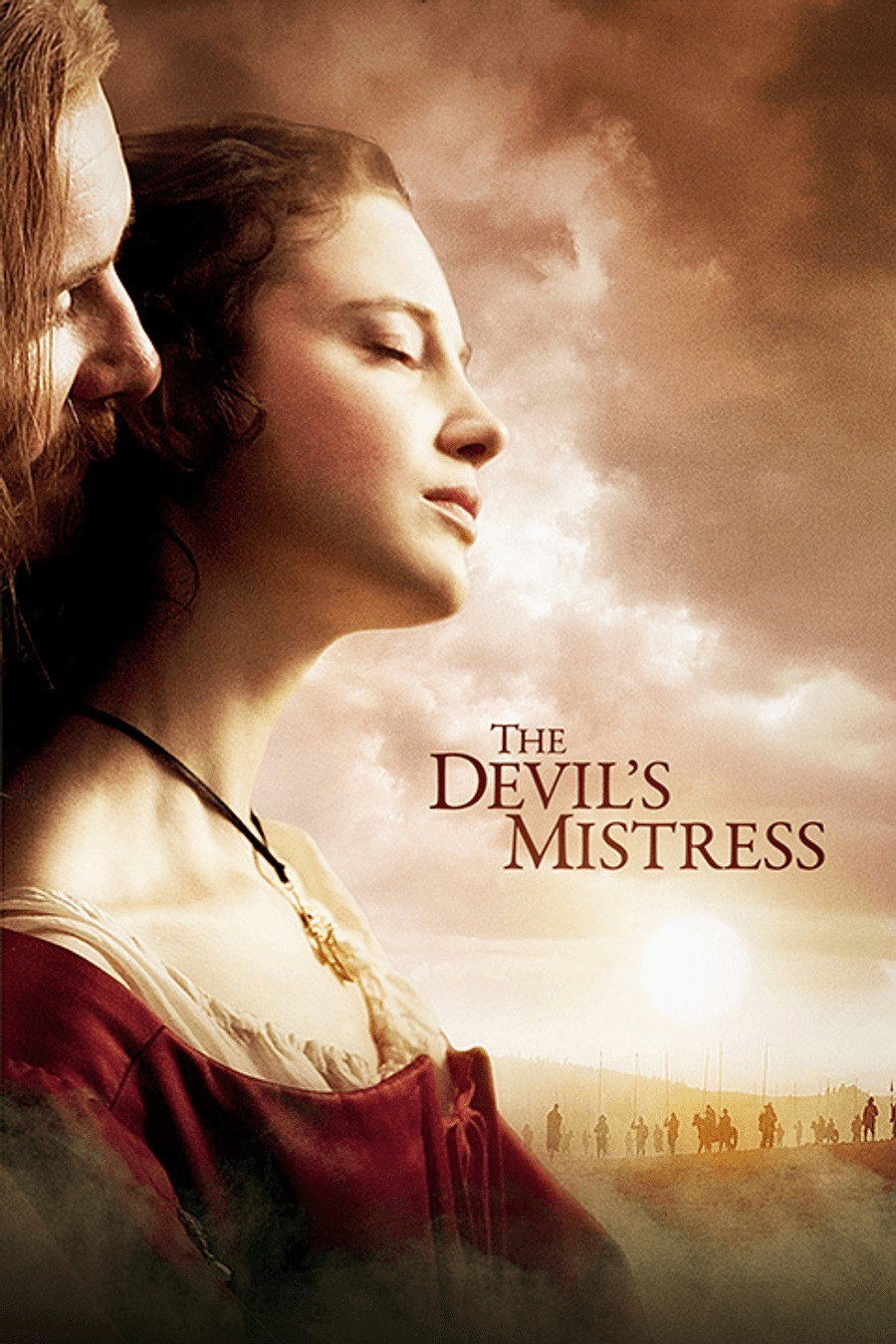
Peter Flannery and Martine Brant’s four-part Civil War drama is handsome, hard and well acted, with Andrea Riseborough carrying years of history on a young face. It crams too much into too little time, but we would rather that than the usual bonnets.
The English Civil War is the great unfilmed stretch of English history, and Peter Flannery and Martine Brant have a theory about why: nobody knows whose side to be on. Their answer, over four episodes, is to invent someone. Angelica Fanshawe is not in any history book, but almost everyone she meets is, and the series walks her from the king’s court in 1642 through the whole of the war and what came after, falling in and out of love with men on every side of the argument. It is a device as old as the historical novel and it mostly works. We recommend it, with the caveat that it tries to carry the better part of two decades in a little over five hours and you will feel the weight.
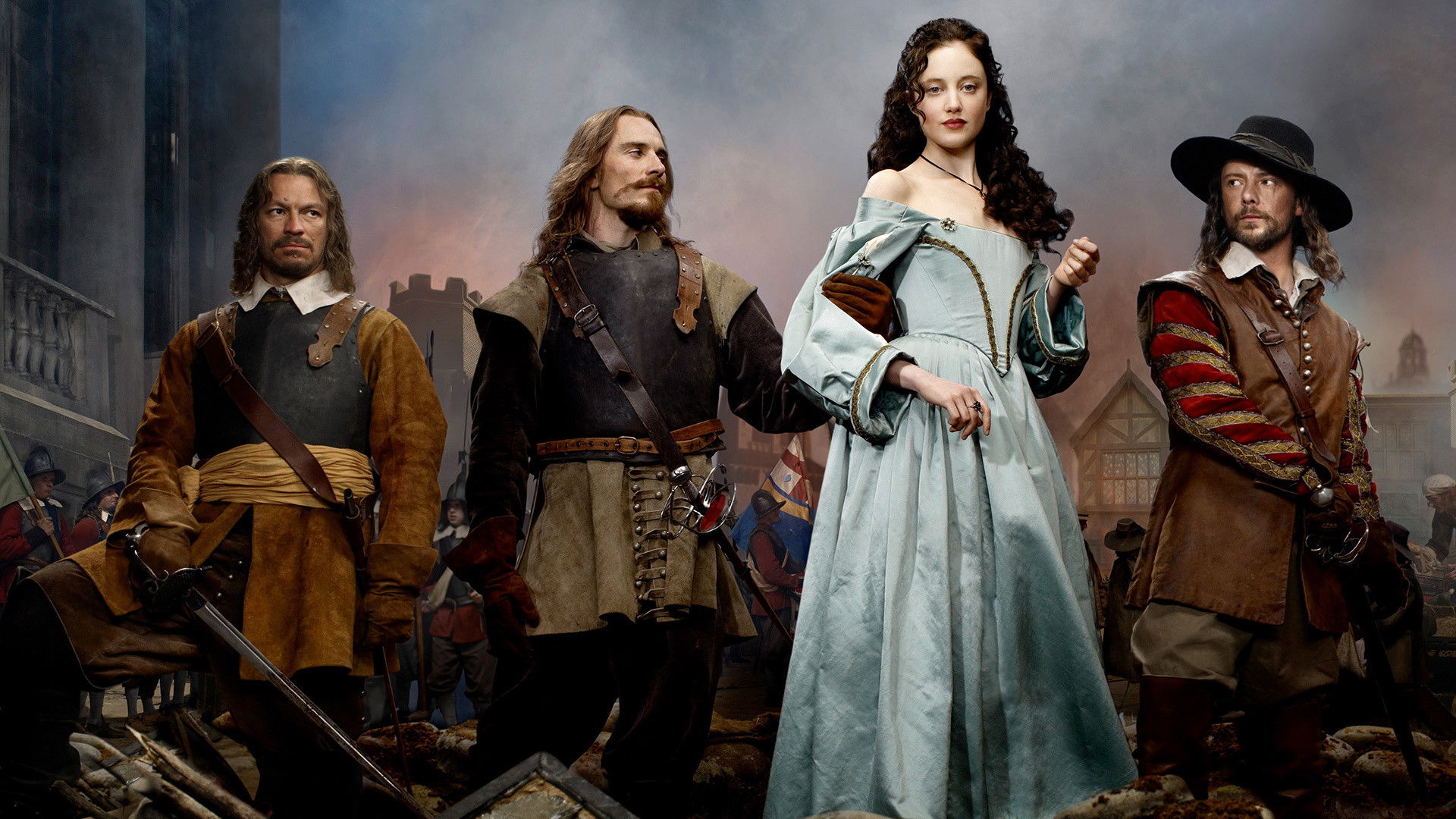
The first thing to say is that it does not look like the period dramas around it. Julian Court shoots as if candles were the only light anyone had, so that faces come out of black and everything behind them stays black. Outdoors the sky is the colour of pewter and the roads are mud to the axle. Rob Harris’s interiors are bare boards and plain plaster, and Michele Clapton puts everyone in dark wool that looks slept in; there is hardly a ribbon in the whole thing. Marc Munden directs it with a straight face, which matters, because the script asks a great deal of him. It gives Angelica a Devil, played by Rob van Vuuren, a pale silent man who stands at the edge of the frame where only she can see him. Munden neither explains him nor makes a fuss of him, and that restraint is the only reason he is bearable.
Andrea Riseborough carries the whole of it, and she is the reason to watch. She starts as a girl who believes what she has been told about kings and ends as a woman who has been told a great deal else, and the change is all in the face: the mouth sets, the eyes stop asking. She is in nearly every scene and she never repeats herself.
What moved us most, though, was Peter Capaldi’s King Charles I. He plays him small, courteous and completely certain, a man who cannot conceive that anyone could be right against him, and when the certainty starts to cost him we felt for him against our own judgement. Dominic West’s Cromwell is the opposite kind of performance, plain and heavy and without a flourish, and the two men face to face is the best thing in the series. John Simm’s Edward Sexby, a soldier who fights for pay and slowly finds something he would fight for free, is the best of Angelica’s men. Michael Fassbender’s Thomas Rainsborough and Tom Goodman-Hill’s John Lilburne give the Levellers’ case its speeches, and Maxine Peake as Elizabeth Lilburne gets its anger.
The trouble is arithmetic. Flannery and Brant want the war, the army’s debates about who should vote, the rise and hardening of Cromwell, and three or four love stories, and they have four episodes. Joe Walker and David Charap cut hard to make it fit, and years pass between scenes with a line of dialogue to mark them. We lost our footing more than once and had to reach for a date. Angelica’s habit of loving whichever famous man is nearest starts to look like a way of getting her to the next event. And the Devil, for all Munden’s care, never adds up to more than a good image; drop him and little would change. Murray Gold’s score keeps pace with all of this, which is not always the same as helping.
Set it against the run of costume drama it was made among, and it is a serious piece of work. Most of those shows are about who is sleeping with whom. This one is about who owns the land, who gets a vote and whether a king can be put on trial, and it expects you to keep up. Cromwell, in 1970, gave this history two hours of battles and speeches. This is closer to an argument, staged in the dark, with a woman watching.
Take it one episode a night. It moves faster as it goes, and you will want to know what year it is.