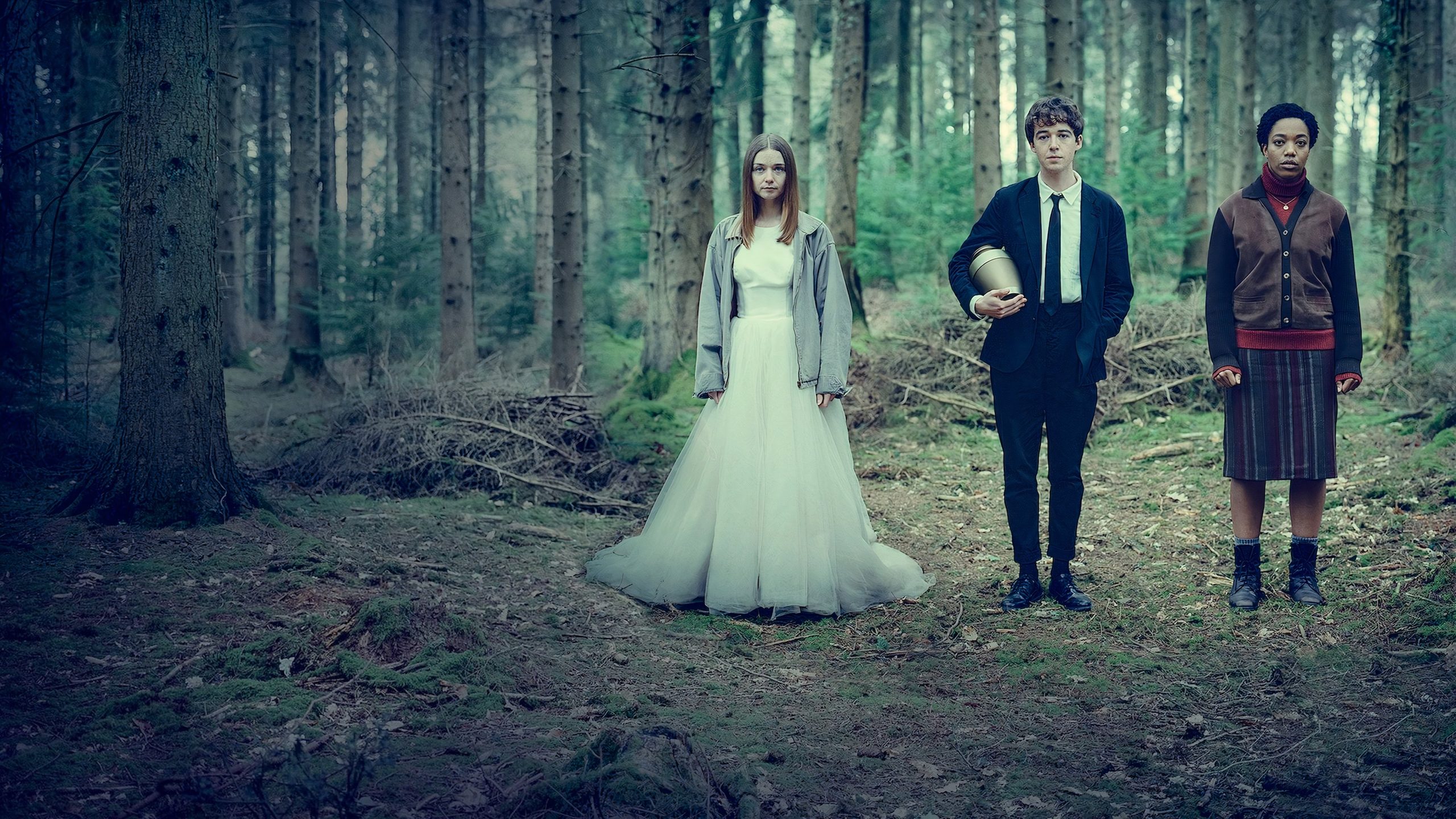
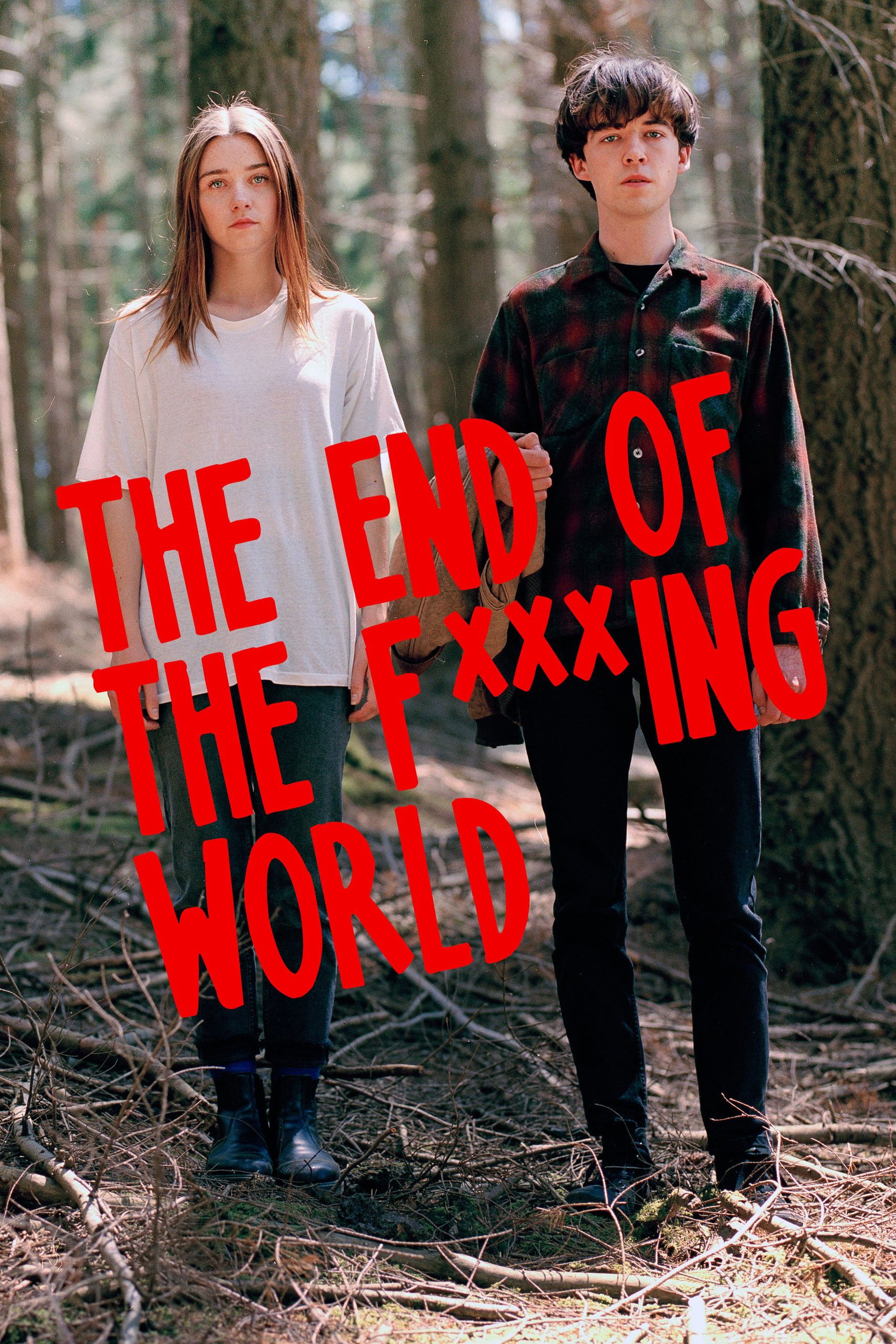
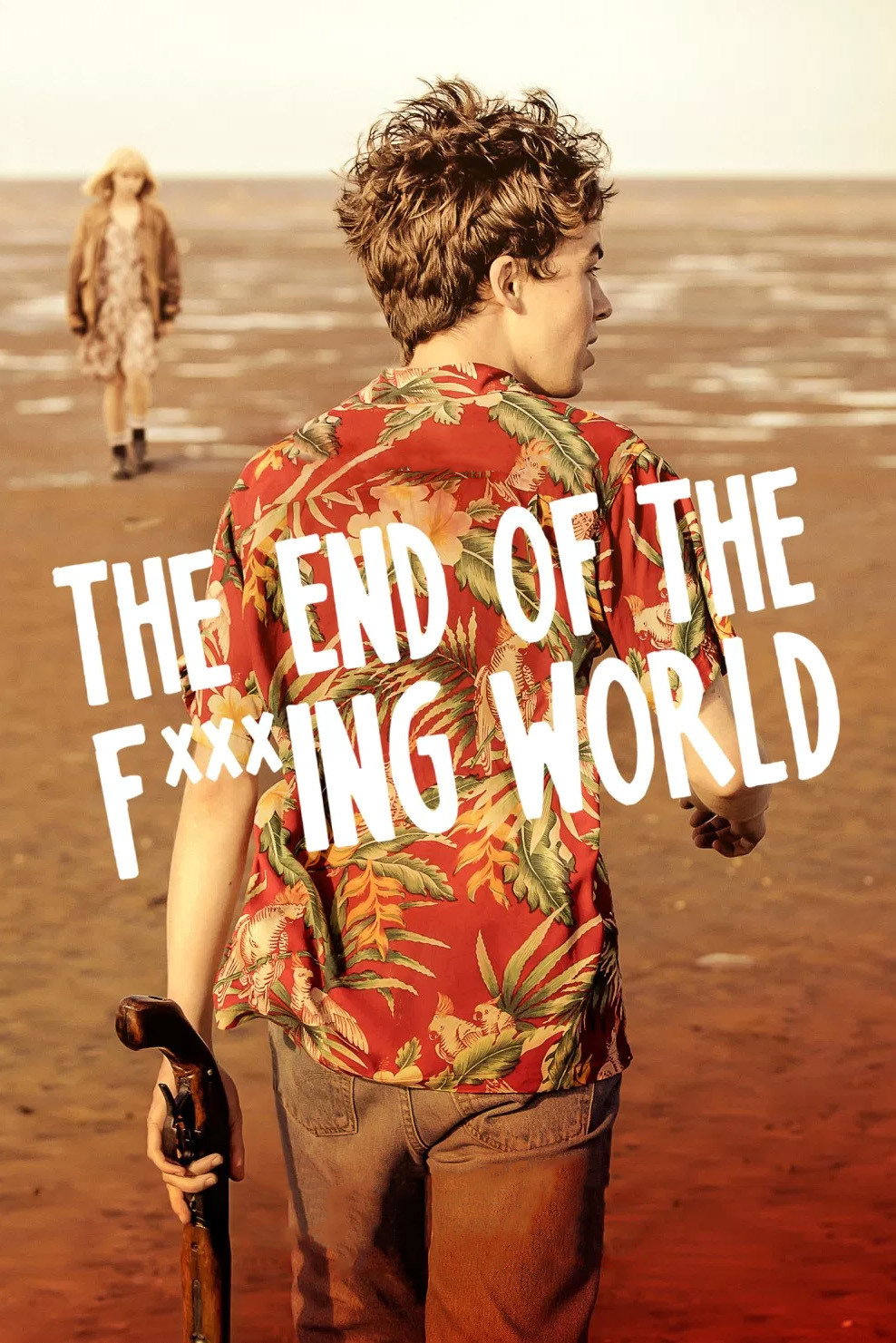
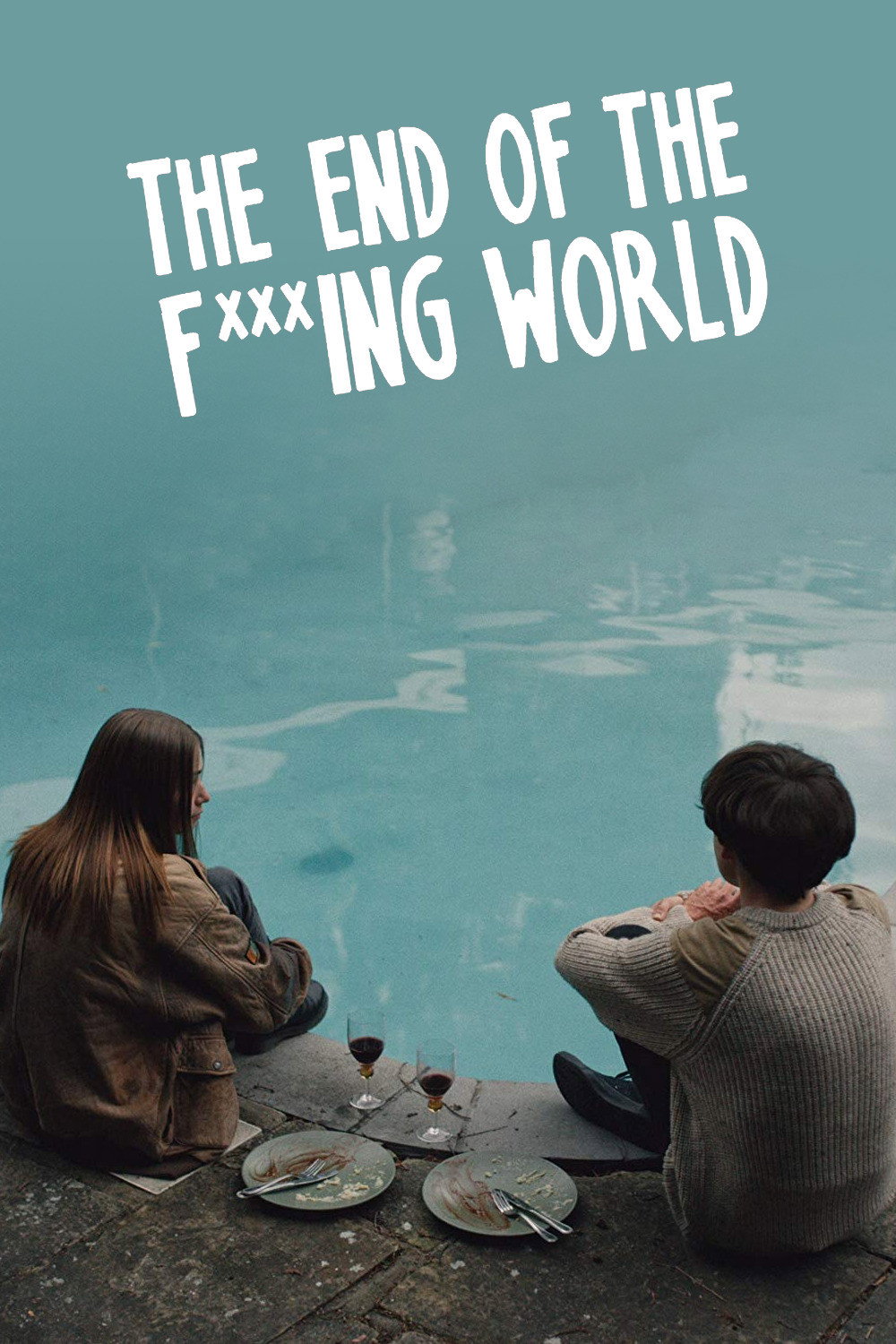
A boy who thinks he is a psychopath, a girl who is sure nobody wants her, and a stolen car. Covell and Entwistle make something quick, rude and tender out of it; episode one borrows too much, but Lawther and Barden are the real thing.
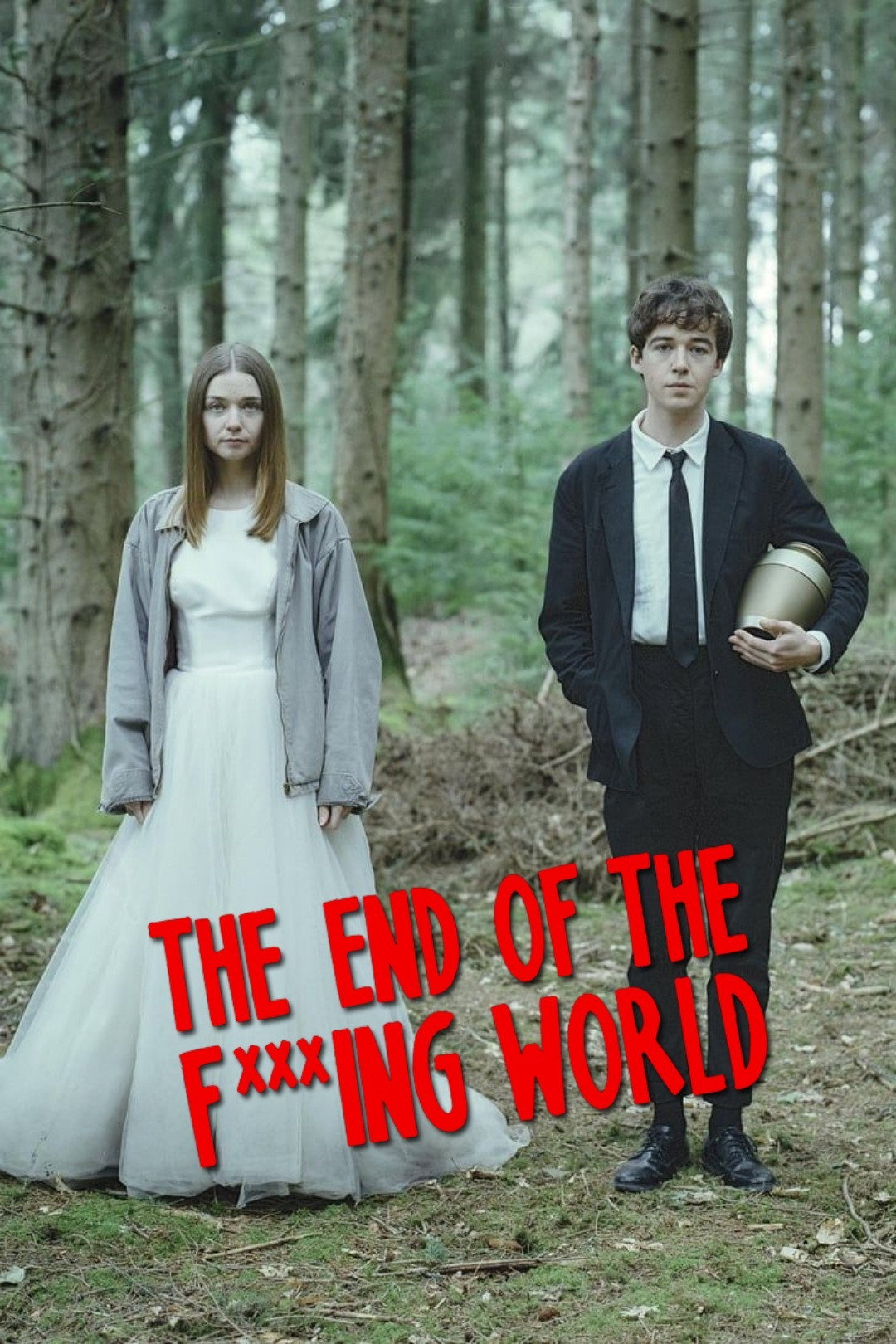
The End of the F*ing World begins as a joke about a boy who wants to be a murderer and becomes, over eight short episodes, a love story about two children nobody has looked after. Charlie Covell’s scripts, adapted from Charles Forsman’s comic, keep the joke and the love story running at the same time, and Jonathan Entwistle, who created the series and directs it, never lets one smother the other. It is quick, rude and a good deal sadder than the title suggests. We recommend it, with a caveat about the first episode and a smaller one about the second series.
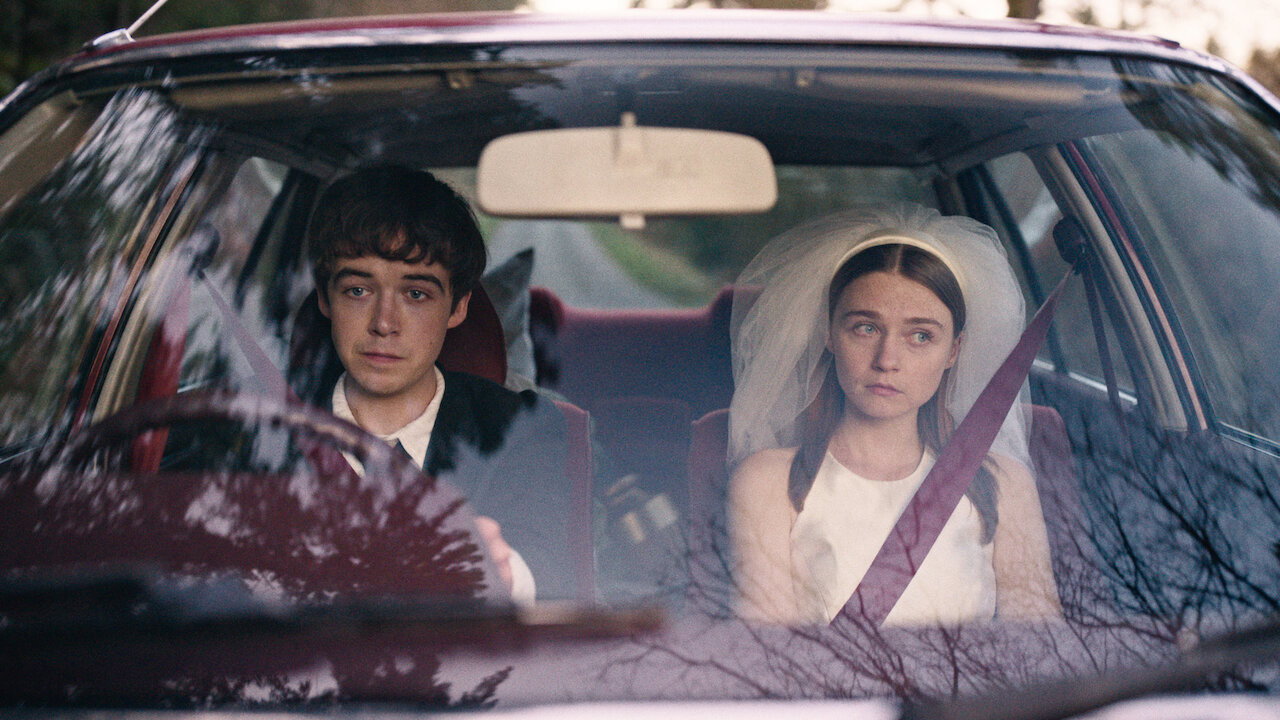
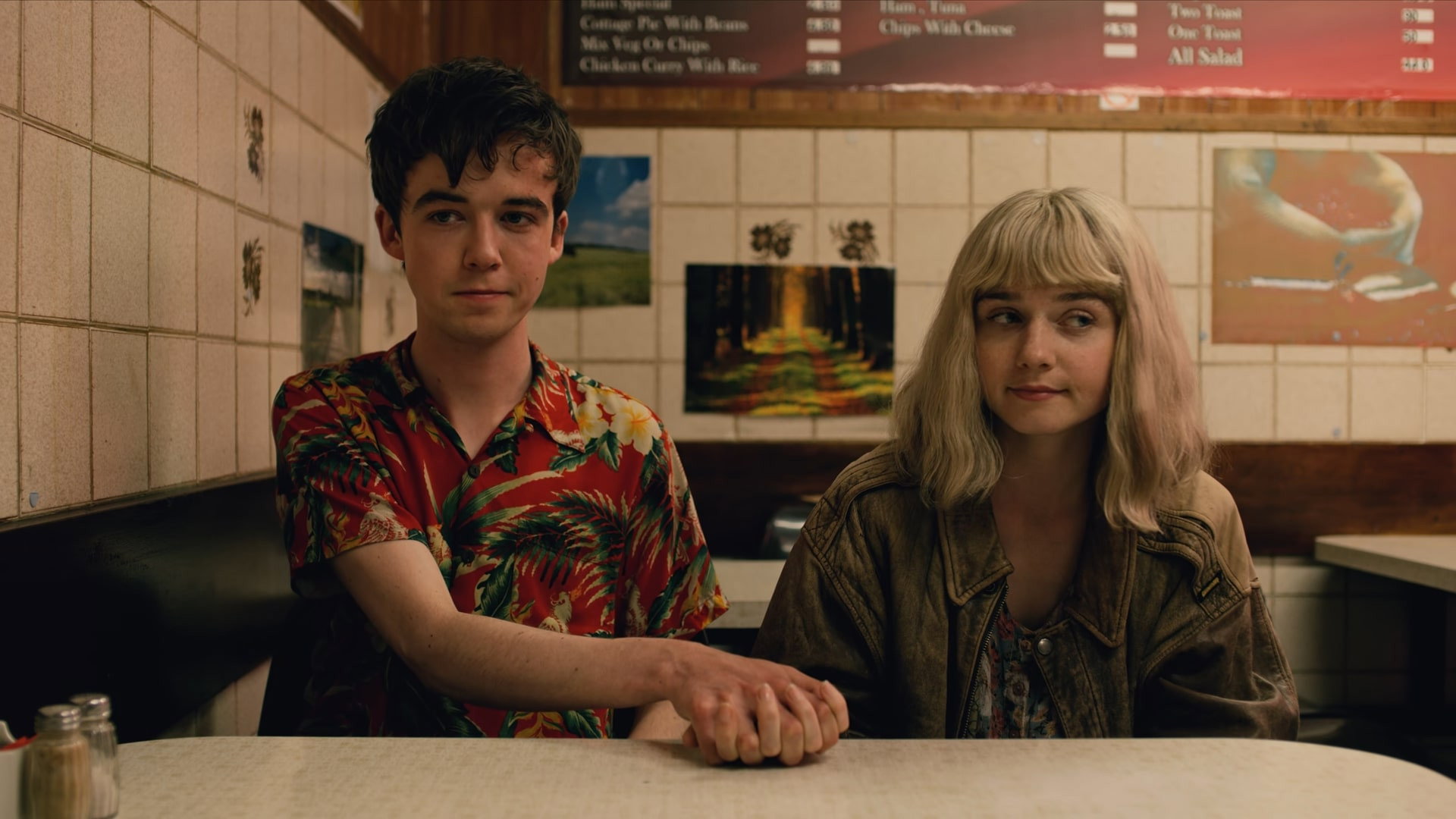
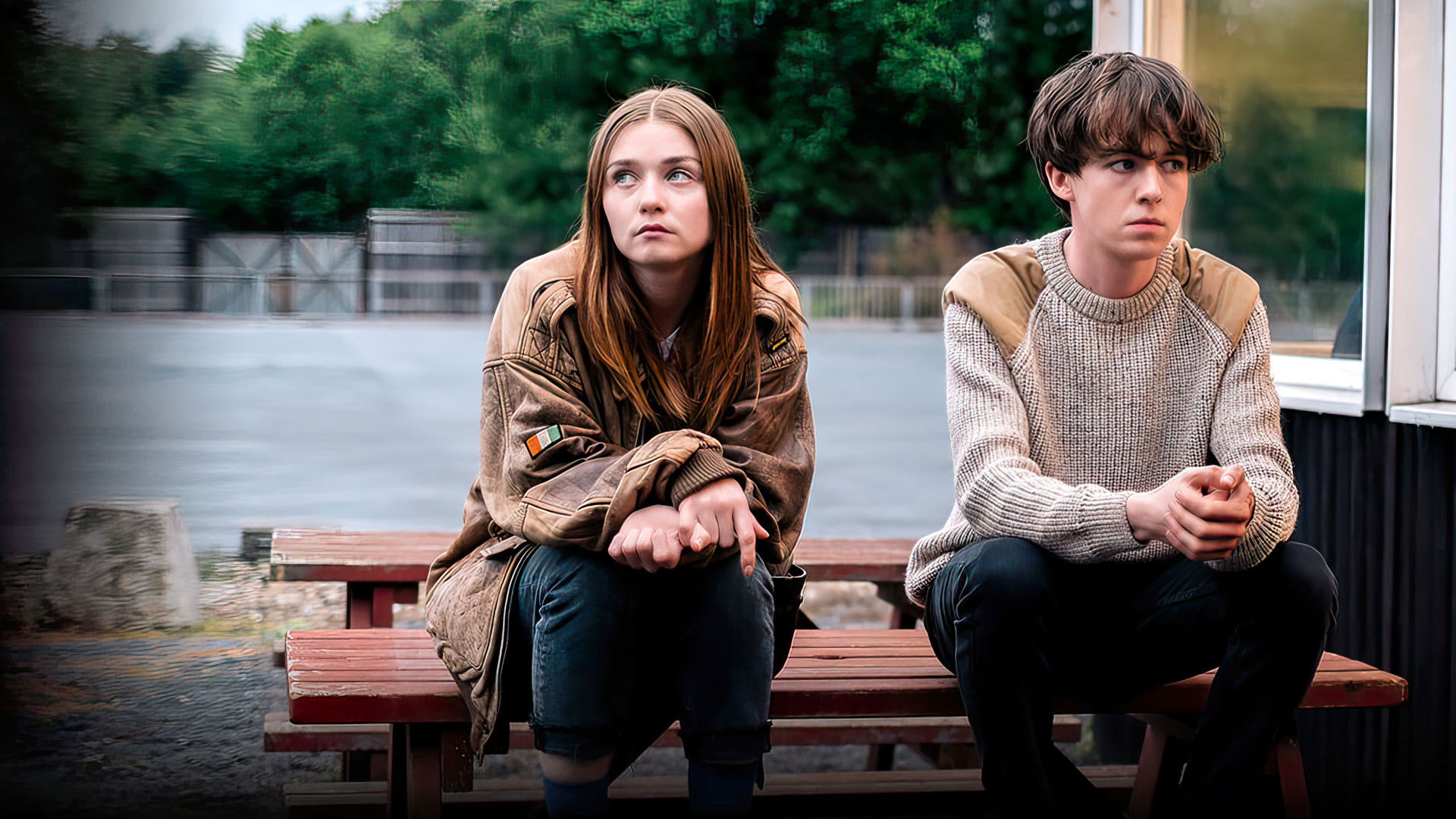
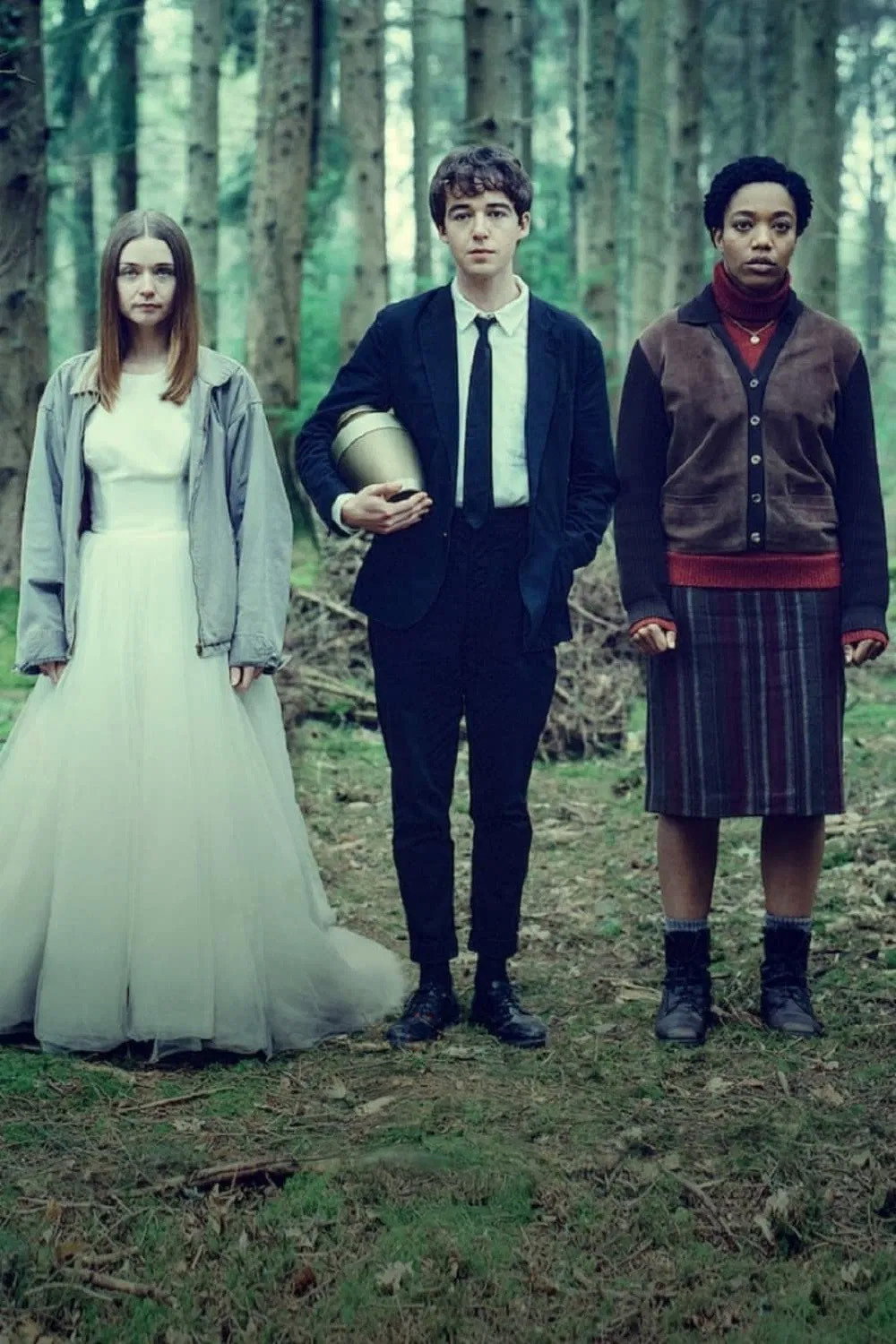
Alex Lawther plays James with a stillness that would be frightening if it were not so plainly a pose. He tells us, flatly, that he is a psychopath, and his face tells us he is a scared seventeen-year-old who has read about them. Jessica Barden’s Alyssa is all attack: she swears at waitresses and shoves her way into James’s life because it is easier than asking anyone for anything, and Barden lets the attack drop for a second at a time, which is the right amount. Covell gives each of them a voice-over, so we hear what they are thinking while they say something else. The jokes come from hearing one thing and watching another. So does most of the hurt.
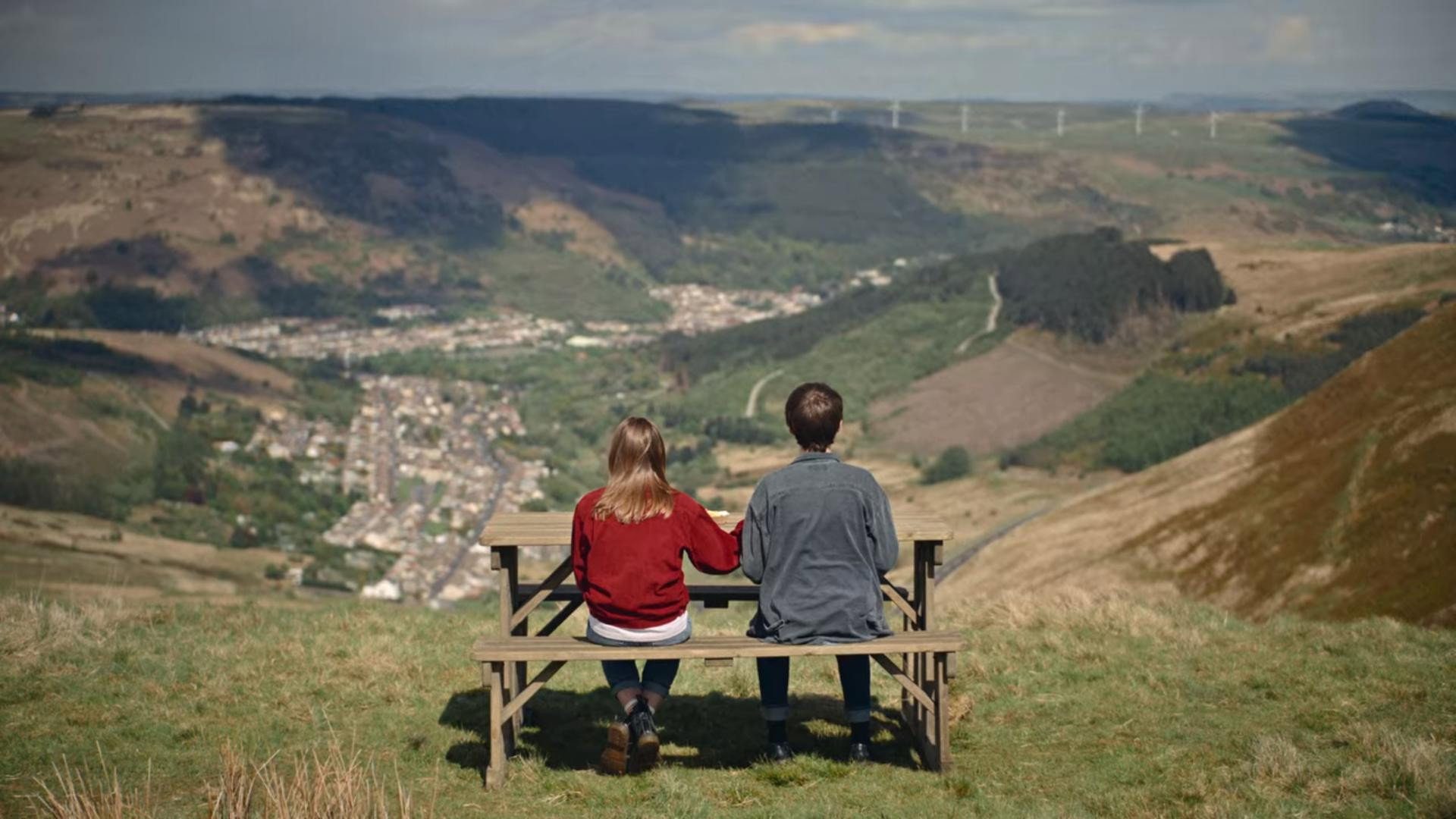
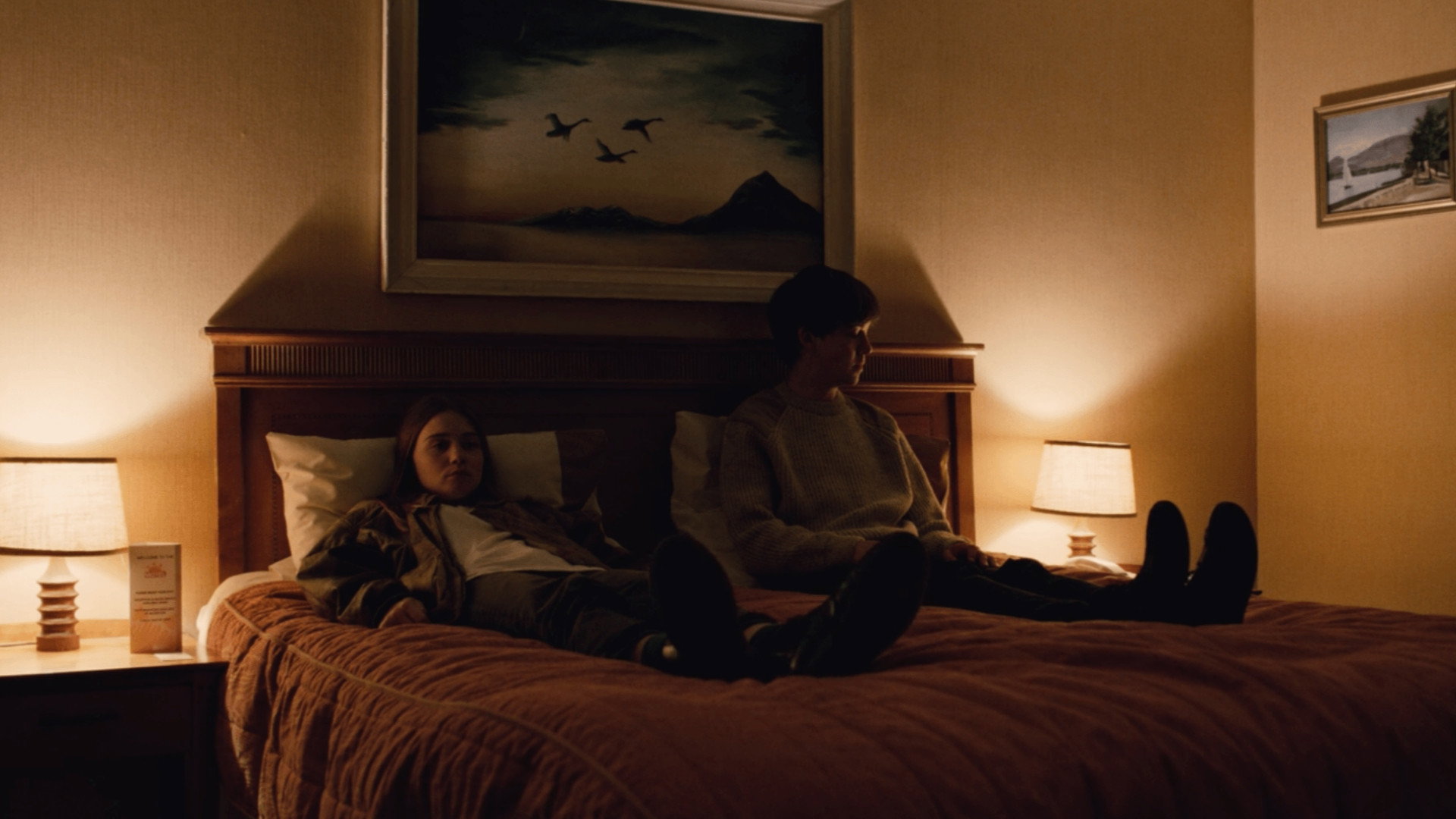
Benedict Spence, Justin Brown and Ben Fordesman shoot it wide and flat, in the greens and greys of an English bypass, and frame the diners and petrol stations so squarely that the whole country looks like the Midwest with worse weather. Grenville Horner and Dick Lunn’s production design puts the pair in red vinyl booths and beige front rooms and never lets a location look prosperous. Graham Coxon’s score is twangy guitar and a little surf, and the old records dropped between scenes are chosen for how romantic they sound against what is actually happening. Tony Kearns, Mike Jones and Celia Haining cut hard on the punchlines, and each episode is over in about twenty minutes, before you have checked the time.
There is a moment early in the drive when Alyssa asks James for something small and ordinary and he thinks, in voice-over, about the knife in his pocket. We laughed, and then we stopped, because Barden played the request as if it had cost her everything she had. After that we were not really watching a comedy about a psychopath any more. We were watching two people who had never been shown how to be kind, working it out in a stolen car, and it got to us more than we expected anything with this title to.
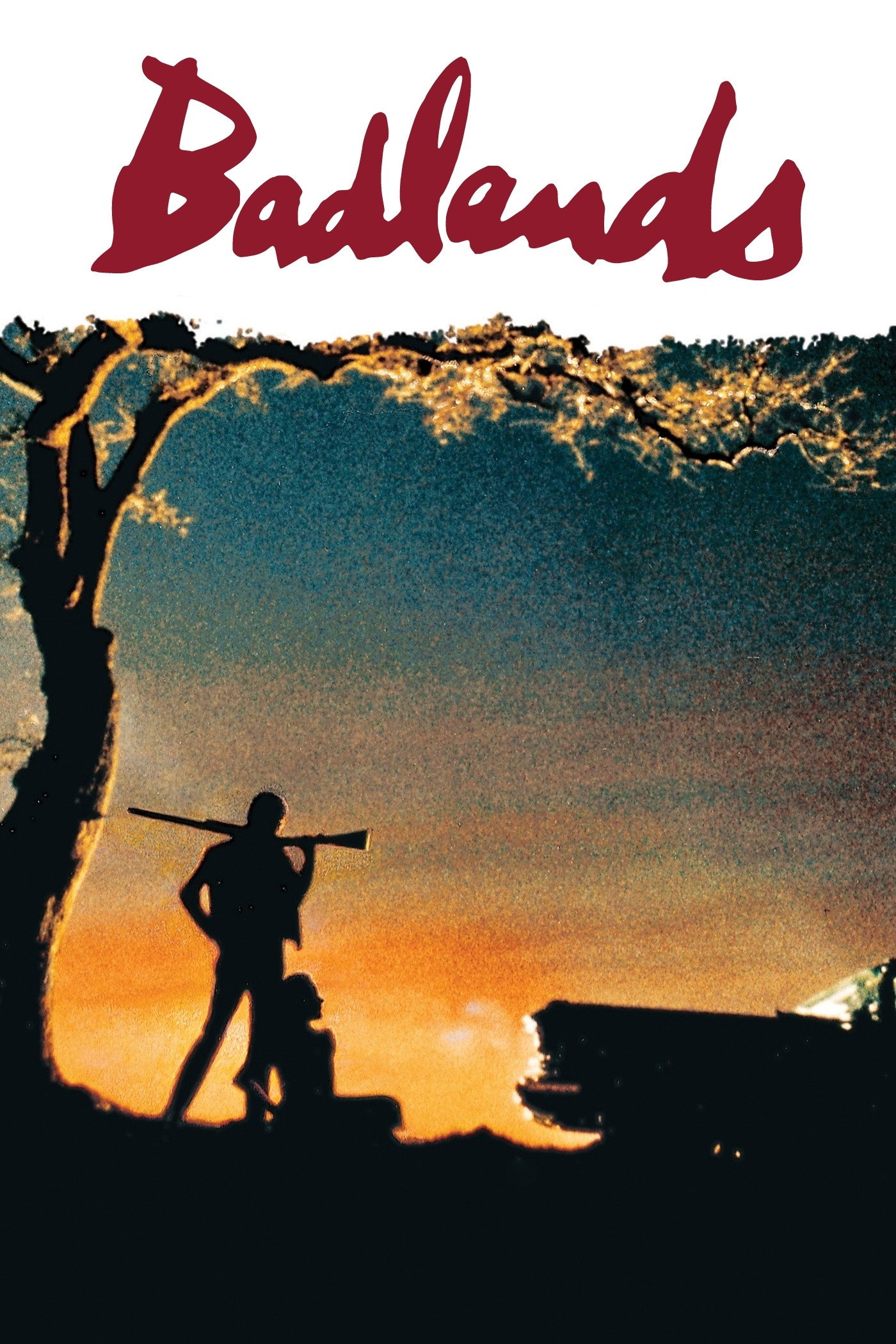
The first episode is the weakest, and it is the one people will judge it by. Every beat has been borrowed: the couple on the run from Badlands, the deadpan and the retro records from a dozen American independents, and for a while the series seems pleased with itself for shrugging. Some of the grown-ups are drawn with a thick pen. Steve Oram’s Phil, James’s father, is given one thing to be, a man who wants his son to like him, and has to wait a long while for a second. Alyssa’s stepfather is a cartoon, and Christine Bottomley’s Gwen, her mother, is written as the woman who chose him, which is not much of a part. Stick with it; the writing sharpens the moment the car leaves town.
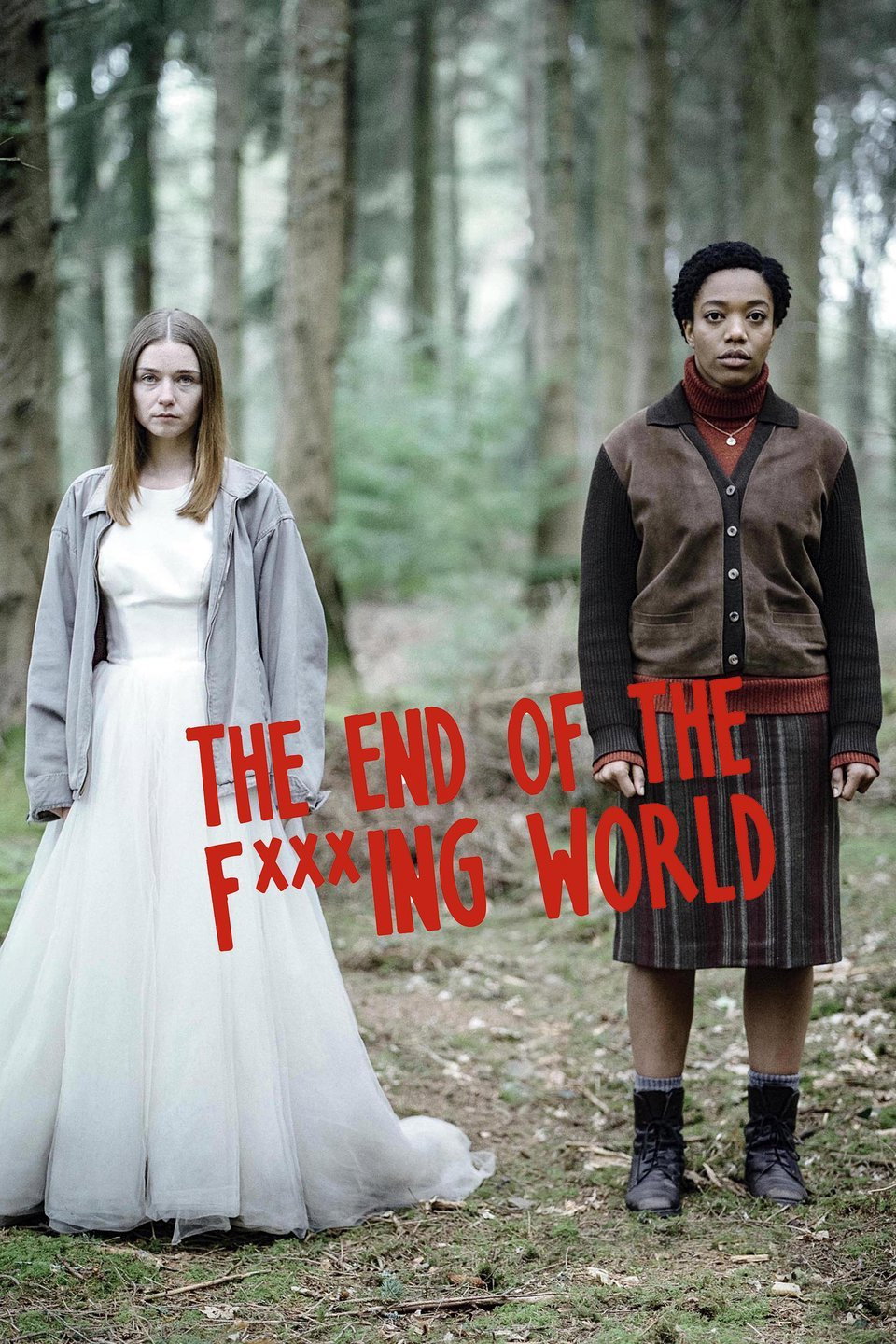
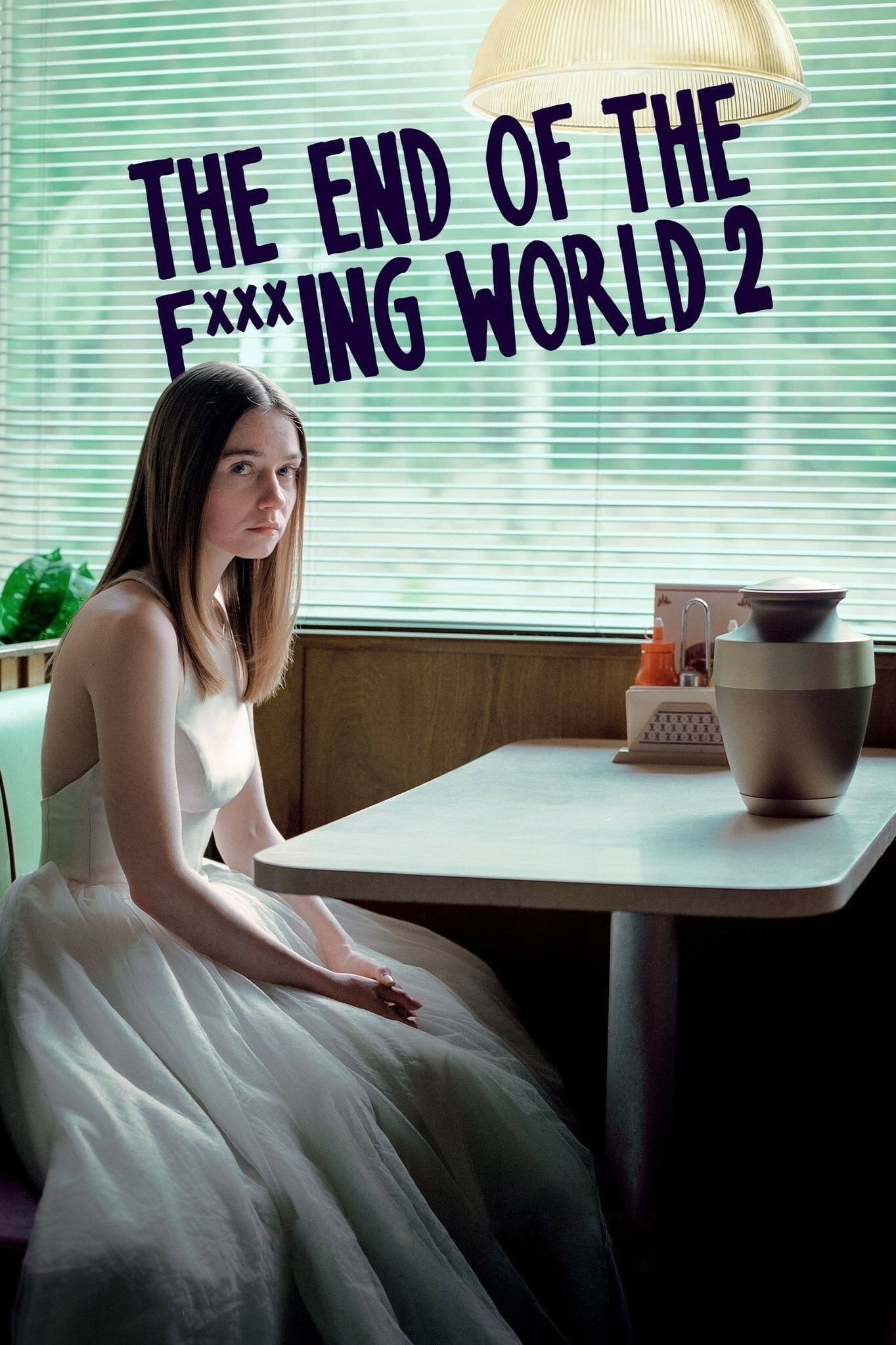
A second series arrived in 2019, again eight episodes, with Lucy Forbes joining Entwistle and Lucy Tcherniak among the directors. It brings in Naomi Ackie as Bonnie, a stranger with a grievance whose business with James and Alyssa we will not describe, and Josh Dylan as Todd Alan King, a decent young man well out of his depth. Ackie is excellent, and there are scenes in it as good as anything in the first run. It is also a sequel to a story that had finished. We watched it gladly and would not have missed it had it never been made.
Among British comedy-dramas about the young, this is one of the few that does not want to be liked, and it is better for it. Watch the first series in one sitting, which is how it is built, on a night when you can stand to be made fun of and then made sad. Do not let the swearing put you off, and do not let anyone tell you how it ends.