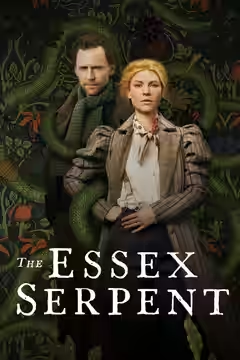
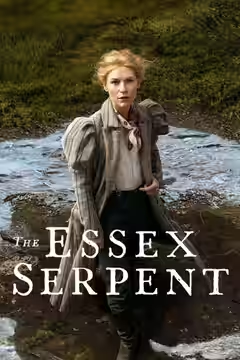
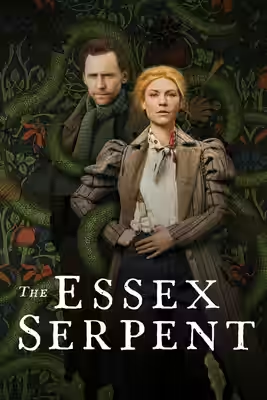
The Essex Serpent is an absorbing Gothic romance with a strong cast and an uneven pace. The marshes are unsettling enough to keep us watching, though the central relationship leaves some promising people waiting for attention.
The Essex Serpent is worth watching for its actors and its uneasy sense of place, provided a Gothic romance is what we have come for. Clio Barnard directs this adaptation of Sarah Perry’s novel with more interest in attraction than in providing regular shocks. That emphasis suits the material, though the six episodes sometimes give longing more time than it needs. The trouble comes when the series asks its atmosphere to sustain stretches that need a sharper exchange or a firmer decision.
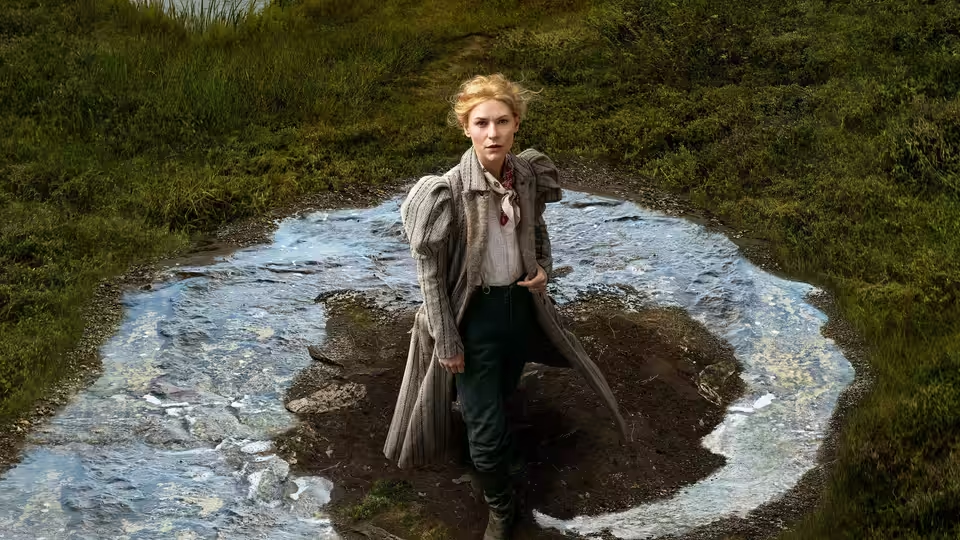
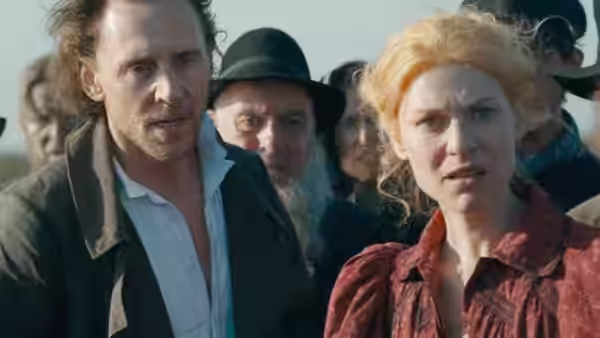
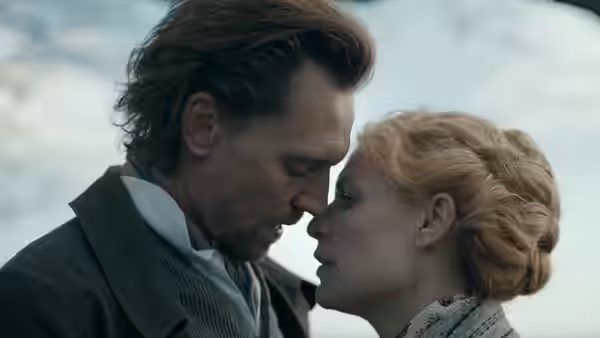
Claire Danes makes Cora Seaborne absorbing even when the writing seems too pleased with her. There is force in the performance, and enough restlessness to stop Cora Seaborne becoming merely the person whose feelings everyone else must accommodate. Tom Hiddleston’s Will Ransome is more restrained, which gives their attraction some friction rather than simply presenting two attractive people for inspection. We believed the longing between them. We were less persuaded that it deserved quite so much of the story, especially when the supporting cast kept suggesting other people worth spending time with.
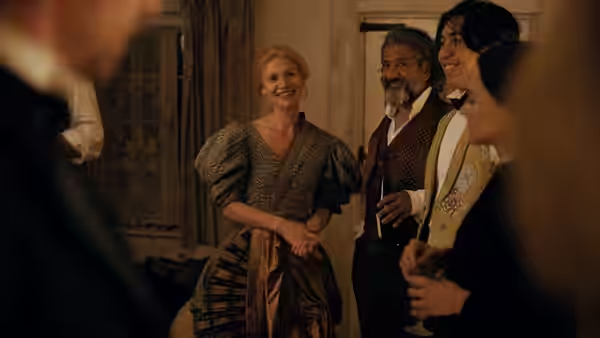
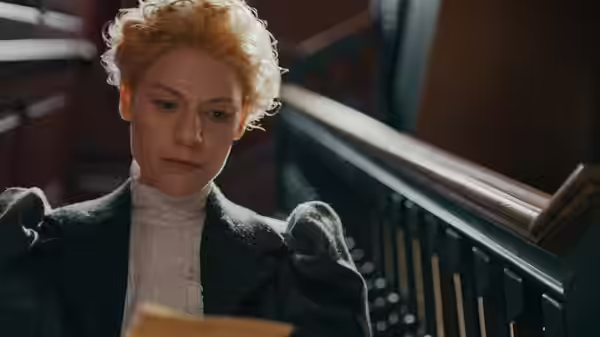
Frank Dillane, as Dr Luke Garrett, and Hayley Squires, as Martha, are particularly useful here. Their slyness interrupts the earnestness without turning the programme into a comedy, and makes the company feel less uniformly preoccupied with its own suffering. We wanted more of them because they suggest interests and appetites beyond the principal romance. When that romance crowds out the surrounding stories, the loss is noticeable: these performers have made the supposed sidelines inviting.
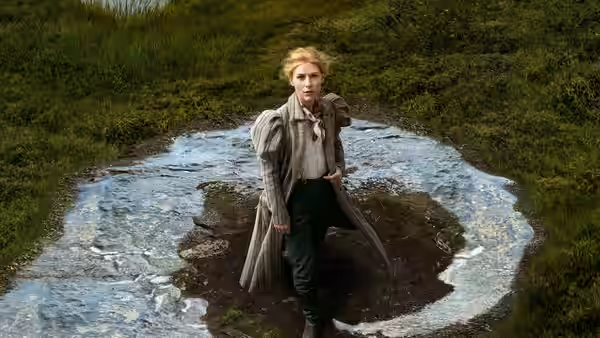
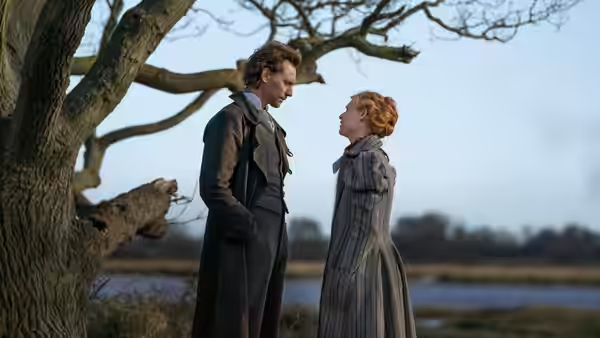
David Raedeker’s cinematography makes the Essex marshes a convincing setting for the fear of a serpent. The fog makes it difficult to be certain what the landscape contains, without requiring the programme to produce a fresh alarm every few minutes. We felt uneasy looking across those marshes. The uncertainty in the image did it, and Clio Barnard is right to let that discomfort persist. Alice Normington’s production design gives the period setting a convincing solidity, although its richness can make the less eventful passages rather too comfortable to look at.
The score, credited to Herdís Stefánsdóttir and Dustin O’Halloran, swells around the drama, sometimes giving it more urgency than the writing has earned. It helps carry the shifts between unease and yearning, but occasionally insists on an emotion the actors were already communicating. Editors George Cragg, Lucia Zucchetti and Napoleon Stratogiannakis allow the performances time to settle. The slowness is often rewarding, though the changes of focus can leave a promising thread waiting too long, and the six-part length starts to feel generous.
This is a programme for an evening when a look or a hesitation can be allowed to matter. Anyone hoping that folk horror means a steady supply of scares should make another choice. Its pleasures depend on patience with people who do not always understand their own feelings, and that patience will be tested. There is no obligation to watch all six episodes in one determined sitting.