Series review

The Missing

2014 · Created by Harry Williams, Jack Williams · Series · 59m · MPA TV-14

In a sentenceTwo timelines, one missing boy, and a father who has made grief his full-time job

CrimeDramaMystery

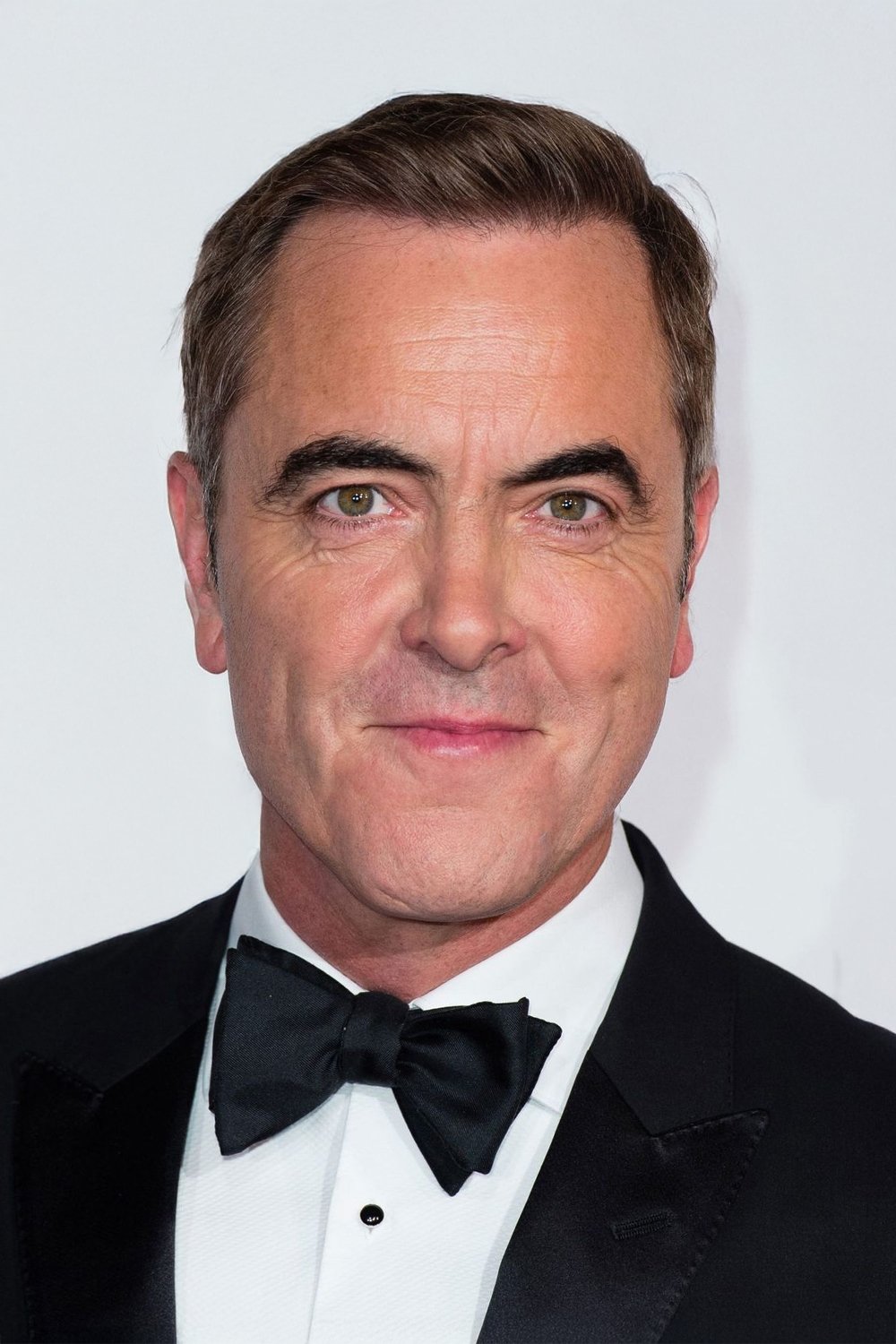
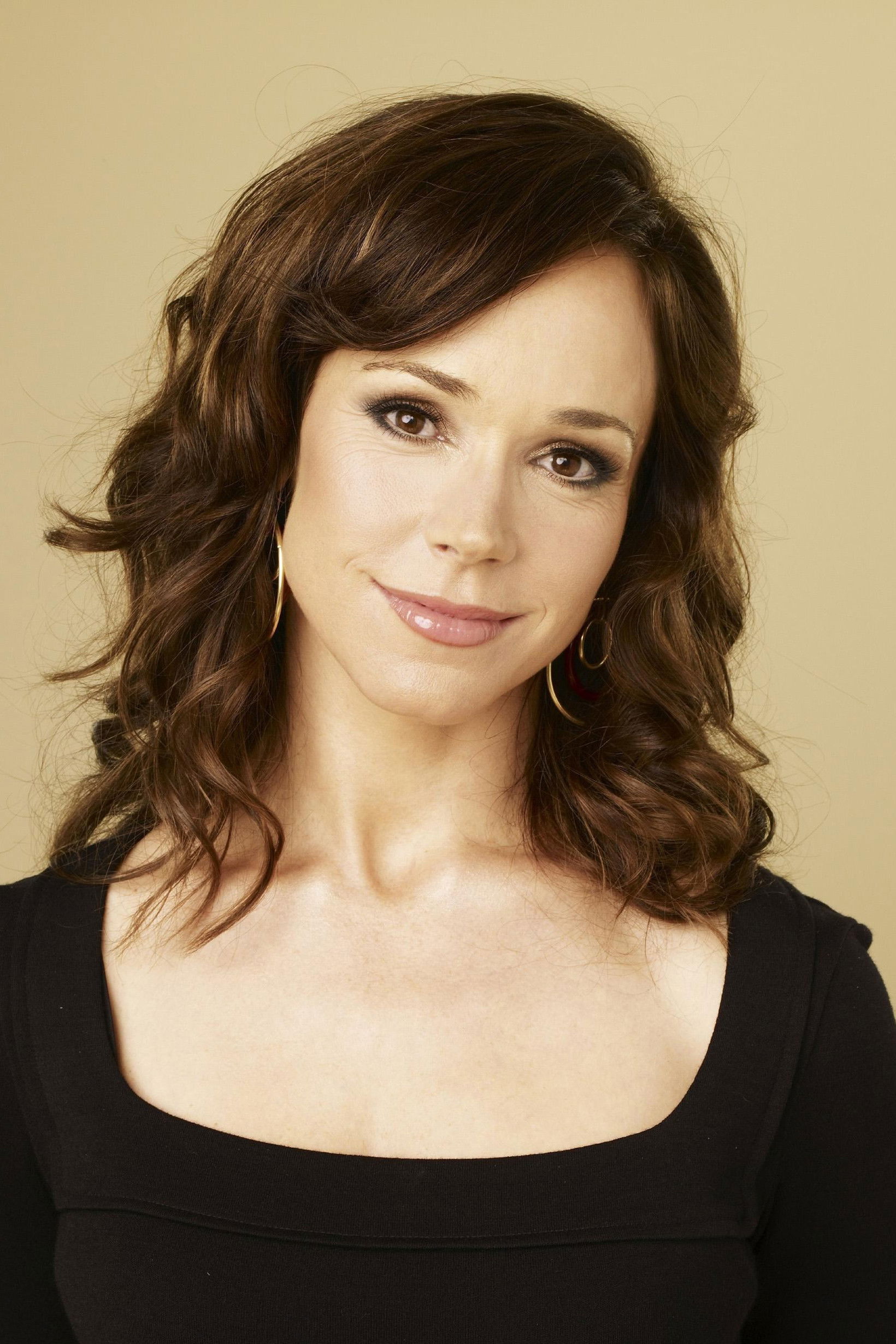
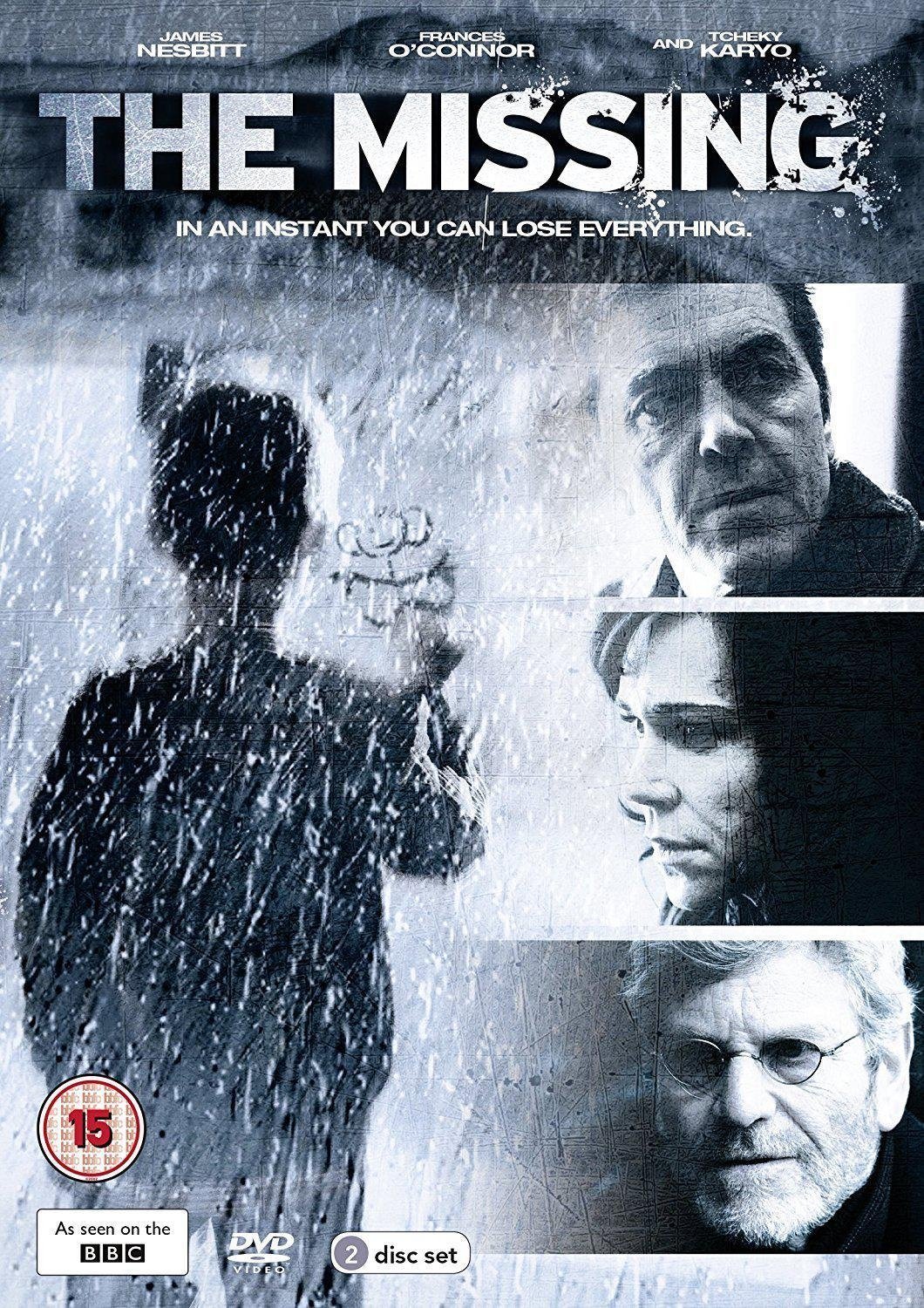
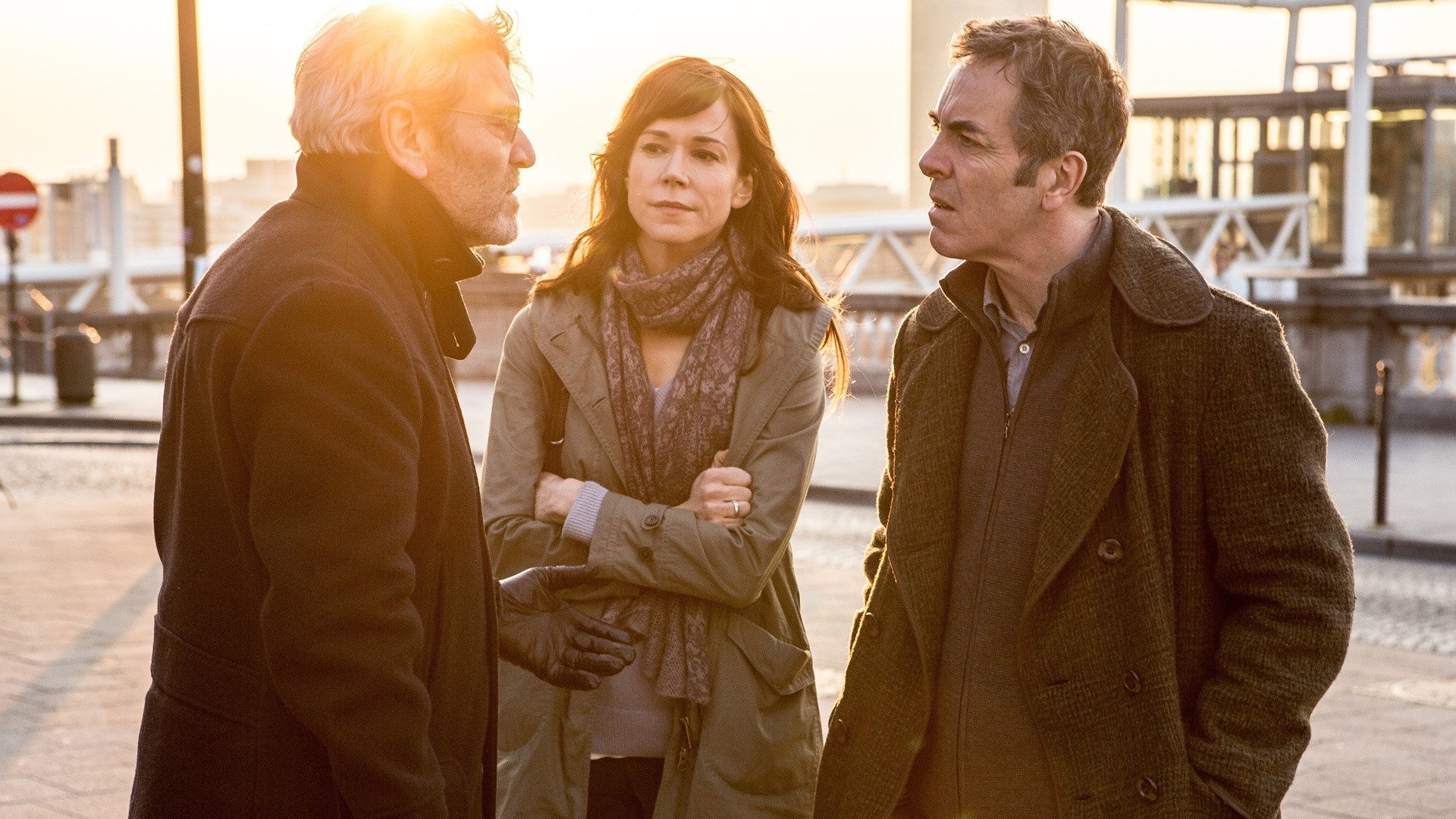
Tony Hughes (James Nesbitt) and his wife Emily (Frances O’Connor) are on a family holiday in France with their young son when they stop for the night in a small town. In a crowded bar, Tony lets go of the boy’s hand for a moment, and he is gone. Years later Tony comes back to the town, alone, estranged from Emily, who now lives with Mark Walsh (Jason Flemyng), the police liaison officer from the original case. He has found something he believes is new, and he takes it to the one man still willing to listen: Julien Baptiste (Tchéky Karyo), the retired French detective who led the first search, and whose wife Celia (Anastasia Hille) would rather he let it lie.

Fi1m review

Harry and Jack Williams’s drama about a boy who vanishes on holiday in France, told across two timelines, cares more about what waiting does to people than about its answer. The first series is superb; the second is more elaborate and less sure.

On a family holiday in France, Tony Hughes (James Nesbitt) lets go of his young son’s hand in a crowded bar, and the boy is gone. Years later he is back in the same town, convinced he has found something. Harry and Jack Williams, who created and wrote the series, tell both years at once, cutting between the summer the boy was lost and the winter his father returns. Our verdict is plain: the first eight episodes are among the best British crime television of their decade, and the second eight, which move to another family and another country, are more ambitious and less sure. We recommend it, with the warning that it is built to hurt.

Nesbitt plays Tony as a man who has turned himself into a nuisance. He shouts at French police officers who stopped listening years ago, he cannot be in a room with his ex-wife without an accusation, and he has made his loss the only thing he is. Frances O’Connor’s Emily has done the harder and less dramatic thing, which is to try to live, and the series does not punish her for it. She has a new partner, Mark Walsh (Jason Flemyng), the police liaison officer from the original case, and the writing lets her be tired rather than tragic.

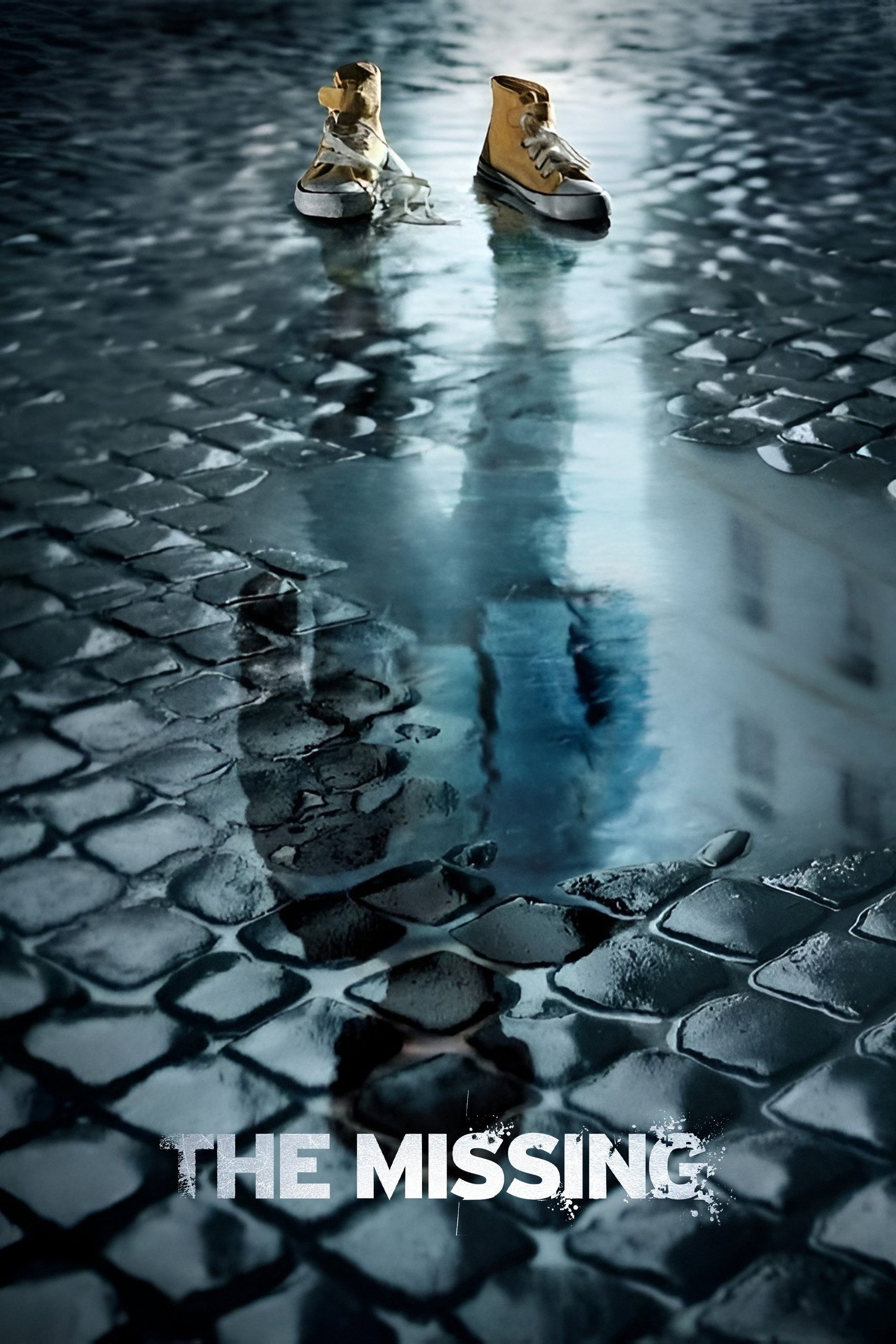
The moment of the disappearance is the making of the series, and it comes at the end of the first hour. Ole Bratt Birkeland shoots the bar at a child’s height, in the amber light of a room full of shouting men, and Tom Shankland, one of the two credited directors, does not slow it down or cut away. Nesbitt turns round, and his face empties. We felt our stomach go, and we have watched a great many television children vanish. It is the ordinariness that did it: no music cue, no stranger in a doorway, just a hand that is not there.

The two timelines are told apart by light. Birkeland gives the summer hard sun and warm colours and the winter rain and a grey-blue chill, so a glance tells you which year you are in before anyone speaks. The editors, Danielle Palmer, Úna Ní Dhonghaíle and Fiona Colbeck, cut on places rather than faces: a doorway in summer becomes the same doorway in winter, and Paul Cripps’s production design furnishes the town’s hotel and its streets twice, once as a resort and once as somewhere nobody would choose to stay. Dominik Scherrer’s score is mostly low strings and a piano figure that stops rather than resolves. It is used sparingly, which is the right decision for a series in which everyone is already in tears.

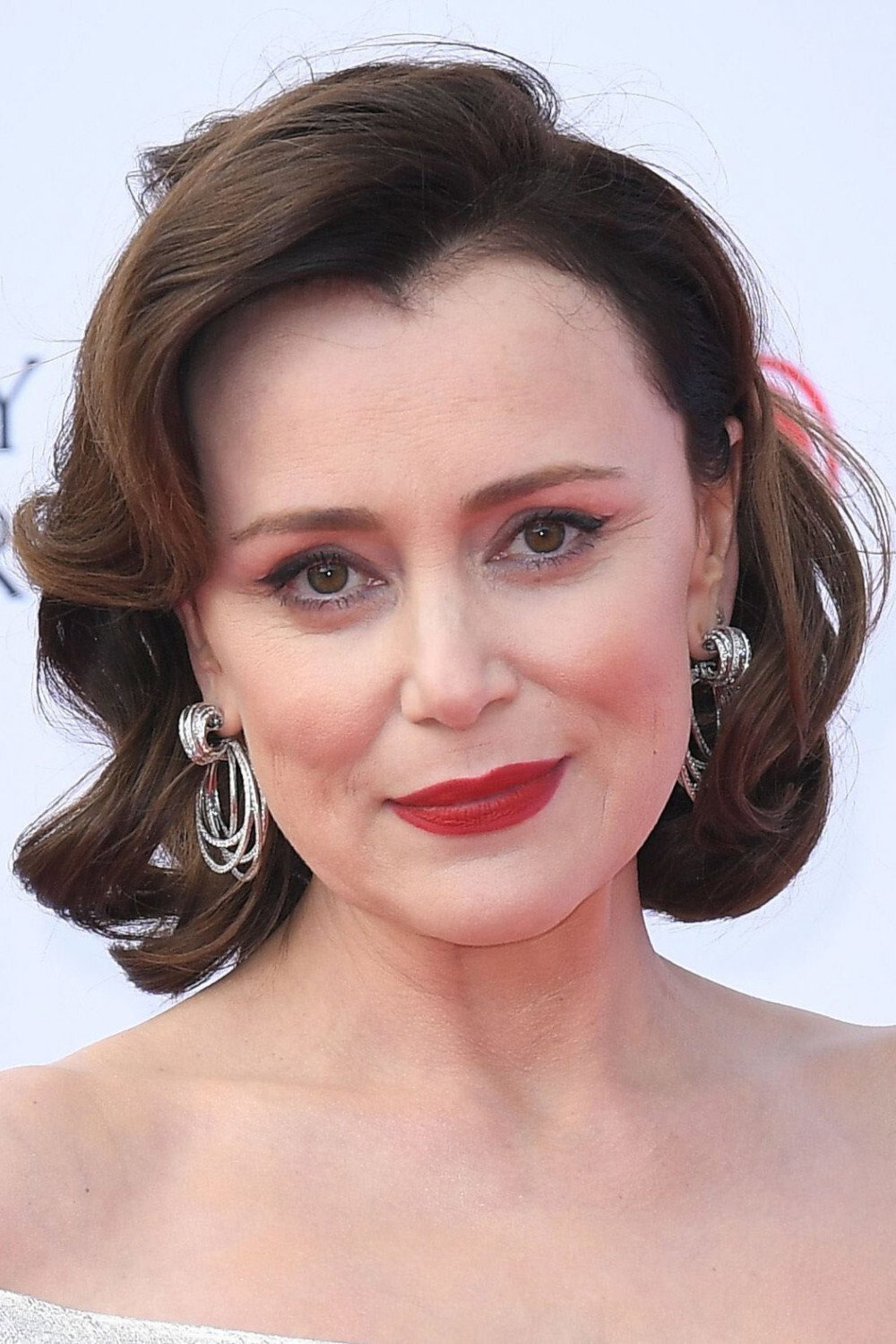
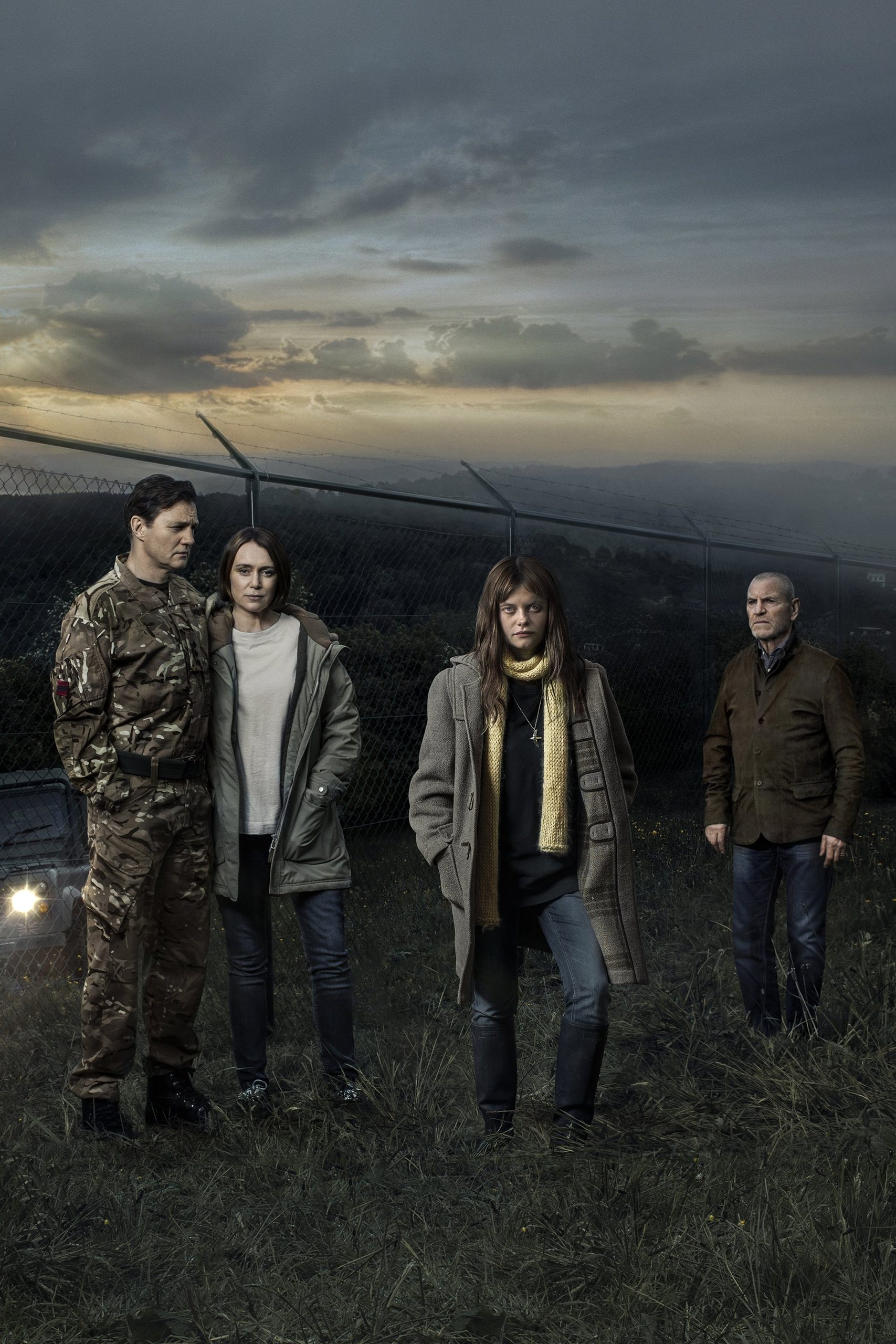
The best invention is Julien Baptiste. Tchéky Karyo plays the retired French detective who led the original search as a courteous, limping, patient man who listens to Tony when nobody else will, and whose wife, Celia (Anastasia Hille), would like him to stop. Karyo does almost nothing and holds the screen. He is the thread into the second series, in which Alice Webster (Abigail Hardingham), missing for years, walks back into the town where her parents Sam (David Morrissey) and Gemma (Keeley Hawes) have spent those years not knowing. Morrissey and Hawes are good, Roger Allam and Laura Fraser, as the Stones, are better than the material around them, and Ben Chanan, the other credited director, keeps the same visual grammar. But the plotting grows so intricate that we found ourselves admiring the joinery when we should have been worried about the people.

The first series has faults too. The two timelines land their discoveries with a neatness real life would not manage, and by the sixth hour we could feel the pattern: a lead, a dead end, a drink. The French police are thinly written. And Emily’s story is given about half the attention Tony’s is, which the series seems to know and does not fix.

Most missing-child dramas are about the detective. This one is about the parents, and about the plain fact that time keeps passing whether or not anyone is found.

Watch the first series over a week rather than a weekend; it is designed to be sat with, not gulped. Decide about the second afterwards. It carries a 15 certificate, and its 59-minute episodes will feel longer, which is the point.
Critical consensus AI synthesised

88
Positive
7
Mixed
0
Negative
0

The reviews are uniformly warm. Most critics single out James Nesbitt’s performance as the father, and several call it hard to watch and mean that as a compliment. The dual-timeline structure draws consistent approval for the way it lets the drama trace grief over years rather than weeks, and the consensus is that the series works as both an emotional drama and an investigation thriller, with the pain of the parents kept in front of the mystery rather than behind it.

The spread is narrow. Nobody dismisses it, and the reservations are about familiarity rather than failure. The AV Club finds it too close to other crime dramas of its kind and short on a personality of its own, and IndieWire agrees that it handles well-worn territory without rising above it. Both still think it worth an evening. The remaining critics regard it as unusually strong television and are untroubled by the comparisons.

The Times
29 October 2014 · ★★★★★ · Ed Potton
100

This is a five-star drama and masterpiece of agony that could be another Broadchurch. The premiere is emotional dynamite, deftly plotted across time frames with intense, unwatchable performances from James Nesbitt as the devastated father.

Read the full review →
The Guardian
29 October 2014
90*

The eight-part thriller is hauntingly brilliant and very human, focusing on profound loss and pain rather than sentimentality. It excels as both an emotional drama and a gripping investigation thriller, with James Nesbitt's raw portrayal of a father's anguish singled out.

Read the full review →
The Hollywood Reporter
13 November 2014 · Tim Goodman
90*

The review describes the series as riveting and haunting, a remarkable piece of television that excels in originality over remakes like Gracepoint. It singles out the emotional stages of grief, the dual timelines, and strong performances for praise.

Read the full review →
Variety
12 November 2014 · Brian Lowry
90*

The critic calls it Starz’s most compelling program, a twisty dark limited series anchored by James Nesbitt’s intense performance as the tormented father. The time-bending narrative and emotional depth from the grieving parents’ perspective stand out as strengths.

Read the full review →
Vulture
14 November 2014 · Matt Zoller Seitz
90*

The series is exceptional television that precisely evokes the range of responses to trauma through its time-shifting structure and honest emotional depth, making it one of the year's best TV programs despite being hard to watch. It stands out for its beautiful imagery and refusal to judge any character's response as definitively right or wrong.

Read the full review →
IndieWire
12 November 2014 · B · Ben Travers
77

The series is a compelling mystery built on a parent's relentless search, with a dual-timeline structure that keeps viewers engaged through layered questions and strong emotional pull. It handles familiar territory with grace and is worth watching despite not fully transcending the genre.

Read the full review →

Cast

Awards

Golden Nymph for Best Mini Series, 2015

Won
Golden Nymph for Best Mini Series

If you liked this, try…

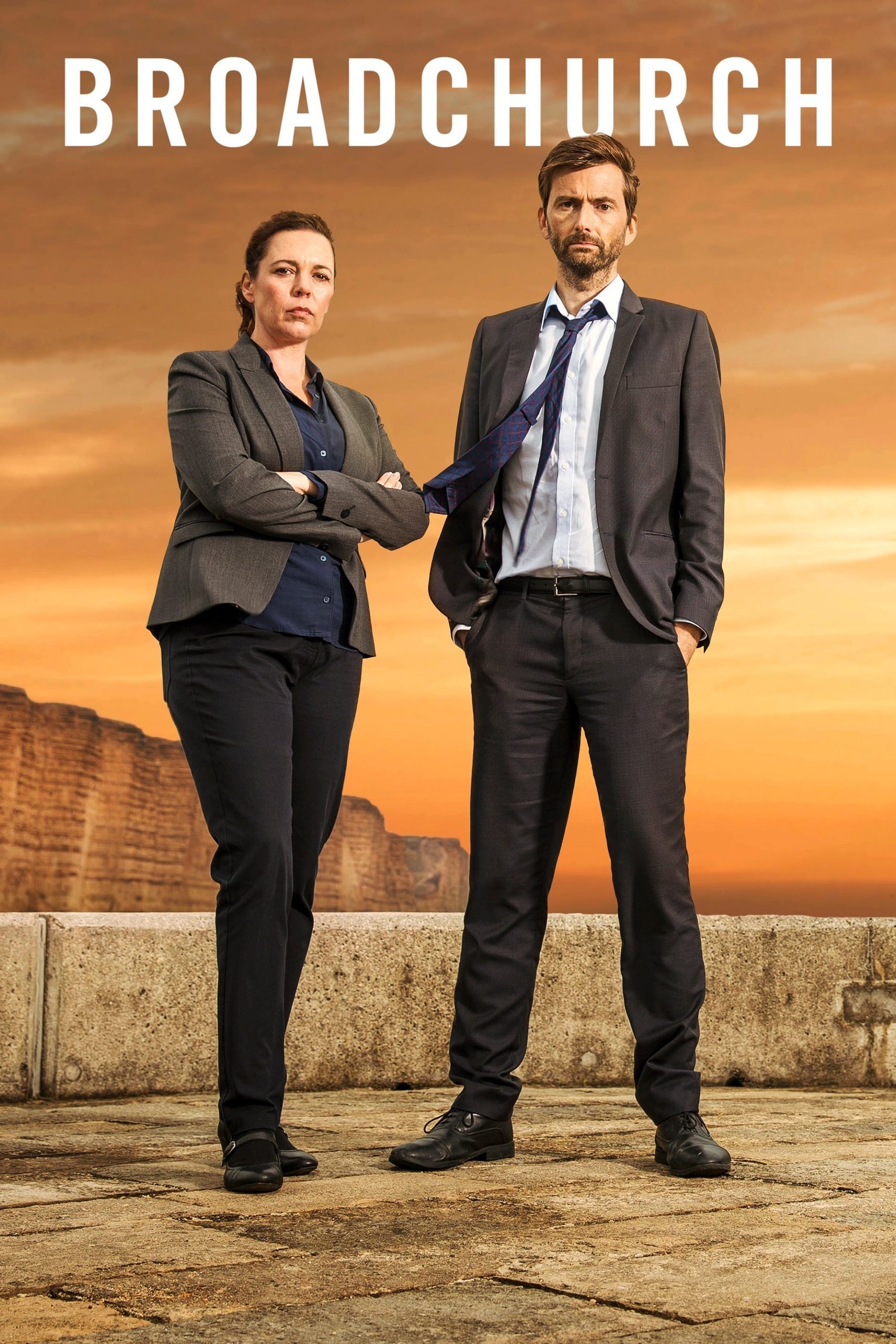
Broadchurch poster81

Broadchurch

2013 · A dead boy on the Dorset coast, and a town that cannot look at itself

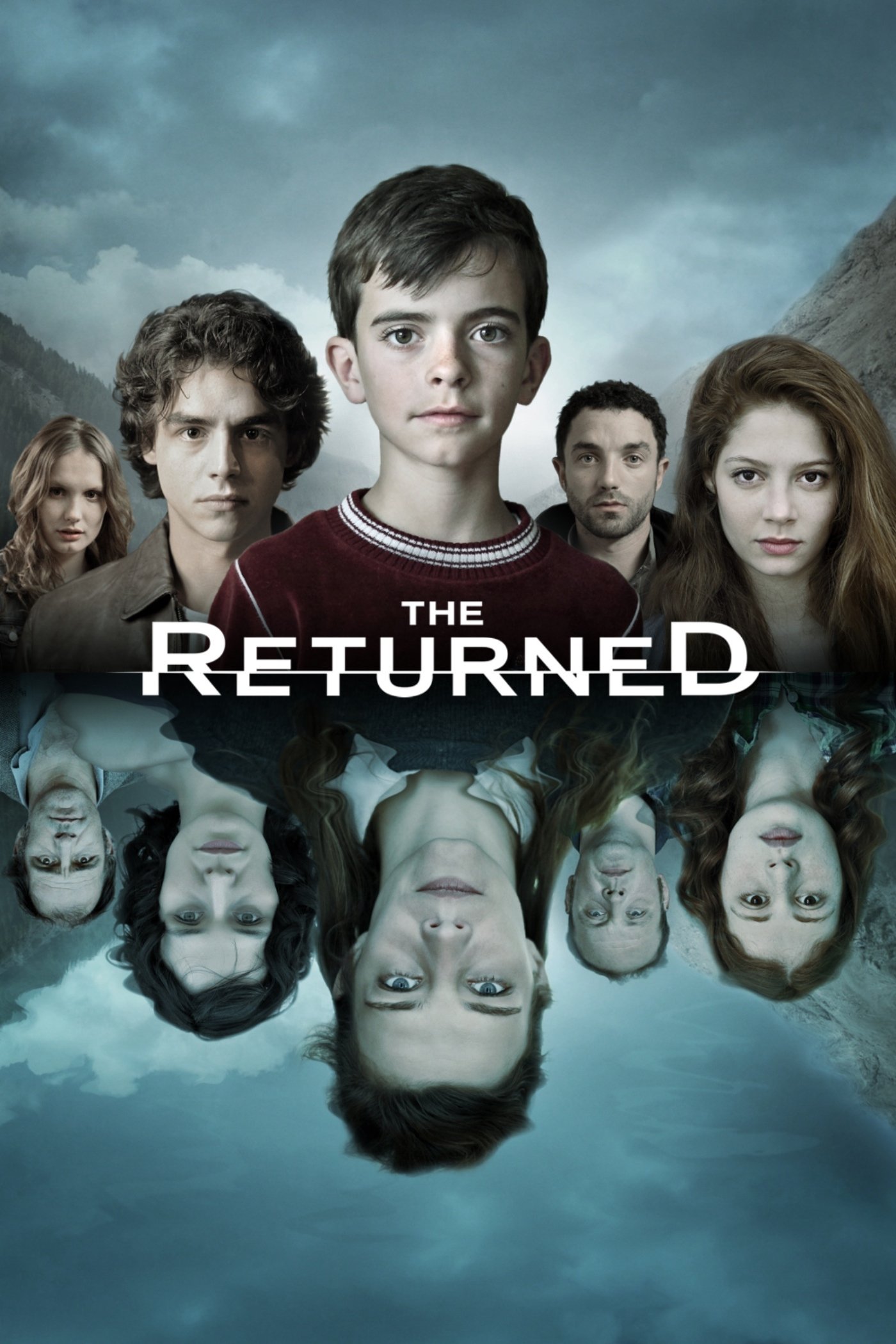
The Returned poster

The Returned

2012 · French mountain town where the missing come back, which turns out to be worse

The Vanishing poster

The Vanishing

1988 · Dutch thriller about a boyfriend who needs to know what happened; brutal and unsparing

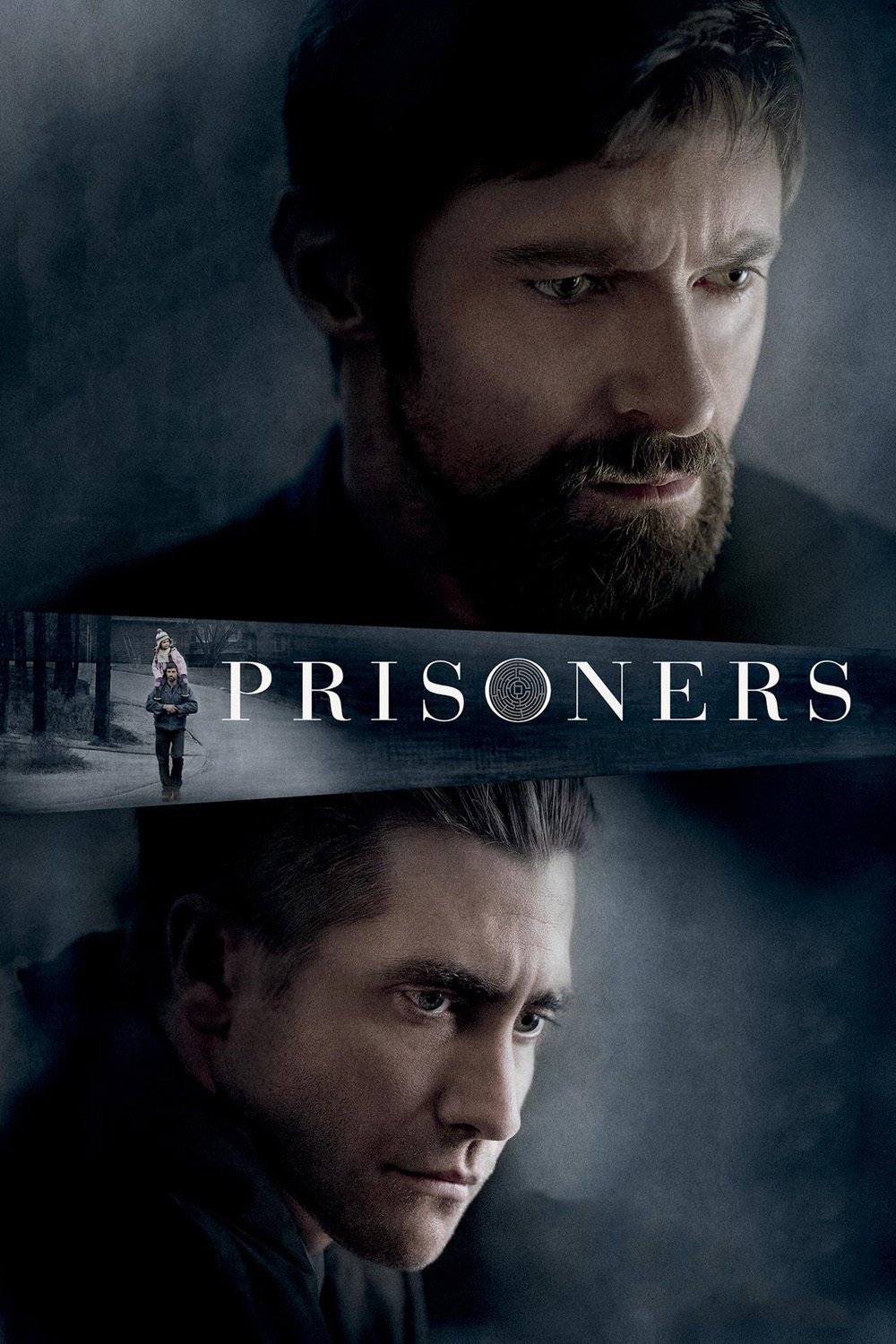
Prisoners poster81

Prisoners

2013 · Villeneuve’s abduction drama, with Hugh Jackman as the father who refuses to wait

Top of the Lake poster

Top of the Lake

2013 · Jane Campion’s New Zealand missing-girl drama, colder and stranger than the genre asks