Denis Villeneuve makes a punishing, gripping thriller out of a father’s certainty that violence will bring his child home. Hugh Jackman and Jake Gyllenhaal keep the fear painfully credible when the mystery grows too elaborate.
Prisoners asks how much violence we will excuse when the person committing it is a frightened parent. Denis Villeneuve takes that question seriously enough to make the answer uncomfortable, without forgetting that a crime thriller has to keep us watching. This is gripping, distressing work, with a mystery that eventually becomes more elaborate than it needs to be. We recommend it, with a firm warning about the child abduction and torture: neither is incidental to what the film wants us to consider.
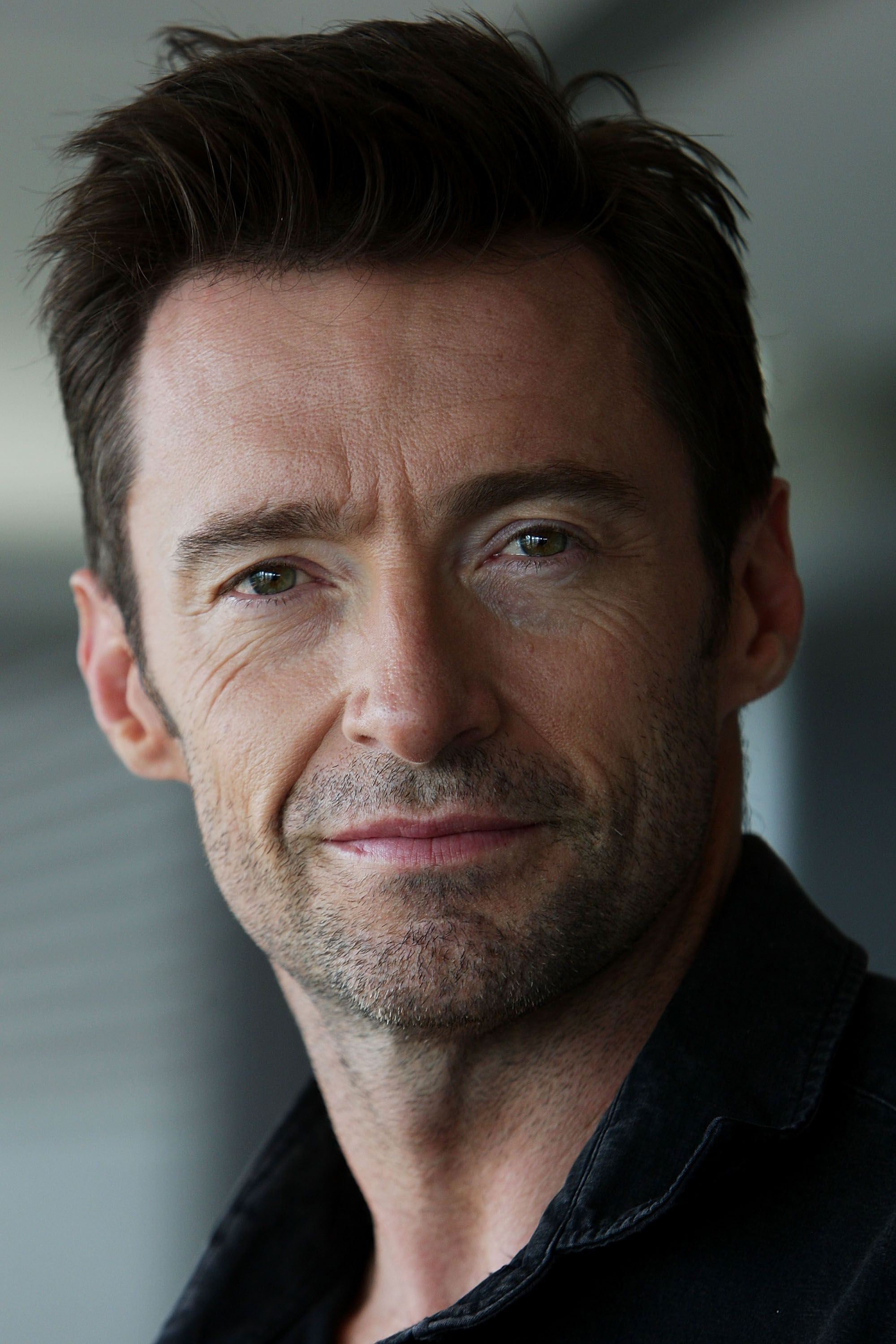
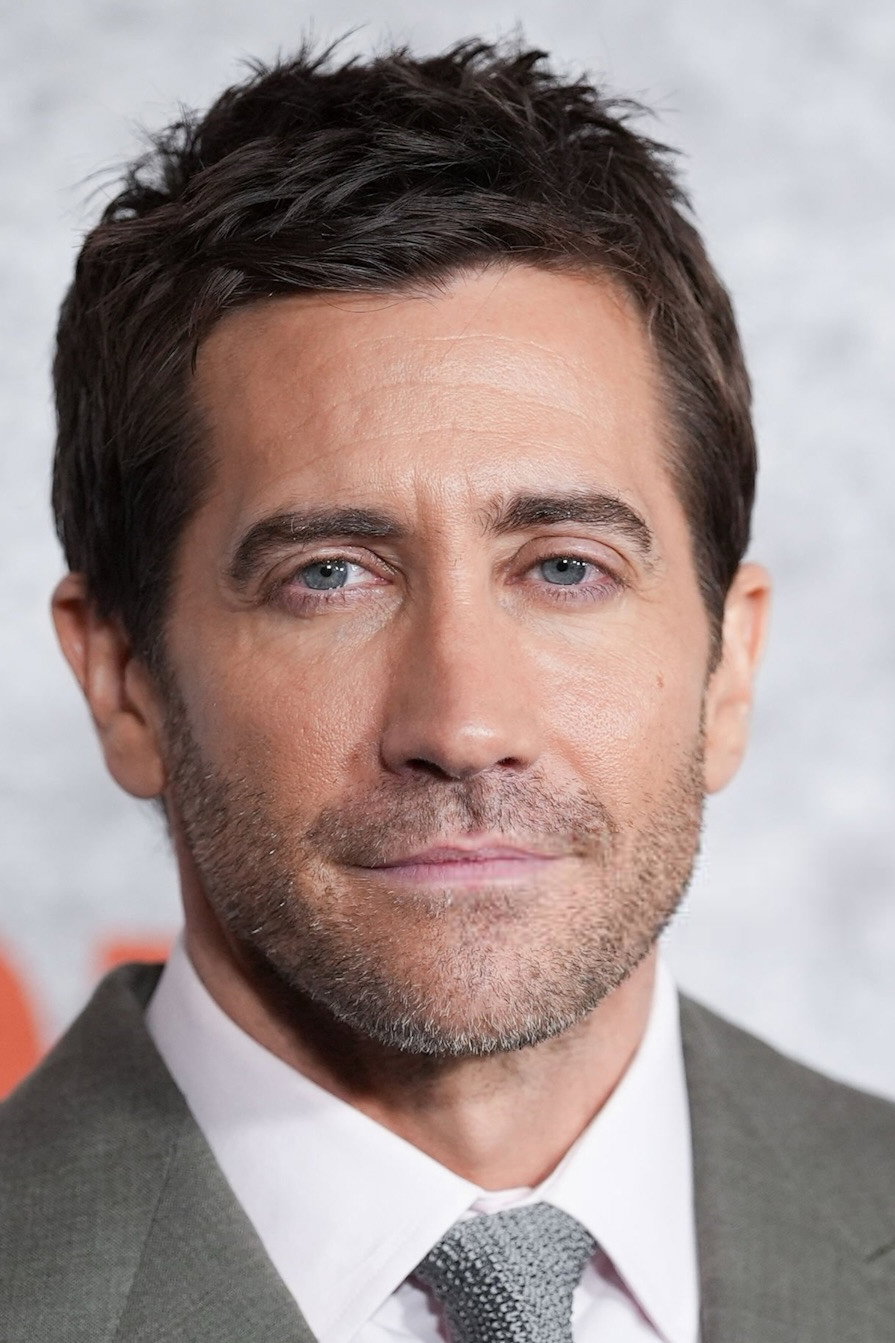
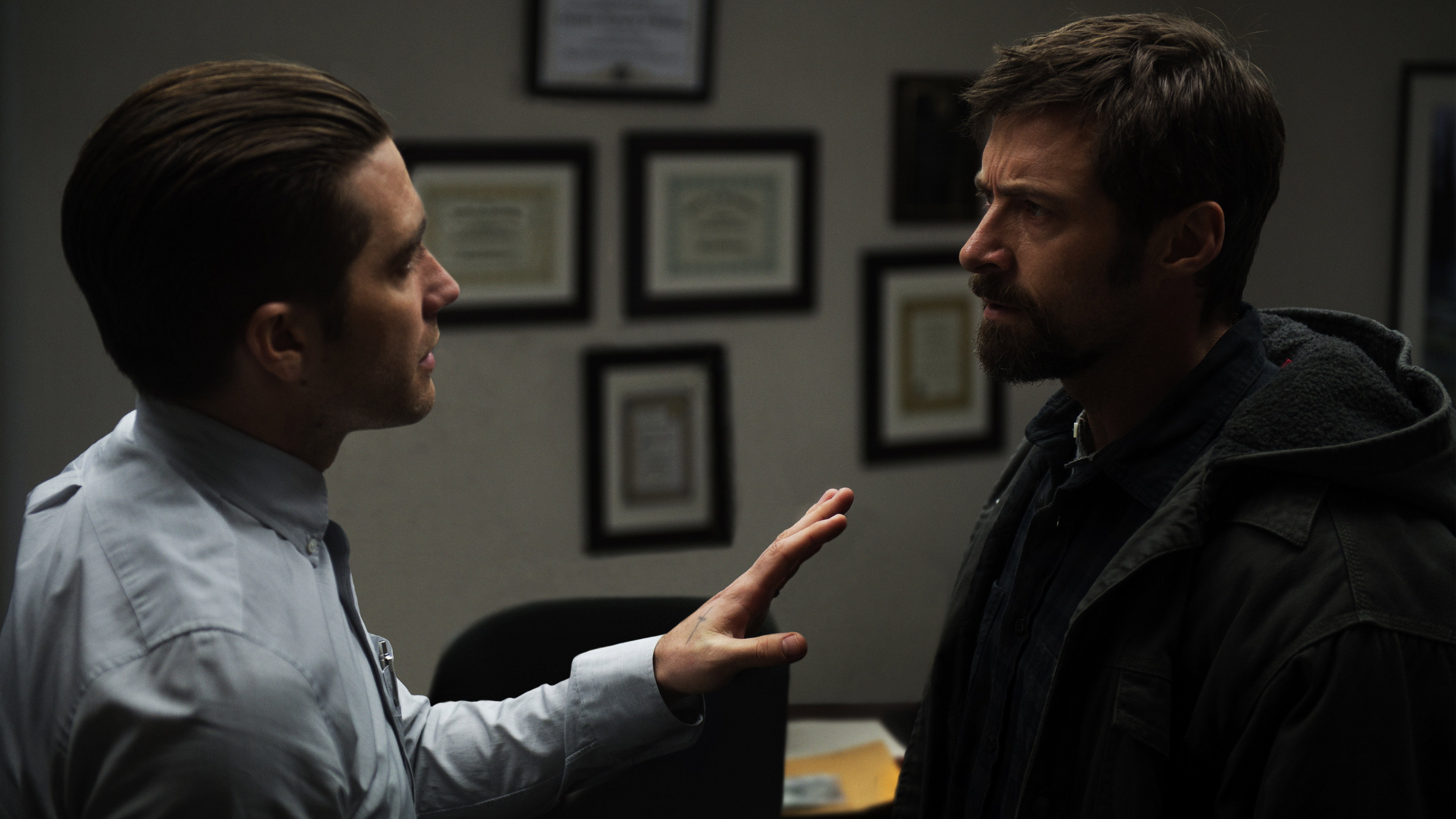
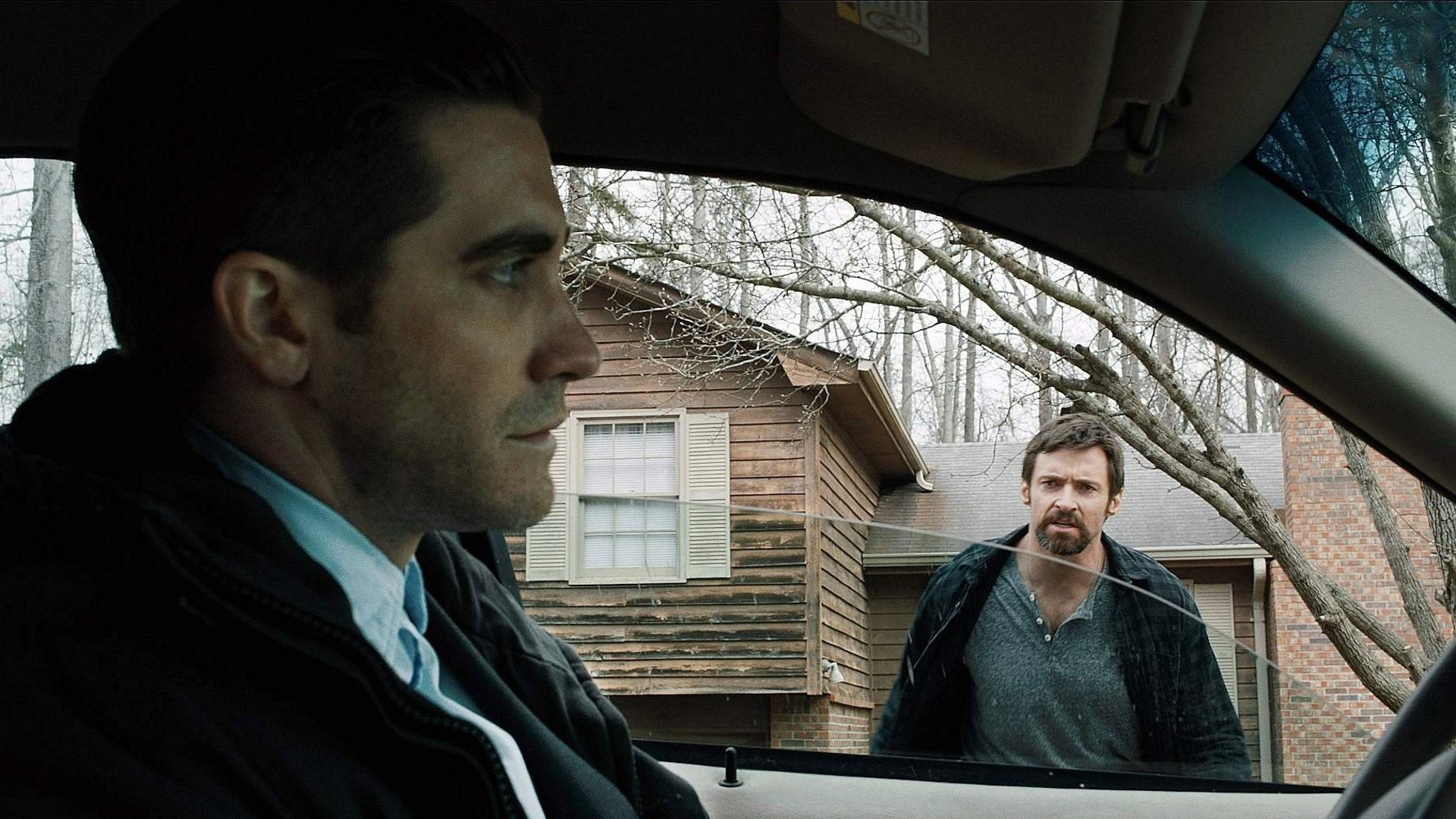
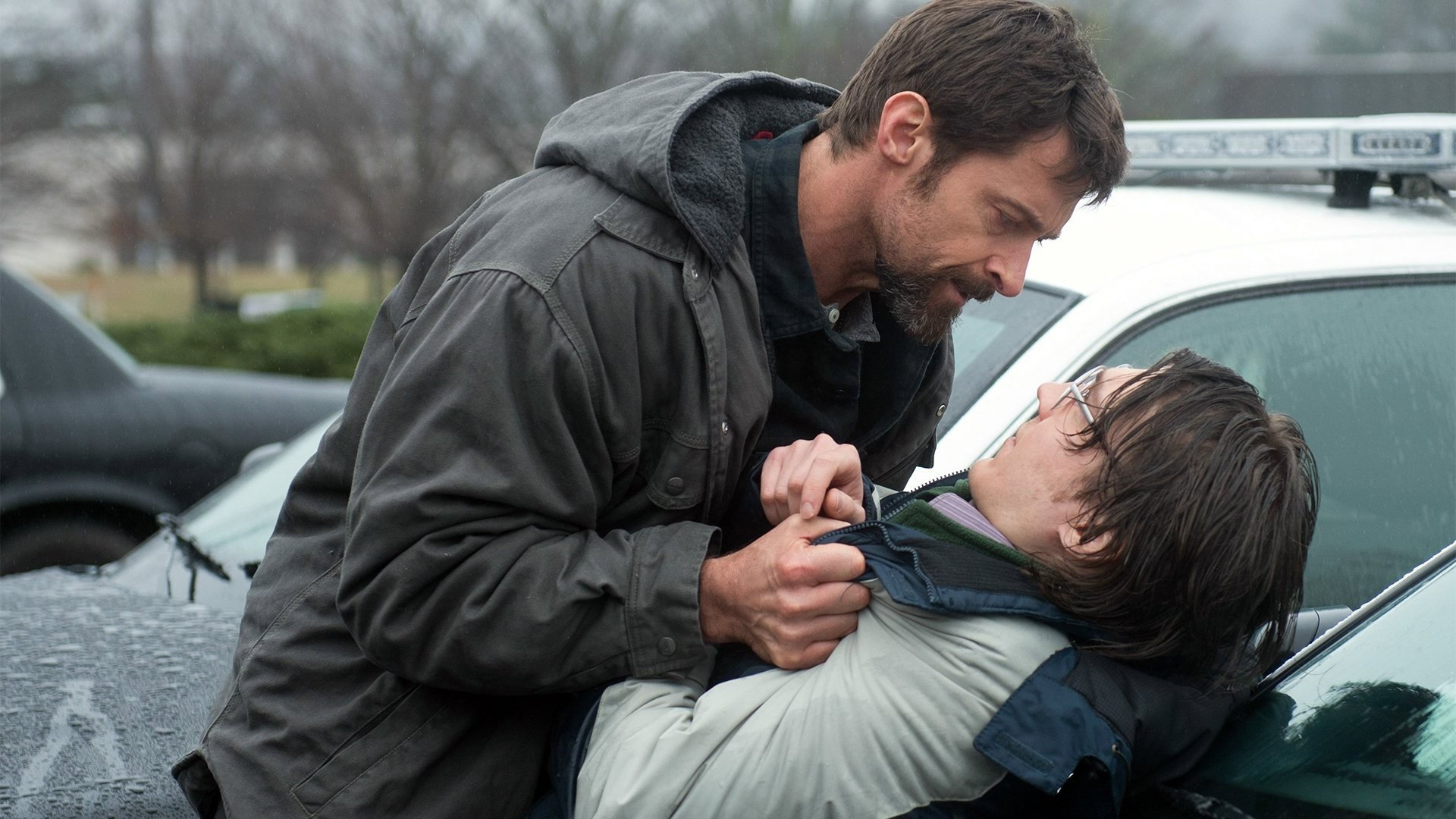
Hugh Jackman’s Keller Dover is an anguished father whose certainty leaves little room for anyone else’s judgement. Jackman makes the anger exhausting, deliberately so; the volume of the performance can wear, but it helps explain why other people’s caution enrages Keller. Jake Gyllenhaal’s Detective Loki proceeds more carefully, and Gyllenhaal gives his quieter performance enough force to stand beside Jackman without competing for noise. Their opposing approaches keep the search tense even before another clue turns up.
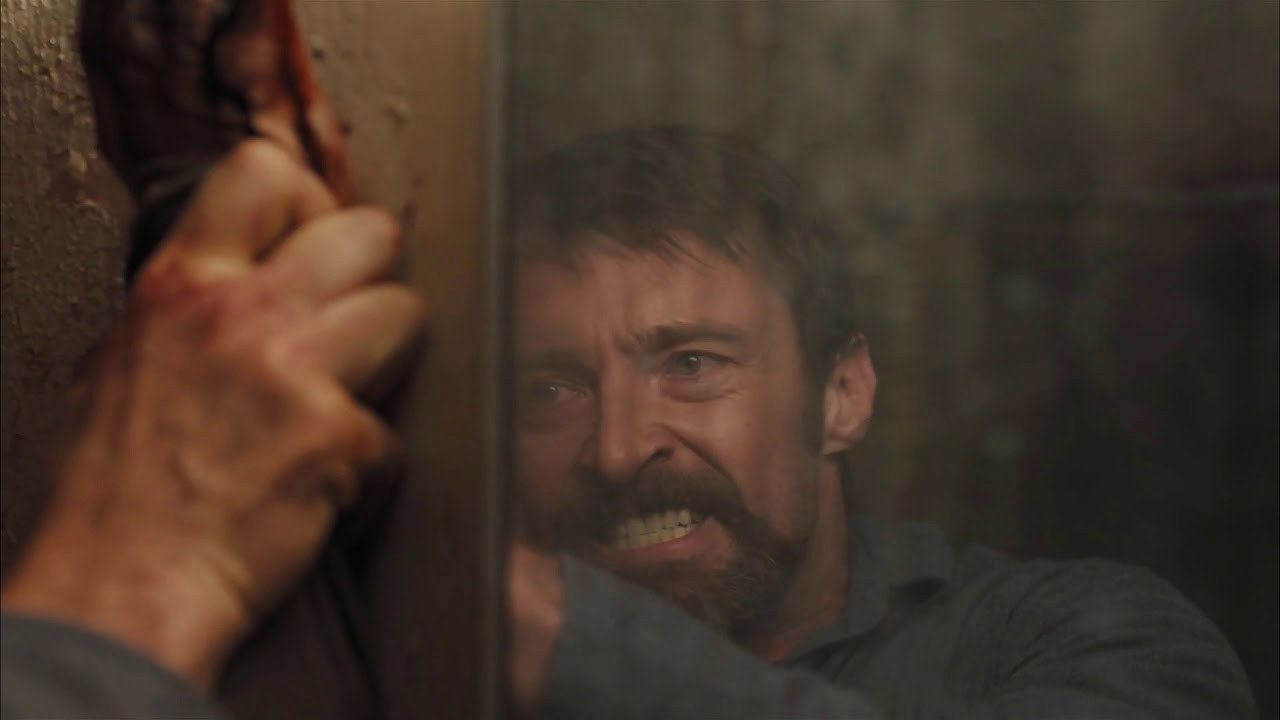
We were horrified by Keller’s use of torture, specifically by the certainty with which he treats another person’s suffering as necessary. Villeneuve makes the violence difficult to watch without turning it into an opportunity to admire the father’s resolve. Jackman’s anguish remains intelligible throughout, which makes these scenes harder to dismiss as the actions of someone safely unlike us. The film gives us time to consider what he is doing, even while the missing child makes every delay feel intolerable.
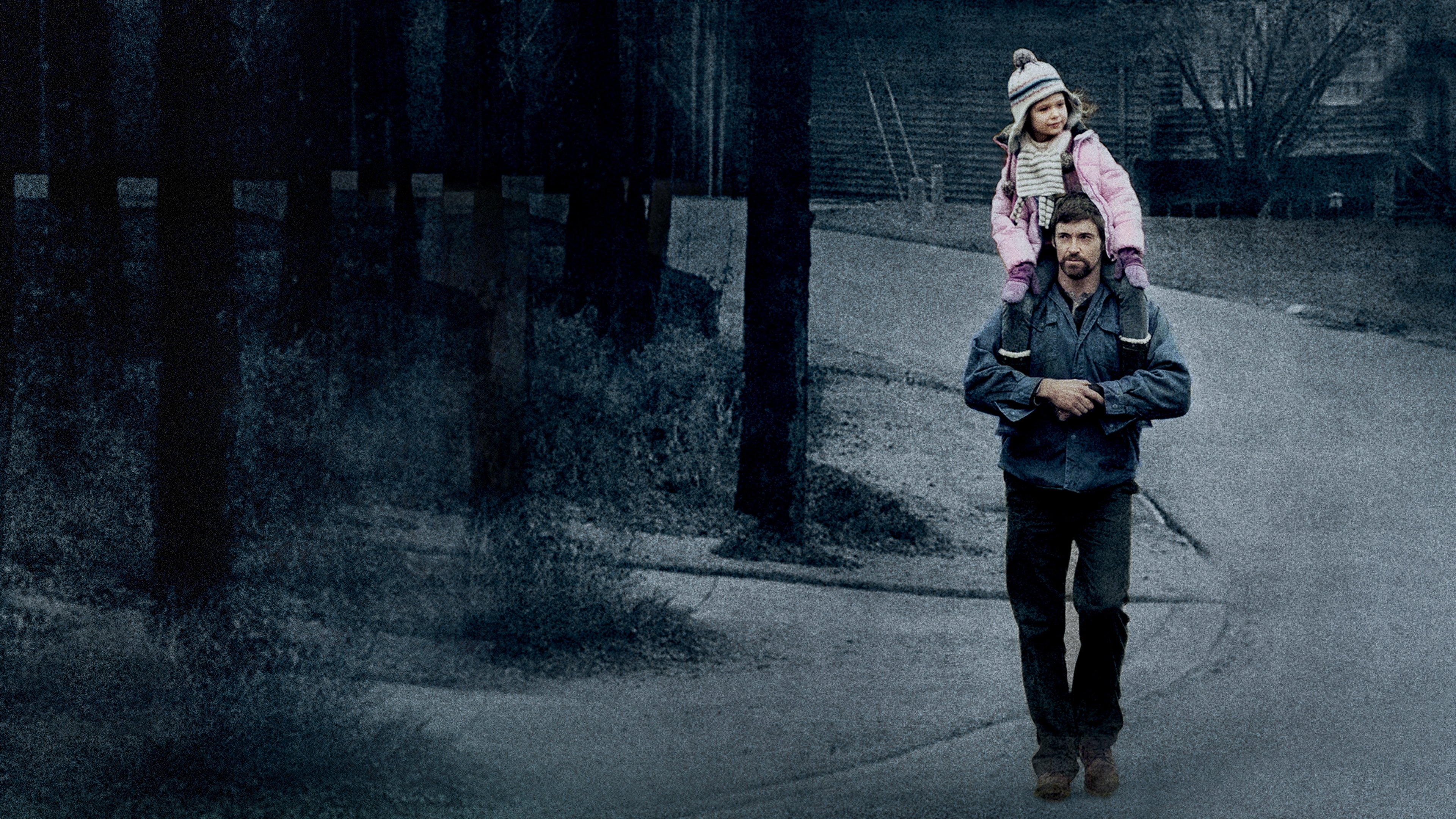
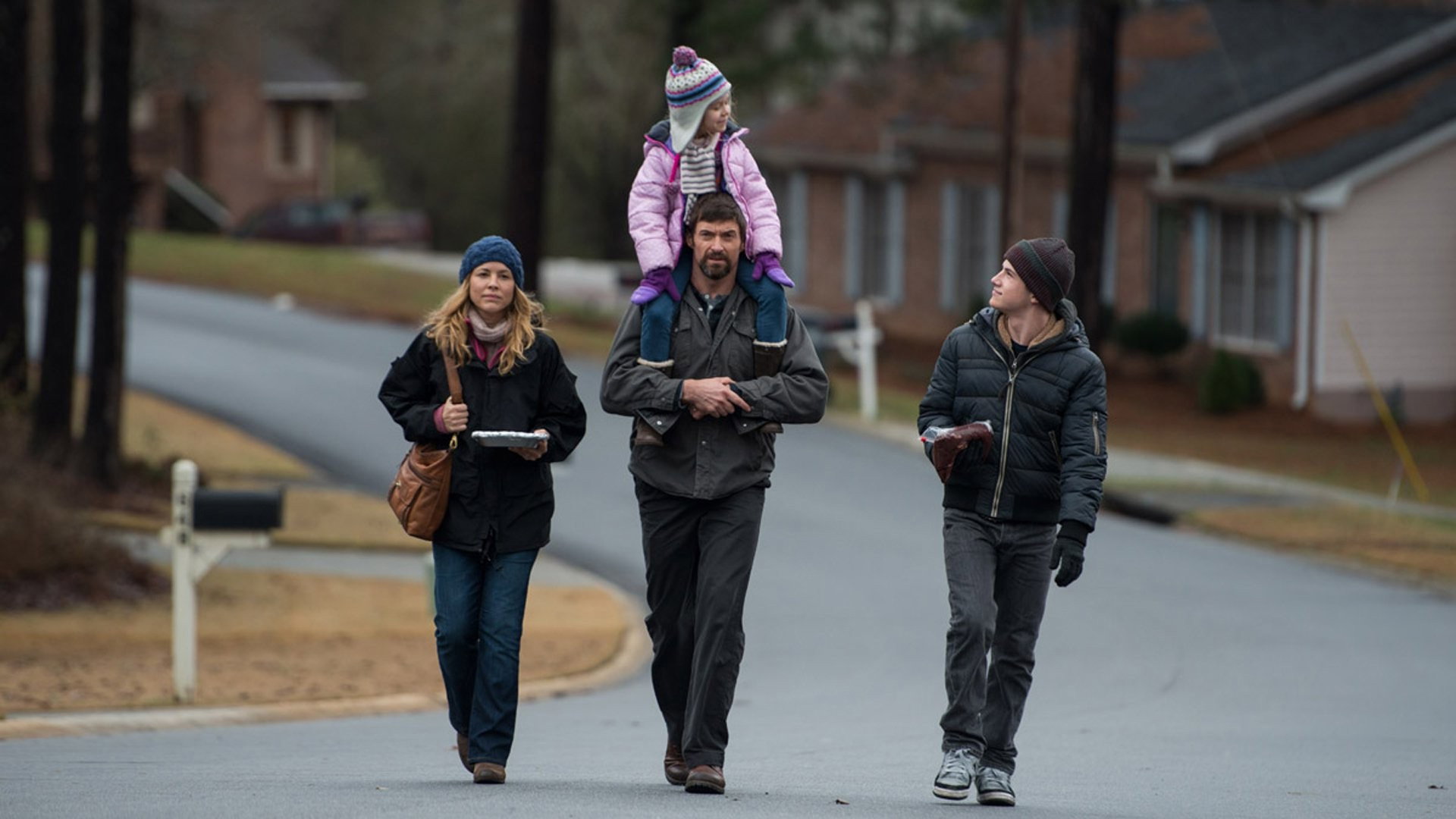
Roger Deakins’s grey, rain-soaked images do much of the work. The weather makes the search feel miserable before anyone speaks, and the bleakness never looks like an attractive excuse to light a thriller darkly. Patrice Vermette’s production design finds a similar unease in the run-down buildings, giving the actors surroundings that look unwelcoming without appearing fantastical. These are places ordinary people might live, which makes the thought of a child disappearing there harder to put aside.
Editors Joel Cox and Gary D. Roach give the two searches enough space for their different methods to register. Across 153 minutes, the pressure rarely slackens, though the sustained heaviness can be wearing. Jóhann Jóhannsson’s music makes the waiting harder to bear, but it sometimes presses the dread beyond what the performances need. The patient cutting serves the actors better, allowing their distress to hold our attention without constantly hurrying towards the next discovery.
The weakness is Aaron Guzikowski’s determination to keep the mystery turning. The clues sustain our attention, but the accumulation of false leads and complications starts to feel imposed on people whose distress has been so carefully established. There is nothing wrong with a false lead, but some of these take too much accepting. We begin to notice the writer arranging the investigation when we ought to be worrying about the child.
Within the vigilante thriller, the decision to keep a father’s violence this unpleasant matters. Villeneuve denies us the easy satisfaction of watching a good man take charge, and Jackman makes the father’s desperation convincing even when his behaviour is horrifying. Gyllenhaal’s restraint gives us somewhere else to look without making the investigation feel reassuring. Set aside an evening when there is no need for the film to cheer anyone up.