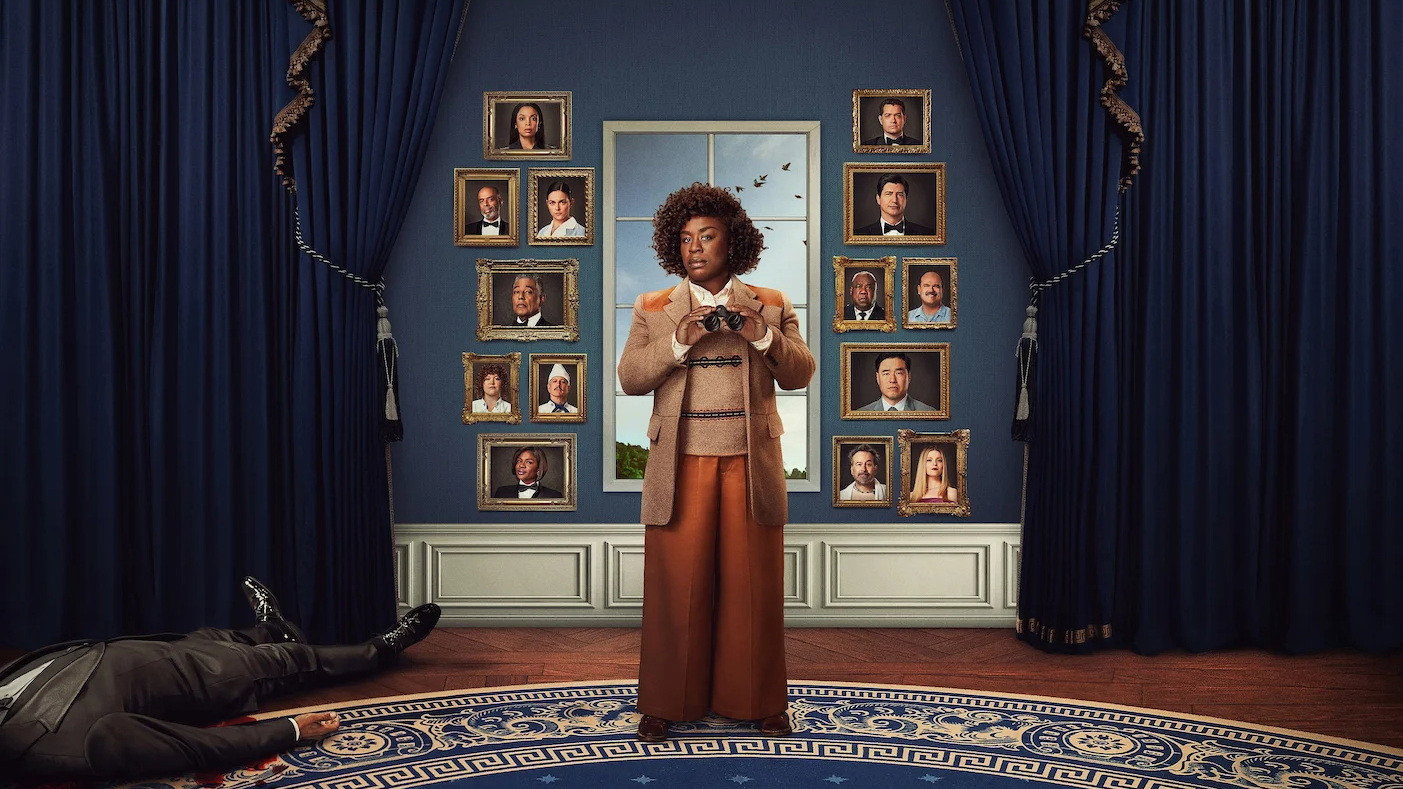
Uzo Aduba gives this White House whodunnit a detective worth following. The comedy is less reliable, and eight episodes allow a crowded, lively mystery far too many opportunities to interrupt itself.
Paul William Davies’s The Residence has an appealing idea: put an eccentric detective in the White House and let a murder expose the absurdity of everyone around her. It is a fitfully funny mystery, worth considering for Uzo Aduba but stretched beyond what its comic business can sustain. Across eight episodes, the crowded investigation too often feels like an excuse to keep people talking. The detective is usually more interesting than the diversions around her.
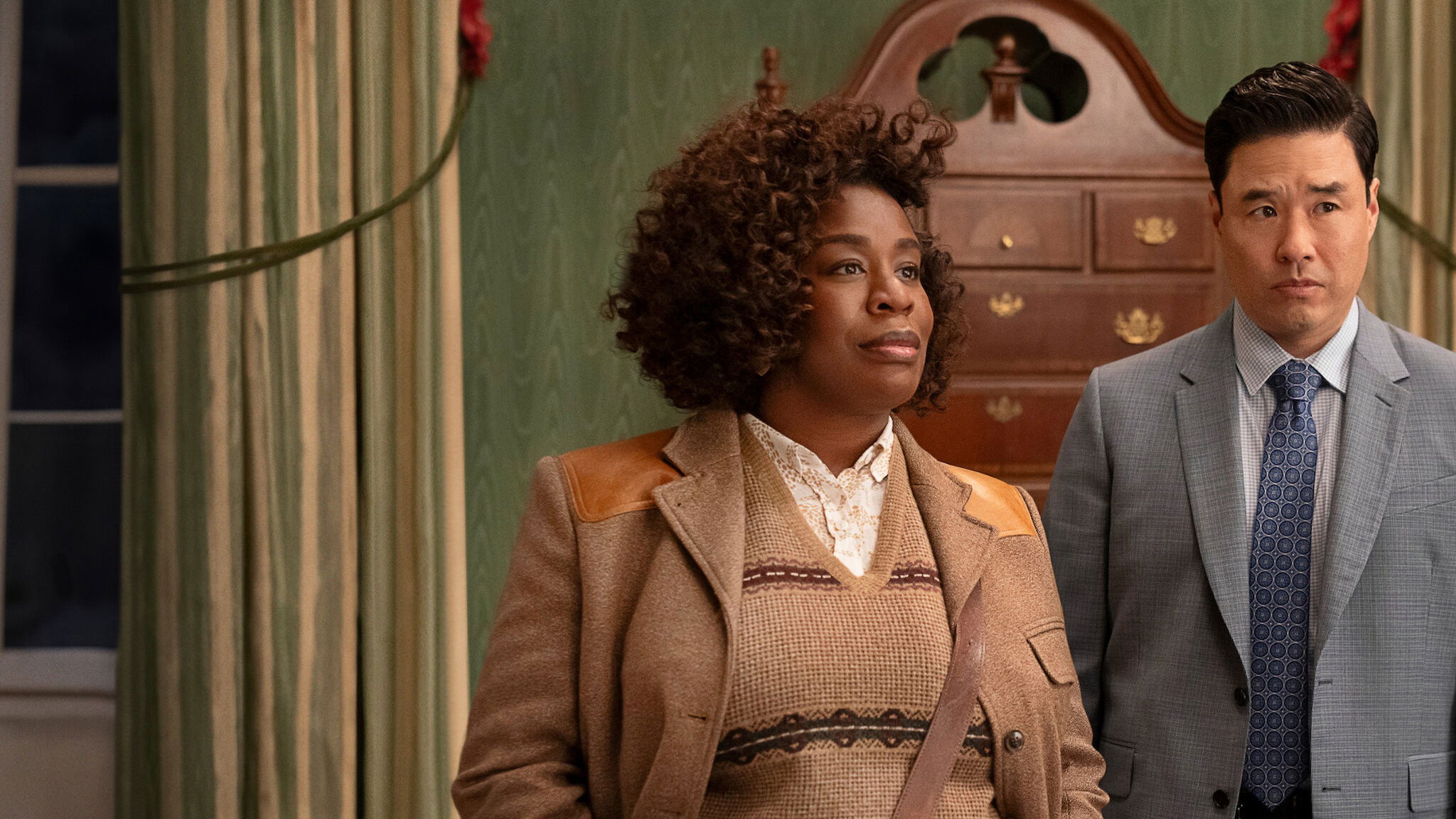
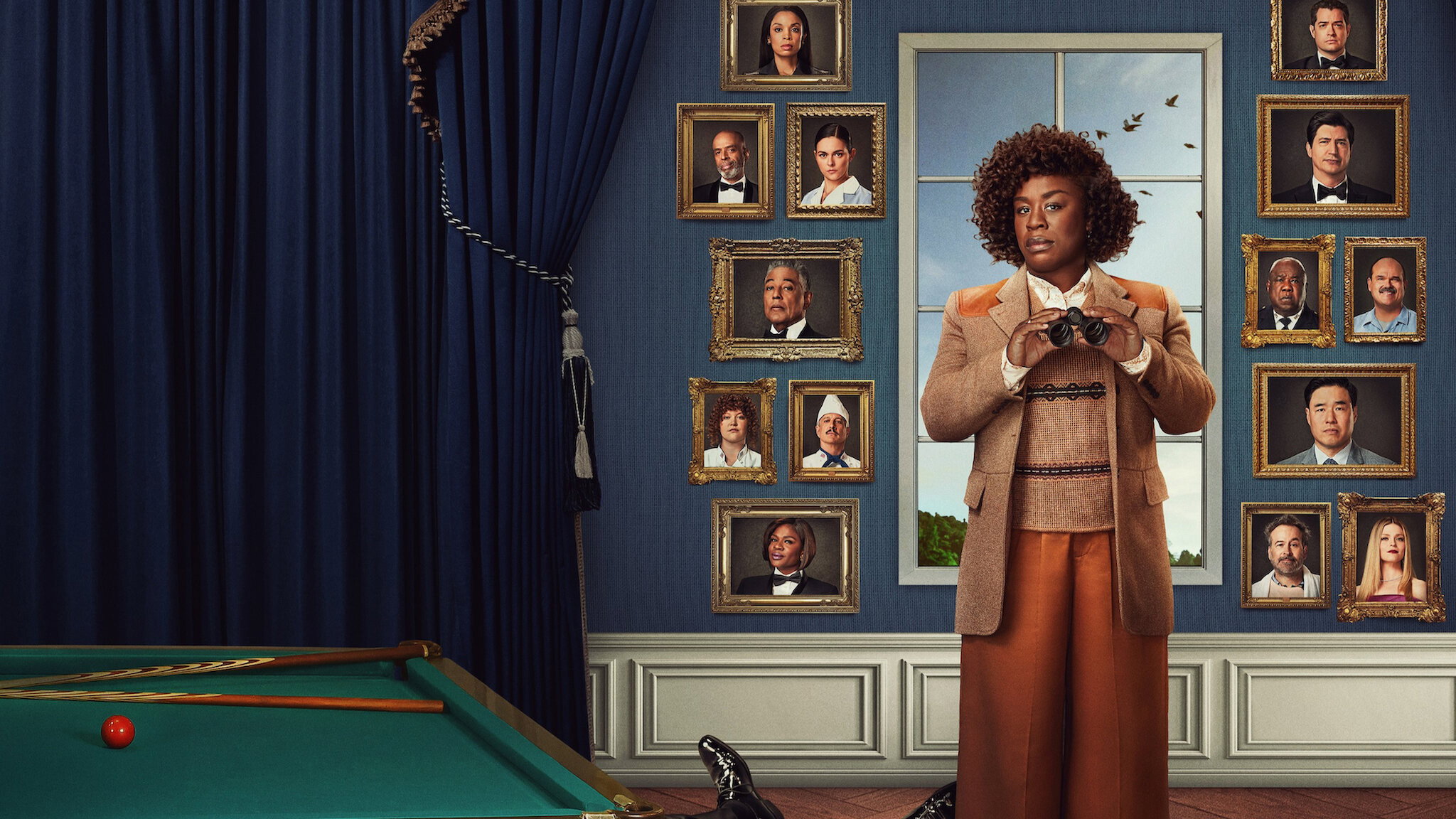
Aduba’s Cordelia Cupp is the reason to persist, a birdwatching detective whose habit of close observation suits the job. The attraction is easy to understand: someone who watches closely makes a useful centre for a cast encouraged to make itself noticed. We laughed at Aduba’s dry delivery; against all the surrounding fuss, her restraint makes the jokes land. The birding can be pressed too hard as an explanation of her methods, but the performance remains worth following even when the writing labours the connection.
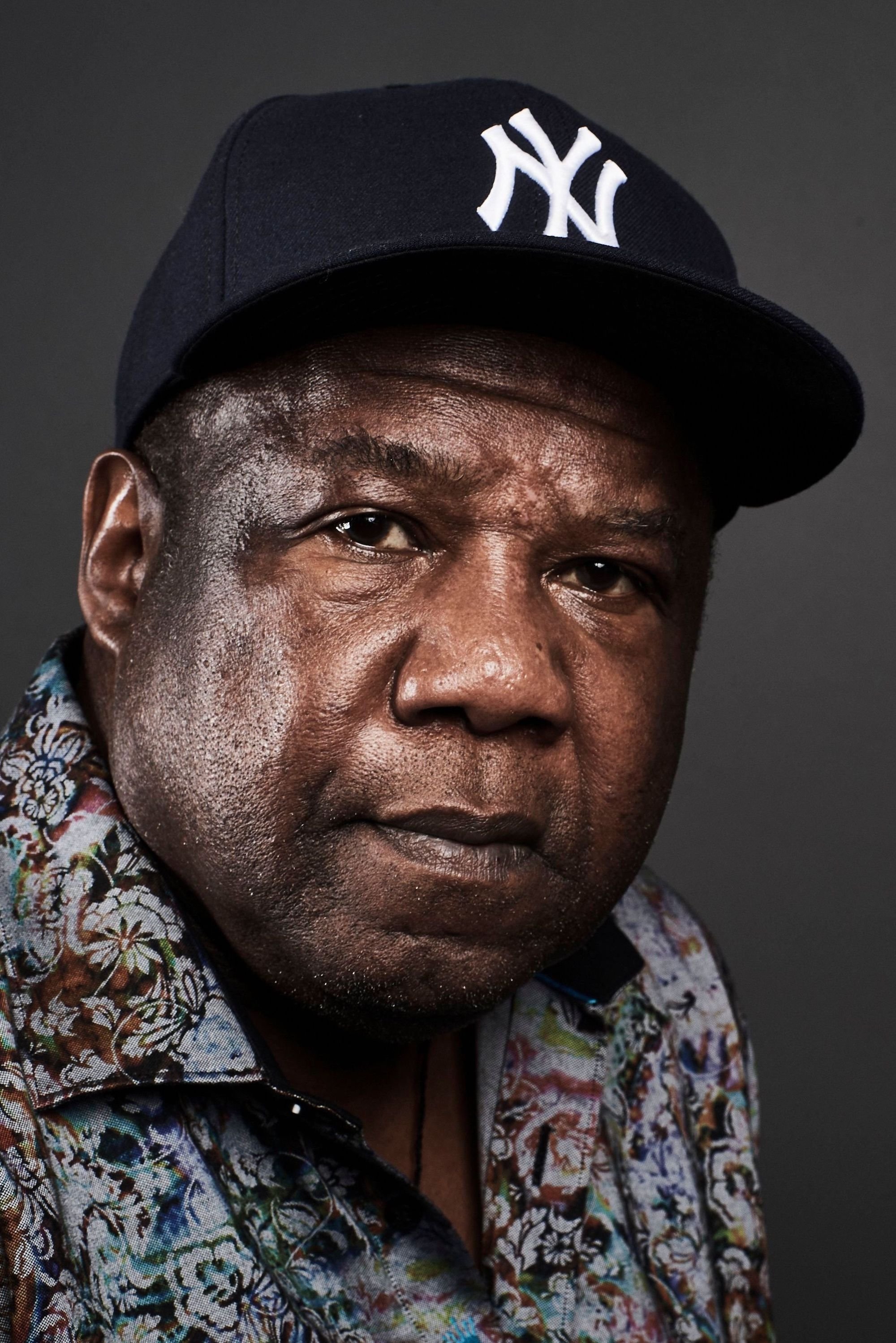
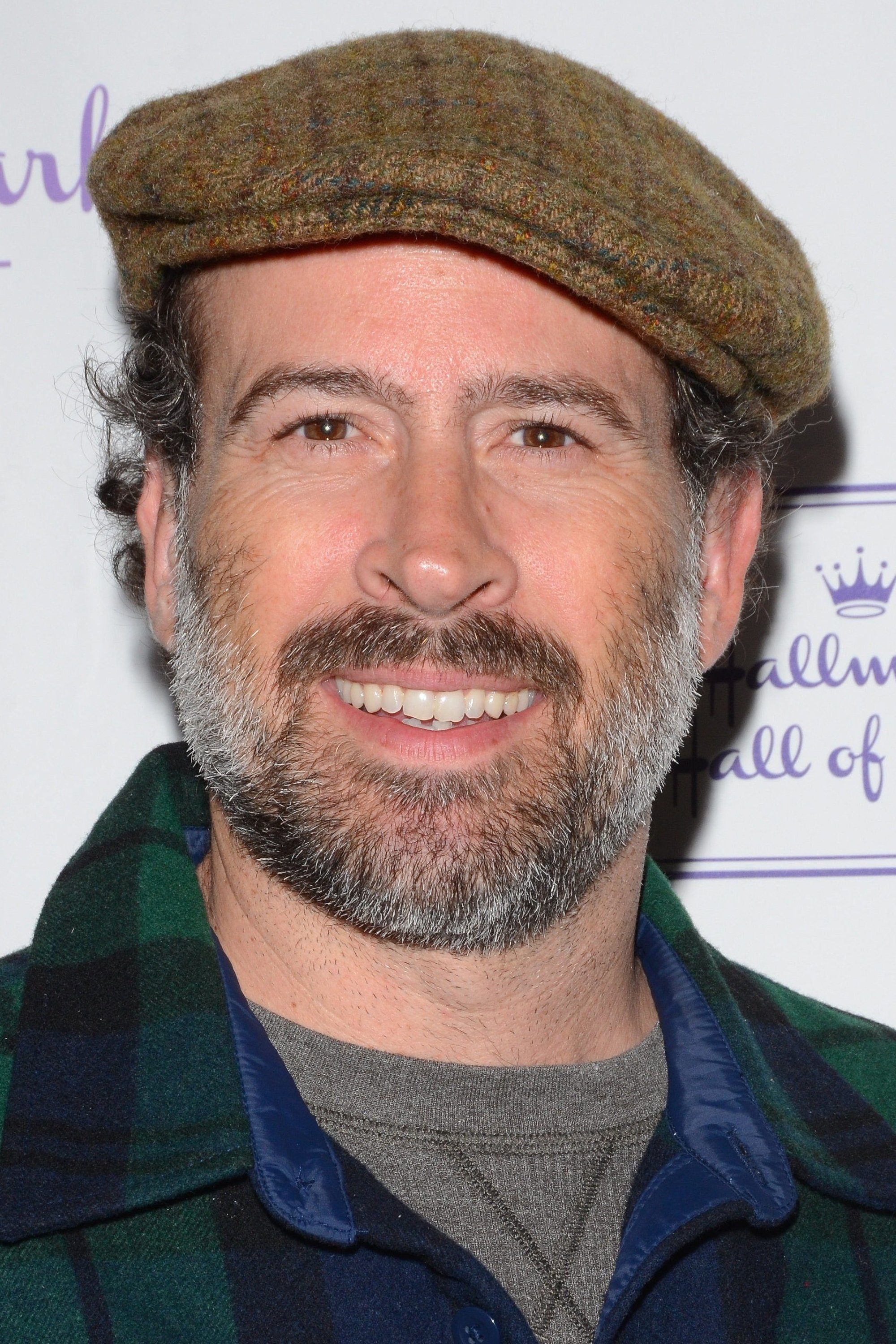
The ensemble includes Giancarlo Esposito as A.B. Wynter, Randall Park as Edwin Park and Susan Kelechi Watson as Jasmine Haney. There is pleasure in the range of faces and temperaments, and the series understands that a suspect can be amusing before becoming important to the puzzle. Yet too many of the performances compete at the same pitch. Several supporting players push for laughter beyond what the lines can bear, leaving little space for the smaller reactions that make an ensemble comedy rewarding.
François Audouy’s production design makes the White House’s official importance useful to the comedy. Its occupants seem all the more ridiculous in a place meant to suggest that somebody is in charge. Mark Mothersbaugh’s music adds to the comic bustle, though the performances hardly need further encouragement. The programme would benefit from quieter passages in which a joke could arrive without quite so much assistance.
The more serious problem is Davies’s plotting, which adds complications faster than it adds interest. The Senate committee framing and jumps between timelines give the investigation several ways to pause and explain itself. Some of that rearrangement makes the guessing enjoyable; too much makes a straightforward question needlessly difficult to hold in mind. Directors Jaffar Mahmood and Liza Johnson favour a hectic comic manner that rarely allows the questioning to establish a steady rhythm. There are stretches when the programme seems anxious that simply following a clue might not be enough.
A whodunnit can accommodate plenty of eccentricity, but it still needs to make us curious about an answer. Here, the amount of comic activity sometimes makes the people less intriguing: another outburst is easier to anticipate than another useful piece of information. We grew tired of the interruptions, especially when the framing devices pulled attention away from Cupp’s enquiry. The series has a detective capable of holding a scene and repeatedly finds reasons to look elsewhere.
There is enough warmth in the cast, and enough amusement in Aduba’s performance, to make this a reasonable prospect for viewers who enjoy a busy, comic mystery. The reservation is the eight-episode commitment, with its repeated detours away from the person doing the most interesting work. Try it for Cupp, and take the first signs of fatigue seriously.