Susanne Bier and David E. Kelley dress a slim whodunnit in cashmere and cold light and stretch it across six hours. Hugh Grant is the best reason to stay; the script gives everyone else one note and asks them to hold it.
David E. Kelley’s six-part adaptation of Jean Hanff Korelitz’s novel asks one question and keeps asking it for six hours: did Jonathan Fraser kill the woman found dead the morning after the school auction? The trouble is what the series does while it waits, which is mostly to send Nicole Kidman out into a cold New York and film her walking. The Undoing is handsome, well acted and stretched thin, and it is best taken quickly, before the thinness shows.
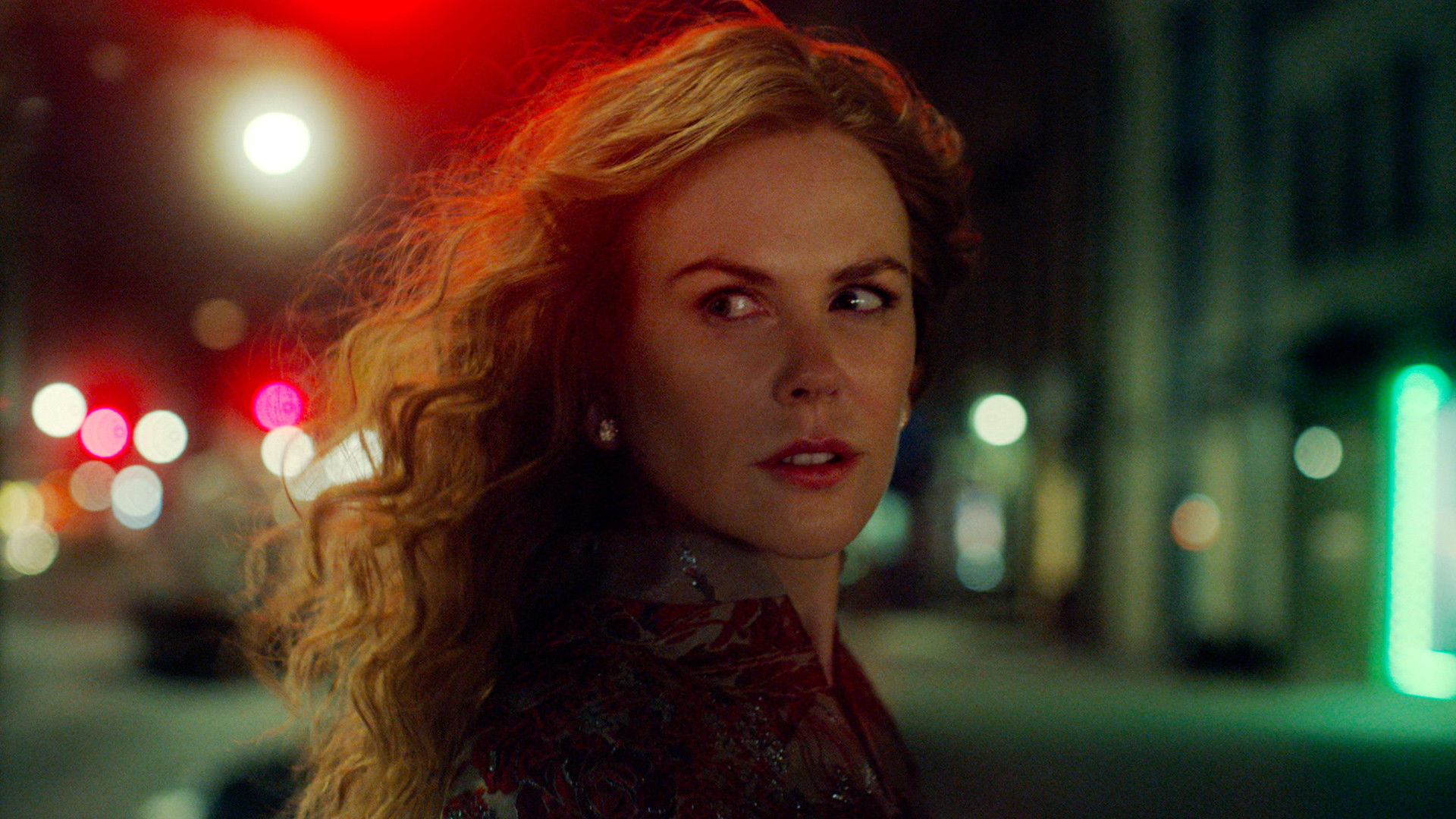
The first episode is the strongest hour. Elena Alves (Matilda De Angelis) walks into a meeting of the school auction committee and feeds her baby while the other women decide how to feel about it, and De Angelis plays her as somebody who has come to look at Grace, not the auction. She turns up in the gym changing room, undressed and unembarrassed. She gets into a lift with Grace and kisses her on the mouth. Anthony Dod Mantle shoots these encounters through glass and across rooms, so we are never sure who is watching whom, and it made our skin prickle as the later, louder episodes never do.
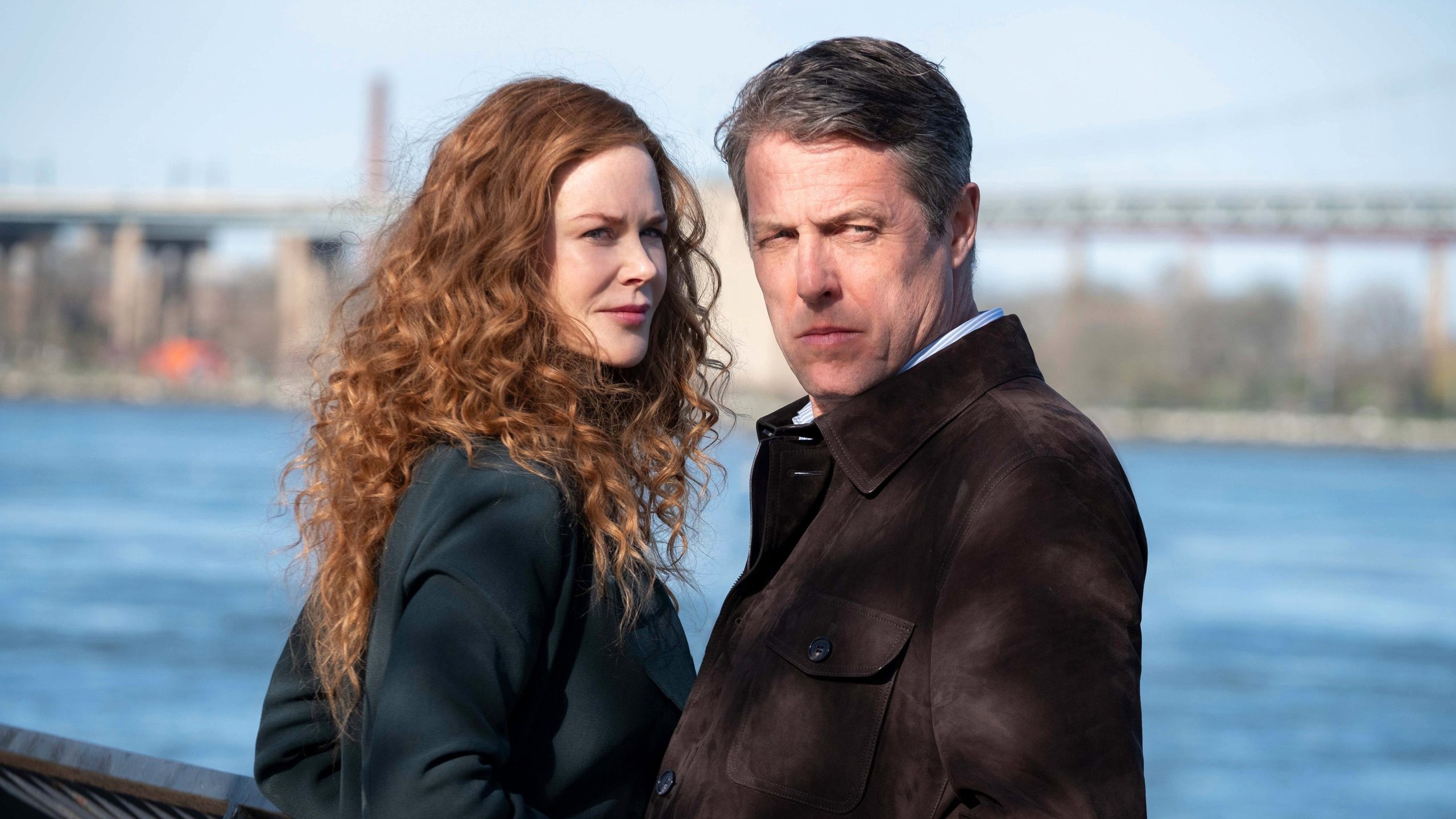
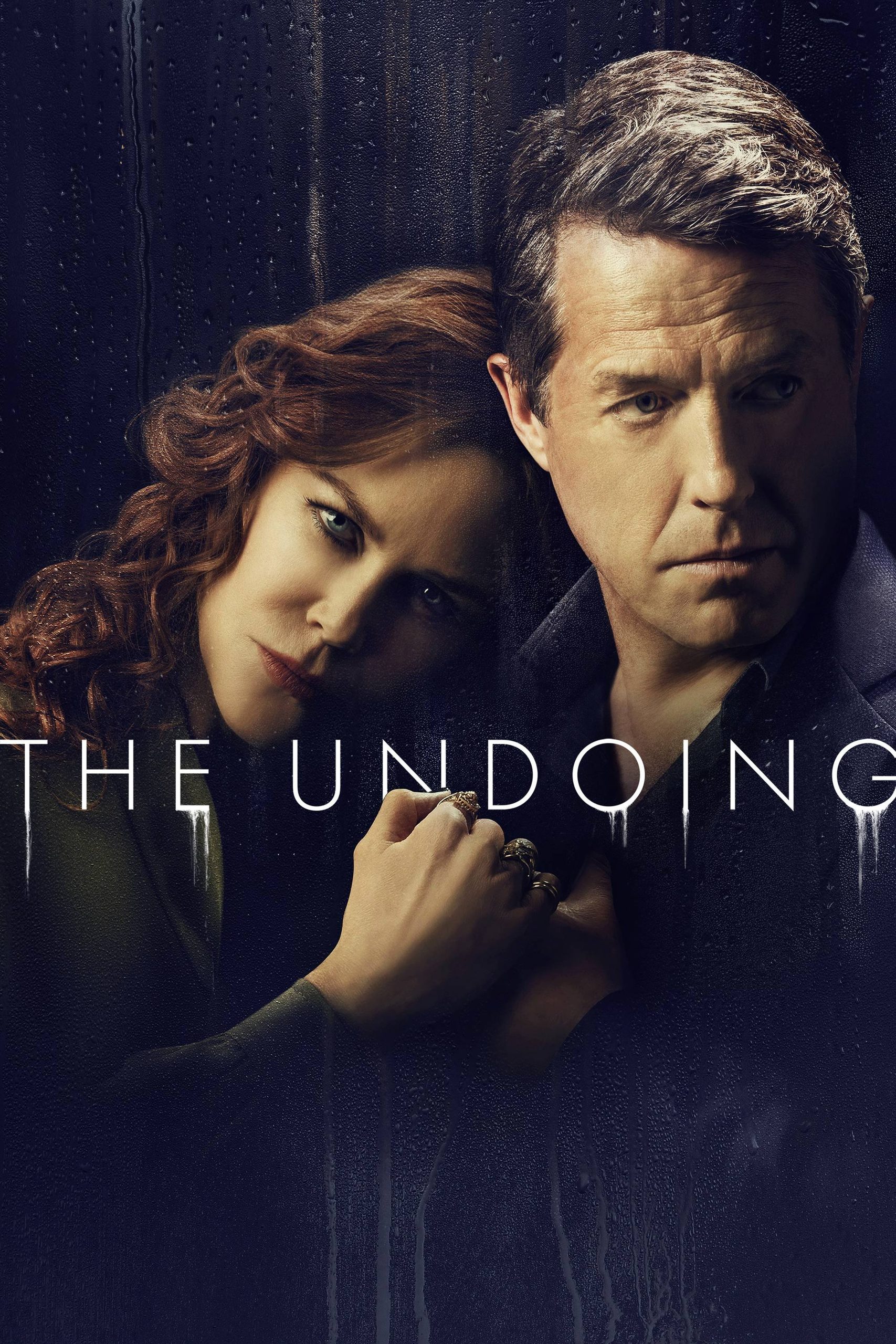
Then Hugh Grant arrives and the series has its reason to exist. Jonathan is the man everyone likes, and a little too pleased about it, and Grant plays him with the whole kit of his old romantic leads, the stammer, the tilted head, the self-deprecating joke, now used by a man who knows how well it works. Here the charm is under suspicion from the first scene, and watching him switch it on in a police interview room is the most uncomfortable pleasure the series offers. Every scene he is in, we leaned forward; every scene he is out of, we noticed the furniture.
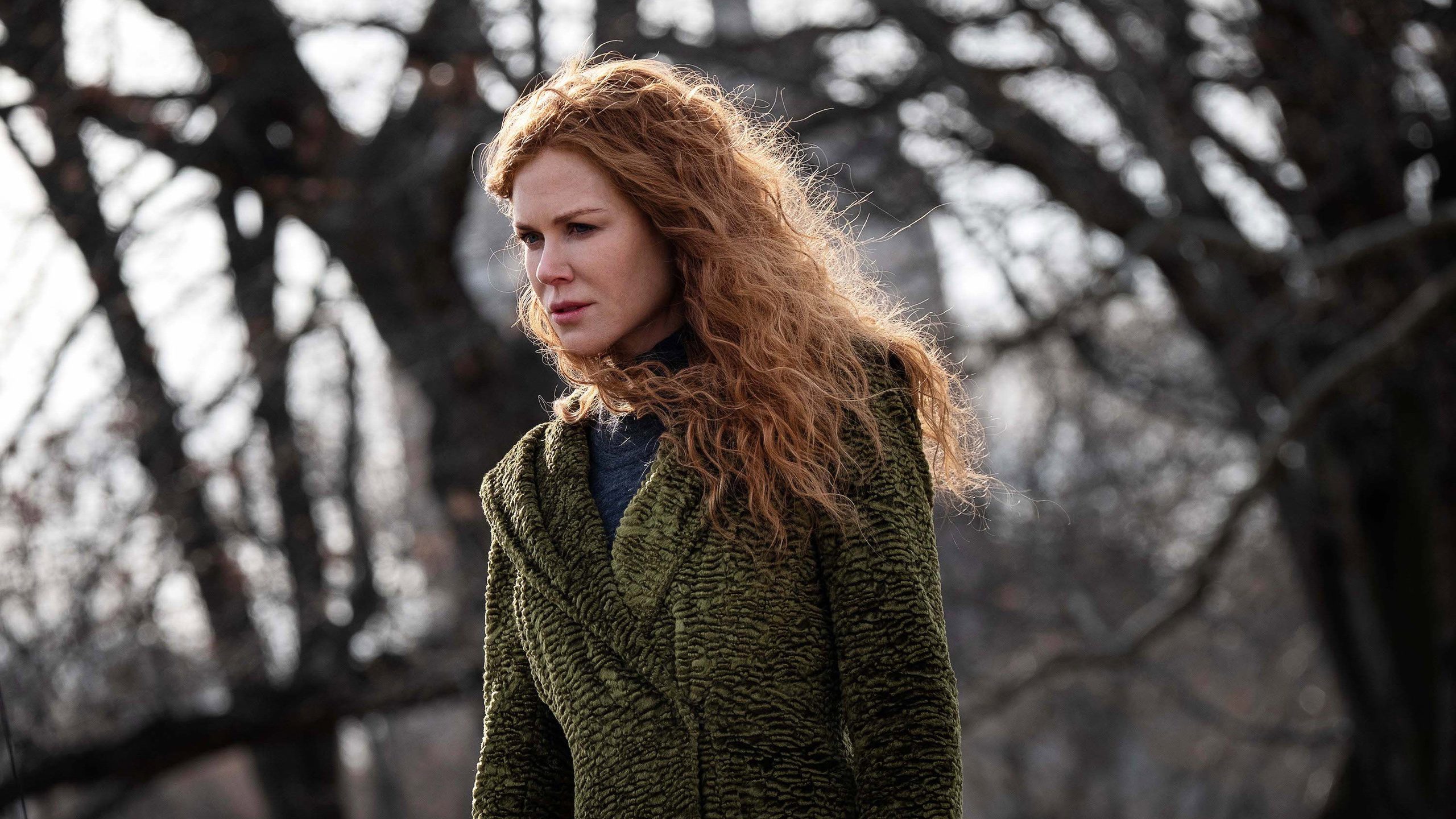
The furniture is good. Lester Cohen gives the Frasers a townhouse of dark wood and books, and Grace’s father Franklin (Donald Sutherland) a flat so large the city outside looks like a window display. Signe Sejlund puts Kidman in long coats, a green velvet one above all, and they became the thing we most looked forward to, which is not a compliment to the writing. Sacha and Evgueni Galperine’s score is plucked strings and a low pulse, sparing enough to be welcome.
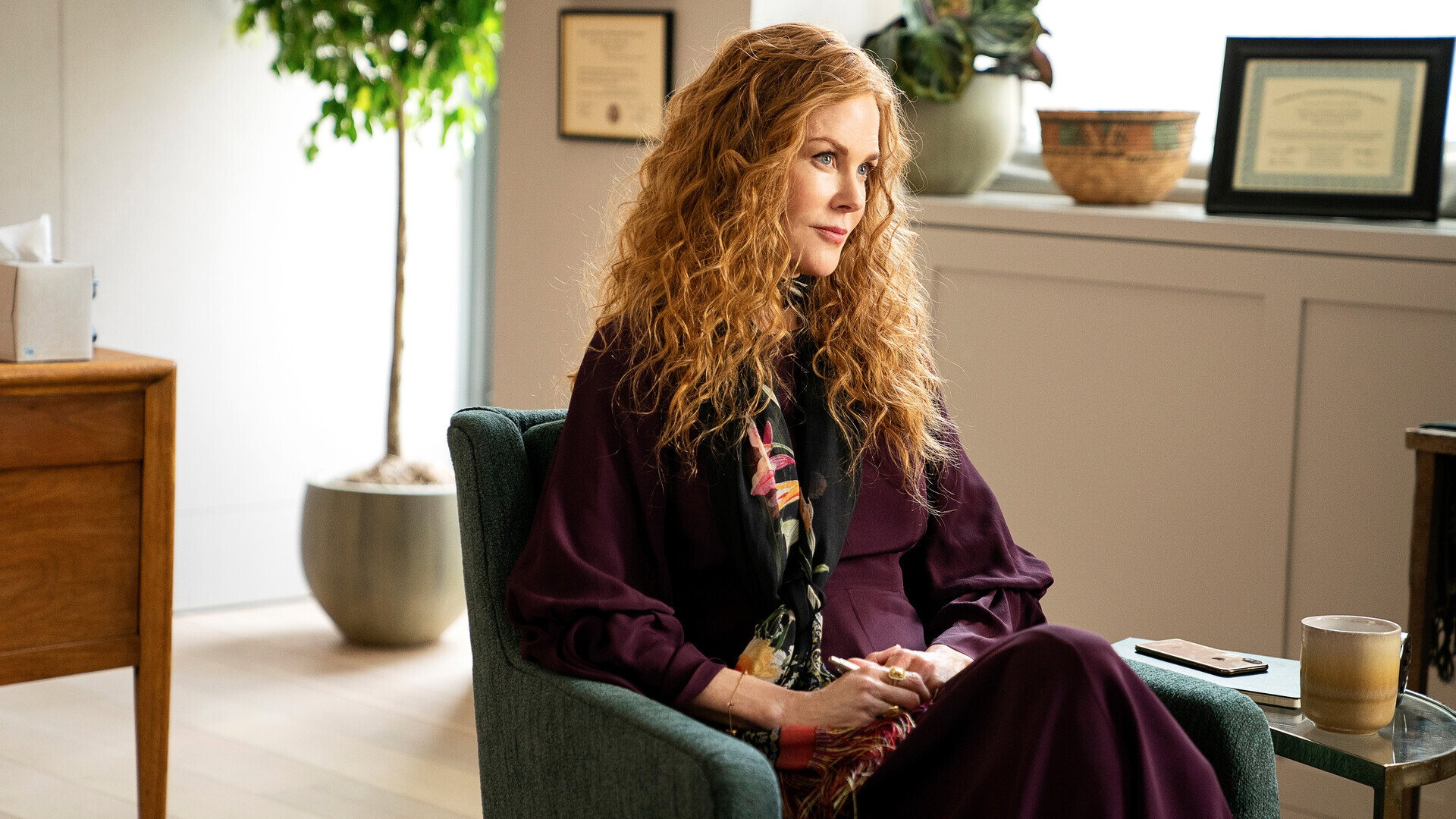
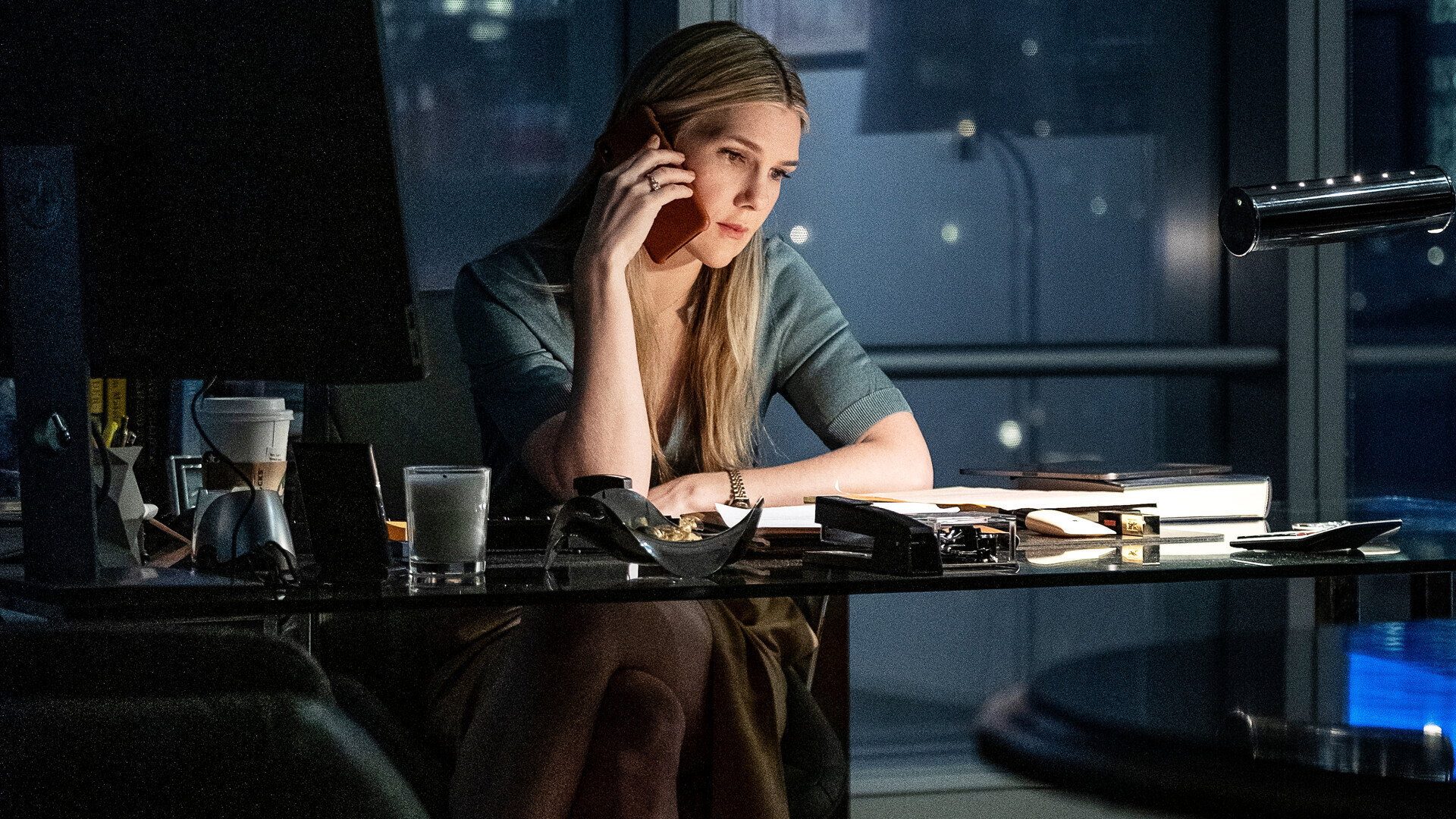
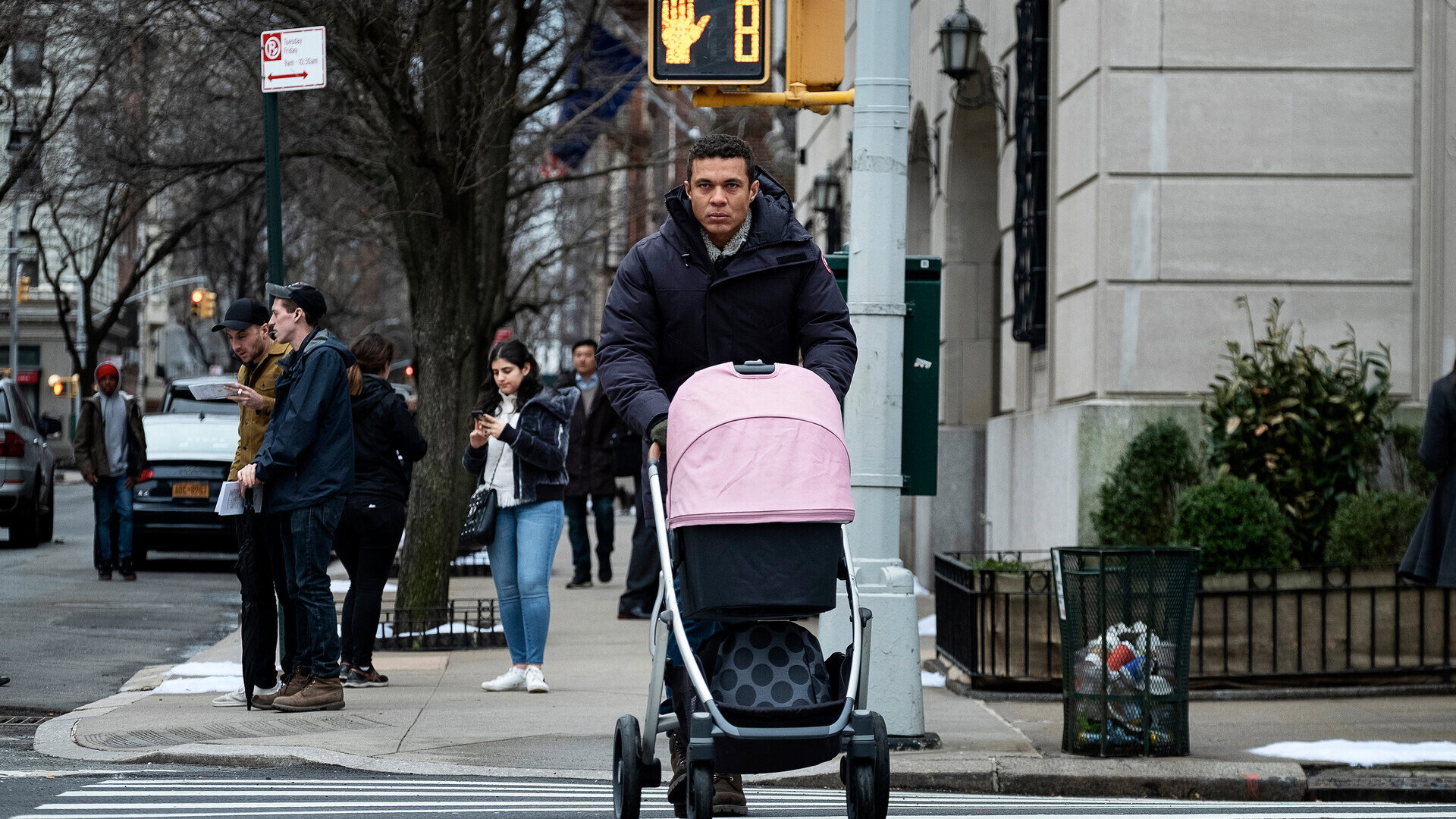
Kidman herself is the problem the series does not solve. Grace is a therapist who did not see what was in front of her, and Kidman plays that as one long stare for six hours. Kelley’s script gives her questions to ask and a coat to wear and little else; whenever the plot needs her to do something a sensible woman would not, she does it. Noah Jupe, as Henry, gives the more honest performance, a boy watching his parents and learning things a child should not, and the series keeps forgetting he is there. Sofie Gråbøl’s prosecutor is underused; Édgar Ramírez’s detective exists to be clever on cue.
By the fourth hour we were irritated. The middle episodes exist to keep the question open, so each turns up a new suspect or a hidden fact, and Ben Lester cuts every one to end on the reveal, so the story is a run of cliffhangers with not much between them. The courtroom stretch is competently staged and about as surprising as courtroom stretches tend to be. Money is raised as a theme, the scholarship boy, the family across the city, and then set down again, because a whodunnit has other business.
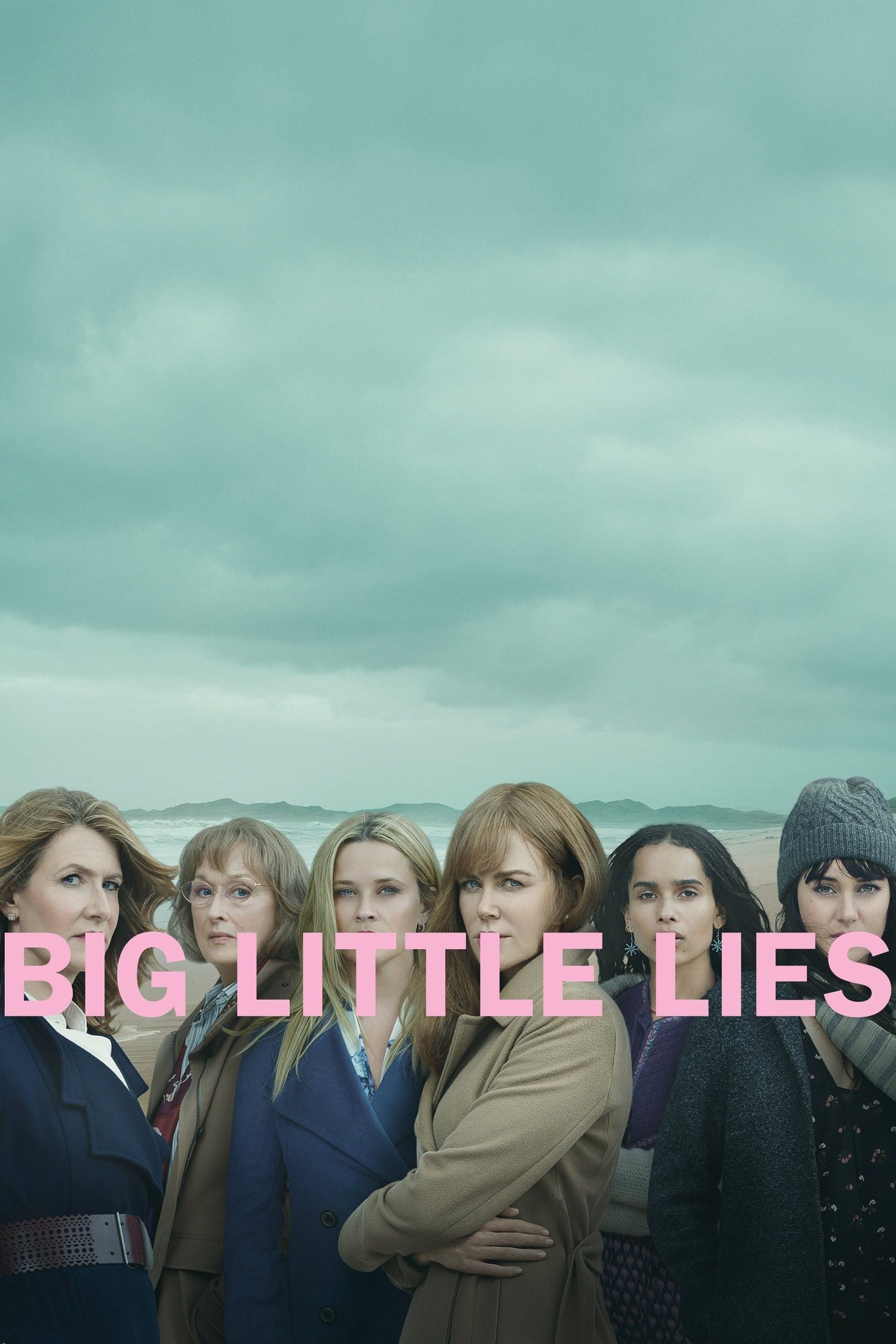
Kelley and Kidman made Big Little Lies (2017) together, and that series had a dozen people to care about and a murder as an afterthought. The Undoing has the murder and Hugh Grant. Bier’s The Night Manager (2016) showed how much she could do with a glossy thriller when the script kept up with her; here she is directing the pause between clues.
Watch it in pairs of episodes and it plays as what it is: a decent feature-length thriller with an excellent Hugh Grant, spread across six episodes of about an hour. It carries an 18 certificate. Take the coats as compensation.