Alan J. Pakula makes a gripping courtroom mystery from Scott Turow’s novel, with Harrison Ford refusing to make its accused prosecutor easy to like. The solemnity occasionally becomes oppressive, but the performances reward the patience it asks of us.
Alan J. Pakula takes the courtroom thriller seriously, and for much of Presumed Innocent that seriousness pays off. This is a gripping murder mystery which gives us an awkward man to follow and declines to tidy him up. The screenplay, by Pakula and Frank Pierson from Scott Turow’s novel, makes the effort to understand him part of the suspense. We have to keep judging Rusty Sabich while wondering how fairly he is being judged. That is a sound reason to spend 127 minutes in his company.
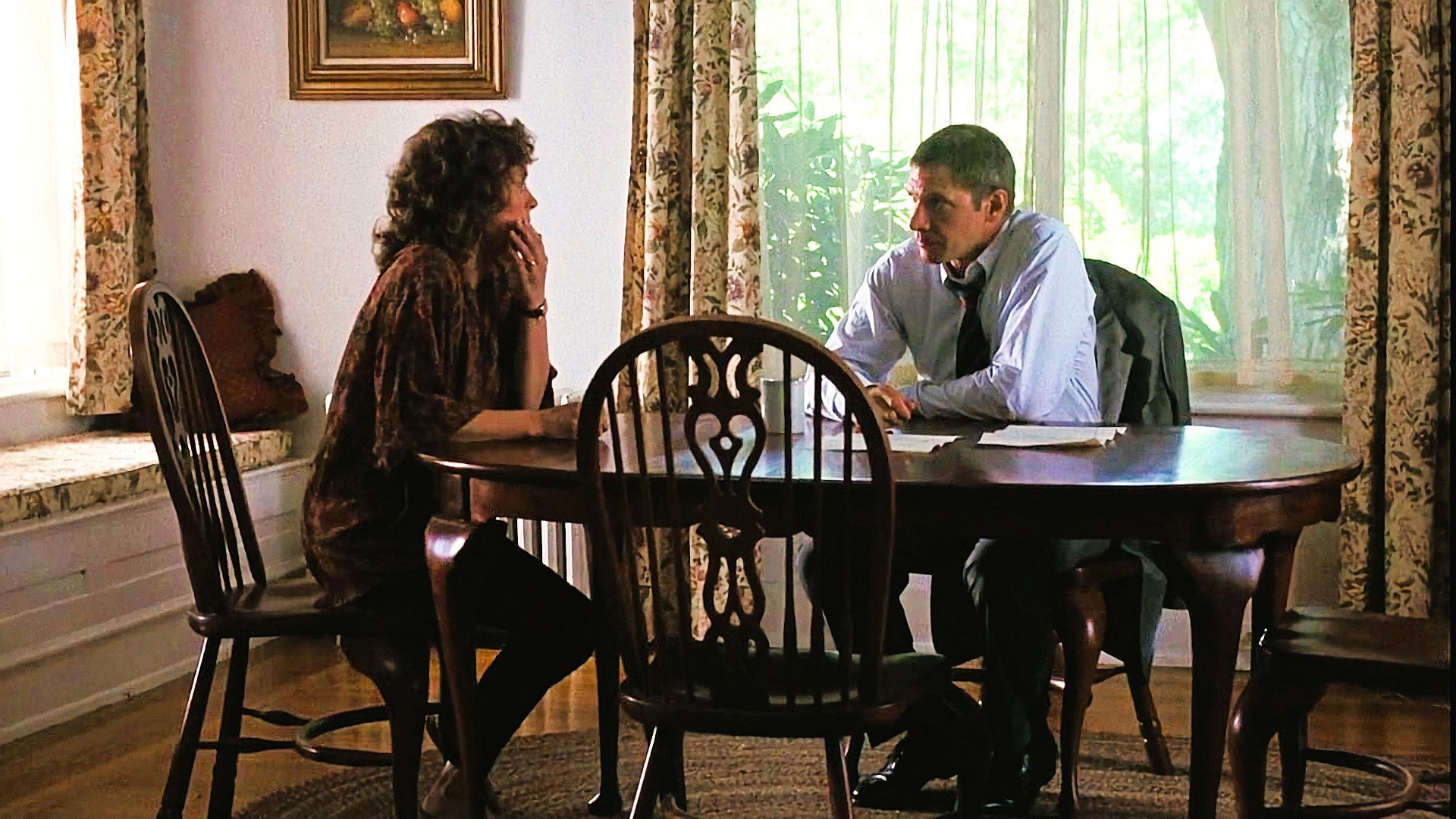
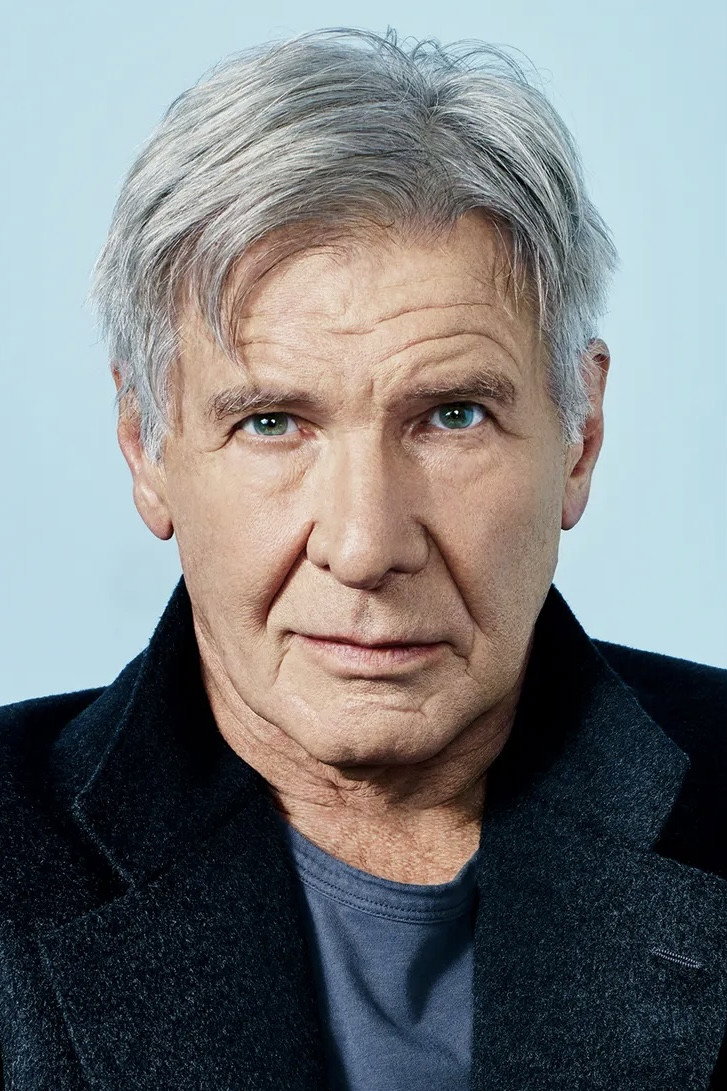
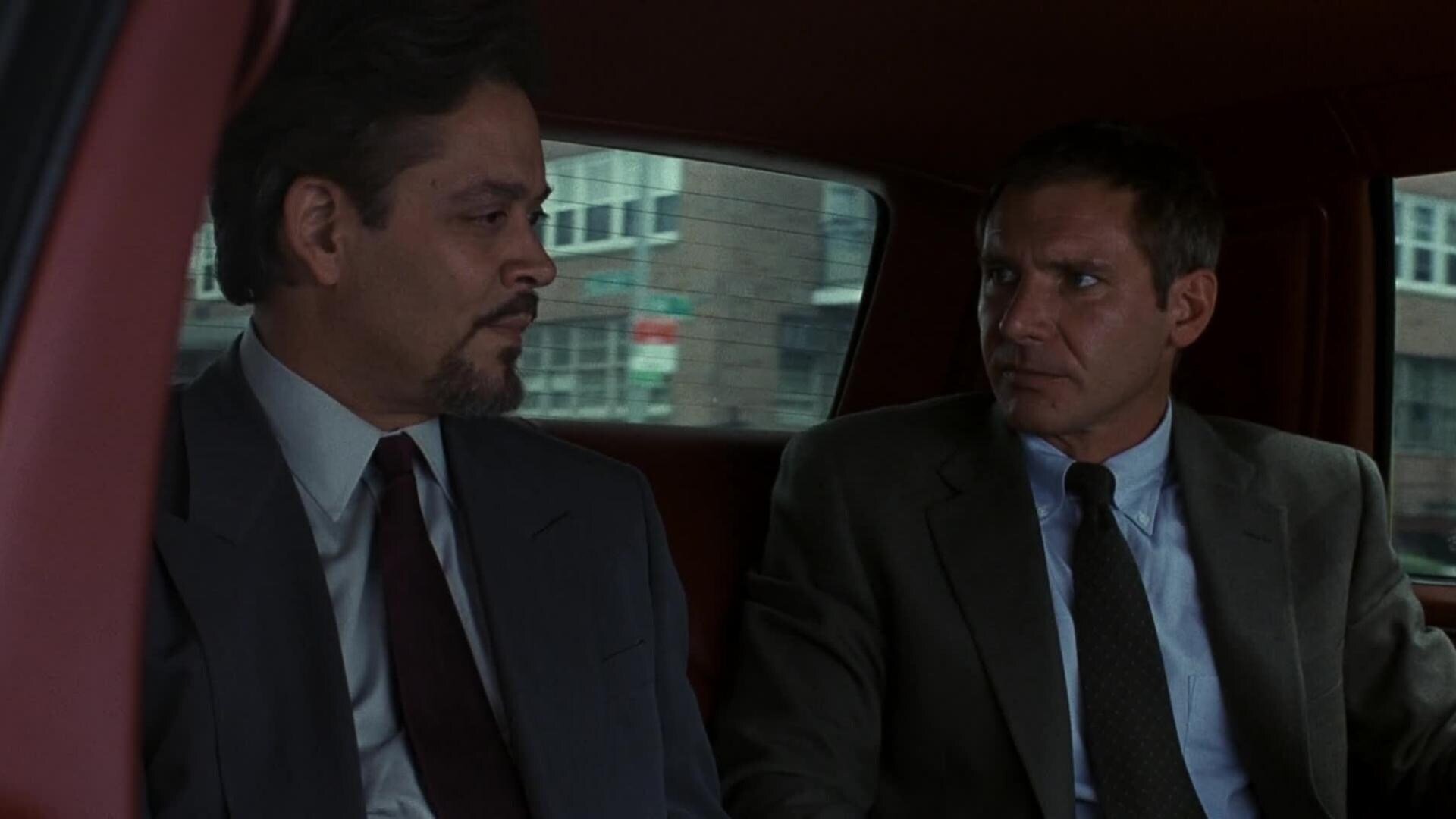
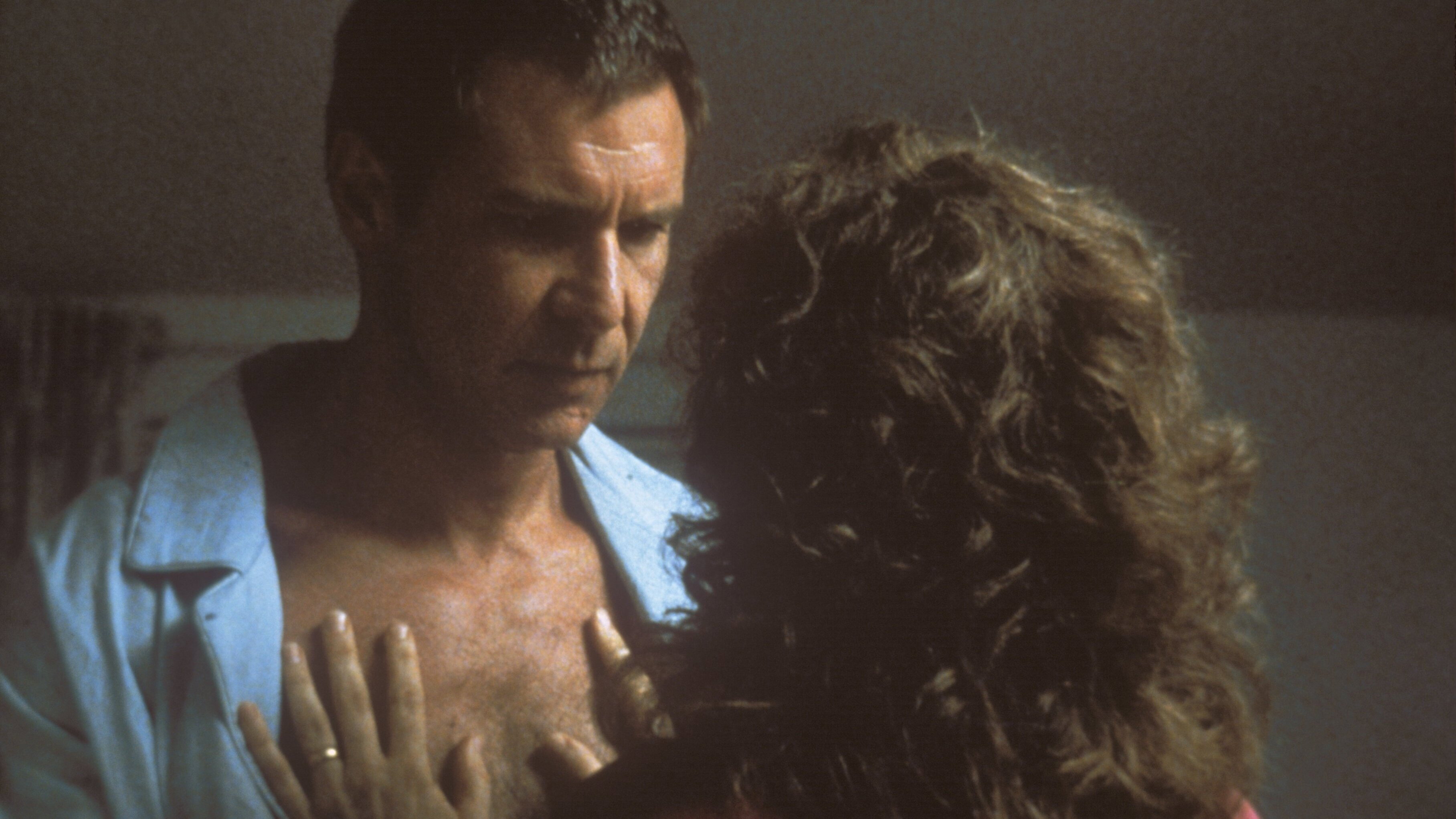
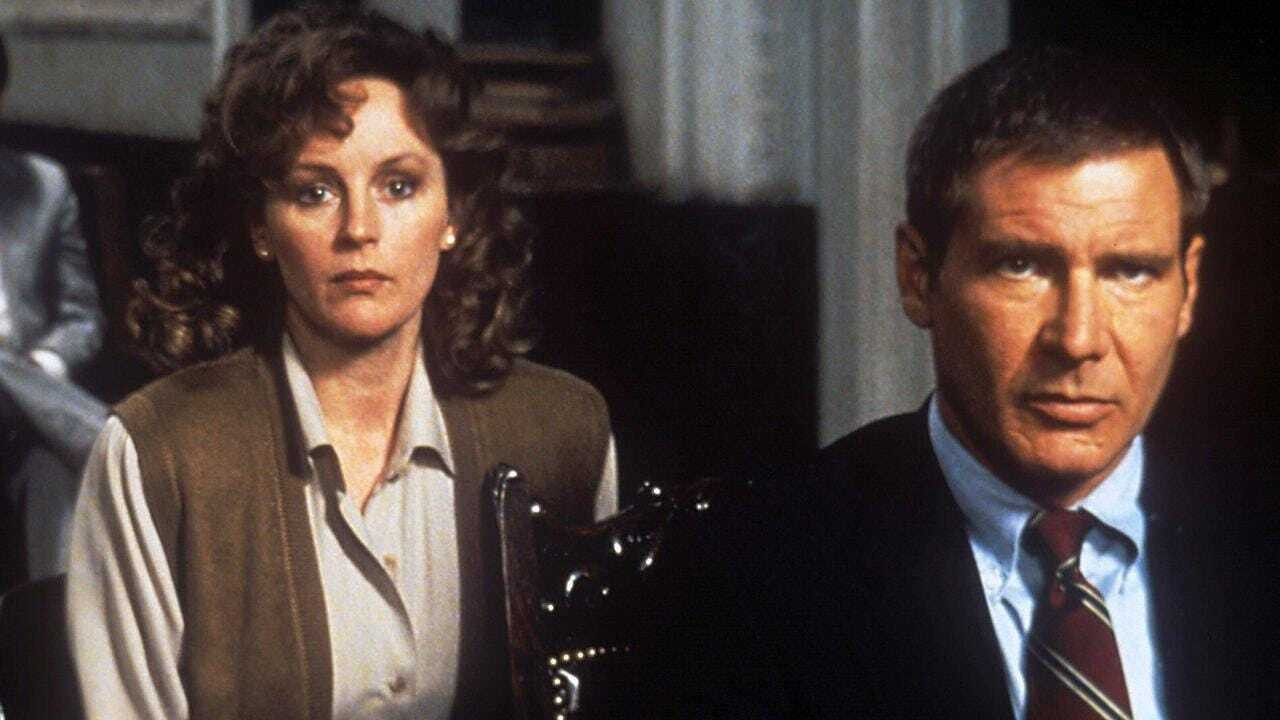
Harrison Ford is especially good at allowing Rusty’s distress to show without making him agreeable. His prosecutor can be obsessive and unpleasant, which makes the pull of sympathy more troubling when he is accused. We felt uneasy at how readily we began to hope things would go his way; Ford’s desperation got to us before we had decided what to make of the man. He keeps that uncertainty alive without turning every moment into an invitation to guess the solution.
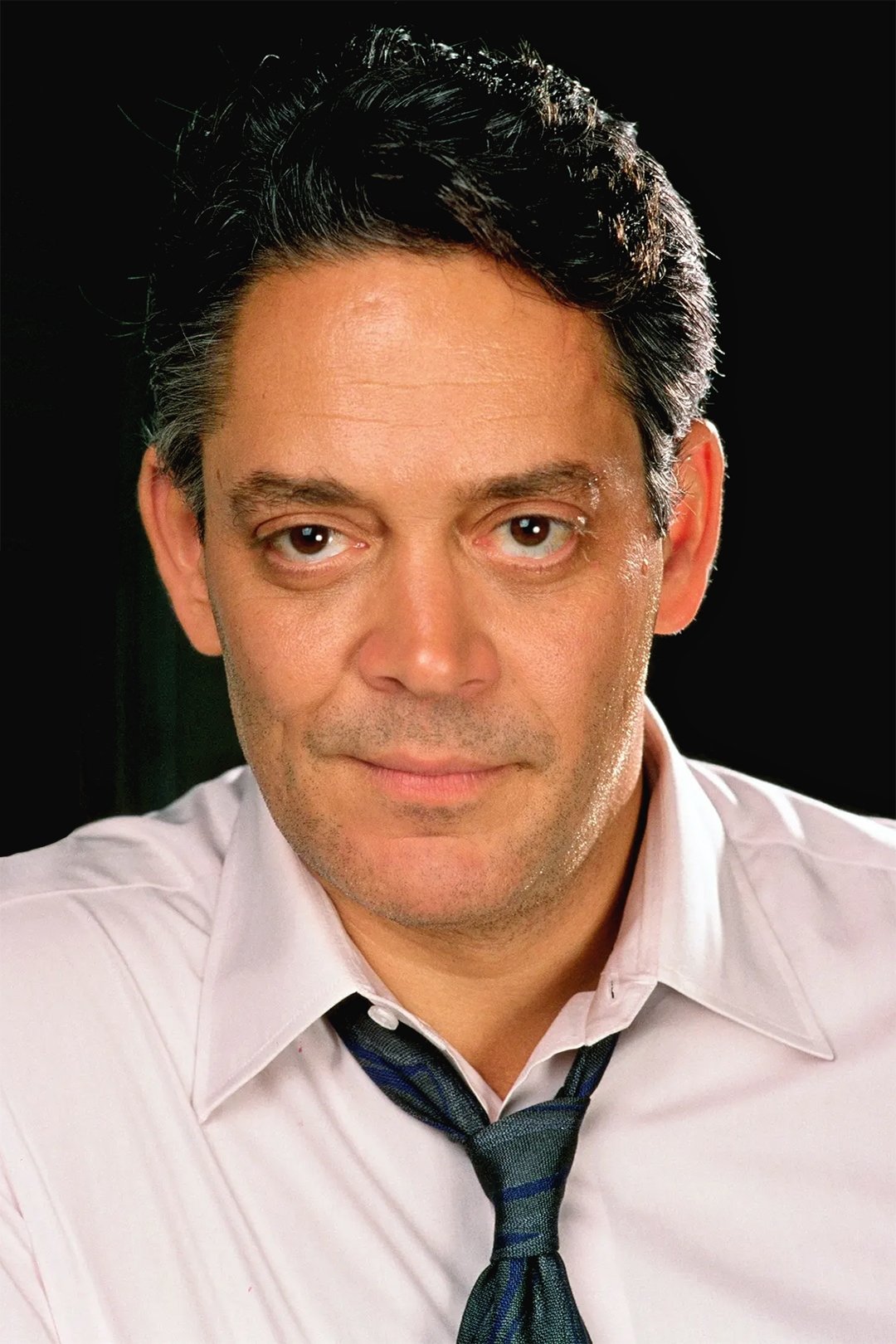
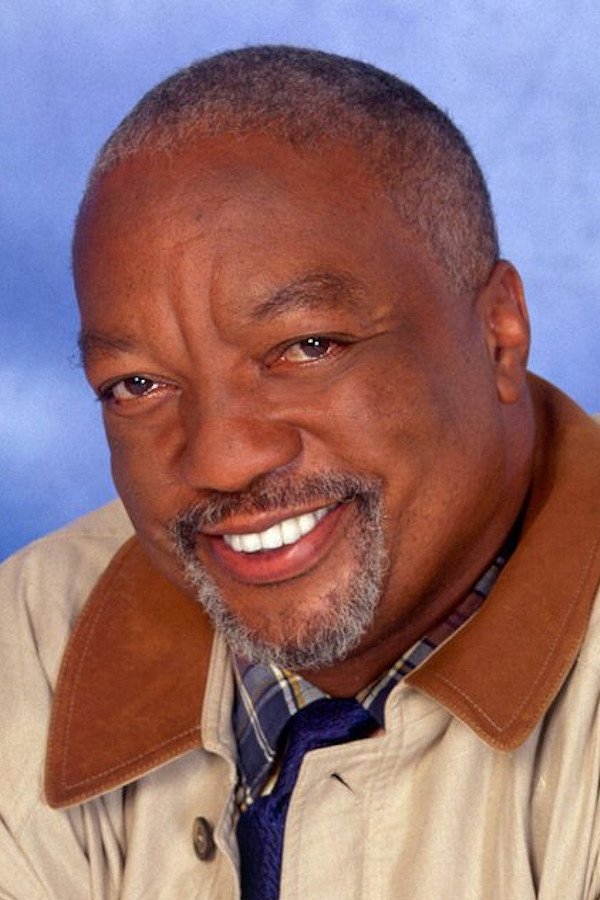
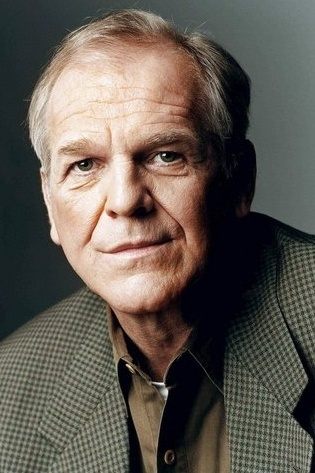
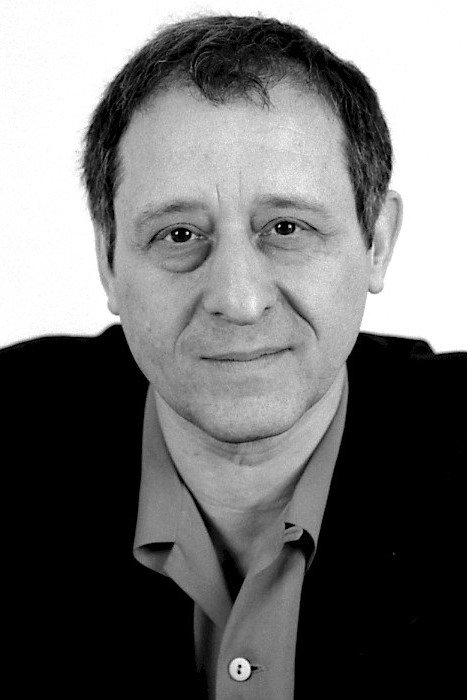
Raúl Juliá’s Sandy Stern brings welcome energy to the courtroom passages, where the careful pace feels justified by the attention the case demands. He makes those scenes absorbing without needing to break their sober tone. Bonnie Bedelia, as Barbara Sabich, gives the film another performance strong enough to draw our attention away from Ford. There is some relief in that, because his tightly controlled unhappiness could become exhausting on its own. The supporting players make the case worth following beyond our interest in Rusty.
Gordon Willis’s long shadows and looming compositions make the film feel suspicious of everybody in it. The images encourage us to look for something concealed, which is useful in a mystery that depends on our uncertainty about its lead. George Jenkins’s production design gives the courtroom a convincing formality, helping us believe in the authority of the place. That matters when the accused is himself a prosecutor.
Evan A. Lottman’s editing gives the performances room, and the measured handling of the mystery lets doubt develop without constant nudging. We have time to weigh what Ford is doing, which is essential to the film’s appeal. John Williams’s music sustains the unease effectively, although it offers little escape from the prevailing heaviness. At times the pace becomes ponderous, and the film starts to seem more impressed by its seriousness than the material warrants. Pakula and Pierson could have varied the tone without making the case seem trivial.
The courtroom thriller needs to make us listen closely, and Pakula understands how much suspense can come from watching people under scrutiny. He is less good at knowing when we have absorbed quite enough anguish for one sitting. Still, the mystery remains involving, and Ford makes it difficult to settle into a comfortable opinion of Rusty. It asks for a concentration that casual viewing will not give it. Choose it for an evening when a difficult man and a demanding case sound more inviting than a quick succession of shocks.