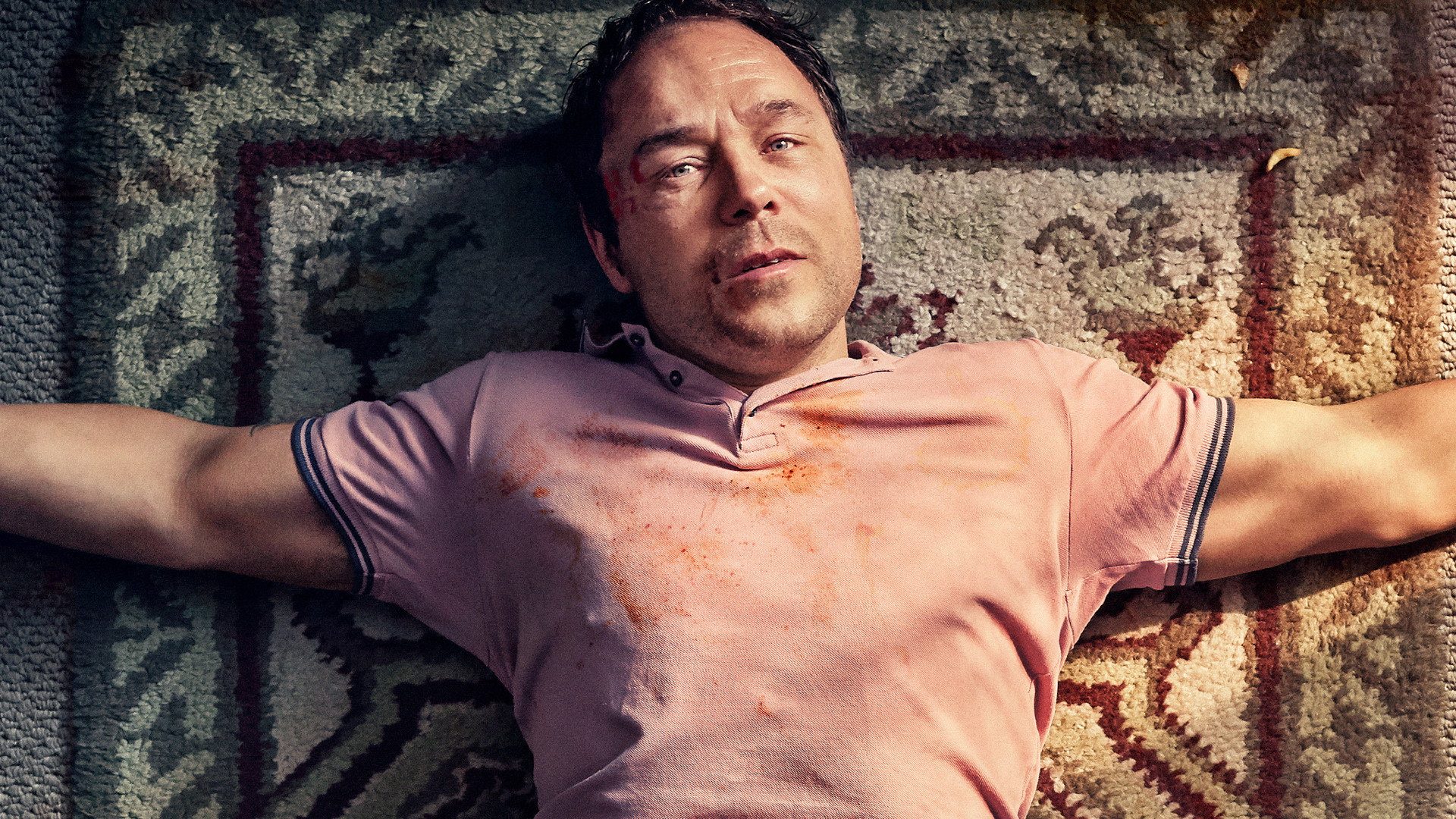
Stephen Graham is reason enough to watch this difficult, intimate drama. The storytelling is sometimes too oblique, but his near-wordless distress keeps us watching through the slower passages.
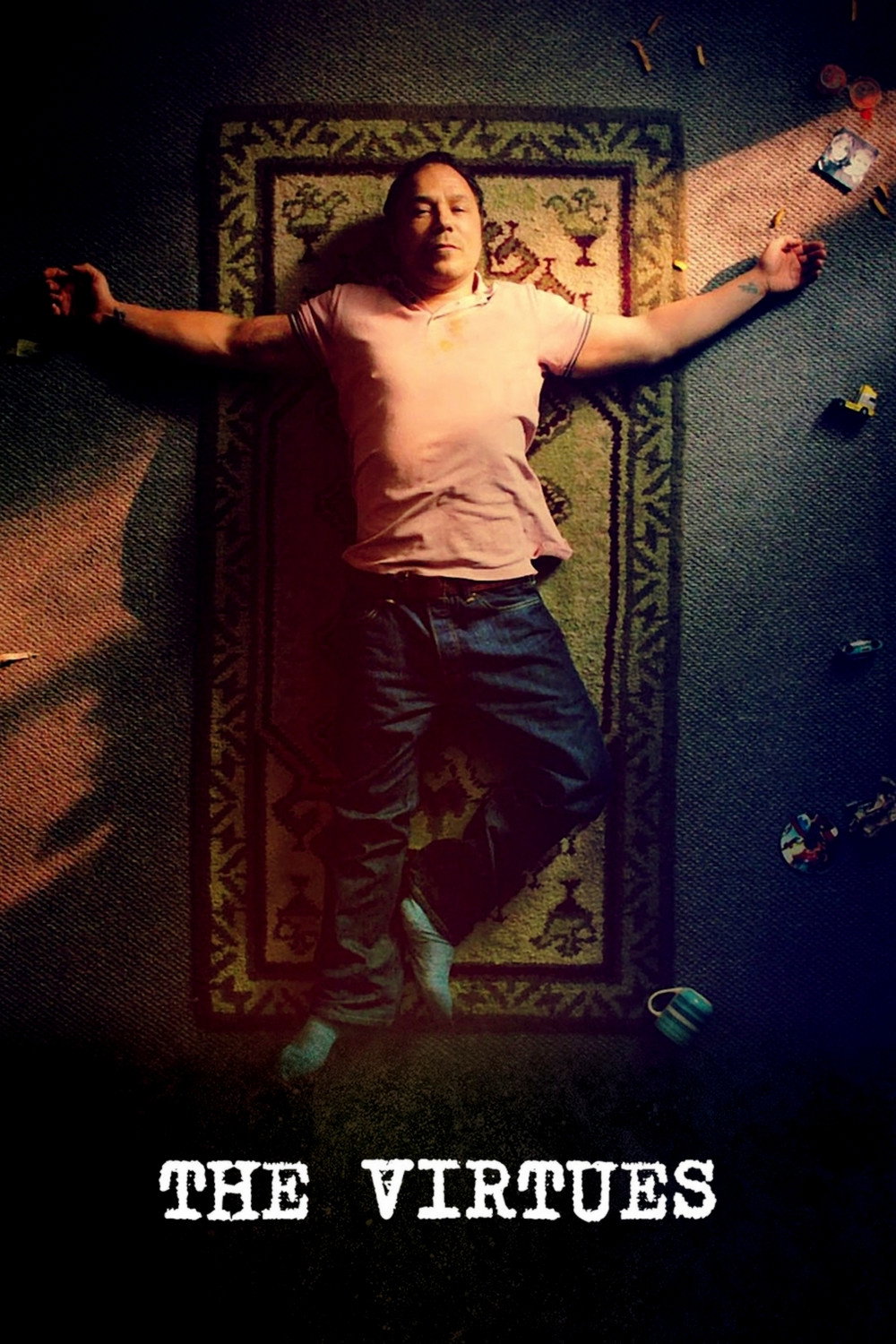
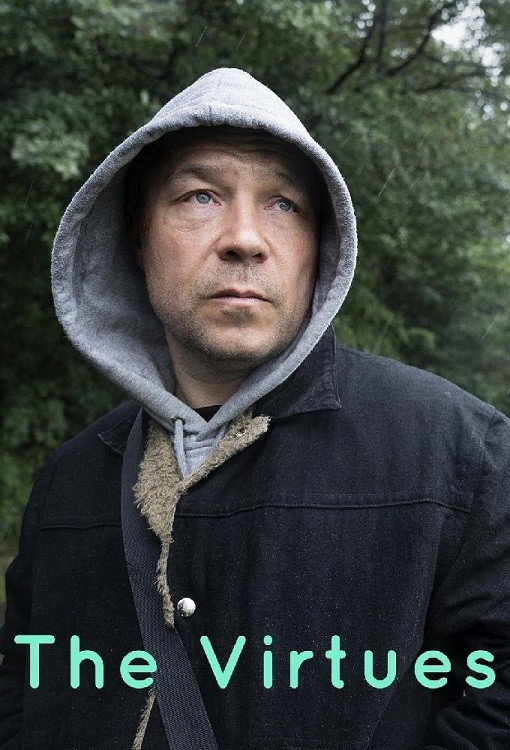
The Virtues is an absorbing four-part drama, though its storytelling sometimes tests our patience. Shane Meadows directs, and writes with Jack Thorne, keeping our attention on Joseph, played by Stephen Graham, when he has little he can bear to say. The immediate attraction is the actor: we want to keep watching him even when the programme makes watching uncomfortable. Anyone hoping for a briskly explained problem and a reassuring response should choose something else.
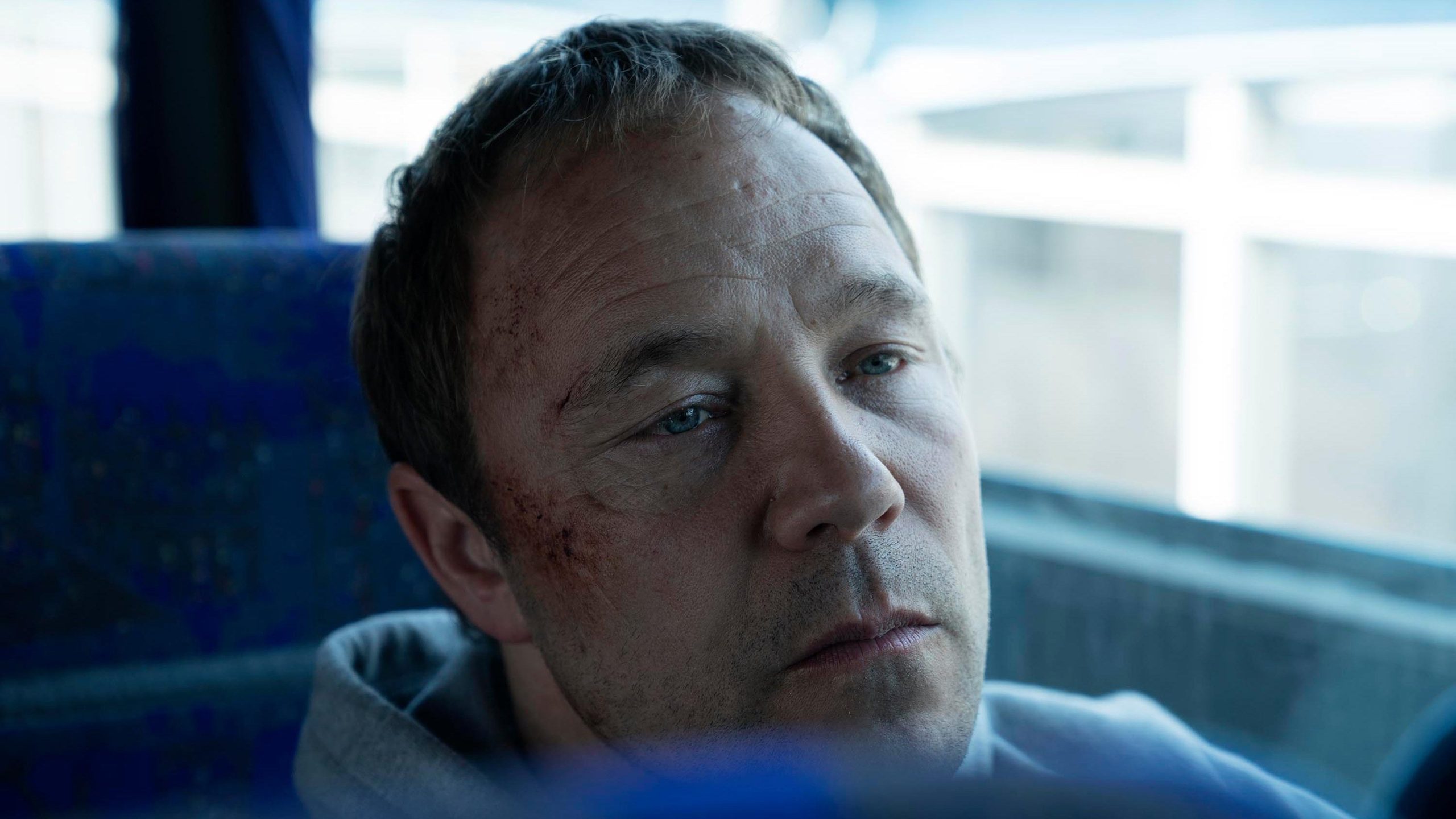
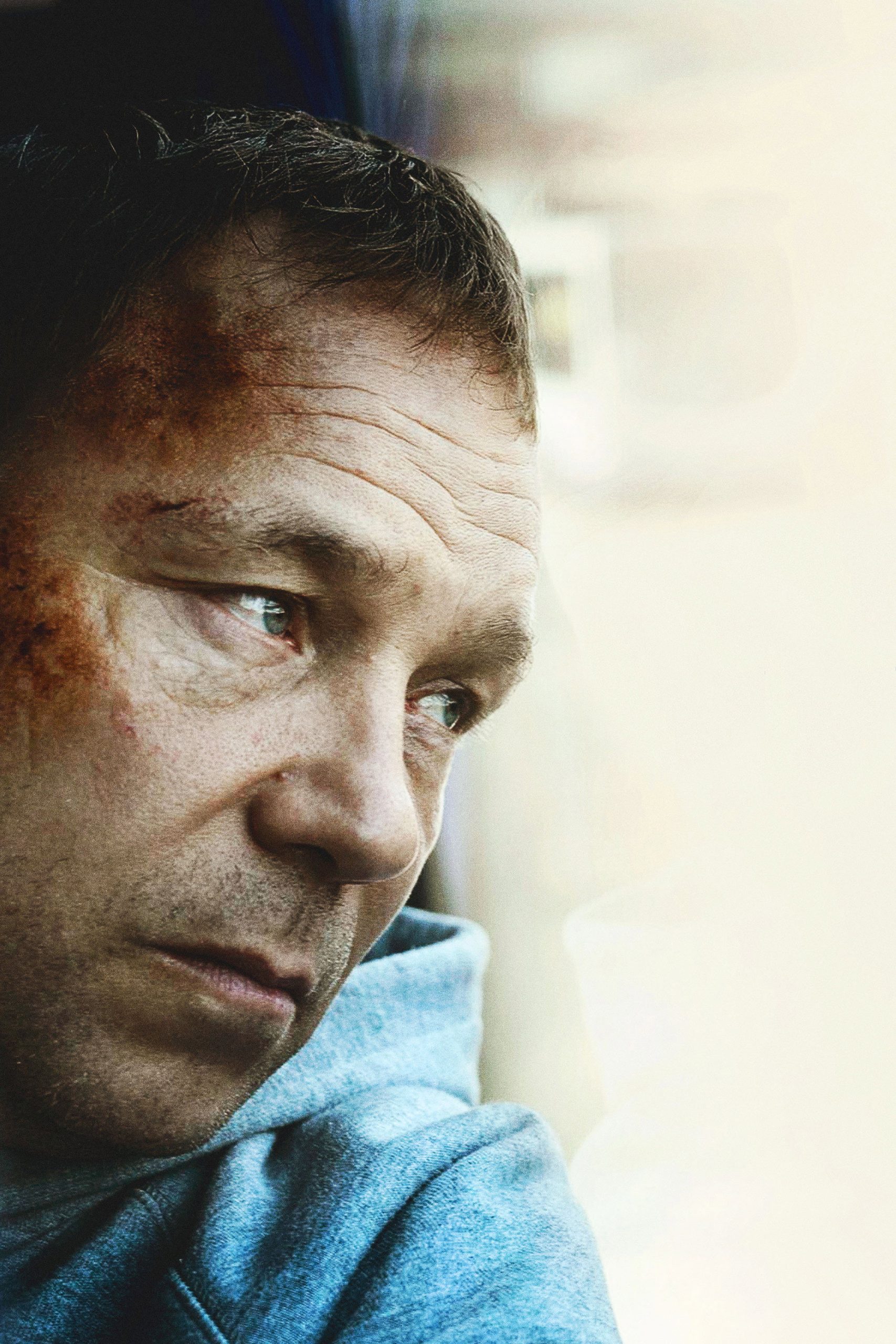
Stephen Graham gives Joseph a weariness that does not need a speech to make sense. In the near-wordless stretches, his face keeps us looking for a sign that he can steady himself, and the lack of an easy release becomes hard to bear. We felt distressed watching him try to contain his pain. He makes the effort of holding himself together seem exhausting. There is so little dialogue to explain it away.
Nick Gillespie’s cinematography does its best work by keeping our attention on that effort. It is a restrained contribution, and we are grateful for images that do not keep announcing how serious the subject is. Jane Levick’s production design is similarly unobtrusive; we never find ourselves inspecting the surroundings while waiting for the acting to resume. The visual approach suits a drama in which we spend so much time looking for a change in one man’s expression.
Matthew Gray’s editing gives those stretches time to develop, although we sometimes wanted a firmer cut. The pauses make us attend to small changes in the performance, but occasionally another pause arrives after we have already understood. That is where the deliberate pace begins to feel laboured. PJ Harvey’s music is most effective when it leaves us room to sit with the discomfort. It suits the acting, though we never needed much encouragement to feel anxious for Joseph.
The scripts by Shane Meadows and Jack Thorne are most convincing when they leave room for awkwardness. Joseph’s difficulty communicating gives the drama much of its force, and explanatory dialogue would have weakened this part of it. Still, the oblique storytelling occasionally leaves us uncertain about what is happening. We would have welcomed a little more clarity without demanding a speech explaining every silence.
The danger for this kind of television drama is that suffering becomes the whole reason to watch. Shane Meadows mostly avoids that by letting Stephen Graham make Joseph difficult and vulnerable at once. We wanted to understand this particular man, and that curiosity mattered as much as sympathy. Even when we questioned the pace, we remained interested in what he might manage to say.
We recommend it for an evening when close attention feels possible. The acting deserves that much, even when the writing makes us work harder than it should. We would leave a little quiet afterwards, rather than ask another programme to improve the mood immediately.