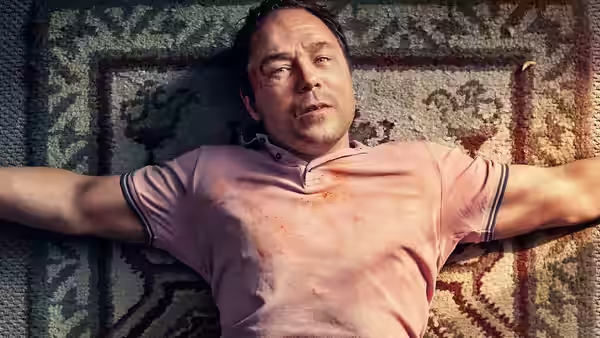
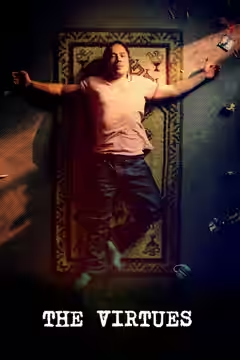
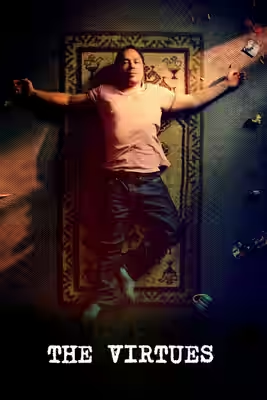
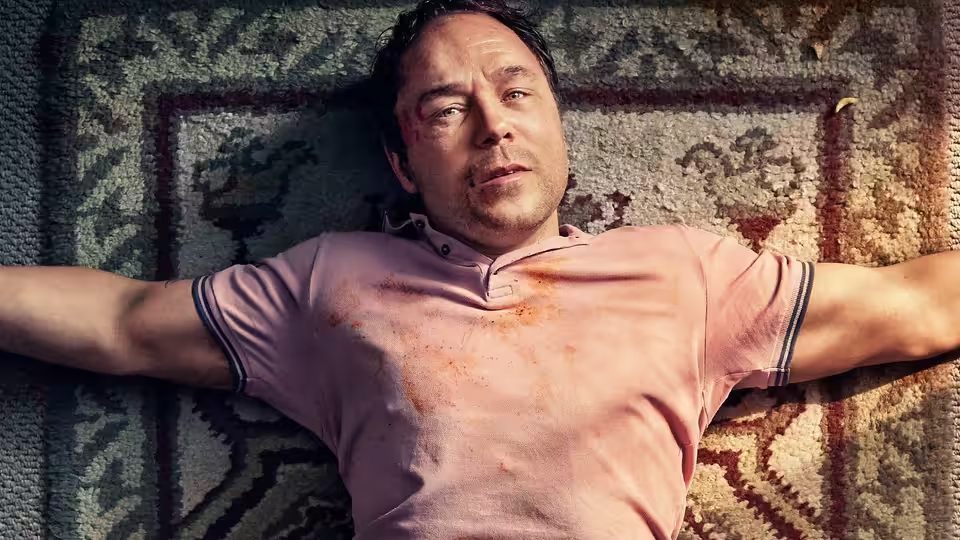
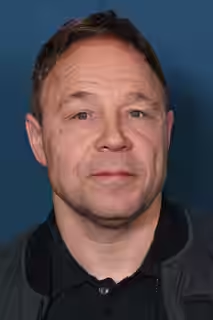
Joseph (Stephen Graham) lying on his back on a patterned rug
Series review

The Virtues

2019 · Created by Shane Meadows · Series · 45m

In a sentenceStephen Graham says almost nothing and still makes us feel we ought to check on him

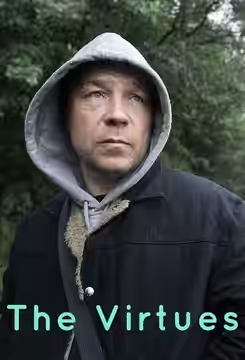
Joseph (Stephen Graham) is struggling to hold himself together. Pain he has kept buried is becoming harder to contain, but he has few words for what is happening to him. The opening episode stays with his distress, with pauses and expressions carrying much of what he cannot say. Anna (Helen Behan) and Dinah (Niamh Algar) also feature in this four-part drama from Shane Meadows and Jack Thorne. Joseph’s difficulty speaking about his hurt shapes a story that approaches trauma through his behaviour, without immediately spelling out everything behind it.

Plays from YouTube when you press play; nothing loads from them until then.

Fi1m review

Stephen Graham is reason enough to watch this difficult, intimate drama. The storytelling is sometimes too oblique, but his near-wordless distress keeps us watching through the slower passages.

The Virtues is an absorbing four-part drama, though its storytelling sometimes tests our patience. Shane Meadows directs, and writes with Jack Thorne, keeping our attention on Joseph, played by Stephen Graham, when he has little he can bear to say. The immediate attraction is the actor: we want to keep watching him even when the programme makes watching uncomfortable. Anyone hoping for a briskly explained problem and a reassuring response should choose something else.

Stephen Graham gives Joseph a weariness that does not need a speech to make sense. In the near-wordless stretches, his face keeps us looking for a sign that he can steady himself, and the lack of an easy release becomes hard to bear. We felt distressed watching him try to contain his pain. He makes the effort of holding himself together seem exhausting. There is so little dialogue to explain it away.

Nick Gillespie’s cinematography does its best work by keeping our attention on that effort. It is a restrained contribution, and we are grateful for images that do not keep announcing how serious the subject is. Jane Levick’s production design is similarly unobtrusive; we never find ourselves inspecting the surroundings while waiting for the acting to resume. The visual approach suits a drama in which we spend so much time looking for a change in one man’s expression.

Matthew Gray’s editing gives those stretches time to develop, although we sometimes wanted a firmer cut. The pauses make us attend to small changes in the performance, but occasionally another pause arrives after we have already understood. That is where the deliberate pace begins to feel laboured. PJ Harvey’s music is most effective when it leaves us room to sit with the discomfort. It suits the acting, though we never needed much encouragement to feel anxious for Joseph.

The scripts by Shane Meadows and Jack Thorne are most convincing when they leave room for awkwardness. Joseph’s difficulty communicating gives the drama much of its force, and explanatory dialogue would have weakened this part of it. Still, the oblique storytelling occasionally leaves us uncertain about what is happening. We would have welcomed a little more clarity without demanding a speech explaining every silence.

The danger for this kind of television drama is that suffering becomes the whole reason to watch. Shane Meadows mostly avoids that by letting Stephen Graham make Joseph difficult and vulnerable at once. We wanted to understand this particular man, and that curiosity mattered as much as sympathy. Even when we questioned the pace, we remained interested in what he might manage to say.

We recommend it for an evening when close attention feels possible. The acting deserves that much, even when the writing makes us work harder than it should. We would leave a little quiet afterwards, rather than ask another programme to improve the mood immediately.
Critical consensus AI synthesised

78
Positive
5
Mixed
1
Negative
0

Most critics respond warmly to The Virtues, with praise centred on Stephen Graham’s performance as Joseph and the emotional force of Shane Meadows’ intimate storytelling. Graham’s ability to convey vulnerability and repressed pain, often with few words, earns approval even from the dissenting review. The favourable accounts also value Meadows’ restraint, with several finding that the quieter approach gives the drama’s treatment of trauma and manhood its force.

The reservations concern how difficult that intimacy is to watch and whether the storytelling holds together. The Telegraph admires the opening episode’s raw emotion but finds its closeness almost unbearable at times. The Times offers the clearest dissent, describing an overambitious, messily told series whose silences and oblique rhythms take time to adjust to. The spread is largely positive, then, with one substantial reservation about the writing and structure rather than the central performance.

The Guardian
15 May 2019
90*

The critic calls the series a bruising and brilliant drama that feels like a triumph of art over life for Meadows. They single out Stephen Graham’s virtually wordless performance as a man scoured out by life for particular praise.

Read the full review →
Evening Standard
15 May 2019
80*

The critic describes the opening episode as masterfully written and another Shane Meadows masterpiece. They single out Stephen Graham’s near-perfect performance and the extraordinary pacing for praise.

Read the full review →
The i Paper
15 May 2019 · ★★★★ · Barbara Speed
80

The critic calls it a spellbinding meditation on trauma and manhood, noting how the drama marks a sharp turn for Meadows toward quieter, more intimate storytelling focused on repressed pain. Stephen Graham's performance as the fracturing Joseph is singled out as spellbinding.

Read the full review →
The Telegraph
15 May 2019 · ★★★★
80

The critic praises Stephen Graham’s raw emotional power in the gut-wrenching opening episode but notes the drama is so emotionally intimate it is almost unwatchable at times.

Read the full review →
The Times
18 May 2019 · James Cowen
50*

The critic finds the series an overambitious endeavour, messily told, that takes time to acclimatise to its odd rhythms. They single out Stephen Graham’s show-stealing performance for praise amid the pained silences and oblique storytelling.

Read the full review →
Den of Geek
15 May 2019 · Louisa Mellor
90*

The critic praises the mature, powerful character drama, highlighting Stephen Graham's career-best performance as the vulnerable Joseph, and Meadows' restraint in storytelling.

Read the full review →

Straight answers AI written, from our review

Is The Virtues worth watching?
The Virtues is worth watching for anyone who can give a slow, painful drama their full attention, and we scored it 82. Stephen Graham carries it almost wordlessly, and his performance is the reason to stay through the passages where Shane Meadows and Jack Thorne tell the story too obliquely. Anyone wanting a briskly explained problem should look elsewhere.
How long is The Virtues, and what is it rated?
The Virtues has episodes of about 45m. It is a drama series.
Where can I watch The Virtues in India?
The Virtues is not on any streaming or rental service in India at the moment. It is available in 2 other countries; change your country at the top of the page to see where. Availability is checked daily.
How violent or frightening is The Virtues, and is it suitable for children?
The Virtues is a 15 certificate drama about a man struggling to contain buried pain, and it is not suitable for children. The distress is mostly emotional rather than shown as violence, but it is sustained and uncomfortable to watch, and the certificate should be taken seriously. Older teenagers with patience for difficult material may manage it; the squeamish about human misery may not.
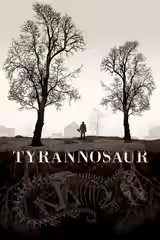
How does The Virtues compare to Tyrannosaur?
The Virtues is a four-part television drama and Tyrannosaur a single film, but both ask us to sit with damaged people and trust the acting to make that bearable. Tyrannosaur is harsher and more brutal on screen, and its violence can feel forced; The Virtues works through silence and expression instead, at a slower pace that occasionally drags. Choose the film for a concentrated evening, the series for a longer, quieter study of one man.
What should I watch after The Virtues?
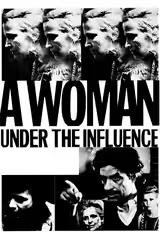
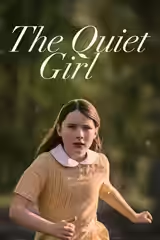
After The Virtues, try Tyrannosaur (2011, Fi1m 81): Another difficult encounter with damaged people, made bearable by patient, unsentimental performances. Then A Woman Under the Influence (1974, Fi1m 86): For similarly uncomfortable attention to a person struggling in front of others; and The Quiet Girl (2022, Fi1m 84): A gentler Irish drama that also trusts silence and small acts of care.

Cast

If you liked this, try…

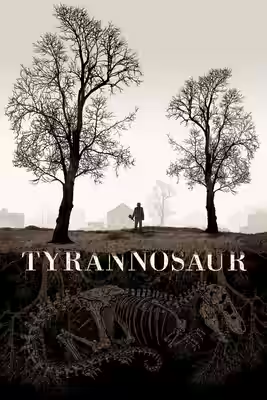
  1. Tyrannosaur (2011, Fi1m 81)Another difficult encounter with damaged people, made bearable by patient, unsentimental performances.

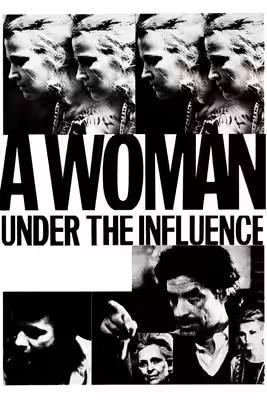
  2. A Woman Under the Influence (1974, Fi1m 86)For similarly uncomfortable attention to a person struggling in front of others.

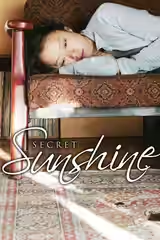
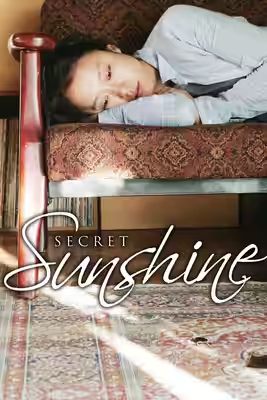
  3. Secret Sunshine (2007) · not reviewed yetA harsher, more expansive account of grief, belief and the limits of consolation.

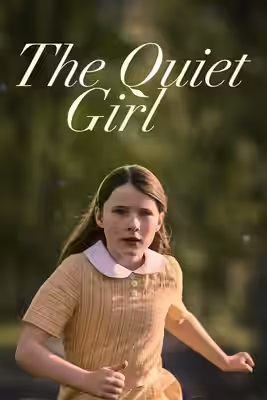
  4. The Quiet Girl (2022, Fi1m 84)A gentler Irish drama that also trusts silence and small acts of care.

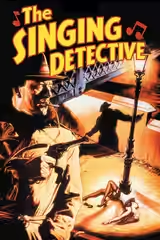
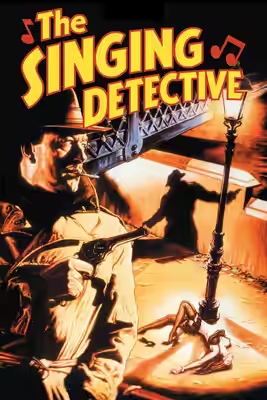
  5. The Singing Detective (1986) · not reviewed yetTelevision that gives buried hurt room to emerge, though with considerably more mischief.

Free account

Know what to watch tonight

Two lists that know where things are streaming, collections you can share, your own score beside ours, and Discover that remembers what you have seen.

  • Want to see, sorted by what is streaming now
  • Seen, with your score out of ten
  • No adverts, ever