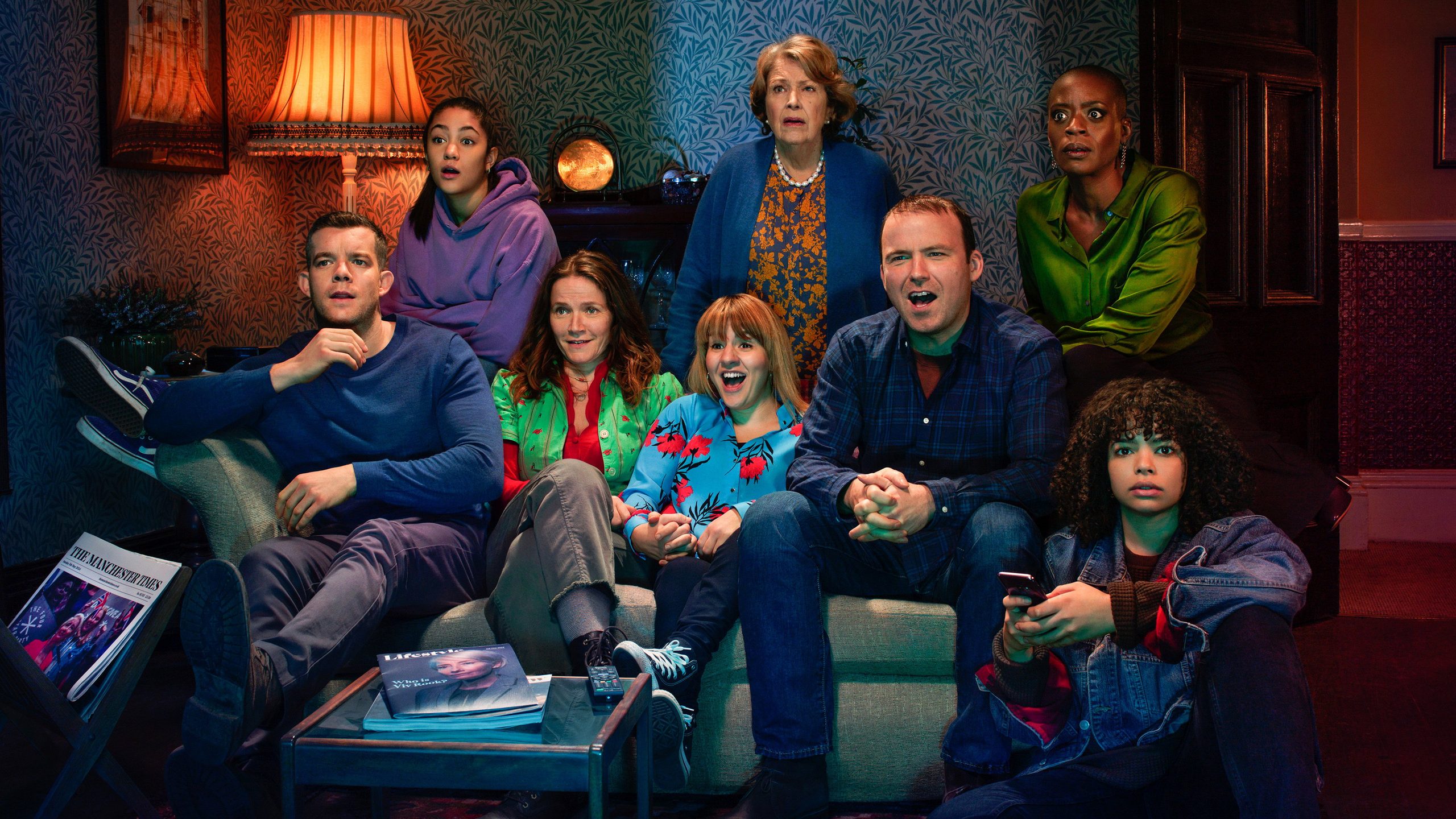
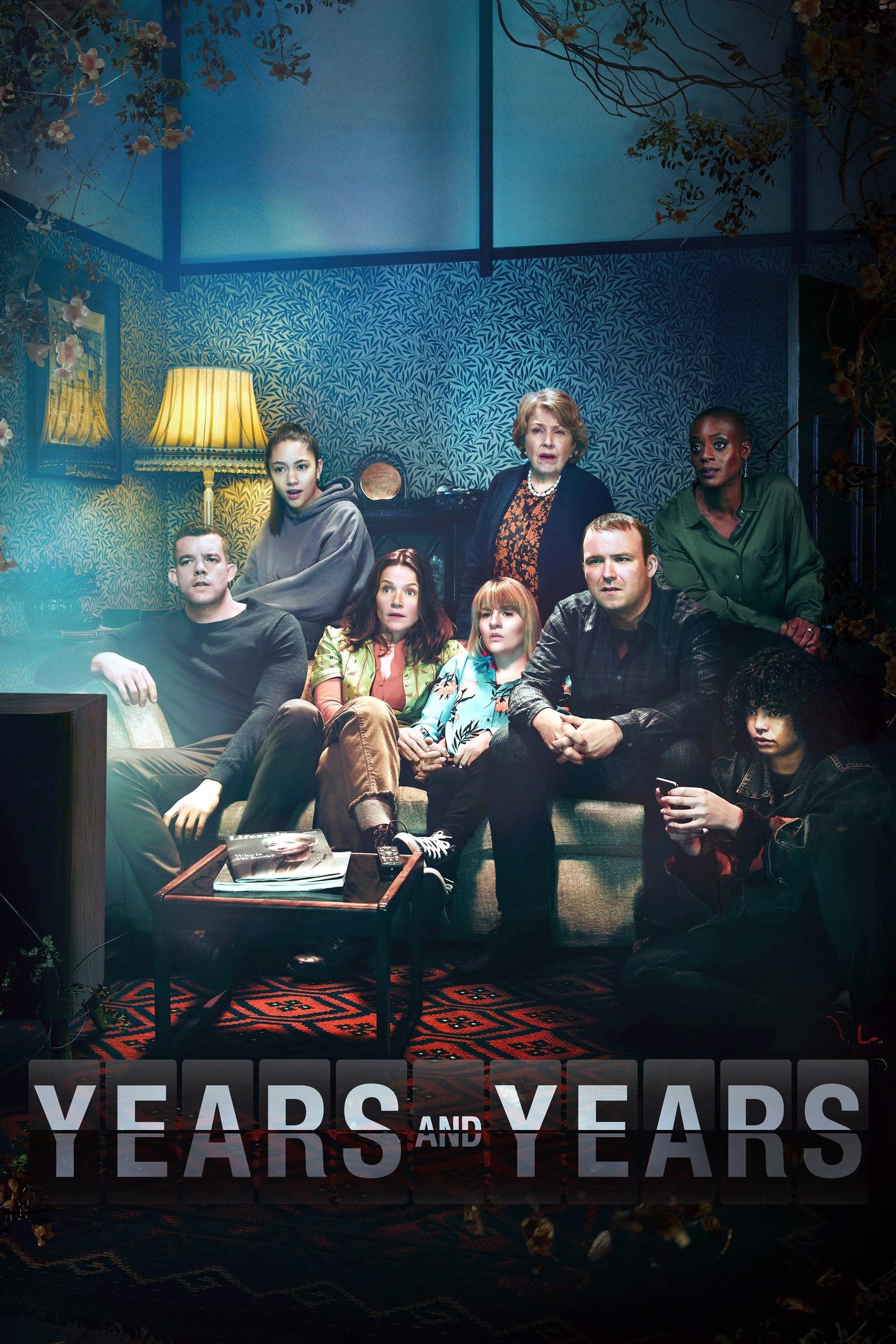
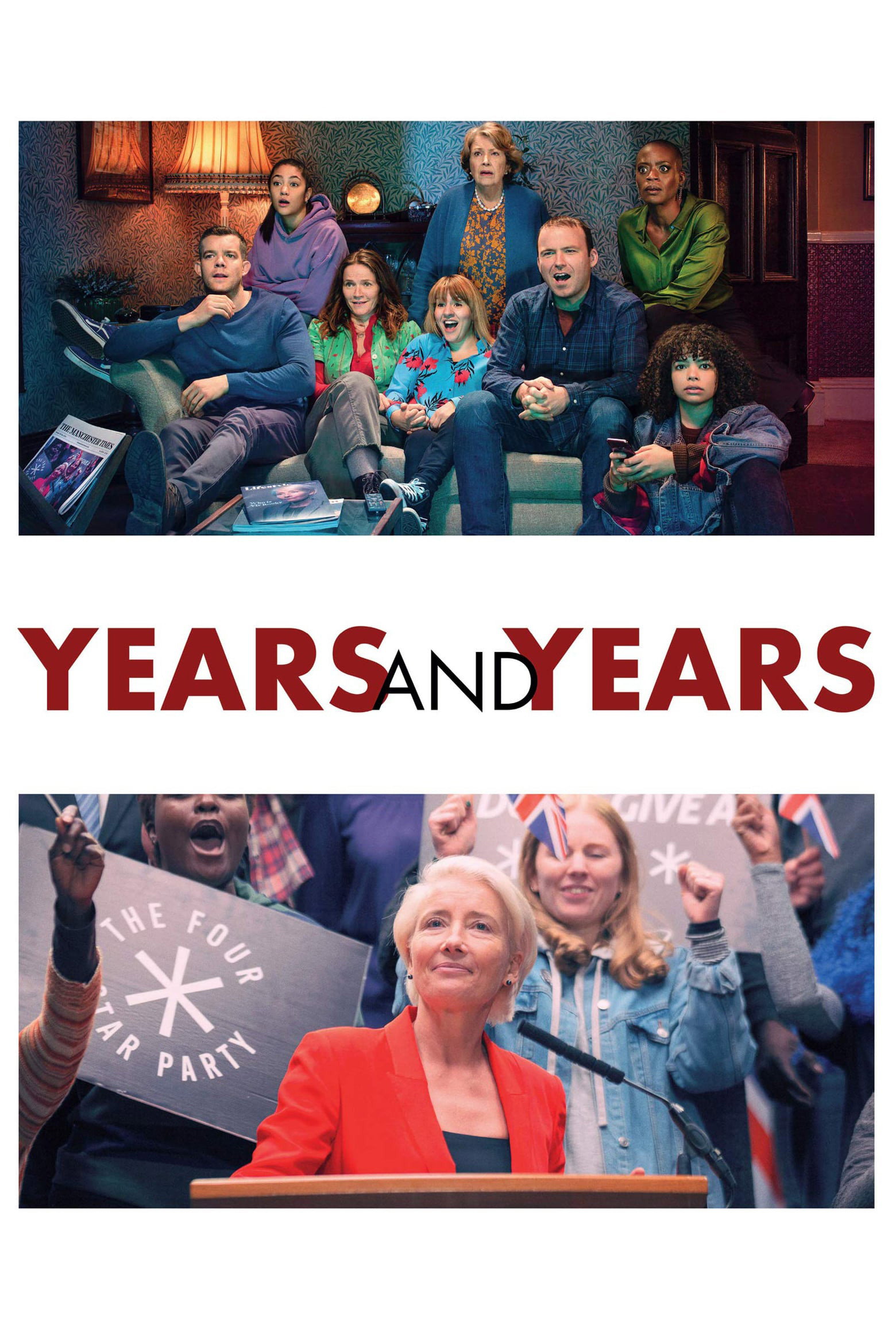
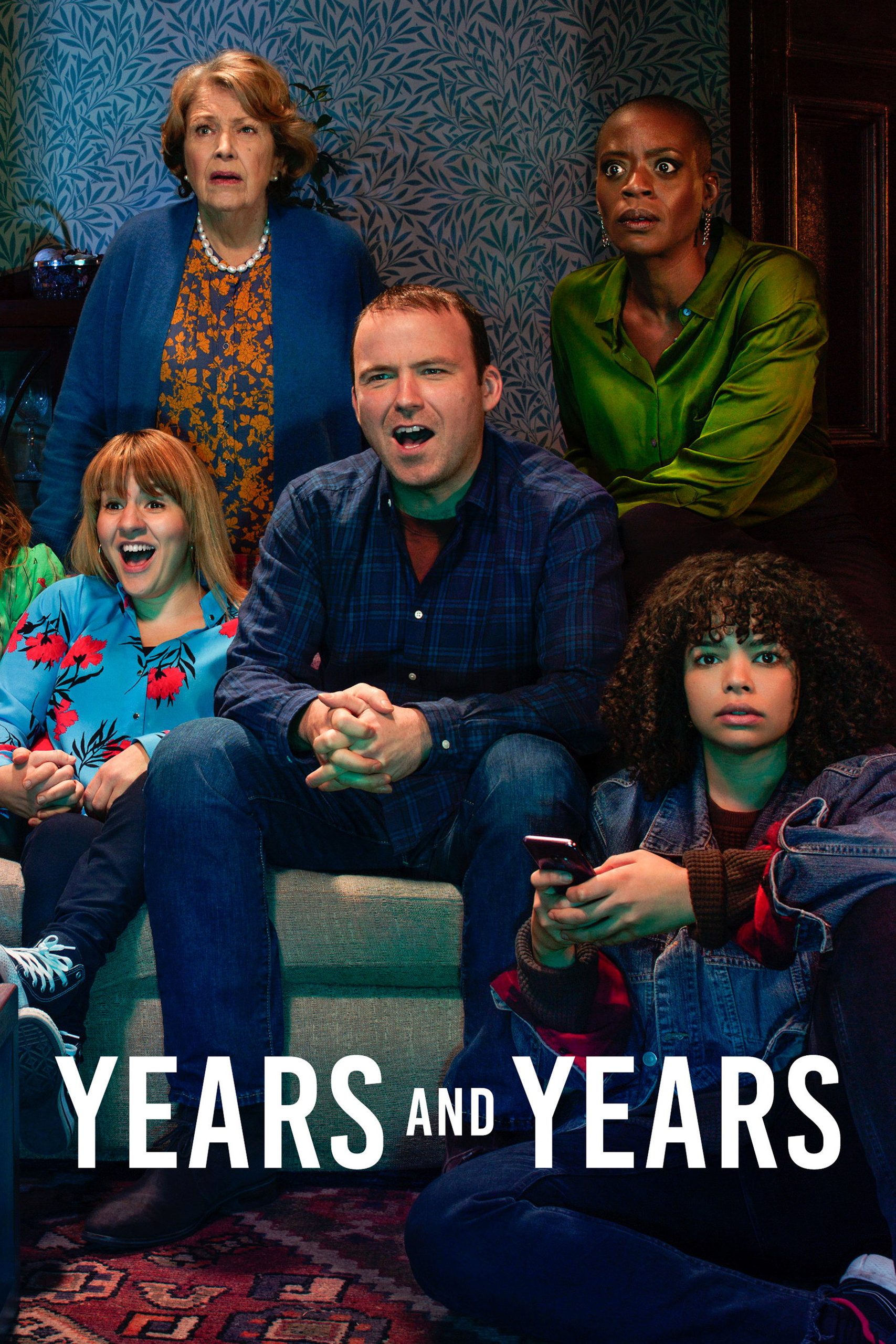
Russell T Davies makes an anxious, absorbing family drama out of political upheaval and technological change. The Lyons family is given too many issues to illustrate, but the performances keep us worrying about the people.
Russell T Davies gives Years and Years a useful task: make a frightening future matter to people who still have families to deal with. Across six episodes, the Lyons family gives us familiar people to return to as politics and technology change around them. It is an absorbing, often funny drama, with enough affection for its characters to make their vulnerability hurt. The trouble is how often the writing recruits them to illustrate another public concern, until some of their decisions feel made for the writer’s convenience.
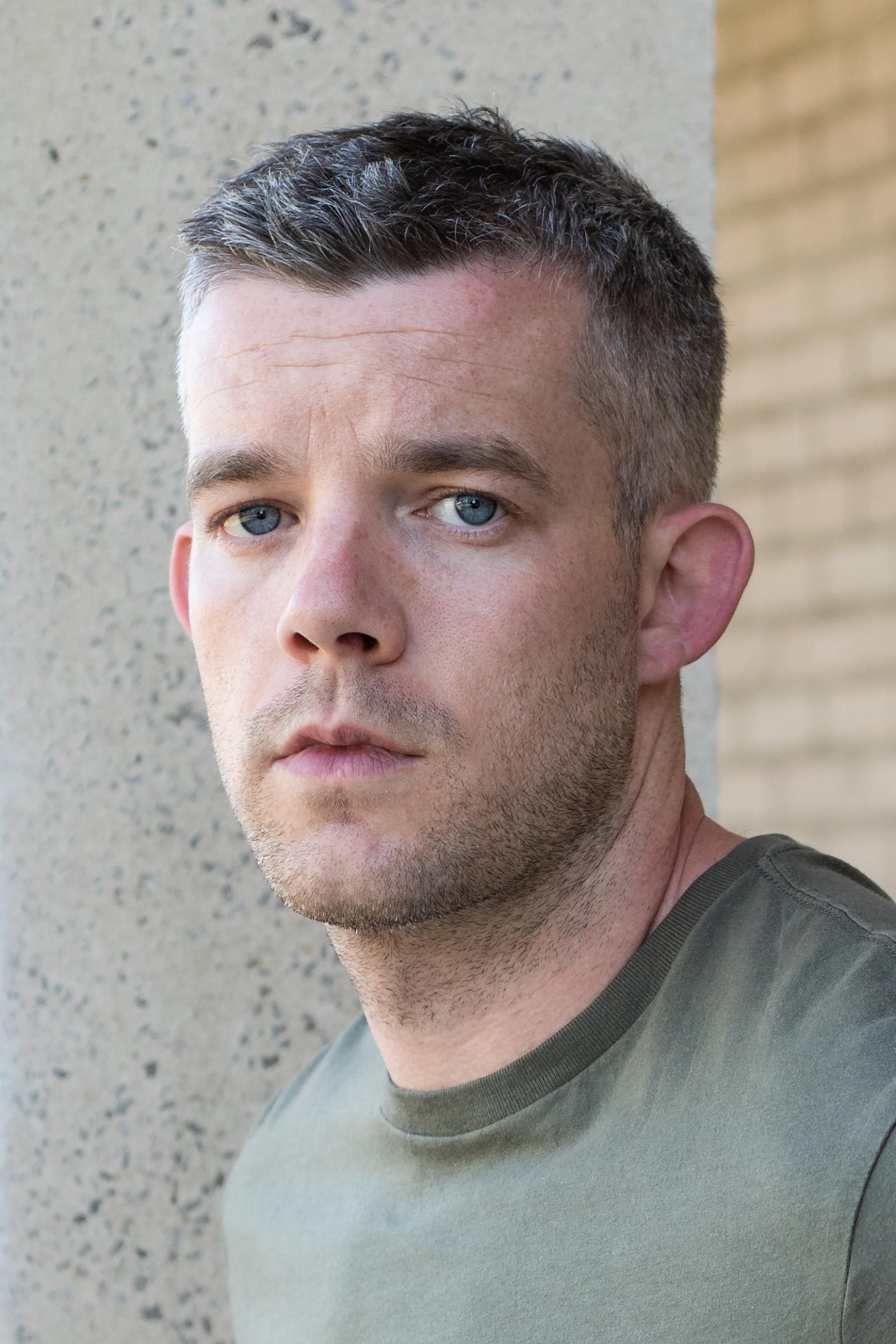
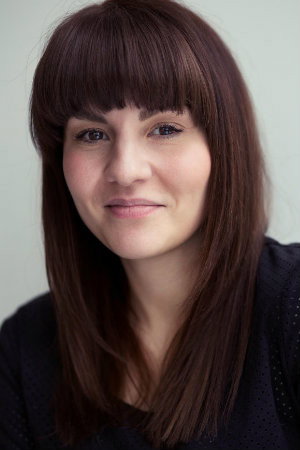
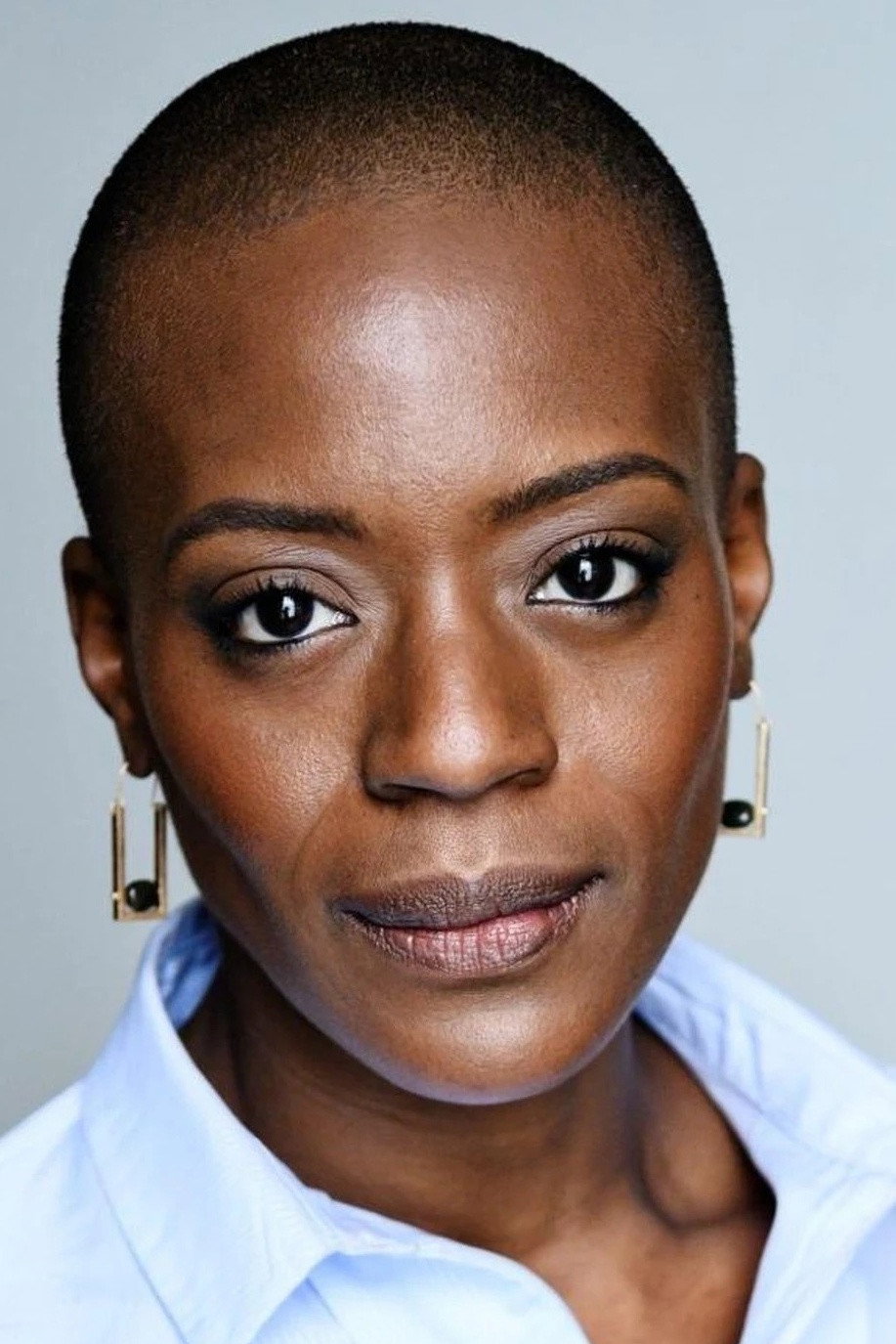
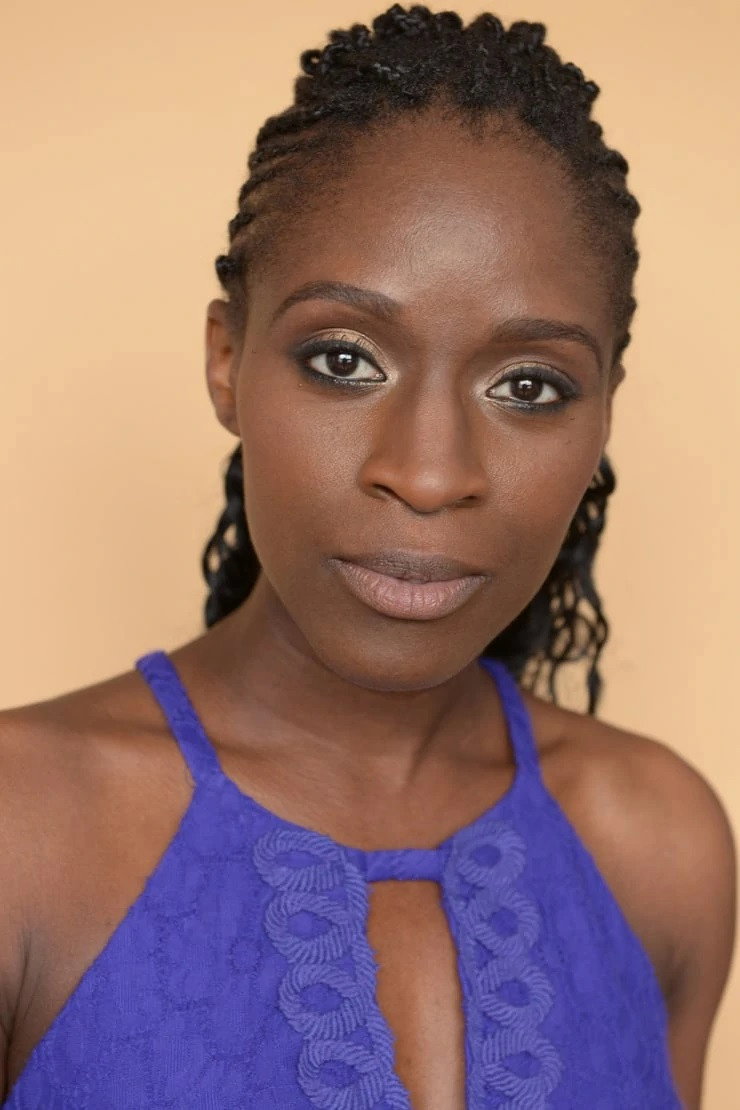
The Manchester setting matters: this future begins in 2019, among people who have not volunteered to represent the state of Britain. Rory Kinnear makes Stephen Lyons’s anxiety seem difficult for him to admit, while Russell Tovey gives Daniel Lyons a more exposed emotional urgency. Ruth Madeley brings a welcome bluntness to Rosie Lyons, helping to keep the family from becoming uniformly solemn. The performances make us believe that these people could exhaust each other and still want to stay in touch.
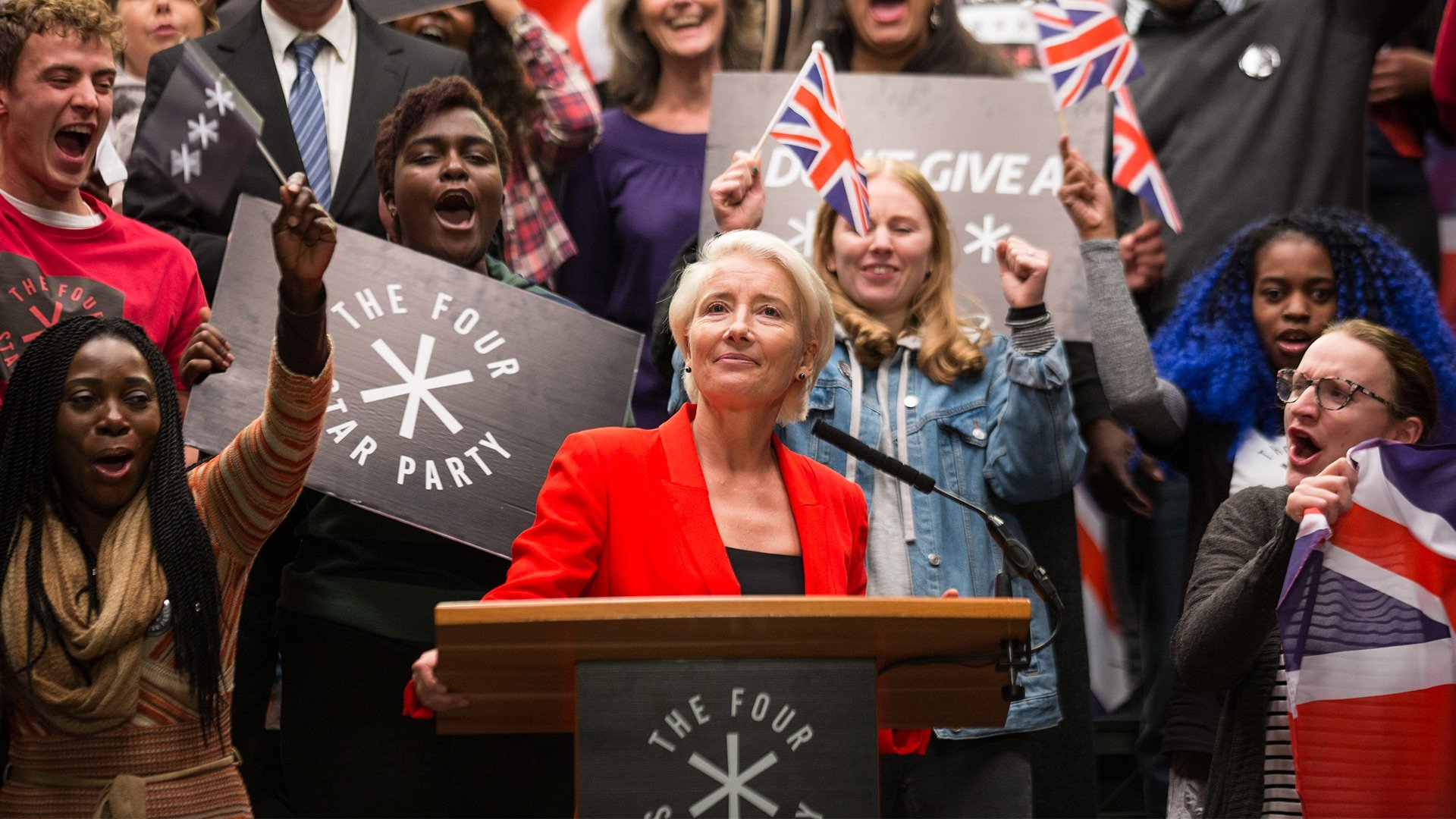
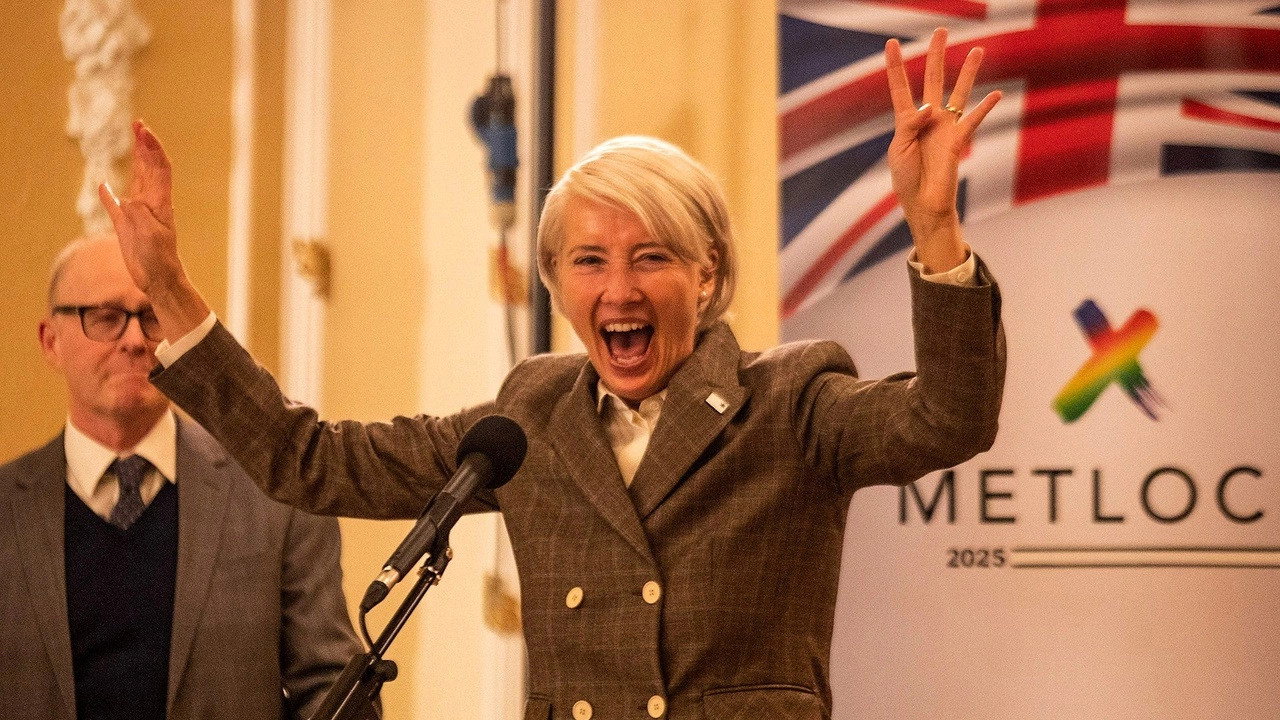
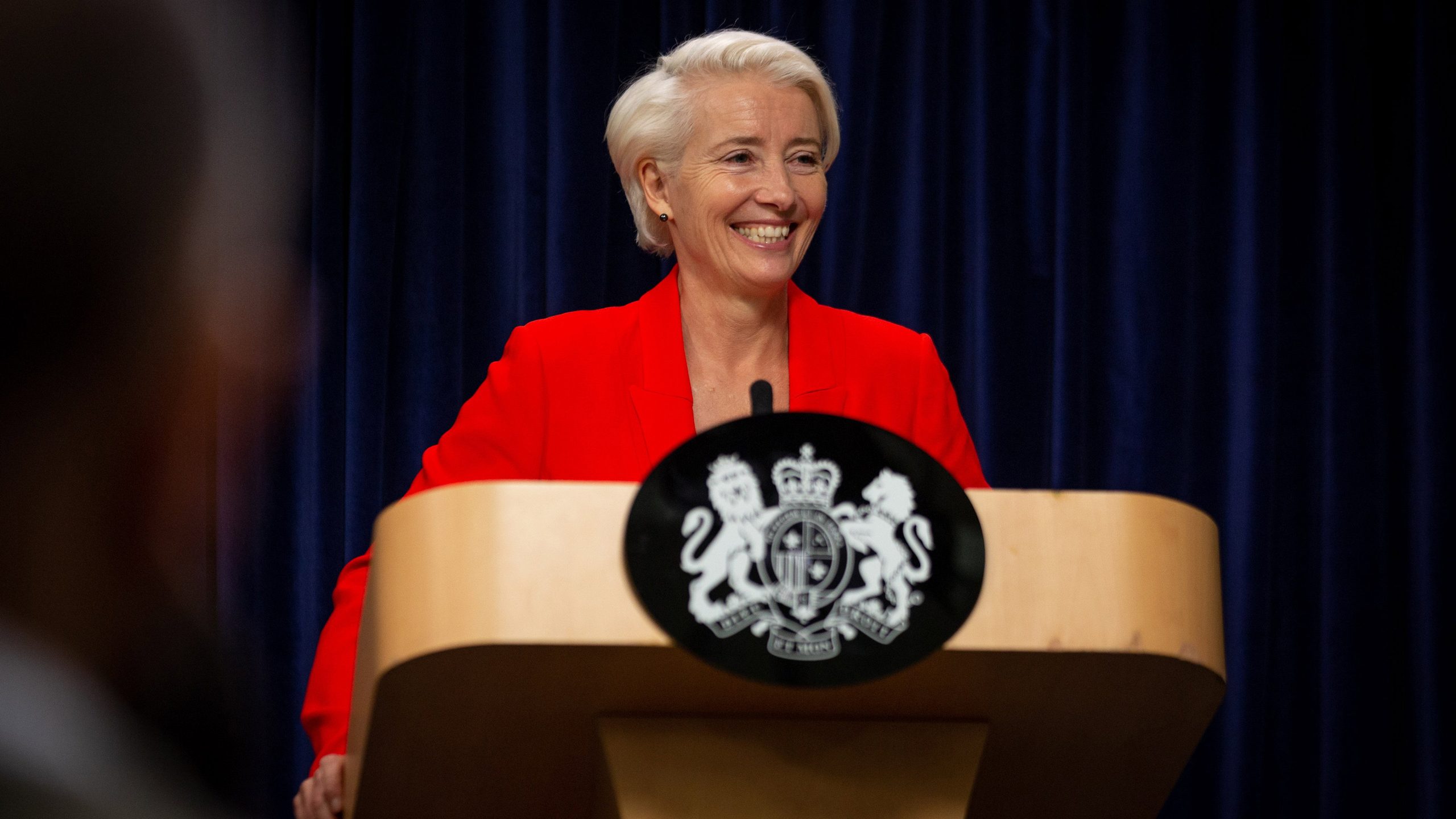
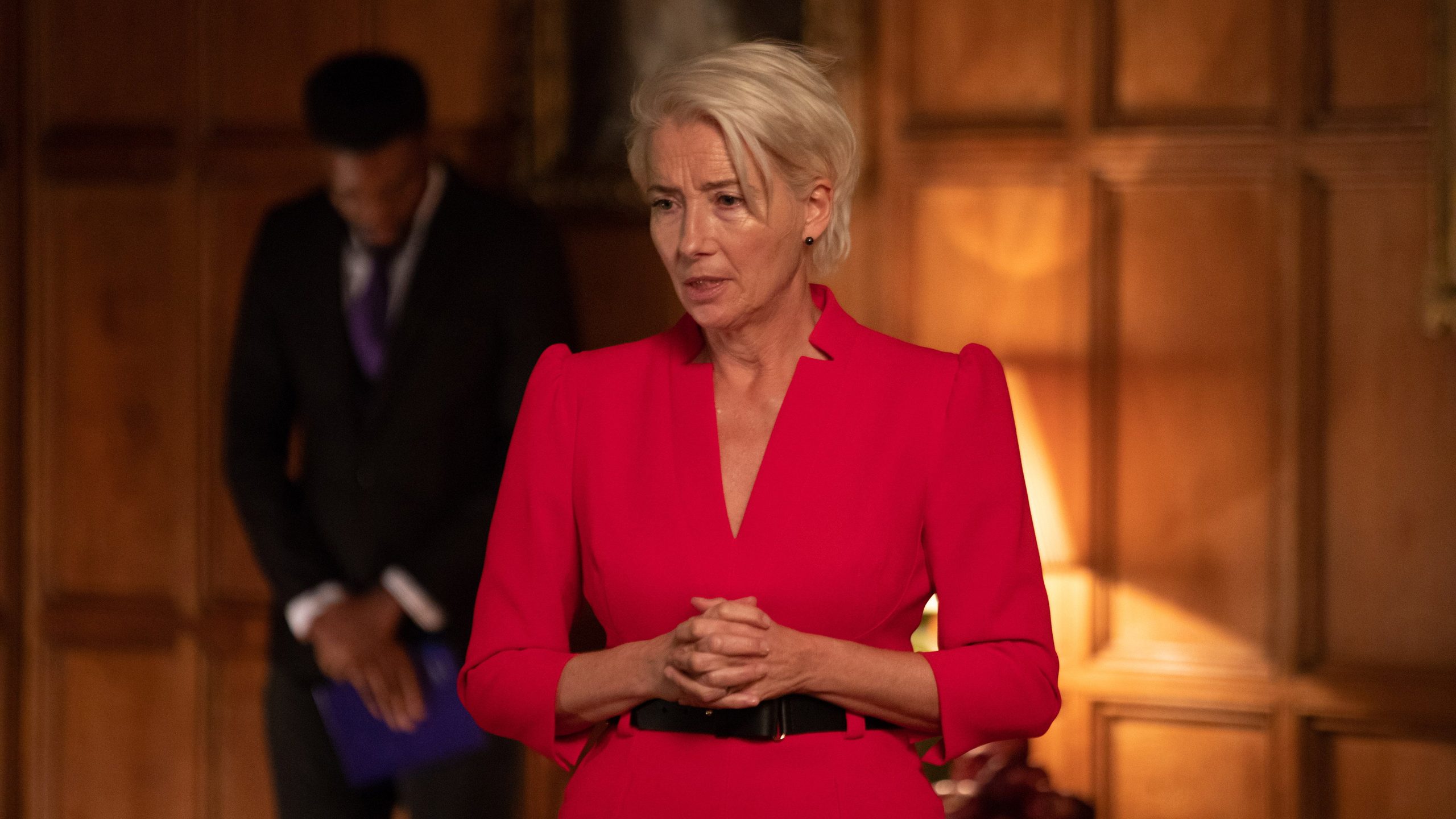
Emma Thompson’s Vivienne Rook is the most immediately troubling presence, a populist politician whose appeal the performance makes comprehensible. She does not give us the easy reassurance of a villain who announces herself as one. We were frightened by how readily Rook’s confidence could pass for competence. That confusion is familiar enough outside fiction, and the performance makes the family’s wider circumstances feel dangerous without requiring us to believe that everyone who listens to her is stupid.
Directors Lisa Mulcahy and Simon Cellan Jones keep the family drama prominent enough that we understand who the political changes will affect. Stephen Murray and Tony Slater Ling’s cinematography is most persuasive at the scale of a face, where an actor can make anxiety specific. Editors Billy Sneddon and Jonathan Lucas give the jumps through time a brisk momentum, allowing little opportunity to settle. Murray Gold’s music reinforces that pressure, sometimes too insistently. The constant push suits the subject, though we occasionally wanted an ordinary conversation to last longer before the next development arrived.
That hurry also exposes the writing’s chief weakness. The same family is asked to absorb so much political and technological upheaval that coincidence begins to feel like a condition of belonging to it. Individual predicaments can become examples in a discussion before the actors have had time to make them personal. The humour helps, particularly when it punctures the family’s own certainty, but it cannot always disguise how firmly Russell T Davies is moving everyone towards the next issue.
As speculative television, the series is convincing about how people learn to accept worse conditions, even when the plotting becomes hard to believe. The family can be loving, intelligent and still poorly equipped to recognise what is happening around them. That gives the cast something worth playing beyond alarm, and it keeps us interested through the passages where the writing explains too much. Choose it when a frightening programme sounds more appealing than another argument about the news, but expect the occasional lecture.