Charles Crichton’s crime farce is tightly timed, cheerfully malicious and carried by a cast who know how to irritate one another. A few jokes are pushed too hard, but the performances make the excesses easy to forgive.
A Fish Called Wanda is a funny, malicious crime farce, and we recommend it with a warning about its appetite for bullying. Charles Crichton directs John Cleese’s screenplay with a clear sense that getting these people close enough to annoy each other is half the job. Greed and lust make the criminal business harder to conduct with any dignity. The British-American friction is useful because both sides have ample opportunity to look foolish.
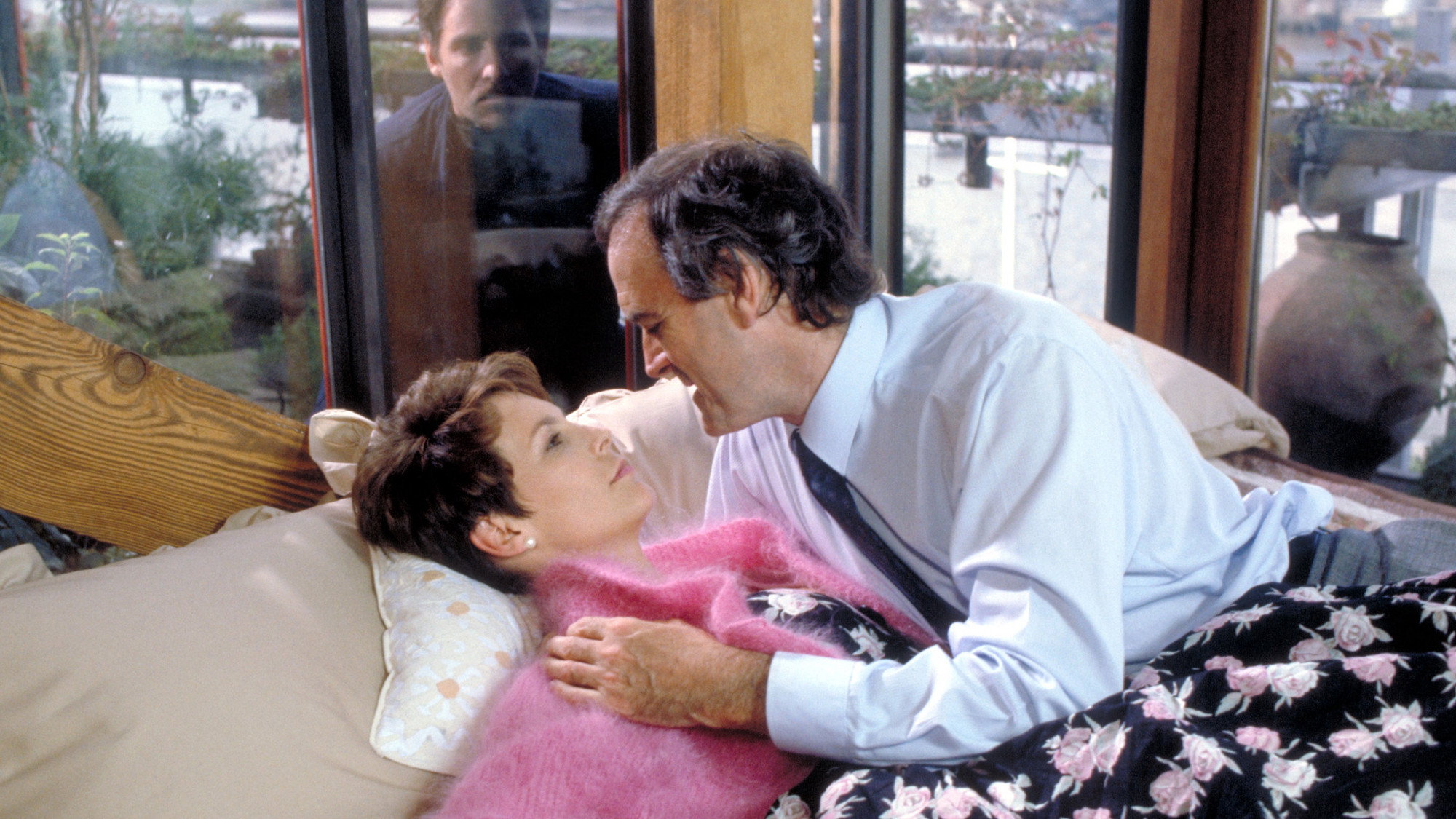
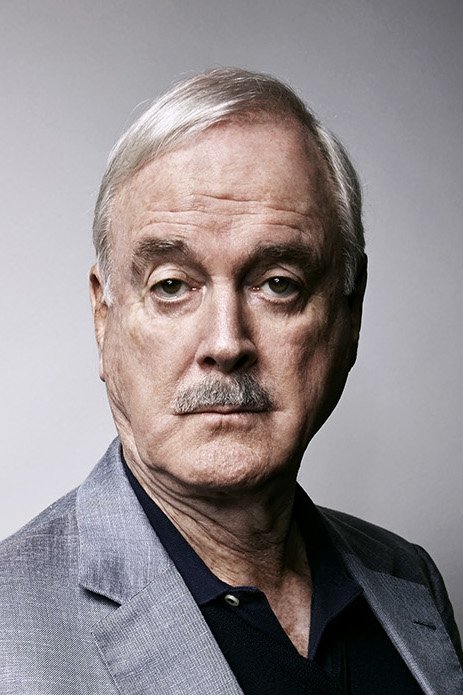
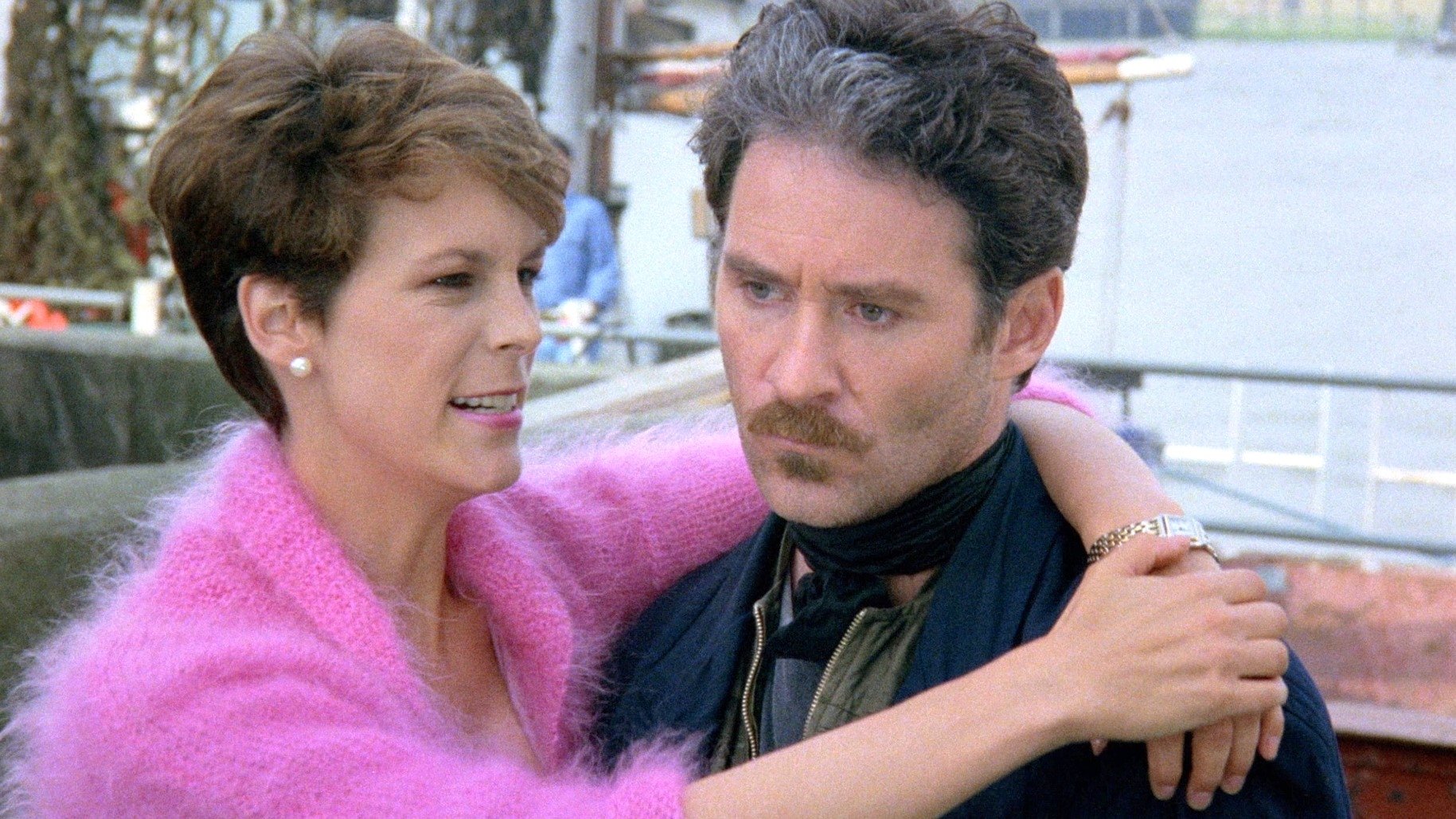
Cleese plays Archie Leach, an uptight barrister whose respectability makes him an inviting target for a comedy like this. He is good at making restraint look increasingly difficult to maintain. Jamie Lee Curtis, as Wanda Gershwitz, gives him someone worth the effort, and her timing prevents their exchanges from becoming a demonstration by the man who wrote them. She is alert to the other performers without surrendering a scene. Their chemistry gives the romantic comedy enough substance to survive all the competitive unpleasantness.
Kevin Kline’s Otto is the loudest attraction, and the film is right to give him room. We laughed hardest at his outrage at being thought stupid. Kline makes wounded vanity so consuming that Otto seems incapable of noticing how much further he is embarrassing himself. There are moments when the performance threatens to become too much, but his timing usually saves it. Michael Palin, as Ken Pile, deserves credit for remaining funny beside an actor who could easily overwhelm everyone else.
Crichton’s handling of dialogue is the most valuable piece of craft here. He allows exchanges to run long enough for the listener’s response to matter, a sensible choice with people who so rarely like what they hear. John Jympson’s editing respects that rhythm instead of treating every joke as a reason to cut. The film feels brisk without denying the actors time to make a situation uncomfortable. At 109 minutes, it rarely seems to be hanging about for the sake of another gag.
Alan Hume’s cinematography accommodates those sustained exchanges without fuss, keeping attention on the actors rather than seeking a separate visual joke. Roger Murray-Leach’s production design works in a similar supporting capacity; the settings are less memorable than the people misbehaving in them. That is sensible for this film, though neither contribution offers much independent pleasure. John Du Prez’s score helps maintain the pace, but the more satisfying changes of rhythm come from the cast.
The reservation is that Cleese sometimes keeps working a joke after its first, better laugh. A taste for cruelty can become an excuse to prolong someone’s discomfort, and there are stretches when the victim’s embarrassment has to do too much of the work. The film is less funny when it seems satisfied simply to be unkind. Curtis’s precision makes these lapses more noticeable, because elsewhere she gets the laugh without insisting on it.
By the standards of crime comedy, this is unusually good at giving its performers something to do besides explain the plot. The pleasure of the old-fashioned farce is that character and timing remain important even when the criminal arrangements grow complicated. Crichton trusts his cast to hold our attention through a conversation, and they repay him. Choose it when the company is in the mood for bad behaviour, rather than kindness.