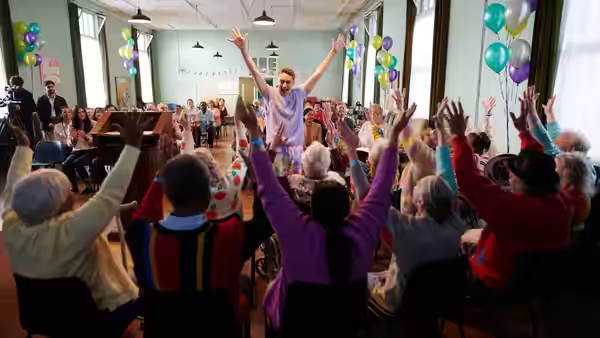
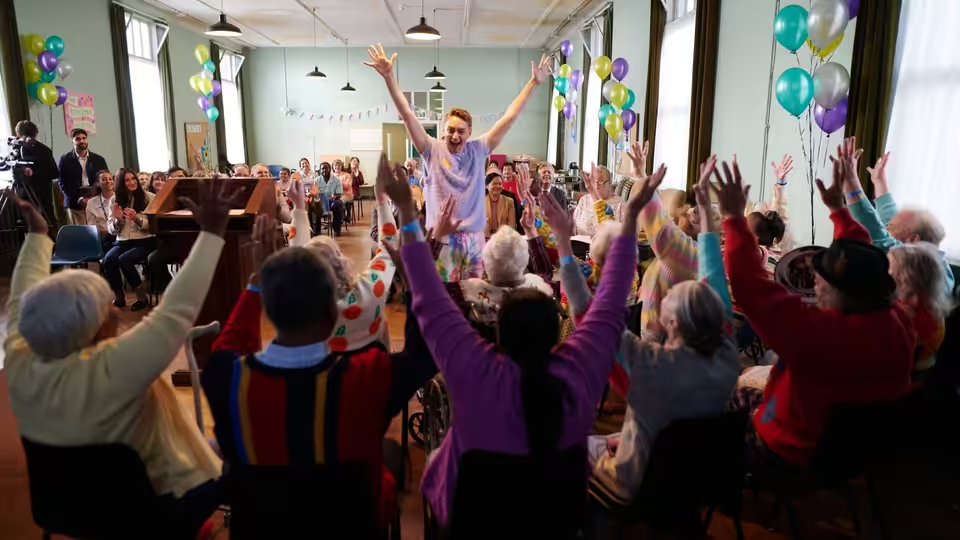
Man in hospital gown raises arms among elderly people with hands up in hall
Film review

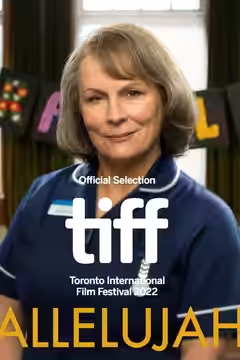
Allelujah

2023 · Directed by Richard Eyre · 1h 39m

In a sentenceThe NHS gets a get-well card, then a knife in the back, then a lecture, in that order

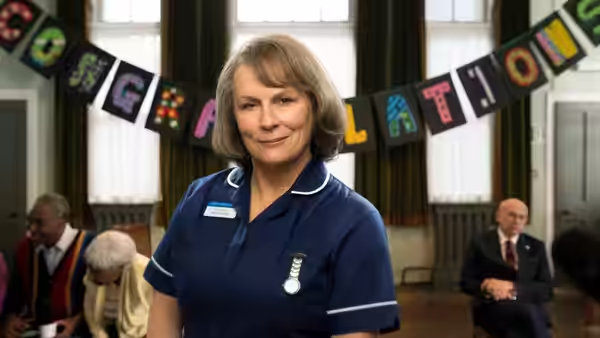
In a hospital the government would rather not keep paying for, a ward for elderly patients carries on as best it can. Sister Gilpin (Jennifer Saunders) runs it; Dr Valentine (Bally Gill) does the rounds. Among the patients are Joe Colman (David Bradley), whose son Colin (Russell Tovey) has come up to see him, Mary (Judi Dench), who watches everything and says little, and Ambrose (Derek Jacobi), who corrects everybody’s grammar. Richard Eyre directs Heidi Thomas’s adaptation of Alan Bennett’s play, with Lorraine Ashbourne and Jesse Akele on the ward and Nicholas Burns as a visiting minister. The question of whether the place stays open is not one anyone on the ward gets to answer.

Plays from YouTube when you press play; nothing loads from them until then.

Fi1m review

For an hour Richard Eyre’s version of Alan Bennett’s play is a gentle, well-acted ward comedy, with David Bradley and Bally Gill doing careful work. Then it swerves somewhere we will not describe and finishes with a speech, and neither survives the other.

Richard Eyre’s Allelujah is Alan Bennett’s play about a hospital ward for the old, brought to the screen by Heidi Thomas at 99 minutes, and for most of that time it is what you would expect from those names: kind, funny, a little sad, and full of people who have been acting for longer than most of us have been alive. The hospital is one the government would rather not be paying for. Sister Gilpin (Jennifer Saunders) runs the ward. Dr Valentine (Bally Gill) does the actual doctoring. Joe Colman (David Bradley) is in one of the beds, and his son Colin (Russell Tovey) has come to see him. Our verdict is simple: a decent hour, then a turn that wrecks it, then a speech that tries to glue it back together. Neither the turn nor the speech should have been allowed near the other.

The acting is the reason to watch, and two performances in particular. Bradley plays Joe as a man who has decided that being difficult is the last freedom left to him, and he is funny without once asking for a laugh. Gill plays Valentine as the only person in the building who seems to like the patients, and does it with no trace of saintliness; he listens, he waits, he is tired. Judi Dench’s Mary watches everything and says little. Derek Jacobi’s Ambrose has a schoolmaster’s contempt for everybody else’s sentences. Saunders plays Gilpin with a tightness about the mouth that we did not think much about until later, which is to her credit and not entirely to the film’s.

Donal Woods has built a ward that looks lived in rather than dressed: mismatched chairs, notices about hand washing curling at the corners, a day room nobody has repainted. Ben Smithard and Tony Sankey shoot it in flat daylight through big windows, so the patients look their age and the paint looks its age, and they do not prettify either. Jacqueline Durran puts everyone in cardigans and slippers and the odd unwise party frock for the singing, of which there is a good deal. George Fenton’s score is piano and strings and knows when to stop. John Wilson cuts the ward scenes at the pace of conversation, which is the right pace for Bennett.

We were moved, more than we expected, by Bradley and Tovey at Joe’s bedside, saying almost nothing to each other about forty years of not saying anything. Thomas gives them one conversation that is properly written, and Eyre has the sense to hold the shot and let the two men avoid each other’s eyes. It is the best scene in the film.

Then the film does something we will not describe. It is not that the turn is dark; Bennett has been dark before and it has suited him. It is that nothing in the preceding hour prepared the ground for it, and nothing after it knows what to do with it. The comedy stops dead. The patients, who have been the point, become furniture. Wilson’s cutting speeds up as though the film has remembered it is late for something. And then, with the debris still on the floor, Allelujah ends with a direct appeal on behalf of the health service, delivered with feeling by Gill and written as if the previous quarter of an hour had not happened. We sat there baffled, and then annoyed, because we agreed with every word of the speech and the film had just spent fifteen minutes undermining it.

Bennett’s best work for the screen has been small and exact: one van, one classroom, one woman talking to the wall. This one wants to be a state-of-the-nation piece, and the ward is not strong enough to carry the weight. Most critics have said much the same, and the reviews split, a few finding the swerve bracing and most finding it a wreck. We are with the majority, with the caveat that the first hour is better than our score suggests and the last twenty minutes a good deal worse.

Watch it for Bradley and Gill, and for the singing, and be ready to argue about the rest. The 12A is mild. At home you could stop at the hour mark and remember a nicer film than the one that was made, which is not a suggestion we make often.

Critical consensus AI synthesised

52
Positive
3
Mixed
5
Negative
4

The critics split on Allelujah, and the argument is almost entirely about one thing: the late twist. Most reviews find Richard Eyre’s adaptation of Alan Bennett’s play amiable and well cast for much of its running time, with praise for the ensemble of senior actors, Bally Gill’s performance, and the one-liners that survive from the stage.

Then the third act arrives, and the majority say it wrecks the film. Empire, the Evening Standard and Time Out all call the swerve incoherent or bolted on, and several describe a collision between gentle comedy and grim candour about old age that the film never resolves. The spread is wide, from warm to hostile. The Telegraph is the notable dissenter, finding the twist startling but the message intact, and The Wrap goes further, treating the dark turn as the film’s strength. Film Stories, at the other end, finds the whole thing unpleasant. The word that recurs is muddle.

The Telegraph
16 March 2023
80*

The darkly amusing film looks at frontline healthcare with a ward-full of British talent and wry, sly observations. A late plot twist startles but the overall position survives, making it rousing enough to get viewers out banging pots for the NHS.

Read the full review →
The i Paper
17 March 2023 · Geoffrey Macnab
60*

This is a moving, character-driven love letter to the NHS full of Bennettian wit until a jarring final-reel twist and preachiness spoil the effect.

Read the full review →
The Guardian
19 March 2023
50*

The film is a faithful yet uneven adaptation of Alan Bennett’s play that should have been a crowd-pleaser but suffers from a jarring collision of tones and conflicting messages. It undermines its own earnest coda in support of the NHS with an unexpected and clumsy swerve into thriller territory.

Read the full review →
Variety
10 September 2022 · festival review · Guy Lodge
50*

The film inherits tonal and political inconsistencies from Alan Bennett's source play, resulting in a pro-NHS protest that hedges its bets and wavers between cozy comedy and polemic. It assembles a cast of British national treasures but lacks subtlety in its activism and performances.

Read the full review →
The Hollywood Reporter
16 September 2022 · festival review · Leslie Felperin
40*

The critic finds the stage-to-screen adaptation a disappointment and a stodgy mess, nutritious but over-seasoned with melodramatic elements. It keeps some of Bennett's witty one-liners but creates something more like traditional, worthy-but-dull BBC realism, with a stronger postscript added for the film.

Read the full review →
Empire
17 March 2023 · Jordan King
35*

The adaptation starts promisingly as a warm NHS tribute with strong ensemble performances but is undone by a wildly incoherent and self-sabotaging third-act twist that derails the whole film.

Read the full review →

Straight answers AI written, from our review

Is Allelujah worth watching?
Allelujah is worth watching only for its first hour and its cast, and we scored it 50. David Bradley and Bally Gill do careful, unshowy work on the ward, and the bedside scene between Bradley and Russell Tovey is properly written. Then the film takes a turn we will not describe and ends on a speech, and neither survives the other.
How long is Allelujah, and what is it rated?
Allelujah runs 1h 39m. It is a drama film.
Where can I watch Allelujah in Serbia?
Allelujah is not on any streaming or rental service in Serbia at the moment. It is available in 8 other countries; change your country at the top of the page to see where. Availability is checked daily.
How violent or frightening is Allelujah, and is it suitable for children?
Allelujah is a UK 12A and a mild one: a hospital ward drama with no violence to speak of and nothing to frighten a younger viewer. The subject is old age, illness and a hospital under threat of closure, so it is sad rather than scary. The late swerve is dark in tone rather than in anything shown, and the film is aimed at adults who will get the jokes.
How does Allelujah compare to Amour?
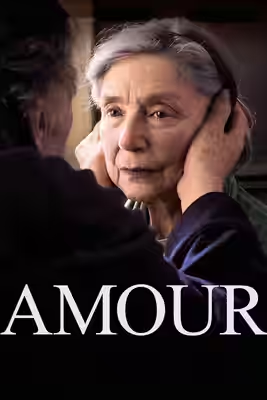
Allelujah and Amour both look at old age and care, but Amour is the better and the more serious film. Haneke's account of a marriage under illness has no jokes and no wasted shots, and its restraint, oppressive as it can feel, holds all the way through. Allelujah is warmer and easier company for an hour, then falls apart; choose it for the cast and the singing, choose Amour for the film that stays whole.
What should I watch after Allelujah?
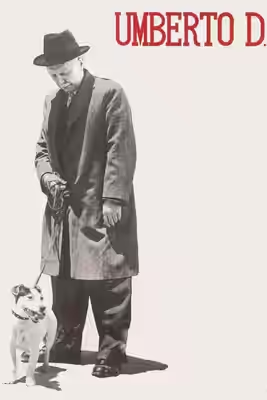
After Allelujah, try The Lady in the Van (2015, Fi1m 64): Bennett at the scale that suits him: one woman, one driveway, fifteen years. Then Amour (2012, Fi1m 88): Old age and care in a Paris flat, without a single joke or a wasted shot; and Umberto D. (1952, Fi1m 91): A pensioner, a dog and a city that has stopped noticing him.

Cast

If you liked this, try…

  1. The Lady in the Van (2015, Fi1m 64)Bennett at the scale that suits him: one woman, one driveway, fifteen years.

  2. Amour (2012, Fi1m 88)Old age and care in a Paris flat, without a single joke or a wasted shot.

  3. Umberto D. (1952, Fi1m 91)A pensioner, a dog and a city that has stopped noticing him.

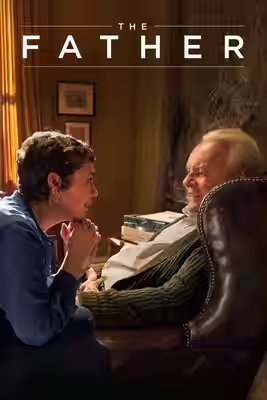
  4. The Father (2020, Fi1m 89)Dementia from the inside, with Anthony Hopkins and a flat that keeps rearranging itself.

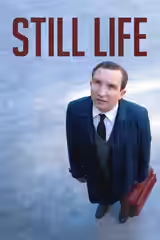
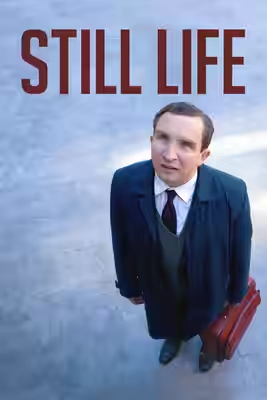
  5. Still Life (2013) · not reviewed yetA council clerk who buries the unclaimed dead; quiet, exact and properly sad.

Free account

Know what to watch tonight

Two lists that know where things are streaming, collections you can share, your own score beside ours, and Discover that remembers what you have seen.

  • Want to see, sorted by what is streaming now
  • Seen, with your score out of ten
  • No adverts, ever