Film review

American History X

1998 · Directed by Tony Kaye · 1h 59m · MPA R

In a sentenceEdward Norton makes a racist frightening enough without the rest of the film shouting along

Drama

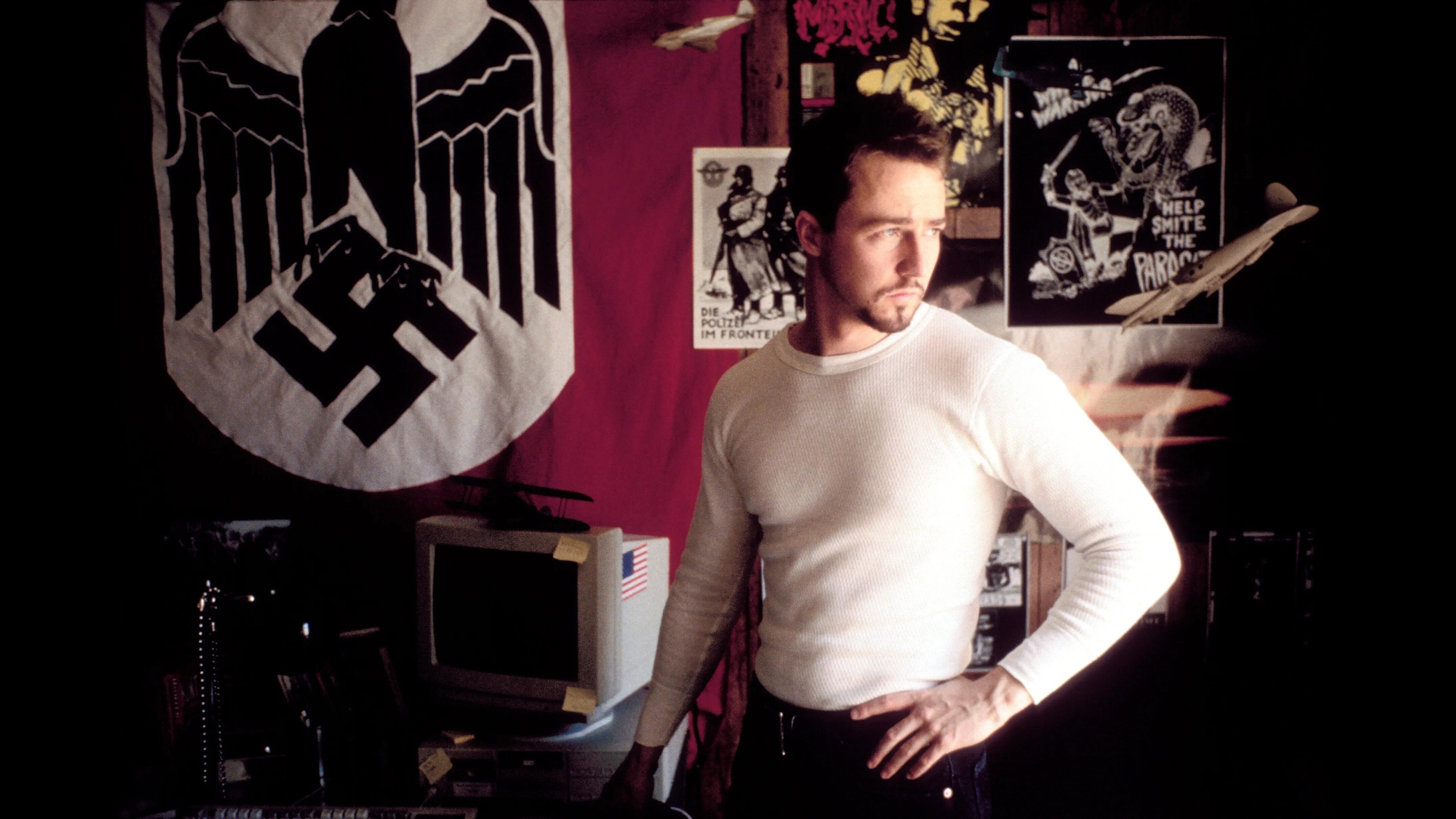
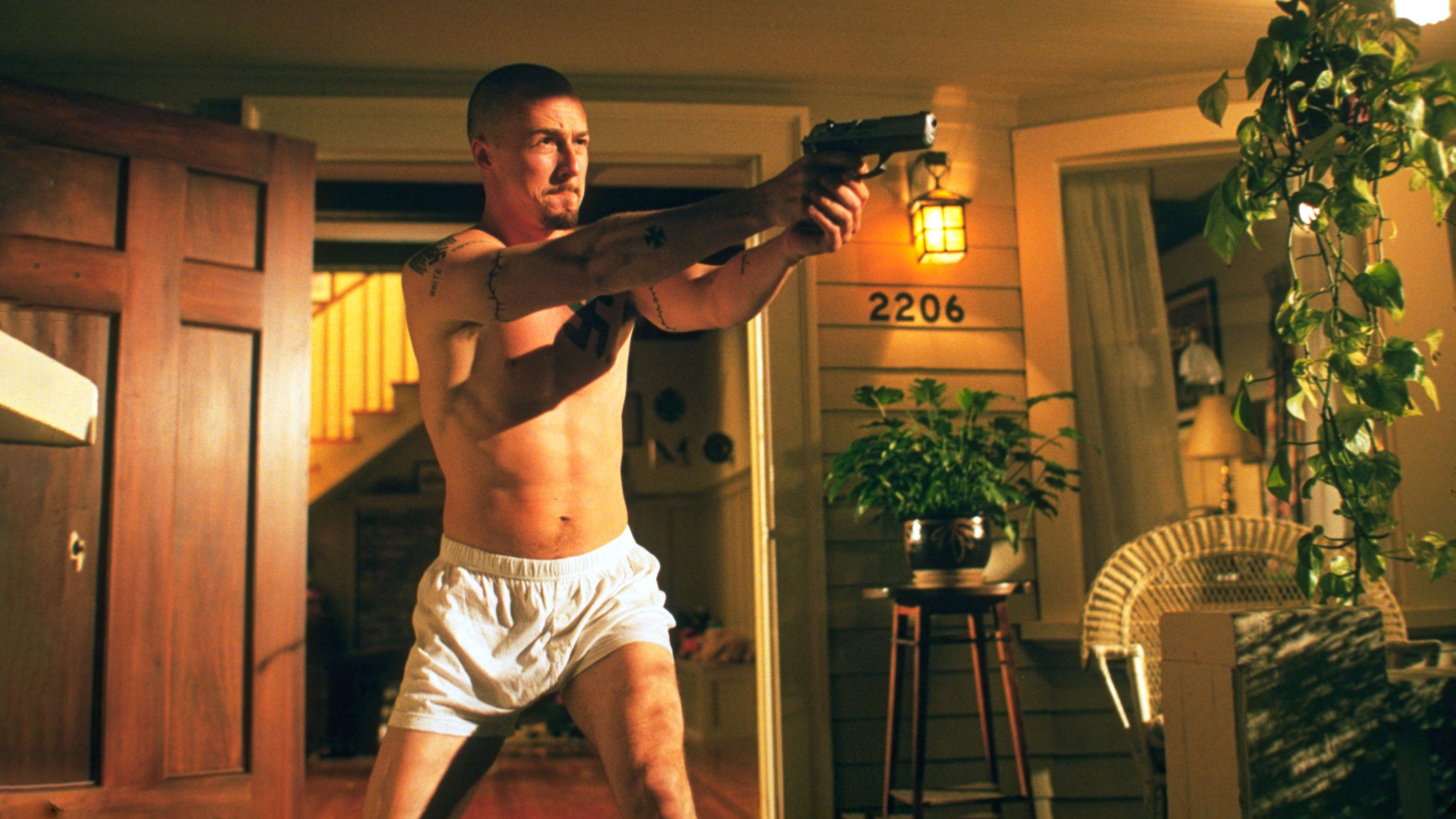
Edward Norton plays Derek, a neo-Nazi, in a drama about racist beliefs, violence and the possibility of change. Edward Furlong plays Danny, with Beverly D’Angelo as Doris, Avery Brooks as Sweeney and Stacy Keach as Cameron. The story considers how racial hatred takes hold and how someone committed to it can retain a capacity for human feeling. Tony Kaye directs from a screenplay by David McKenna, following people caught up in a culture that turns prejudice into a source of belonging.

Fi1m review

Edward Norton’s performance makes American History X worth seeing, despite David McKenna’s blunt screenplay. Tony Kaye confronts racist hatred forcefully, but too often makes the people explaining it sound like speakers at a debate.

American History X is worth seeing for its acting, provided we can accept how often the screenplay tells us what to think. Tony Kaye’s drama wants to explain racial hatred through the people who practise it. Edward Norton’s Derek gives it a compelling starting point, because his capacity for human feeling does not make his racism any less appalling. The difficulty is David McKenna’s habit of turning people into examples just when they need to become more complicated.

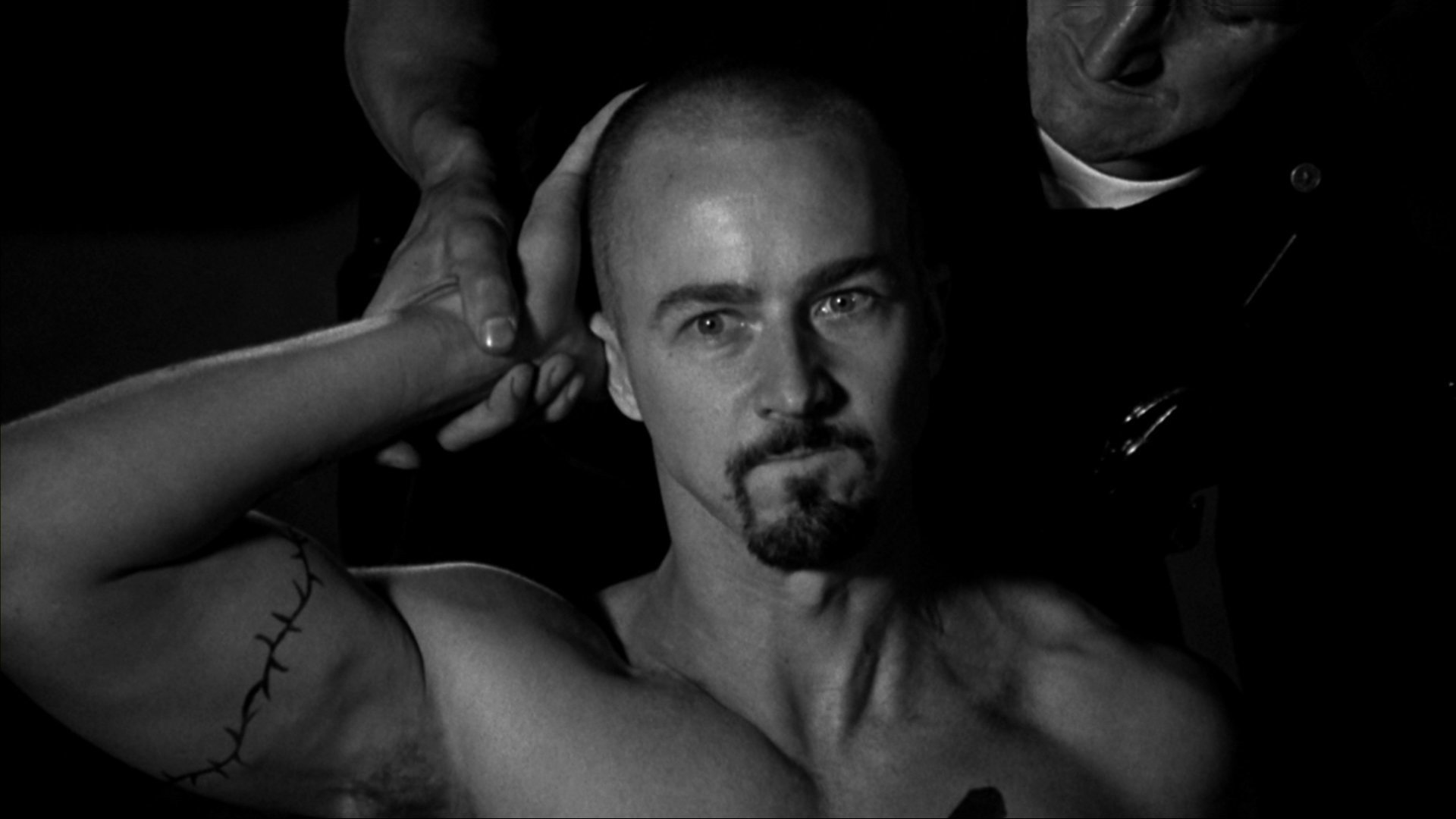
Norton understands that Derek must be able to hold somebody’s attention, and his forceful delivery makes the hateful speech more disturbing than simple ranting would have been. We were repelled by Derek, and uneasy about how closely we were listening. It is the conviction Norton gives the words that does it: Derek does not sound as though he is auditioning to play a villain. If he were merely ridiculous, there would be little here to trouble us.

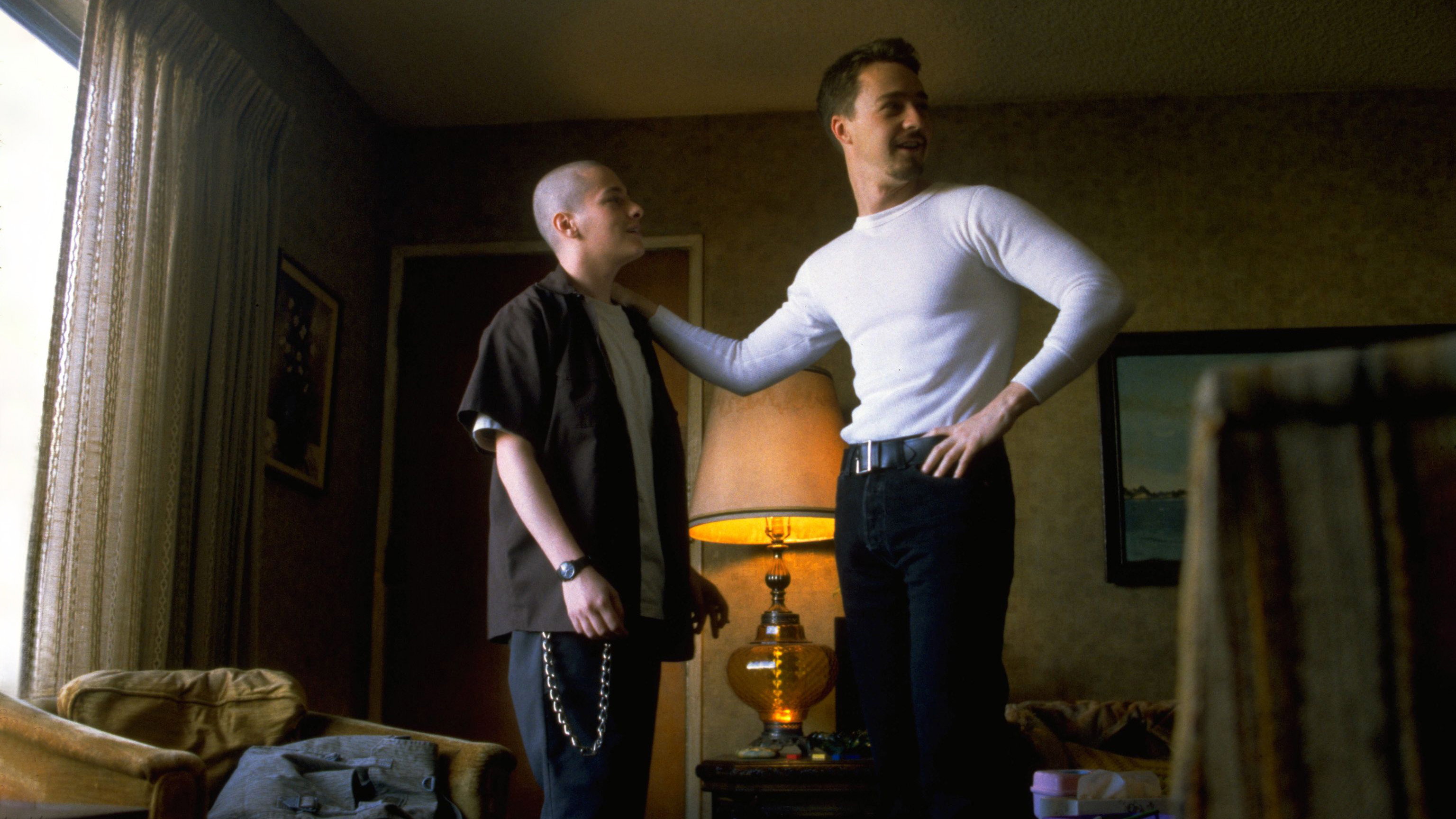
Edward Furlong’s Danny is essential to keeping the drama from becoming nothing but Norton’s performance. Furlong gives Danny a vulnerability that makes the film’s bluntness harder to shrug off; there is a person to worry about, even when the writing starts arranging a lesson. The contrast between the two actors is more persuasive than several of McKenna’s explanations. Furlong gives the quieter passages a human interest that the more emphatic writing sometimes loses.

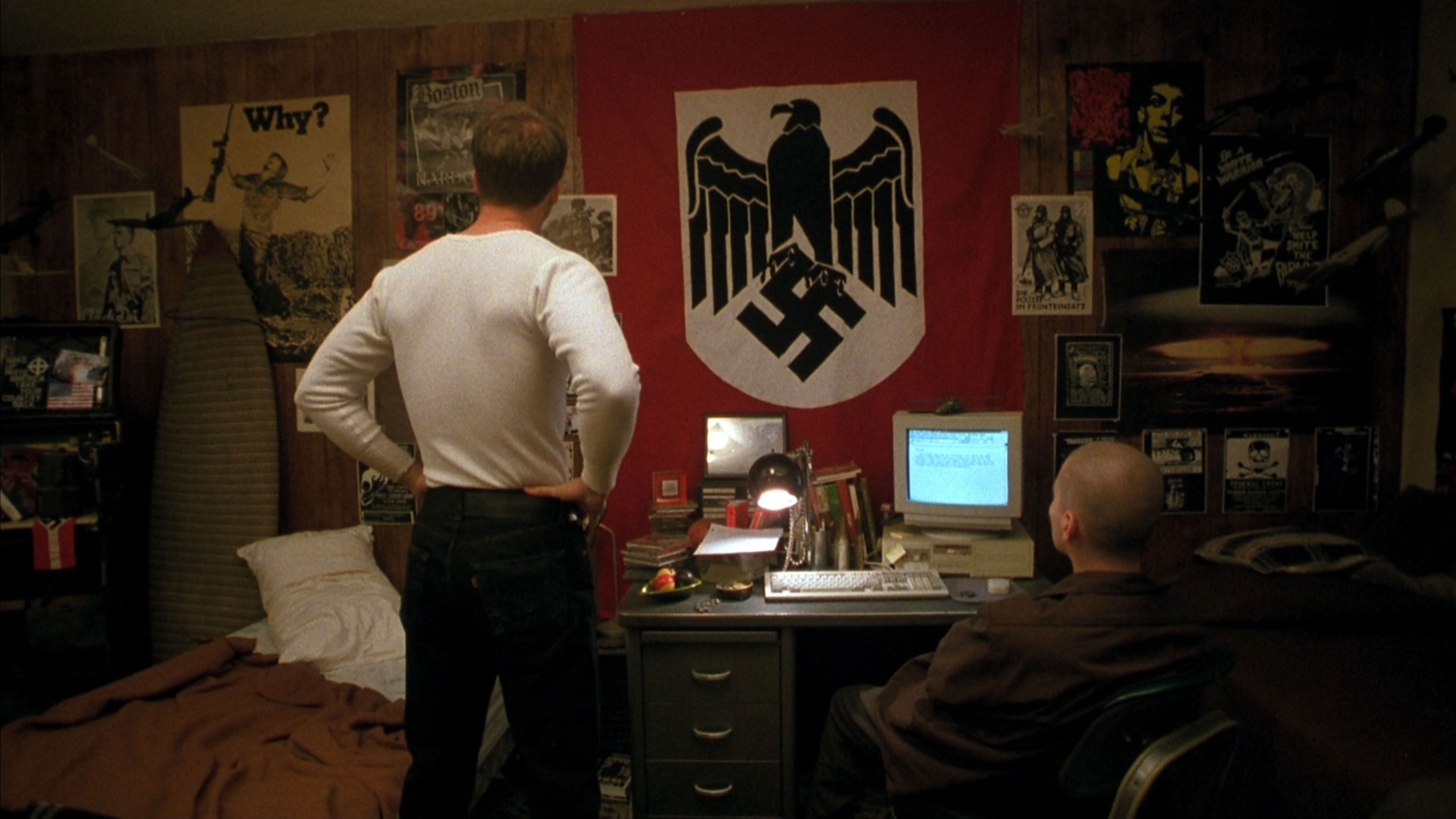
Kaye is also the cinematographer, and his emphatic images give the men a physical authority that is troubling to watch. Making racist aggression arresting carries a risk: we can find ourselves admiring the image when we ought to be attending to the damage. Jon Gary Steele’s production design helps by making the working-class settings feel inhabited. Those surroundings give the drama some everyday credibility, which it needs when the dialogue becomes a speech.

The weakness is the writing’s certainty that a difficult subject can be made manageable through sufficiently forceful explanations. McKenna is willing to put ugly beliefs into words, which gives the drama a necessary discomfort, but he is less convincing when asking characters to account for themselves. We can hear the conclusion coming, which takes some of the tension out of listening. A drama about racism needs to let people contradict themselves without making each contradiction something the next speech must clear up.

Gerald B. Greenberg and Alan Heim’s editing makes the story easy to follow, but also makes its structure hard to stop noticing. The progression feels so firmly marked out that scenes have little room to surprise us. Anne Dudley’s score adds to the film’s solemn weight, sometimes where the acting has already supplied enough feeling. With performances, images and music all pressing for a response, there are stretches where we need less insistence and more time to consider what we have seen.

There is enough uncomfortable human behaviour here to justify sitting through the lectures. Those drawn to dramas about political hatred will find performances worth their attention, though the script’s tidy explanations remain a serious limitation. Watch it for Norton and Furlong, with the warning that even these actors cannot make every line sound like something a person would say.

Critical consensus AI synthesised

63
Positive
4
Mixed
1
Negative
2

Most critics respond favourably to American History X, with praise clustering around Edward Norton’s forceful, convincing performance. Even the negative reviews find him compelling, making the central performance the clearest point of agreement. Several critics also credit the film’s powerful scenes and willingness to confront neo-Nazi racism directly. Sight and Sound gives particular weight to Edward Furlong’s performance and the force of the non-verbal sequences, while the more favourable reviews find enough dramatic power to outweigh the blunt storytelling.

The disagreement is substantial, and centres on whether that power compensates for a simplified account of racism. Reservations about obvious structure, reductive scripting and dramatic overkill recur even among supporters. The visual style divides critics too: some admire its force, while others find it distracting. The Los Angeles Times takes the strongest opposing position, arguing that the bombastic script and treatment of violence and hate speech undermine the film’s intended message.

RogerEbert.com
30 October 1998 · ★★★½/4 · Roger Ebert
88

The film is well-made with powerful scenes and strong performances, particularly Edward Norton's, but its structure is too obvious and it falls short of its potential. It remains a good and powerful movie despite underdeveloped elements like the prison conversion.

Read the full review →
Empire
26 March 1999 · Adam Smith
80*

The critic calls it a fine film with a towering central performance from Edward Norton that establishes him as a major talent. Norton's convincing portrayal of a racist who retains his humanity is singled out for praise amid some directorial flaws.

Read the full review →
Sight and Sound
1 May 1999 · Andrew O'Hehir
75*

The film is a work of impressive scale and craft that is hard to dismiss, with a structure resembling grand opera and powerful non-verbal tableaux. The extraordinary image-making and performances, especially Edward Furlong's as Danny, stand out amid some reductive scripting and dramatic overkill.

Read the full review →
The New York Times
28 October 1998 · Janet Maslin
70*

The film is an inflated yet gut-slugging work that addresses neo-Nazi culture with brutal candor, buoyed by fiery acting and provocative bombast from Edward Norton. Its willingness to confront ugly political realities gives it substance, even as its story elements feel reducible to a simple outline.

Read the full review →
Time Out
10 September 2012 · WH
60*

The film has strength in its energetic opening and Norton's astounding performance but weakness in its would-be liberal drama that lurches from overkill to inertia. It holds interest through visuals and a feeling for the male reality of reactionary working-class environments.

Read the full review →
The Independent
25 March 1999
40*

The critic finds the drama about neo-Nazism facile and meretricious despite its worthy idea, with variable scripting and distracting visual style. Norton's magnetic performance is singled out as the sole reason to watch.

Read the full review →

Cast

Stills

Awards

Academy Awards, 1999

Nominated
Best Actor

Satellite Award for Best Actor – Motion Picture, 1999

Won
Satellite Award for Best Actor – Motion Picture

If you liked this, try…

This Is England poster

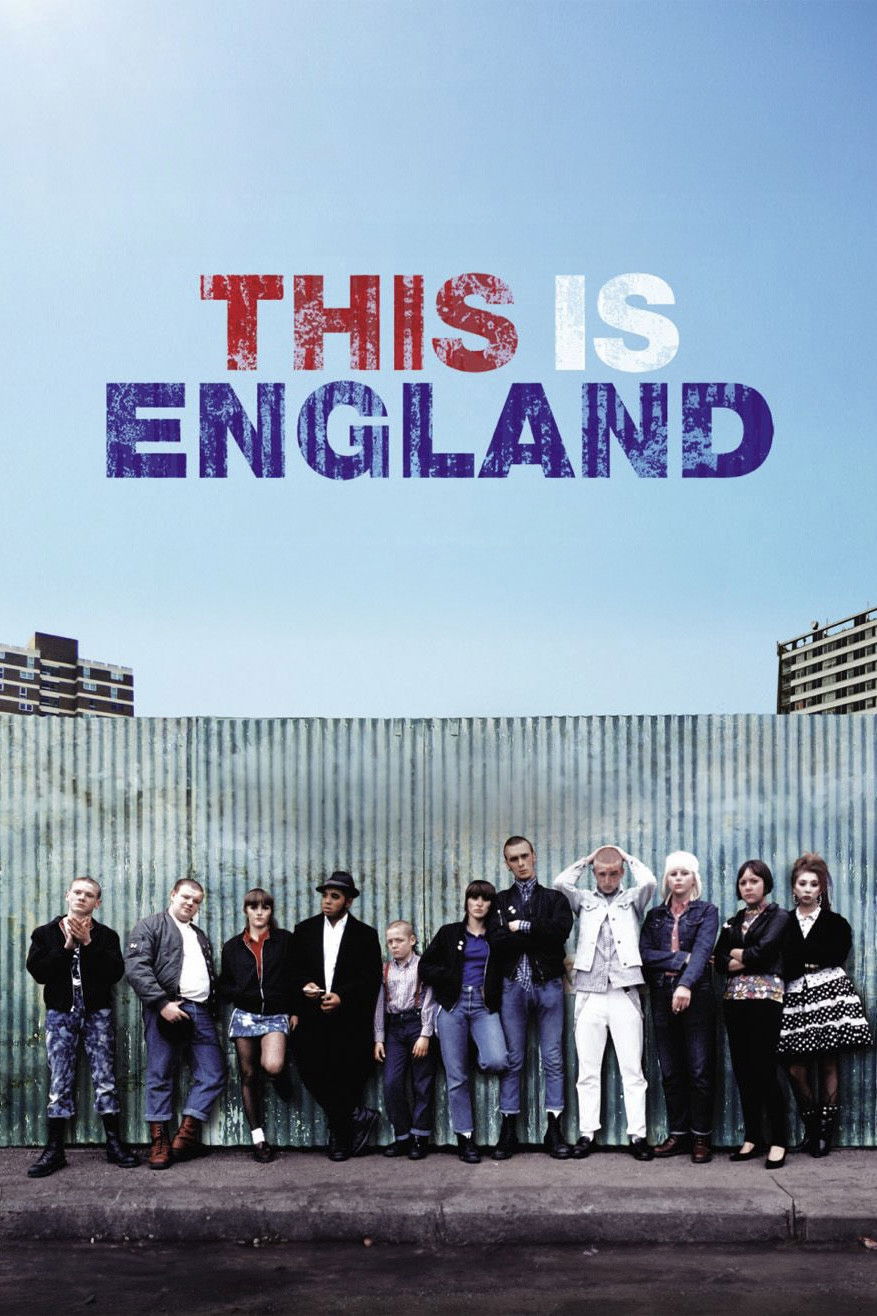
This Is England

2006 · Another forceful look at racist belonging, with more room for everyday awkwardness

The Believer poster

The Believer

2001 · A more psychologically tangled portrait of a young man embracing antisemitism

La Haine poster90

La Haine

1995 · For anger, racial division and young men whose loyalties narrow their choices

The Shop on the High Street poster

The Shop on the High Street

1965 · For a quieter, more patient account of ordinary complicity in persecution

Romper Stomper poster

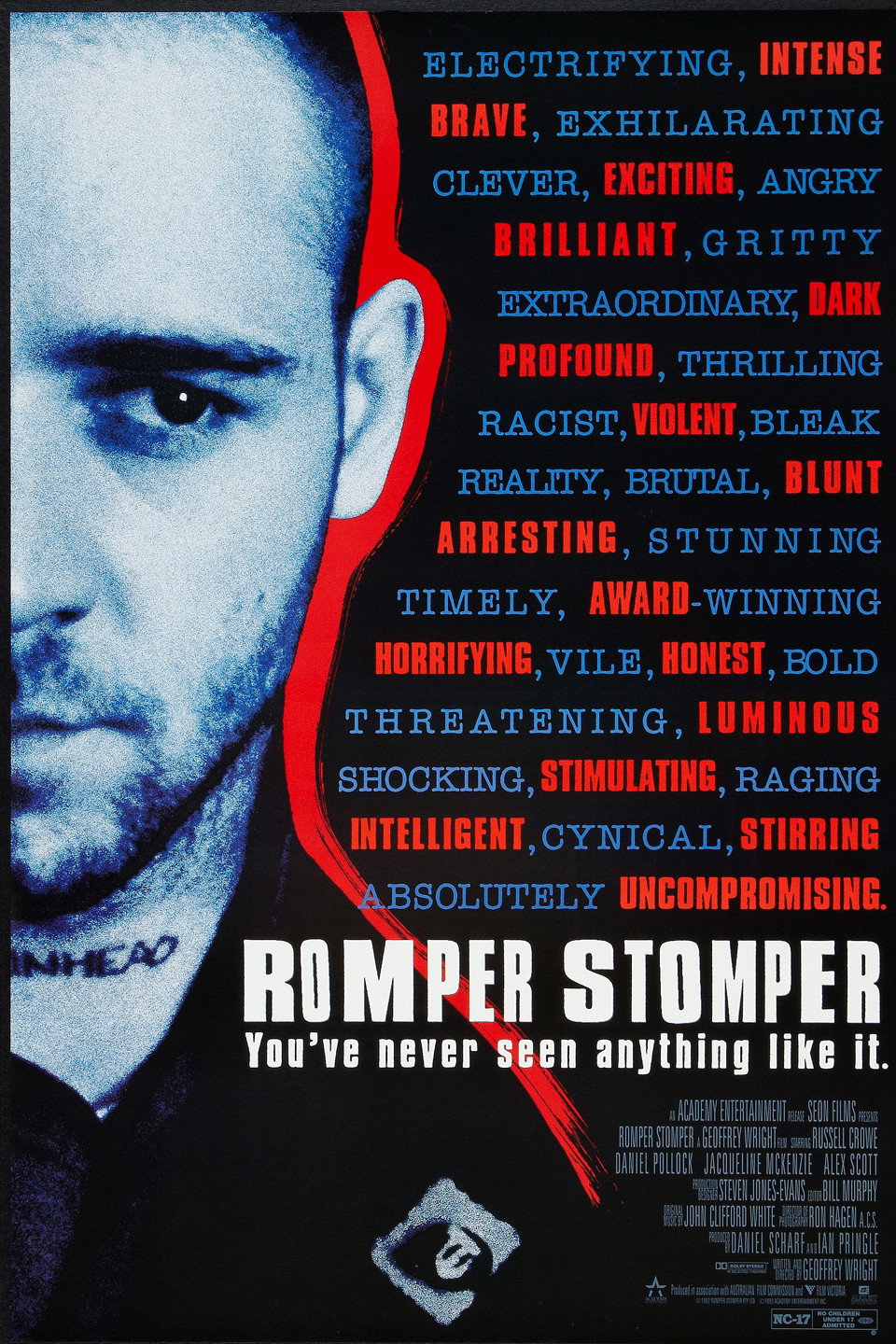
Romper Stomper

1992 · For another disturbing account of racist group loyalty and its violent appeal