Film review

This Is England

2007 · Directed by Shane Meadows · 1h 42m · MPA NR

In a sentenceThe skinheads are good company until someone starts taking England personally

DramaCrime

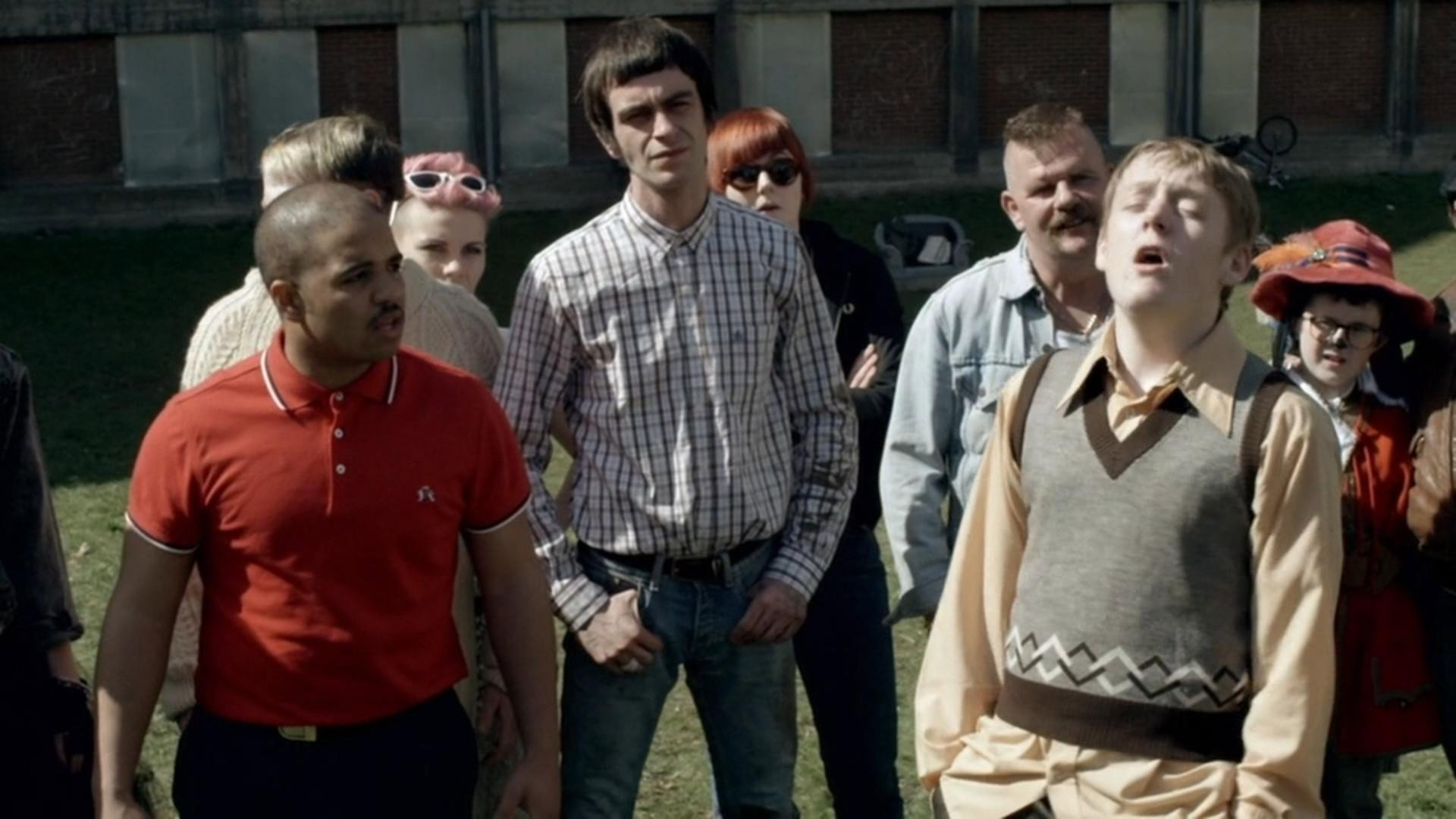
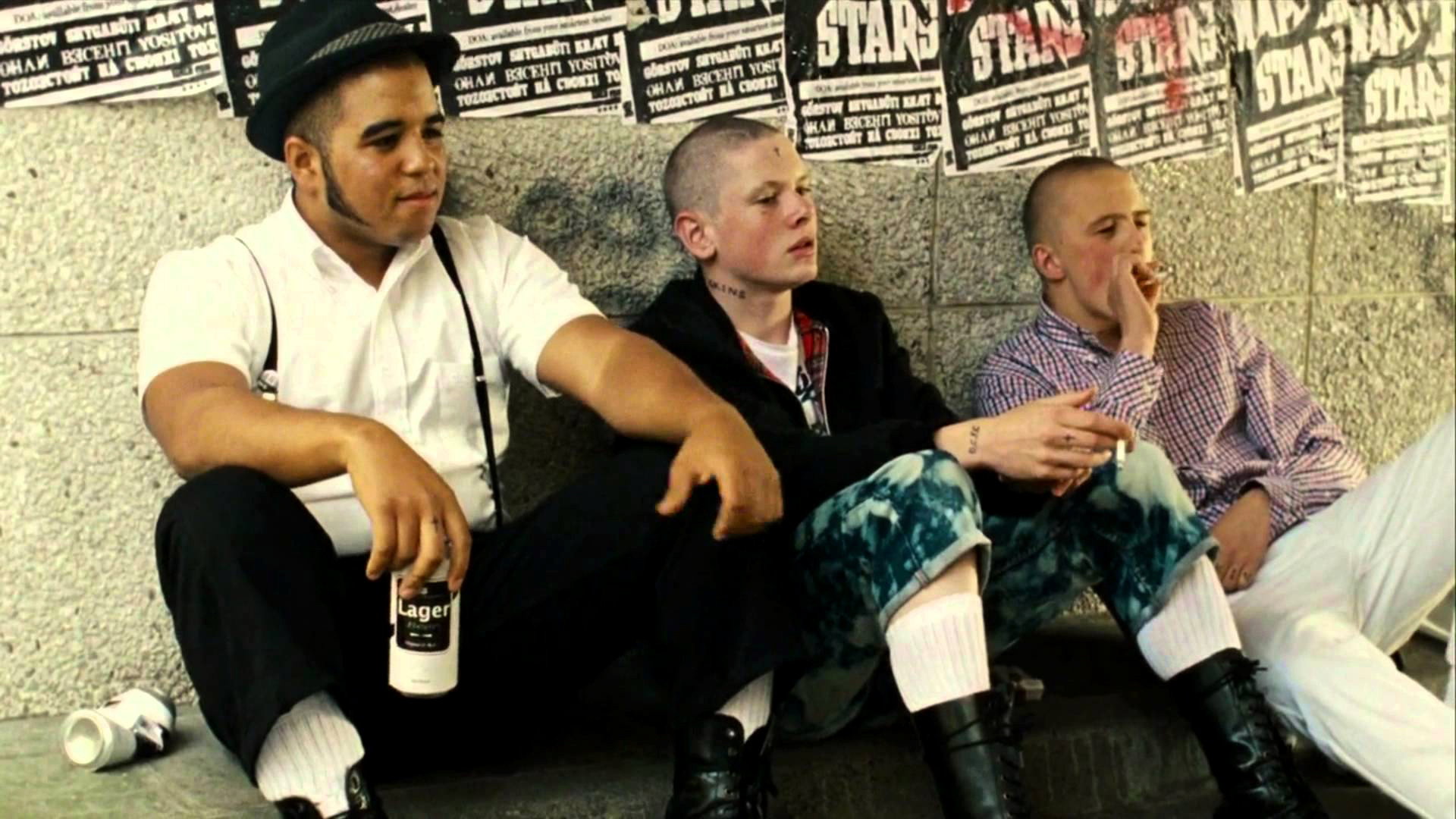
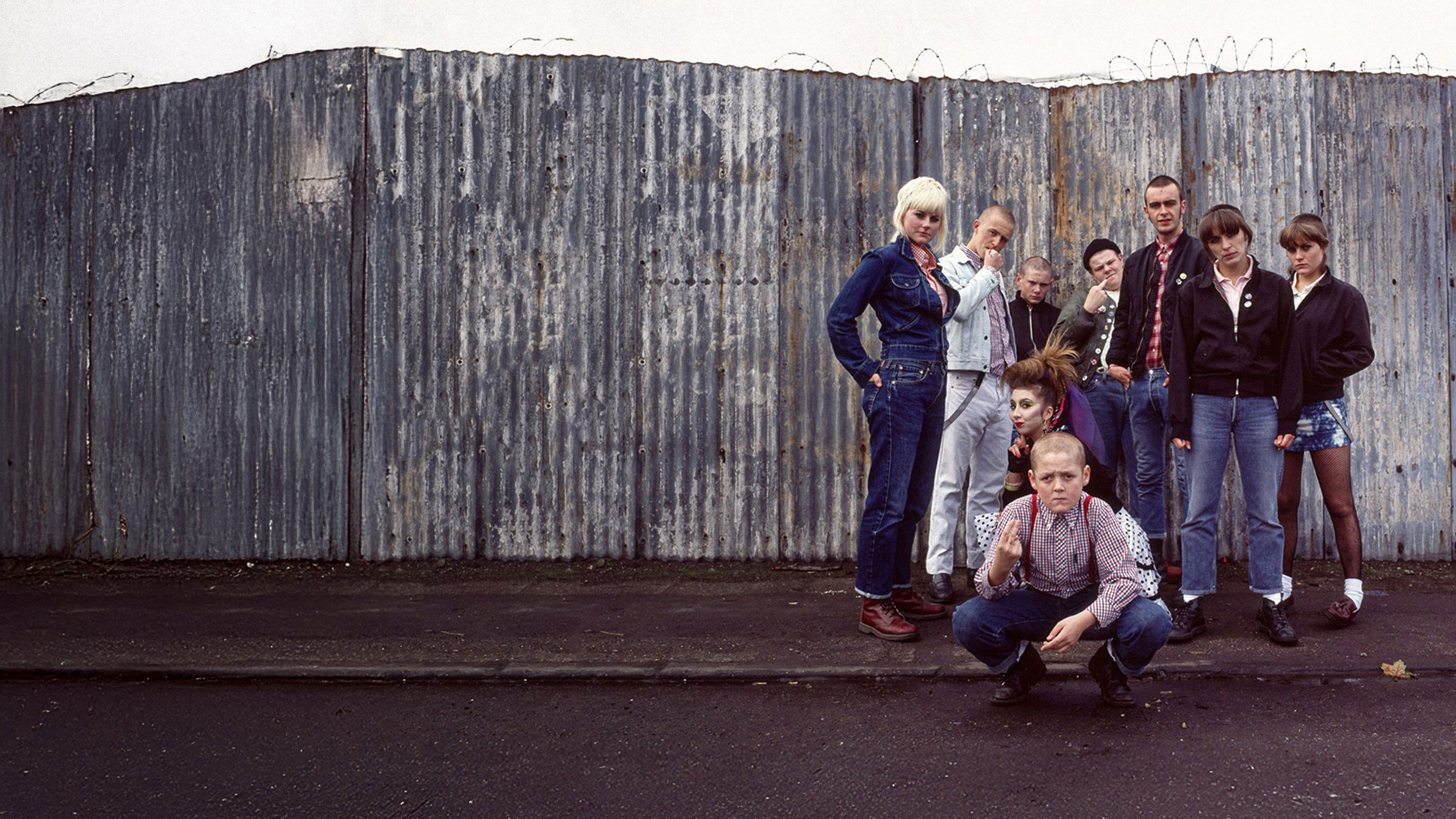
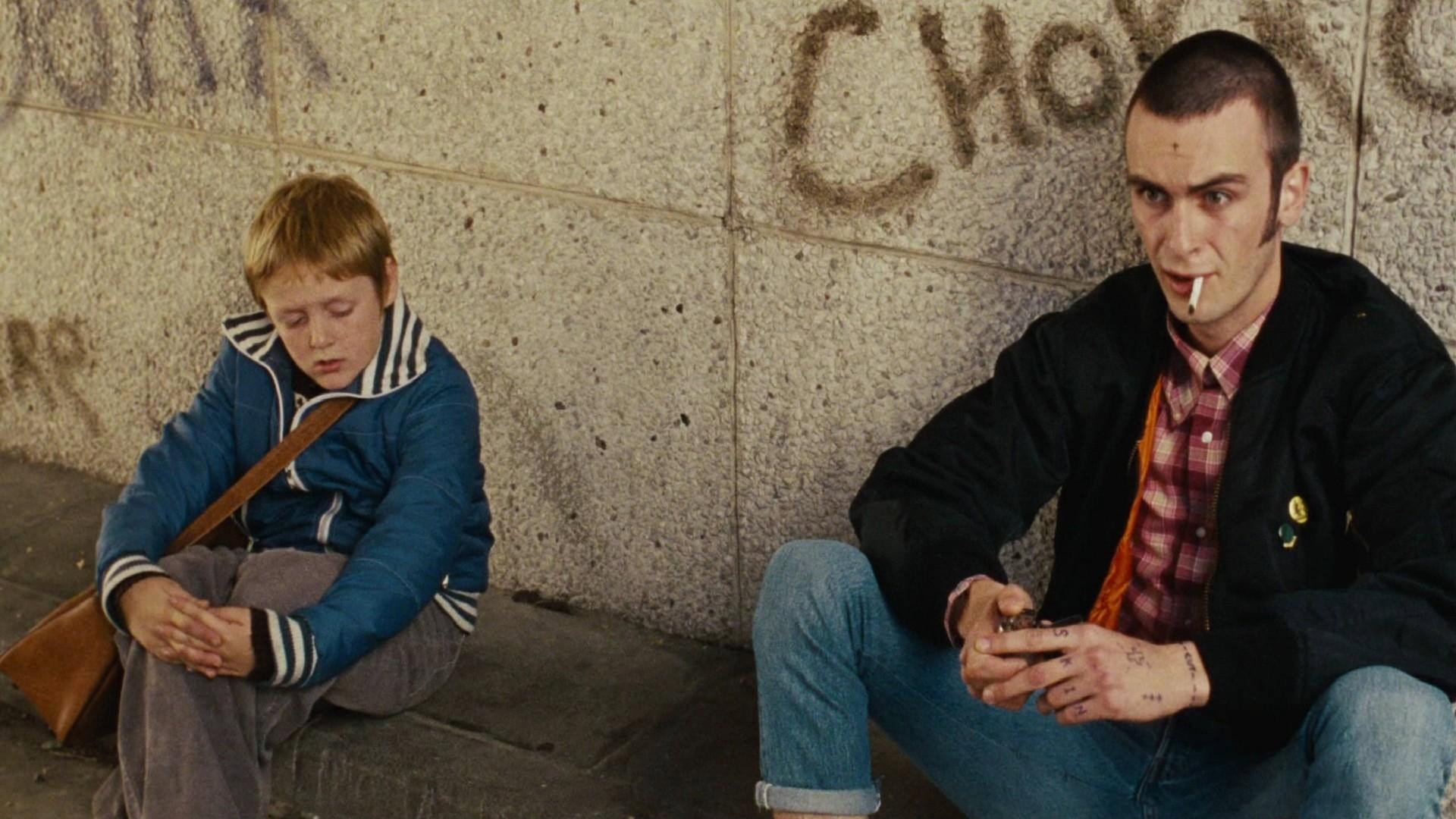
In England in 1983, Shaun (Thomas Turgoose) is a lonely boy who finds company among a group of skinheads. Their shared days offer him something he has been missing: a place among people who seem to want him around. Shane Meadows’s drama follows Shaun into this working-class youth culture, where friendship and the wish to belong become entangled with nationalism. Stephen Graham plays Combo, whose influence brings racist politics into Shaun’s search for companionship. The cast also includes Joseph Gilgun as Woody, Vicky McClure as Lol and Andrew Shim as Milky.

Plays from YouTube when you press play; nothing loads from them until then.

Fi1m review

Shane Meadows makes the appeal of a skinhead gang painfully understandable through Thomas Turgoose’s Shaun. The political lessons can be too neatly arranged, but the warmth, humour and frightening performances earn our strong recommendation.

This Is England is a persuasive, troubling drama because Shane Meadows takes the pleasures of belonging seriously. Shaun is a lonely boy in 1983 England, and the skinhead gang offers company before it offers anything resembling a political education. We recommend it warmly, with a reservation about how neatly Meadows sometimes connects a child’s needs to the adults’ beliefs. For much of the film, though, he lets us understand why Shaun would want to be there.

Thomas Turgoose gives Shaun a stubbornness that saves him from becoming a child supplied for our pity. The pleasure he takes in being accepted is enough to make the gang attractive, and Meadows allows its humour and idle companionship to take up space. We were moved by how much that welcome means to him. The performance makes us feel the value of being noticed when loneliness has become ordinary, and gives us a reason to fear for Shaun before the politics become explicit.

Stephen Graham’s Combo makes the politics frightening. We can understand why a boy might look to him for authority, and Graham makes that possibility disturbing without asking us to admire the man. His performance keeps personal need close to the racist beliefs, so the hatred feels capable of entering an ordinary conversation. This is where the casting matters most: Turgoose makes Shaun’s hunger for attention credible enough that Graham does not have to make Combo likeable.

Danny Cohen’s cinematography serves the performances well; we keep watching people for signs of acceptance, amusement or unease. Mark Leese’s production design makes the working-class setting persuasive, while Jo Thompson’s costumes help us believe in the gang’s shared identity. The recreation of the 1980s does not become an invitation to admire the period detail. These people seem at home in their surroundings, with the young ensemble allowed to suggest friendships that began before Shaun arrived.

Chris Wyatt’s editing makes the passage from humour to menace feel increasingly difficult to escape. The early idleness is important: we need time to enjoy the gang before the film asks us to examine it. Ludovico Einaudi’s score helps us feel the change, although its emotional guidance can be a little too insistent when the performances have already made the point. At 102 minutes, the film has room for this shift without making the companionship seem like an extended introduction.

The larger reservation is with Meadows’s screenplay. At times, its account of a lonely child’s susceptibility to nationalism is so orderly that we can see the lesson arriving before the people have finished talking. The performances keep disrupting that neatness, but it remains a limitation in a film otherwise so attentive to the untidy ways people behave. We would have welcomed more room for the gang’s different loyalties to remain difficult to explain, rather than being made to serve Shaun’s education.

As a coming-of-age drama, it asks a child to make sense of adult grievances he should never have to carry. Turgoose keeps Shaun recognisable even when the writing loads too much significance onto him. Watch it when neither of you has to be good company afterwards.

Critical consensus AI synthesised

84
Positive
8
Mixed
0
Negative
0

The consensus is strongly positive, with praise clustering around Shane Meadows’ recreation of working-class England in the 1980s and the performances of Thomas Turgoose and Stephen Graham. Critics find the young lead natural and engaging, while Graham gives the film much of its disturbing force. The reviews repeatedly value its account of belonging: the humour and companionship that draw a lonely boy into skinhead culture, and the ways those loyalties become vulnerable to racism and nationalism.

The differences are mainly matters of emphasis rather than substantial dissent. Empire finds some familiar, predictable elements in Meadows’ storytelling, while Time Out acknowledges that parts feel schematic; both judge the performances strong enough to outweigh those reservations. Slant Magazine praises the use of music to manage changes in tone but finds the resolution underdramatised. Across the reviews, enthusiasm varies more than the underlying assessment of the film’s strengths.

The AV Club
26 July 2007 · A- · Noel Murray
90

Meadows crafts a taut, tense time capsule of Midlands life in 1983 that shows how skinhead camaraderie can turn to hooliganism and factionalism. The film excels at capturing idleness turning into a pointed statement about national identity and loss.

Read the full review →
Total Film
27 April 2007
90*

The review calls it an electric, stunning and powerful movie crammed with extraordinary performances and names it the best British film of the year. It singles out the film's timely and resonant depiction of intolerance, youth, and national identity in 1983 England, along with strong naturalistic performances especially from Thomas Turgoose and Stephen Graham.

Read the full review →
Empire
30 March 2007 · Dan Jolin
85*

The critic finds the film deeply impressive as both a recreation of 1980s working-class England and an intimate tale of one childhood's brutal end, praising the quality of the performances especially Stephen Graham as Combo and newcomer Thomas Turgoose as Shaun. It notes some predictability from the director's prior work but highlights the bruising emotional impact and how the performances supersede it.

Read the full review →
Radio Times
★★★★ · Jamie Russell
80

The review describes the film as a semi-autobiographical portrait that starts touchingly funny before turning disturbing, pivoting on a child and a disturbed father figure. Meadows is said to have produced what could well be his masterpiece through a superb young lead performance and brilliant evocation of Thatcher-era working-class despair.

Read the full review →
RogerEbert.com
9 August 2007 · Roger Ebert
80*

The film is a taut, tense exploration of how a lonely boy joins a skinhead gang that starts benign but turns violent and racist under a new leader. It authentically shows the appeal of group belonging amid poverty and absent fathers while explaining the subculture's shift toward neo-Nazism.

Read the full review →
Time Out
25 October 2006 · ★★★★ · Ben Walters
80

The critic praises Meadows' assured insights into the pleasures and wages of tribalism and nationalism in 1980s England, noting how the film shows the urge to belong being spun into political capital. The superb performances of the young ensemble, especially Turgoose and Graham, are highlighted as outweighing any schematic elements.

Read the full review →

Cast

Stills

Awards

BAFTA Film Awards, 2007

Won
Best British Film

If you liked this, try…