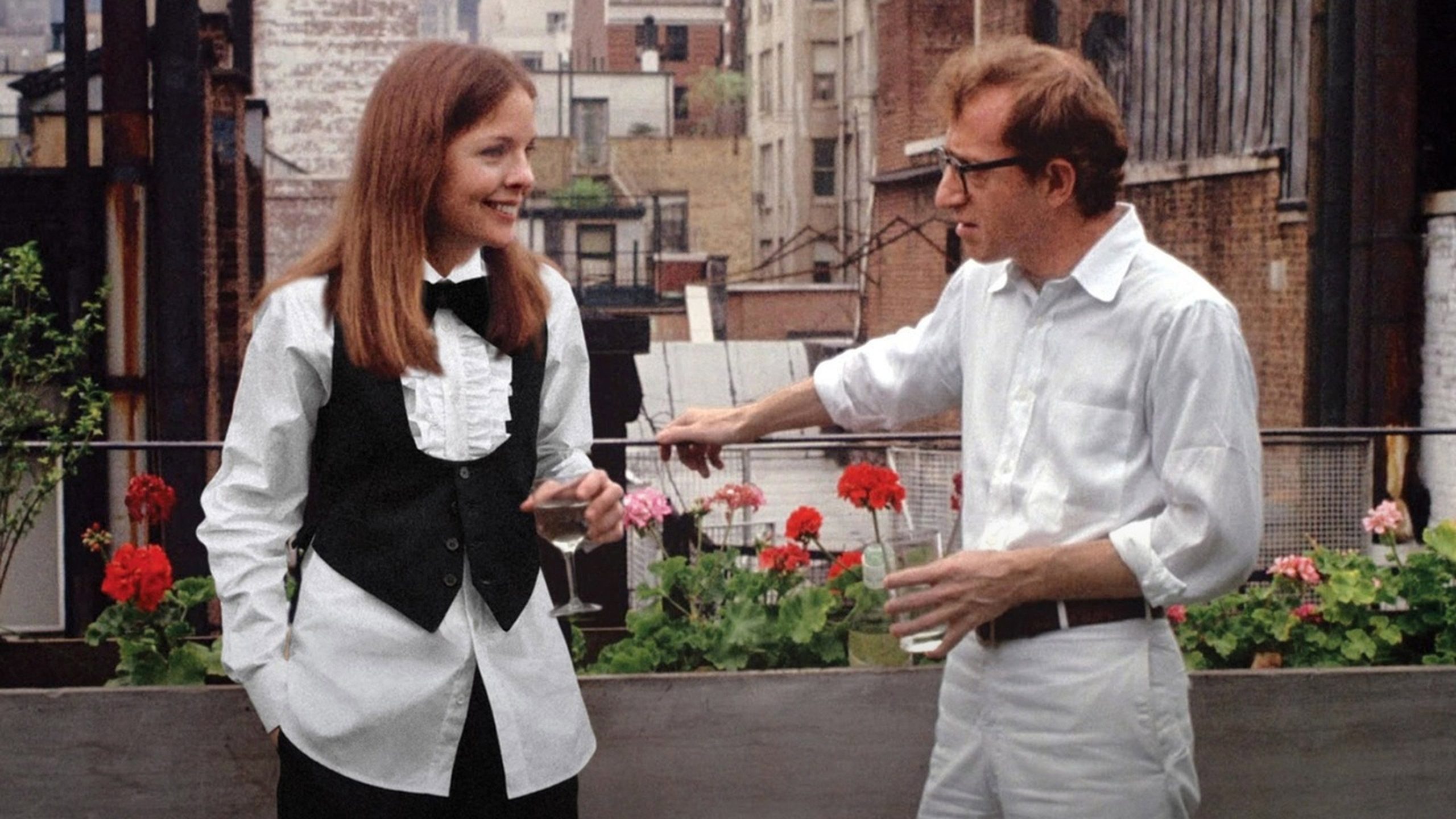
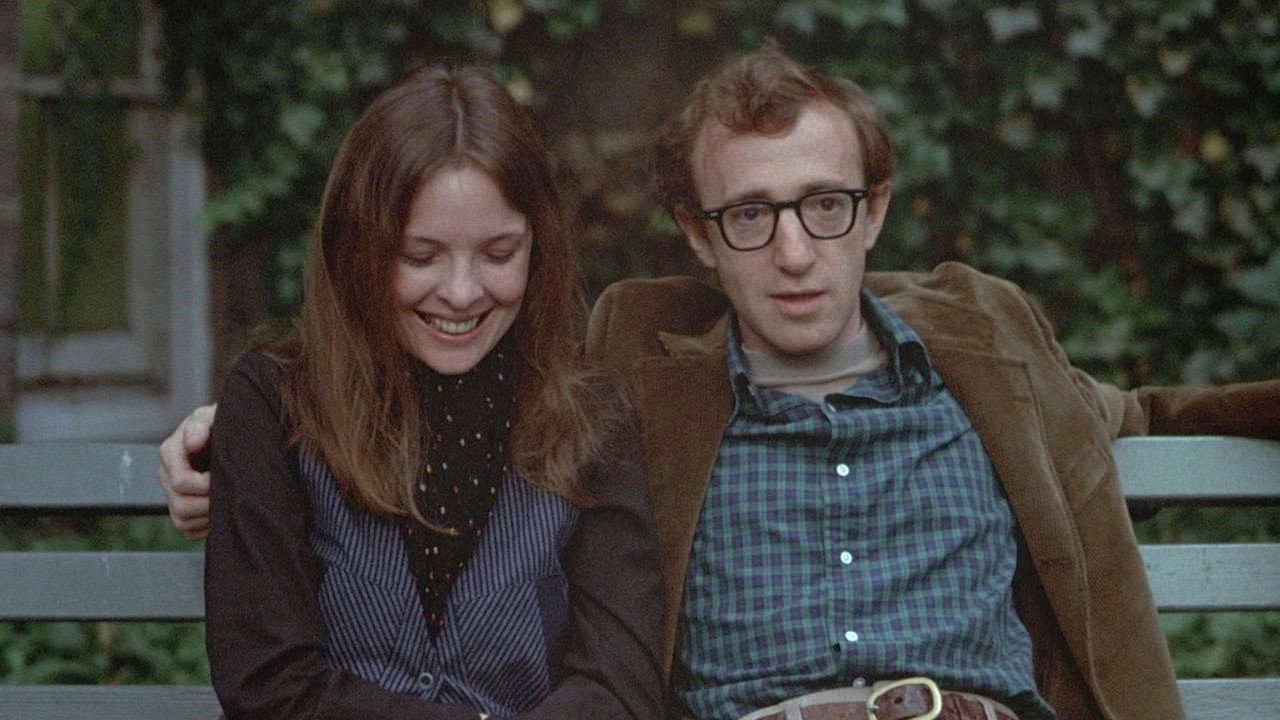
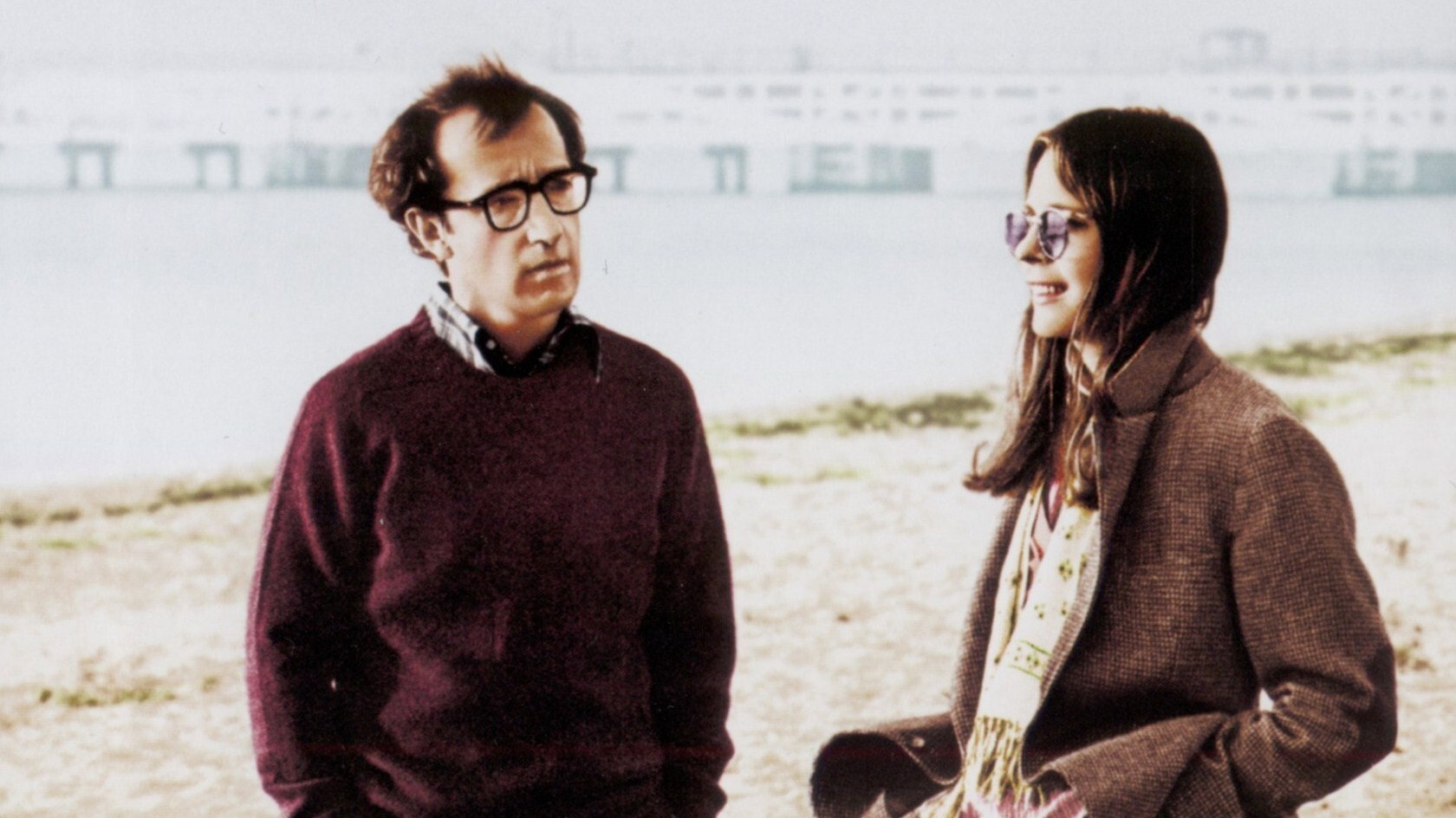
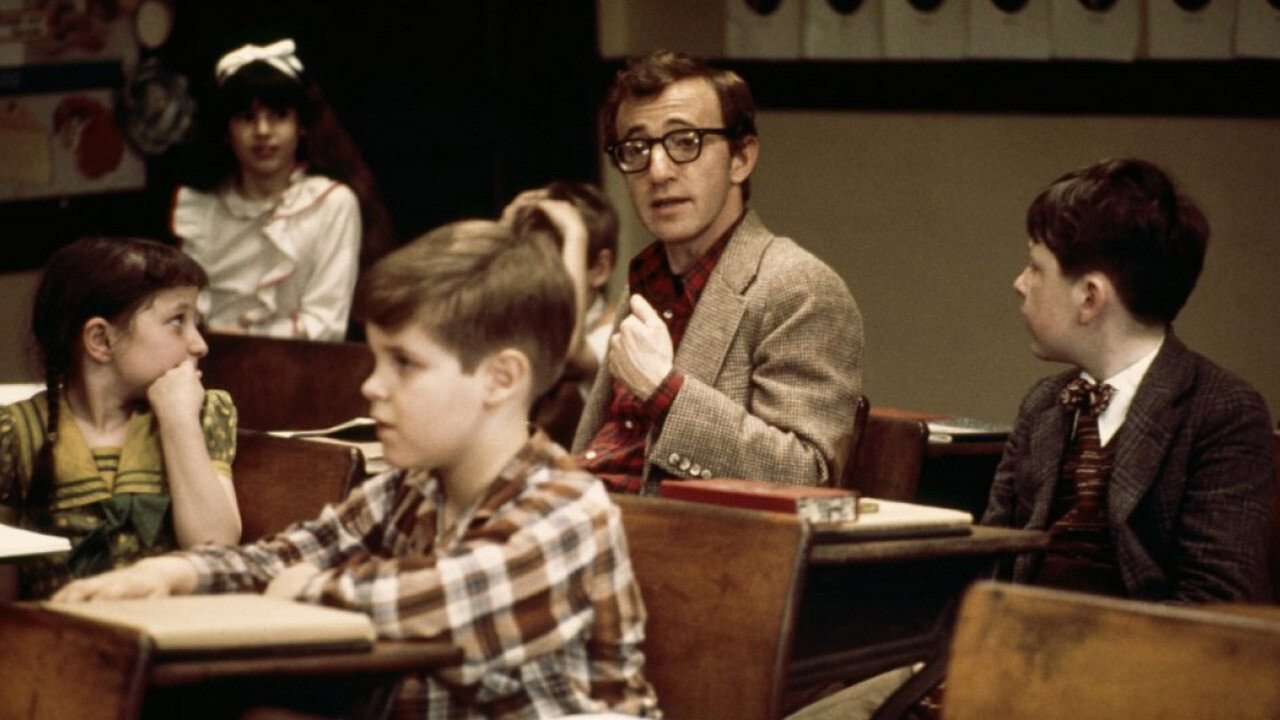
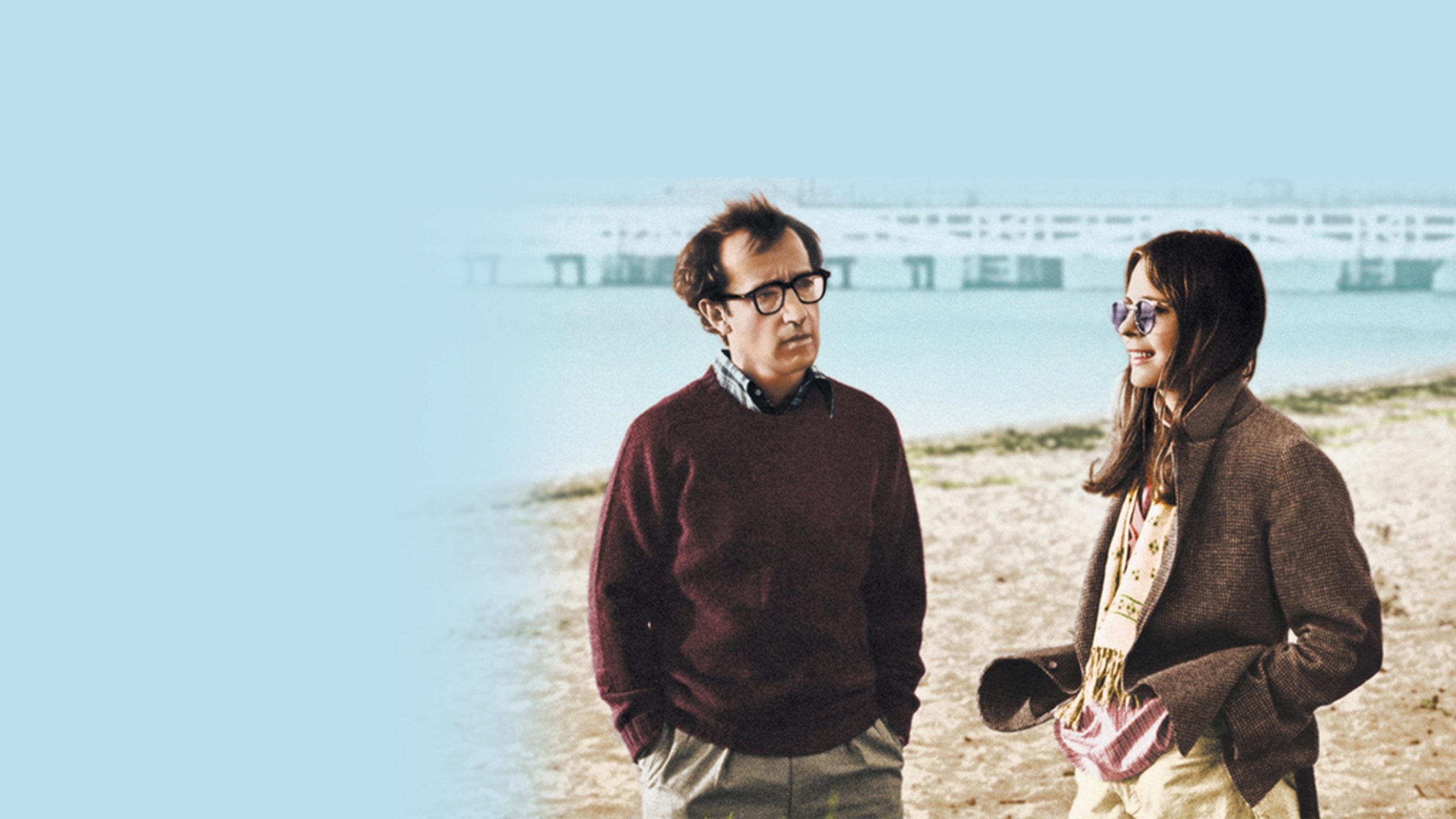
Woody Allen’s Annie Hall is a funny, tender romance, with Diane Keaton giving its constant self-examination a welcome warmth. The jokes are plentiful and often excellent, though they sometimes interrupt feelings the film ought to stay with.
Woody Allen makes Annie Hall with the confidence of a man who expects us to listen to his romantic difficulties. Happily, the film is funny and observant enough to justify the invitation, and Diane Keaton gives us someone else worth listening to. The screenplay, written by Woody Allen and Marshall Brickman, lets Alvy Singer examine his relationship with Annie Hall through jokes, recollections and conversations with the camera. It catches the way an intelligent person can keep explaining himself while learning surprisingly little.
Diane Keaton makes Annie’s uncertainty engaging without treating it as stupidity. Her willingness to laugh at Alvy gives the attraction a practical basis: we can see why these two would want another conversation. We laughed at the lobster scene and found ourselves unexpectedly fond of them both. Her amusement is so persuasive that, for a little while, his nervousness becomes something we enjoy being around.
The subtitles, split screens and animation have a useful job beyond providing fresh ways to deliver a joke. They keep reminding us how much an account of a romance depends on the person doing the telling. Editors Wendy Greene Bricmont and Ralph Rosenblum make the jumps in chronology easy to follow, despite all the interruptions. At 93 minutes, the film has room to wander because the cutting is so decisive about when a comic thought has run its course.
Gordon Willis’s cinematography gives the actors room to hold our attention. The images never seem to be competing with the people for the next laugh, and that steadiness is useful when the storytelling is so restless. The music, credited to Artie Butler, is discreet, which helps too. It leaves us free to hear the hesitations and the jokes without insisting that every awkward exchange should be touching.
As Alvy, Woody Allen understands how quickly an appealing wit can become a difficult companion. His delivery makes the complaints entertaining, while the repeated need to comment on everything gradually becomes wearing. That is useful to the romance: attraction does not require Annie to be unaware of how exhausting he can be. The film is perceptive about the small rewards of spending time with a funny person, and about how those rewards can encourage everyone to overlook bad habits.
The trouble comes when the screenplay gives Alvy’s cleverness too much protection. A joke sometimes arrives before an uncomfortable feeling has had time to become a proper scene, and several of the women around him receive much less sympathetic attention than Annie. Woody Allen and Marshall Brickman can be sharp about his self-absorption, then let another punchline settle the matter. Diane Keaton’s fuller character makes those thinner portrayals harder to excuse, because the film plainly knows how to do better.
Romantic comedies often make it too easy to understand why two people belong together. Annie Hall lets their enjoyment of each other coexist with reasons to find their company difficult, and its jumps between recollections suit that uncertainty. The occasional rush to get another laugh keeps it from examining their difficulties as closely as it might. See it for Diane Keaton; she makes spending an evening with Alvy seem a reasonable decision.