Mark Jenkin’s Cornish drama makes its class conflict felt through rough monochrome images, dislocated sound and Edward Rowe’s grounded performance. We recommend it, with a warning that the insistent editing sometimes gets ahead of the people.
Bait makes a Cornish fishing village feel like a place where an ordinary conversation can become a dispute about who has the right to stay. Mark Jenkin’s drama is angry, funny and worth the effort its abrasive style asks of us. It takes the friction between residents and gentrifying outsiders seriously, without reducing everyone involved to a spokesperson for their side. There is plenty of awkwardness and wounded pride here, and enough humour to make the arguments uncomfortable in several ways at once.
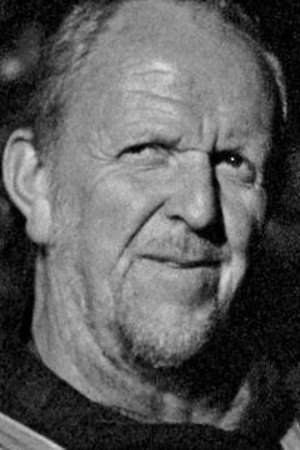
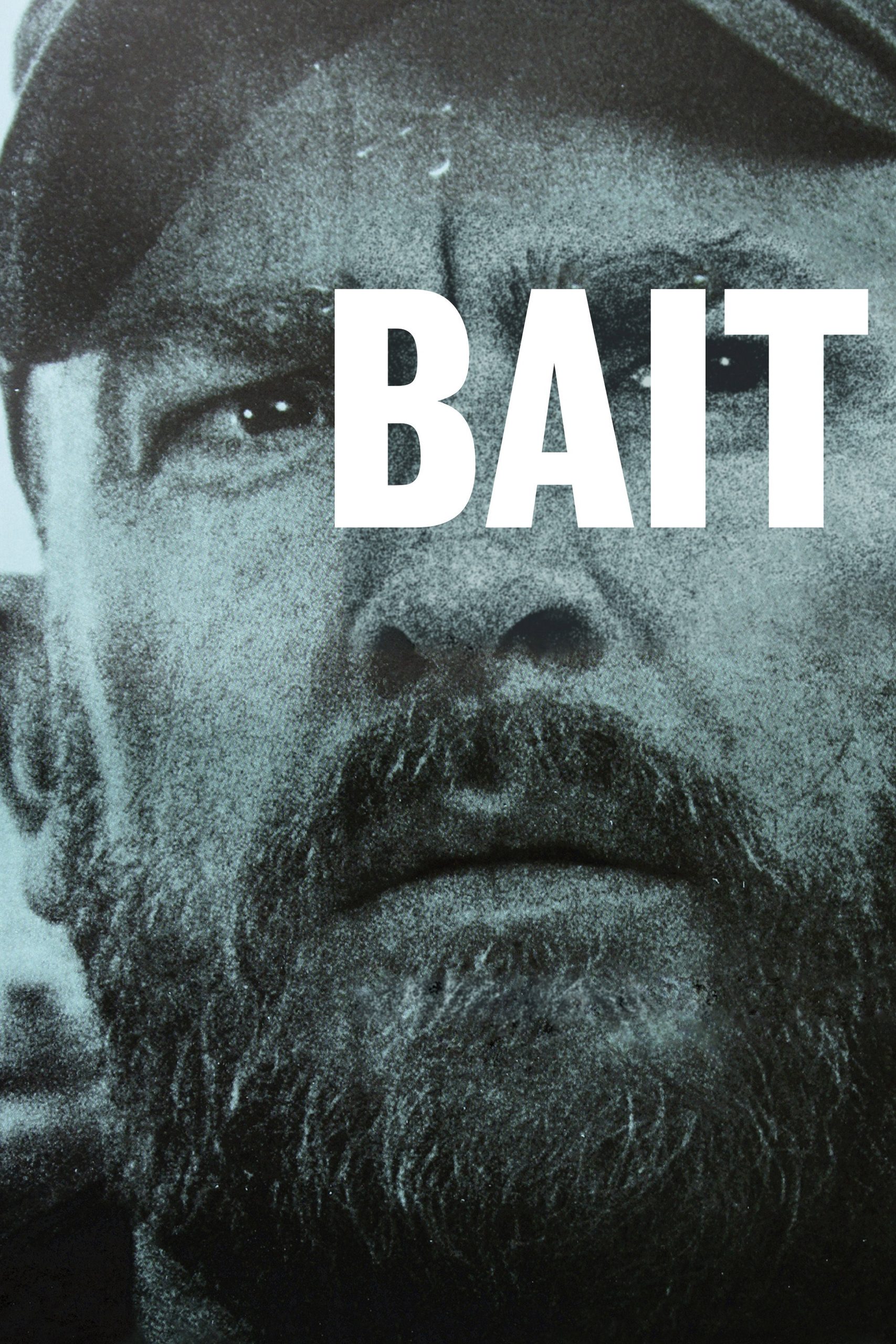
Edward Rowe, playing Martin Ward, is the chief reason to stay with it. He makes the anger understandable without making it particularly welcoming, and the performance remains recognisably human when the filmmaking is at its strangest. The humour matters here: resentment is not always expressed with dignity, and the film is willing to notice that. It is good to find a social drama that takes people seriously while allowing them to be difficult company.
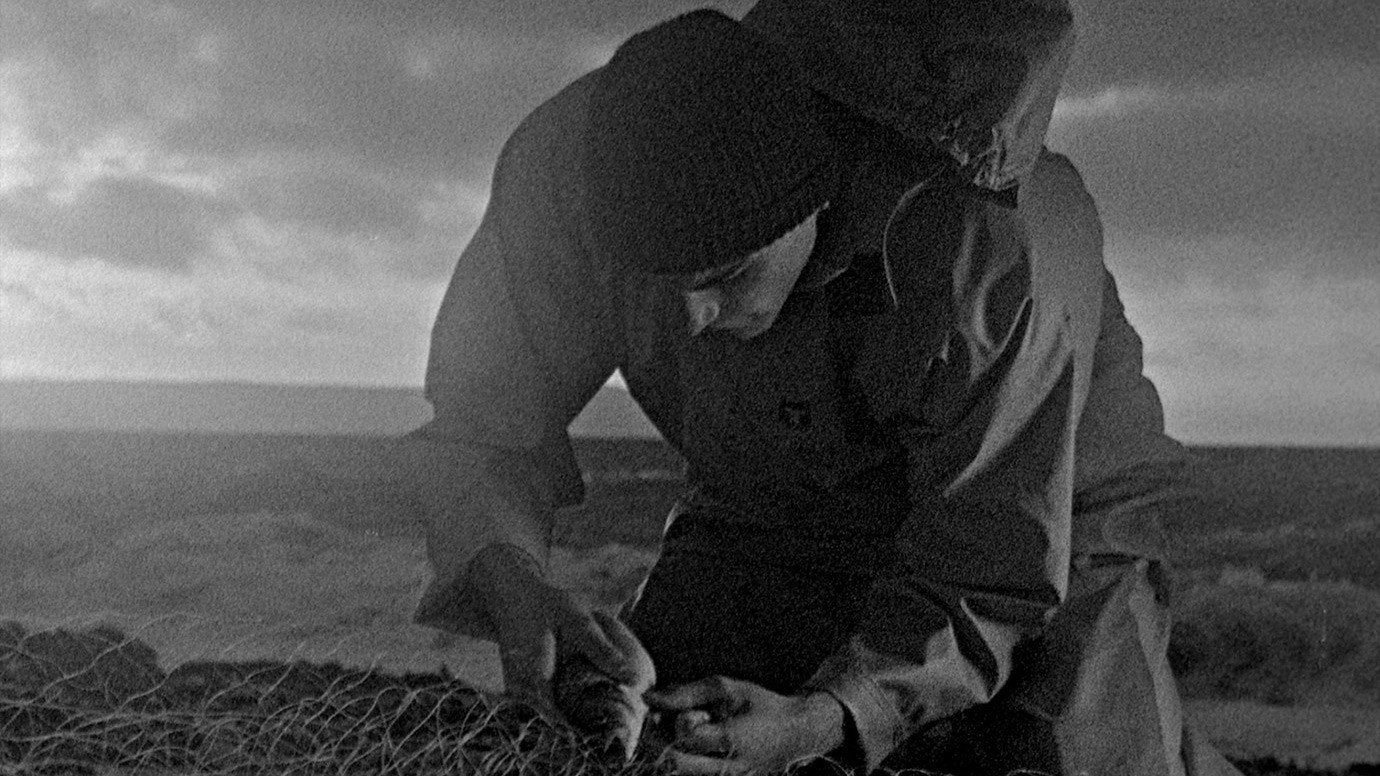
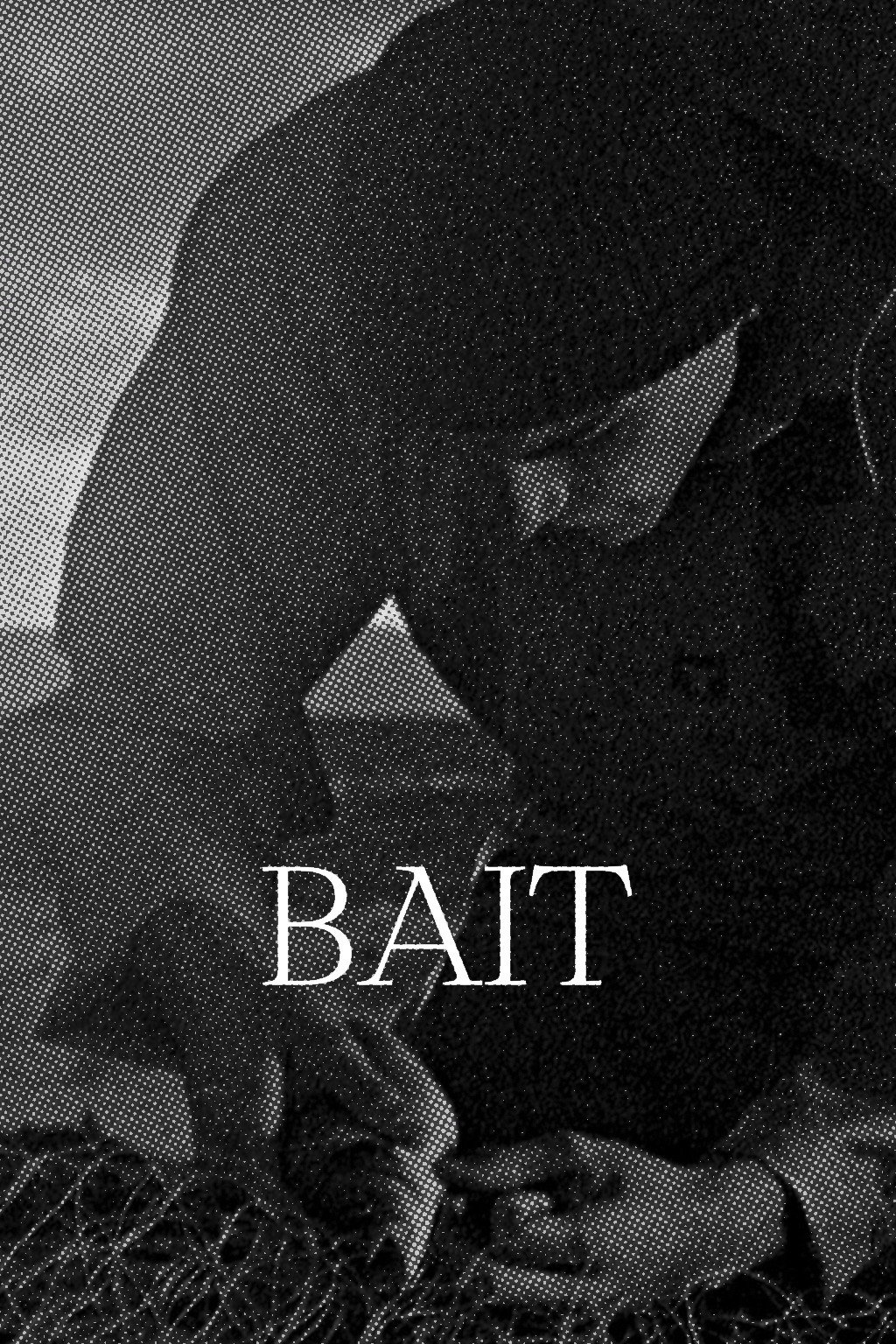
As cinematographer, Mark Jenkin shoots in black and white on 16mm, and the hand-processed image carries scratches and visible damage. That could be a tiresome display of artistic seriousness, but the roughness suits a community whose daily life is being made uncomfortable. The coast is spared the smooth finish of a sales photograph. We felt uneasy watching those battered images while hearing speech added afterwards. The disconnection makes even familiar human voices sound slightly out of place.
The editing, also by Mark Jenkin, gives that unease a rhythm. Shots jolt against one another, and the fractured cutting prevents us from settling comfortably into the disputes. It makes us attend to the images individually, although sometimes we would rather stay with a person for longer than the film allows. Mark Jenkin also supplies the music, which is effective company for the troubled images, though the displaced quality of the dialogue stays with us more insistently than the score.
There is a cost to this approach, and the film occasionally makes us too conscious of the work being done to trouble us. A jolt in the cutting can arrive with such insistence that we notice the technique before the person. The rough image and detached sound also leave little room for ease; anyone who finds them mannered will have a long evening. We think the method works, but a few stretches would benefit from letting an exchange proceed without so much pressure.
Social dramas about threatened communities can become dutiful, with each person required to represent a side. Bait is better when it catches the less flattering feelings involved in belonging somewhere: pride, suspicion and the wish to decide who gets let in. The contemporary setting matters, because the old-looking images might otherwise encourage us to treat this as a complaint about a vanished way of life. These people are dealing with changes happening around them, and the film refuses to make their village reassuringly picturesque.
The 89-minute running time helps, although this is not a film that feels in any hurry to make itself agreeable. We recommend it for the people whose anger and awkwardness make all that formal effort worthwhile. Choose another seaside film if what is needed tonight is fresh air and a rest.