Eddie Murphy’s bluffing brings considerable pleasure to this patchy police comedy. Martin Brest gives him useful company, but Daniel Petrie Jr.’s screenplay keeps sending an appealing comic troublemaker through familiar crime-film business.
Beverly Hills Cop has a dependable comic proposition: put Eddie Murphy somewhere he can irritate authority and let him talk. Martin Brest gets enough pleasure from that proposition to make the routine police story frustrating. Murphy is funny enough to keep us watching, but the film around him is only intermittently worth the attention. Daniel Petrie Jr.’s screenplay provides crime, action and a change of city, though a Detroit policeman visiting Beverly Hills suggests more comic possibilities than it pursues.
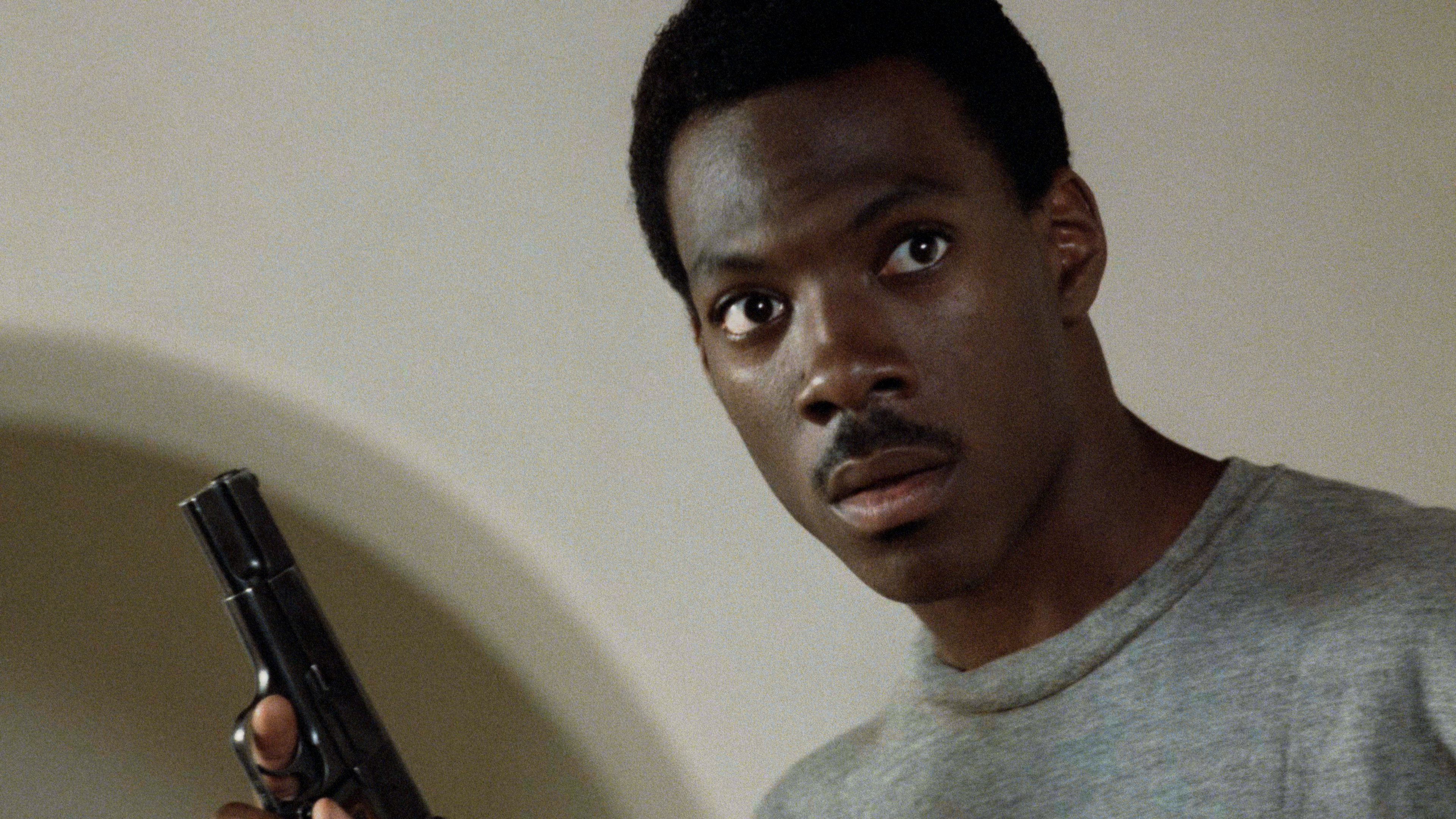
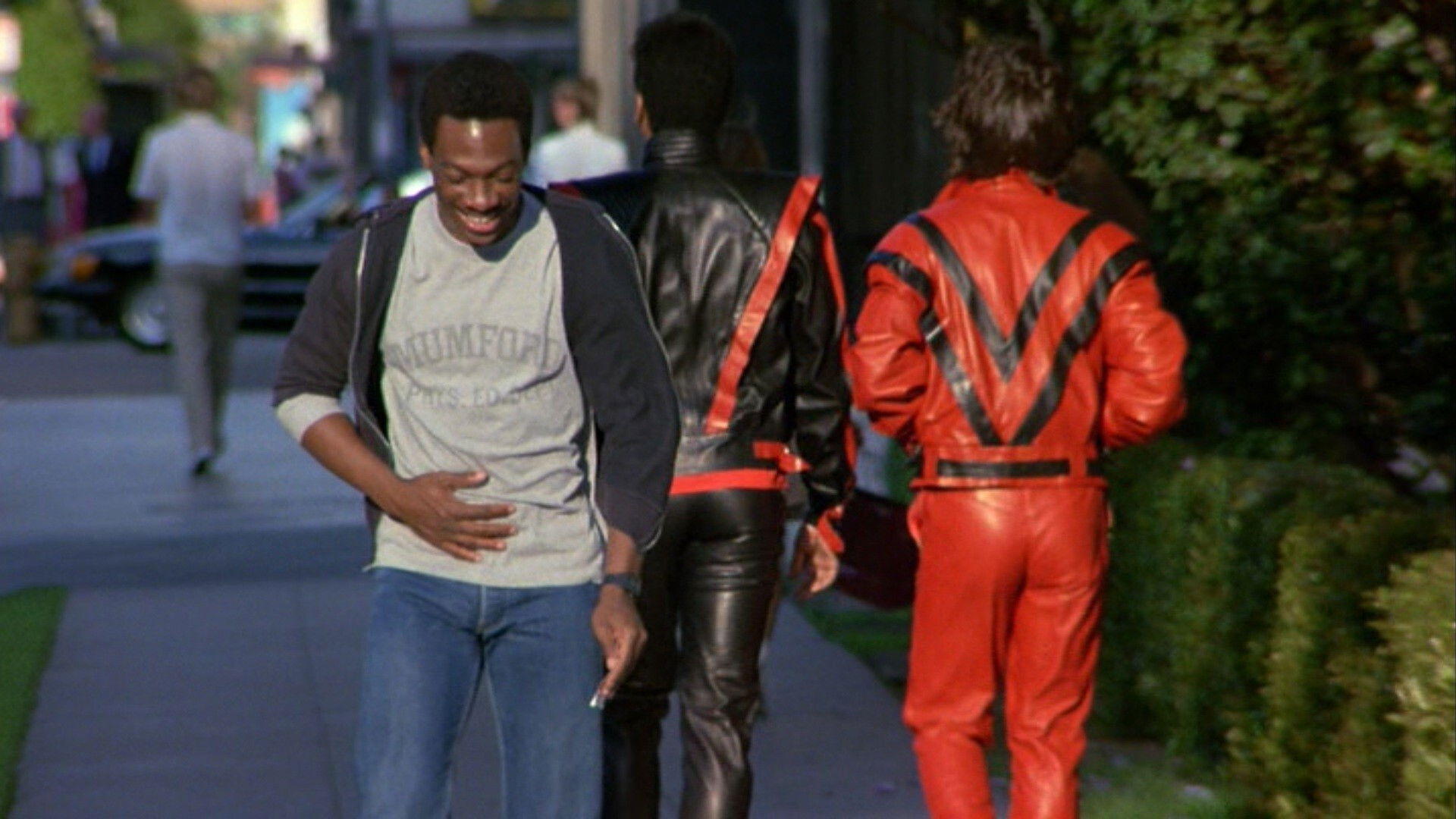
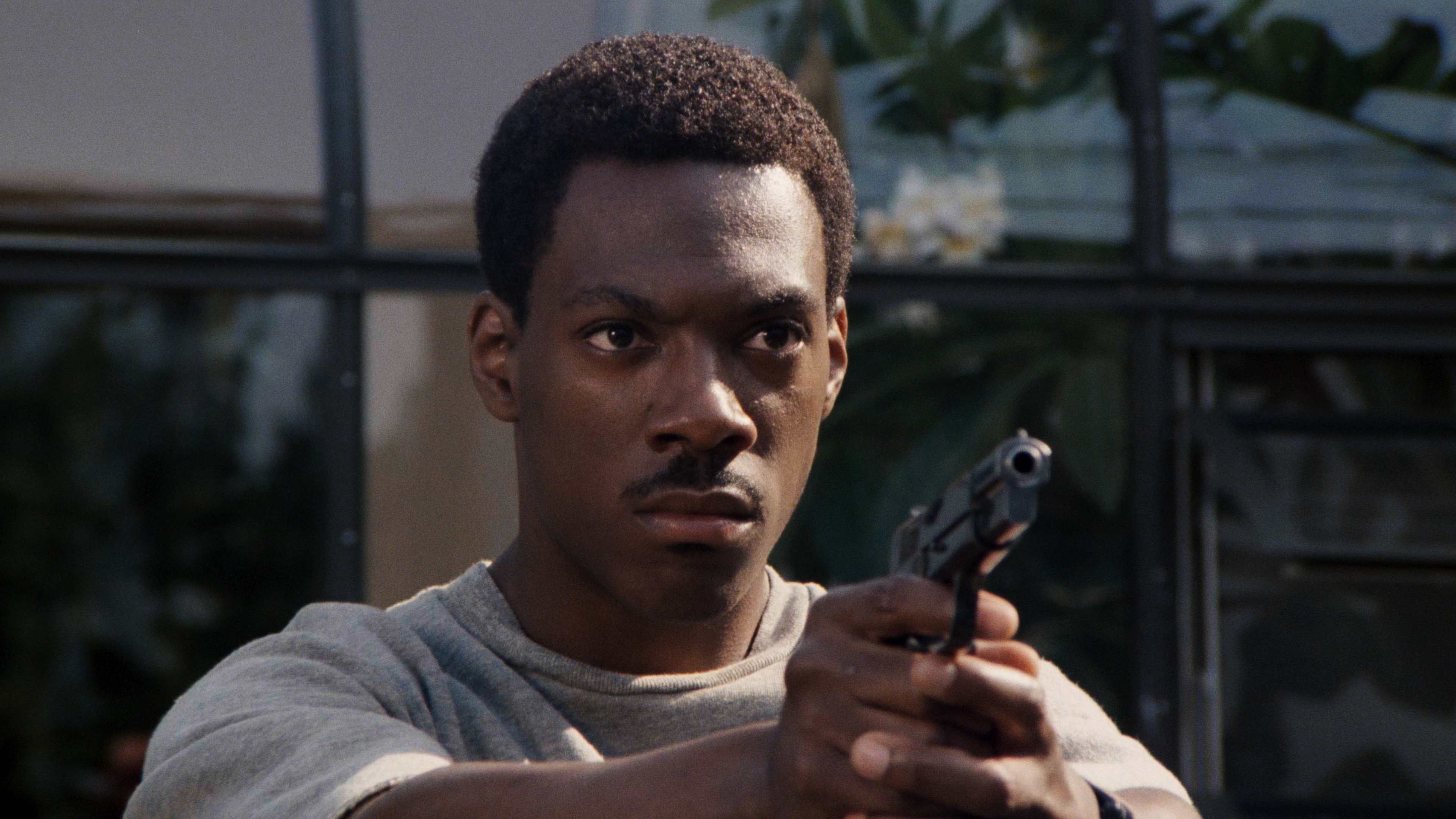
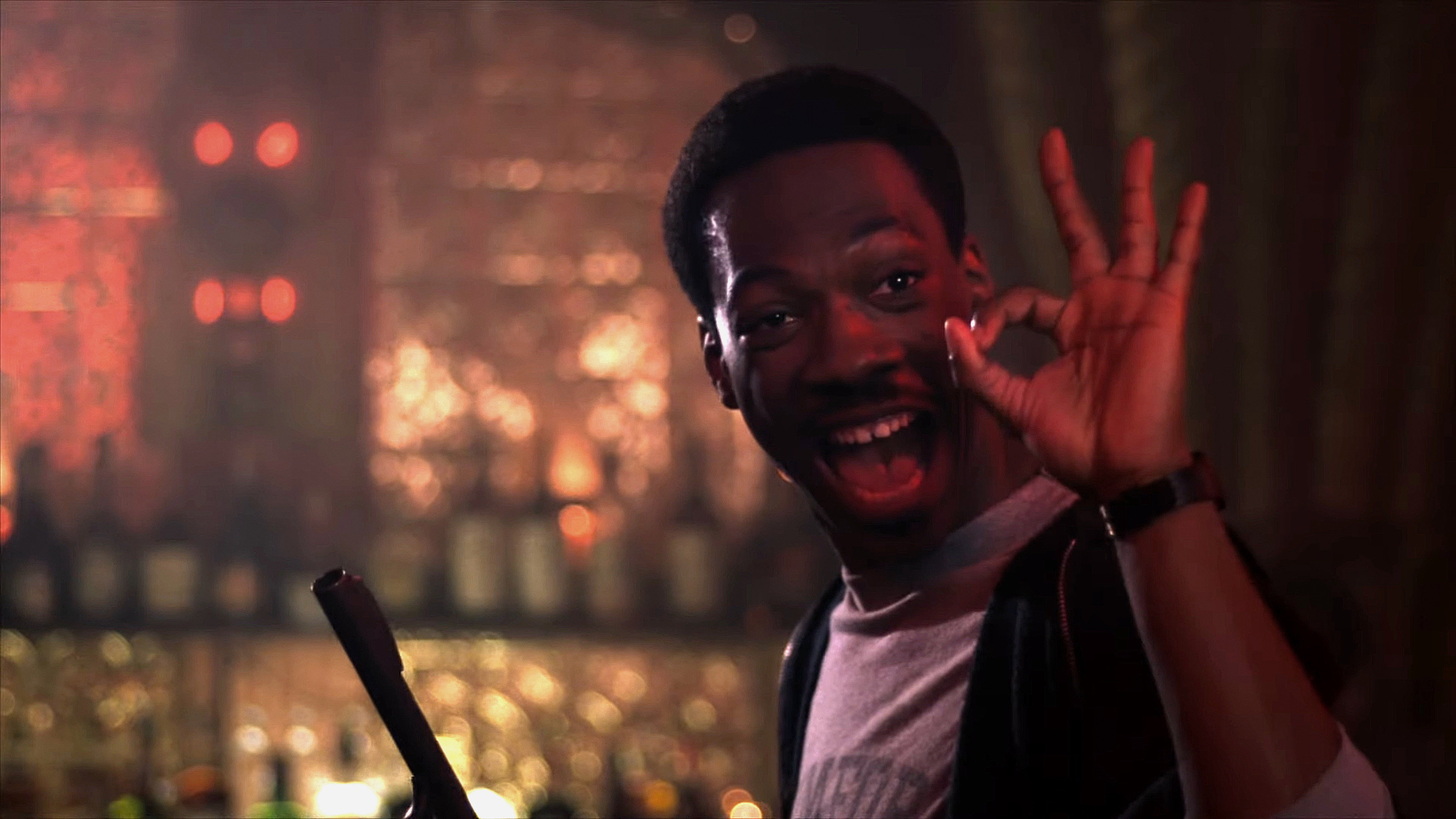
Murphy’s Axel Foley approaches other people with an assurance that is funny before he has achieved anything. We laughed at his confidence around the police; Murphy makes Foley sound so certain that asking for evidence begins to seem impolite. He seems to enjoy making somebody else decide whether to challenge him, and that enjoyment is infectious. His changes of tone keep the conversations lively even when the police story has become predictable.
Judge Reinhold’s Detective Billy Rosewood and John Ashton’s Sergeant Taggart give that confidence useful resistance. Reinhold is particularly good company, and Brest understands how much a supporting actor can contribute without competing for the next joke. Steven Berkoff also registers sharply as Victor Maitland. These performances keep the film agreeable when the police business becomes mechanical, and we remain interested in who will have to deal with Foley next.
The disappointment is how little Petrie Jr. asks that company to disturb. Sending a Detroit policeman to Beverly Hills offers opportunities to examine money, manners and who is allowed to cause trouble, but the screenplay settles too readily for familiar crime plotting. It does not need to become a lecture on class; it does need more jokes that could only happen here. The balance increasingly favours conventional police drama, and the comic energy drops whenever the plot requires us to take the case seriously.
Bruce Surtees’s cinematography keeps the performers readable without making the action especially involving. Editors Billy Weber and Arthur Coburn are more persuasive with the rhythm of Murphy’s bluffing than with the film’s shifts between comedy and danger. A chase, a broken window and an arrest are perfectly serviceable ingredients for a police comedy. Brest does not consistently find enough humour in the physical trouble to justify interrupting the conversations for it.
Angelo P. Graham’s production design establishes Beverly Hills clearly enough, though the writing gets limited comic use from the setting. Harold Faltermeyer’s music supplies welcome bounce, helping the film through stretches that offer little surprise. Neither contribution makes the police plot more absorbing. In this genre, action can reveal something funny about the people caught up in it, but here too much of it feels included because a police film is expected to have some.
At 105 minutes, the film is not asking for a vast commitment, and Murphy makes considerable stretches easy to enjoy. Yet too much of the pleasure depends on waiting for him to speak again, leaving capable colleagues and an inviting setting underused. Approach it for his bluffing, with modest expectations of what happens between conversations.