Film review

Boys Don't Cry

1999 · Directed by Kimberly Peirce · 1h 58m · MPA R

In a sentenceTwo people try to have a love story; everyone else makes it their business

CrimeDrama

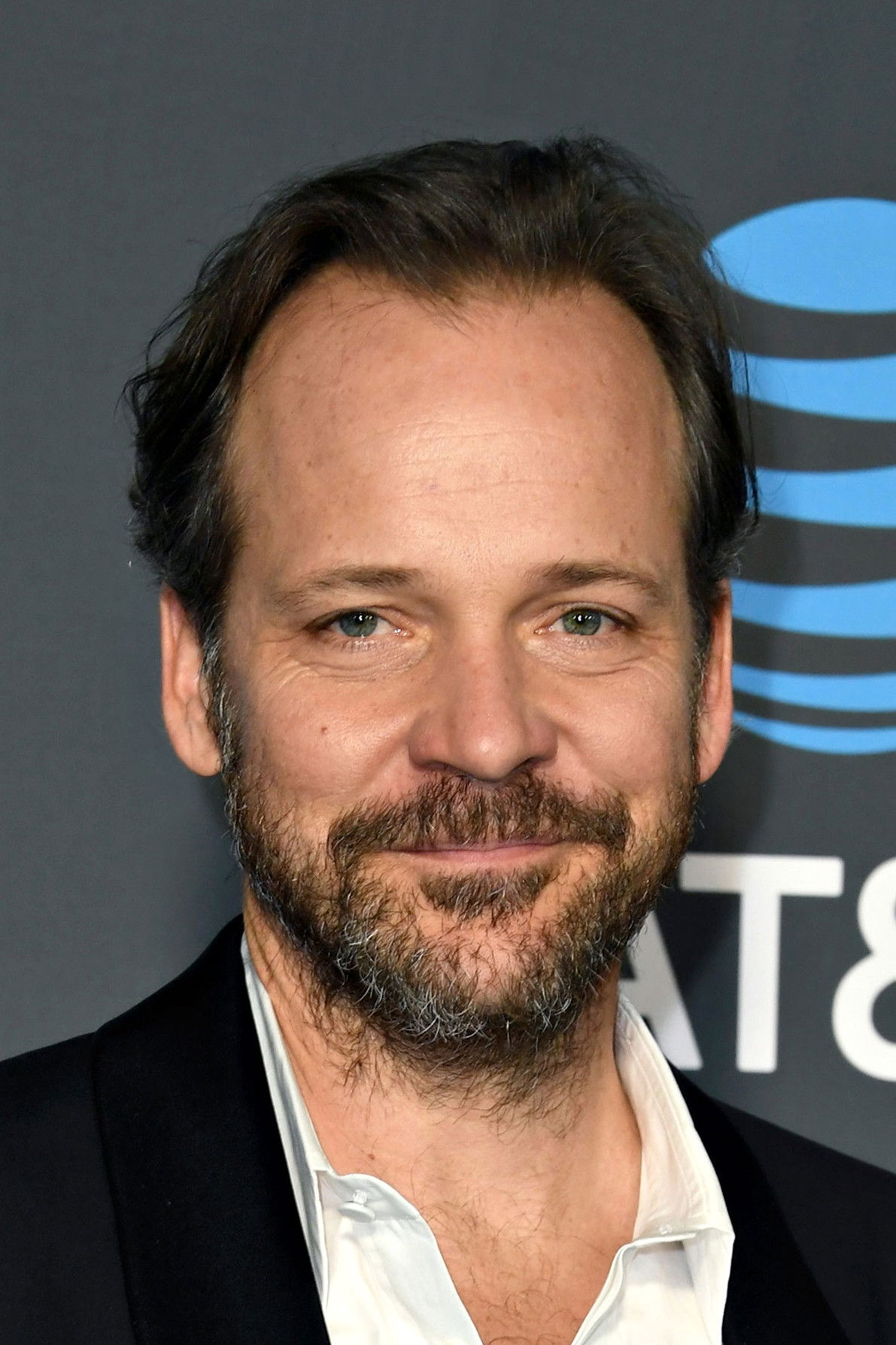
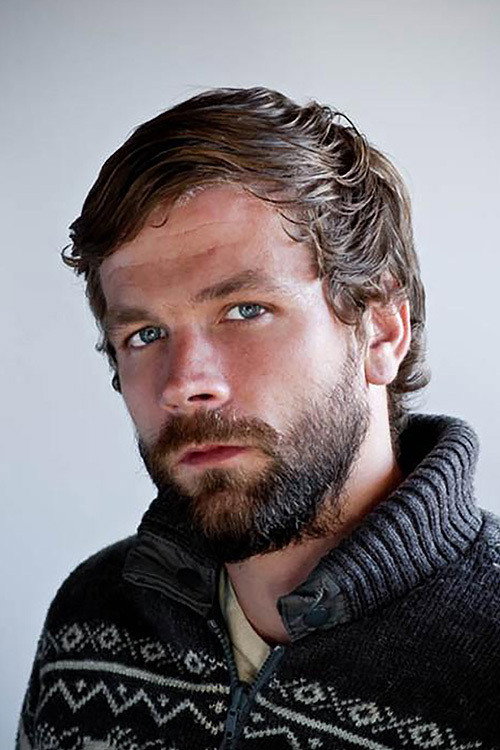
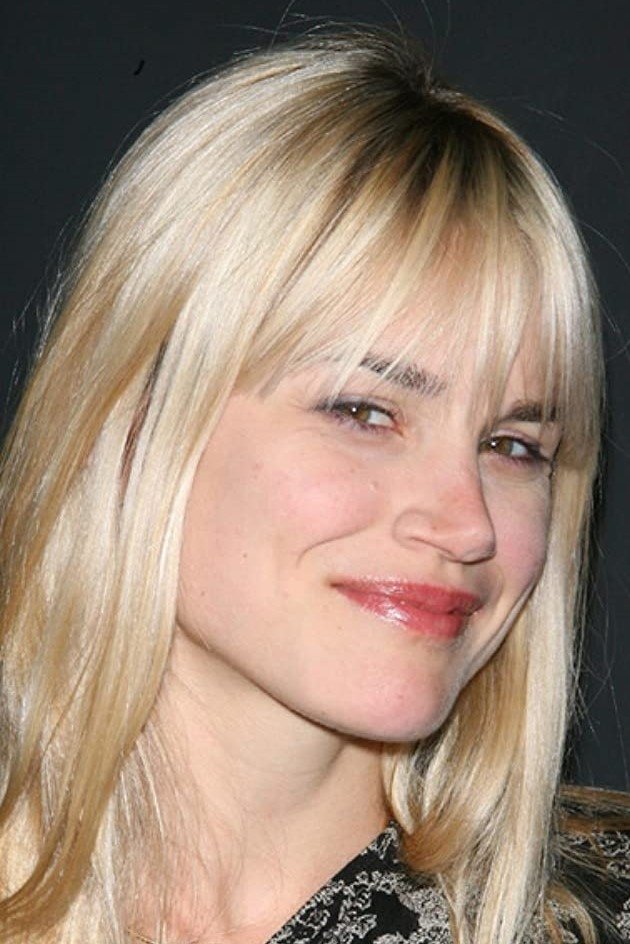
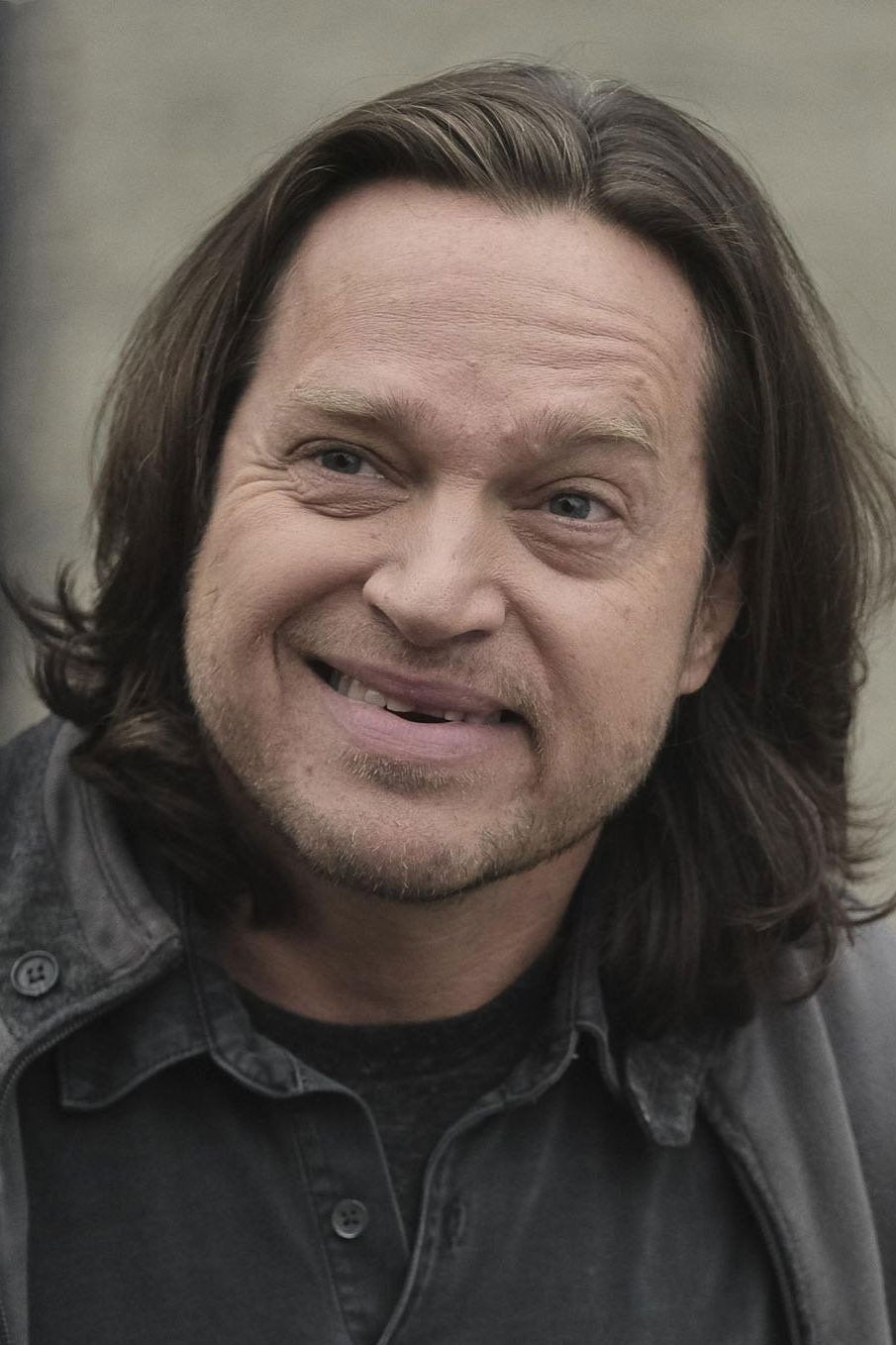
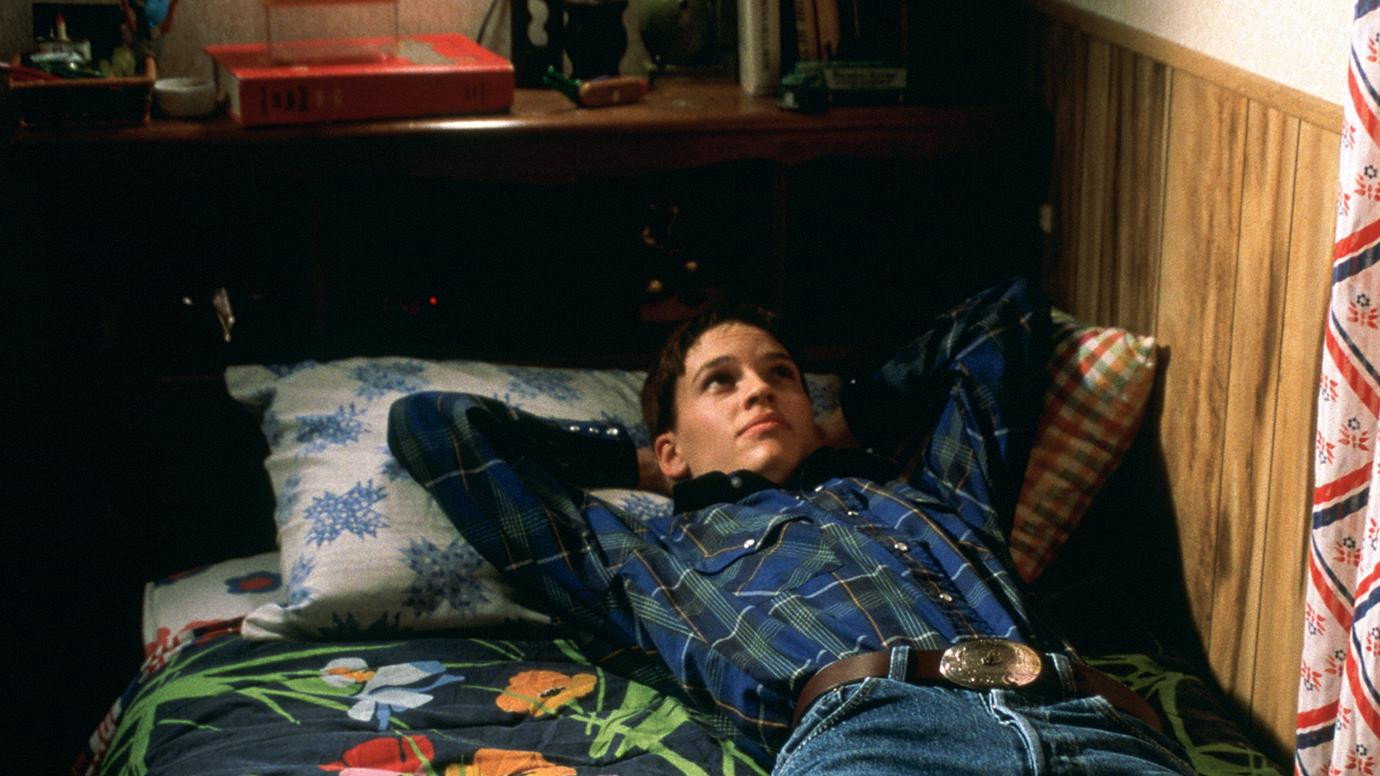
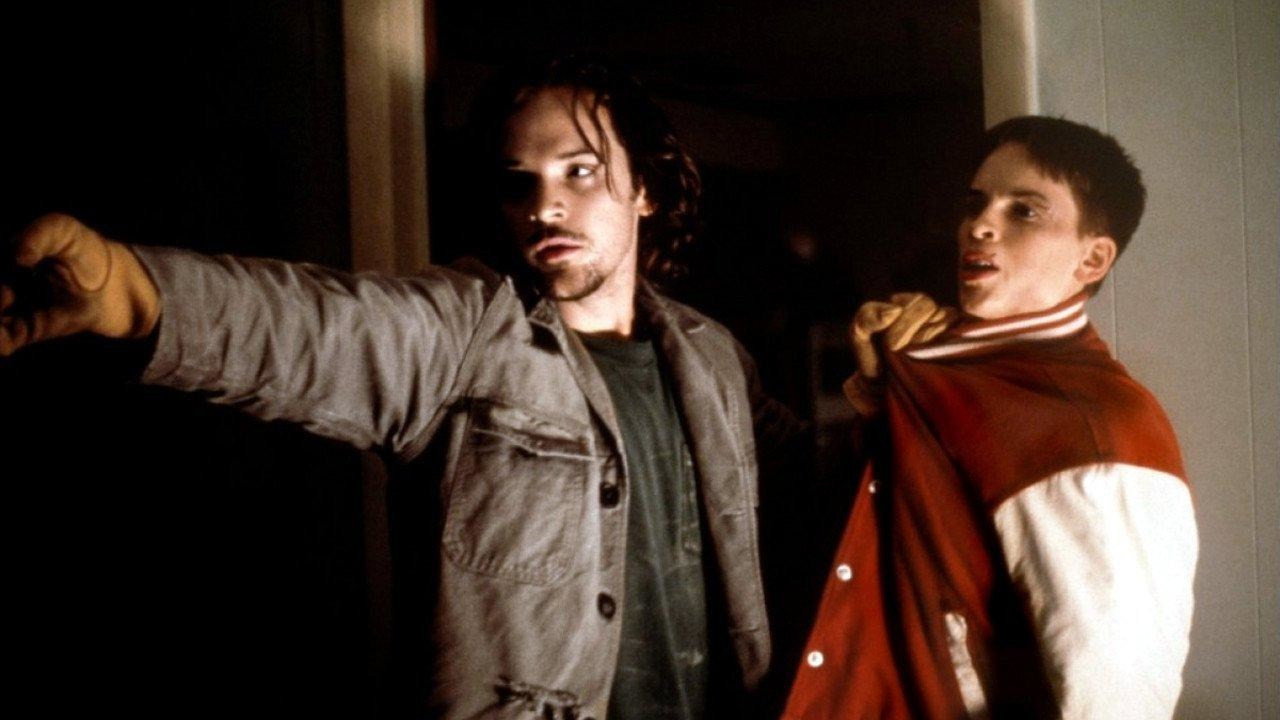
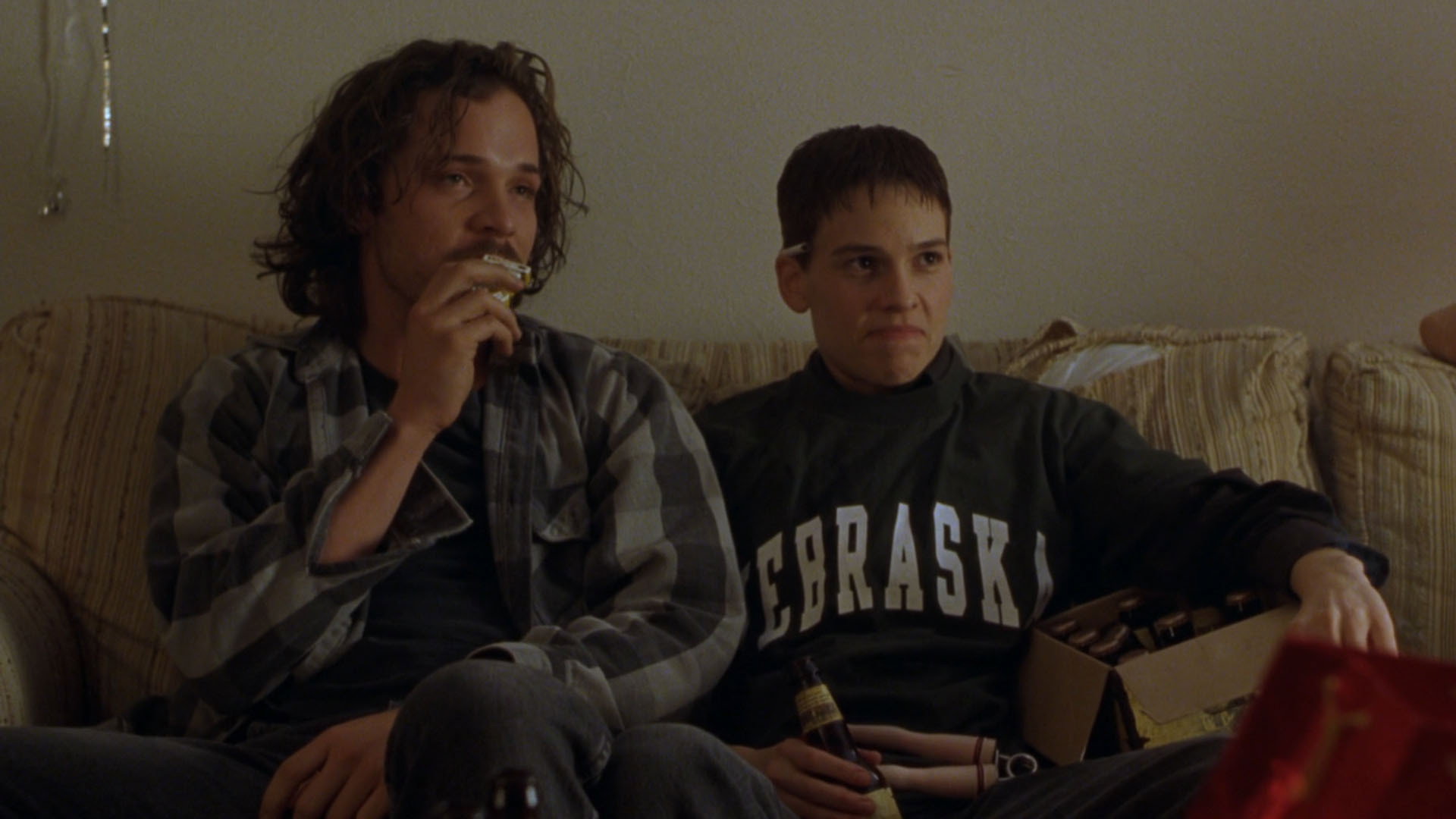
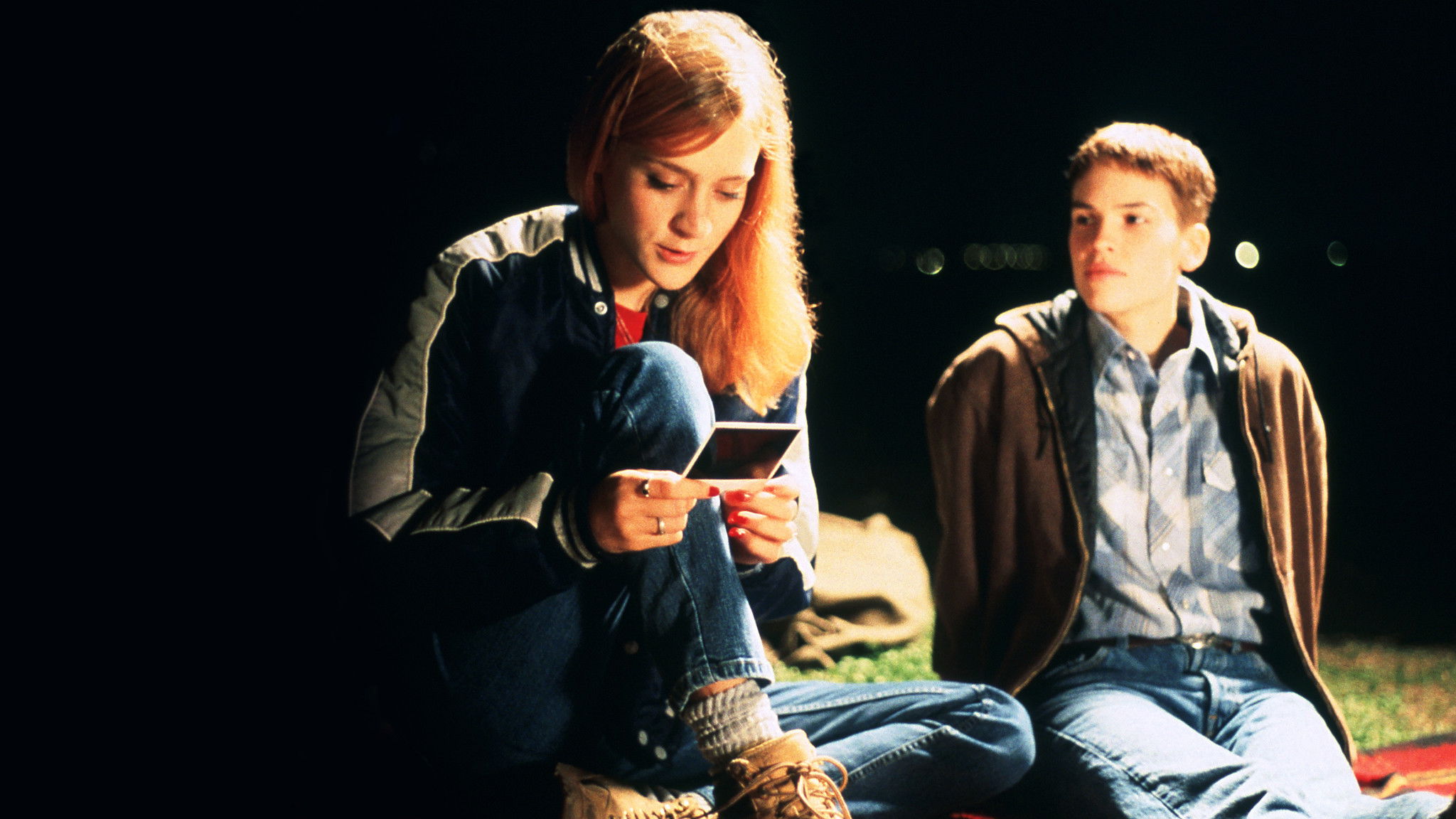
Brandon Teena (Hilary Swank) tries to find a place for himself in rural Nebraska, where his relationship with Lana Tisdel (Chloë Sevigny) offers the possibility of love and acceptance. Around them are John Lotter (Peter Sarsgaard), Tom Nissen (Brendan Sexton III), Candace (Alicia Goranson) and Lana’s mother (Jeannetta Arnette). As Brandon pursues the life he wants, questions about gender and belonging become inseparable from the romance. Kimberly Peirce directs this drama based on a true story, from a screenplay co-written with Andy Bienen.

Plays from YouTube when you press play; nothing loads from them until then.

Fi1m review

Kimberly Peirce’s painful love story is worth the distress, chiefly for Hilary Swank and Chloë Sevigny. The supporting characters need fuller lives, but the central relationship gives the film its force.

Boys Don’t Cry is a painful, persuasive love story, and Kimberly Peirce is right to put the attraction between Brandon and Lana at its centre. The true-story basis could have encouraged a film that explained its subject before allowing us to know him. Peirce and co-writer Andy Bienen give Brandon the ordinary wish to be wanted, and the romance becomes compelling because we understand that wish without needing an introduction. The crime drama grows out of our concern for him. We recommend it, with a serious warning about the brutality.

Hilary Swank’s Brandon is the main reason that approach works. There is eagerness in the performance, but also the effort of judging how much of himself he can safely offer to other people. Swank makes that calculation exhausting to watch without turning Brandon into someone whose only purpose is to suffer. We stay interested in what he wants from Lana, and the performance remains alive to the pleasure of being desired.

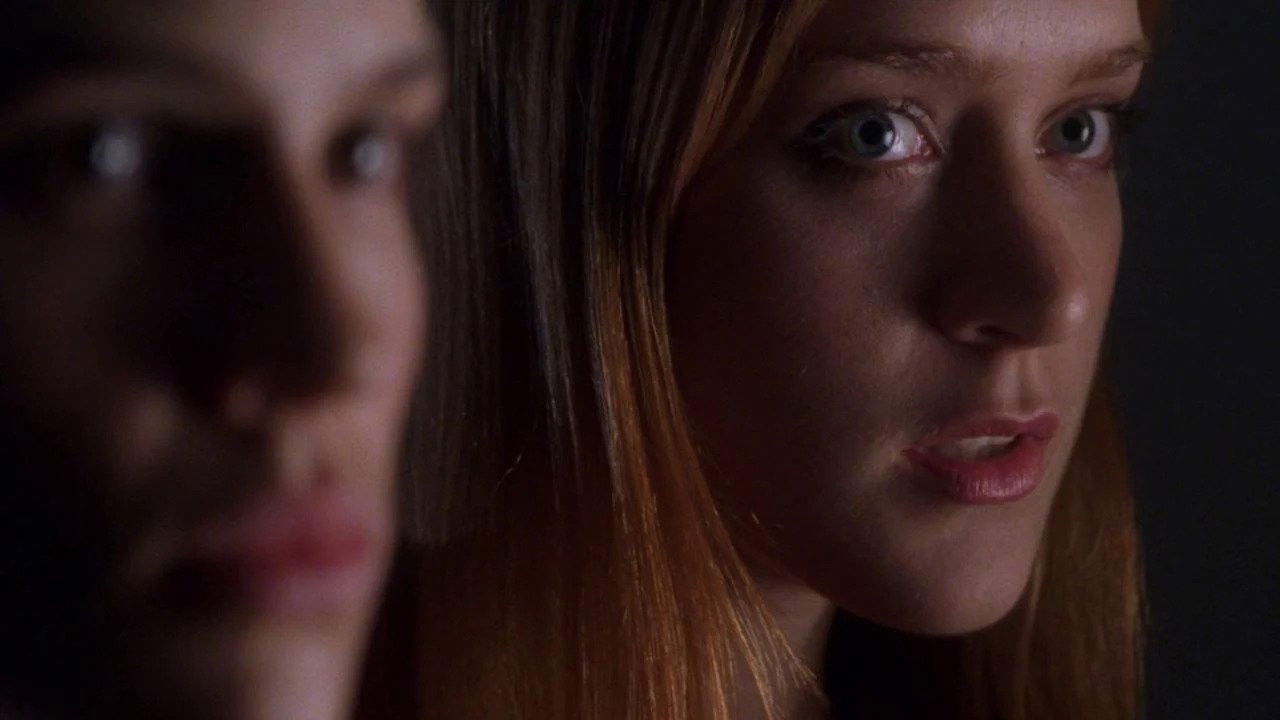
Chloë Sevigny gives Lana an uncertainty that makes the relationship feel less written in advance. She does not explain every response, and her reserve encourages us to look harder rather than assume that Brandon is the only complicated person here. We were moved by the quiet attention she gives him. Swank’s eagerness meets Sevigny’s watchfulness, and for a while we can share the hope that being together might be enough. Their attraction is convincing without either actor having to insist on it.

Jim Denault’s cinematography allows some tenderness into the rural Nebraska setting, which would feel intolerably narrow if it existed only to threaten Brandon. His treatment of the lovers makes the possibility of happiness there believable. Michael Shaw’s production design is convincing in its ordinariness, avoiding the sense that the surroundings have been assembled to make a case against everyone who lives there. These are useful choices in a crime drama whose people could so easily be reduced to examples of cruelty or courage.

Editors Tracy Granger and Lee Percy preserve the space the central performances need, and the relationship benefits from our having time to read a response. The film is less persuasive when it has to make the people around Brandon and Lana equally substantial. Peter Sarsgaard’s John Lotter and Brendan Sexton III’s Tom Nissen belong to a surrounding cast whose backgrounds feel too thinly drawn. Peirce and Bienen ask the actors to supply distinctions that the writing has not always made.

Nathan Larson’s music supports the romance, though we get more from the uncertainty in Sevigny’s face than from the score. Peirce is strongest when she trusts that uncertainty and lets us feel affection and apprehension together. The film’s severity can become oppressive, and its determination to confront cruelty sometimes threatens to leave us with nothing else to think about. That is a limitation for a drama whose central performance has made us care about far more than what might be done to Brandon.

The 18 certificate deserves to be taken seriously, and we would not suggest this as a casual choice for a shared evening. Its tenderness makes the distress harder to put aside. See it for Swank and Sevigny, but leave room for some quiet afterwards.

Critical consensus AI synthesised

76
Positive
7
Mixed
0
Negative
1

Most critics find Boys Don’t Cry a gripping, harrowing love story, with praise concentrated on the performances and Peirce’s handling of difficult material. Hilary Swank receives broad approval for her portrayal of Brandon, while several reviews give particular weight to Sevigny’s subtle performance as Lana. The central relationship supplies much of the emotional force. Critics also value the film’s lyrical style and its attention to people rather than sociological explanation.

The spread is wide, though the dissent is isolated rather than evidence of an evenly divided consensus. Empire admires the acting and taut direction but finds the characters’ backgrounds too sparsely drawn. The Evening Standard challenges the prevailing view more fundamentally: it considers Swank miscast and argues that the film romanticises the relationship without adequately examining its deceptions. Where most critics see persuasive performances and delicacy, this dissent finds an unconvincing treatment of the story.

RogerEbert.com
22 October 1999 · ★★★★/4 · Roger Ebert
100

The film is a romantic tragedy about a free spirit navigating gender and love in rural Nebraska, avoiding sociological pitfalls to focus on character and illusion in romance.

Read the full review →
Sight and Sound
· Xan Brooks
85*

Peirce's film is a crime story, queer Western and boy-meets-girl romance marked by lyrical ambiguity and haunting emotional resonance. The standout is Sevigny's subtle, unreadable performance as Lana, which anchors the central relationship.

Read the full review →
The New Yorker
11 October 1999 · David Denby
85*

A terrific, fearless movie that embraces lyrical realism in telling the story of Brandon Teena's adventures and relationships; it succeeds through delicate conception despite the odds.

Read the full review →
Time Out
7 January 2015 · TCh
80*

The grimly compelling true story focuses squarely on the actors and delivers through Hilary Swank's brave, enthralling and Oscar-winning performance. Director Peirce keeps a lid on artier tendencies amid the sexual transgression and retribution.

Read the full review →
Variety
2 September 1999 · Emanuel Levy
80*

A bold, uncompromising and stunningly accomplished debut that mixes fiction and nonfiction elements astutely, anchored by outstanding performances from the leads.

Read the full review →
Empire
1 January 2000 · Mark Dinning
75*

The film is a bleak and uncompromising true story that becomes harrowing through strong performances, especially Swank's barnstormer turn, and taut direction including the brutal rape scene. It is a worthy attempt that is fascinating and darkly disturbing, though not quite as accomplished as it could have been due to sparse character backgrounds.

Read the full review →

Cast

Stills

Awards

Academy Awards, 2000

Nominated
Best Supporting Actress
Won
Best Actress

European Film Award for Best Non-European Film, 1999

Nominated
European Film Award for Best Non-European Film

If you liked this, try…

My Beautiful Laundrette poster

My Beautiful Laundrette

1985 · Another romance in which class, prejudice and desire complicate the couple’s prospects

Tomboy poster

Tomboy

2011 · A quieter account of gender and belonging, attentive to the risks of acceptance

A Fantastic Woman poster

A Fantastic Woman

2017 · A trans woman faces hostility without surrendering her right to grieve

Pariah poster

Pariah

2011 · For another young person discovering how much honesty can cost at home

Victim poster

Victim

1961 · An earlier British drama about the danger of having a private life