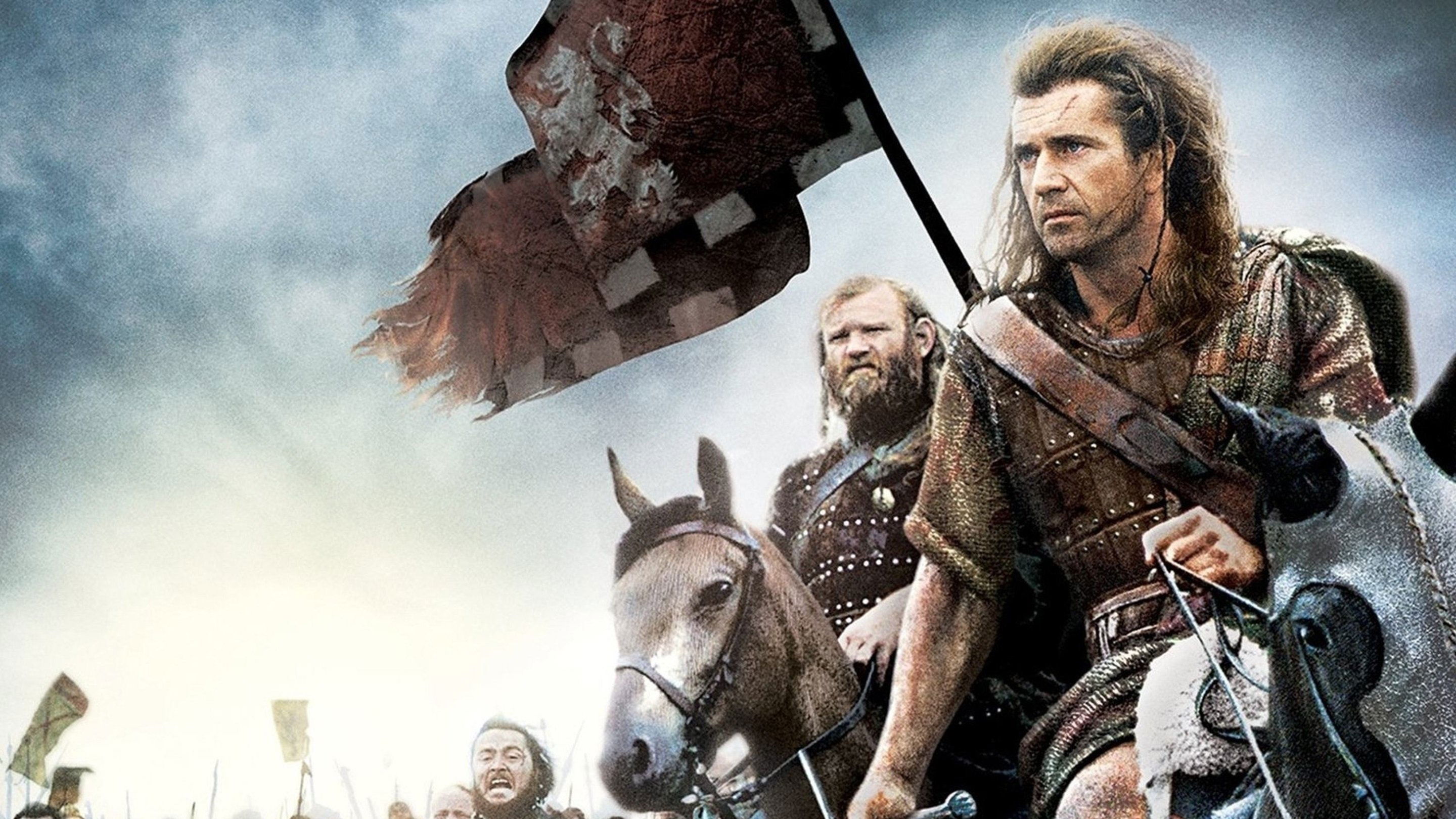
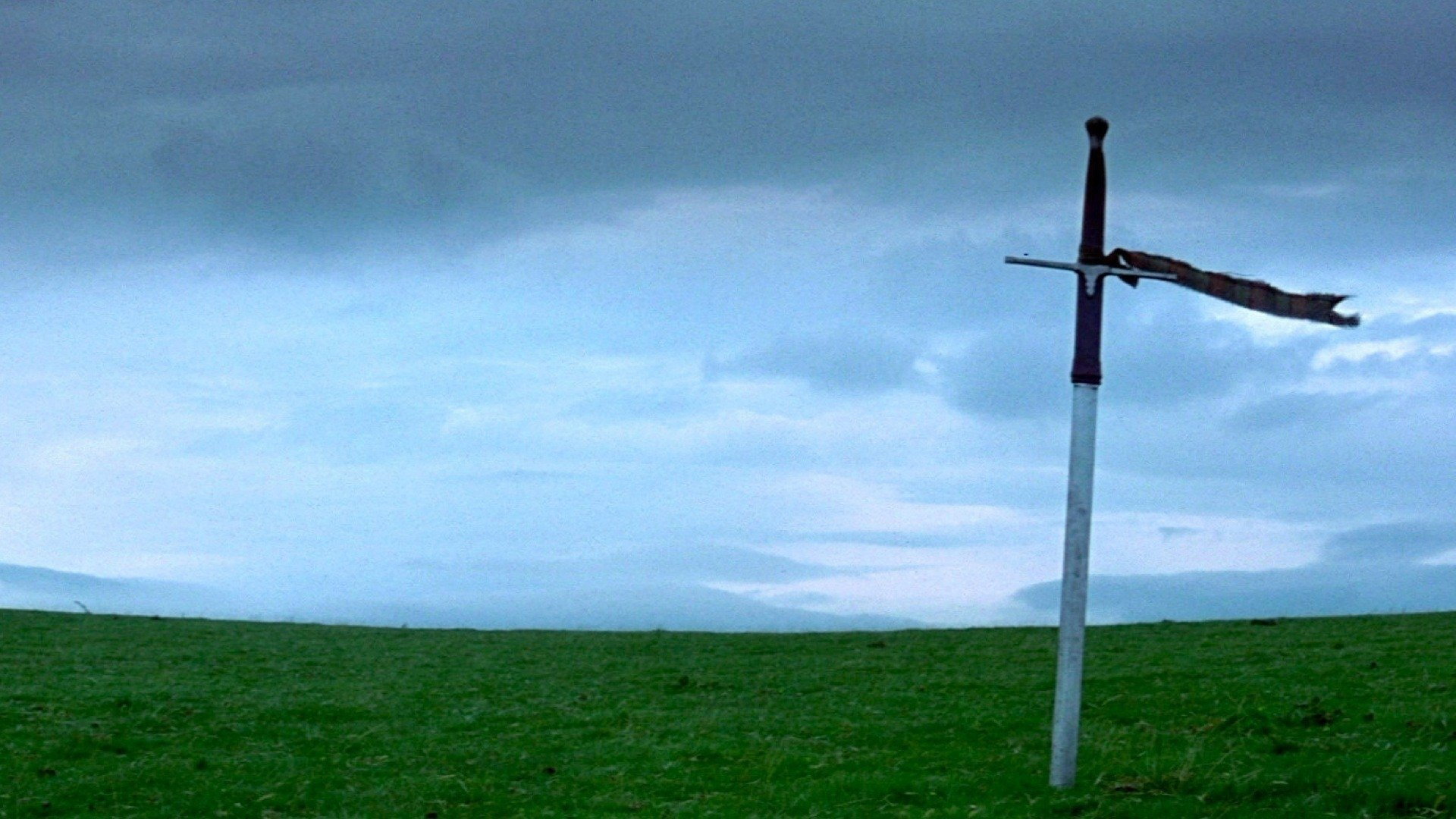
Mel Gibson stages the fighting with force and clarity, but Braveheart gives its politics and characters much less care. The battles justify some patience, though the broad characterisation and 178-minute running time demand plenty.
Braveheart is worth considering for the battles, provided we can tolerate how little it questions the man at their centre. Mel Gibson directs and plays William Wallace with an assurance that can carry a large-scale war film a long way. It cannot quite carry this one through all 178 minutes. Randall Wallace’s screenplay gives its hero few complications, and Gibson commits to that simplicity even when some doubt would make the drama more interesting.
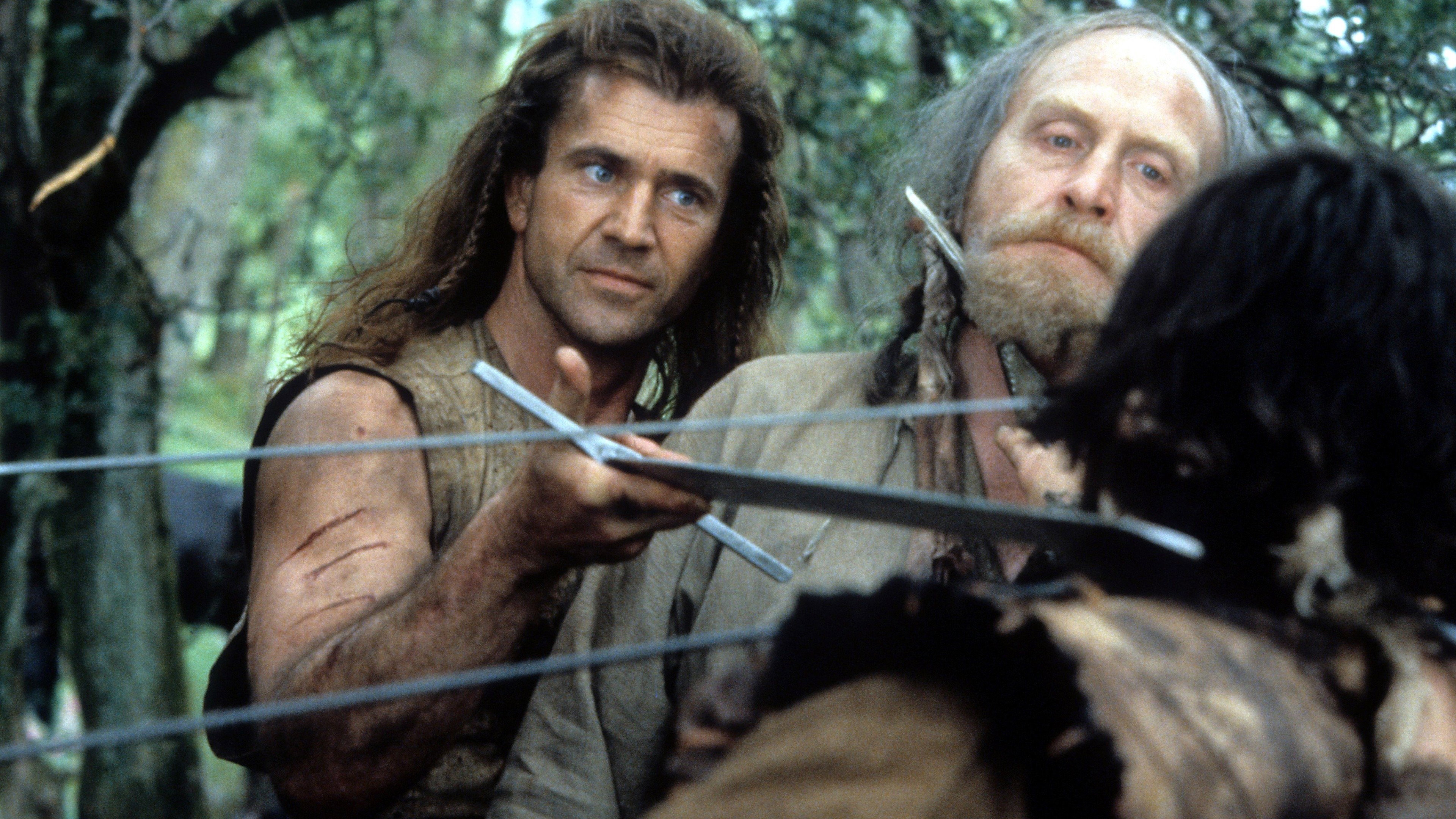
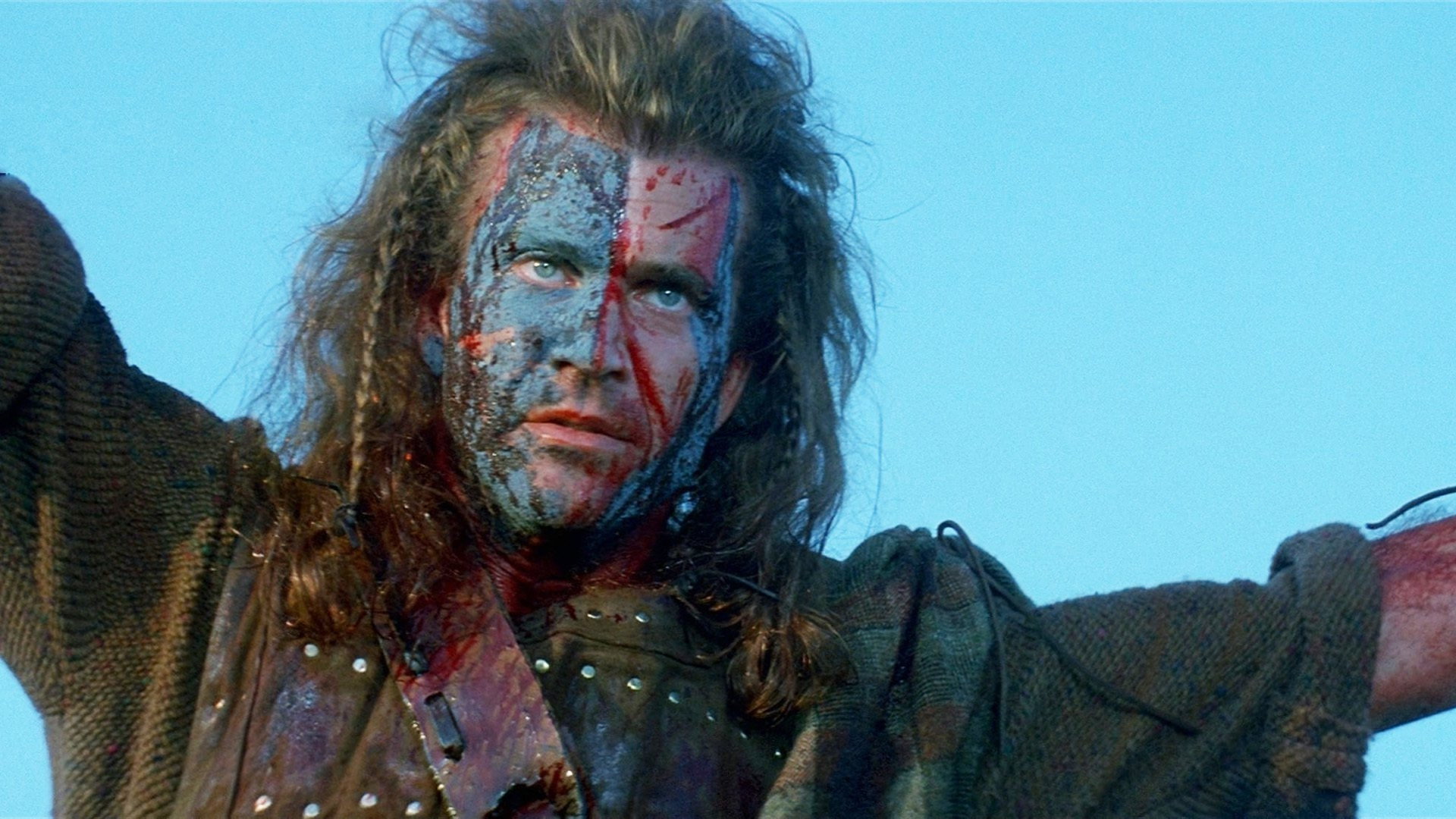
Gibson’s performance has the conviction the material needs, and he makes Wallace’s bravado easy to follow even when it becomes tiresome. Catherine McCormack’s Murron MacClannough provides a welcome change of emphasis: her dignity gives the romance some feeling that does not depend on the hero’s importance. She makes us wish the film would spend less time insisting on him. The screenplay keeps returning to broad contrasts of goodness and malice, leaving the actors limited room to surprise us.
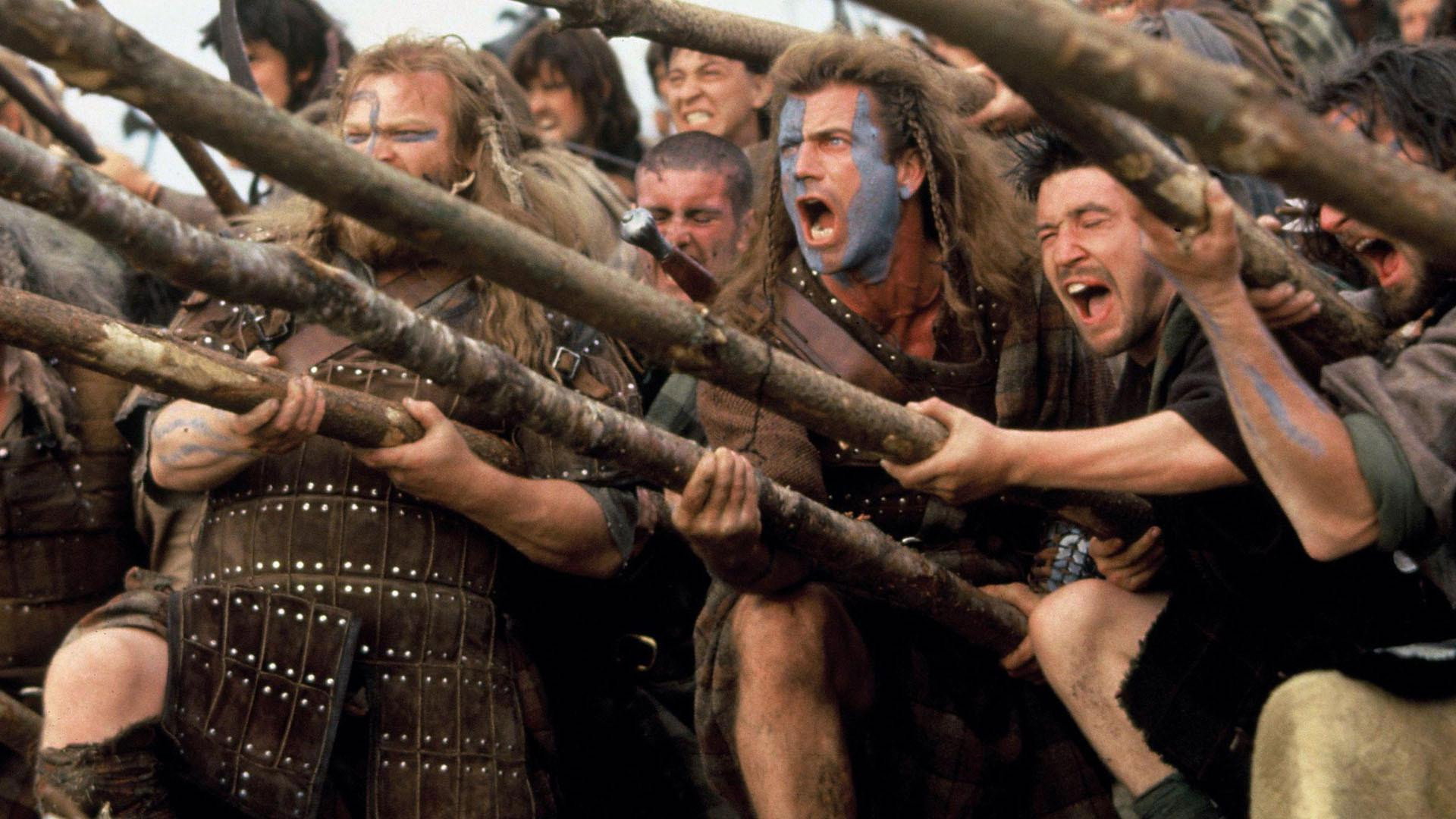
The fighting is another matter. John Toll’s photography keeps the massed men and horses legible, allowing the scale of a confrontation to register without losing the people caught inside it. Steven Rosenblum’s editing makes the violence forceful without reducing it to a succession of disconnected blows. We flinched at the bloody collisions of men and horses. Gibson lets the brutality interrupt the pleasure of watching an army move.
Thomas E. Sanders’s production design gives the fighting a substantial physical setting, and that sense of weight helps the violence work. James Horner’s music is less inclined to stand back, and its emotional emphasis becomes wearing when the drama has already made its point. Both contributions suit the kind of film Gibson wants to make. The problem comes when the scale of the images and the urging of the music leave us no space to respond at our own pace.
The politics are harder to accept, because these disputes need to feel worth thinking about. Patrick McGoohan’s King Edward belongs to a division of heroes and villains so firm that almost every complication feels unwelcome. The stereotypes make Gibson’s patriotism easier to sell and the struggle less interesting to follow. A film can ask us to support a revolt while still allowing the people involved to have inconvenient motives.
Then there is the length. Rosenblum can organise a battle, but the repeated slow motion makes an already expansive film feel reluctant to move on. Gibson understands the appeal of the traditional historical adventure: romance, danger, physical courage and the satisfaction of seeing large numbers of people move with purpose. What he does not judge as well is how often those pleasures need refreshing. Once the emotional positions are established, the film spends too long confirming them.
We would recommend it to committed admirers of battlefield spectacle, with a firm warning about the patience required between clashes. There is enough skill in the action to make that bargain reasonable, just about. Anyone hoping to understand the politics should leave time for some reading afterwards.