Film review

The Last of the Mohicans

1992 · Directed by Michael Mann · 1h 52m · MPA R

In a sentenceDaniel Day-Lewis makes running through a war look like a reasonable approach to courtship

HistoryWarDrama

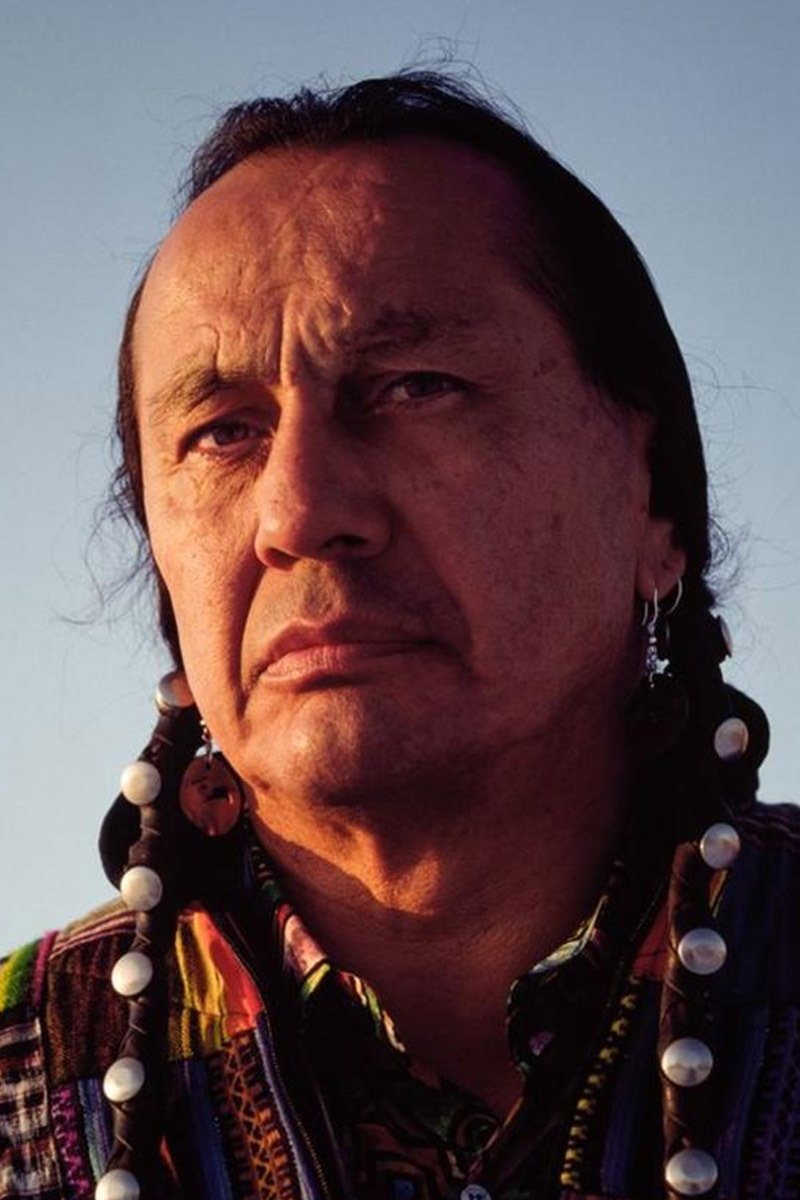
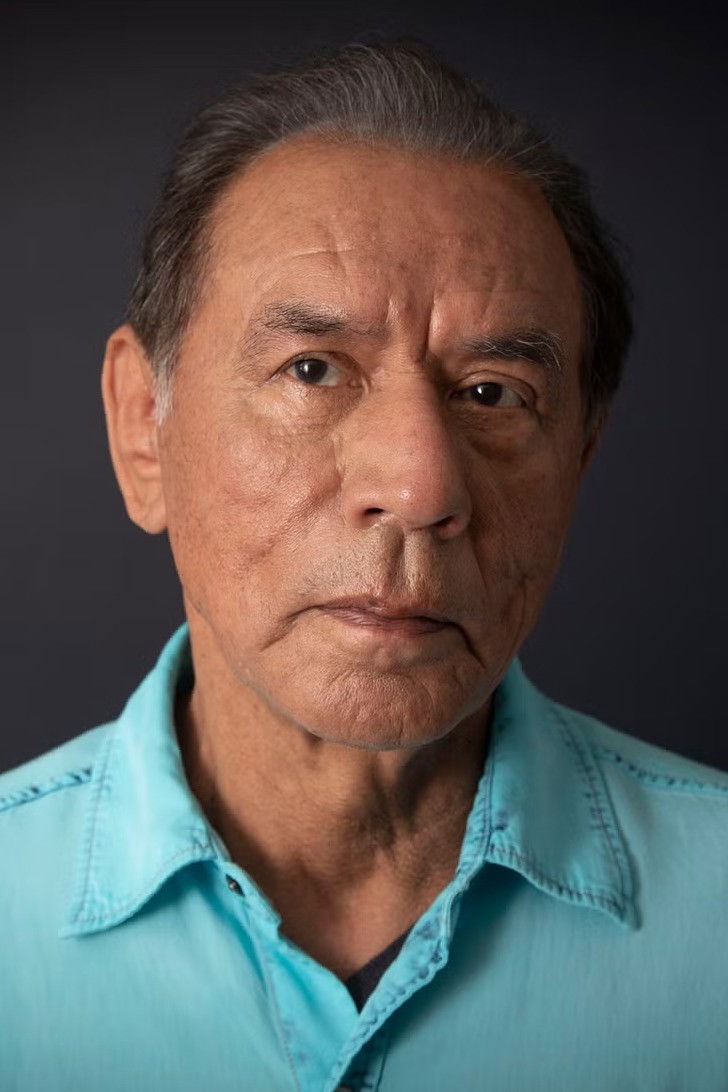
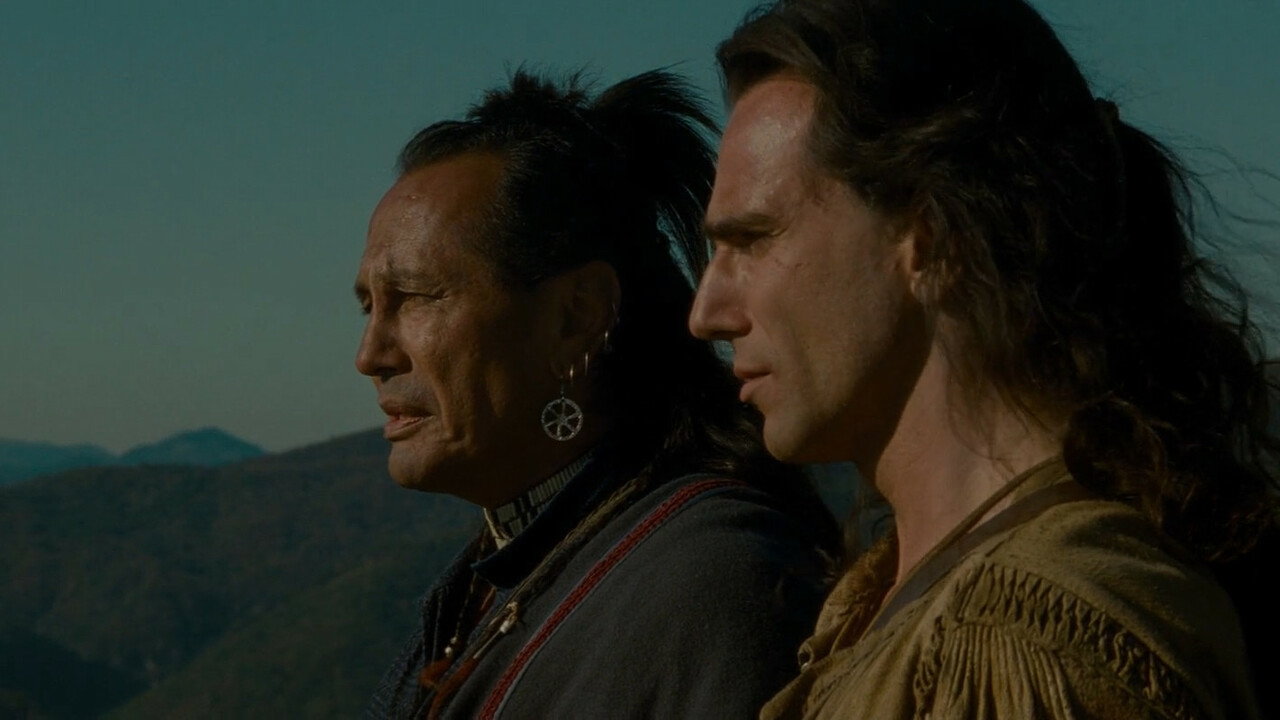
War spreads across a frontier wilderness, drawing Hawkeye (Daniel Day-Lewis) into a conflict in which romance and survival become closely connected. Madeleine Stowe plays Cora, with Russell Means as Chingachgook, Eric Schweig as Uncas and Wes Studi as Magua. As fighting overtakes the landscape, personal loyalties sit alongside the demands of military life, and love offers no protection from the violence around it. Michael Mann directs this adaptation of James Fenimore Cooper’s novel, with Jodhi May as Alice and Steven Waddington as Heyward, in a story that combines warfare, adventure and romance.

Fi1m review

Michael Mann’s frontier romance is stirring, forceful entertainment, with Daniel Day-Lewis giving its hero a conviction few actors could sustain. The dialogue sometimes labours, but the action and music make its solemnity feel earned.

The Last of the Mohicans asks us to accept a hero who means what he says and a romance that matters as much as the war around it. Michael Mann makes that earnest combination work, and the result is a forceful, absorbing adventure. There is something faintly absurd about the seriousness with which everyone approaches love and danger. Mann accepts that risk, giving the characters no convenient joke with which to excuse their feelings.

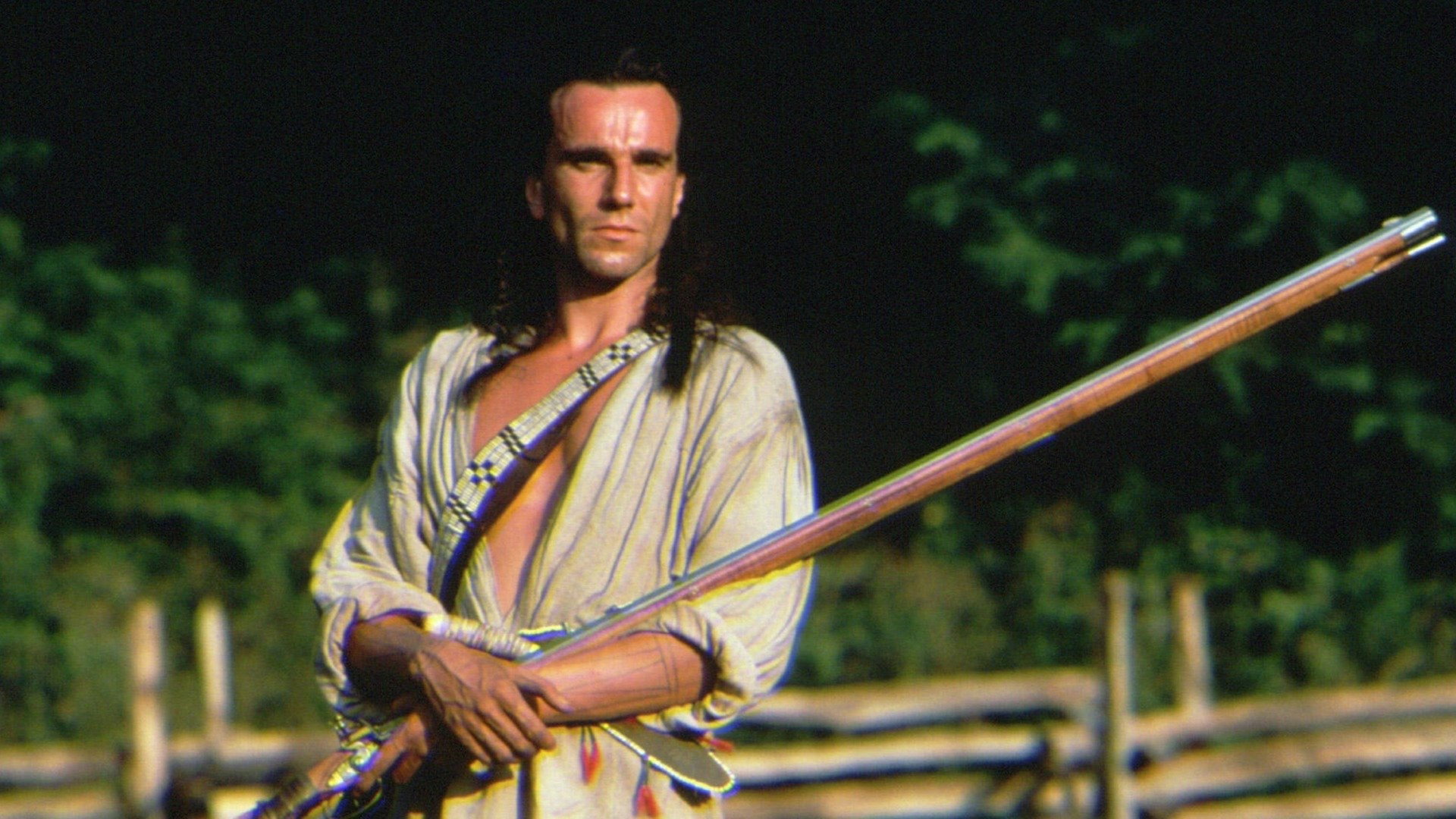
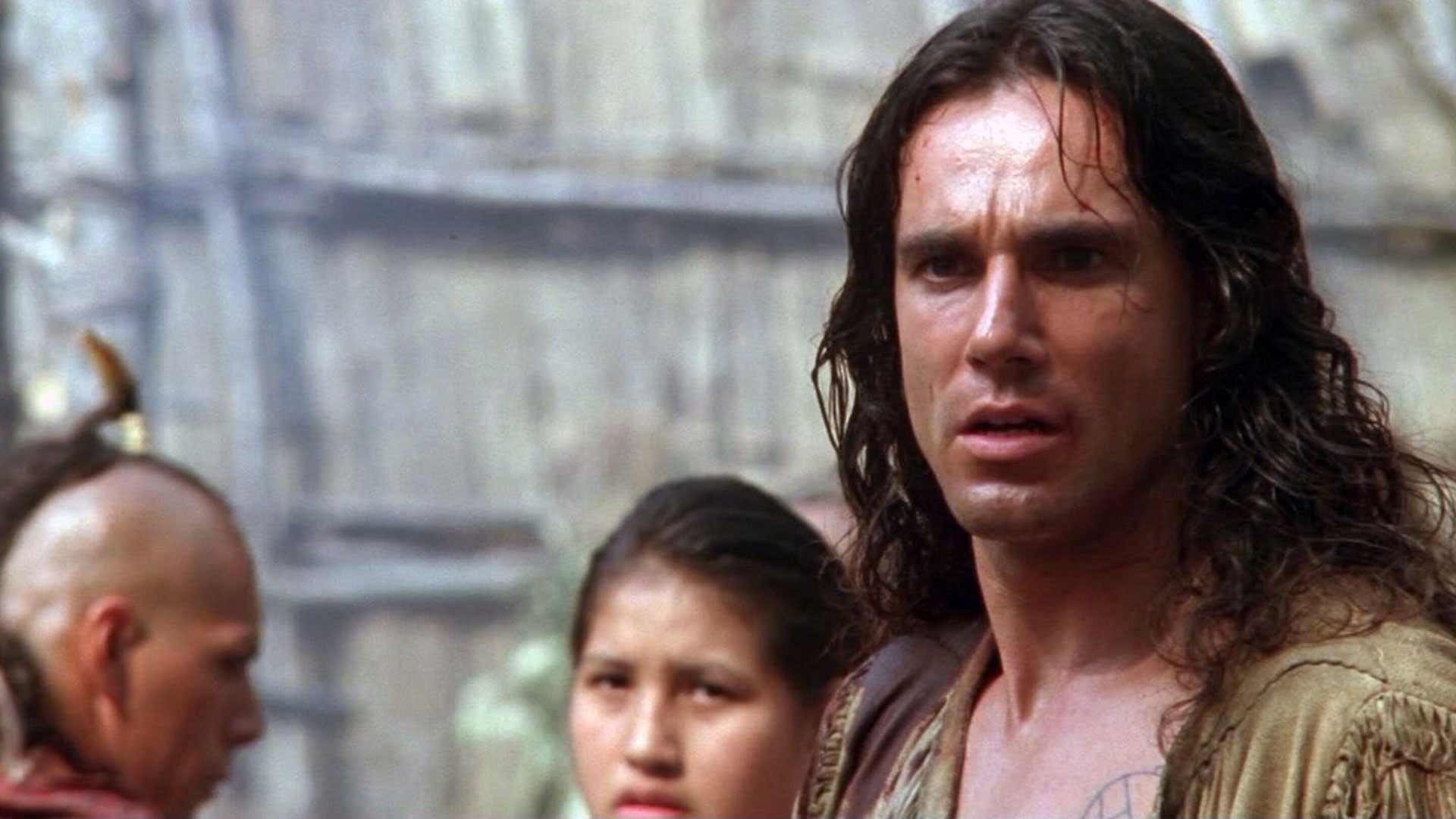
Daniel Day-Lewis is the chief reason we go along with it. As Hawkeye, he makes physical competence attractive without seeming to demonstrate how much preparation has gone into it. His concentration does the persuading, keeping the performance credible even when the heroism becomes extravagant. Madeleine Stowe’s Cora gives the romance a firmness that keeps it from becoming merely decorative. Stowe meets his intensity with enough composure to avoid disappearing beside him.

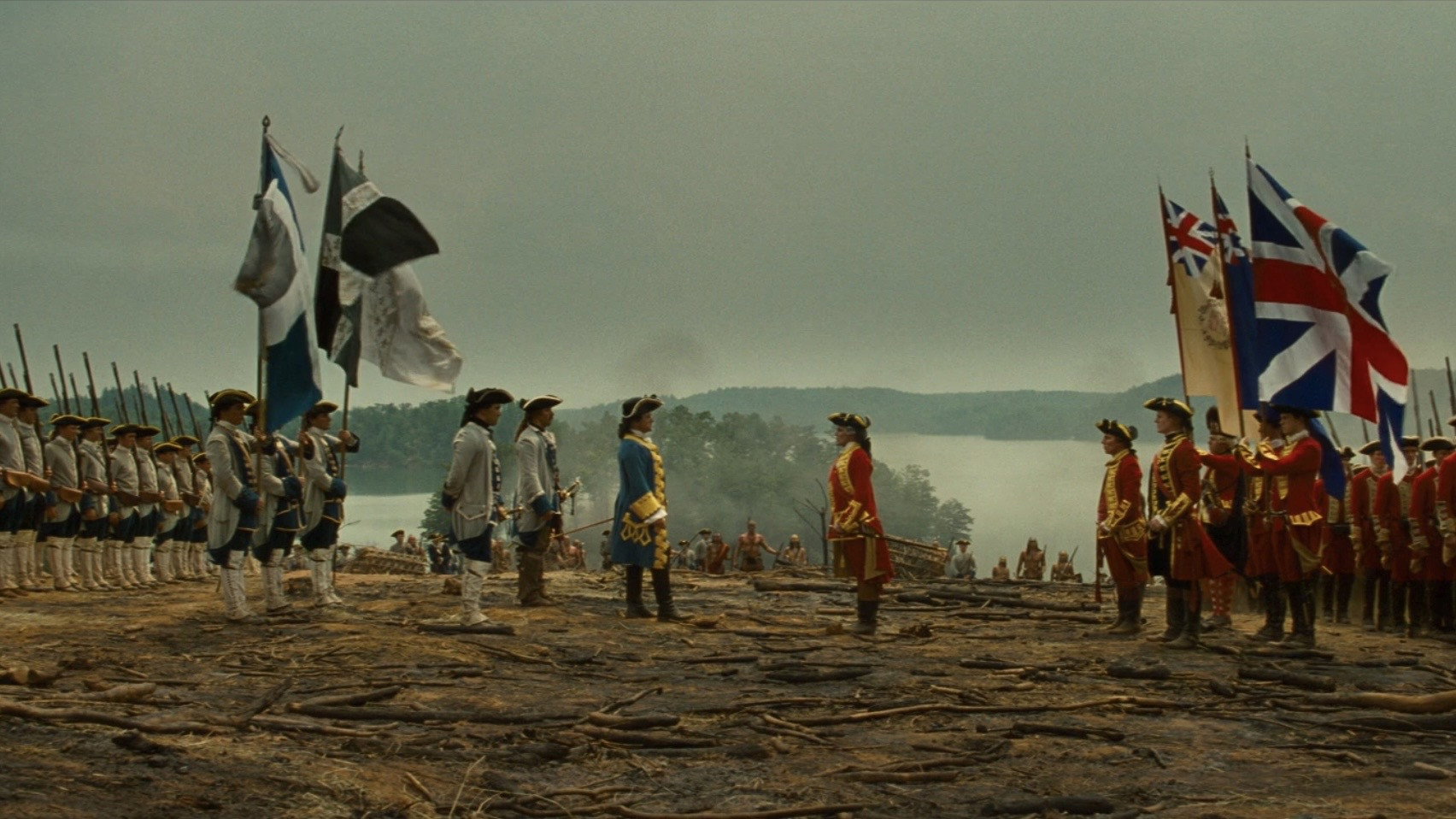
Dante Spinotti gives the frontier forests scale without making the people look like accessories to a landscape photograph. The views make the journeys feel exposed, and the beauty never quite makes the wilderness reassuring. Wolf Kroeger’s production design is particularly persuasive in the substantial construction of Fort William Henry. The detail helps us understand the military presence and what people are defending, without requiring us to stop and admire the research.

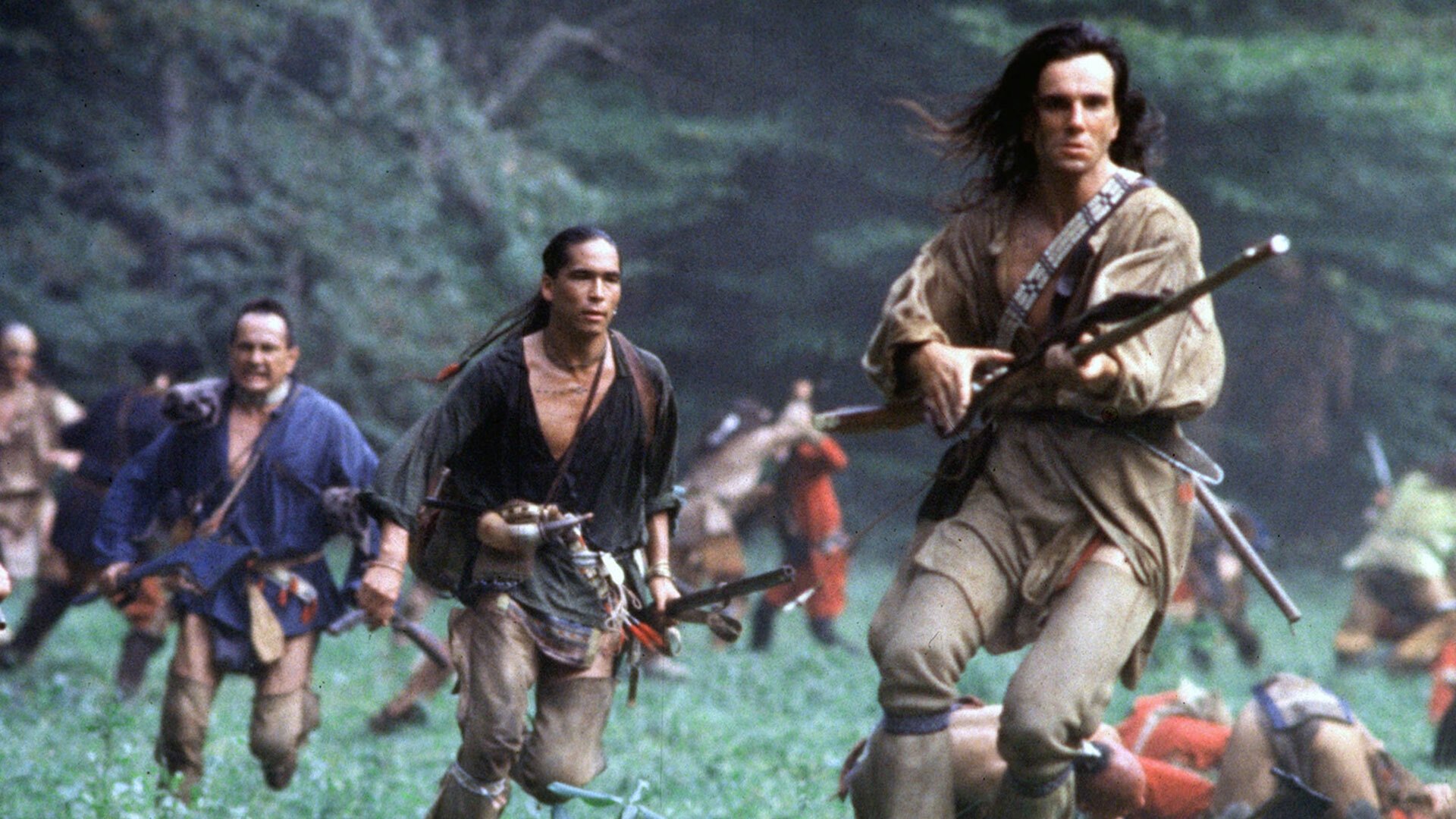
We were gripped by the fighting, especially the way musket smoke makes a violent encounter harder to read. Mann allows the confusion to register without letting the action become shapeless. Editors Arthur Schmidt and Dov Hoenig keep the physical movement urgent, yet there is enough time to feel the effort involved. The violence is brutal, and the film would be considerably less involving if its hero could pass through it without seeming to exert himself.

Trevor Jones and Randy Edelman’s music is almost as forward as the leading man. It pushes the romance hard and gives the action a momentum that carries across the changes of pace. This could become exhausting, and there are passages where a little less insistence would help. Mostly, though, the music earns its place because Mann has committed so fully to the feelings it asks us to share.

The weaker passages come when the characters have to explain themselves. Mann and Christopher Crowe’s screenplay sometimes gives them language that sounds too comfortable in a modern mouth, and the solemn delivery makes the awkwardness more noticeable. The attention given to the central romance also leaves some of the supporting cast short of space. Wes Studi’s Magua and Russell Means’s Chingachgook could sustain more attention than the script gives them. We would gladly have spent longer with both.

The film belongs to the kind of adventure in which courage, skill and devotion are enough to justify a hero. Mann is good at showing the effort those virtues require, even when the screenplay makes them sound a little too simple. Its severity will be too much for anyone who needs these things delivered with a wink. Choose it when a romance played entirely straight appeals, and forgive a few lines that the faces could have handled better.
Critical consensus AI synthesised

81
Positive
7
Mixed
0
Negative
0

The consensus is firmly positive, with critics praising Michael Mann’s combination of romantic adventure, forceful action and careful historical detail. Daniel Day-Lewis draws repeated approval as Hawkeye, giving the heroism enough conviction to carry the old-fashioned storytelling. The battle scenes attract particular praise for their staging and physical intensity, while the landscapes, visual style and sound help make the frontier setting persuasive. Several reviews also credit the film with sustaining feeling amid the fighting.

The differences concern how readily critics accept the solemn romance and relentless force. Radio Times finds the dialogue too contemporary for the setting, despite admiring the spectacle. The Los Angeles Times argues that Mann’s intensity comes at the expense of gentler qualities. The New Yorker is more sceptical about the film’s seriousness and mythmaking, though it still finds the result stirring and enjoyable. The spread is chiefly one of enthusiasm rather than opposing verdicts.

RogerEbert.com
25 September 1992 · ★★★½/4 · Roger Ebert
88

Ebert finds Mann's film a worthy and entertaining successor to the 1936 version, improved over Cooper's novel. He praises Daniel Day-Lewis as the ideal Hawkeye and the balance of historical details with the central romantic adventure story.

Read the full review →
Empire
1 January 2000 · Ian Nathan
85*

The critic praises the film as a stirring and wonderful work of old-fashioned storytelling with grand heroism, authentic romance and thunderous action. He singles out the meticulous historical accuracy and production detail, from costumes and weapons to the construction of Fort William Henry and the visceral siege battle.

Read the full review →
The Telegraph
6 December 2013 · Marc Lee
85*

The review praises Michael Mann as a consummate filmmaker at home in the lush, primeval forests of the American frontier for this masterful 1992 opus. It highlights Daniel Day-Lewis in career-defining form as Hawkeye, the extraordinary visual verve and sound design of the action sequences (including ambushes with musket smoke, tomahawks and scalpings), and the emotional depth Mann brings to the landscapes and mountaintop climax of vengeance, sacrifice and honour.

Read the full review →
Radio Times
★★★★ · Alan Jones
80

This exciting mix of high adventure, romance and history is presented in a colossal, glossy package with well-staged action and grandiose scale evoking classic Hollywood epics. Mann's effort is admirable but undermined by dialogue that sounds too contemporary for the 1750s setting.

Read the full review →
Time Out
10 September 2012 · GA
75*

The film is an epic romantic adventure charting Hawkeye's role in the 1757 frontier war, blending cultures and winning love amid battles. Mann excels with magnificent battle scenes, physical action, lyrical moments and stylish imagery, creating superior mainstream entertainment despite shifting focus to romance.

Read the full review →
The New Yorker
28 September 1992 · Terrence Rafferty
70*

Rafferty calls the film awfully, solemnly silly yet enjoyable and stirring, crediting its mythic visuals and Day-Lewis's heroic performance. He notes it seduces through haircuts, landscape, and mythmaking in the style of its time.

Read the full review →

Cast

Stills

Awards

Academy Awards, 1993

Won
Best Sound

If you liked this, try…

Rob Roy poster

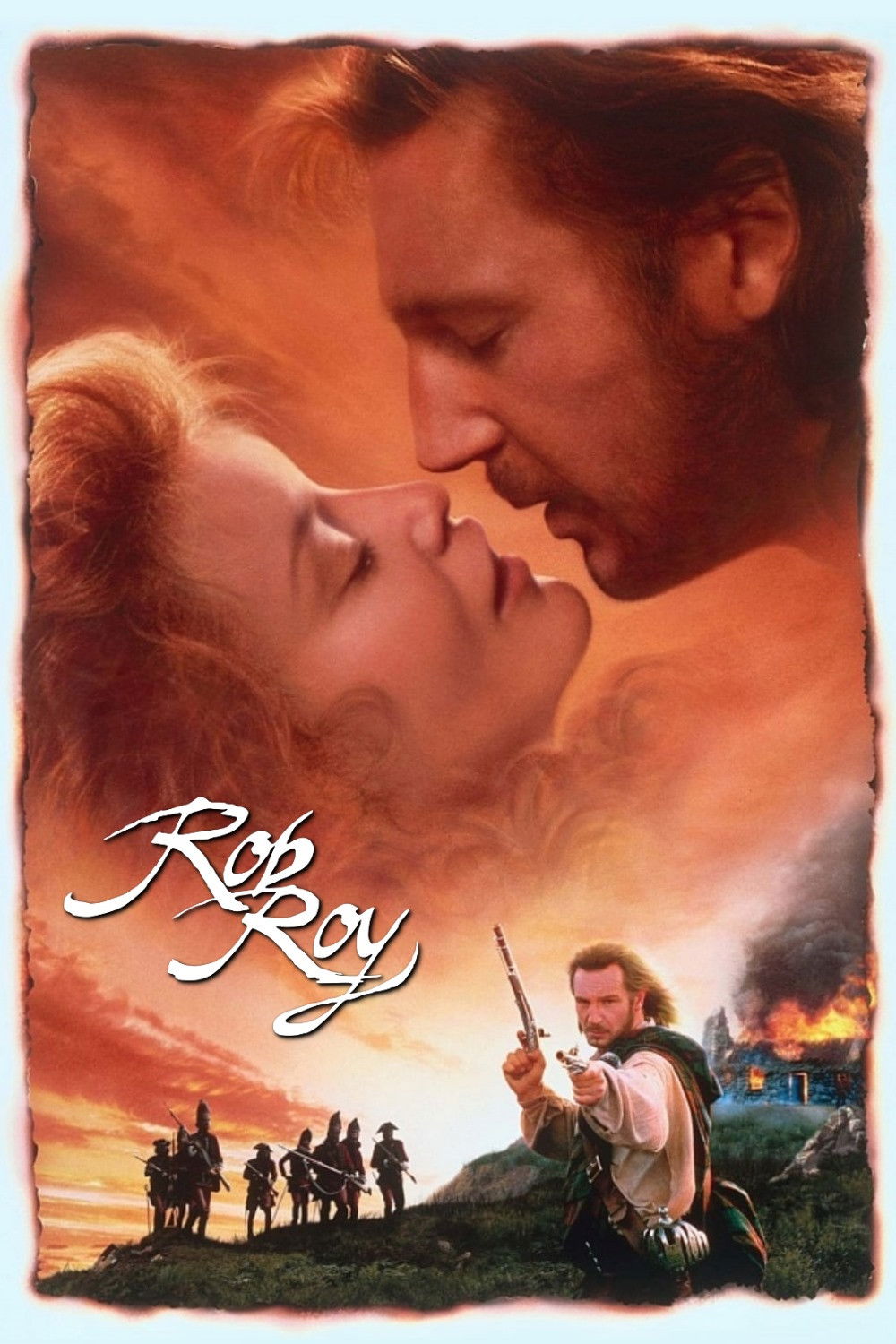
Rob Roy

1995 · Another solemn romance in which personal honour makes armed men exceptionally troublesome.

The New World poster

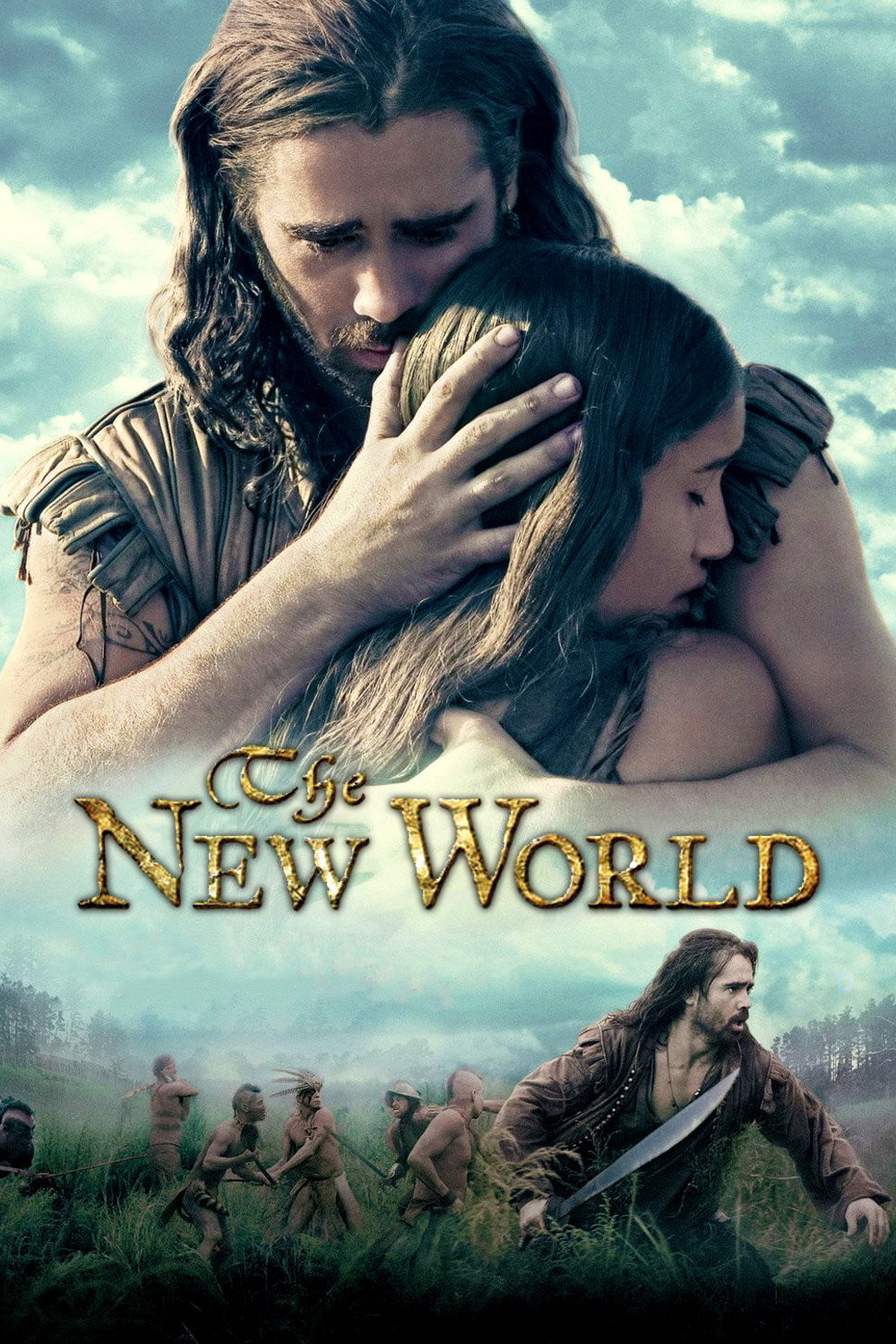
The New World

2005 · A quieter frontier romance, with more time for looking and less for fighting.

The Hidden Fortress poster

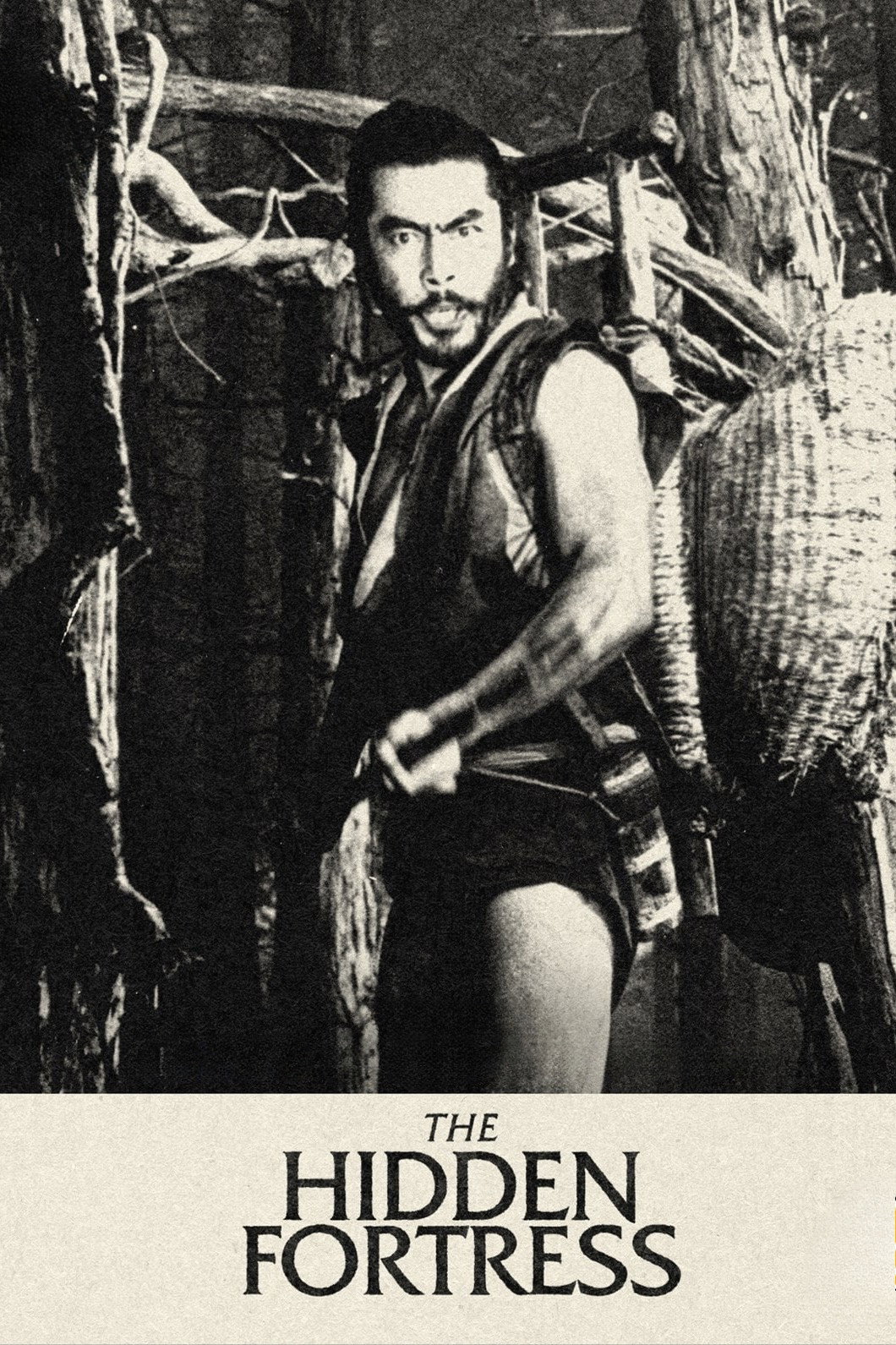
The Hidden Fortress

1958 · An escape adventure with divided loyalties and room for undignified human behaviour.

Black Robe poster

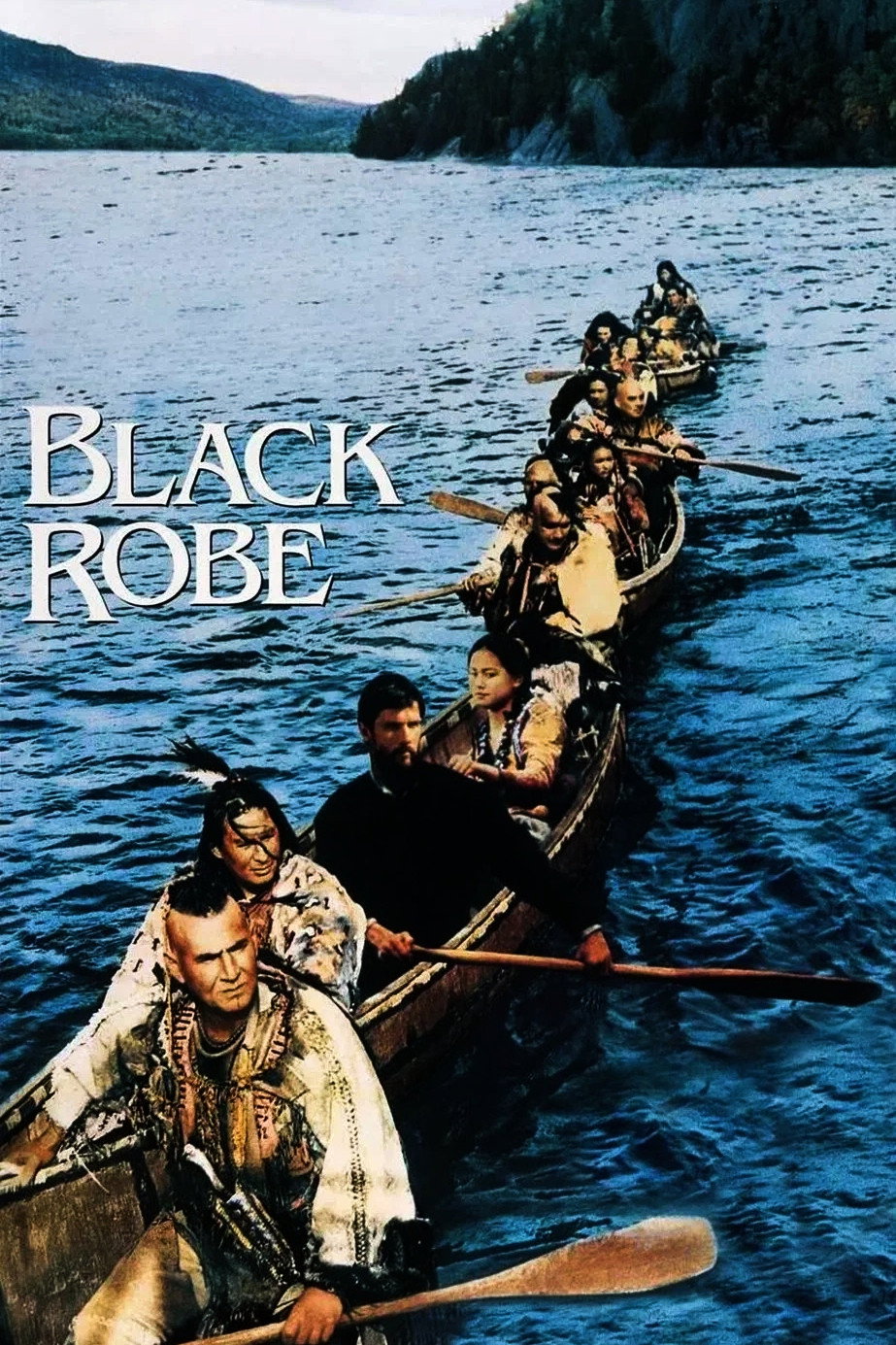
Black Robe

1991 · Frontier travel with less reassurance, where faith offers little protection from mutual incomprehension.

The Duellists poster

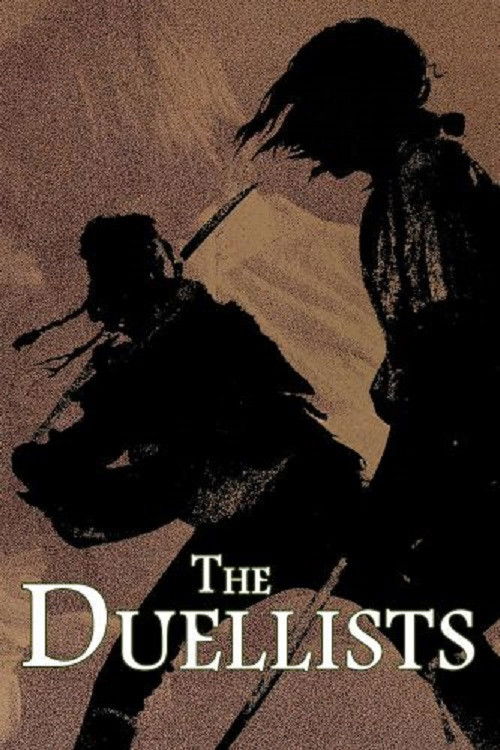
The Duellists

1977 · Period detail and physical danger, with masculine honour treated considerably less kindly.