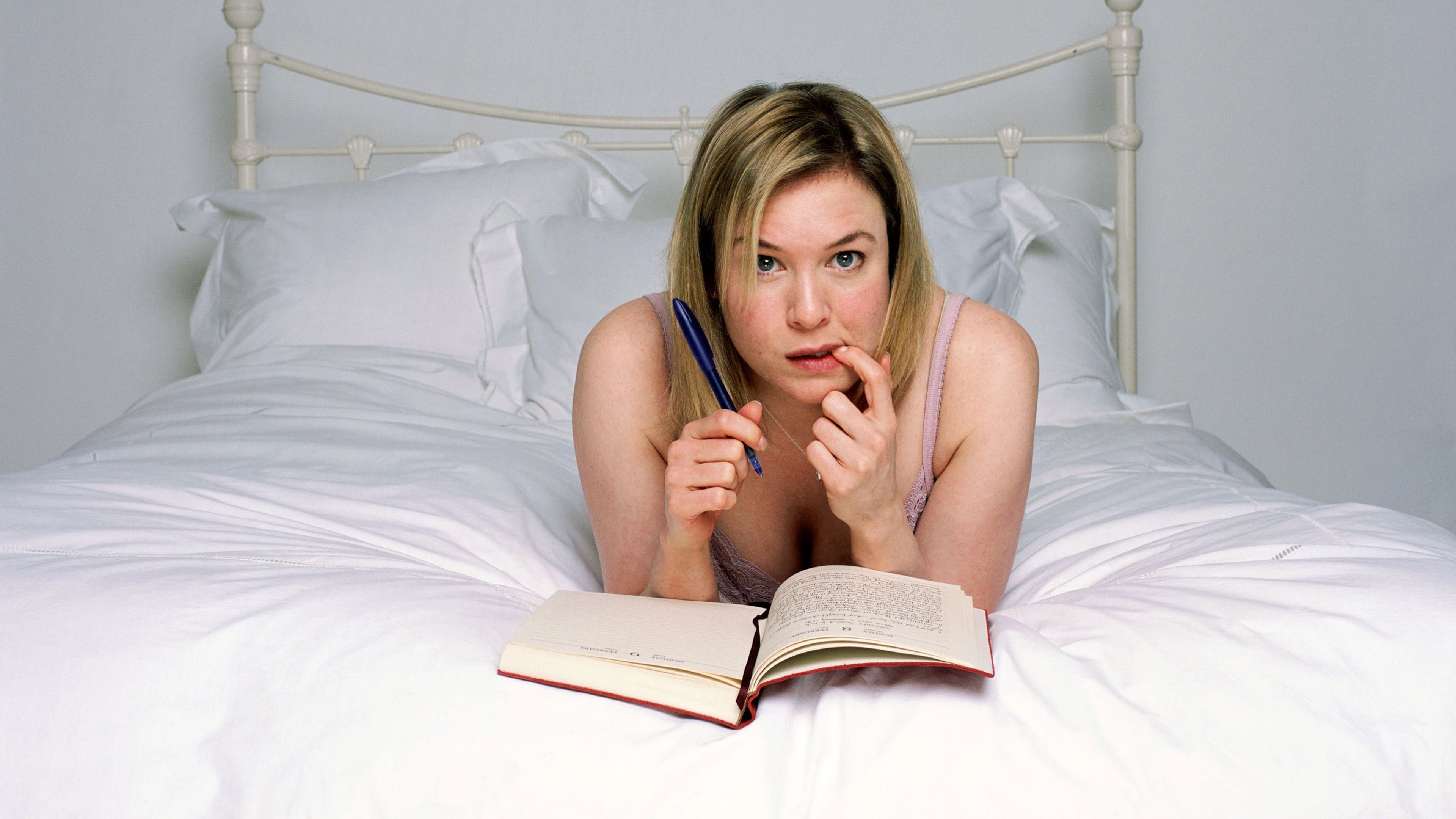
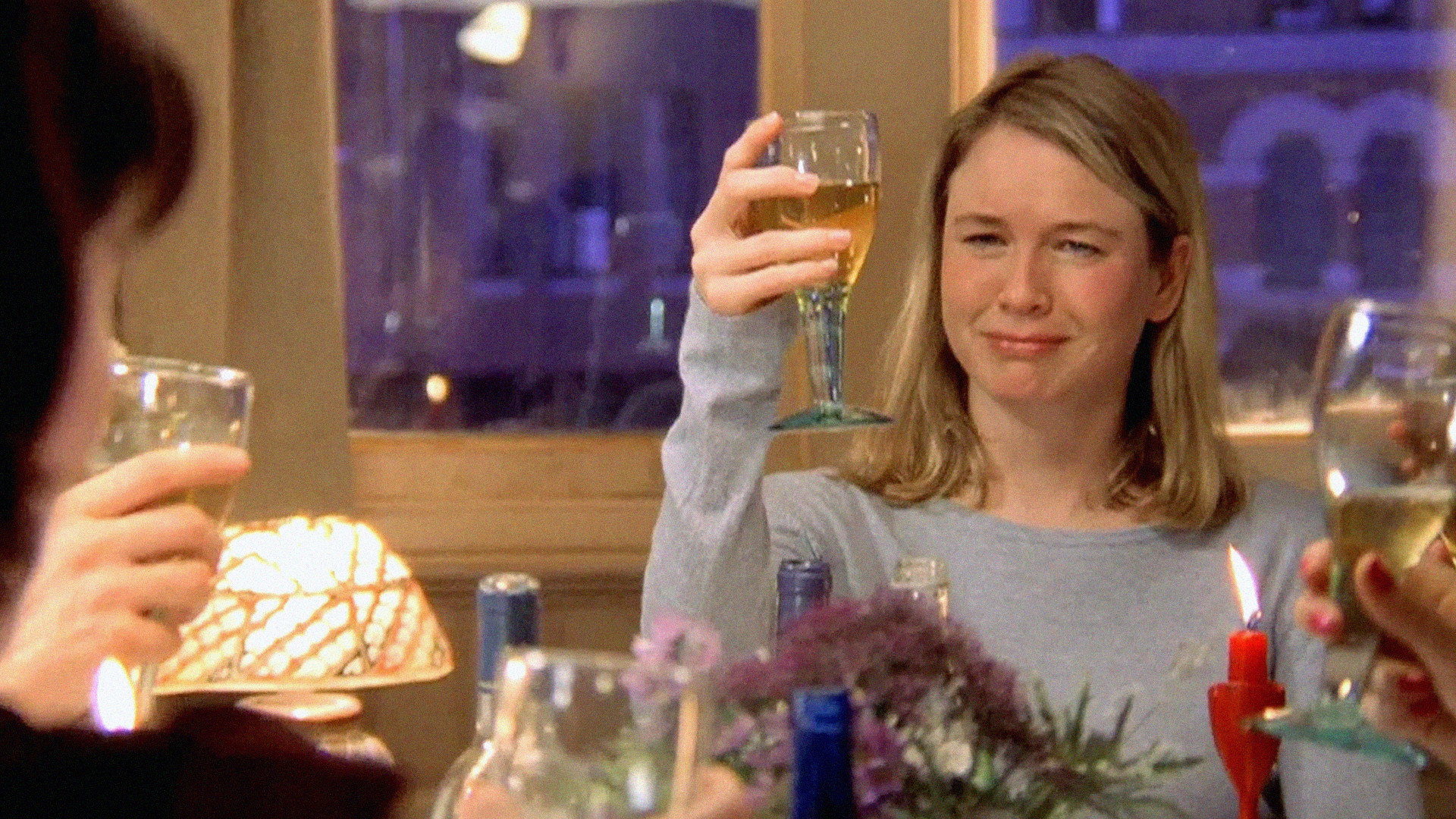
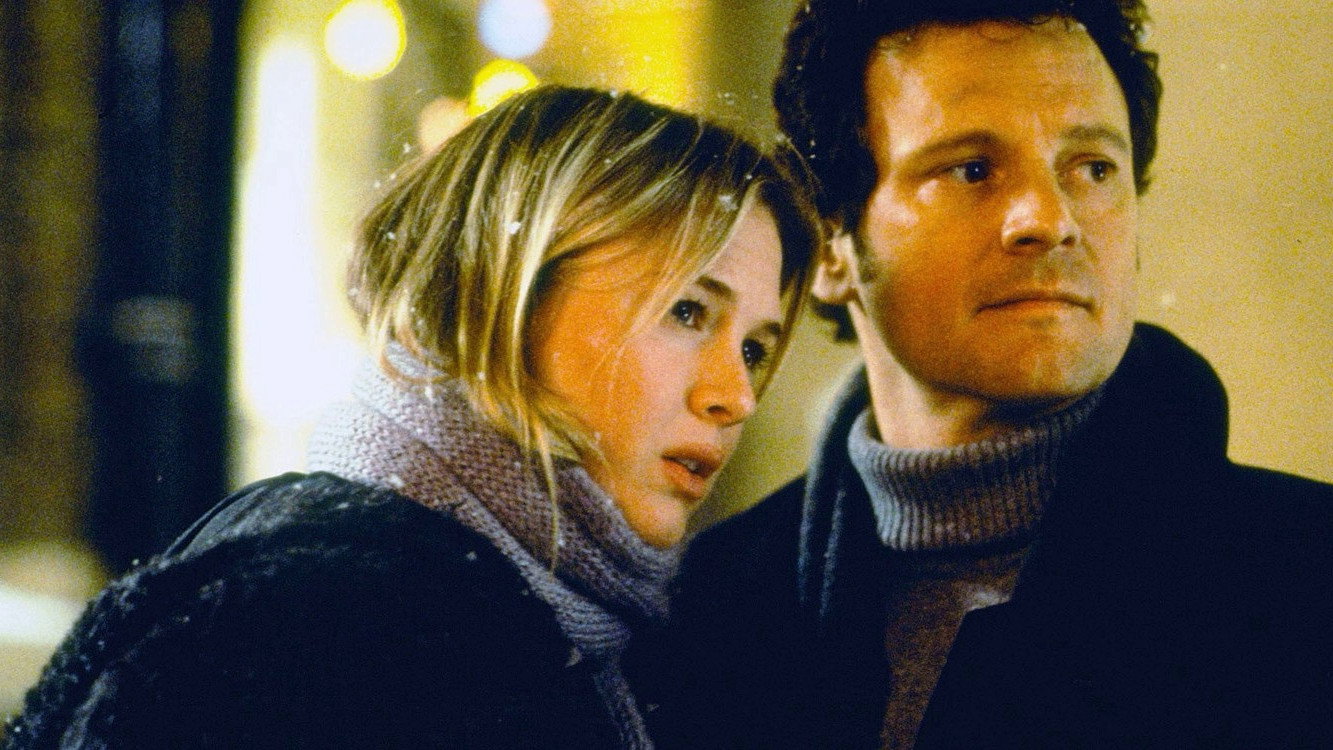
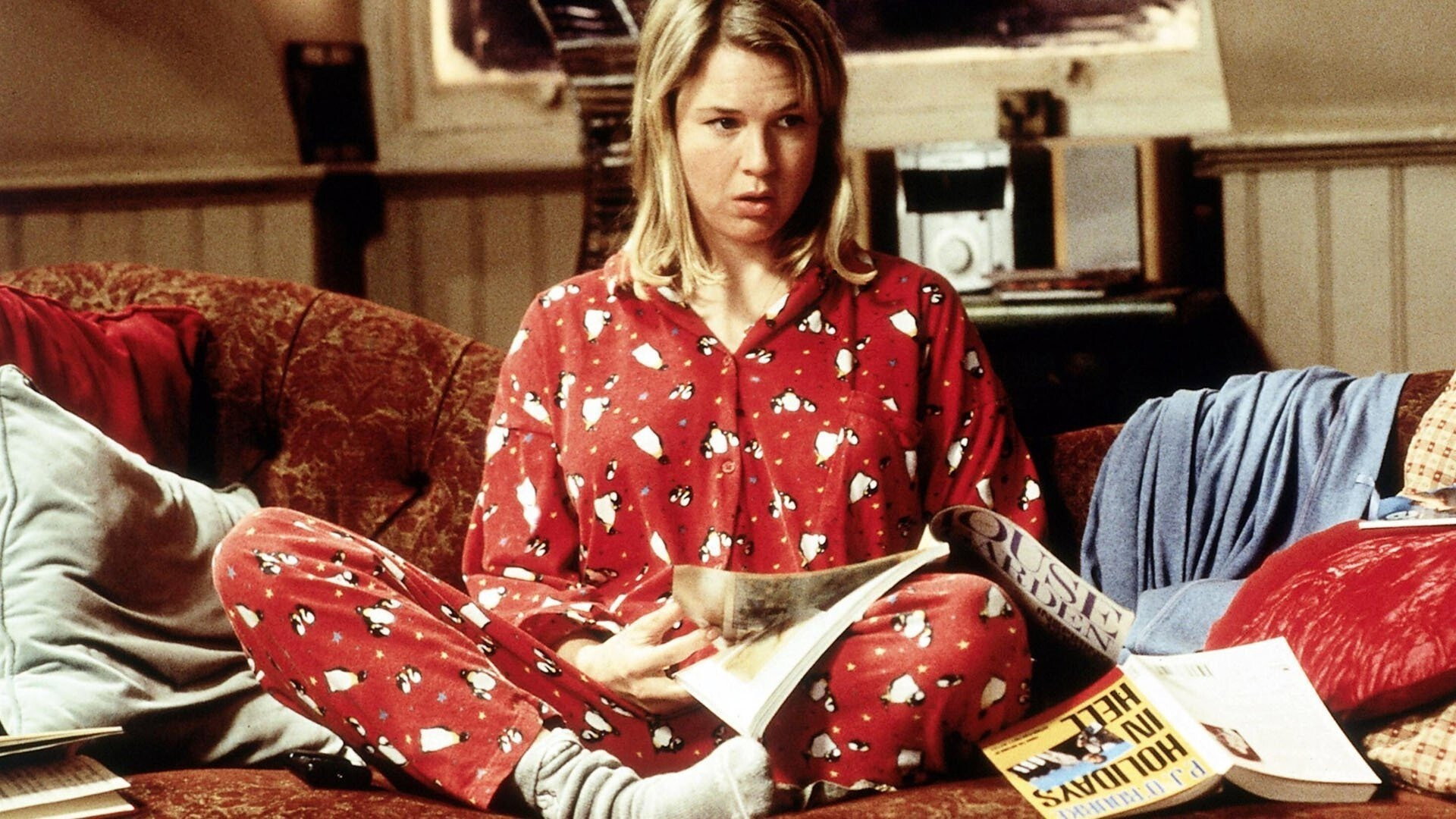
Renée Zellweger makes Bridget Jones’s Diary funny and unexpectedly touching, with Hugh Grant supplying the mischief. Sharon Maguire’s romantic comedy earns our affection, even when the screenplay seems determined to make its heroine look foolish.
Sharon Maguire’s Bridget Jones’s Diary is a funny, affectionate romantic comedy with one recurring weakness: it sometimes works too hard to embarrass its heroine. The adaptation of Helen Fielding’s novel depends on us caring about a woman who is determined to improve herself and keeps getting in her own way. Renée Zellweger makes that easy. She gives Bridget enough intelligence to recognise her mistakes, even when she has little chance of avoiding them.
We winced with recognition at Bridget’s New Year’s resolution, because Zellweger makes the wish to improve herself feel so close to self-reproach. She takes Bridget’s dissatisfaction seriously without letting it smother the comedy. Her timing lets us enjoy the distance between good intentions and awkward behaviour without deciding that this woman is stupid. The performance also makes her desire for affection seem reasonable, which matters when so many of the jokes depend on her getting things wrong.
Hugh Grant’s Daniel Cleaver is poor boyfriend material and excellent company for a comedy. Grant lets a little calculation show through the charm, just enough to make us wary without making Bridget seem foolish for enjoying it. Colin Firth’s Mark Darcy supplies a more restrained kind of amusement, giving Zellweger’s nervous energy something solid to work against. The pleasure is in watching her behave differently with each man, a distinction the three performances make without laborious explanation.
The screenplay by Helen Fielding, Richard Curtis and Andrew Davies is less careful about protecting Bridget’s intelligence. Sometimes a scene asks only how awkward she can become, and the physical comedy starts to make her seem childish. Zellweger works hard to keep a recognisable adult in view. We do not need Bridget to become sensible, but we would like the writers to trust her wit a little more often before arranging another embarrassment.
Stuart Dryburgh’s photography is most useful in keeping the performers’ reactions readable; Zellweger’s uncertainty needs room to register before a joke moves on. Gemma Jackson’s production design stays out of their way, a reasonable decision in a comedy whose central character already attracts enough attention. We get little independent pleasure from the images, though they rarely distract us from the performances. The emphasis stays on faces and behaviour, which is where the film earns our affection.
Maguire and editor Martin Walsh have a good feel for deflating Bridget’s confidence without exhausting a joke. They let anticipation build, then cut it short with an abruptness Zellweger knows how to answer. The shifts from farce to romantic tenderness are less comfortable, and a few transitions feel forced. Patrick Doyle’s music helps make those changes gentler, although its encouragement to feel something can be more emphatic than the actors need.
The romantic plotting is familiar, and the pleasure lies in how these actors handle each encounter. Zellweger gives the formula enough personality to sustain our interest even when the writing settles for an easy laugh. The 97-minute running time helps. Choose it for her, and be prepared to forgive the film for enjoying Bridget’s discomfort a little too much.