Film review

Brooklyn

2015 · Directed by John Crowley · 1h 51m · MPA PG-13

In a sentenceSaoirse Ronan makes a polite smile look like something that took all morning to prepare

DramaHistoryRomance

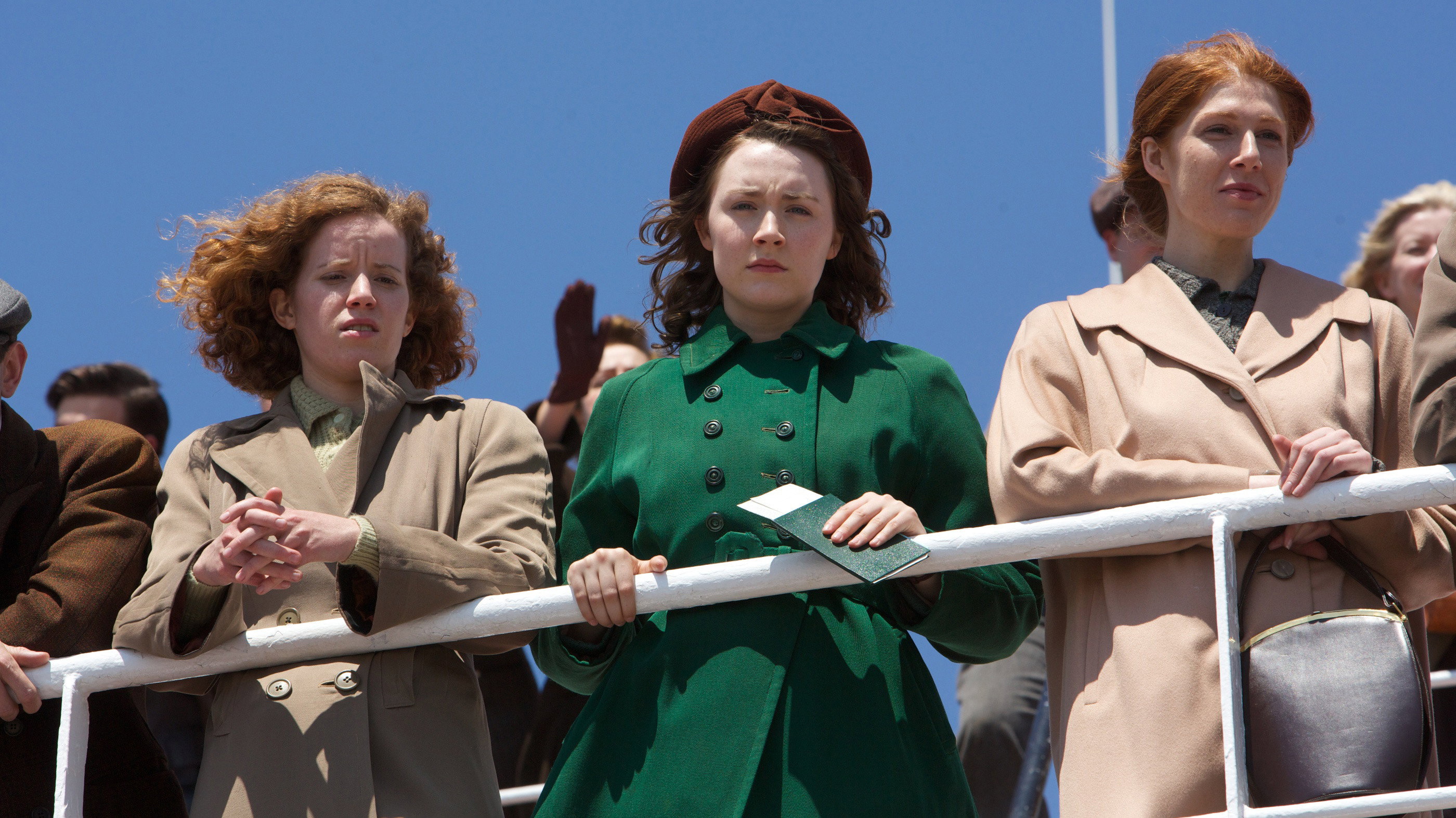
In the 1950s, Eilis Lacey (Saoirse Ronan) leaves Ireland to begin a new life in Brooklyn. She wants to settle in America, but homesickness makes the change harder than she expects. Her story brings in Father Flood (Jim Broadbent), Madge Kehoe (Julie Walters) and Tony Fiorello (Emory Cohen), whose courtship gives her a reason to look ahead. Getting used to unfamiliar people and the rules of romance takes time. Ireland remains close in her thoughts as she starts to discover what she might want for herself, away from the home that has shaped her.

Plays from YouTube when you press play; nothing loads from them until then.

Fi1m review

John Crowley’s Brooklyn is a moving, carefully acted romance about the effort of settling far from home. Saoirse Ronan makes its homesickness painfully convincing, even when the supporting characters and later complications feel a little too neatly arranged.

Brooklyn is a fine romance because it takes homesickness seriously. John Crowley’s adaptation of Colm Tóibín’s novel understands how leaving home can make an ordinary conversation feel like a test, and gives Saoirse Ronan time to show the strain. Eilis Lacey is trying to build a life away from Ireland; the film stays close to her uncertainty about what she has gained and what she has left. We recommend it, with a reservation about how conveniently the later drama falls into place.

Nick Hornby’s screenplay gives Eilis Lacey feelings that do not conveniently take turns: she can be drawn towards her new surroundings and still ache for the old ones. That is a sound basis for a love story, since affection need not cure the loneliness that preceded it. The dialogue has humour without continually demanding a laugh, and the courtship is allowed some hesitancy. Emory Cohen makes Tony Fiorello appealing without seeming to ask for our approval, which helps the attraction feel like something she discovers for herself.

Saoirse Ronan does the harder work of showing how much effort it takes to seem at ease. Her watchfulness matters: a held look lets us see her character considering what to reveal before she reveals it. We were moved by those attempts to look composed, because the homesickness remains visible even when she is trying to spare everyone else the bother. The close-ups let us follow these changes without a speech explaining each one.

Yves Bélanger’s close-ups let us study those small changes without making the image more important than the actor. Production designers François Séguin and Tania Bijlani make the period easy to believe, although the tidiness can make starting again look rather comfortable. Odile Dicks-Mireaux’s costumes reinforce the pressure to look respectable. We can read the social expectations in the clothes, but sometimes wanted more of the disorder that comes with settling somewhere unfamiliar.

Jake Roberts’s editing gives the quieter exchanges room, an important choice in a film where a quick response would often tell us less than a pause. The pace seldom feels sluggish, although the measured progression can leave us anticipating an emotional change before it arrives. Michael Brook’s music is sympathetic to the romance, but occasionally too ready to tell us how much something matters. The performance seldom needs that help.

The larger weakness is in the writing around Eilis Lacey. Some supporting characters have a clear purpose and too little life beyond it, and a few later complications feel contrived. Nick Hornby is more persuasive when people are uncertain about what to say than when the plot begins arranging their decisions for them. We wanted a little more awkwardness that could not be dealt with quite so neatly.

As a period romance, it is reassuringly willing to care about people trying to behave decently. It also knows that good manners do not make a difficult decision painless, and Saoirse Ronan keeps that discomfort present beneath the polish. There is enough humour to prevent the sadness becoming an obligation. Give it an evening when nobody is in a hurry.


Critical consensus AI synthesised

80
Positive
20
Mixed
1
Negative
1

Most critics warmly welcome Brooklyn as a sincere, old-fashioned drama that gives homesickness and the experience of a young woman emigrating unusual care. Praise centres on Saoirse Ronan’s restrained performance, particularly her ability to convey uncertainty, loneliness and growing confidence with small changes of expression. John Crowley’s direction and Nick Hornby’s adaptation also draw approval for their emotional balance, while the romance benefits from Ronan’s chemistry with Emory Cohen.

The reservations concern how neatly the story is arranged: some reviews find supporting characters thin, later developments contrived and the restraint occasionally flattening. Little White Lies admires Ronan but finds the film short of passion; The New Yorker dissents much more sharply, arguing that the adaptation strips away complexity and ambiguity. The spread is therefore wide at the extremes, though praise dominates, and even the strongest dissent finds Ronan working to give the story feeling.

Time Out
2 November 2015 · ★★★★★ · Joshua Rothkopf
100

Crowley's big-hearted adaptation rescues sincere moviemaking about decent characters facing ethical dilemmas. Ronan's quietly expressive performance forms the film's beating heart.

Read the full review →
The AV Club
5 November 2015 · A- · Noel Murray
90

The review praises Saoirse Ronan's career-defining performance and the film's masterfully crafted, heartfelt old-fashioned entertainment value, while noting some contrived and overly melodramatic elements in the later drama.

Read the full review →
The Hollywood Reporter
27 January 2015 · festival review · Todd McCarthy
90*

The critic calls it a beautiful and moving film, classily and classically crafted by director John Crowley and screenwriter Nick Hornby, with superb acting and a transporting sense of time, place, and social mores.

Read the full review →
Empire
2 November 2015 · Angie Errigo
85*

It is rare to see any immigrant experience through a young woman’s perceptions, and the critic praises Saoirse Ronan’s polished and feeling performance as a timid girl thrown into post-War America. The adaptation focuses sensitively on vulnerability and conflict, achieved with subtle old-fashioned elegance.

Read the full review →
Film Comment
4 November 2015 · Michael Sragow
85*

The critic finds this a calm, spellbinding literary adaptation that rewards readers of the source novel while standing on its own as a vibrant film. It singles out the director's plangent images, the nimble dialogue, and Saoirse Ronan's performance for conveying the protagonist's emotional shifts and maturation.

Read the full review →
Evening Standard
6 November 2015 · David Sexton
80*

Nick Hornby’s adaptation of Colm Tóibín’s novel beautifully depicts a time when decisions in romance were a leap of faith. The critic singles out Saoirse Ronan’s performance, noting that the film lives in her face and her ability to suggest a great deal by doing very little.

Read the full review →

Cast

Stills

Awards

Academy Awards, 2016

Nominated
Best Actress
Nominated
Best Picture
Nominated
Best Writing, Adapted Screenplay

If you liked this, try…

Brief Encounter poster90

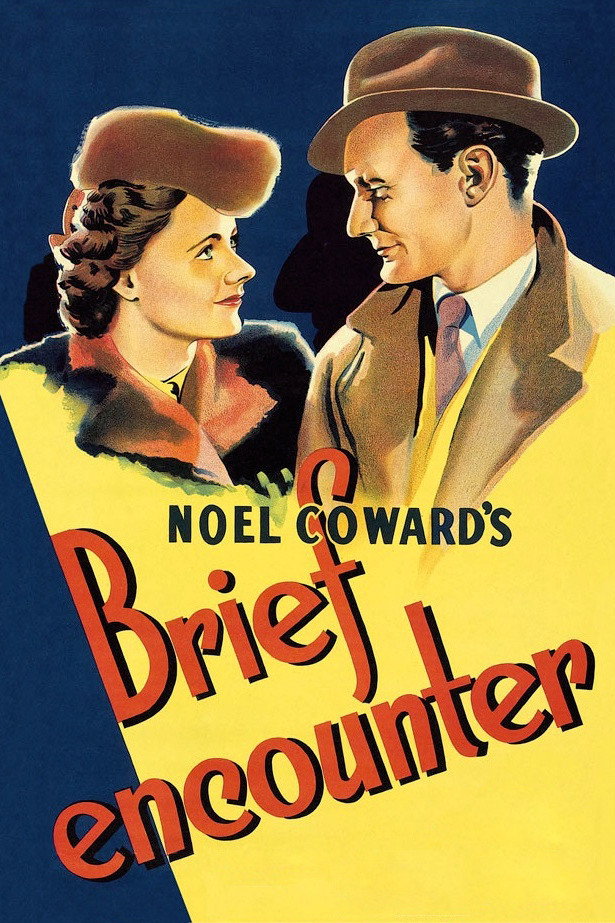
Brief Encounter

1945 · Small changes in expression carry a romance constrained by manners and obligation

Ali: Fear Eats the Soul poster

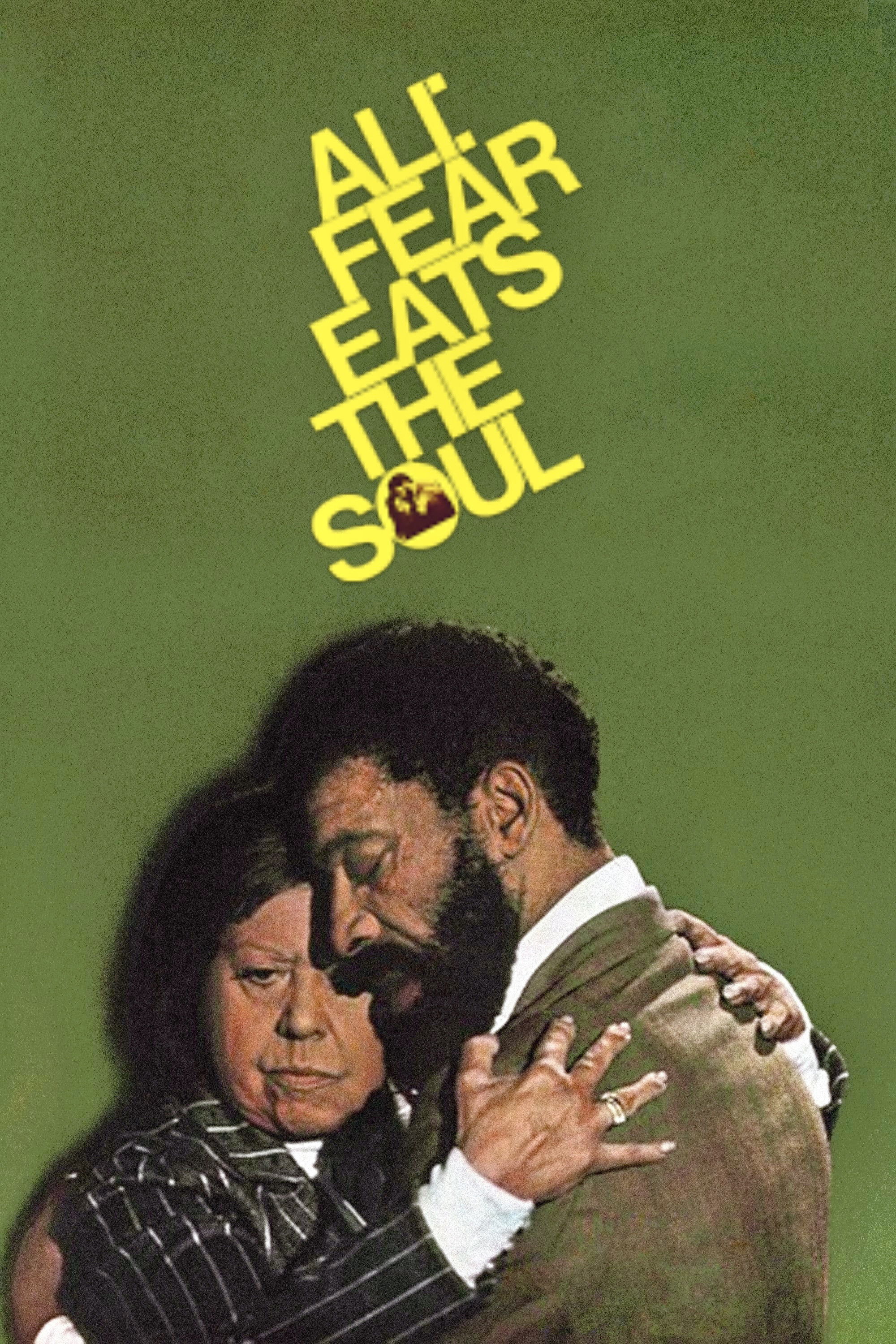
Ali: Fear Eats the Soul

1974 · A less comforting romance about finding companionship where neighbours would prefer to see none

The Lunchbox poster

The Lunchbox

2013 · An unhurried courtship that lets loneliness emerge through the routines of daily life

The Immigrant poster

The Immigrant

2013 · A harsher account of starting again in America, with tenderness under pressure

Past Lives poster85

Past Lives

2023 · For another patient look at emigration, affection and the lives left unchosen