Vincent Gallo’s abrasive comedy is worth seeing for Christina Ricci and its uncomfortable family visit. The romance asks too much indulgence, though there is enough humour and feeling here to keep us with these difficult people.
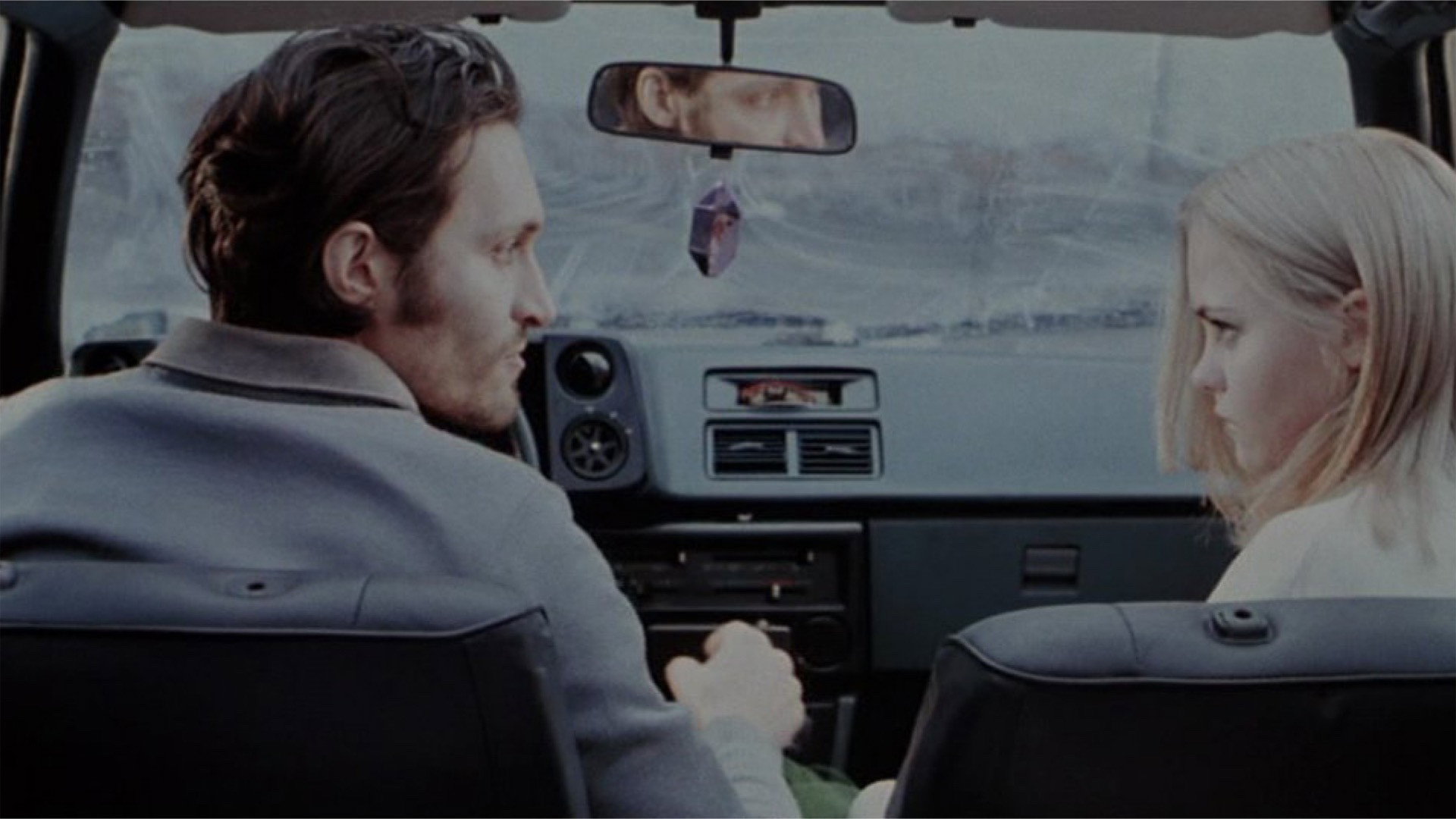
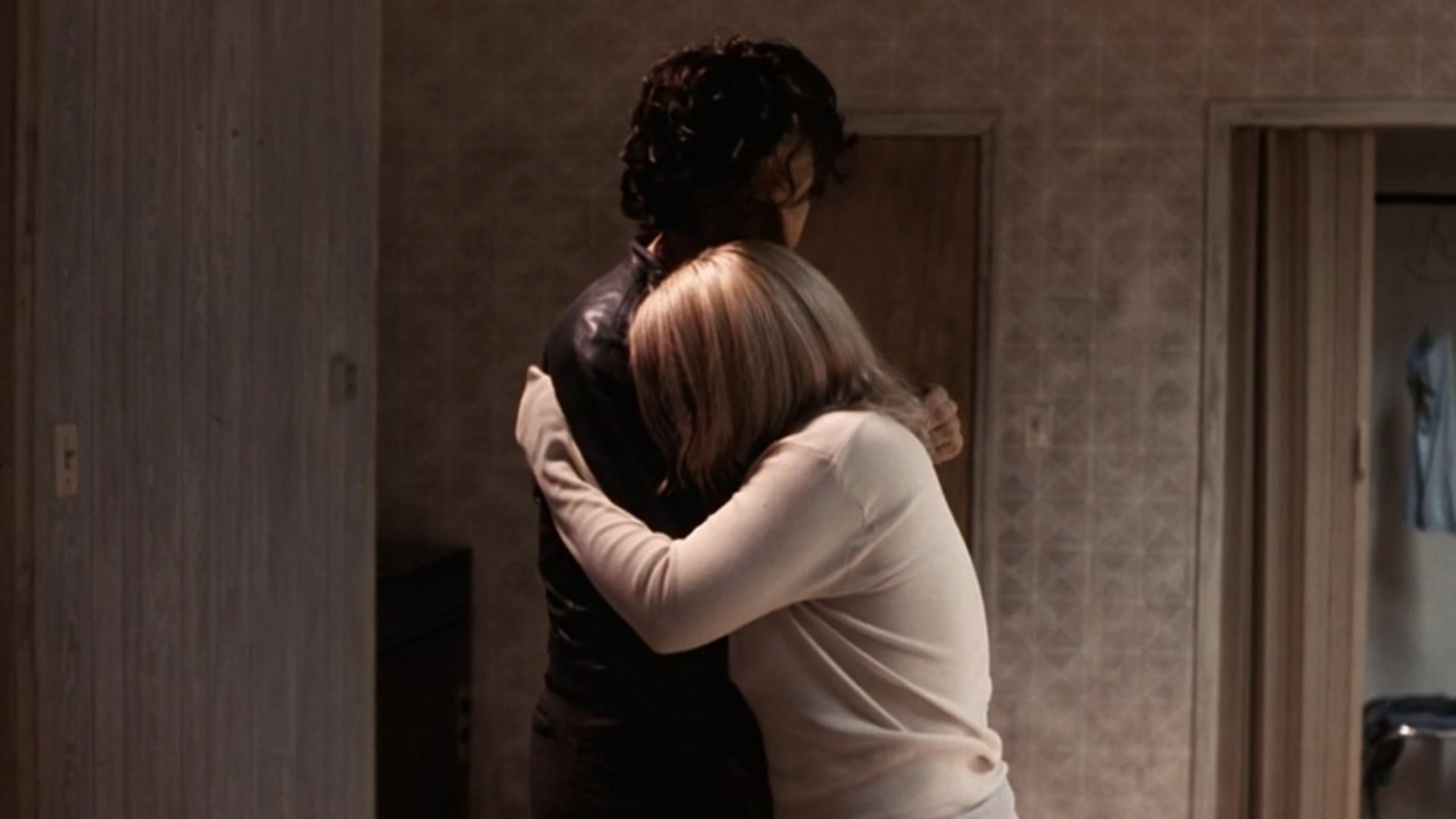
Vincent Gallo gives Billy Brown a simple wish: to go home from prison and be welcomed. Billy’s method is to kidnap a tap dancer, Layla, and have her impersonate his wife for the visit. Buffalo ‘66 expects us to find tenderness in this ugly arrangement, which is a considerable request. We think it works as a bruised comedy, although its romance depends on accepting a woman’s patience without being told enough about her.
Gallo plays Billy with an exhausting energy that suits a man so desperate for approval and so ill-equipped to receive it. He allows the neediness to become embarrassing, and that is where the performance gets past mere aggression. We laughed at the family visit and were surprised to feel sorry for Billy. He has brought a kidnapped stranger home to help him secure the affection he wants, which makes his desperation difficult to miss.
Christina Ricci is the reason we keep watching that arrangement. Her sweetness keeps Layla from seeming merely a reward for Billy’s suffering, even when the writing seems ready to settle for that. She makes the attraction seem possible from one exchange to the next, without quite answering the larger question of what Layla wants for herself. Gallo and co-writer Alison Bagnall needed to give her wishes some of the attention they give his.
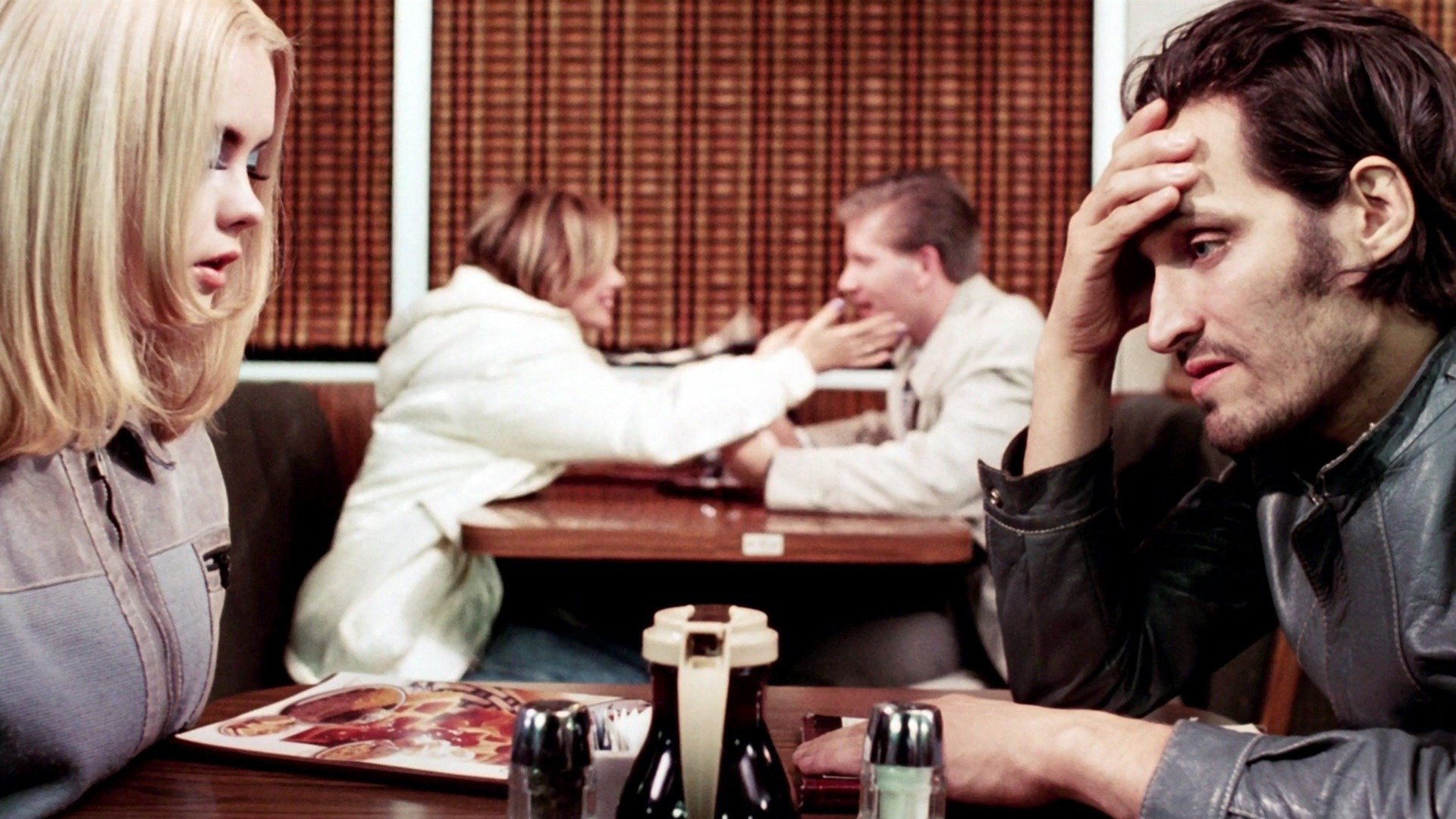
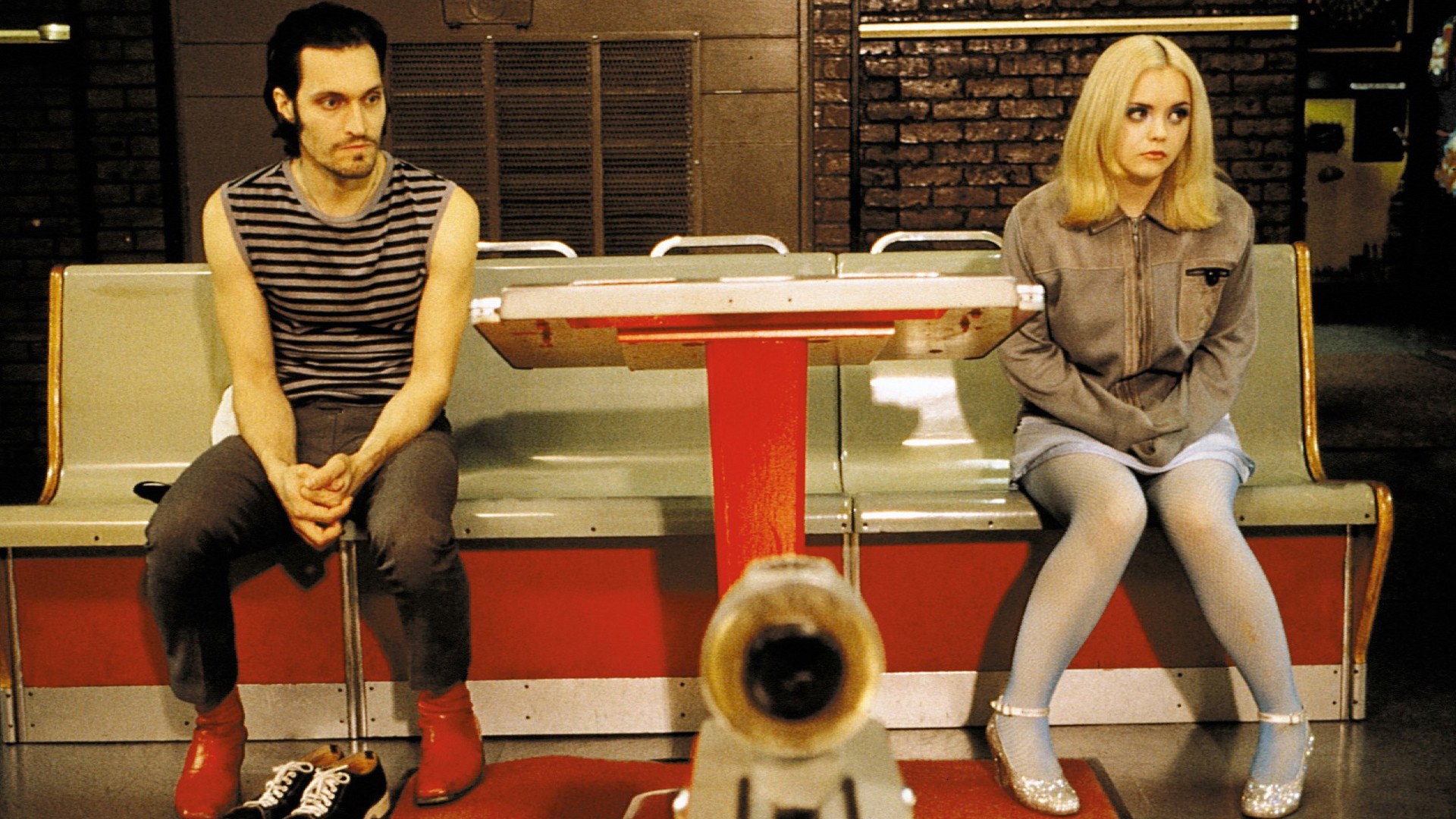
Lance Acord’s stark compositions give the encounters an uncomfortable formality, making these people seem exposed even when they are trying to bluff. Gideon Ponte’s production design helps make the family setting feel unwelcoming, with little comfort to be found in Billy’s homecoming. The controlled staging is effective, though it can also make the characters seem arranged for our inspection. Gallo’s tendency to turn a difficult family into a collection of grotesques limits how much we can believe in them.
Curtiss Clayton’s editing accommodates the digressions rather than hurrying the pair towards the next piece of plot. We appreciate the space that gives the performances, although some pauses feel like scenes waiting for a reason to continue. Gallo also supplies the music, which helps the shifts between grimness and romantic fantasy feel less abrupt. The surreal musical passages are welcome interruptions to Billy’s grievances, but not every departure from the story earns its place. At 110 minutes, the film has stretches we would happily lose.
In a more conventional romantic comedy, the false-wife business would be an excuse for misunderstandings. Here, the lie tells us how Billy thinks: he needs his parents to see evidence that somebody wants him, and he cannot imagine obtaining it honestly. That is a bleak enough starting point to give the humour some force. Gallo can be self-absorbed, but his willingness to make Billy look so humiliatingly needy keeps us interested.
Ricci gives the film enough warmth that its sourness never becomes the whole experience. We recommend it if the thought of a disreputable romantic comedy appeals, and if Billy’s self-absorption does not sound like too much work. Just do not mistake our sympathy for him for approval of his approach to courtship.